Community Supported Agriculture (CSA) in Columbus, OH
Fresh, Local Food Movement
Community Supported Agriculture, commonly known as CSA, is a flourishing model of local food distribution in Columbus, OH. It pairs local producers and consumers in a partnership that is mutually beneficial. Through CSAs, Columbus residents subscribe to the harvest of a particular farm or group of farms, and in exchange, they regularly receive a share of fresh produce throughout the farming season. This model fosters a closer connection between consumers and their food sources, promoting sustainable agriculture practices and community engagement.
In Columbus, a variety of CSA programs offer fresh, seasonal produce directly from the farm to the kitchen table. Programs such as Gerry's Garden and Seminary Hill Farm, for instance, commit to sustainable methods of farming, ensuring their members get the most wholesome and nutritious foods. New Century CSA goes a step further by delivering fresh vegetables directly to members' homes, offering convenience that traditional pick-up models might not provide.
This direct partnership between Columbus farms and community members supports local agriculture and provides fresher, often organically grown, produce. The CSA model encourages Columbus residents to eat seasonally, learn more about their food, and engage with the farming process. It’s a relationship that strengthens the local economy and advocates for a healthier, more sustainable food system.
What Is Community Supported Agriculture (CSA)?
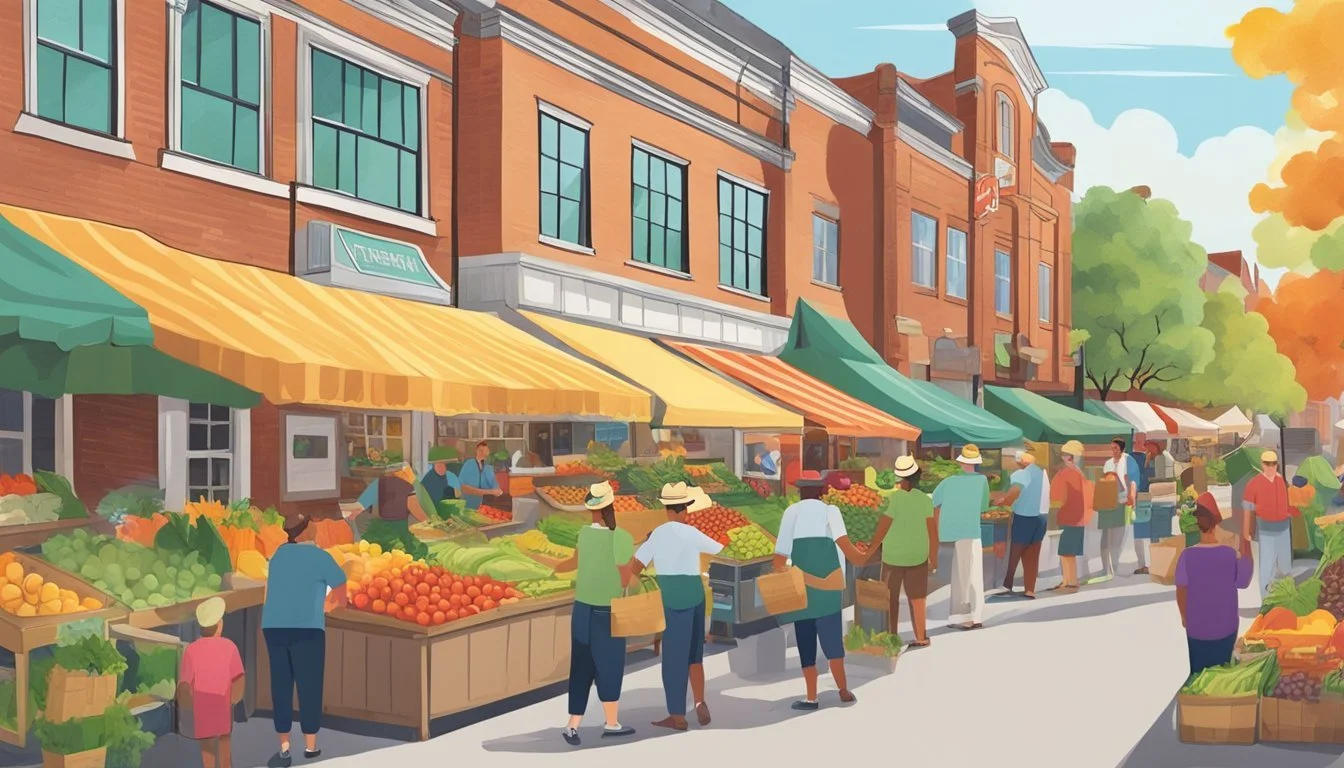
Community Supported Agriculture (CSA) is a farm-funding model that connects farmers with consumers within their locale, allowing both parties to share the benefits and risks of food production.
CSA Functionality and Structure
In Columbus, Ohio, a CSA operates as a symbiotic partnership. Consumers purchase a "share" from local farms, which, in most cases, is a financial commitment upfront for a season's worth of agricultural products. This may include a diverse array of produce, such as veggies, fruit, eggs, flowers, and herbs. Some CSAs also offer meat products. This investment allows farmers to plan accordingly for the season, purchase seeds, and cover other upfront costs.
Share Purchase: Advance payment for weekly produce deliveries
Farmer Commitment: Providing a variety of seasonal produce over a set time frame
Seasonal Availability of Produce
Produce availability is anchored to the local growing seasons in Columbus, ensuring that members receive fresh, seasonal produce. Members can expect a rotation of goods that align with the peak harvesting times, typically ranging from early spring until late fall.
Spring: Tender greens, herbs, and radishes
Summer: Tomatoes, peppers, cucumbers, and berries
Fall: Squash, apples, and root vegetables
Benefits of Joining a CSA
By joining a CSA, members support their local farm community, often enjoying fresher and more flavorful food compared to what's available at grocery stores. They also foster a closer connection to the source of their food, sometimes including opportunities to visit the farms and meet the farmers. Additionally, financial preseason support through share purchasing can significantly help a farmer with the stability and planning of their crop production.
Support Local Agriculture: Financially supporting local farmers with upfront costs
Freshness and Variety: Receiving a weekly supply of fresh, locally-grown vegetables and other products
Community Connection: Gaining a deeper understanding and relationship with local food sources
CSA in Columbus – An Overview
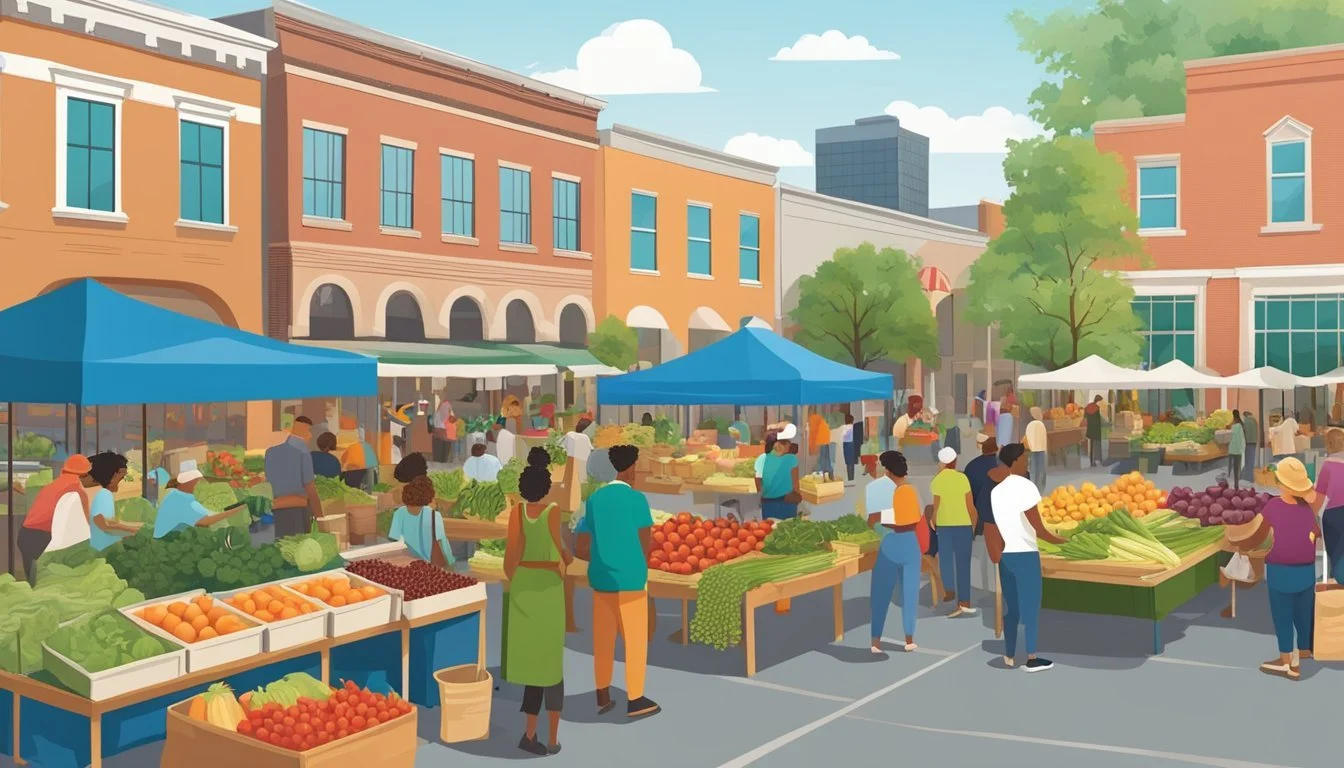
Community Supported Agriculture in Columbus connects consumers directly with local farms, offering a way to purchase fresh, sustainable produce while supporting regional agriculture. These programs enable members to receive weekly shares of a farm's harvest, fostering a partnership between consumers and farmers.
Prominent CSA Programs in Columbus
Several well-established CSA programs operate within the Columbus area. Gerry's Garden provides a compelling example, with up to twenty members receiving a thirteen-week supply of fresh, chemical-free produce. Seminary Hill Farm, another notable player, entices members with weekly deliveries from their small-scale, sustainable operation. The Ohio State University Student Farm is a testament to the educational aspect of CSA, engaging students and the community alike in sustainable practices. With options including upfront payment plans and pay-as-you-go systems, Columbus residents can choose the CSA model that best suits their needs.
Local Farms Participating in CSA
Participation in CSA is robust among local farms in the Columbus region. Here's a glimpse:
Global Native Farms in Franklinton offers an urban agriculture approach to CSA.
Procter Center Farm, with an emphasis on community and sustainability, welcomes CSA members.
Mott Family Farm, located near Granville, and Sippel Family Farm near Clintonville, are key contributors to the region’s CSA landscape.
Representing South Solon, Primaterra Farm emphasizes organic practices and community engagement through its CSA.
Toad Hill Organic Farm also joins the ranks, providing organic options to its CSA members.
These farms and CSA programs are instrumental in bringing high-quality, locally sourced food to the tables of Columbus residents.
How to Choose and Join a CSA
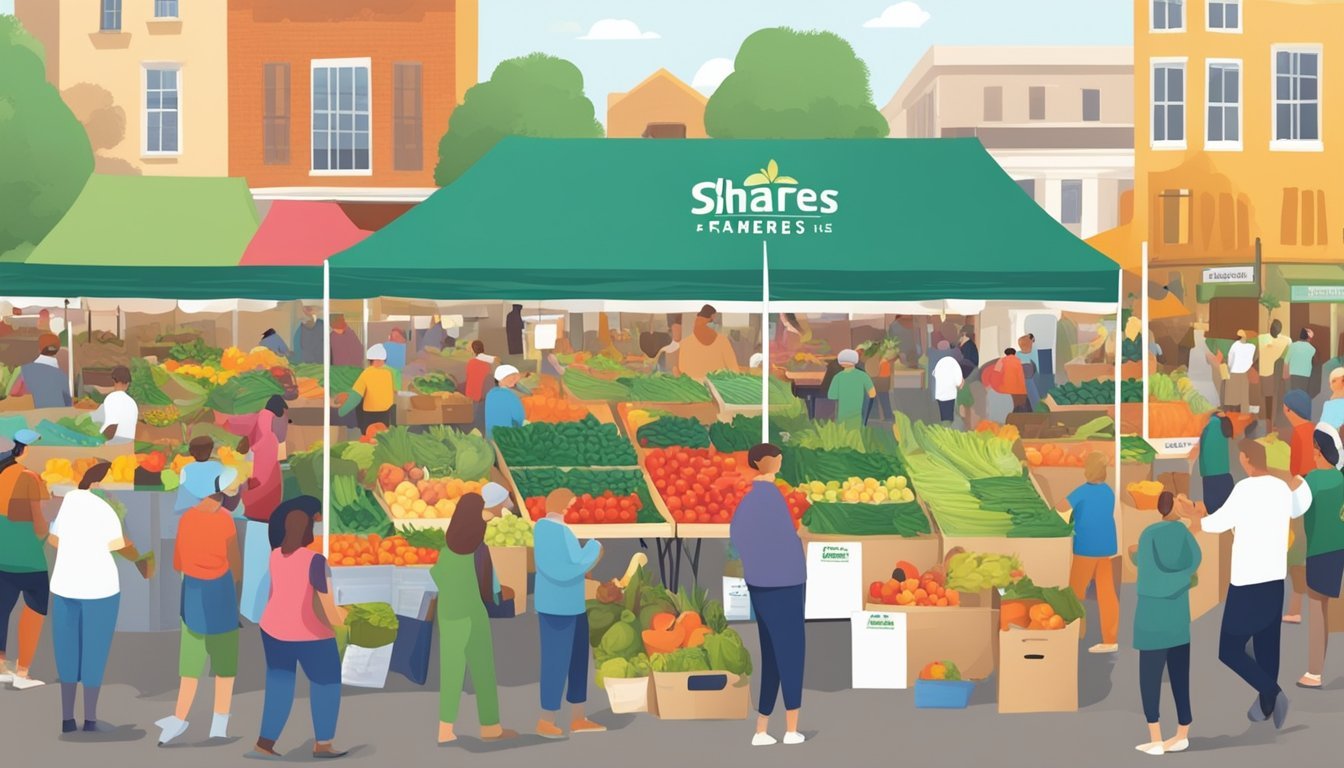
Choosing a CSA requires consideration of local farms' offerings and understanding the financial and logistical commitments involved. Joining involves selecting share types, arranging pickup or delivery, and committing to a season's subscription.
Evaluating CSA Options
When evaluating CSAs in Columbus, OH, individuals should research each farm's practices and produce selection. Darby Meadow Farm in Plain City, for instance, provides a variety of fresh produce, free range eggs, and poultry. Prospective members can review a farm's history with growing seasonal food and assess their educational efforts to promote sustainable agriculture. It's essential to choose a CSA that aligns with one's preferences for organic or conventional farming methods and to consider the farm's location relative to their home for convenient pickup or delivery options.
Understanding Membership and Payment
Membership usually involves purchasing a subscription-like share before the growing season begins. The cost of these shares—such as Crown Point Ecology Center's $685 per share—can be viewed as an investment in the farm's upcoming harvest. Payment structures may vary, with some farms offering installment plans while others require full payment upfront. Individuals should inquire about a farm's refund or cancellation policy and what happens if the farm experiences a poor yield due to unforeseen circumstances.
Share Types and Pickup/Delivery
Shares typically consist of weekly boxes of vegetables, and may include fruits, herbs, eggs, or honey. CSA members often choose between a traditional Farmer's Choice share or a customized weekly order. The Crown Point Ecology Center, for example, aims for a share size of 8-12 items per week. Members should confirm pickup times and locations, like Crown Point's options for Wednesdays or Saturdays. Some farms also offer delivery services, which can influence a member’s decision based on convenience. Box sizes and the frequency of shares may vary throughout the season, generally increasing as more crops become available in the summer months.
CSA Management and Sustainable Practices
Community Supported Agriculture (CSA) in Columbus, Ohio focuses on sustainable management and establishes a symbiotic relationship between local farmers and consumers. This approach is deeply rooted in the delivery of high-quality, chemical-free produce throughout the season, while bolstering community engagement and local economies.
Agricultural Techniques and Sustainability
Sustainable Methods: Farmers in the Columbus area prioritize environmental stewardship through the use of organic regenerative techniques. Seed Selection is critical, with farmers opting for non-GMO, all-natural seeds that promise a bountiful harvest. The commitment extends throughout the growing season as farmers employ chemical-free practices, avoiding synthetic pesticides and herbicides, and instead using natural alternatives that ensure soil health and biodiversity.
Seasonal Planting and Harvesting: CSA management adheres to a seasonal cycle, planting and harvesting at times that honor the natural rhythms of the local ecosystem. This method not only yields delicious, high-quality produce but also mitigates the farm's environmental impact.
Community and Economic Impact
Direct-to-Customer Model: CSA in Columbus operates on a direct-to-consumer model. Customers invest in the farm at the beginning of the season, which allows farmers to plan and fund their operations effectively. In return, they receive a weekly delivery of fresh produce, fostering a tangible connection to their local food source.
Supporting Local Family Farms: By participating in a CSA, consumers play a critical role in supporting family farms. This investment helps maintain and preserve local agricultural practices, ensuring that farms can continue to deliver the bounty of eden to their community season after season, directly sustaining the local economy.
In summary, CSA in Columbus, Ohio is a testament to the dedication and collaboration of farmers and consumers, emphasizing the importance of sustainable, local agricultural practices and their positive impact on the community and economy.