Community Supported Agriculture (CSA) in North Charleston, SC
Benefits and How to Join
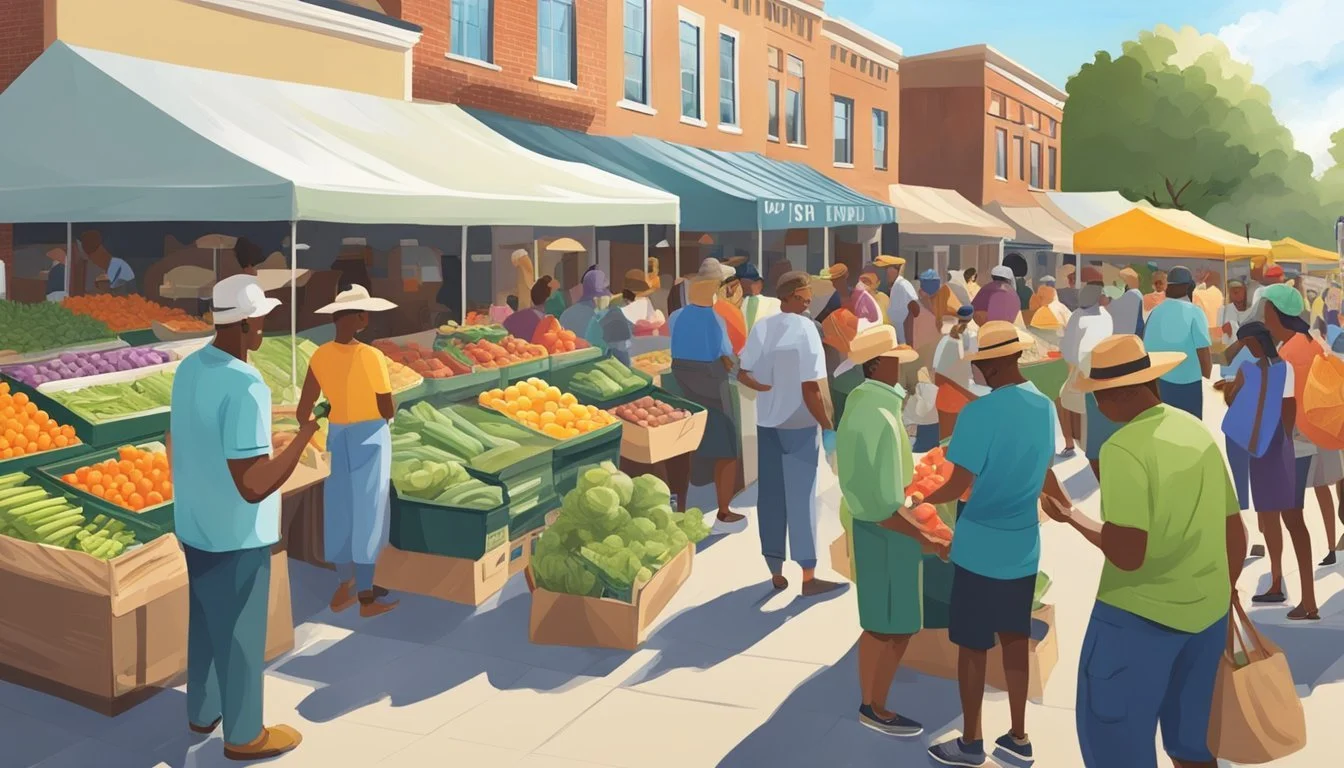
Community Supported Agriculture (CSA) represents a model of food production and distribution that connects farmers directly with consumers. In North Charleston, South Carolina, the CSA model has been embraced as a pathway to foster local agricultural endeavors and strengthen community bonds. Participants purchase shares in a farm's yield and receive a portion of the crops throughout the growing season, ensuring they have regular access to fresh, locally-grown produce.
This system mutually benefits both farmers and consumers. Farmers in the North Charleston area gain financial security through pre-season funding, which assists with the farm’s cash flow and planning. Meanwhile, consumers benefit from the nutritiously dense and flavorful harvest of their invested farm. By engaging with CSAs, residents are actively contributing to the sustainability of local agriculture and the betterment of their community's economy and food systems.
CSAs in North Charleston are known for their diverse offerings, which often extend beyond the typical array of vegetables to include fruits, eggs, meats, and other farm products. This diversity reflects the rich agricultural heritage of South Carolina, and presents an opportunity for consumers to explore new tastes while supporting their local farms. The CSA model in North Charleston not only promotes healthier lifestyles through better eating habits but also engenders a closer connection between residents and the source of their food.
Understanding CSA
Community Supported Agriculture, or CSA, is an innovative food distribution model that connects the community and local farms through direct shares of produce. It strengthens the community's ties to local agriculture, ensuring fresh produce while embracing shared risk.
CSA Concept and History
The concept of CSA began in the 1960s in Switzerland and Japan as a response to concerns about food safety and the urbanization of agricultural land. It reached the United States in the 1980s. The main idea is that members of a community pay in advance for a "share" of the harvest from a local farm. In North Charleston, South Carolina, programs like CSA have seen an uptick in participation, reflecting a growing interest in sustainably grown, local foods.
CSA programs often include:
Seasonal produce: A common share includes a variety of vegetables, and may also contain fruits, eggs, dairy, or meat.
Weekly or bi-weekly pickup: Shareholders typically receive their portion during a designated time-frame throughout the farming season.
Key Principles of CSA
There are several critical principles that underpin the CSA model:
Community Support: Members buy their shares at the start of the growing season, providing the farmer with upfront capital to manage the farm operations.
Shared Risk and Reward: Both the farmers and the members share the risks of farming, including poor harvests due to unfavorable weather conditions or pests.
Local and Fresh: The produce is local, and members receive their shares soon after harvest, ensuring freshness.
Sustainable Practices: Many CSA farms prioritize environmentally sustainable practices, further solidifying community trust and support.
In North Charleston, the growth of CSA programs underpins a movement towards a sustainable future and represents a commitment to local agriculture and shared community values.
Benefits of Participating in CSA
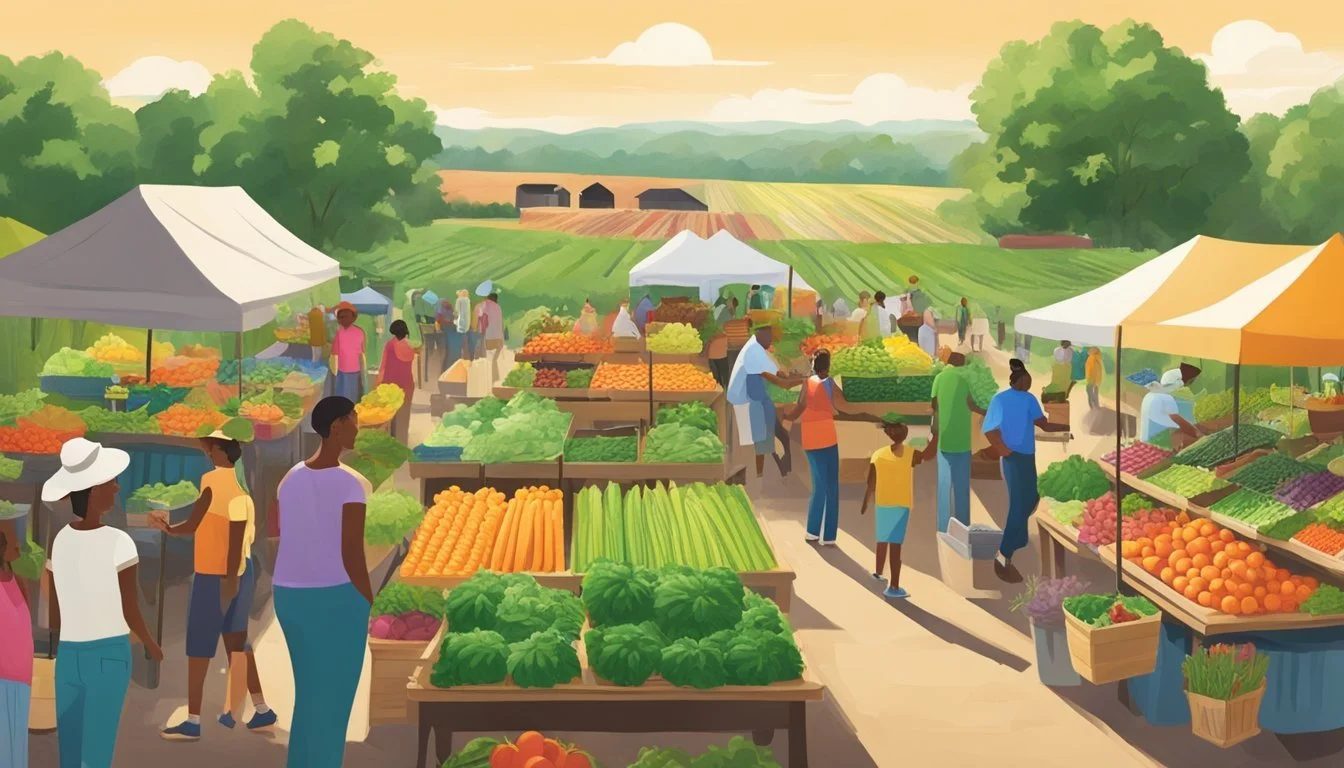
Participating in a Community Supported Agriculture program in North Charleston, SC, offers specific advantages for both farmers and consumers, emphasizing a mutual relationship centered around local produce.
Advantages for Farmers
Financial Stability: Farmers gain early season capital and better cash flow through upfront CSA membership payments, reducing the uncertainty of income from season to season.
Market Assurance: A guaranteed market for their produce is established as CSA members subscribe for regular deliveries, ensuring that farmers have a consistent base of consumers.
Advantages for Consumers
Access to Ultra-Fresh Food: Consumers enjoy ultra-fresh vegetables packed with vitamin benefits due to minimal time from farm to table.
Exploration of New Vegetables and Recipes: CSA membership often introduces consumers to new vegetables and provides inspiration for new ways of cooking, promoting a varied and healthy diet.
How CSA Works
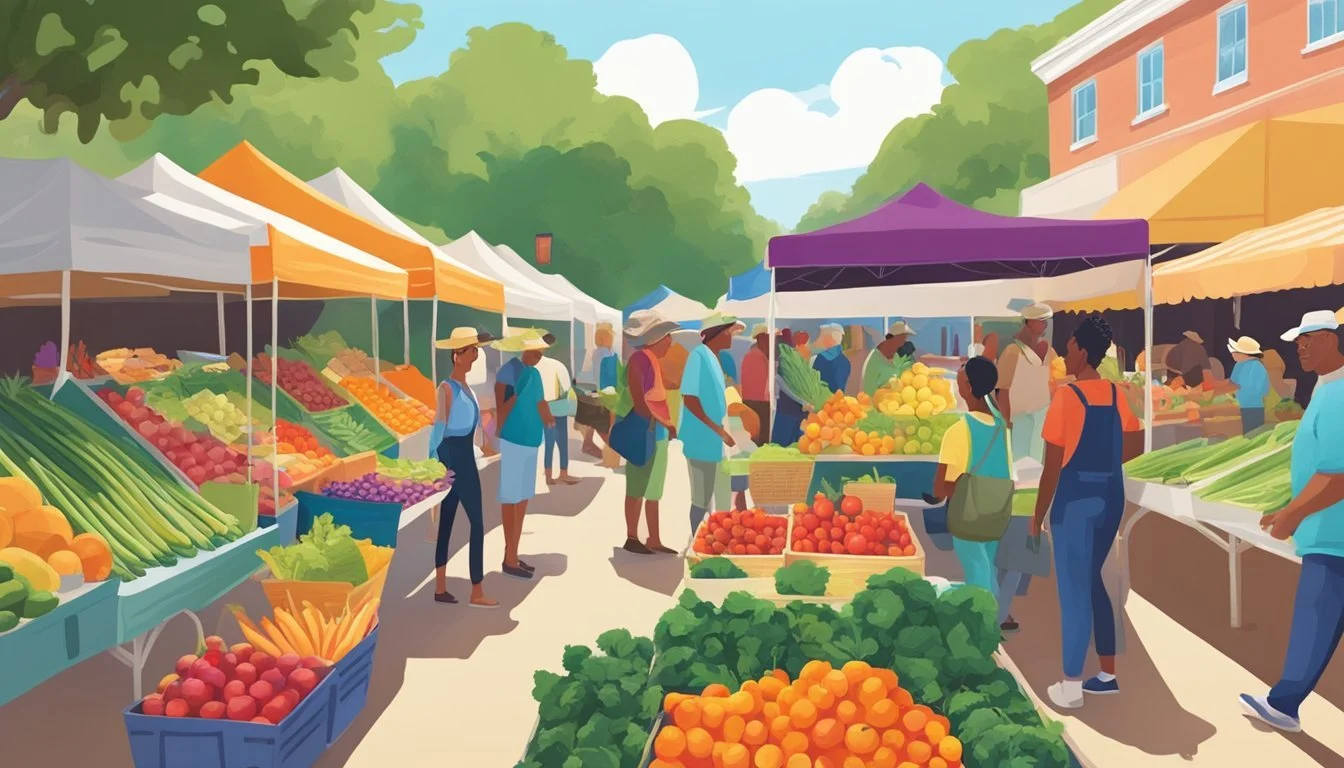
Community Supported Agriculture in North Charleston operates on a simple yet profound premise. It involves a cycle of commitment and harvest, enabling direct access to fresh, local produce for members who subscribe to shares from their community farm.
Membership and Subscription
Members of a CSA commit to supporting their local farm by purchasing a subscription. This subscription is generally referred to as a "share." Payment for shares is typically made up front before the growing season begins. This model provides farmers with working capital to cover the initial costs of the farming season.
The Seasonal Cycle of CSA
CSA operates on a spring to fall cycle, aligning with the natural growing season specific to the crops produced. During this period, members receive regular allotments of local produce, which may vary by week depending on what is in season. This way, consumers enjoy the freshest food while supporting sustainable farming practices.
Community Engagement and Support
Community engagement is pivotal in a CSA model, where the relationship extends beyond a simple transaction. Members may have the opportunity to visit the farm, engage with the growth process, and form a community around food sustainability. This direct link reinforces a supportive network for both the community and the farmers.
CSA Offerings in North Charleston
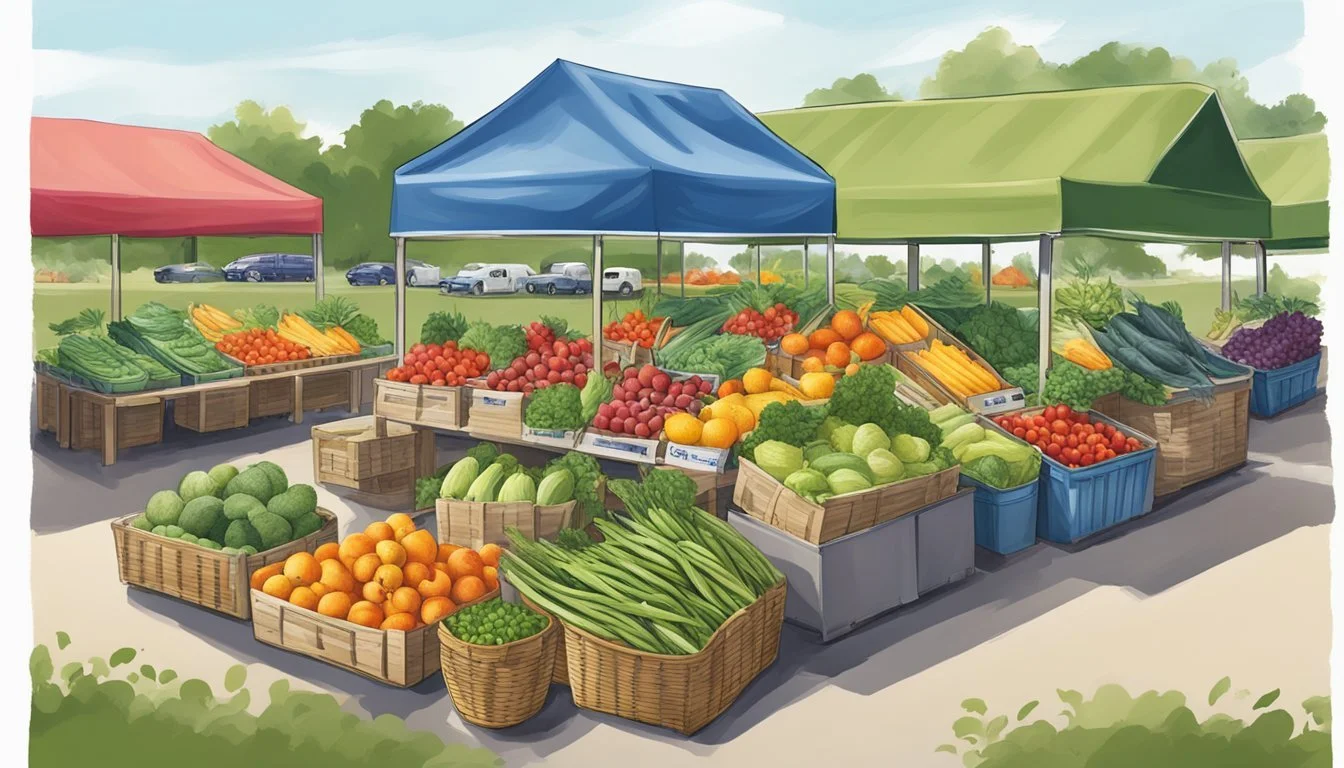
In North Charleston, South Carolina, Community Supported Agriculture (CSA) connects residents with an abundance of farm-fresh products. These offerings emerge directly from local farms, delivering a variety of seasonal food items to community members.
Types of Products Available
CSA programs in North Charleston provide a rich selection of produce and farm products. These typically include:
Vegetables: A wide range of seasonal vegetables grown locally.
Fruit: Fresh fruit varieties available according to the growing season.
Eggs: Often free-range and sourced from chickens raised on local farms.
Cheese: Some farms offer artisanal cheeses.
Flowers: Seasonal flowers are offered by certain CSAs.
Meat: Locally raised meats including pork, beef, and poultry may also be available.
Local CSA Farms
A few notable farms serve the North Charleston area with CSA programs:
Legare Farms: Situated on Johns Island, they provide a variety of products including meats and seasonal produce.
Ambrose Family Farm: Known for a wide range of vegetables and fruits, along with additional offerings like eggs and cheese.
Vital Mission Farm: Offers a selection emphasizing sustainable and pasture-raised meats alongside other products.
LocalHarvest is a useful resource that lists multiple CSA options in North Charleston, including addresses and specific offerings from each participating farm. Community members can directly support these local farmers while enjoying the freshest products the region has to offer.
How to Choose the Right CSA
When selecting a CSA in North Charleston, SC, consumers prioritize share options that fit their dietary needs and assess the quality and variety of farm products delivered.
Understanding Different Share Options
Community Supported Agriculture (CSA) provides a direct and mutually beneficial relationship between local farms and consumers. Prospective members should decide on the type of share that best suits their household. Weekly shares are common, wherein consumers receive a regular box of vegetables or other farm products. Subscriptions can range from half shares, suitable for individuals or small families, to full shares for larger households or those with higher consumption needs. The frequency and size of the share must align with the consumer's ability to use the seasonal produce without waste.
Evaluating Quality and Variety
The highest priority for many is the highest quality and diversity of produce. Local farms in North Charleston offer a range of seasonal produce that is harvested at peak freshness. Members should inquire about the farming practices to ensure they are comfortable with how the food is grown. Some CSAs also provide a list of typical products available in their shares. In doing so, the consumer can ensure that the CSA offers the variety they desire and verifies that what is being promised can be delivered. High-quality, diverse offerings that change with the seasons reflect a CSA's commitment to both its community and sustainability.
Maximizing Your CSA Experience
Maximizing your experience with a CSA in North Charleston, SC, involves utilizing the provided produce creatively, ensuring longevity through proper storage, and engaging with the farming community. The following tips aim to guide members in getting the most out of their CSA shares.
Cooking and Recipes
For members looking to enhance their cooking, CSA boxes offer a variety of seasonal food that can inspire a repertoire of recipes. Consider these steps:
Explore versatile recipes that can adapt to different types of produce you may receive.
Use herbs and spices to complement the natural flavor of fresh vegetables and fruit.
Remember that cooking with CSA produce means ingredients are at their peak of freshness, which can significantly boost the flavor and nutritional value of your meals.
Storage and Preservation Tips
Storing and preserving your CSA produce is crucial for maintaining freshness and extending shelf life. Here are key considerations:
Refrigerate leafy greens in a sealed bag with a damp paper towel to keep them fresh.
Root vegetables last longer when stored in a cool, dark place.
Canning or freezing seasonal produce allows you to enjoy the flavors year-round.
Contributing to the CSA Community
Being a part of a CSA is about more than just receiving a box of produce; it's about being an active member of a community. To contribute:
Attend CSA workshops to learn about where and how your produce is grown.
If possible, visit the farm to connect with farmers and see the cultivation process firsthand.
As a shareholder in community-supported agriculture, consider volunteering time or resources to support farm operations.
Managing Risks and Expectations
In the world of Community Supported Agriculture (CSA) in North Charleston, SC, both farmers and consumers engage in an agreement which includes an element of shared risk, primarily related to crop yield and weather challenges. Understanding this risk and maintaining open lines of communication are foundational to a strong farmer-consumer relationship.
Understanding the Shared Risk
Community Supported Agriculture relies on the concept where consumers purchase shares in a farm's seasonal production, entitling them to a portion of the local produce. This model inherently involves shared risk; if a farm experiences a loss due to unforeseen weather, crop failure, or other agricultural variables, the consumers share in this as well. Farmers in North Charleston, SC, make it clear that purchasing a share is an investment not only in the local fresh produce but also in the continuation of sustainable and community-centric farming practices.
Key Points:
CSA shares represent a stake in the farm's production season.
Shared risk can include weather fluctuations or crop losses.
Consumers are informed that their shares can fluctuate in quantity or variety of produce, reflective of farming conditions.
Communication and Transparency
In the CSA model, communication plays a critical role in setting and managing expectations. Farmers provide regular updates about the status of crops, potential issues, and what shareholders might expect in the next delivery. This degree of transparency fosters trust and sustains the relationship between farmer and consumer. Moreover, should any challenges arise—such as a particular vegetable succumbing to adverse weather—farmers are prompt in informing shareholders of such events and the impact it might have on their upcoming baskets of local produce.
Key Elements of Effective Communication:
Regular updates on crop status and anticipated harvest.
Immediate notification of any risk factors or potential changes in share contents.
Encouragement of open dialogue for shareholders to ask questions and provide feedback.
By embracing shared risk and prioritizing effective communication, the CSA model in North Charleston successfully cultivates a partnership where both farmers and consumers are co-invested in the bounty and challenges of agriculture.
Future of CSA in North Charleston
The trajectory of Community Supported Agriculture (CSA) in North Charleston is poised to integrate innovative agricultural practices and strengthen community-farmer connections while enhancing local knowledge and participation.
Innovations in Farming and Distribution
North Charleston’s CSA programs are expected to embrace advancements that improve sustainability and efficiency in farming. These may include precision agriculture tools that optimize water and soil management through data analysis, leading to healthier crops and reduced resource waste. Furthermore, CSA participants might see an uptake in home delivery services, leveraging digital platforms to schedule and track deliveries, ensuring fresh produce reaches members with greater convenience and regularity.
Building Long-Term Relationships
The success of CSA hinges on the solid relationships formed between the community and local farms. In North Charleston, efforts are geared toward cultivating long-term commitments where members invest not only in a season's harvest but also in the farm's future. This translates into reliable support for farmers and consistent, quality produce for CSA members. Farmers may offer exclusive farm experiences and share knowledge about sustainable practices, reinforcing the bond with their patrons.
Education and Awareness Growth
Raising awareness and providing education about the benefits of CSA is a key focus in North Charleston. This involves targeted outreach campaigns and partnerships with educational institutions to illuminate the vital role of CSAs in local food security. Workshops on seed preservation, the importance of choosing seasonal produce, and understanding the farm-to-table process will play a significant part in empowering the community to make informed food choices. As people become more educated, the demand for CSA programs is set to increase, further entrenching them in the local culture.
Through these concerted efforts, CSA in North Charleston will likely thrive and contribute meaningfully to a resilient local food system.