Community Supported Agriculture (CSA) in Corpus Christi, TX
A Guide to Local Farm Shares
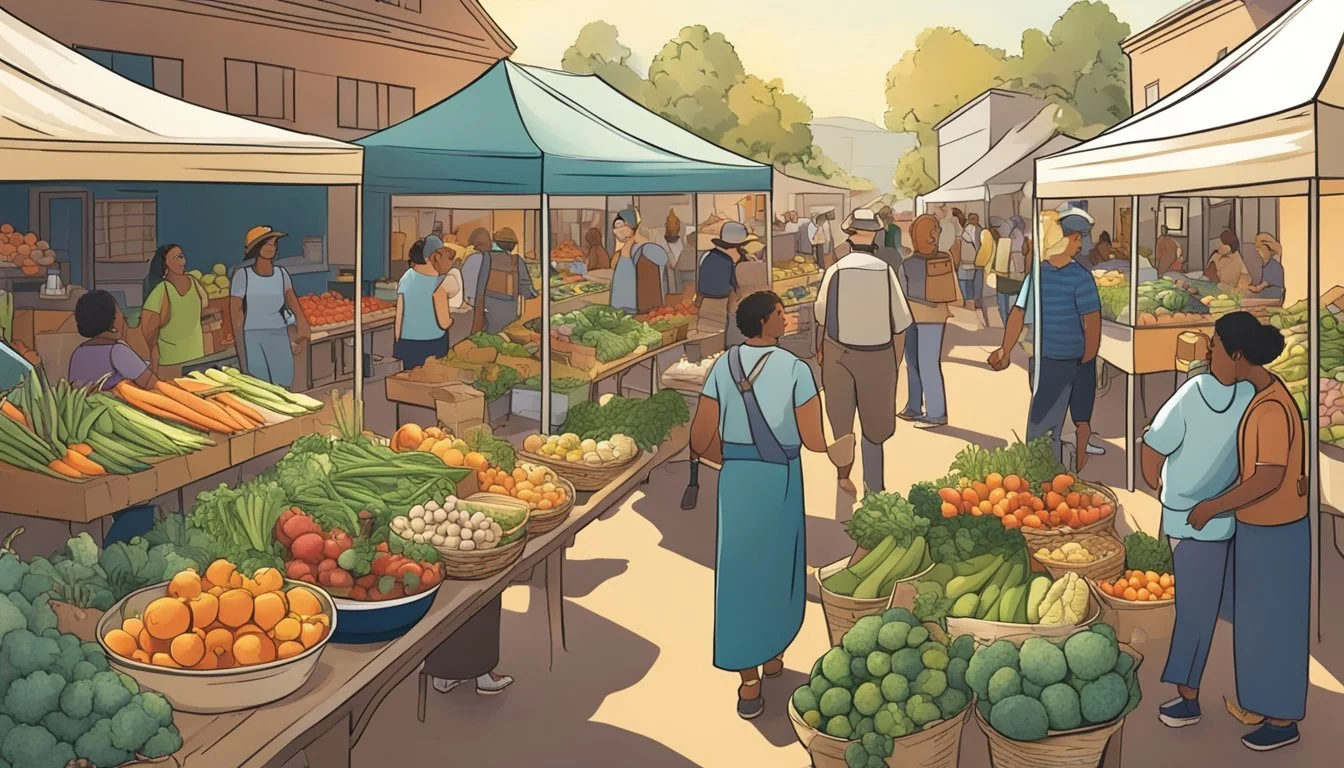
Community Supported Agriculture, commonly known as CSA, has taken root in Corpus Christi, TX, offering residents a way to invest directly in local agriculture. Through CSA programs, individuals and families become members by purchasing a share of a farmer's harvest in advance. In return, they receive a regular allotment of fresh, seasonal produce, typically on a weekly basis. This model not only ensures a market for farmers' goods but also fosters a partnership between the producers and the community, where risks and rewards are shared.
In Corpus Christi, the movement toward local and sustainable food is embodied by CSAs that provide grass-fed beef, chicken, eggs, local honey, and an array of fruits and vegetables. Farms in and around the Corpus Christi area, such as Moonbow Farms in Bay City, engage in natural growing practices, emphasizing the importance of environmentally friendly farming and nutrient-rich produce. By participating in CSA programs, residents contribute to the local economy, support farming practices that are beneficial to the environment, and gain access to healthy food options.
The concept of CSA is built upon the principle of connecting people to their local food system, encouraging a stronger understanding of where their food comes from while fortifying the local agricultural community. With various farms to choose from, Corpus Christi residents can find a CSA that suits their needs, allowing them to enjoy the freshest produce and, in some instances, even partake in additional farm offerings. As the local food scene grows, so does the opportunity for consumers to engage in a more sustainable, community-oriented approach to their food consumption.
Understanding CSA

Community Supported Agriculture (CSA) sits at the intersection of local food production and community engagement, focusing on a subscription-based model that benefits both local farmers and consumers.
Concept Of CSA
Community Supported Agriculture (CSA) is a farming model that allows consumers to purchase a "share" of a local farm's expected harvest. The CSA model functions on a subscription basis, where individuals pay in advance to receive a regular supply of seasonal produce directly from the farm. This advance payment helps farmers with the operational costs of the season upfront, which can include seed purchasing, equipment maintenance, and labor expenses.
In return, members of the CSA typically receive a weekly or bi-weekly box of fresh produce and other farm products. These can vary but often include vegetables, fruits, herbs, and sometimes eggs, meat, or honey. Participating in a CSA promotes sustainability and fosters a tangible connection between consumers and their food sources.
CSA in Corpus Christi, TX
Corpus Christi, Texas, offers ample opportunities for residents to engage in CSA programs. Local farms in and around the Corpus Christi area provide a variety of CSA options catering to the regional community's desire for locally-grown, fresh produce. Farms like Moonbow Farms, located in the proximity of Corpus Christi, incorporate CSAs into their operations, offering produce boxes that supply a selection of freshly harvested items to their members.
Local CSA Offerings:
Produce: Varied fruits and vegetables
Animal Products: Grass-fed beef, chicken, eggs
Additional Items: Local honey
By supporting CSAs in Corpus Christi, community members are investing in their local agriculture and receiving quality products in return. This direct support ensures local farms can continue their vital role in the community, and in turn, members relish in a weekly bounty of fresh goods that have likely traveled a very short distance to their dinner tables.
Benefits of Joining a CSA
Joining a CSA in Corpus Christi, Texas offers individuals the opportunity to enjoy fresh farm-grown products while supporting their local farmers and environment.
Fresh and Seasonal Produce
CSA members receive a variety of fresh and seasonal produce throughout the year. The offerings change with the seasons, ensuring that all vegetables and fruits distributed are at their peak flavor and nutrition. Access to such high-quality produce not only enhances the culinary experience but also promotes a healthful diet.
Supporting Local Agriculture
CSA programs are pivotal in sustaining local agriculture. Community members directly support Corpus Christi farmers, which helps to maintain the economic vitality of the region. This support provides farmers with a dependable source of income and enables them to continue their sustainable agriculture practices.
Environmental Advantages
CSA programs contribute to various environmental benefits. By reducing the distance food travels from farm to table, CSAs help lower greenhouse gas emissions. Additionally, many CSA farms employ farming methods that minimize the use of pesticides, leading to healthier soil and a reduction in agricultural runoff, which is better for both the environment and community health.
How CSA Works
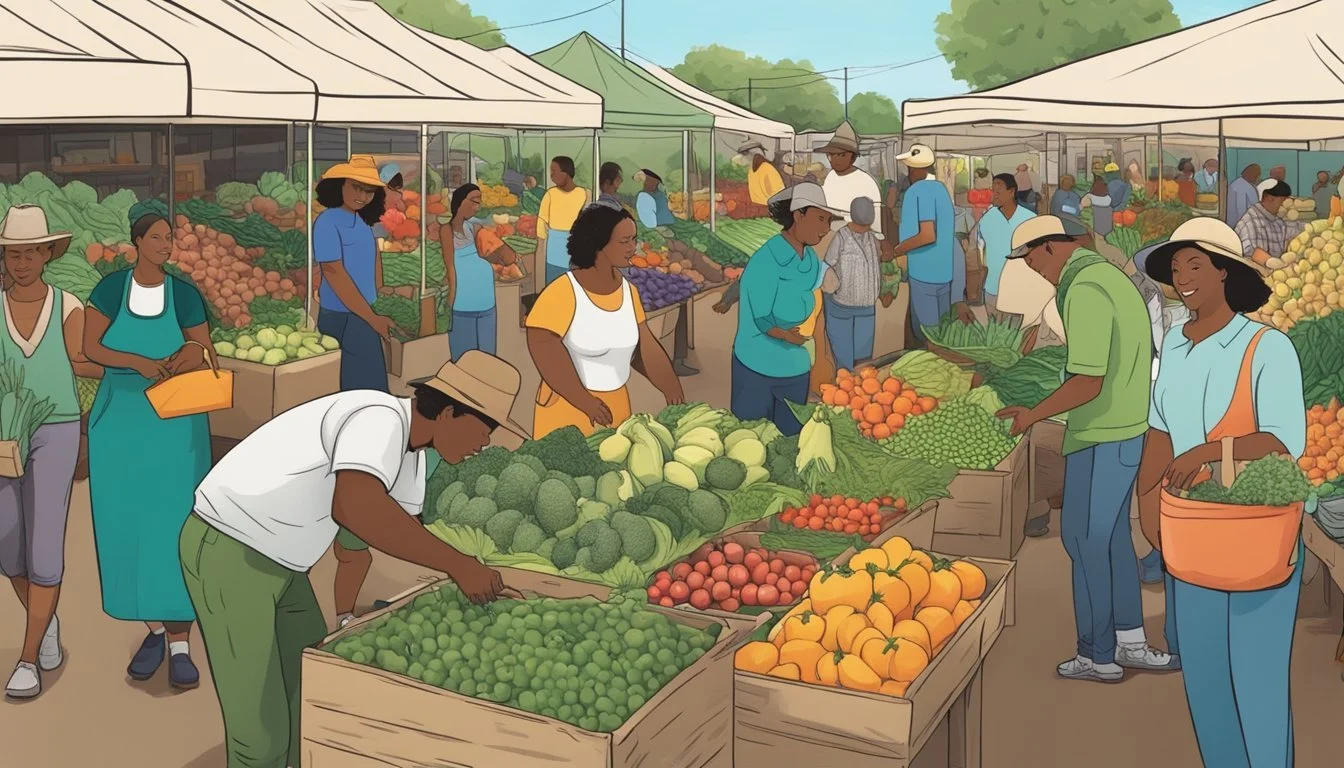
Community Supported Agriculture (CSA) in Corpus Christi functions through a system where consumers subscribe to receive farm products directly from local farmers. This model ensures a steady cash flow for farmers and guarantees fresh, seasonal produce for members.
Membership and Subscription
In Corpus Christi, consumers initiate their CSA experience by purchasing a membership or subscription. Interested individuals enter into an agreement with local farmers, where payment is made upfront for the duration of a growing season. This model secures the farmer’s ability to plan and fund the upcoming harvest.
Membership Duration: Typically covers a single season
Payment: Lump sum, often paid before the season begins
Types of Shares
CSA members can choose between different sizes of shares, catering to their needs. The two most common types of shares include:
Full Share: Adequate for a family or those with a high vegetable intake; it offers an ample quantity of produce weekly.
Half Share: Suitable for smaller households or individuals who consume fewer vegetables; it provides a lesser quantity of produce weekly.
Shares may contain a diverse array of farm products:
Vegetables
Fruits
Herbs
Eggs
Honey (when available)
Distribution Methods
Members receive their shares through specific distribution methods. The two primary distribution methods in Corpus Christi include:
Delivery: Some CSAs offer the convenience of delivering shares directly to members' homes or designated drop-off points.
Pick-up Locations: Other CSAs may have centralized pick-up locations, such as local farmers markets or agreed-upon community sites. Members collect their weekly share based on a predetermined schedule.
Distribution Frequency:
Most CSAs distribute on a weekly basis throughout the season.
Choosing the Right CSA
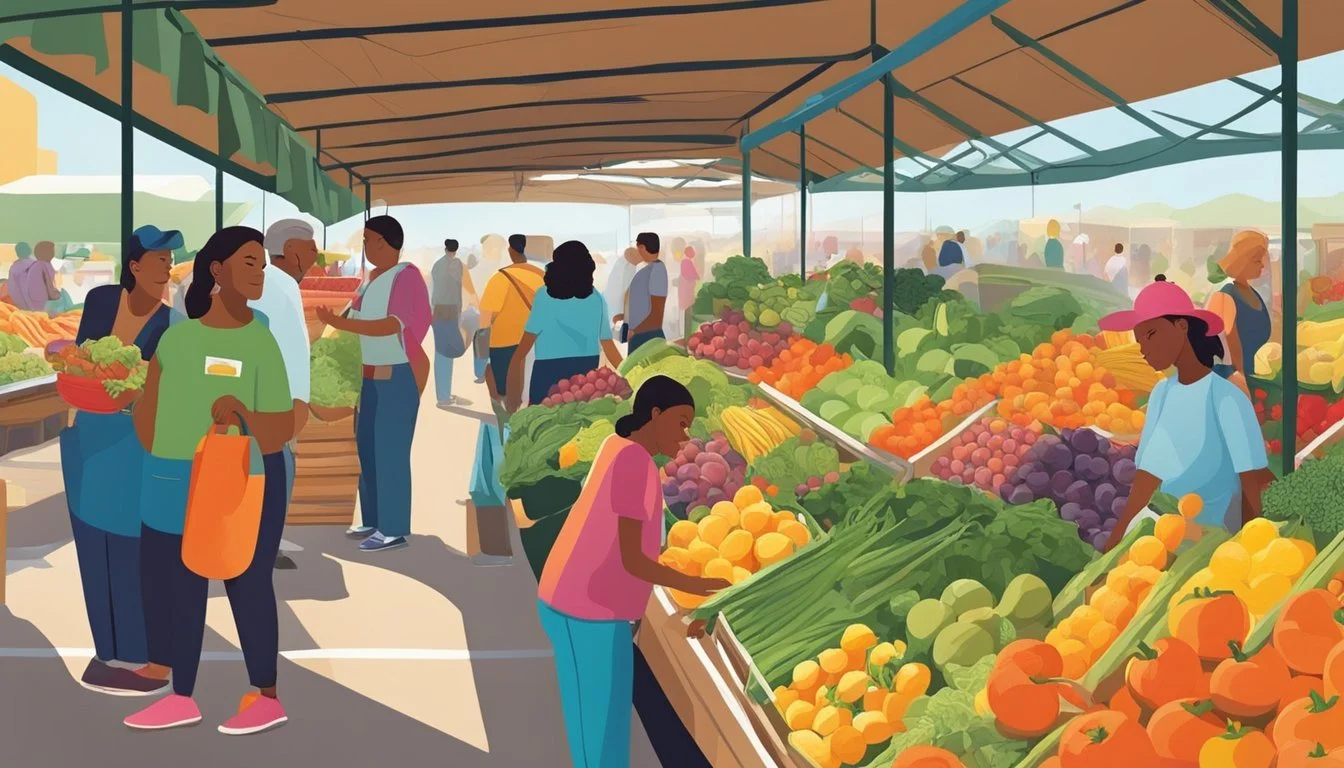
When selecting a CSA in Corpus Christi, one must carefully evaluate their dietary preferences, commitment level, and desire for a particular type of produce. This ensures a fulfilling membership with a local farm that meets their needs.
Assessing Your Needs
Individuals should consider their household size, eating habits, and cooking frequency before joining a CSA. A share in a CSA typically includes a box of fresh veggies, fruit, eggs, and sometimes meat. Those keen on cooking from scratch and savoring local flavors will benefit the most. It's also important to reflect on one's ability to commit to a full season and accommodate the natural ebb and flow of farm produce.
Share Size: Choose appropriate share size to match consumption.
Diet: Look for CSAs offering variety fitting personal or family dietary requirements.
Visiting Local Farms
A visit to a potential CSA farm allows one to see the farming practices firsthand and develop a personal relationship with the farmers. It's an opportunity to learn how the crops are grown, the variety provided throughout the seasons, and the overall ethos of the farm. One should not underestimate the value of transparency and shared values when it comes to food sources.
Farm Practices: Inquire about farming methods and sustainability.
Farm Output: Confirm the variety of produce available throughout the seasons.
Comparing CSA Memberships
Comparing various CSA memberships involves looking at payment plans, frequency of shares, and additional benefits like farm events or pick-your-own produce. Memberships can vary significantly from one farm to another, thus detailed comparison is crucial. Confirm what is included in the share, the length of the membership, and the payment schedule.
Payment: Understand the payment options and schedules.
Membership Flexibility: Evaluate the terms and flexibility of membership in case of travel or unforeseen circumstances.
By taking a methodical approach to these considerations, one can join a CSA that enriches their connection to their food and local agriculture.
Tips for CSA Members
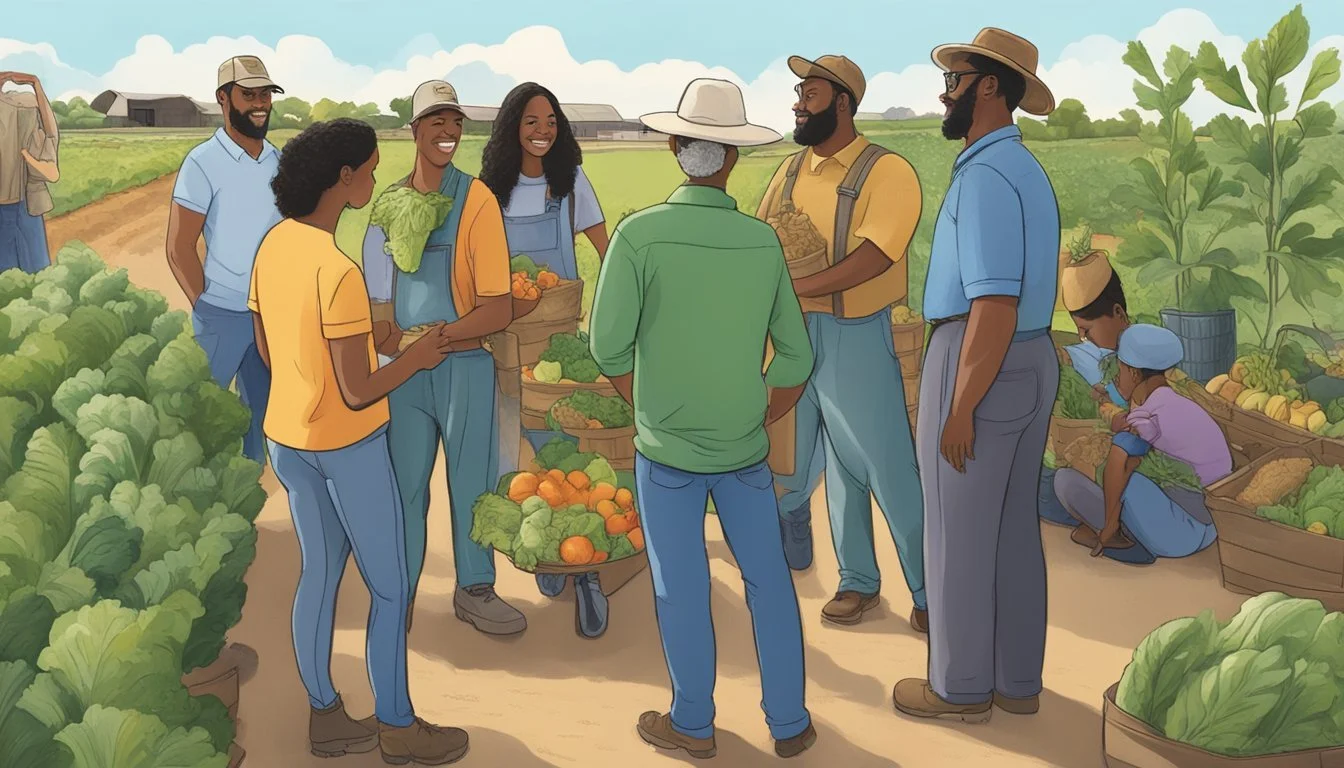
Joining a CSA can be a rewarding venture. It offers fresh, seasonal produce while supporting local agriculture. Here's how members can maximize their membership benefits.
Maximizing Your Share
Members should familiarize themselves with seasonal produce schedules to understand what to expect in their shares. Cooking with fresh, seasonal items not only brings variety to the table but also allows one to savor the peak flavors. Here are some tips:
Plan meals around the CSA produce to ensure that every item is used timely and effectively.
Learn preservation methods, such as freezing or canning, to extend the life of perishable items.
Dealing with Surplus Produce
Sometimes members receive more produce than they can consume promptly. Here's how to manage the excess without waste:
Freezing: Many fruits, vegetables, and herbs freeze well. Store them in air-tight containers or freezer bags.
Canning: Preserving jams, pickles, and sauces can turn surplus into long-lasting delights.
Building Community Connections
CSA is not only about produce; it's also about building a strong sense of community. Members can:
Exchange recipes and tips with neighbors to enrich the CSA experience.
Engage with the farmers to learn about the growing processes, fostering a deeper relationship with their food sources.
By leveraging these strategies, CSA members can enhance their culinary repertoire, reduce waste, save money, and enrich their community connections.
The Role of CSA in Local Food Security
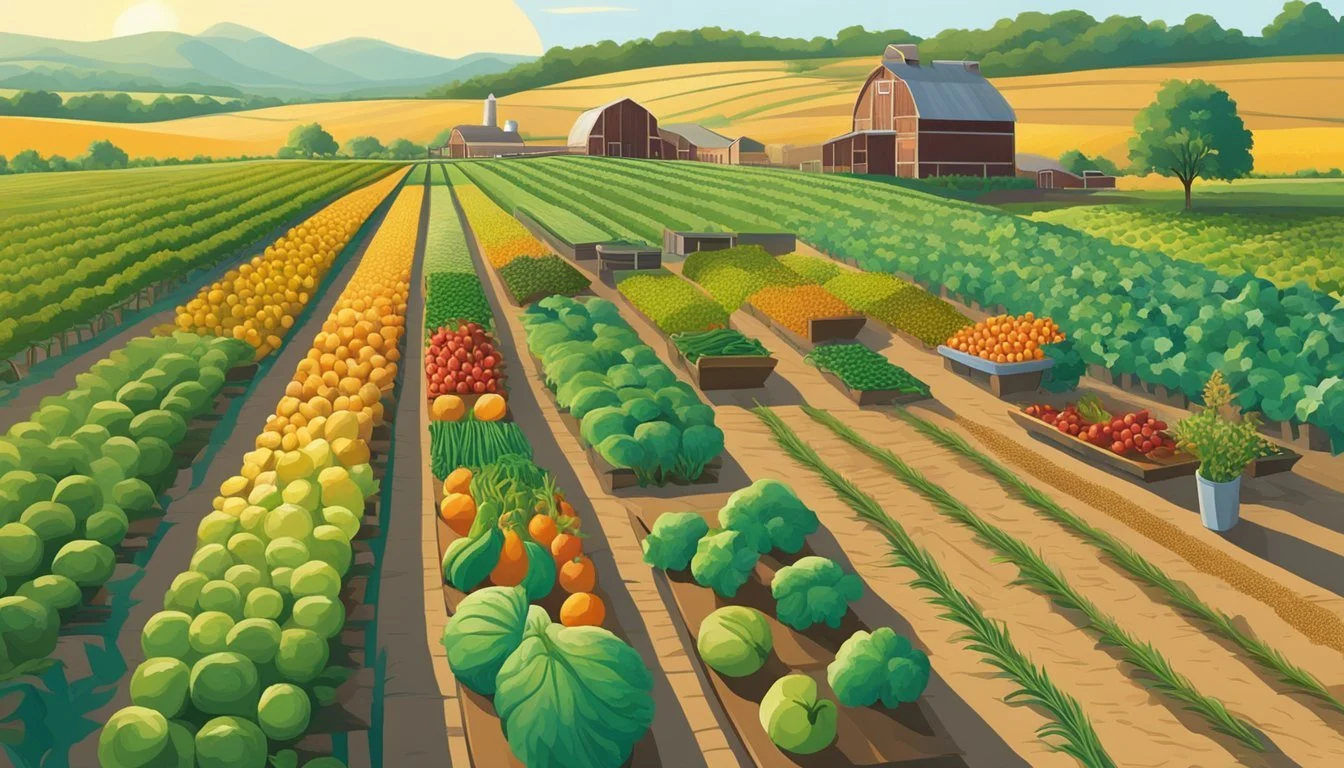
In Corpus Christi, TX, Community Supported Agriculture (CSA) programs are vital catalysts for fostering food security. Through robust connections between local farmers and community members, CSAs ensure a dependable supply of fresh produce, simultaneously enhancing agriculture education and community awareness.
CSA Impact on Food Supply
Community Supported Agriculture in Corpus Christi directly bolsters the region's food supply by facilitating the consistent availability of locally-grown, fresh produce. Community members purchase shares, or subscriptions, from CSA programs which, in turn, provide them with a selection of seasonal produce harvested from local farms. These arrangements allow farmers to plan and grow food more efficiently, knowing they have a guaranteed market for their crops.
Advantages for Food Security:
Predictable Revenue: Farmers receive payment upfront, which can be reinvested in their operations, potentially leading to increased crop yields.
Reduced Food Miles: Localizing the supply chain diminishes the distance food travels from farm to table, ensuring freshness and minimizing transportation impacts.
Education and Community Outreach
CSAs are instrumental in enhancing community knowledge and engagement with local food systems through diverse education and outreach efforts. They work to raise awareness about the value of supporting local agriculture and the importance of food security.
Educational Activities:
Farm Visits: Provides hands-on experience to community members about sustainable farming practices.
Workshops: Offers learning opportunities on topics ranging from home gardening to cooking with seasonal produce.
CSA initiatives are not limited to providing food; they help create a more informed public and foster a stronger sense of connection to the land. Through these programs, residents of Corpus Christi gain a deeper appreciation for the role of local agriculture in their daily lives and community well-being.
CSA and Permaculture
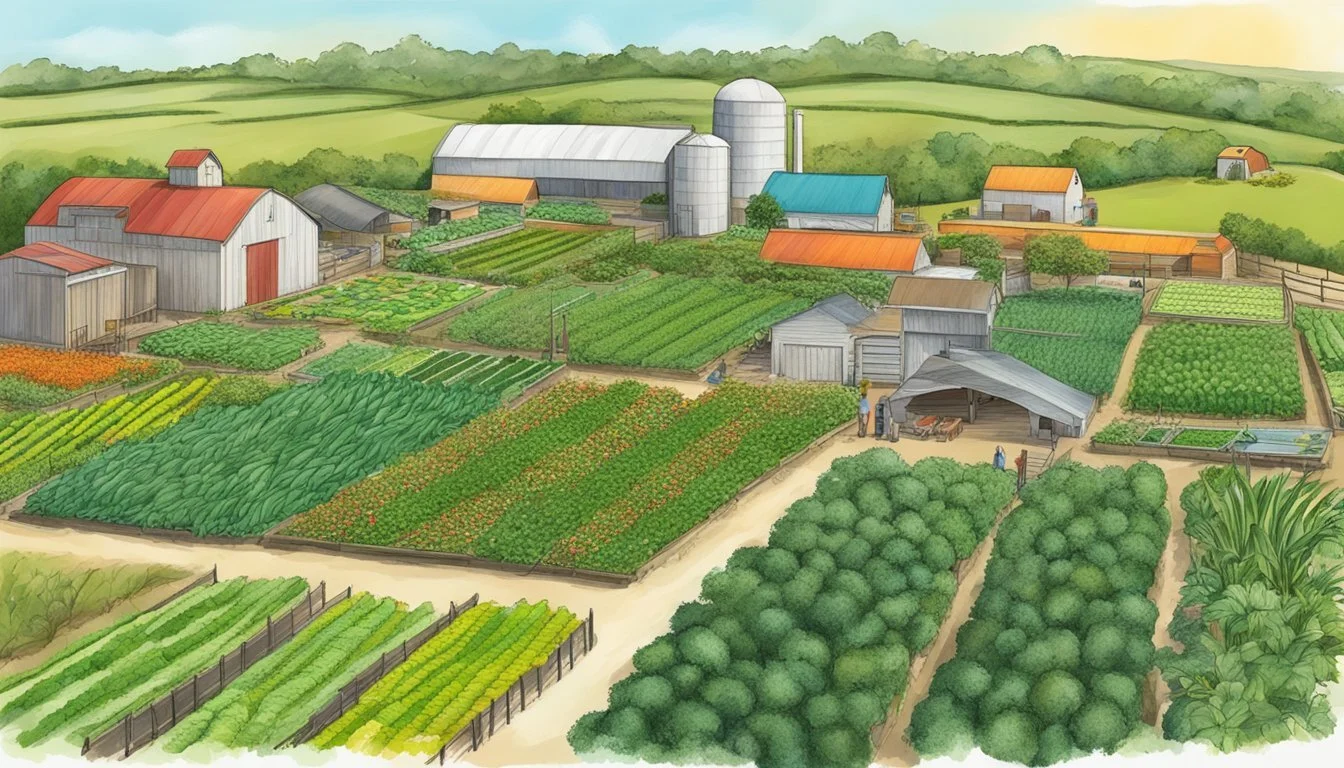
Community Supported Agriculture (CSA) in Corpus Christi, TX, intertwines seamlessly with permaculture principles, fostering sustainable agriculture practices. These CSAs incorporate permaculture—a design system that mimics natural ecosystems—to create self-sustaining farms that produce diverse, nourishing food for the community.
Permaculture's ethics—care for the earth, care for people, and share of surplus—resonate with CSA's model. They prioritize:
Soil health: Ensuring nutrient-rich soil through natural methods.
Water conservation: Utilizing techniques like rainwater harvesting and drip irrigation.
Diversity: Emulating nature's biodiversity to bolster the farm's resilience against pests and disease.
CSA Practices Permaculture Techniques Seasonal crops Companion planting Crop rotation Natural pest control Community engagement Soil regeneration practices
CSAs in Corpus Christi facilitate direct connections between farmers and consumers, fostering a local food system that embraces sustainable agriculture. Patrons receive weekly or bi-weekly shares of produce, which encourages seasonal eating and reduces the environmental footprint.
The CSA's approach in Corpus Christi aligns with permaculture's emphasis on environmental stewardship. Through their environmentally-conscious methods, they help sustain and regenerate the local ecosystem. This alliance magnifies the impact of each, promoting not just food security but also the health of the environment.
Financial Aspects of CSA

Community Supported Agriculture (CSA) programs in Corpus Christi, Texas, offer a structured payment system allowing consumers to contribute financially to local farms in exchange for regular produce deliveries, providing economic stability to farmers and cost savings to consumers.
Understanding CSA Pricing
CSA shares represent a portion of the farm's produce and are typically offered in various sizes to accommodate different household needs and budgets. Members pay upfront for a season's worth of produce, thus becoming shareholders in the farm's yield. This payment is used to cover the farm's operational costs such as seeds, equipment, and labor.
Pricing structures vary, but they often include:
Full shares: Suitable for larger households, often covering weekly deliveries.
Half shares: Designed for smaller households or individuals, with less frequent deliveries.
Prices can range significantly depending on factors such as the length of the CSA season, the diversity of produce offered, and the inclusion of other farm products like honey or eggs.
Economic Benefits for Farmers
Participation in a CSA offers farmers several financial advantages:
Pre-season income: The advance payment from CSA members helps farmers plan and budget for the upcoming season without relying extensively on loans.
Financial security: By selling shares before the season starts, farmers gain a better prediction of their income, aiding in financial stability.
Market assurance: Farmers can focus on sustainable farming practices instead of marketing efforts, knowing that they have a guaranteed customer base.
With CSA, both consumers and farmers enter a partnership, where risks and rewards are shared, often leading to a more sustainable local food system and a stronger sense of community.
Seasonal Challenges and Adaptations

Community Supported Agriculture (CSA) initiatives in Corpus Christi, TX, navigate through cyclical patterns of weather-related adversity and resource allocation each season. Such challenges necessitate strategic adaptations to sustain agriculture and ensure crop yield continuity.
Weather Impacts on Produce
The weather in Corpus Christi can be variable, influencing both the growing season and the types of produce that members of CSAs receive. Extreme temperatures, both high and low, along with unpredicted events like frost, can impact growth cycles and harvest times. CSA farmers must choose crops wisely; heat-tolerant varieties are essential during the scorching summer months, while hardy crops must be selected to withstand any unexpected cold snaps.
Summer Crops: Okra, Peppers, Eggplant
Winter Crops: Kale, Carrots, Broccoli
To mitigate weather-related risk, CSA farms might employ polytunnels or shade cloths to protect sensitive crops during critical growth periods.
Water Management and Conservation
Water usage is under constant scrutiny within Corpus Christi CSAs to promote sustainable practices. Efficient water management is critical for these farms throughout the year, especially during drought conditions which can significantly stress water resources. Techniques used to conserve water include:
Drip Irrigation: Targets water directly to plant roots, reducing waste.
Rainwater Harvesting: Collects rain for future use in irrigation.
Mulching: Reduces surface water evaporation from soil.
Such conservation efforts ensure that CSAs not only maintain crop viability but also contribute positively to the wider ecosystem—a fundamental tenet of sustainable agriculture.
Fostering Farmer-Consumer Relationships

In Corpus Christi, TX, the framework of Community Supported Agriculture (CSA) has been instrumental in nurturing robust relationships between local farmers and consumers. Through CSAs, members of the community gain direct access to fresh, seasonal produce, while farmers receive the support and commitment of their clientele.
Key Aspects of Farmer-Consumer Relationships in CSA:
Commitment: Members typically pay in advance for the season's produce, establishing a financial bond that ensures farmers have a secure market.
Regular Interactions: CSA pick-up days facilitate face-to-face interactions, fostering personal connections and mutual understanding.
Feedback Opportunities: Consumers often have the chance to express their preferences and satisfaction, contributing to a dynamic that revolves around trust and responsiveness.
Farmers in Corpus Christi are empowered via these relationships to maintain sustainable practices and make a visible impact in their community. They provide a diverse array of crops tailored to local taste preferences, thereby enhancing the overall satisfaction of their members. Members, in turn, are not just consumers but active participants who share in the risks and rewards of agricultural production. This synergy bolsters the local food system and embeds a sense of shared responsibility at its core. Through the CSA model, farmer-consumer relationships in Corpus Christi not only ensure ongoing community support for local agriculture but also herald a more interconnected and transparent food supply chain.
Advantages of Diverse Farming Practices
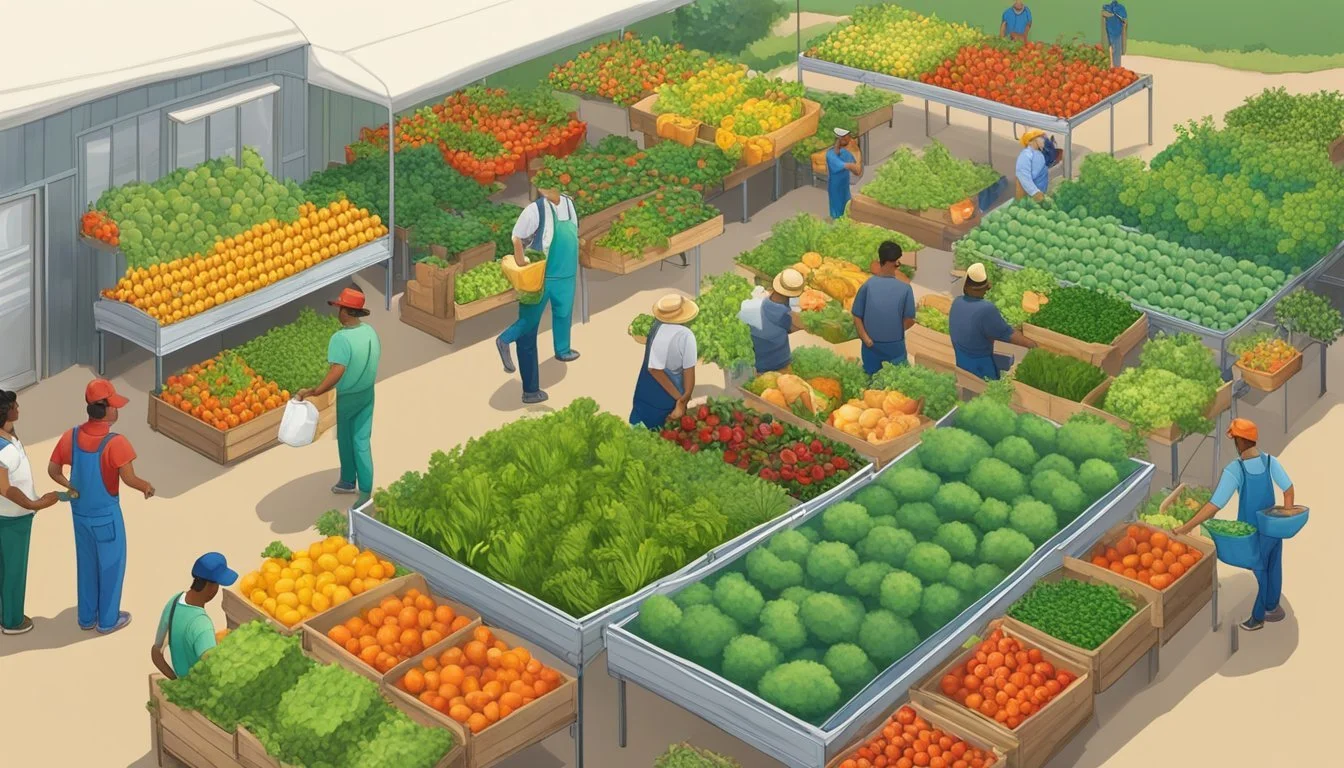
In Corpus Christi, Texas, the implementation of diverse farming practices within Community Supported Agriculture (CSA) provides numerous benefits. These practices involve cultivating a variety of crops rather than focusing on a single species, which leads to a range of advantages for the environment, farmers, and consumers.
Environmental Benefits
Diversifying crops helps to enhance soil health by reducing erosion and preserving its nutrients. Each plant contributes differently to the soil's composition, and a mix can help control pests and diseases naturally.
Reduced need for chemical pesticides
Conservation of local flora and fauna
Benefits to Farmers
Farmers benefit as diverse farming practices can yield a more resilient and financially stable farming operation.
Risk mitigation through diversifying crop yields
Potential for higher overall yields
Flexibility to adapt to market demands and climate variations
Consumer Advantages
Consumers enjoy the fruits of diverse farming practices in several ways.
Access to a broader range of produce
Richer flavor profiles due to crop varieties
Enhanced Varieties and Flavor
By growing different crop varieties, CSAs can offer unique flavors and heirloom varieties that are often not available in conventional agriculture.
Preservation of heirloom and rare varieties
Exposure to new and unique flavors
Educational opportunities regarding seasonal and varied produce
In conclusion, diversified farming practices in CSA settings contribute substantially to sustainable agriculture, support the local economy, and provide ecological and gastronomical benefits in Corpus Christi.
Reducing Waste and Packaging
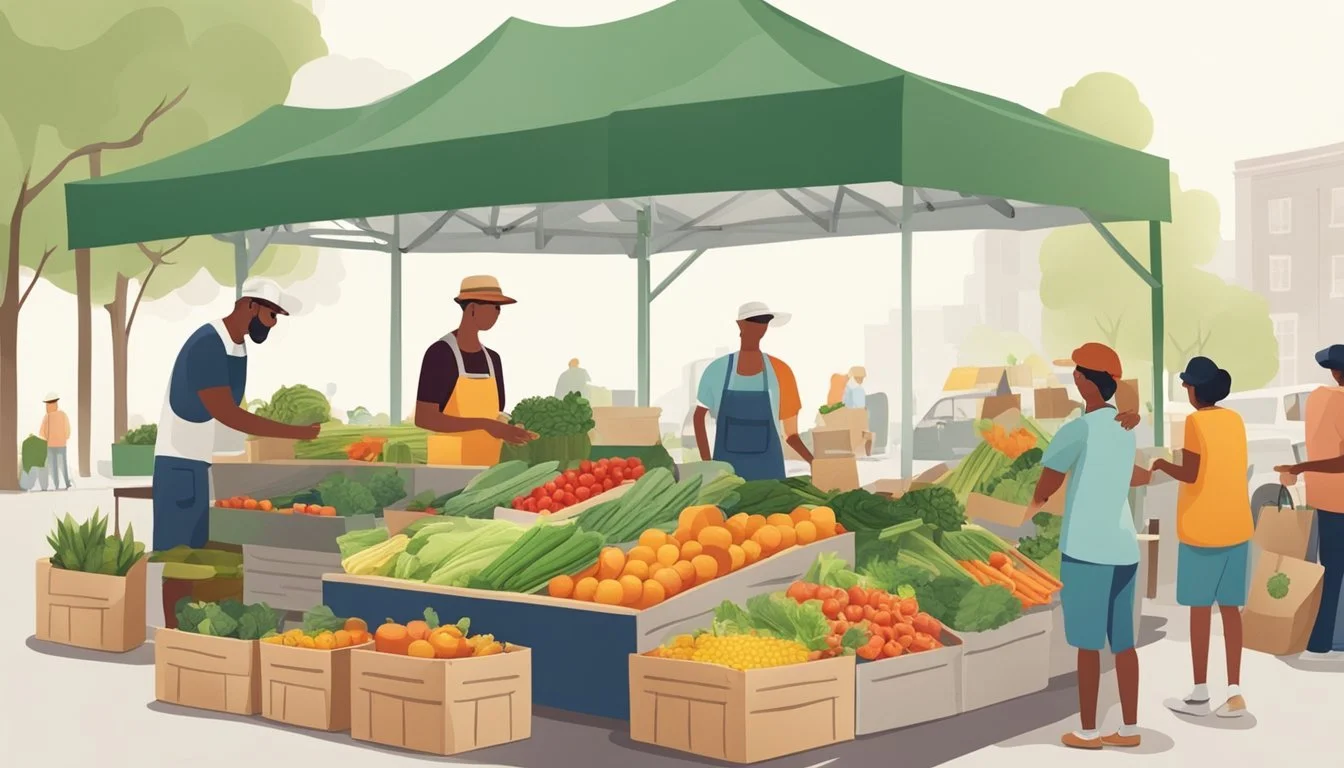
Community Supported Agriculture (CSA) in Corpus Christi, Texas, plays a pivotal role in reducing waste and minimizing excess packaging. By sourcing food locally, CSAs diminish the need for long-haul transportation, inherently decreasing packaging requirements designed for extended travel.
Environmental Benefits:
Decreased carbon footprint from reduced transportation needs.
Less reliance on synthetic packaging materials that contribute to landfill waste.
In CSA models, consumers typically receive their shares in reusable containers or biodegradable packaging. This approach not just cuts the use of plastics and other non-recyclable materials but also aligns with the sustainable ethos of CSAs.
Packaging Strategies include:
Reusable Totes: Encouraging members to bring their containers.
Biodegradable Materials: Utilizing paper-based or plant-based packaging.
Through these practices, the CSA community supports an environmentally sustainable food system. They contribute significantly to a circular economy where the product life cycle is extended, and waste is systematically reduced.
Furthermore, CSAs often provide unpackaged, fresh produce which eliminates the need for single-use plastic that's prevalent in traditional grocery stores.
In essence, CSAs in Corpus Christi are not only providing residents with fresh, locally-grown food, but they are also pioneering efforts to protect the environment through thoughtful waste reduction and sustainable packaging practices.
Recipes and Cooking Tips
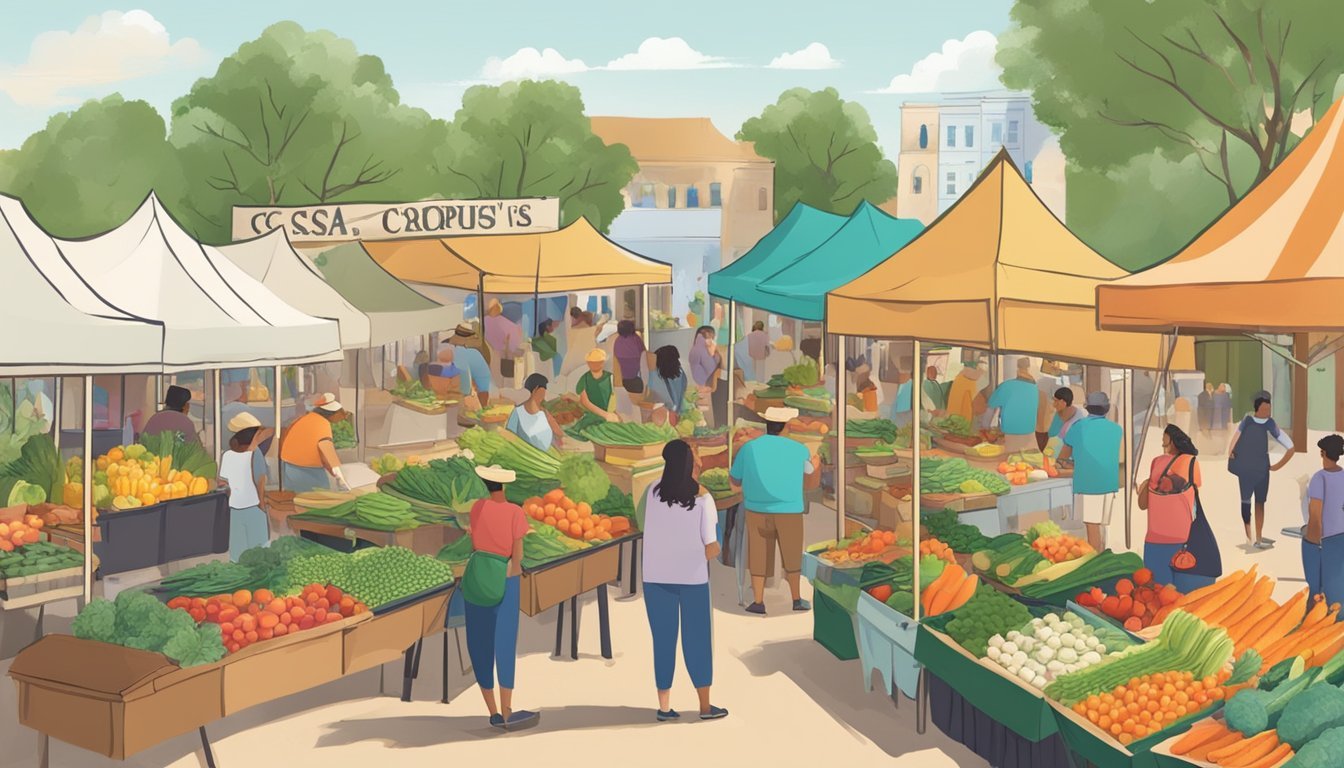
When members in Corpus Christi receive their CSA box, they can explore a treasure trove of flavors through a variety of recipes. Utilizing the freshest farm-to-table items ensures that meals are not only nutritious but also carry the essence of local terroir.
Cooking with Seasonal Produce: One can never go wrong with seasonal produce. Fresh berries can be transformed into vibrant salads or desserts. Asparagus, a springtime favorite, works brilliantly in simple stir-fries or as a side to a main course.
Recipe Ideas:
Berry Blast Salad: Mix fresh berries with a dash of citrus dressing.
Asparagus Delight: Roast asparagus with garlic and a sprinkle of sea salt.
Ingredient Recipe Suggestion Kohlrabi Kohlrabi slaw with a tangy vinaigrette Swiss Chard Sautéed Swiss chard with pine nuts
Cooking Tips: Seasonal items may sometimes stump cooks. Kohlrabi can be made into a crunchy slaw, and Swiss chard can be softly sautéed with garlic and a hint of lemon. The key is to embrace the vegetable's natural flavors.
They should balance strong flavors with milder ones, combine textures, and remember that color can make a dish more appealing. Residents should not hesitate to incorporate herbs and spices grown in the region to infuse a local touch in every meal.
By engaging with the seasonal produce from a local CSA, they are not only supporting sustainable agriculture but also enriching their culinary canvas. The result is a plate that is a celebration of the Corpus Christi community's agricultural prowess.
Community Events and CSA
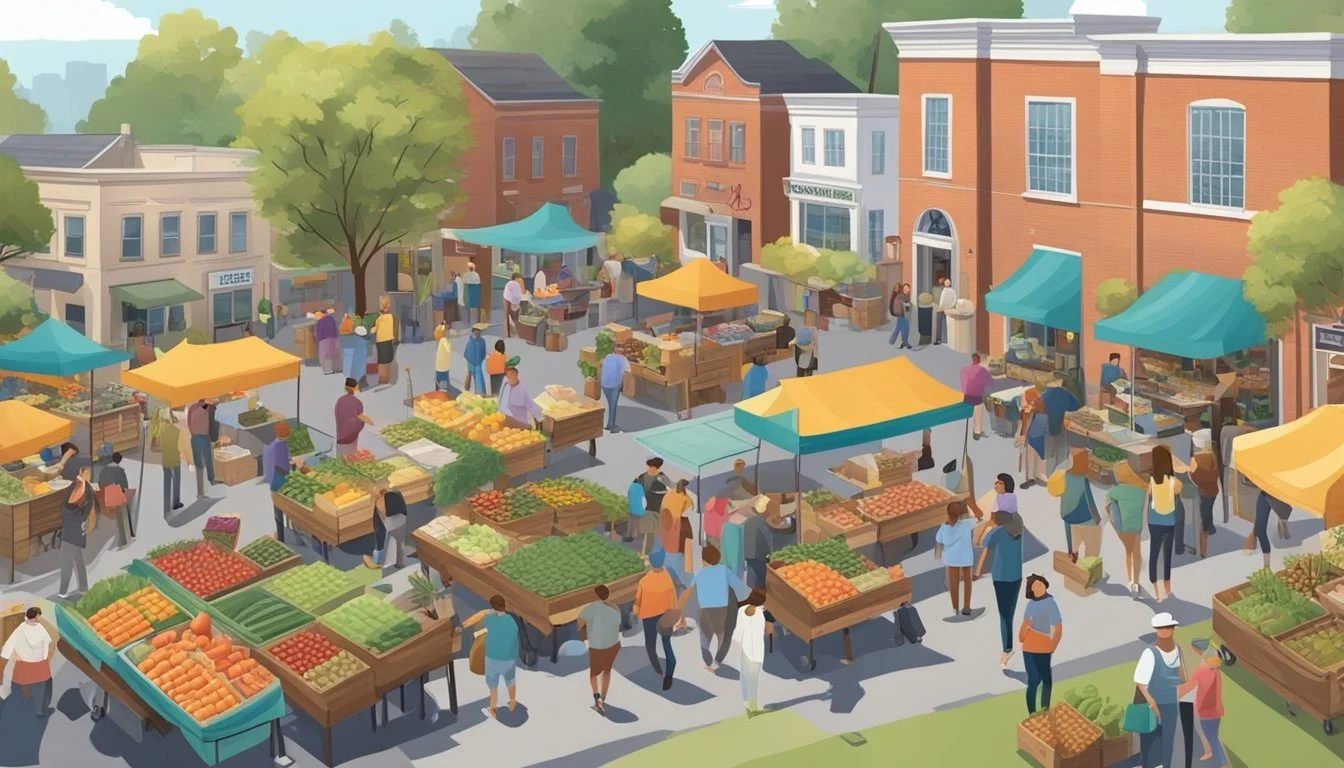
In Corpus Christi, TX, Community Supported Agriculture (CSA) programs are intrinsically linked to community events and the ethos of supporting local farms. The CSA model is centered on seasonal produce subscription, which not only bolsters community engagement but also ensures that residents have access to fresh, locally-grown food.
Farmers Markets: A cornerstone for CSAs, these markets serve as hubs for CSA distribution and a place where consumers meet and support their local farmers. They are frequently coupled with community events that celebrate local culture and cuisine.
Market Days: Craft fairs, live music, and cook-offs often coincide with market days, creating festive environments where CSA members can pick up their produce boxes.
CSA Sign-ups: Becoming a member of a CSA often occurs at community events. Information booths provide details about subscription options and the variety of produce available throughout the growing season.
Typical offerings include:
Vegetables
Fruits
Eggs
Local honey
Grass-fed meats
Community Involvement: The CSA framework supports the local economy and encourages a community-centric food system. Regular CSA events foster a sense of connection among residents and producers. They may include:
Farm tours
Cooking demonstrations
Seasonal festivals
Participation in CSAs offers an engagement opportunity for Corpus Christi residents to be more involved with their local food businesses and contribute to the sustainability of their community. Through these programs, they realize the true impact of their support for local farms and the significance of seasonal eating.
CSA Case Studies in Corpus Christi
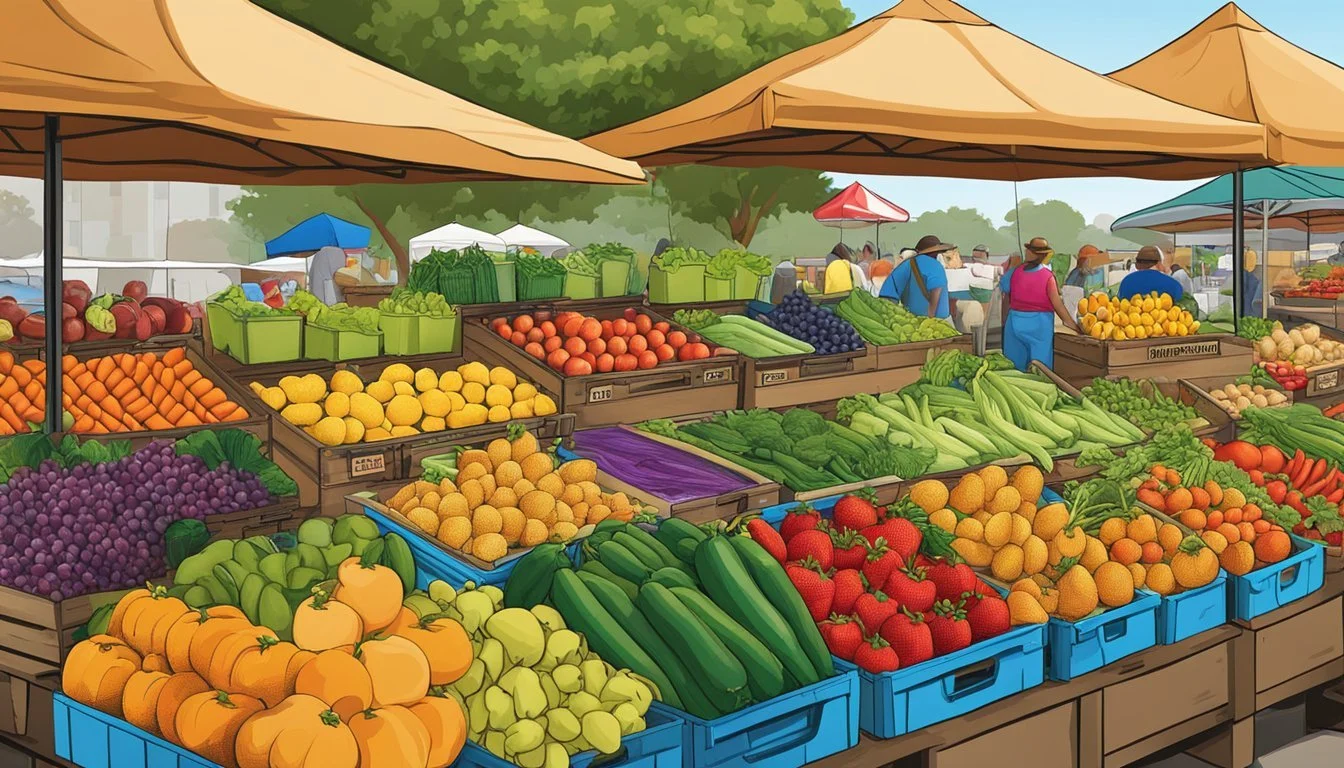
Corpus Christi, a coastal city in Texas, shows a promising inclination towards Community Supported Agriculture (CSA) programs. These programs benefit local producers and consumers alike by fostering close community relationships and providing access to fresh, locally-grown produce.
One notable CSA case is Moonbow Farms, located a distance from Corpus Christi in Bay City. They offer a natural produce program that features grass-fed beef, chicken, eggs, local honey, and various fruits and vegetables. Subscribers to their CSA receive periodic produce boxes, containing an assortment of these fresh goods.
As responsible agriculture gains traction, researchers have begun capturing the local impact of CSA in Texas. For instance, an academic case study examined the marketing approaches for CSA in the state, highlighting strategies that may be relevant for Corpus Christi's own CSA programs. It suggested that successful CSA marketing focuses on the ecological and community resilience aspects of the model.
Local Impact
Environmental: CSA supports sustainable farming practices, reducing the carbon footprint associated with long-distance transportation of goods.
Economy: CSA programs contribute to the local economy by ensuring money spent on produce stays within the community.
Social: They forge connections between residents and local farmers, fostering a sense of community and shared responsibility for food sources.
CSA farms in the Corpus Christi area highlight the integrated approach of CSA models that benefit consumers who prioritize local, quality produce while supporting the local economy and the sustainability ethos of small-scale agriculture.
Future of CSA in Sustainable Agriculture
The landscape of local food systems in Corpus Christi, with a focus on community supported agriculture (CSA), reveals a promising avenue for sustainable agricultural practices. The interaction between local consumers and farmers through CSA programs is poised for growth, buoyed by increasing awareness of ecological impacts and community wellbeing.
CSAs demonstrate a commitment to sustainable agriculture by encouraging methods that are environmentally friendly, promoting biodiversity, and conserving water. This relationship also benefits consumers, who gain access to fresh, locally produced food, and farmers, who receive financial security from upfront seasonal payments.
Future Trends:
Adoption of permaculture techniques
Incorporation of heirloom and region-specific crops to bolster diversity
Enhanced soil management practices reducing the need for chemical inputs
Growth in CSA participation in the Corpus Christi area suggests a gradual movement away from industrial agricultural methods, aligning consumer values with sustainable food production. CSA programs serve as an educational tool for consumers, fostering a better understanding of seasonal eating and the impacts of agriculture on natural resources.
Potential Challenges:
Market competition with non-local produce
Balancing supply with fluctuating membership numbers
Navigating climate change effects on crop yields
The trajectory for CSA in Corpus Christi indicates a supportive role in the longevity and health of sustainable agriculture. This collaborative model offers a resilient framework for food production that can adapt to and mitigate environmental challenges, while sustaining the local economy and strengthening community bonds.