Texas Bartenders' Guide to Mastering the French 75
Classic Cocktail Mastery
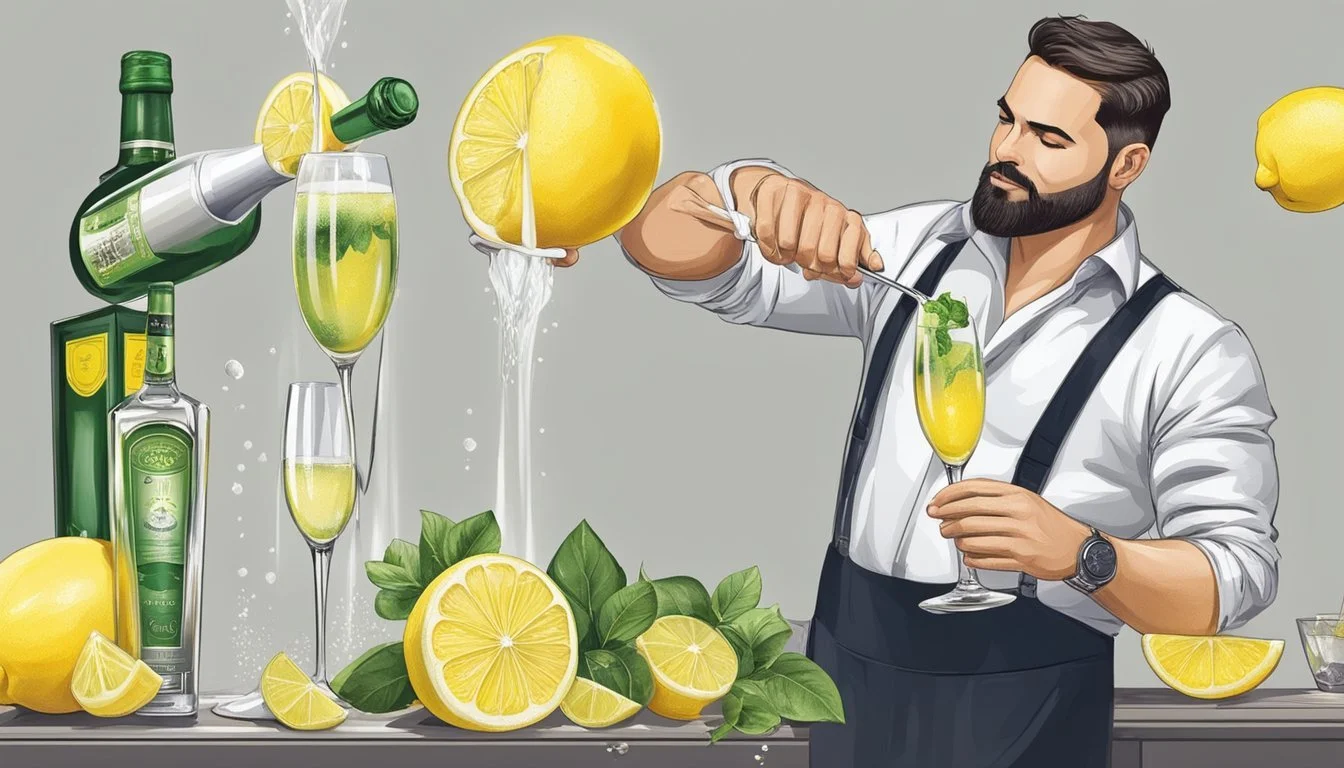
The French 75 cocktail, a sparkling blend of gin, champagne, lemon juice, and sugar, has a rich history and a reputation for its celebratory kick. Known for its elegant simplicity and the ability to carry the spirit of festivity in a glass, it is a timeless choice that remains a favorite among connoisseurs and casual drinkers alike. As the bar scene flourishes in Texas, bartenders across the Lone Star State are honing their craft to master this classic concoction born from the annals of World War I.
Understanding the balance and harmony of the French 75's ingredients is essential for Texas bartenders aiming to perfect the drink's execution. The cocktail's effervescence and sharp citrus notes demand a thoughtful approach to proportions and technique. The Texas hospitality scene values a bartender's ability to provide a memorable experience, and mastering such iconic drinks as the French 75 contributes to the state's vibrant and evolving cocktail culture.
Incorporating local nuances while respecting the traditional recipe, Texas bartenders can elevate the French 75 experience for their patrons. It's not just about mixing drinks; it's about understanding the heritage behind each ingredient and the drink's storied past. As an emblem of celebration and sophistication, bartenders' meticulous attention to detail in crafting the French 75 is a nod to their dedication to the art of mixology.
History and Origins
The French 75 cocktail is a storied drink with a rich history, deeply connected to World War I and the legendary bartending guides of the early 20th century.
From Cannon to Cocktail
The French 75 is named after the Canon de 75 modèle 1897, a revolutionary French field gun renowned for its rapid firing rate and significant role during World War I. The drink's powerful kick is akin to the impact of this artillery piece, hence the moniker.
Influence of World War I
The intertwining of the cocktail with World War I is not only in its name but also in its creation. Bartenders at Harry's New York Bar in Paris crafted the cocktail amidst the war's climactic years. It's said that this concoction offered solace and remembrance for the soldiers and the tumultuous era they were enduring.
The Savoy Cocktail Book Legacy
In 1930, the French 75 found its way into the esteemed Savoy Cocktail Book, which helped cement its status. The recipe listed therein presented a mix that balanced the vibrancy of gin with the zest of lemon juice and the refined effervescence of champagne. This inclusion solidified the French 75's place in both New Orleans and cocktail bars worldwide as a sophisticated and timeless beverage.
Ingredients and Substitutions
Creating a French 75 involves a classic blend of ingredients, each performing a pivotal role in the cocktail's balance. Substitutions can offer variations in flavor while honoring the essence of this timeless drink.
Gin: The Spirit Base
Traditionally, gin acts as the foundational spirit of a French 75. Typically, bartenders opt for a dry gin to complement the cocktail's crisp profile. In cases where gin isn't available or desired, vodka can serve as a neutral substitute, although it does alter the drink's original character.
Citrus Balance: Lemon Juice & Twist
Lemon juice provides a sharp, fresh zing to the French 75, vital for its characteristic tang. Freshly squeezed lemon juice is preferable for its brightness. As for garnish, a lemon twist adds aromatics and aesthetic appeal. In absence of lemon, lime juice can be used, although it will give the cocktail a slightly different citrus note.
Sweetness and Syrup
Simple syrup sweetens the mixture, balancing the acidity of the lemon juice. This syrup is usually a one-to-one combination of sugar and water, but one can use a rich syrup (two parts sugar to one part water) for a fuller sweetness. Alternatively, agave syrup or honey can act as sweeteners, though they will introduce nuanced flavors.
The Bubbly Component
Champagne's effervescence is key to a French 75's signature finish. A quality Brut Champagne is traditional, but other sparkling wines like Prosecco or Cava are suitable substitutes that maintain the essential bubbly experience.
Cognac: A Delicious Variation
While gin is the standard spirit, cognac offers a richer, deeper alternative for the base of a French 75. The substitution of cognac harks back to one of the cocktail's early versions, yielding a drink with greater warmth and complexity.
Garnishes and Additions
A lemon twist is the classic garnish that complements the French 75's citrus notes. Bartenders may also consider garnishing with an orange twist or a maraschino cherry to add a different dimension of flavor. For those who enjoy a touch of fruitiness, a drop of grenadine provides both sweetness and a hint of color.
Mixology Techniques
Mastering the art of creating the French 75 requires precision and grace. It is not just about mixing ingredients; it's equally about the presentation and the bartender's ability to engage classic techniques.
Mastering the Shaker
A bartender's dexterity with a shaker is fundamental. The French 75 components - gin, lemon juice, and simple syrup - need to be vigorously shaken with ice to achieve an optimal mix and dilution. This shaking process chills the mixture and contributes to the cocktail's crisp profile. Here is the proper technique:
Fill the shaker: Halfway with ice
Add ingredients: Measure and pour gin, lemon juice, and simple syrup
Seal and shake: For 10-15 seconds until well-chilled
Perfecting the Pour
The ability to pour accurately ensures the consistent quality of cocktails. Using a jigger measures the quantities precisely. For the French 75:
Pour 1 ½ oz of gin into the shaker
Add ½ oz of fresh lemon juice
Include ½ oz of simple syrup
After shaking, it’s critical to strain the mixture into a champagne flute to prevent ice shards from entering the final drink.
Serving in Style: The Flute
Presentation is key, and serving the French 75 in a champagne flute not only looks elegant but also enhances the drinker's experience. The flute's design supports the light body of the cocktail and encourages the bubbles from the Champagne to remain carbonated and effervescent. In addition, it amplifies the aroma, an important factor since a significant part of taste is in fact smell. Key points for presentation:
Chill the flute prior to serving
Pour: After straining the shaker content into the flute, top it with 2 oz of Champagne
Accentuate: Optionally, a lemon twist or an absinthe rinse can provide an aromatic flourish
By concentrating on these techniques, bartenders in Texas and beyond can craft a French 75 that is both classic and noteworthy, upholding both tradition and taste.
Recipes and Variations
Exploring the French 75 and its variations provides a rich journey through cocktail history. Bartenders can delight customers by mastering these elegant gin cocktails, each with a unique twist.
Classic French 75
The Classic French 75 is a storied cocktail that marries the botanical flavors of gin with the crisp effervescence of Champagne. A Texas bartender's go-to recipe should include:
2 oz Champagne or sparkling wine
1/2 oz lemon juice
1/2 oz simple syrup
1 1/2 oz gin
Mix gin, lemon juice, and simple syrup in a cocktail shaker filled with ice. Shake well and strain into a chilled champagne flute. Top with Champagne and garnish with a lemon twist.
The French 125: A Cognac Twist
For those who favor brandy, the French 125 is an exquisite variant of the French 75, substituting gin for cognac. This adds a smooth and rich undertone to the cocktail.
2 oz Champagne
1/2 oz lemon juice
1/2 oz simple syrup
1 1/2 oz cognac
As with the original, mix the cognac, lemon juice, and simple syrup, shake with ice, and strain into a flute. Top with Champagne and garnish with a lemon spiral.
Tom Collins: A Gin Sibling
The Tom Collins shares a key ingredient with the French 75—gin—but takes on a more refreshing persona. Instead of Champagne, sparkling water brings a subtle effervescence:
2 oz gin
1 oz lemon juice
1/2 oz simple syrup
Club soda to top
Combine gin, lemon juice, and simple syrup in a shaker with ice, strain into an ice-filled Collins glass, and top with club soda. Garnish with a cherry or a slice of orange.
Regional Takes: Texas Pride
Every cocktail bar in Texas should take pride in its regional spin on the French 75 cocktail. One might consider incorporating local ingredients like Texas grapefruit to create a distinctive 75 cocktail. An example recipe could be:
2 oz Texas sparkling wine
1/2 oz Texas grapefruit juice
1/2 oz simple syrup
1 1/2 oz local gin
Following the traditional method, shake the gin, grapefruit juice, and simple syrup with ice, strain into a flute, and top with the sparkling wine. A grapefruit twist compliments the local flair.
The Bartender's Culture
The Bartender's culture in Texas intertwines the art of mixology with iconic establishments and personalities that have shaped the cocktail scene. This rich tapestry is marked by influential cocktail bars, legendary bartenders with enthralling tales, and the continuous evolution of cocktail trends.
Cocktail Bars and Their Influence
Texas cocktail bars foster a culture of sophistication and innovation, often drawing inspiration from seminal works like the Savoy Cocktail Book. At the helm are skilled bartenders who elevate the French 75, a classic champagne cocktail, to new heights. Venues like the French 75 Bar pay homage to such iconic drinks, influencing both the craft and the community they serve.
Legendary Bartenders and Their Stories
Legends like David A. Embury and his contemporaries have left indelible marks on the bartending landscape. Texas has its own pantheon of mixology mavens who tell their stories one cocktail at a time, from the bustling clubs of Dallas to the vibrant streets of Austin. They share a kinship with harbingers like those from Harry's New York Bar in Paris, celebrated for inventing the French 75, thereby intertwining Texas's culture with a global narrative.
Cocktail Trends and Evolutions
Cocktail trends in Texas reflect a balance between tradition and innovation. Bartenders navigate through evolving tastes, from the refined simplicity of the Stork Club to the modern palate which demands bold and complex profiles. The French 75's evolution from its original recipe reveals the nuances that Texas bartenders bring to this enduring classic, illustrating their role in the dynamic world of mixology.
Pairing and Presenting
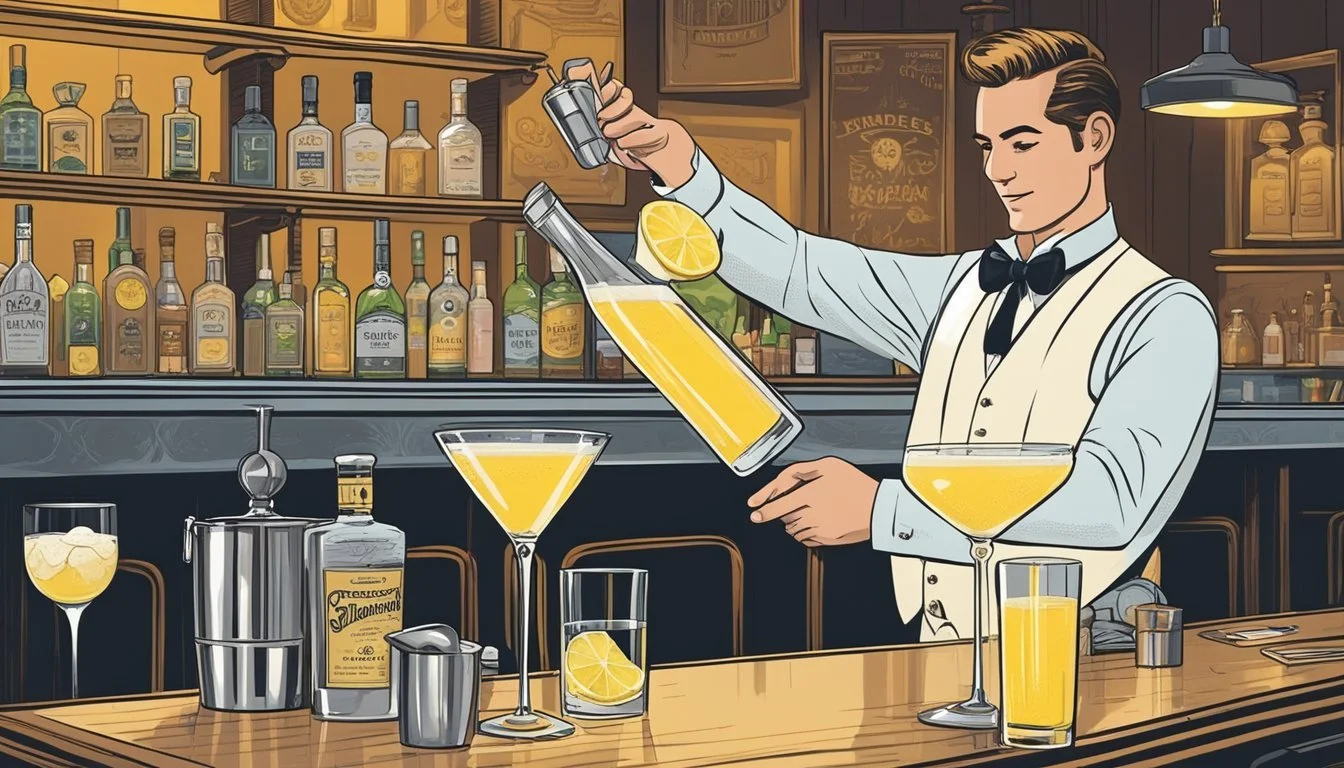
In mastering the French 75, Texas bartenders enhance their guests' experience by curating compatible food pairings and utilizing precise presentation techniques. Attention to these details ensures that the essence of dry gin or its variants—calvados and brandy—shines through in both taste and appearance.
Food Pairings for the French 75
The French 75, with its crisp and effervescent qualities, complements a variety of dishes. Lighter fare balances the cocktail's buoyant nature without overwhelming its subtle botanicals.
Seafood: Fresh oysters and shrimp cocktail (What wine goes well with shrimp cocktail?) offer a briny counterpoint that accentuates the French 75's citrus notes.
Cheese: A platter featuring goat cheese or Brie provides a creamy texture that contrasts with the drink's acidity.
Fruit: Pear slices or apple wedges pair nicely, especially when the French 75 is made with calvados or brandy instead of gin.
Cocktail Presentation Tips
A French 75's presentation is as important as its flavor. Texas bartenders focus on three key aspects: glassware, garnish, and the pour.
Glassware: Traditionally served in a flute, the French 75 can also be presented in a Collins glass to accommodate a more generous portion.
Garnish: A lemon twist not only adds an aromatic component but serves as a visual cue to the citrus flavor within the cocktail.
Pour: The champagne or sparkling wine should be added last to preserve the cocktail's carbonation, finishing with a gentle stir to integrate without flattening the bubbles.
Pop Culture and the French 75
The French 75 cocktail has made a significant impact on pop culture, often being spotlighted in classic films and literature and having real moments of fame in notable establishments.
The French 75 in Film and Literature
Casablanca (1942) – This iconic film cemented the French 75's place in cinematic history. In a key scene, the character Yvonne, played by Madeleine Lebeau, is seen drinking a French 75 at Rick's Café Américain, linking the drink to the sophisticated yet tumultuous backdrop of World War II.
Literary Mentions – Authors frequently mentioned the French 75 in novels that depict the highs of social circles and the ambiance of well-heeled bar culture, showcasing the cocktail as a symbol of elegance and refinement.
Iconic Moments and Mentions
Stork Club – The French 75 was a staple at the Stork Club in New York City, a high-society hotspot during the 1940s. The club's patrons, including celebrities and socialites, often enjoyed this bubbly cocktail, enhancing its association with luxury and celebration.
Notable Toasts – Over time, the French 75 became synonymous with celebration, featuring in toasts at exclusive gatherings and significant events. The cocktail's mixture of spirits and champagne has become emblematic of both historic moments and personal milestones.
The allure of the French 75 continues to endure through its presence in pop culture, affirming its status as a timeless cocktail.
Responsible Bartending
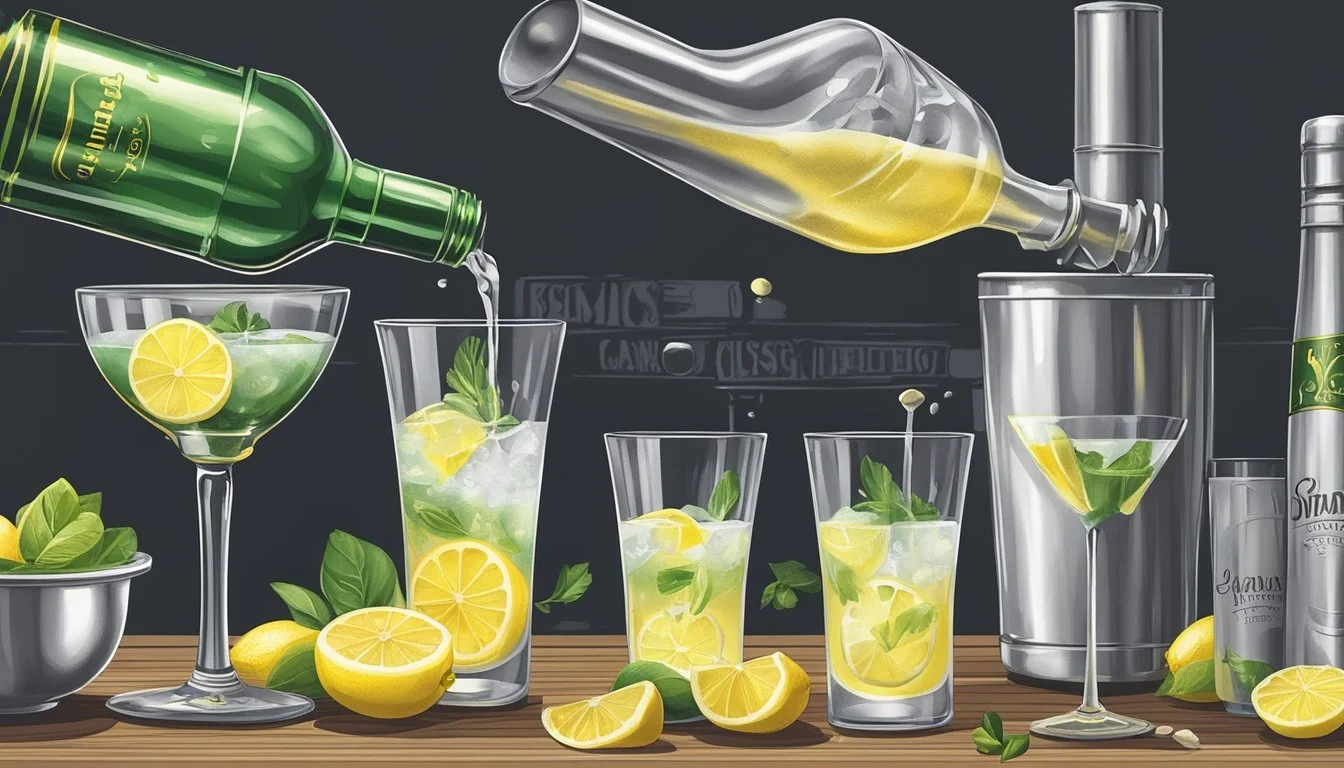
In the context of mastering the French 75 cocktail at a Texas cocktail bar, responsible bartending is crucial. Bartenders have the responsibility to serve alcohol ethically, while also educating patrons on the cocktails they enjoy.
Ethics of Alcohol Service
Responsible alcohol service is fundamental in bartending. Bartenders not only craft cocktails but also ensure patrons consume alcohol responsibly. The Ethics of Alcohol Service involves:
Legal Requirements: It's mandatory for bartenders in Texas to hold a TABC certification, which educates them on the legal aspects of alcohol service.
Recognizing Intoxication: Bartenders must be adept at identifying signs of intoxication and knowing when to refuse service to prevent overconsumption.
Safety First: They should also prioritize safety, which includes not serving minors and arranging for transportation for those who cannot drive.
Educating Patrons Responsibly
A cocktail bar experience is elevated when bartenders share their knowledge of the drinks they serve. Educating Patrons Responsibly includes:
Cocktail Information: Providing details about the French 75, such as its history, ingredients, and the right way to enjoy it.
Alcohol Awareness: They should also inform patrons about the drink's alcohol content, advising them on responsible consumption based on their individual tolerance level.
Further Reading and Resources
For bartenders in Texas looking to refine their craft, specifically with classic cocktails like the French 75, a wealth of resources is available. A starting point for historical and practical knowledge is The Savoy Cocktail Book. Compiled by Harry Craddock in 1930, this guide is a tome of classic recipes and is considered essential for understanding the foundations of cocktail-making.
For a deeper theoretical understanding, David A. Embury's The Fine Art of Mixing Drinks offers insights into the philosophy and technique behind the craft. Embury elaborates on the principles that make a cocktail great, providing a robust framework for bartenders to innovate while respecting classic recipes.
Recommended Books:
The Savoy Cocktail Book by Harry Craddock
The Fine Art of Mixing Drinks by David A. Embury
The Craft of the Cocktail by Dale DeGroff
Online Resources:
Bartenders can enhance their technical skills through online tutorials and guides. Websites like Thirsty Bartenders provide step-by-step instructions on cocktail recipes, including the French 75.
Resource Type Description Availability
Instructional Video Quick recipe guide for the French 75 Thirsty Bartenders
Book Historical recipes and techniques The Savoy Cocktail Book
Book Cocktail theory and principles The Fine Art of Mixing Drinks
Career Training Skills development for professional bartenders Various Bartending Schools
For practical, hands-on training, many bartending schools in Texas offer courses that cover a broad range of skills, from the basics to advanced mixology, including free-pouring and service excellence.
By leveraging these resources, Texas bartenders can confidently master the art of the French 75 and other classic cocktails, offering their patrons a taste of both history and skillful preparation.