Else Plant-Based Complete Nutrition for Toddlers: Essential Guide to Balanced Vegan Diets
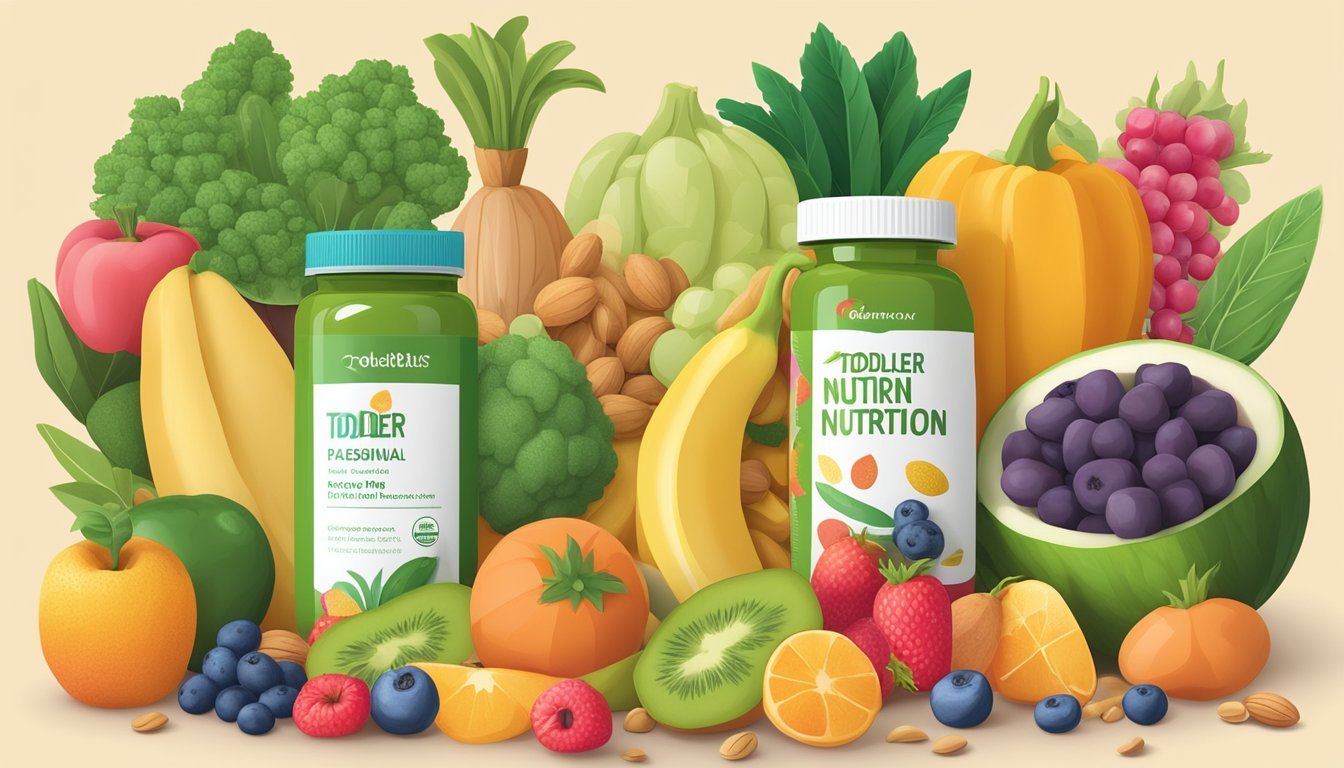
Else Plant-Based Complete Nutrition for Toddlers offers a non-dairy alternative for parents seeking a nutritious drink for their young children. This toddler formula is crafted from whole plant ingredients and provides essential nutrients to support growth and development in children aged 12 to 36 months.
Else Nutrition's toddler formula contains a complete macro- and micronutrient profile, designed to replace 2-3 daily dairy servings recommended by the USDA for a well-balanced diet. The product is dairy-free, soy-free, and certified clean label, making it suitable for families with dietary restrictions or preferences.
Plant-based nutrition for toddlers has gained popularity among parents looking for alternatives to traditional milk-based formulas. Else Nutrition's product aims to meet this demand while providing a complete nutritional solution for growing children. The formula is available in various flavors and formats, including powder and ready-to-drink options, offering convenience for busy families.
The Importance of Nutrition in Toddler Development
Proper nutrition plays a crucial role in supporting toddlers' physical growth, cognitive development, and overall health. Essential nutrients fuel rapid brain development and body changes during this critical stage.
Macronutrients and Toddler Growth
Protein, carbohydrates, and fats are vital macronutrients for toddler growth. Protein supports muscle development and tissue repair. Carbohydrates provide energy for active toddlers. Healthy fats are essential for brain development and hormone production.
Toddlers need a balance of these macronutrients to maintain steady weight gain and height increases. The USDA recommends 2-3 servings of dairy products daily for toddlers, providing 25-30% of their energy needs.
Plant-based alternatives like Else Nutrition offer complete macronutrient profiles to support growth. These formulas can replace dairy servings 2-3 times per day while meeting nutritional requirements.
Vitamins and Minerals for Cognitive and Physical Growth
Key vitamins and minerals are essential for toddlers' cognitive and physical development. Calcium and vitamin D support bone growth and strength. Iron is crucial for brain development and preventing anemia.
Zinc aids immune function and growth. Vitamin B12 is vital for nervous system development. DHA, an omega-3 fatty acid, supports brain and eye development.
Plant-based toddler formulas like Else Nutrition are enriched with these essential vitamins and minerals. They provide nutrients like calcium, vitamin D, B12, and zinc to support growth and development in non-dairy drinking toddlers.
Adequate intake of these micronutrients helps ensure proper cognitive function, motor skill development, and overall physical growth during the critical toddler years.
Understanding Plant-Based Nutrition
Plant-based nutrition for toddlers focuses on whole plant ingredients to provide essential nutrients. This approach can offer numerous benefits while meeting a child's nutritional needs through carefully selected plant sources.
Advantages of Plant-Based Diets for Toddlers
Plant-based diets can promote healthy growth and development in toddlers. They often provide high levels of fiber, vitamins, and minerals while being low in saturated fats.
These diets may reduce the risk of obesity and chronic diseases later in life. Plant-based eating can also foster diverse food preferences, encouraging toddlers to enjoy a wide range of fruits, vegetables, grains, and legumes.
Many plant-based foods are rich in antioxidants, including vitamin E, which supports immune function and skin health.
Meeting Nutritional Needs with Plants
A well-planned plant-based diet can meet all nutritional requirements for toddlers. Key nutrients include:
Protein: Legumes, nuts, seeds, and whole grains
Iron: Fortified cereals, leafy greens, legumes
Calcium: Fortified plant milks, leafy greens, tofu
Vitamin B12: Fortified foods or supplements
Omega-3 fatty acids: Flaxseeds, chia seeds, walnuts
Careful meal planning ensures adequate intake of these nutrients. Fortified plant-based formulas, like Else Nutrition's products, can supplement a toddler's diet to fill potential gaps.
Plant-Based Protein Sources
Plant-based diets offer diverse protein sources containing essential amino acids. Key options include:
Legumes: Lentils, chickpeas, beans
Nuts and seeds: Almonds, pumpkin seeds, chia seeds
Whole grains: Quinoa, buckwheat, oats
Soy products: Tofu, tempeh, edamame
These foods provide complete proteins when combined throughout the day. Else Nutrition's toddler formula, for example, uses almonds and buckwheat to create a complete amino acid profile.
Introducing a variety of plant proteins ensures toddlers receive all necessary amino acids for growth and development.
Complete Nutrition for Toddlers
Toddlers require a balanced diet with essential nutrients to support their rapid growth and development. Plant-based formulas offer an alternative to traditional dairy-based options, providing key vitamins and minerals.
Essential Nutrients in Toddler Diets
Toddlers need a variety of nutrients for optimal health. Macronutrients like carbohydrates, proteins, and fats provide energy and building blocks for growth.
Essential micronutrients include:
Calcium: Crucial for bone development
Iron: Supports cognitive function and prevents anemia
Magnesium: Aids in muscle and nerve function
Phosphorus: Works with calcium for strong bones and teeth
Vitamin B12: Important for brain development and red blood cell formation
Plant-based formulas often fortify these nutrients to meet toddlers' needs. Some products contain omega-3 fatty acids, which support brain health.
Comparing Plant-Based and Traditional Nutrition
Plant-based complete nutrition for toddlers offers a dairy-free alternative to traditional formulas. These products typically use ingredients like almonds, buckwheat, and tapioca to provide essential nutrients.
Key differences:
Protein source: Plant-based formulas use plant proteins instead of milk proteins
Allergen profile: Often free from common allergens like dairy and soy
Digestibility: Some toddlers may find plant-based options easier to digest
Plant-based formulas aim to match the nutritional profile of traditional options. They often contain added vitamins and minerals to ensure complete nutrition. Parents should consult with healthcare providers to determine the best option for their child's specific needs.
Choosing the Right Products

Selecting optimal nutrition for toddlers requires careful consideration of ingredients, processing methods, and quality standards. Parents should focus on clean, minimally processed options that provide essential nutrients for healthy development.
Criteria for High-Quality Toddler Nutrition
Look for products with whole food ingredients that provide a balanced nutrient profile. Seek formulas containing all essential amino acids, healthy fats, and complex carbohydrates. Check for adequate amounts of vitamins and minerals, especially those crucial for growth like calcium, iron, and vitamin D.
Avoid formulas with added sugars, artificial sweeteners, or excess fillers. Opt for products that use natural plant-based ingredients as primary sources of nutrition.
Consider allergen-free options if your child has sensitivities. Many high-quality plant-based formulas are free from common allergens like dairy, soy, and gluten.
Clean Label and Non-GMO Standards
Choose products with transparent ingredient lists. Clean label certified items meet strict standards for ingredient purity and transparency.
Look for Non-GMO Project Verified labels to ensure products are made without genetically modified organisms. This certification provides assurance of rigorous testing and traceability.
Organic certification indicates products are made without synthetic pesticides or fertilizers. USDA Organic labels guarantee at least 95% organic ingredients.
Identifying Minimally Processed Options
Seek products that retain the natural integrity of their ingredients. Minimal processing helps preserve nutrients and avoids unnecessary additives.
Check for cold-pressed or low-temperature processing methods, which can help maintain the nutritional value of plant-based ingredients.
Avoid products with long lists of unfamiliar additives or preservatives. Instead, choose options with recognizable, whole food ingredients.
Look for formulas that emphasize nutrient density rather than calorie content alone. This ensures toddlers receive optimal nutrition in appropriate serving sizes.
Special Considerations in Toddler Nutrition
Toddler nutrition requires careful attention to various factors that can impact a child's health and development. Parents must navigate allergies, picky eating habits, and potential contaminants in food to ensure optimal nutrition for their little ones.
Catering to Food Allergies and Intolerances
Many toddlers have food allergies or intolerances that require special dietary considerations. Common allergens include dairy, soy, gluten, and tree nuts like almonds. Parents should work with pediatricians to identify allergens and find suitable alternatives.
Plant-based formulas like Else Nutrition offer options for dairy-free and soy-free diets. These products provide essential nutrients while avoiding common allergens. Always read labels carefully and consult with healthcare providers before introducing new foods.
For gluten-free diets, focus on naturally gluten-free grains like rice, quinoa, and buckwheat. Ensure all products are certified gluten-free to avoid cross-contamination.
Addressing the Needs of Picky Eaters
Picky eating is common among toddlers and can make providing balanced nutrition challenging. Parents can try several strategies to encourage diverse eating habits:
Offer a variety of foods in small portions
Make mealtime fun and engaging
Lead by example by eating a diverse diet
Involve toddlers in food preparation
Nutritional drinks like Else's plant-based formula can help fill nutritional gaps for picky eaters. These products contain essential vitamins and minerals to support growth and development when whole food intake is limited.
Ensuring Safe Consumption: Avoiding Pesticides and Heavy Metals
Parents should be aware of potential contaminants in toddler foods, such as pesticides and heavy metals. To minimize exposure:
Choose organic produce when possible to reduce pesticide intake
Wash fruits and vegetables thoroughly before serving
Vary food sources to avoid overconsumption of any one potentially contaminated item
Look for products tested for heavy metals, like some plant-based formulas
Organic options, like Else Nutrition's organic toddler formula, can help reduce exposure to pesticides. Always research brands and their testing practices for heavy metals to ensure the safest options for toddlers.
Else Plant-Based Nutrition for Toddlers
Else offers plant-based nutrition products specifically formulated for toddlers aged 12-36 months. These products provide essential nutrients to support growth and development without using dairy or soy ingredients.
Overview of Else Complete Nutrition Products
Else Nutrition produces plant-based complete nutrition drinks for toddlers. Their main product is the Else Toddler Plant-Based Complete Nutrition Drink, designed for children 12 months and older. This non-milk formula serves as an alternative for parents seeking dairy-free options.
The company also offers ready-to-drink shakes in flavors like chocolate. These provide a convenient option for on-the-go nutrition. Else's product line extends to plant-based baby cereals and nutrition shakes for older children as well.
All Else products are made from whole food ingredients, primarily almond, buckwheat, and tapioca. They are free from dairy, soy, and corn syrup.
Nutritional Composition of Else Toddler Products
Else's toddler nutrition products are formulated to provide balanced nutrition with over 20 essential nutrients. The drinks contain protein, healthy carbohydrates, and fats sourced from plant-based ingredients.
Key components include:
Plant-based protein
Essential vitamins and minerals
Omega fatty acids
The formula is designed to support various aspects of toddler growth and development. It's suitable for active children and picky eaters, ensuring they receive necessary nutrients.
Else products are certified clean label and low FODMAP. They meet nutritional standards while avoiding common allergens and artificial additives.
Flavor Options and Palatability for Toddlers
Else offers its toddler nutrition drinks in multiple flavors to appeal to young taste buds. The original flavor provides a neutral taste option. For variety, Else has introduced flavored versions like chocolate in their ready-to-drink line.
The company focuses on creating palatable formulas to encourage consistent consumption by toddlers. By using whole food ingredients, Else aims to produce a more natural taste compared to traditional formulas.
Texture is also considered in the product design. The powdered formula mixes easily with water to create a smooth drink. Ready-to-drink options offer convenience without compromising on taste or nutritional value.
Supplementing Toddler Diet with Else Products

Else Nutrition offers plant-based options for supplementing toddler diets. These products can provide essential nutrients to support growth and development in children aged 1 year and older.
Transitioning from Breast Milk to Else Nutrition
Transitioning from breast milk to solid foods is a crucial stage in a toddler's nutritional journey. Else Nutrition can play a supportive role during this process. The plant-based formula contains essential nutrients found in breast milk, helping to ease the transition.
Parents can gradually introduce Else products alongside breast milk or other foods. This approach allows toddlers to adapt to new tastes and textures while maintaining familiar nutritional elements.
Else Nutrition's toddler formula is designed to complement a varied diet. It provides key vitamins and minerals that support healthy growth and development during the weaning period.
Incorporating Else into Daily Toddler Meals
Integrating Else products into a toddler's daily meal routine can be straightforward and beneficial. The plant-based formula can be used as a milk alternative in various recipes and preparations.
Parents can mix Else formula with cereals or oatmeal for breakfast. It can also be added to smoothies or used in baking recipes for nutritious snacks.
For lunch or dinner, Else formula can be incorporated into soups or sauces to boost nutritional content. It serves as a versatile ingredient in many toddler-friendly dishes.
Else Nutrition recommends 2-3 servings per day to replace dairy servings in a balanced diet. This approach helps ensure toddlers receive adequate nutrients while accommodating dietary restrictions or preferences.