Else Toddler Organic Cereal
Essential Facts for Growing Bodies
Else Toddler Organic Cereal offers a plant-based nutrition option for young children. This cereal is made from organic ingredients and designed to meet the nutritional needs of toddlers aged 12-36 months. The product contains a blend of almonds, buckwheat, and tapioca, providing essential macronutrients and over 20 vitamins and minerals.
The cereal is free from common allergens like dairy, soy, and gluten. It also excludes corn syrup and genetically modified organisms (GMOs). This clean-label approach appeals to parents seeking natural, minimally processed foods for their children.
Else Nutrition's toddler cereal aims to support healthy growth and development. It may be particularly beneficial for children who have trouble gaining weight or those with dietary restrictions. The company emphasizes the use of whole food ingredients to provide complete nutrition in a form that aligns with nature's intentions.
Understanding Toddler Nutrition

Proper nutrition plays a crucial role in toddler development, supporting healthy growth and laying the foundation for lifelong well-being. Providing a balanced diet with essential nutrients helps toddlers thrive physically and mentally.
The Importance Of Nutrition In Early Development
Nutrition during the toddler years significantly impacts physical growth, brain development, and immune function. Adequate intake of nutrients supports bone and muscle formation, cognitive abilities, and overall health. A well-balanced diet helps toddlers maintain energy levels, regulates mood, and promotes better sleep patterns.
Proper nutrition also establishes healthy eating habits that can last a lifetime. Toddlers exposed to a variety of nutritious foods are more likely to develop diverse palates and make healthier food choices as they grow older.
Essential Nutrients For Toddlers
Toddlers require a mix of macronutrients and micronutrients for optimal development. Protein supports muscle growth and repair, while carbohydrates provide energy for active toddlers. Healthy fats are crucial for brain development and hormone production.
Essential vitamins and minerals include:
Calcium and vitamin D for strong bones and teeth
Iron for cognitive development and oxygen transport
Vitamin C for a healthy immune system
B vitamins for energy metabolism
Zinc for growth and wound healing
Fiber is important for digestive health, while omega-3 fatty acids support brain function and eye health.
Common Nutritional Challenges For Toddlers
Many toddlers experience picky eating phases, which can lead to nutritional imbalances. Some may refuse certain food textures or colors, limiting their nutrient intake. Others may have erratic appetites, eating well one day and hardly at all the next.
Food allergies or intolerances can also pose challenges, requiring careful meal planning to ensure adequate nutrition. Some toddlers may struggle with portion control, either eating too little or too much.
Parents can address these challenges by:
Offering a variety of nutritious foods
Being patient and persistent with new foods
Creating positive mealtime environments
Involving toddlers in food preparation
Setting good examples through their own eating habits
Consulting with pediatricians or registered dietitians can provide personalized guidance for addressing specific nutritional concerns.
Benefits Of Organic Foods For Toddlers
Organic foods offer numerous advantages for toddlers, including higher nutrient content and reduced exposure to harmful chemicals. These benefits stem from strict organic farming practices and careful ingredient selection.
Understanding Organic Certification
USDA certified organic products must meet rigorous standards. Organic farms use natural methods for soil management and pest control. They avoid synthetic fertilizers and pesticides. This results in produce with higher vitamin and mineral content. Organic certification also prohibits the use of genetically modified organisms (GMOs). For toddlers, this means consuming foods grown in harmony with nature, free from artificial additives.
Organic livestock raised for dairy and meat products receive organic feed and have access to outdoor spaces. They are not given growth hormones or routine antibiotics. This practice reduces the risk of antibiotic-resistant bacteria in food.
The Clean Label Movement
Clean label products align closely with organic principles. They feature simple, recognizable ingredients without artificial additives. For toddlers, clean label foods are easier to digest and less likely to cause allergic reactions. Parents can easily understand ingredient lists, ensuring transparency in their children's nutrition.
Clean label organic foods often contain fewer preservatives. This means fresher products with shorter shelf lives but greater nutritional value. Many clean label organic brands focus on whole food ingredients, providing toddlers with balanced, natural nutrition.
Organic Vs. Conventional Ingredients
Organic ingredients often contain higher levels of beneficial compounds. Studies show organic produce has more antioxidants and certain vitamins than conventional counterparts. Organic farming practices improve soil quality, leading to more nutrient-dense crops. This is particularly important for toddlers, who need optimal nutrition for growth and development.
Conventional farming may use synthetic pesticides that can leave residues on food. Organic methods rely on natural pest control, reducing chemical exposure for young children. Organic dairy products come from cows not treated with artificial growth hormones, potentially offering a purer source of calcium and protein for toddlers.
Exploring Else Nutrition's Organic Toddler Cereal
Else Nutrition offers a plant-based organic toddler cereal that provides complete nutrition from whole food ingredients. This cereal is designed to meet the nutritional needs of growing toddlers while adhering to clean label standards.
Else's Commitment To Clean, Plant-Based Nutrition
Else Nutrition focuses on creating toddler formulas and cereals using plant-based ingredients. Their products are certified by the Clean Label Project, ensuring they meet high standards for purity and quality. The company avoids common allergens like dairy, soy, and gluten in their formulations.
Else's toddler cereal contains no corn syrup or added sugars. This approach aligns with their commitment to providing wholesome nutrition without unnecessary additives. By using whole plant ingredients, Else aims to offer a nutritious alternative to traditional milk-based formulas and cereals.
Ingredient Profile Of Else Toddler Cereal
Else Toddler Cereal is made with organic ingredients, including organic buckwheat flour and organic tapioca maltodextrin. These whole food ingredients form the base of the cereal's nutritional profile.
The cereal provides a balanced mix of macronutrients:
Protein
Fat
Carbohydrates
It also contains over 20 essential vitamins and minerals to support toddler growth and development. The use of plant-based ingredients makes this cereal suitable for families seeking non-dairy options for their children.
Dietary Benefits Of Else Toddler Cereal
Else Toddler Cereal offers several dietary benefits for young children:
Allergen-friendly: Free from common allergens like dairy, soy, and gluten
Complete nutrition: Provides essential macronutrients and micronutrients
Clean label: Certified by the Clean Label Project for purity and quality
Low FODMAP: May be easier to digest for some children
The plant-based formula supports toddlers' nutritional needs without relying on animal products. This makes it a versatile option for various dietary preferences and restrictions.
Else Nutrition's cereal is designed to be easily prepared and stored. Unused portions can be refrigerated for up to 24 hours, offering convenience for parents and caregivers.
Nutritional Analysis Of Else Toddler Cereal
Else Toddler Cereal offers a plant-based nutritional profile designed for young children. It contains essential macronutrients, vitamins, and minerals derived from whole food ingredients like almonds and buckwheat.
Macronutrients And Their Roles
Else Toddler Cereal provides a balanced mix of macronutrients crucial for toddler growth and development. Protein, sourced from almonds and buckwheat, supplies essential amino acids for muscle and tissue development. The cereal contains healthy fats, important for brain development and nutrient absorption.
Carbohydrates, primarily from buckwheat and tapioca, offer energy for active toddlers. The cereal's fiber content aids digestion and promotes gut health. Importantly, Else Toddler Cereal has no added oils, focusing on naturally occurring fats from whole ingredients.
Vitamins And Minerals In Focus
This cereal is fortified with over 20 essential vitamins and minerals to support overall health and development. Key nutrients include:
Iron: Vital for cognitive development and oxygen transport
Calcium: Essential for strong bones and teeth
Vitamin D: Supports calcium absorption and immune function
B vitamins: Aid in energy metabolism and nervous system health
The vitamin and mineral profile is tailored to meet the specific nutritional needs of toddlers aged 12-36 months. Else Nutrition emphasizes using minimally processed ingredients to maintain nutrient integrity.
Additives And Their Impact On Health
Else Toddler Cereal stands out for its clean label certification, indicating minimal use of additives. The cereal contains no artificial colors, flavors, or preservatives. This approach aligns with growing parental concerns about processed ingredients in children's foods.
The absence of common allergens like dairy and soy makes it suitable for children with certain food sensitivities. By avoiding added sugars, the cereal helps prevent excessive sugar intake, which is linked to various health issues in children.
Else Nutrition's focus on whole food ingredients may contribute to better nutrient absorption and overall digestive health in toddlers.
Special Dietary Considerations When Using Else Cereal
Else cereal provides a nutritious option for toddlers with various dietary needs. It accommodates common allergies and sensitivities while offering plant-based benefits and essential nutrients for growing children.
Toddler Allergies and Sensitivities
Else cereal is designed to be allergen-friendly. It's free from common allergens like dairy, soy, and gluten. This makes it suitable for toddlers with lactose intolerance or milk protein allergies.
The cereal is also non-GMO and free from corn syrup. This can be beneficial for parents concerned about potential sensitivities to genetically modified ingredients or added sugars.
For toddlers with nut allergies, it's important to note that Else products contain almonds. Always consult with a pediatrician before introducing new foods to children with known allergies.
Vegan and Plant-Based Benefits
Else cereal offers a complete plant-based nutrition option for toddlers. Its core ingredients include organic almonds, buckwheat, and tapioca.
This vegan formula provides essential amino acids and nutrients typically found in animal-based products. It supports healthy growth and development without relying on dairy or soy proteins.
Plant-based diets can offer benefits such as increased fiber intake and exposure to a variety of nutrients from whole food sources. Else cereal aims to deliver these benefits while meeting the nutritional needs of growing toddlers.
Transitioning from Breast Milk or Other Formulas
When transitioning from breast milk or infant formula to Else cereal, a gradual approach is recommended. Start by mixing small amounts of cereal with familiar liquids.
Else cereal can be prepared with water, breast milk, or other milk alternatives. This flexibility allows for a smoother transition based on the toddler's preferences and needs.
The cereal is fortified with vitamins and minerals to support nutritional needs during the transition period. It aims to provide a balanced mix of nutrients similar to those found in breast milk and infant formulas.
Monitor your toddler's response to the new food. Some children may need time to adjust to the taste and texture of plant-based cereals.
Practical Tips For Introducing Else Cereal
Introducing Else cereal to toddlers requires thoughtful planning and consideration of individual needs. These tips can help parents successfully incorporate this nutritious option into their child's diet while addressing common challenges.
Incorporating Else Cereal Into Your Toddler's Diet
Start by offering small amounts of Else cereal mixed with familiar foods. Gradually increase the portion size as your toddler becomes accustomed to the taste and texture. Serve it with breast milk, formula, or plant-based milk alternatives for added nutrition and flavor.
Try different preparation methods. Serve it warm or cold, adjust the consistency by adding more or less liquid, or use it as a topping for yogurt or fruit purees. This variety can help maintain your toddler's interest in the cereal.
Incorporate Else cereal into baked goods or smoothies for a nutritional boost. Add it to homemade muffins, pancakes, or blend it into fruit smoothies for a quick and easy snack.
Addressing Picky Eaters
Make mealtime fun and engaging. Use colorful bowls or utensils, and create simple shapes or faces with the cereal to spark interest. Involve your toddler in the preparation process, allowing them to pour the cereal or add toppings.
Offer choices within limits. Present two options, such as Else cereal with sliced bananas or berries, letting your toddler feel in control of their meal.
Be patient and persistent. It may take multiple exposures before a picky eater accepts a new food. Continue offering Else cereal regularly without pressure, and model enjoying it yourself.
Recognizing And Managing Food Allergies
Introduce Else cereal slowly, especially if your toddler has known allergies or a family history of food sensitivities. Start with a small amount and watch for any adverse reactions.
Keep a food diary to track your toddler's intake and any potential reactions. Note symptoms like rashes, digestive issues, or changes in behavior after consuming Else cereal.
Consult with a pediatrician or allergist if you suspect an allergy. They can provide guidance on safe alternatives and proper allergy management strategies.
For toddlers with existing allergies, carefully read the ingredient list of Else cereal to ensure it aligns with their dietary restrictions. The plant-based, allergen-free formula of Else cereal makes it suitable for many children with common food allergies.
Where To Purchase Else Toddler Cereal
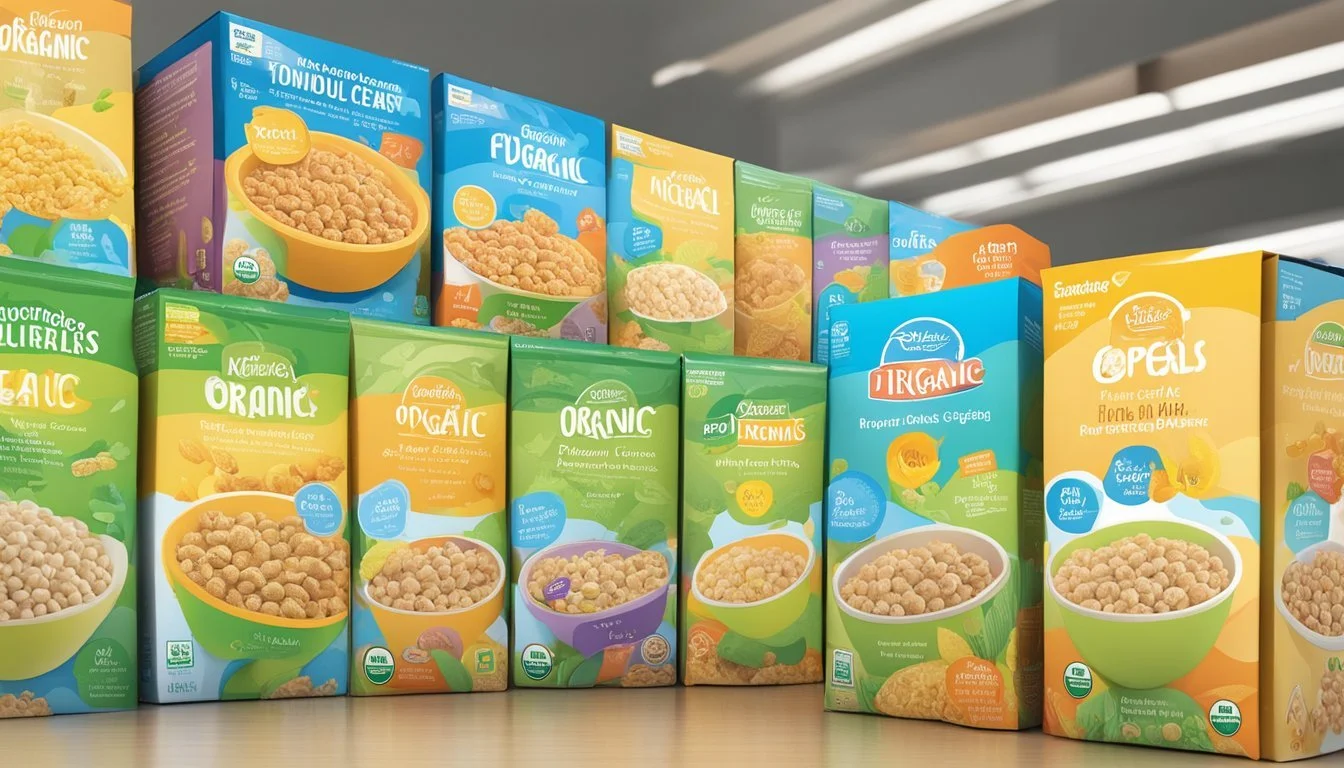
Else toddler organic cereal is available through several retail channels. The official Else Nutrition website offers direct purchases of their products, including the toddler cereal line.
Major online retailers like Amazon also stock Else Nutrition items. Customers can find the organic toddler cereal and other Else products through Amazon's marketplace.
Walmart carries Else Nutrition baby and toddler cereals both in stores and on their website. This provides a convenient option for parents who prefer to shop at large retail chains.
Some health food stores and specialty baby product retailers may stock Else toddler cereals as well. Parents can check with local shops that focus on organic and plant-based options for children.
Else Nutrition's website offers a store locator tool to help customers find nearby retailers carrying their products. This can assist in locating physical stores stocking the toddler cereal for those who prefer in-person shopping.
When purchasing, customers should verify they are selecting the correct product, as Else offers cereals for different age ranges. The toddler formula is designed for children 12-36 months old.
Supporting Your Toddler's Growth With Else Nutrition
Else Nutrition offers plant-based formulas and cereals designed to support healthy toddler growth and development. These products provide essential nutrients through minimally processed, organic ingredients.
Contributing To A Balanced Diet
Else Nutrition's toddler products contain a blend of plant-based proteins, healthy fats, and complex carbohydrates. The formulas are made with 92% whole foods, including buckwheat, almond, and tapioca. They provide over 20 vitamins and minerals crucial for toddler development.
These products can complement a varied diet of solid foods. The balanced nutrition helps support steady weight gain and overall growth. Parents can use Else products as part of a well-rounded meal plan that includes fruits, vegetables, and other nutrient-dense foods.
Else Cereal For Specific Nutritional Needs
Else cereal is formulated to address common toddler nutritional concerns. It's free from common allergens like dairy, soy, and gluten. This makes it suitable for children with food sensitivities or allergies.
The cereal contains added omega-3 and omega-6 fatty acids to support brain development. For toddlers struggling with weight gain, Else products may help. Studies show 4 out of 5 children with poor weight gain saw improvement after switching to Else nutrition.
Ensuring Healthy Development With Else
Else Nutrition's products are designed to support key aspects of toddler development. The formulas and cereals provide protein for muscle growth and energy. Essential vitamins and minerals promote bone health, immune function, and cognitive development.
The clean label and organic ingredients minimize exposure to artificial additives. This aligns with many parents' desire for more natural nutrition options. Else products can be used from 12 months onward, providing consistent nutritional support through the toddler years.