Gerber Whole Wheat Cereal
Key Benefits for Infant Development
Gerber Whole Wheat Cereal offers a nutritious option for infants beginning their solid food journey. This cereal provides essential nutrients to support healthy growth and development during a critical stage. Each 1/4 cup serving contains 60 calories, with 85% coming from carbohydrates, 8% from fat, and 7% from protein.
The cereal is fortified with iron, a crucial nutrient for babies 6-12 months old. Iron supports brain development and overall growth. Gerber Whole Wheat Cereal also contains 10 grams of whole grains per serving, introducing babies to new textures and tastes.
Parents can feel confident in choosing this cereal, as it is Non-GMO Project Verified and Clean Label Project Certified. The product meets criteria for Gerber's First 1,000 Day Promise and Pesticide Free Certification, aligning with many families' preferences for high-quality, wholesome infant nutrition.
Nutritional Profile Overview
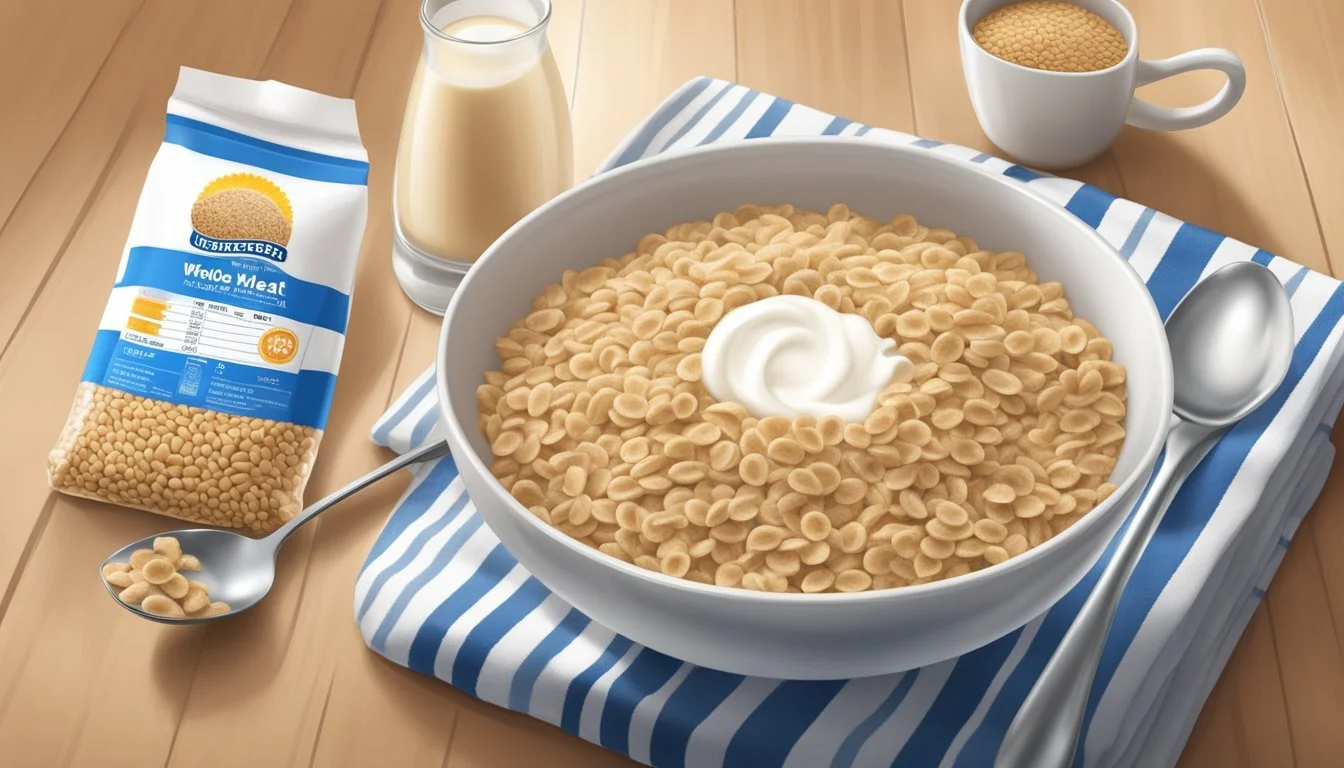
Gerber Whole Wheat Cereal provides essential nutrients for infant growth and development. It contains a balance of macronutrients and fiber to support healthy digestion and energy needs.
Macronutrients Breakdown
Gerber Whole Wheat Cereal contains 60 calories per 1/4 cup serving. The calorie breakdown is:
85% carbohydrates
8% fat
7% protein
This cereal is primarily a source of complex carbohydrates from whole grain wheat flour. It provides energy for growing babies while being low in fat. The protein content, though small, contributes to muscle and tissue development.
Total carbohydrates make up the majority of the cereal's nutritional profile. Sodium content is kept low to align with infant dietary needs. The cereal contains essential vitamins and minerals like calcium carbonate and iron to support healthy growth.
Understanding Dietary Fiber
Whole wheat flour provides dietary fiber in Gerber Whole Wheat Cereal. Fiber aids in proper digestion and helps prevent constipation in infants. The exact fiber content is not specified in the available data.
Fiber from whole grains supports gut health by promoting beneficial bacteria growth. It also helps regulate blood sugar levels, which is important as babies transition to solid foods.
Gerber's cereal meets part of the daily fiber needs for infants. Parents should gradually increase fiber intake as the baby grows to support ongoing digestive health.
Vitamins and Minerals Content
Gerber Whole Wheat Cereal provides a rich array of essential nutrients to support infant growth and development. The cereal contains key minerals and a complex of B vitamins crucial for various bodily functions.
Essential Minerals in Focus
Iron stands out as a critical mineral in Gerber Whole Wheat Cereal, supporting healthy brain development in infants. The product delivers a significant portion of the daily iron requirement. Calcium, another vital mineral, aids in building strong bones and teeth.
Zinc, often added as zinc sulfate, plays a role in immune function and growth. Potassium contributes to proper nerve and muscle function. The cereal's mineral profile helps meet the nutritional needs of growing babies.
B Vitamins Complex
Gerber Whole Wheat Cereal contains a range of B vitamins essential for energy metabolism and overall health. Niacinamide (vitamin B3) supports skin health and digestive function. Vitamin B12 is crucial for red blood cell formation and neurological development.
Pyridoxine hydrochloride (vitamin B6) aids in brain development and immune function. Riboflavin (vitamin B2) contributes to growth and red blood cell production. Folic acid, a key B vitamin, supports rapid cell division and growth in infants.
The cereal also includes vitamin C, which enhances iron absorption, and vitamin E, an antioxidant that protects cells from damage.
Dietary Considerations
Gerber Whole Wheat Cereal presents several important dietary factors to consider. These include potential allergens, fat and sugar content, and sodium levels.
Allergens and Intolerances
Wheat is the primary ingredient in Gerber Whole Wheat Cereal, making it unsuitable for individuals with celiac disease or gluten sensitivity. The product contains gluten, which can trigger adverse reactions in sensitive individuals. For those with wheat allergies, this cereal is not a safe option.
Parents should carefully read the label to identify any other potential allergens. While wheat is the main concern, cross-contamination during manufacturing may introduce traces of other common allergens.
Understanding Trans Fats and Added Sugars
Gerber Whole Wheat Cereal contains 0g of trans fat per serving, aligning with dietary recommendations to minimize trans fat intake. This is beneficial for cardiovascular health.
The cereal's sugar content is relatively low. It contains no added sugars, with only naturally occurring sugars from the whole wheat. This makes it a suitable option for parents looking to limit their child's sugar intake.
Total fat content is minimal at 1g per serving, contributing to the cereal's low calorie count of 60 calories per 1/4 cup.
Sodium Intake Management
Sodium content in Gerber Whole Wheat Cereal is notably low at 5mg per serving. This represents less than 1% of the daily recommended sodium intake for most adults.
Low sodium content is particularly beneficial for infants and young children, as it helps establish healthy eating patterns early in life. It also makes the cereal suitable for parents aiming to control their child's sodium intake.
For adults monitoring their sodium consumption due to health concerns like hypertension, this cereal can be a good choice as part of a balanced diet.
Feeding Guidance and Serving Size

Proper portioning and cereal selection are crucial for infant nutrition. Parents should consider age-appropriate serving sizes and compare different cereal types to ensure optimal nutrient intake for their baby's development.
Appropriate Portioning for Infants
For a baby's first cereal feeding, mix 1 tablespoon of cereal with 4-5 tablespoons of breastmilk or infant formula. This ratio provides a familiar taste and helps the baby accept the new cereal texture.
As the infant grows, parents can gradually increase the amount of cereal. A typical serving size for Gerber Whole Wheat Cereal is 1/4 cup, which contains 60 calories.
Iron is an essential nutrient in infant cereals. Gerber cereals provide 60% of the Daily Value of iron per 15g serving, supporting healthy growth and brain development.
Comparing Cereal Types
Gerber offers various cereal options to meet different nutritional needs. Single-grain cereals like Rice and Oatmeal are often introduced first.
Multigrain cereals, containing a small amount of wheat, can be introduced next. Whole Wheat cereal offers new, healthy tastes and can be incorporated into the diet as the baby becomes more accustomed to solid foods.
When comparing cereal types, consider iron content. Gerber infant cereals contain 60% more iron per serving than fortified oatmeal and over 100% more than unfortified oats.
Label Interpretation and Daily Values
Nutrition labels provide essential information about the nutrients in Gerber Whole Wheat Cereal. Understanding these labels helps parents make informed choices about their baby's diet.
Deciphering Nutrition Labels
Nutrition Facts labels display key nutrients per serving. For Gerber Whole Wheat Cereal, a serving contains 60 calories. The label lists total fat, sodium, potassium, carbohydrates, and protein content.
Percentages on the label relate to Daily Values (DV). These percentages show how much a nutrient contributes to a daily diet. A 5% DV or less is considered low, while 20% DV or more is high.
Gerber Whole Wheat Cereal contains 12g of total carbohydrates and 1g of protein per serving. It's low in sodium and fat, with 0mg and 0g respectively.
How to Calculate Daily Intake Based on Labels
To calculate daily intake, parents can use the serving size and DV percentages. Multiply the number of servings consumed by the nutrient amounts listed.
For example, if a baby eats two servings of Gerber Whole Wheat Cereal, they would consume 120 calories (60 x 2). The same applies to other nutrients.
Parents should aim for 100% DV of essential nutrients like dietary fiber, vitamin D, calcium, iron, and potassium. Comparing labels helps choose foods that contribute to this goal.
It's important to remember that babies have different nutritional needs than adults. Consult a pediatrician for personalized advice on daily nutrient intake for infants.