Little Spoon Overnight Oats
A Balanced Breakfast Option
Little Spoon's Overnight Oats offer a convenient and nutritious breakfast option for children. These ready-to-eat oat smoothies come in flavors like Apple Cinnamon Swirl and Peachy Berry Bliss, combining the goodness of oats with fruits and vegetables. Each serving provides 6 grams of whole grains and 2-3 grams of fiber, contributing to a balanced start to the day.
The collaboration between Oatly and Little Spoon brings together oat milk and carefully selected ingredients to create a fiber-rich meal. Antioxidant-packed blueberries, beta-carotene-rich purple carrots, and a blend of oats, quinoa, flax, and chia seeds make these overnight oats a nutrient-dense choice for growing children.
Overnight oats have gained popularity as a healthy breakfast option due to their convenience and nutritional benefits. Little Spoon's version takes this concept further by incorporating additional superfoods and tailoring the flavors to appeal to kids' palates, making it easier for parents to provide a wholesome morning meal.
Whole Grains and Their Benefits
Whole grains like oats offer numerous health advantages. They provide essential nutrients and fiber that support overall wellbeing. Oats stand out as a nutritional powerhouse among whole grains.
The Role of Oats in Nutrition
Oats contain important vitamins and minerals. They are rich in manganese, phosphorus, magnesium, copper, iron, and zinc. Oats also provide B vitamins like thiamin and folate.
The protein content of oats is higher than many other grains. One half cup of dry oats offers about 6 grams of protein.
Oats contain antioxidants called avenanthramides. These compounds may help lower blood pressure and have anti-inflammatory effects.
Beta-glucan, a type of soluble fiber in oats, can reduce cholesterol levels. Studies show it may lower LDL cholesterol by 5-10%.
The Importance of Fiber
Oats are an excellent source of dietary fiber. One cup of cooked oats provides about 4 grams of fiber.
Fiber aids digestion and promotes regular bowel movements. It helps maintain a healthy gut microbiome.
Soluble fiber in oats forms a gel-like substance in the digestive tract. This slows digestion and increases feelings of fullness.
Fiber intake is linked to lower risks of heart disease, stroke, and type 2 diabetes. It may also help with weight management.
Aim for 25-30 grams of fiber daily. Including oats in your diet can help meet this goal.
Key Nutrients in Overnight Oats
Overnight oats pack a nutritional punch, offering a balanced mix of macronutrients and micronutrients essential for optimal health. They provide sustained energy and promote satiety through their combination of complex carbohydrates, protein, and healthy fats.
Protein Content and Sources
Overnight oats can be a good source of protein, especially when fortified with additional ingredients. Plain oats contain about 5 grams of protein per half-cup serving. To boost protein content, many recipes incorporate:
Greek yogurt (15-20g protein per 6oz serving)
Protein powder (15-25g protein per scoop)
Nut butters (7-8g protein per 2 tablespoons)
These additions can significantly increase the protein content, making overnight oats a more balanced meal. Protein aids in muscle repair, supports immune function, and helps maintain satiety.
Essential Vitamins and Minerals
Overnight oats provide a range of essential vitamins and minerals:
Iron: Supports oxygen transport in the blood
Potassium: Regulates fluid balance and muscle function
Calcium: Essential for bone health
Vitamin A: Supports eye health and immune function
Adding fruits like berries or apples can increase vitamin C content. Chia seeds and flaxseeds contribute omega-3 fatty acids and additional minerals. Some recipes include vitamin K-rich ingredients like kiwi or spinach.
Understanding Fat and Healthy Fats
While oats themselves are low in fat, many overnight oats recipes include sources of healthy fats:
Nuts (almonds, walnuts): Rich in heart-healthy monounsaturated fats
Chia seeds: High in omega-3 fatty acids
Flaxseed: Contains alpha-linolenic acid (ALA), a type of omega-3
These fats contribute to feelings of fullness and aid in the absorption of fat-soluble vitamins. They also provide antioxidants that help protect cells from damage. Including a moderate amount of healthy fats in overnight oats can enhance both nutrition and flavor.
Customization of Overnight Oats
Overnight oats offer endless possibilities for personalization. The versatility of this nutritious breakfast allows for a wide range of flavors, textures, and nutritional enhancements to suit individual tastes and dietary needs.
Adding Flavor with Spices and Extracts
Spices and extracts can transform plain oats into a delightful culinary experience. Cinnamon is a popular choice, adding warmth and sweetness without extra calories. It pairs exceptionally well with apple-based overnight oats. Vanilla extract enhances the overall flavor profile, complementing both fruity and nutty additions.
For a tropical twist, coconut extract or shredded coconut can be mixed in. Pumpkin pie spice creates a cozy autumn feel, especially when combined with pumpkin puree. Experimenting with different spice combinations allows for unique flavor profiles tailored to personal preferences.
• Popular spices: Cinnamon, nutmeg, ginger • Extracts: Vanilla, almond, coconut • Seasonal blends: Pumpkin pie spice, apple pie spice
Healthy Sweeteners and Toppings
Natural sweeteners can enhance the taste of overnight oats without adding refined sugars. Honey and maple syrup are common choices, offering distinct flavors. For a lower-calorie option, stevia or monk fruit sweeteners work well.
Toppings add texture and nutritional value. Nuts and seeds provide healthy fats and protein. Fresh or dried fruits contribute natural sweetness and fiber. Granola or toasted oats can be sprinkled on top for extra crunch.
Natural sweeteners: Honey, maple syrup, agave nectar
Protein-rich toppings: Almonds, chia seeds, hemp hearts
Crunchy additions: Granola, toasted coconut flakes
Incorporating Fruits and Vegetables
Fruits and vegetables boost the nutritional profile of overnight oats while adding flavor and color. Fresh berries like blueberries are rich in antioxidants and pair well with vanilla-flavored oats. Mashed bananas or grated apples can be mixed in for natural sweetness and added fiber.
Vegetables might seem unusual in oats, but they can work surprisingly well. Grated carrots, like purple carrots, add a subtle sweetness and vibrant color. Pumpkin puree creates a creamy texture and rich flavor, especially when combined with warming spices.
Frozen fruits can be used when fresh options aren't available. They'll thaw overnight, releasing juices that infuse the oats with flavor. Dried fruits like raisins or chopped dates are also excellent additions, providing concentrated sweetness and chewy texture.
Dietary Considerations and Alternatives

Little Spoon overnight oats can be adapted to suit various dietary needs and preferences. Customization options allow for dairy-free, vegan, gluten-free, and child-friendly versions.
Dairy-Free and Vegan Options
Plant-based milk alternatives work well in overnight oats recipes. Almond milk, coconut milk, and oat milk are popular choices for those avoiding dairy. These options provide a creamy texture and unique flavors.
Soy milk offers a protein boost comparable to dairy milk. Rice milk is another option, though it's thinner in consistency.
To enhance the nutritional profile, consider adding chia seeds or ground flaxseed. These ingredients increase omega-3 fatty acids and fiber content.
For sweetness, use maple syrup or agave nectar instead of honey. Fresh fruits like berries or bananas add natural sweetness and extra nutrients.
Gluten-Free and Allergen Information
Oats are naturally gluten-free, but cross-contamination can occur during processing. Look for certified gluten-free oats to ensure safety for those with celiac disease or gluten sensitivity.
Be aware of potential allergens in toppings and mix-ins. Common allergens include:
Tree nuts (almonds, walnuts)
Peanuts
Soy (in some plant-based milks)
Coconut
Read labels carefully when using pre-packaged ingredients. Prepare oats in a clean, allergen-free environment to prevent cross-contamination.
Child-Friendly Substitutions
Overnight oats can be a nutritious breakfast option for children of all ages. For babies and toddlers, ensure the consistency is appropriate for their eating abilities.
Use whole milk or formula for infants over 6 months. Mash or puree fruits to avoid choking hazards.
For toddlers and older children, make oats more appealing with fun mix-ins:
Cocoa powder for a chocolate flavor
Mashed banana for natural sweetness
Colorful berries or fruit slices
Cut grapes and other round fruits into small pieces. Avoid honey for children under 1 year old due to botulism risk.
Encourage kids to help prepare their oats. This involvement can increase their interest in eating a healthy breakfast.
Practical Tips for Preparing Overnight Oats
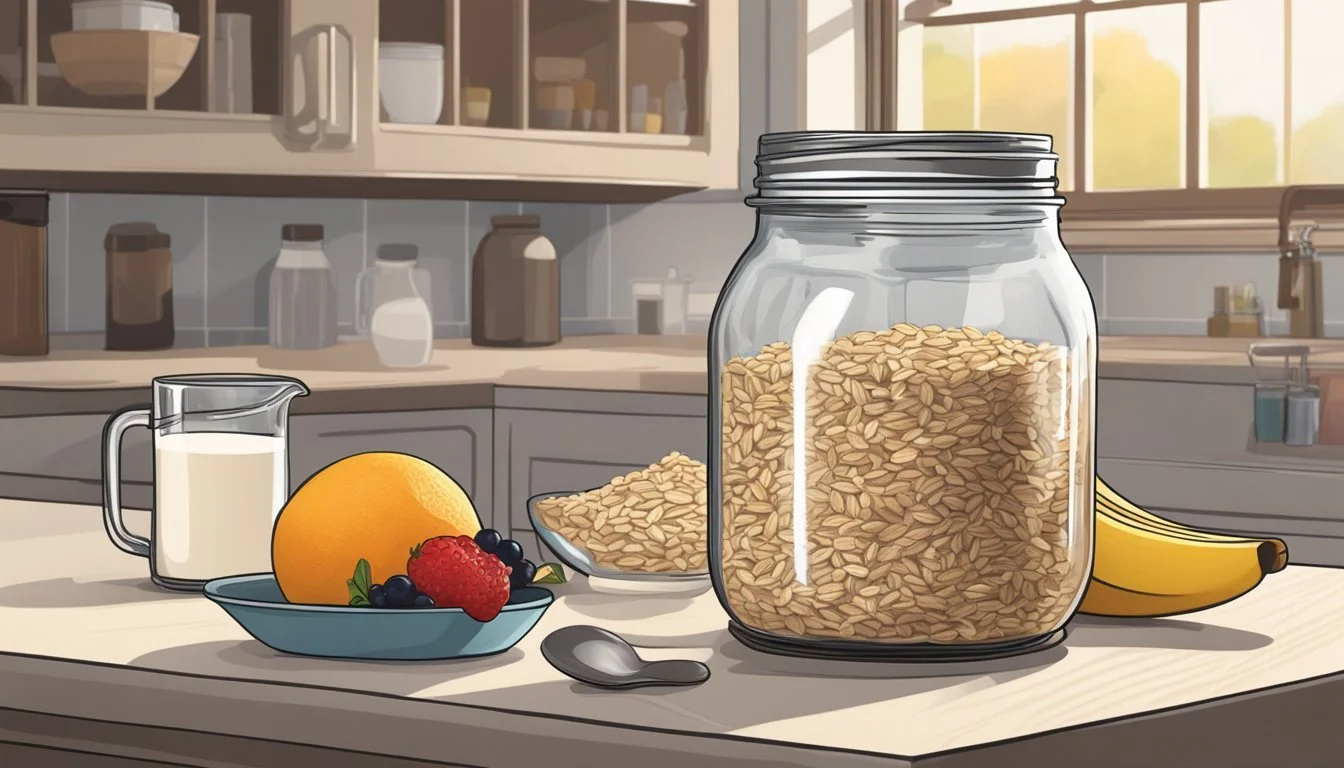
Mastering overnight oats preparation can streamline your breakfast routine. The right techniques ensure delicious and nutritious results every time.
Meal Prep and Storage
Mix oats, milk, and chia seeds in a 1:1:1/8 ratio for optimal texture. Use 1/2 cup oats, 1/2 cup milk, and 1 tablespoon chia seeds per serving. Add sweeteners and flavorings to taste.
Prepare multiple servings at once in separate containers for efficient meal prep. Mason jars or small food storage containers work well. Label each with the date prepared.
Store prepared oats in the refrigerator for up to 5 days. For longer storage, freeze individual portions for up to 3 months. Thaw overnight in the fridge before eating.
Serving Sizes and Equipment
A standard serving is 1/2 cup dry oats, yielding about 1 cup prepared. This typically provides 300-400 calories, depending on add-ins.
Use 8-ounce mason jars or 1-cup containers for individual portions. Larger jars allow room for toppings and stirring.
Measure ingredients precisely for consistent results. A digital kitchen scale ensures accuracy.
Add fruit, nuts, or other toppings just before eating to maintain texture. Warm oats slightly in the microwave if desired, stirring halfway through.
Understanding the Caloric and Macro Profiles
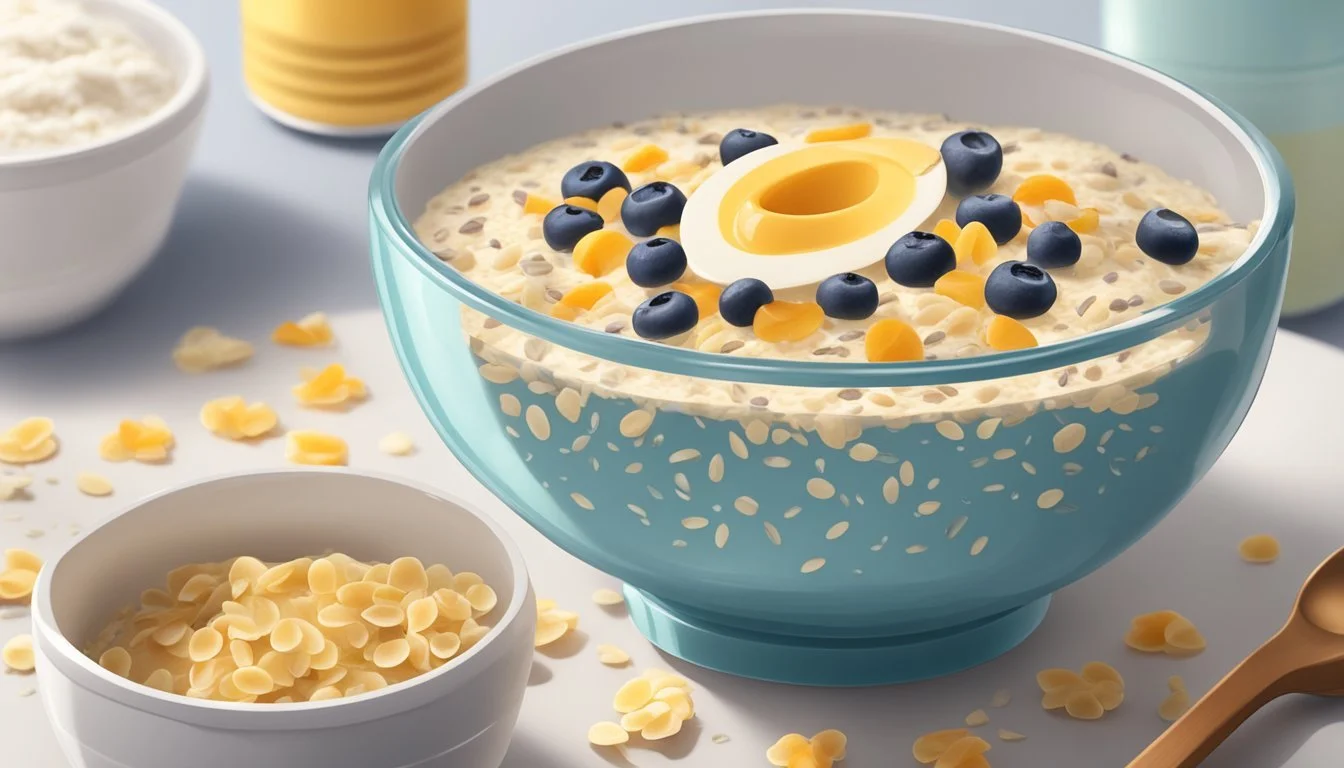
Little Spoon overnight oats provide a nutritious balance of macronutrients and calories. The precise amounts can vary depending on the specific flavor and ingredients used.
Balancing Carbohydrates, Proteins, and Fats
Carbohydrates form the base of Little Spoon overnight oats, primarily from oats and fruits. These provide energy and fiber. Typical servings contain 30-40g of carbs.
Protein content ranges from 10-20g per serving. This comes from ingredients like Greek yogurt, milk, and added protein powders in some varieties.
Fats are present in moderate amounts, usually 5-10g per serving. These come from ingredients like nuts, seeds, and milk products.
Sugar content varies by flavor. Most contain natural sugars from fruits, with minimal added sugars. Total sugar typically ranges from 5-15g per serving.
Calculating Calories for Weight Management
Little Spoon overnight oats generally contain 250-350 calories per serving. This makes them suitable for various dietary needs.
For weight loss, they can fit into a calorie-controlled diet. Their high protein and fiber content promotes satiety, potentially reducing overall calorie intake.
For weight gain or muscle building, the calorie and protein content can support increased energy needs. Adding extras like nut butters or additional fruits can boost calorie content if needed.
The balanced macro profile makes Little Spoon overnight oats adaptable to different nutritional goals. Tracking portion sizes is key for accurate calorie management.
The Little Spoon Difference

Little Spoon offers fresh, organic baby food with a focus on quality ingredients and expert nutrition. The company prioritizes safety standards and menu variety to meet the needs of growing children.
Brand Philosophy and Product Quality
Little Spoon's commitment to high-quality baby nutrition is evident in their Babyblends line. These products are made with fresh, USDA-Certified Organic ingredients. The company avoids preservatives and additives, ensuring a pure and wholesome meal for infants and toddlers.
Little Spoon's Babyblends are compatible with vegetarian, vegan, and plant-based diets. This inclusivity allows parents to align their child's nutrition with various dietary preferences or restrictions.
The brand emphasizes the use of non-GMO ingredients in their products. This aligns with their philosophy of providing natural, unmodified foods for optimal child development.
Menu Options and Nutritional Expertise
Little Spoon offers a diverse menu to support different stages of a baby's growth. Their product range includes options for first bites and progresses to more complex blends as the child develops.
The company employs nutritional experts to craft their recipes. This ensures that each blend provides appropriate nutrients for a baby's developmental needs.
Little Spoon's menu includes innovative options like their Apple Cinnamon Swirl Overnight Oats. This product combines nutritious ingredients such as apples, cinnamon, pumpkin, and Oatly Oatmilk.
The brand also offers customization options. Parents can select blends that cater to their child's taste preferences and nutritional requirements.
Safety and Certification Standards
Little Spoon maintains rigorous safety standards in their production process. Their facilities adhere to strict cleanliness and hygiene protocols to ensure food safety.
The company's products are USDA-Certified Organic. This certification guarantees that the ingredients are grown and processed according to federal guidelines.
Little Spoon's products are OU Kosher Certified. This certification ensures that the food meets specific religious dietary requirements.
The brand implements a reliable delivery system. Their products are shipped directly to customers, maintaining freshness and quality throughout the distribution process.