
Gun Laws in Indiana for Hunters
Essential Regulations and Compliance Guide
Indiana's gun laws provide specific regulations that hunters need to be aware of before setting out to participate in the state’s various hunting seasons. Understanding these laws helps ensure hunters operate within the legal framework designed to promote safety and conservation. In Indiana, for example, deer hunters can use rifles that are .243 caliber or larger on private land during firearms season, reinforcing the state's commitment to regulating hunting equipment for efficacy and safety.
For hunters using shotguns, Indiana mandates the use of slugs, and handgun calibers must be at least .357 to be regarded as lawful for deer hunting. Moreover, the state differentiates itself by allowing the use of air guns for deer hunting, provided they meet certain specifications such as using non-ignited compressed air or gas charged by an external source. These particularities in Indiana’s hunting regulations cater to the diverse preferences of hunters while prioritizing wildlife management and personal safety.
Equally important is the recognition of legal nuances such as the interplay between state and federal laws. While Indiana's state law allows individuals aged 18 and older to purchase a handgun, federal law sets the minimum age for purchasing a handgun from a licensed dealer at 21. This discrepancy highlights the need for Indiana hunters to stay informed about both state and federal legal requirements to ensure compliance across all levels when engaging in hunting activities.
Overview of Indiana Gun Laws for Hunters

In Indiana, hunters are subject to state gun laws that dictate the purchase, possession, and carrying of firearms. These laws are designed to ensure both safety and compliance with federal regulations.
Purchase and Background Checks: Individuals must undergo a background check when purchasing a firearm from a licensed dealer. However, private sales between individuals do not require a background check, though the seller must not knowingly sell to anyone prohibited from owning a firearm.
Firearm Registration: Indiana does not require hunters to register their firearms. This simplifies the process for hunters acquiring new hunting rifles or shotguns.
Carrying a Handgun: To carry a handgun in Indiana, hunters must obtain a license. Carrying a handgun without a license is illegal and can result in significant penalties.
State Preemption of Local Restrictions: Indiana has state preemption over local firearm laws, which means local governments cannot impose more restrictive laws than those at the state level. This ensures consistency for hunters traveling across different municipalities within the state.
Castle Doctrine: Indiana's Castle Doctrine and Stand Your Ground laws allow individuals to use necessary force, including deadly force, to defend themselves or others from illegal actions in their homes, vehicles, and workplaces.
NFA Weapons Restricted: Hunters should be aware that Indiana restricts National Firearms Act (NFA) weapons, such as machine guns and suppressors, which typically are not used for hunting.
Peaceable Journey Laws: Indiana acknowledges peaceable journey laws, allowing individuals to transport firearms for hunting purposes as long as they are stored unloaded and not readily accessible.
Hunters in Indiana must be cognizant of these laws to ensure they remain within legal boundaries while enjoying their hunting activities.
Hunting Licenses and Permits in Indiana
In Indiana, hunters are required to adhere to state licensing regulations to engage in hunting activities legally. The process involves obtaining necessary permits, understanding youth and senior specific licenses, and recognizing the provisions for non-resident hunters.
General Requirements
In Indiana, all hunters must possess a valid hunting license, which they can purchase online, at authorized retailers, or via mail through the Indiana Department of Natural Resources (DNR). The state permit requirements stipulate that any hunter, including those practicing concealed or open carry, must adhere to established bag limits and other specific regulations such as the use of deer license bundles for certain game.
Resident requirements: Must provide proof of Indiana residency.
Age requirements: Hunters of different age groups may need specific licenses.
Education: Completion of a hunter education course is mandatory for certain new hunters.
Youth and Senior Licensing
Youth licenses in Indiana are designed to encourage younger hunters to learn and enjoy hunting. These licenses are typically offered at a reduced cost to promote participation. Senior licenses are similarly discounted for elderly individuals, ensuring that hunting remains accessible as they age.
Youth eligibility: Residents and non-residents under the age of 18.
Senior eligibility: Residents 65 years and older may qualify for reduced fee licenses.
Reciprocity and Non-Resident Licensing
Indiana recognizes reciprocity for hunters from other states who wish to hunt in the Hoosier state. Non-resident licensing is available and non-residents may participate in hunting in Indiana by obtaining the proper permits. There is a separate set of permits for those who are not residents, often at a higher fee than resident licenses.
Non-resident permits: Required for all non-resident hunters.
Reciprocity agreements: Hunters must comply with Indiana's hunting regulations, regardless of the hunter's state of origin.
Hunters interested in hunting and fishing licenses, should note that combination licenses are available. Additionally, disabled American veterans may be eligible for licensing at reduced or no cost, depending upon their level of disability and residency status. An active possession permit is crucial for the legal possession and use of certain wildlife in Indiana. It's important for both residents and non-residents to ensure compliance with all Indiana hunting laws and regulations to maintain the integrity and safety of the sport.
Hunting Seasons and Game Species
Indiana provides hunters with diverse opportunities to pursue a variety of game species across different seasons. The Indiana Department of Natural Resources closely regulates these seasons to ensure sustainable management of the state’s natural resources.
Deer Hunting Seasons
Fall Archery: Typically, the archery season for deer opens in October and extends through early January.
Firearms Season: The firearms season for deer usually begins in mid-November and lasts for approximately two weeks.
Muzzleloader Season: Following the firearms season, muzzleloader hunting is commonly allowed for a period in December.
It is imperative for hunters to wear hunter orange during the firearms, muzzleloader, and specific special seasons as mandated by Indiana regulations.
Turkey Hunting Periods
Spring Season: Turkey (What wine goes well with turkey?) hunting is permitted in the spring, starting half an hour before sunrise until sunset. The exact dates vary but typically cover late April through May.
Fall Season: The state allows fall turkey hunting in selected counties, with hunters allowed one bird of either sex. Dates and open counties are subject to annual review.
Separate turkey licenses are required for each the spring and fall seasons.
Waterfowl and Other Game Seasons
Indiana offers waterfowl hunting seasons, which include ducks, geese, and other migratory birds. These seasons are set within the federal frameworks and usually occur in both the fall and winter months. Dates and bag limits can fluctuate annually based on surveys and management goals.
Additionally, hunters can pursue other game species such as:
Squirrels: With seasons typically starting in August.
Rabbits: With hunting seasons generally opening in November.
Hunters must adhere to the established seasons and obtain the appropriate licenses while respecting the natural habitats of the game animals.
Specific Hunting Regulations
Indiana has detailed hunting regulations to ensure the conservation of natural resources and promote safe hunting practices. Hunters in the state need to adhere to specific rules regarding their firearms, hunting hours, bag limits, and the approach to hunting various game animals.
Firearm and Equipment Regulations
In Indiana, hunters can use a range of firearms including shotguns, rifles, and muzzleloaders, as long as they comply with caliber restrictions detailed by the Indiana Department of Natural Resources (DNR). For deer hunting, legal firearms include shotguns with slugs, handguns with barrels at least 4 inches long, and rifles with cartridges that fire a bullet of .357-inch diameter or larger.
Ammunition: Hunters must use ammunition that is suitable for the firearm and game.
Reduction Zones: Specific areas designated as reduction zones may have additional equipment restrictions.
Long Guns: Generally allowed, but some areas may restrict the use of rifles.
Hunting Hours and Bag Limits
Hunting hours are typically from half an hour before sunrise to half an hour after sunset. This applies to most species, but hunters should still confirm the hours for their specific game.
Deer: Bag limits for deer vary with seasons and areas; some counties offer special antlerless hunts to manage populations.
Turkey: There are established bag limits for spring and fall turkey hunting seasons.
Squirrel: Squirrel hunting typically has generous daily and possession bag limits.
Bag Limits: Vary by game animal and sometimes by county or region.
Game Animal Bag Limit Examples Deer Statewide limit, with bonus limits in some counties Turkey One bird of either sex during spring; male or bearded turkey in fall Squirrel Daily limit and possession limit as prescribed by DNR
Special Rules for Specific Game Animals
Hunters targeting specific game animals must follow unique regulations, including season dates, equipment, and hunting method restrictions.
Deer: Hunters are required to use tags for deer they harvest.
Turkey Hunting: Specific seasons for firearms and archery, with males being the target during spring and either sex during fall.
Furbearers: Including coyotes and foxes, which may have different hunting and trapping seasons.
Special Antlerless: Only in certain counties and during specific seasons as determined by the DNR.
It's imperative for hunters in Indiana to check the latest regulations from the Indiana Department of Natural Resources before heading out to hunt, as rules can change for conservation and population management purposes.
Hunter Education and Safety
Indiana places great emphasis on promoting hunting safety and education, viewing them as essential to both wildlife management and public safety. The state mandates a comprehensive education program for hunters to ensure they are well-versed in safe firearm handling and ethical hunting practices.
Hunter Education Certificate
Anyone born after December 31, 1986, must obtain an Indiana Hunter Education Certificate to purchase a hunting license in Indiana. This certification process involves completing an approved hunter education course, which covers:
Firearm Safety: Proper use and handling of firearms while hunting and at home.
Ethical Hunting Practices: Understanding the responsibilities of hunting and respect for wildlife.
Conservation Management: Basic principles of wildlife management and the hunter's role in conservation.
The official hunter education course can be taken online at websites such as hunter-ed.com, which is developed to meet the standards for hunting safety education set by the state.
Public Safety and Hunting Ethics
The cornerstone of Indiana's hunter education lies in safeguarding public safety and fostering a culture of responsible hunting. Key aspects include:
Wearing Blaze Orange: Utilizing highly visible clothing to increase safety in the field.
Compliance with Game Laws: Familiarizing themselves with Indiana game laws including rules against spotlighting and the requirement to make reasonable efforts to retrieve game.
Responsible Handling: Ensuring that weapons are used responsibly, especially in the presence of other individuals.
Through these educational requirements and regulations, Indiana aligns hunter behavior with public safety protocols and ethical hunting standards, striving for a safe environment for all involved.
Wildlife Conservation and Management
In Indiana, the Department of Natural Resources (DNR) plays a crucial role in wildlife conservation and management. The DNR establishes hunting regulations to support wildlife preservation, ensuring sustainable populations and ecological balance. These regulations include season dates, bag limits, and licensing requirements. Hunters are required to adhere to these rules strictly.
Hunters Helping Farmers Program is an initiative that facilitates the collaboration between hunters and farmers. Farmers contending with wildlife-related agricultural damage, such as that by deer or other animals, can enlist hunters to help manage these populations. This aids in reducing crop damages while contributing to wildlife management efforts.
Predator management is also a component of wildlife conservation in Indiana. Predators, while playing an essential role in the ecosystem, can sometimes impact other wildlife populations or become problematic for residents. The DNR manages these species through regulated hunting and trapping, balancing their presence with the needs of the environment and the human population.
Effective wildlife management strategies include:
Licenses and permits: Mandatory for ensuring only qualified individuals participate in hunting.
Seasonal hunting restrictions: To prevent overhunting during vulnerable periods for wildlife.
Bag limits: These control the number of animals that can be harvested, preventing population decline.
Educational outreach: Hunters are educated on ethical practices and the importance of conservation.
These measures contribute to a responsible and well-managed approach to hunting, where conservation takes priority to ensure that Indiana’s wildlife thrives for future generations.
Legalities of Firearm Ownership and Use
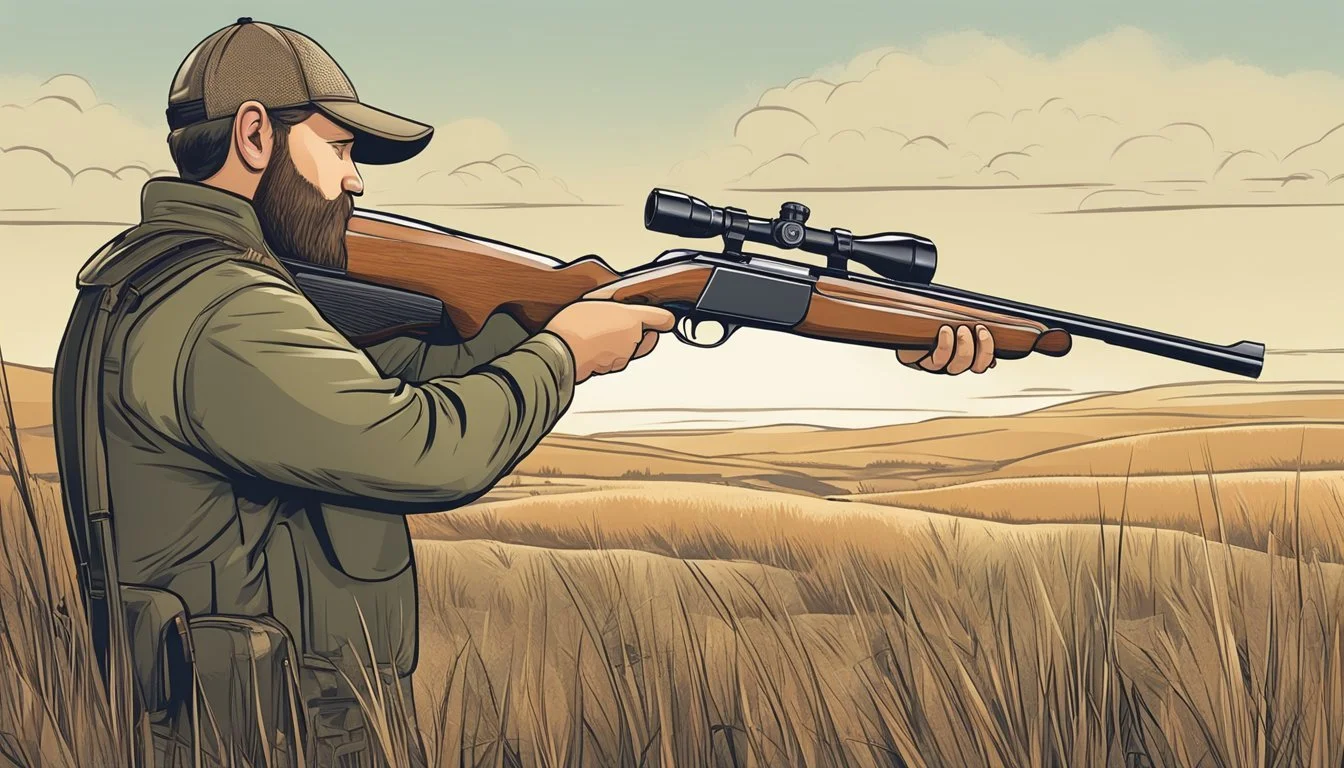
In Indiana, hunters and firearm owners must navigate a set of laws that define the legal framework for owning, carrying, and using firearms. These rules are put in place to maintain safety while respecting the rights of individuals.
Ownership and Possession Laws
Indiana requires no state permit to purchase a firearm. However, background checks are mandatory for all firearms purchased through licensed dealers. When it comes to ownership, individuals must ensure that they are not prohibited by law from owning a firearm due to criminal history or mental incapacitation. As stipulated by the Red Flag Law, law enforcement has the authority to temporarily seize firearms from individuals deemed a risk to themselves or others. Indiana does not require an owner license for firearms.
Carry and Concealment Rules
To carry a handgun in public, one must possess a license to carry a handgun (LCH), issued by the state. Indiana recognizes both open and concealed carry with an LCH. It's important for individuals to understand that carrying a handgun without a license is subject to fines and legal penalties. Within the context of hunting, carrying a handgun is typically linked to personal protection, and hunters must adhere to Indiana's specific carry laws even in rural settings where hunting is common.
Self-Defense and Property Protection
In terms of self-defense and property protection, Indiana adopts the Castle Doctrine and Stand Your Ground law. Individuals are legally permitted to use deadly force if they believe it necessary to prevent serious bodily injury or a forcible felony. The Castle Doctrine specifically allows the use of such force to protect one's home or vehicle without the duty to retreat. For property protection, state preemption plays a role; local government cannot impose regulations more restrictive than state law regarding the use of firearms for self-defense.
Recreational Activities Beyond Hunting

While Indiana is known for its hunting opportunities, the Hoosier State offers a variety of recreational activities that engage residents and visitors alike. Fishing is a popular pastime, with numerous lakes, rivers, and streams providing abundant freshwater fishing environments.
Fishing Licenses
Anglers in Indiana are required to have a fishing license. Children under the age of 18 and residents over the age of 64 can fish without one. The state also offers specific fish & wildlife licenses, including:
Annual Fishing License
One-day Fishing License
Trout/Salmon Stamp
Hunting Stamps
In addition to fishing, hunters often pursue hunting stamps which are mandatory for certain species. These include:
Waterfowl Stamp: Required for hunting ducks and geese.
Gamebird Habitat Stamp: Necessary for hunting pheasants, quail, and rabbits.
Wildlife Watching
For those interested in wildlife without the hunt, Indiana presents ample opportunities for bird-watching and observing nature in preserves and parks.
Outdoor enthusiasts can find a wealth of activities to enjoy throughout Indiana's four distinct seasons, from hiking and camping in state parks to boating and kayaking on larger bodies of water. Each offers a way to appreciate the state's diverse ecosystems.
Licenses and Regulations
The Indiana Department of Natural Resources (DNR) governs the rules and regulations for all recreational endeavours to ensure sustainable practices. Hunters and anglers are advised to check with the DNR for any updates or changes to the laws before participating.
In summary, Indiana's rich landscape provides many avenues for outdoor recreation beyond hunting, fostering a connection with nature and promoting conservation.
Additional Considerations for Hunters
Hunters in Indiana need to be aware of certain restrictions and allowances that influence their hunting practices. Technological aids have specific usage rules, and hunting regulations can differ significantly between private and public lands.
Technological Aids and Restrictions
When considering the use of technology in hunting, Indiana hunters must adhere to regulations aimed at ensuring fair chase and public safety. The use of drones is strictly regulated in most hunting contexts as they can disrupt wildlife behavior and raise ethical concerns regarding fair chase. Drones are not typically allowed for scouting, tracking, or herding game.
Red dot sights and similar aiming devices are allowed for hunters, as these tools aid in accuracy without providing unfair advantage. Such technology helps to ensure a swift and ethical harvest by enhancing shot precision.
Spotlighting, the use of artificial light to locate or blind game, is illegal in Indiana. It poses a significant safety risk and violates fair chase principles. This ban extends to the use of any vehicle-mounted lights or lighting devices while possessing a hunting tool.
Hunting on Private vs Public Lands
Indiana differentiates between hunting on private and public lands, with certain restrictions applying only to one or the other.
On private lands:
Hunters have more leeway with the use of rifle calibers during firearm season, given that they have permission from the landowner.
The law may grant the usage of particular firearms for deer hunting that are not permitted on public lands.
On public lands, the following restrictions apply to ensure the safety of all visitors and to maintain wildlife conservation efforts:
Firearm calibers and types may be further restricted.
Hunters must be mindful of maintaining safe distances from other recreational areas and facilities.
For all hunters, it is crucial to verify the latest regulations pertaining to the specific area they plan to hunt, as rules can be subject to change. Checking with the Indiana Department of Natural Resources before the hunting season is a good practice to ensure compliance and safety.

