
Gun Laws in Minnesota for Hunters
Regulations and Compliance Guide
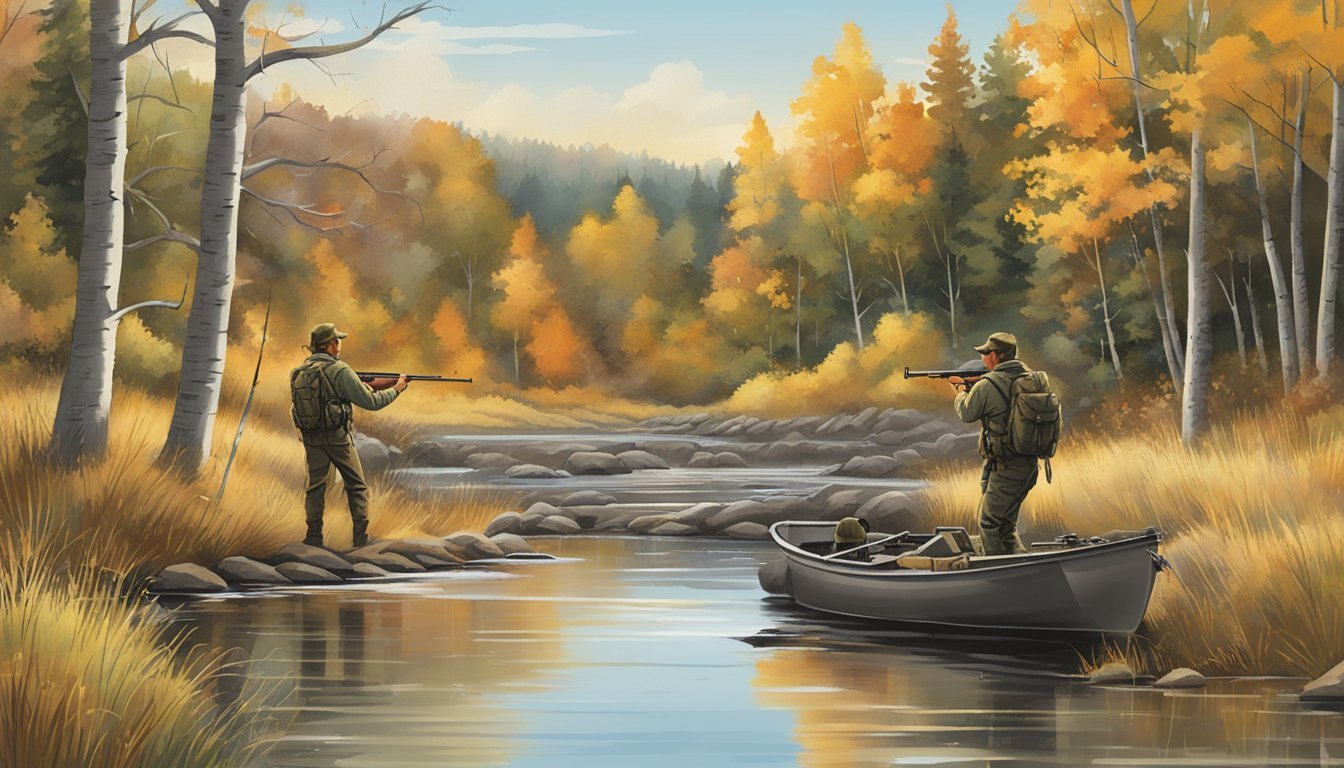
Gun laws in Minnesota provide a structured framework for hunters to follow, ensuring the safety of participants and the conservation of wildlife. Over half a million people partake in hunting annually in the state, making it imperative for these laws to be clear and well-communicated. Minnesota's Department of Natural Resources (DNR) emphasizes safety in hunting, and has set a goal for all hunters to return home without incident after each hunting excursion. This goal underscores the importance of understanding and adhering to the state's specific regulations.
In Minnesota, hunting firearms are regulated with particular criteria defining what is permissible for use. The state prohibits ownership of machine guns and short-barreled shotguns for the general public, with severe penalties including fines and imprisonment for infringements. Hunters are required to follow these guidelines closely, while also keeping abreast of updates and changes in the legality of certain firearms, as Minnesota law is subject to amendments intended to improve safety standards.
For those who want to legally hunt with a firearm in Minnesota, obtaining the appropriate permits is a necessary step. Open carry of firearms is allowed, but hunters must possess either a Minnesota permit or a permit from a state that has reciprocity with Minnesota. When it comes to transporting firearms for hunting purposes, hunters must be aware that concealed carry within a vehicle is also permitted only with a valid permit. It is essential that hunters in Minnesota acquire the right permits and fully understand the state's gun laws to ensure both legal compliance and personal safety.
Legal Framework of Gun Laws in Minnesota

In Minnesota, the legal framework for gun laws includes a complex system of statutes and regulations. These laws dictate the possession, use, and sale of firearms, integrating both state and federal stipulations.
Statutes and Regulations Governing Firearms
Minnesota statutes specifically address various aspects of firearm regulation. For example, according to statute 609.666, ownership of machine guns and short-barreled shotguns is generally prohibited for the public, with violations possibly resulting in up to five years imprisonment and fines of $10,000. However, exceptions are made for collectors with federal licenses for curio and relic machine guns. Furthermore, the possession of "armor-piercing" ammunition with intent to commit a crime, or if used in a crime, is classified as a felony, potentially leading to three years of imprisonment and a $5,000 fine.
Legislation in Minnesota also provides for a new "red flag law," which permits courts to issue extreme risk protection orders. Effective January 1, 2024, these orders can restrict individuals deemed as high-risk from possessing or purchasing firearms while under the order.
State Preemption and Federal Firearms License
Minnesota law adheres to the principle of state preemption, which dictates that the state legislature holds the authority to legislate firearms laws that override any local ordinances. This ensures a standardized set of rules across the state, though local governments may have limited regulatory power in certain contexts.
At the federal level, individuals and businesses engaged in the sale of firearms are required to obtain a Federal Firearms License (FFL). The Bureau of Alcohol, Tobacco, Firearms, and Explosives (ATF) oversees the issuance of FFLs, and in compliance with federal law, licensees must conduct background checks on prospective firearm purchasers. The integration of federal requirements with state laws forms a comprehensive regulatory structure for firearms in Minnesota.
Requirements for Gun Ownership
In Minnesota, hunters looking to acquire firearms must navigate a legal framework that requires background checks, permits, and adheres to age and eligibility restrictions. These stringent measures are in place to ensure responsible gun ownership and public safety.
Background Checks and Permitting Process
Before purchasing a firearm in Minnesota, individuals must undergo a background check. Specifically, for handguns or so-called "semi-automatic military-style assault weapons," a Permit to Purchase is required from local law enforcement or a Permit to Carry which also serves as a Permit to Purchase. The background check process involves:
Completion of a Form 4473
The purchaser's information is then processed through the National Instant Criminal Background Check System (NICS)
Acquiring a Permit to Carry involves a state-approved training course, fingerprinting, and an additional background check. This permit also allows the carrying of handguns openly or concealed subject to certain areas where firearms are prohibited.
Age and Eligibility Restrictions
Minnesota's gun laws stipulate that one must meet age and eligibility requirements to own a firearm:
Criteria Eligibility Minimum Age 21 for handguns; 18 for long guns (rifles and shotguns) Felony Record Prohibited Gross Misdemeanor Violence Prohibited Drug Addiction Prohibited Dishonorable Discharge from Armed Forces Prohibited
Individuals convicted of a felony or gross misdemeanor involving violence are barred from gun ownership, as are those with a dishonorable discharge from the military or those who have been adjudicated as drug addicts. These restrictions are in accordance with both federal and state guidelines to ensure that firearms do not fall into the hands of those deemed as a threat to public safety.
Types of Firearms
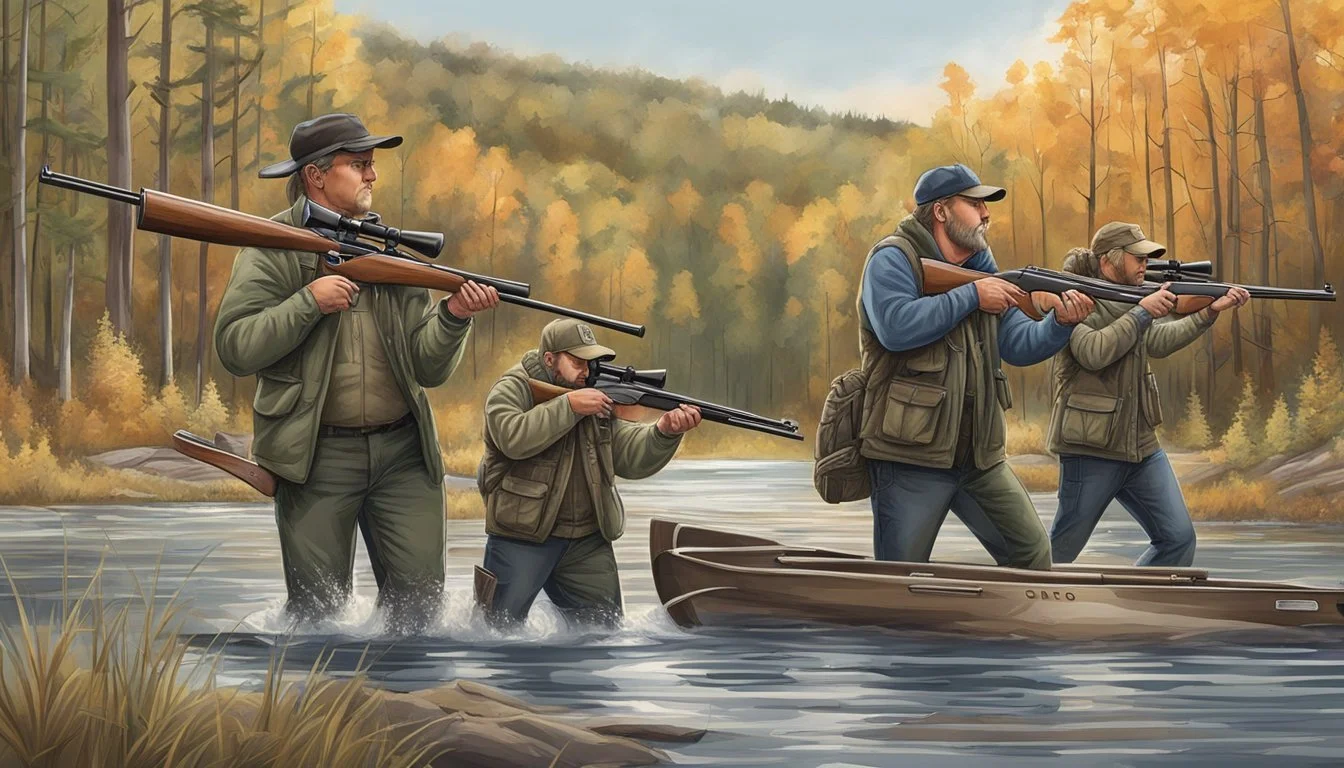
In Minnesota, hunters must understand the variety of firearms that are permissible for hunting as well as those that are strictly regulated or prohibited. The following subsections will detail the categories of firearms such as pistols, shotguns, and rifles, and highlight a set of firearms that are not allowed for general public use.
Pistols and Handguns
Pistols and handguns are firearms designed to be operated with one hand. They are characterized by their short barrels and ease of maneuverability. In Minnesota, a handgun refers to a weapon with:
An overall length less than 26 inches
A barrel length less than 18 inches
Handguns are commonly used for personal protection and are not the primary firearm option for deer hunting.
Shotguns and Rifles
Shotguns and rifles are the primary firearms used for hunting in Minnesota. The state offers ample opportunities for hunters to engage in deer hunting using these firearms.
Shotguns have a smooth bore and are generally used for hunting game birds and small game animals.
Rifles, on the other hand, have a rifled barrel and are often used for deer hunting due to their accuracy at longer ranges.
Prohibited Firearms
Certain firearms are strictly prohibited in Minnesota. These include:
Machine guns & Short-barreled shotguns: Ownership by the general public is not allowed. Possession leads to severe penalties including a prison term of up to 5 years and a fine of up to $10,000.
Collectors may own certain machine guns classified as curio or relic firearms with a special federal license.
It is also illegal to possess "armor-piercing" ammunition with the intent to use it in a crime, or if it is used in a crime, being considered a felony.
Acquisition, Transfer and Carrying of Firearms
In Minnesota, the acquisition, transfer, and carrying of firearms are regulated by specific laws ensuring that such activities are conducted legally and safely. Hunters and other firearms users must comply with permit requirements, rules governing private sales and transfers, and regulations regarding the carrying of firearms.
Permit Requirements for Purchase and Transfer
When purchasing or acquiring a firearm, such as a pistol or semiautomatic military-style assault weapon in Minnesota, individuals are required to have a permit to purchase from their local police department or a valid permit to carry. The permit to purchase is obtained after a background check is conducted by the sheriff's office. This process is in place for both dealer sales and private transactions.
Private Sales and Transfers
Private sales and transfers of pistols or semiautomatic military-style assault weapons are permitted only if the buyer possesses a permit. Such transactions must either be made through a licensed firearms dealer or the seller must verify the buyer’s permit to purchase and report the transfer to the sheriff.
Transfer Type Requirement Dealer Sales Buyer needs a permit to purchase Private Sales Buyer needs a permit; dealer oversight or sheriff's report required Handguns Permit to purchase or carry required Semiautomatic Assault Weapons Same as Handguns
Concealed Carry and Open Carry Laws
To carry a handgun openly or concealed in Minnesota, the individual must have a permit to carry, which also allows the purchase of handguns. Open carry is technically legal with a permit to carry, but local regulations can impose additional constraints. Hunters should always verify the local laws before open carrying a firearm.
Use of Firearms in Hunting
In Minnesota, the responsible use of firearms in hunting is regulated to ensure conservation, public safety, and ethical hunting practices. Firearm hunters must adhere to specific guidelines, including the type of firearms allowed and the requirements for hunter education.
Hunting Regulations and Firearm Use
Types of Firearms Allowed:
Rifles and Shotguns: Legal for use in hunting deer, with caliber and gauge restrictions in place.
Muzzleloaders: Permitted for hunters during muzzleloader season.
Regulations to Note:
Hunters must use firearms that comply with regulations pertaining to caliber or gauge.
Firearms must be transported unloaded and cased.
The use of blaze orange or camouflage pink clothing above the waist is mandatory to ensure hunter visibility.
Permit Requirements:
Hunters may be required to hold specific permits depending on the hunting area designation, which may affect the type of firearms they can use.
Public Safety and Responsible Hunting Practices
Hunter Education:
Completing a firearms safety certification program is required for new hunters.
Over 21,000 students are certified annually in Minnesota, contributing to a decrease in firearms-related hunting incidents.
Safe Practices:
Hunters must identify their target clearly and be aware of what is beyond it.
Discharge of a firearm must be done with the utmost regard for the safety of others.
Hunting and the Public:
Ground blinds on public land must display blaze orange to alert other hunters to their presence.
Hunters must comply with area-specific regulations designed to protect the public and wildlife populations.
Gun Restrictions and Prohibitions
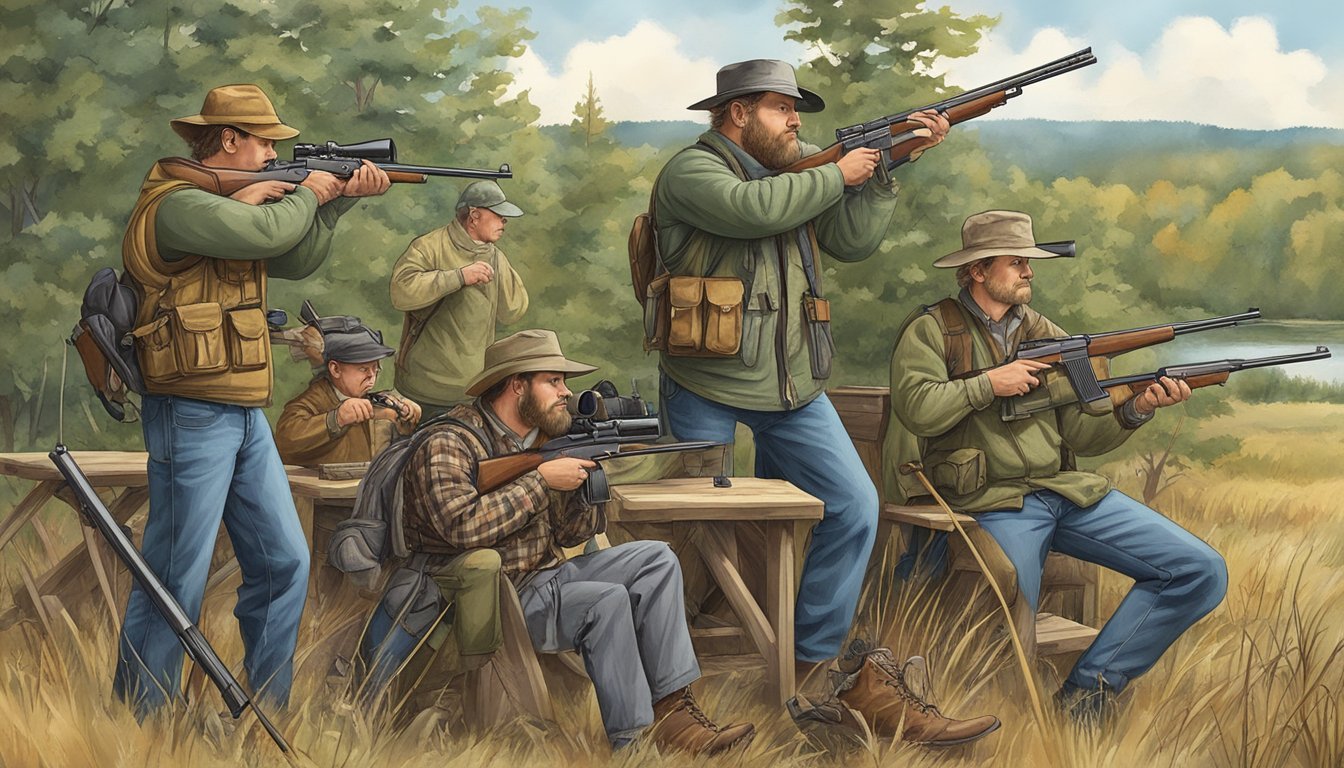
In Minnesota, the law delineates clear boundaries on firearm ownership and sets specific zones where firearms are not permitted. These rules are particularly significant for hunters to understand before participating in any hunting activity.
Possession Limitations and Gun-Free Zones
Minnesota law restricts firearm possession in certain areas to enhance public safety. Notably, gun-free zones include schools, certain government buildings, and places where the general public congregates.
Schools: Firearms are prohibited on school property, which encompasses buildings, grounds, and vehicles owned by educational institutions.
Government Buildings: Entry with firearms into state or federal buildings is generally forbidden unless specifically authorized.
Public Gatherings: These include, but are not limited to, sports events, churches, and public demonstrations, where guns cannot be carried.
Restrictions on Certain Types of Firearms
The state of Minnesota imposes strict controls on specific kinds of firearms, with some being altogether prohibited for possession by the general public.
Machine Guns and Assault Weapons: Under statute 609.666, ownership of machine guns and short-barreled shotguns is not allowed unless one has a special federal license, often restricted to collectors of curio and relic firearms.
Firearm Type General Public Ownership Notes Machine Guns Prohibited Special federal license may be required Assault Weapons Regulation Dependent Special criteria must be met
Age Restrictions: Individuals under 18 are bound to specific restrictions concerning unsupervised firearm possession.
Age Group Supervision Requirement Certification Required Under 14 Must be supervised N/A 14 to 15 No supervision if certified Firearms safety certificate 16 to 17 No supervision or certificate needed N/A
Violation of these restrictions often results in felony charges, with penalties that may include incarceration and heavy fines.
Interactions with Law Enforcement
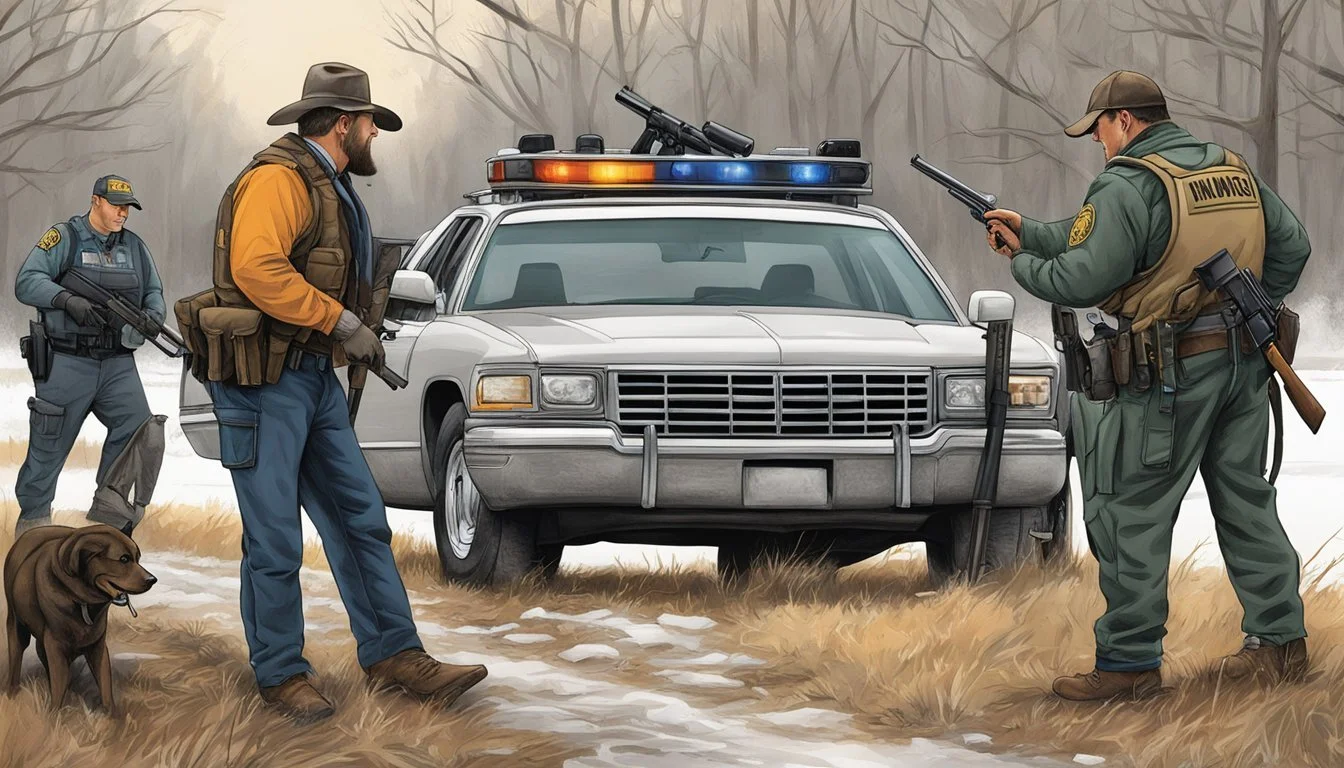
In Minnesota, hunters must navigate specific legal requirements during interactions with law enforcement, particularly concerning disclosure and understanding the nuances of self-defense laws.
Disclosure Requirements and Police Encounters
When a hunter in Minnesota, who is also a permit holder, is stopped by law enforcement, they are obligated to immediately disclose the possession of a firearm to the officer. This disclosure should occur during the initial interaction with the officer, without the need for the officer to ask. It's important that the permit holder also presents their Permit to Carry along with their identification. Failure to disclose this information promptly can lead to legal consequences.
Immediate Actions for Permit Holders during Police Encounters:
Disclose possession of a firearm without waiting to be asked.
Present the Permit to Carry along with a legal ID.
Deadly Force and Self-Defense Laws
Minnesota law enumerates the circumstances under which an individual, including hunters, may use deadly force in self-defense. The hunter must reasonably believe that such force is necessary to prevent great bodily harm, death, or to prevent the commission of a felony in their dwelling — this is often referred to as the Castle Doctrine.
However, the use of deadly force is subject to strict scrutiny, and the individual must not be the aggressor in the situation. The concept of retreat is also considered, where safe retreat must be attempted when outside one's dwelling, before using deadly force.
Key Points on Use of Deadly Force:
Justified only if there's a reasonable belief of preventing significant harm or a felony in one's dwelling.
Obligation to retreat safely if outside the dwelling, before using deadly force.
The individual must not be the instigator of the confrontation.
Implications for Gun Owners and the Public
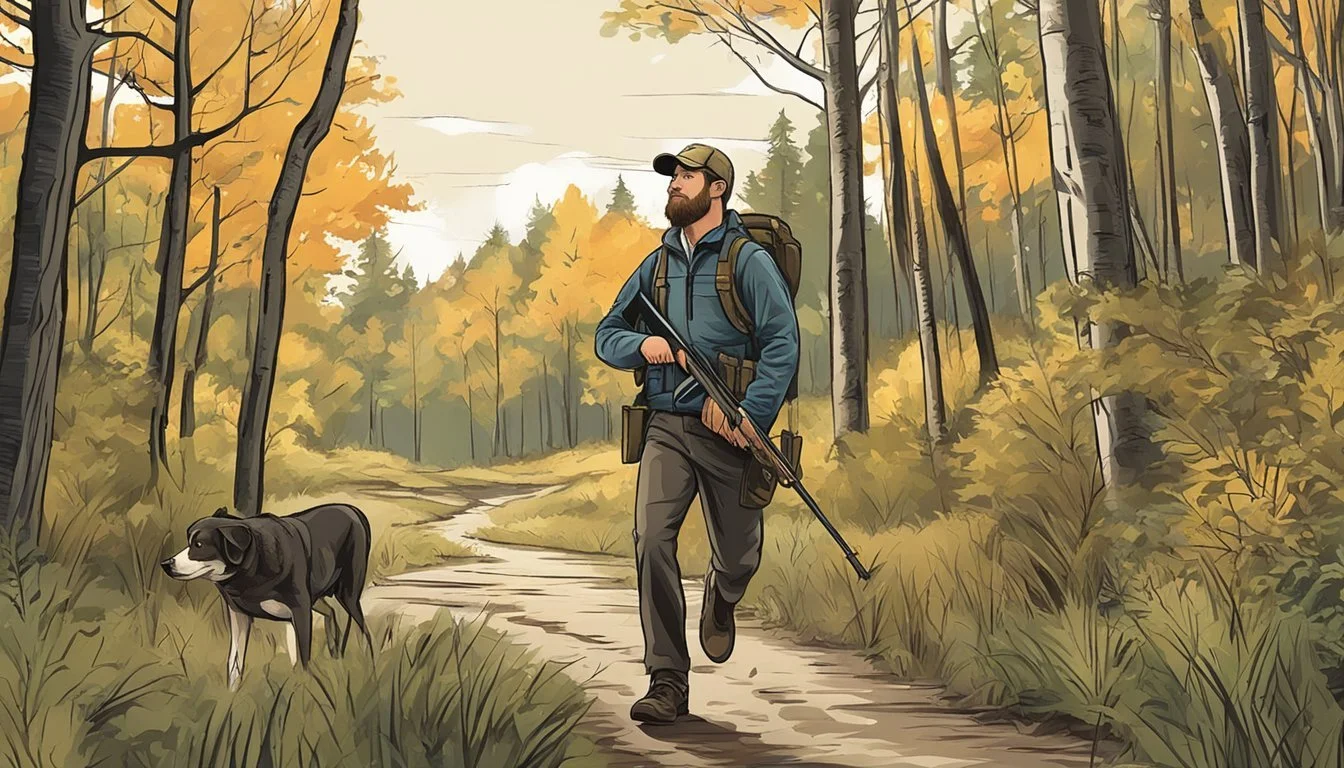
The recent changes to Minnesota gun laws significantly affect gun owners, while also stirring public debate on safety and Second Amendment rights.
Impact of Gun Laws on Gun Owners
Minnesota's new legislation imposes additional requirements for firearm possession. For instance, with the introduction of the "red flag law," individuals deemed a risk can be prohibited from owning or purchasing firearms through court-issued extreme risk protection orders. This measure, effective since January 1, 2024, aims to enhance public safety by preventing potentially dangerous situations.
Moreover, gun owners must take note of the stricter penalties related to owning or operating machine guns or associated equipment, with an emphasis on trigger activators and conversion kits. These provisions have raised the stakes for compliance and the legal ownership of certain types of firearms.
Penalties increased: As of August 1, unauthorized ownership or operation of machine guns is subjected to sharper penalties.
Expanded background checks: Most gun transfers now necessitate comprehensive background checks, extending beyond previous regulations. This includes private sales and transfers, with some exceptions for family members.
Public Opinion and Second Amendment Rights
The sphere of public opinion on Minnesota's gun laws is complex, having supporters both for and against the new measures. While some individuals argue these laws are necessary for improving community safety, others express concern about potential infringements on Second Amendment rights.
Public sentiment shared: The public showcases a spectrum of views, with segments in favor of stricter gun control and others apprehensive about rights limitations.
Balancing act: Lawmakers are attempting to balance the imperative of public safety with the constitutional rights of gun owners, reflecting the diverse perspectives within the community.
Advocates for gun control perceive these laws as steps toward reducing gun violence, but opponents suggest they could impose excessive restrictions on legal gun owners. This tension underlines the ongoing national discussion on the appropriate extent of gun regulation and the parameters of the Second Amendment.
Recent and Proposed Amendments to Gun Laws
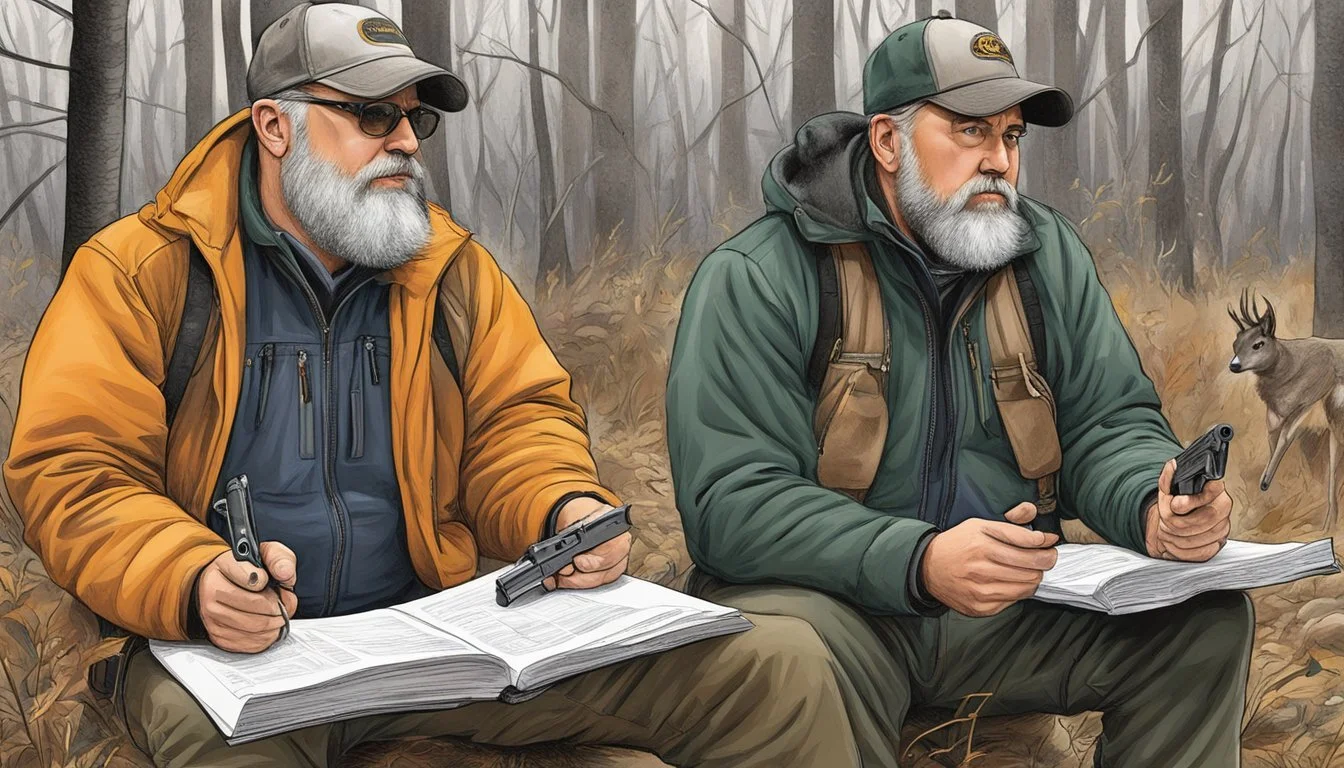
In recent Minnesota legislative sessions, significant gun law reforms have passed, including expanded background checks and red flag laws. These changes come as lawmakers respond to currents of public safety concerns and advocacy for gun control measures.
Newly Implemented Legislation
Expanded Background Checks: In a move to tighten gun control, Minnesota enacted legislation mandating universal background checks for firearm purchases and transfers. This legislation aligns Minnesota with the 18 other states that have similar requirements.
Red Flag Law: One notable development is the Red Flag Law, which allows law enforcement to temporarily confiscate firearms from individuals deemed at high risk of harming themselves or others. This measure passed as part of a broader public safety package.
Debates and Future Changes in Gun Legislation
Democratic Majority Initiatives: With Democrats holding the majority in both legislative chambers and the governor's mansion, there is anticipation that further gun legislation may be introduced. The Democratic-led legislature is expected to continue advancing gun control measures.
Legislative Speculation: Discussions and debates in the legislative sessions hint at potential future changes in gun legislation. Hunters and gun owners stay alert to these developments since any changes can impact gun ownership, purchasing, and usage rights.
Resources for Further Information
When seeking comprehensive information on Minnesota gun laws for hunters, individuals can refer to various governmental and private organizations and educational resources. It is important for hunters to familiarize themselves with these resources to ensure compliance with the law and to promote safety.
Governmental and Private Organizations
Bureau of Criminal Apprehension (BCA): They offer details on recent changes in law, such as the impending "red flag law." Their website is a reliable source for legal updates.
NRA-ILA (National Rifle Association - Institute for Legislative Action): This organization provides explanations of state gun laws and regulations, including those specific to Minnesota.
Educational Courses and Certified Instructors
Minnesota Department of Natural Resources (DNR): They certify instructors to teach firearms safety courses. Annually, over 21,000 students receive their firearms safety certification through the DNR.
Licensed Firearms Dealers: Dealers may have information on local safety courses or certified instructors.
It is essential for hunters to consult these resources regularly to stay informed of any changes in gun laws and to acquire proper training from certified instructors.

