
Ingredient Replacements in Food Photography
Effective Alternatives for Stunning Visuals
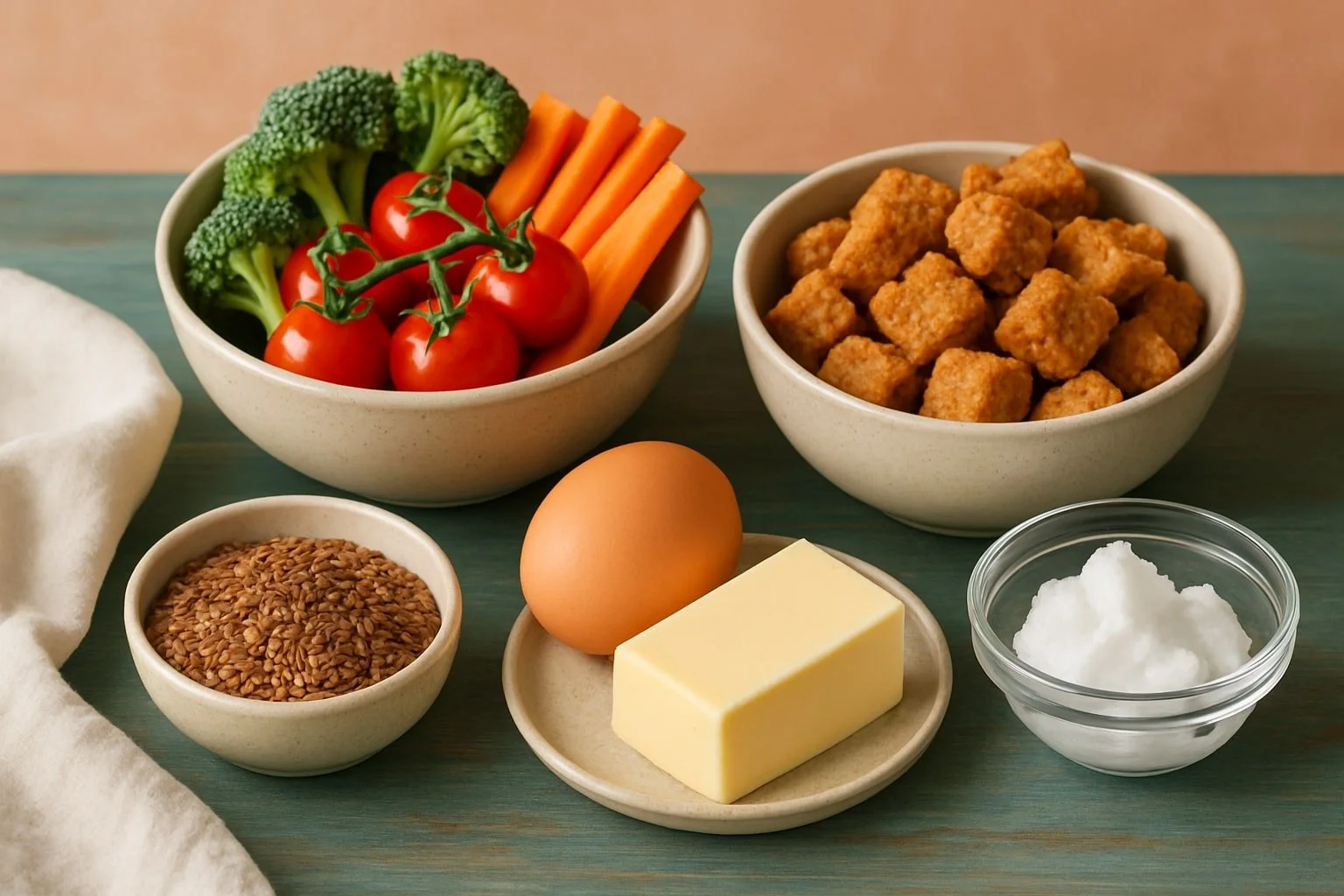
Ingredient replacements play a key role in food photography, allowing photographers to achieve visually appealing results even when real ingredients may not perform well under camera lights. Using substitutes, such as mashed potatoes for ice cream or motor oil for syrup, helps maintain the perfect look without worrying about melting or changes in texture. These substitutions can make food appear fresher, brighter, and more appetizing during lengthy shoots.
Photographers often select replacements that closely mimic the colors, textures, and structures of original ingredients to ensure the final image is convincing. Creative use of safe, non-edible materials can also help control shine, prevent wilting, and extend the display time of food on set. Readers can expect practical tips and ideas on choosing and applying replacements to create appealing and realistic food photos.
Understanding Ingredient Replacements in Food Photography
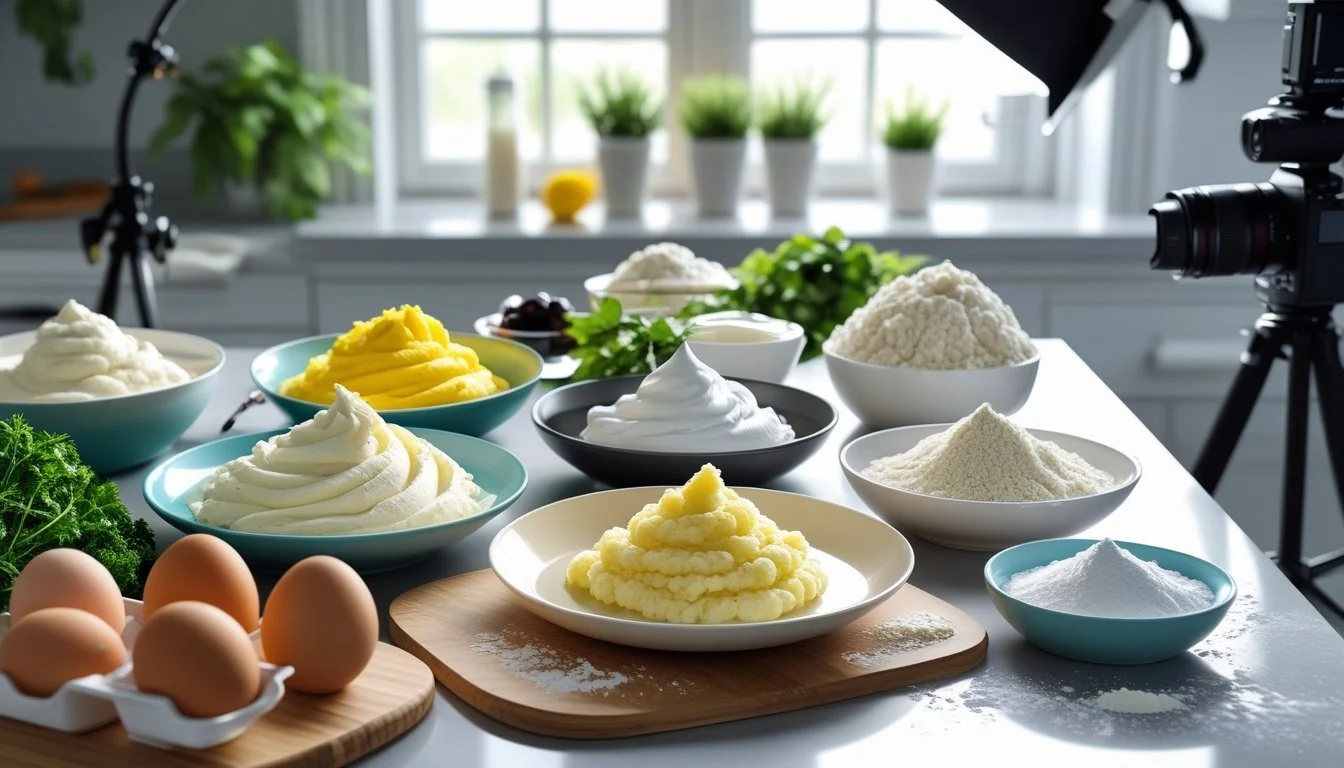
Ingredient replacements allow food photographers and stylists to solve common challenges and maintain visual appeal. Strategic substitutions can address color, texture, perishability, and other practical needs during a shoot.
Definition and Purpose of Ingredient Substitutions
Ingredient substitutions in food photography refer to the practice of replacing original ingredients with alternatives that look similar or perform better under photographic conditions.
Photographers and stylists often use substitutes to maintain food freshness, avoid rapid melting, or ensure consistent appearances throughout long sessions. For example, mashed potatoes are sometimes used instead of ice cream to prevent melting under hot studio lights.
These swaps are primarily visual. They do not intend to replicate taste but to create an image that meets the desired composition and style. Ingredient replacements can be essential for magazine shoots, advertisements, and social media content where visuals take precedence.
Benefits of Using Alternative Ingredients
Alternative ingredients offer several key benefits in food styling and photography.
Stability: Many ingredients are prone to wilting, melting, or losing color quickly. Substitutes like shortening-based frosting or stand-in syrups prevent mishaps that could stall the shoot.
Consistency: Using replacements ensures dishes maintain a uniform look across multiple shots or angles, preventing mismatches in the final composite.
Efficiency: Swapping out perishables reduces the need for frequent resets. This helps teams stay productive and minimize food waste.
Creativity: Replacements give stylists more control over appearance, allowing them to manipulate elements like gloss, shape, and color easily.
A quick table of typical benefits:
Benefit Example Stability Shaving cream for whipped cream Consistency Plastic ice cubes in drinks Efficiency Faux milk for splash shots Creativity Dyed mashed potatoes as gelato
Common Scenarios for Ingredient Swaps
Photographers and stylists use ingredient substitutions in a range of situations.
Hot studio lights can cause ice cream, butter, or delicate garnishes to melt or wilt. Mashed potatoes, shortening, or fresh backup greens are often brought as replacements.
When shooting beverages, real ice can dilute drinks quickly or appear cloudy. Plastic or acrylic ice cubes maintain their clarity throughout the session.
Splash shots and pours are difficult to capture in a single take. Substitutes like white glue for milk or corn syrup for honey offer thicker, more manageable textures for repeated attempts.
Food stylists also use coatings or sprays to preserve shine on fruits and vegetables, and fake sauces or foams to mimic the look of freshly prepared dishes. Each swap is chosen based on visual needs and the demands of the shoot.
Essential Criteria for Effective Ingredient Swaps
Visual fidelity, texture accuracy, and proper handling of color and lighting play a central role in selecting successful ingredient replacements for food photography setups. Substitutions must support composition, maintain balance, and ensure images remain realistic under natural lighting conditions.
Maintaining Visual Authenticity
Ingredient swaps need to look nearly indistinguishable from the intended food in the final image. Photographers should evaluate shape, size, and subtle visual cues to avoid misrepresentation. For instance, glue may be used in place of milk for cereal images, but care must be taken to prevent visible residue or unnatural pooling.
Authenticity Tips:
Match visual density and gloss levels
Keep ingredient edges and surfaces clean
Avoid swaps that alter the harmony or balance within the scene
Composition should not suffer—substitutes must seamlessly fit within the intended style, whether the image is minimalist or features intricate layering.
Mimicking Texture and Structure
Texture can communicate freshness or appeal, making it critical when swapping ingredients. The chosen substitute should replicate the crumb, flakiness, moisture, or gloss of the real item when viewed up close.
Common Techniques:
Use toothpicks or supports to maintain height and stability in layer-based foods (e.g., burgers or cakes)
Opt for sturdy stand-ins, such as mashed potatoes for scoops of ice cream, since they resist melting during extended shooting
Photographers should touch or gently press the substitute first to ensure it captures light and shadow appropriately, maintaining visual harmony in the composition.
Color and Light Reflection Considerations
Color accuracy is crucial—swapped ingredients must mimic the hue, saturation, and brightness of the original. Inconsistent colors can disrupt the overall balance and undermine realism, especially under natural lighting.
Checklist for Color:
Test colors under the same lighting conditions as the shoot
Avoid materials that shift hue or become translucent when exposed to light
Use edible dyes or spray to adjust color if a substitute is slightly off
Surface gloss and how the item reflects or diffuses natural light will affect how convincing the swap appears. Select stand-ins with similar reflectivity to the original to maintain the intended composition and harmony.
Ingredient Replacements for Specific Food Categories

Ingredient substitutions can address dietary needs, improve visual appeal, or accommodate missing items during a food photography shoot. They also help food stylists achieve the desired texture or color when certain ingredients are unavailable.
Dairy Alternatives
In food photography, nondairy milk like almond, soy, or oat milk can closely mimic the look of cow’s milk in beverages and cereal shots. For creamy dishes, coconut cream or cashew cream provides a similar texture and sheen, which is crucial under studio lighting.
When replacing butter in baked or savory dishes, margarine or plant-based spreads are popular. Vegan cheeses made from nuts, soy, or tapioca can substitute for traditional cheese in both plated and melted applications. These options often behave similarly when styled, making them suitable for high-detail close-ups.
Table of common dairy swaps:
Dairy Ingredient Replacement Options Notes Cow's Milk Soy, Oat, Almond Milk Similar color/flow Butter Margarine, Coconut Oil Softens well for styling Cream Cheese Cashew Cheese, Tofu Smooth spreads
Baked Goods and Pastries
Flour alternatives are often important for gluten-free styling. Bakers frequently use rice flour, almond flour, or a gluten-free blend to mimic the appearance of standard wheat bakes. When eggs need replacing, mixtures like flaxseed meal with water or commercial egg replacers set batters well and contribute to a similar crumb structure.
In place of traditional sugar, maple syrup or coconut sugar offers a familiar golden hue that photographs well. Pastry glazes commonly swap out eggs for a shiny vegan alternative, such as plant milk mixed with agave syrup. Food stylists may select these alternatives to maintain structure during long shoots or under hot lighting.
Fresh Produce Substitutes
Certain fruits and vegetables may not be in season or at their visual peak. Unripe or firm versions of produce hold up better during photography, preventing wilting or discoloration. For berries, frozen varieties thawed and blotted dry maintain shape and vivid color under studio lights.
Leafy greens can be swapped with greener or sturdier types, like using kale instead of spinach for longer-lasting texture. When a specific color is needed, food stylists may choose similar produce—yellow bell peppers for a pop of color if yellow tomatoes are unavailable.
List of fresh produce substitutes:
Kale for spinach (longer-lasting leaves)
White radish for turnip (similar shape)
Frozen blueberries for fresh (firmer structure)
Techniques for Enhancing Food Appearance with Substitutes
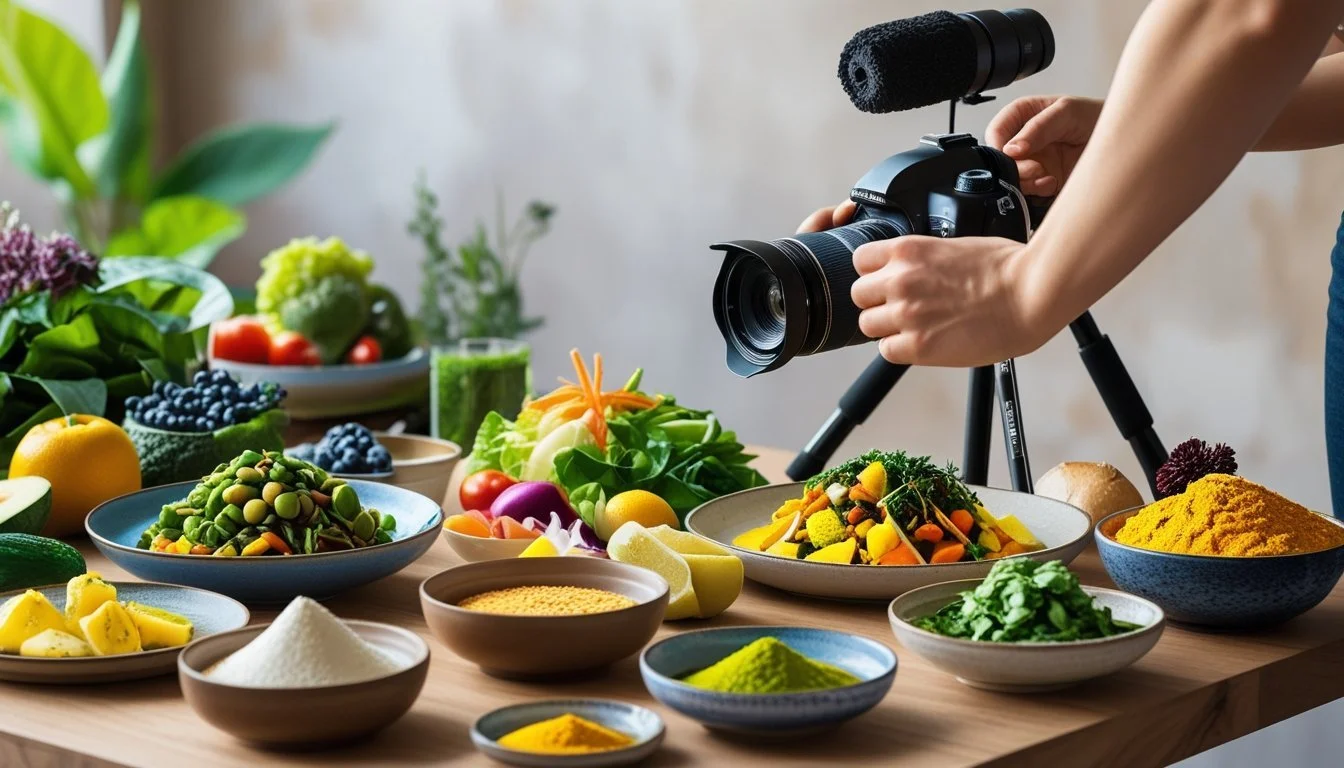
Ingredient replacements can play a significant role in making dishes look more appealing on camera. Food stylists often use these substitutes to control texture, shine, and structure, ensuring each ingredient shot looks consistent and appetizing.
Photogenic Liquid and Sauce Alternatives
Commercials and photo shoots often rely on alternative liquids that hold up better under lights and over time. For example, white glue is sometimes swapped in for milk in cereal shots because it prevents the cereal from becoming soggy—a common issue during long sessions.
Syrups made with corn syrup and food coloring can mimic chocolate or maple sauces. These mixtures provide a thicker, more controlled pour and a uniform sheen under studio lighting. For soups, mashed potatoes tinted with food dye might stand in for a thicker, long-lasting “liquid” base.
Other common substitutes include:
Real Product Substitute Milk White glue, heavy cream Ice cream Shortening-powdered sugar mix Beer foam Whipped soap solution
These alternatives help maintain consistent texture and color through the use of specific depth of field settings and photography tricks that highlight their visual appeal.
Glossy and Fresh Finishes
To create the illusion of freshness, food photographers frequently use non-edible products for enhanced gloss. Spraying produce with a glycerin-water mix keeps surfaces looking freshly washed longer and creates a subtle highlight ideal for close-up shots.
Brushing meats and baked goods with oil or a mixture of oil and corn syrup delivers a glossy finish that pops under controlled lighting. Vegetables may be misted with water for dew-like droplets, or even sprayed with hair spray (non-edible) if they aren’t meant to be consumed after shooting.
A few expert techniques include:
Lightly brushing oil on fruit skin for even shine.
Using clear, tasteless gels to imitate glazes.
Adding water droplets with a spray bottle for a “just washed” look.
Maintaining a strong depth of field keeps these details sharp, allowing viewers to appreciate the fresh, appetizing result. These photography tricks ensure the ingredient shot looks vibrant and appealing, even if the ingredients themselves are not real.
Compositional Strategies When Using Substitute Ingredients
When photographing dishes with substitute ingredients, careful attention to composition helps maintain visual appeal and clarity. Elements like negative space and balance become even more crucial when the food looks or behaves differently from an original ingredient.
Working with Negative Space
Negative space is the empty or unused area around the subject. It draws attention to the main elements by providing breathing room and structure.
When using substitute ingredients with different shapes or colors, negative space can help avoid a crowded frame. For example, an overhead (90-degree) camera angle creates a clean, organized appearance, emphasizing the contrast between the substitute and the original components.
Try leaving empty areas near particularly unconventional substitutes, such as plant-based cheeses or alternative grains, to highlight their differences without overwhelming the viewer. Simple backdrops and uncluttered props further enhance this effect. Consider the following approaches:
Substitute Type Best Use of Negative Space Plant-based meats Leave extra space around pieces Gluten-free flours Separate elements on backgrounds Dairy alternatives Use minimal garnish nearby
Improving Balance and Harmony
Balance is vital for a harmonious composition, especially when showcasing substitutes that might not match the original in color or texture. Placing visual weights—such as darker or brighter substitutes—opposite or adjacent to complementary ingredients can stabilize the frame.
Symmetrical or asymmetrical arrangements both work but should be intentional. Position heavier, visually dominant ingredients against lighter elements or neutral props. For example, when replacing eggs with chia seeds, balance the dark seeds with a pale napkin or dish to avoid a lopsided feel.
Lists can help guide choices:
Use repetition of shape or color when possible
Pair bold substitutes with muted backgrounds
Place similar textures in a diagonal line for flow
Subtle adjustments in spacing and object placement support both balance and harmony within food photography composition, minimizing distraction and helping viewers understand the dish at a glance.
Camera Angles and Lighting Tips for Highlighting Ingredient Swaps
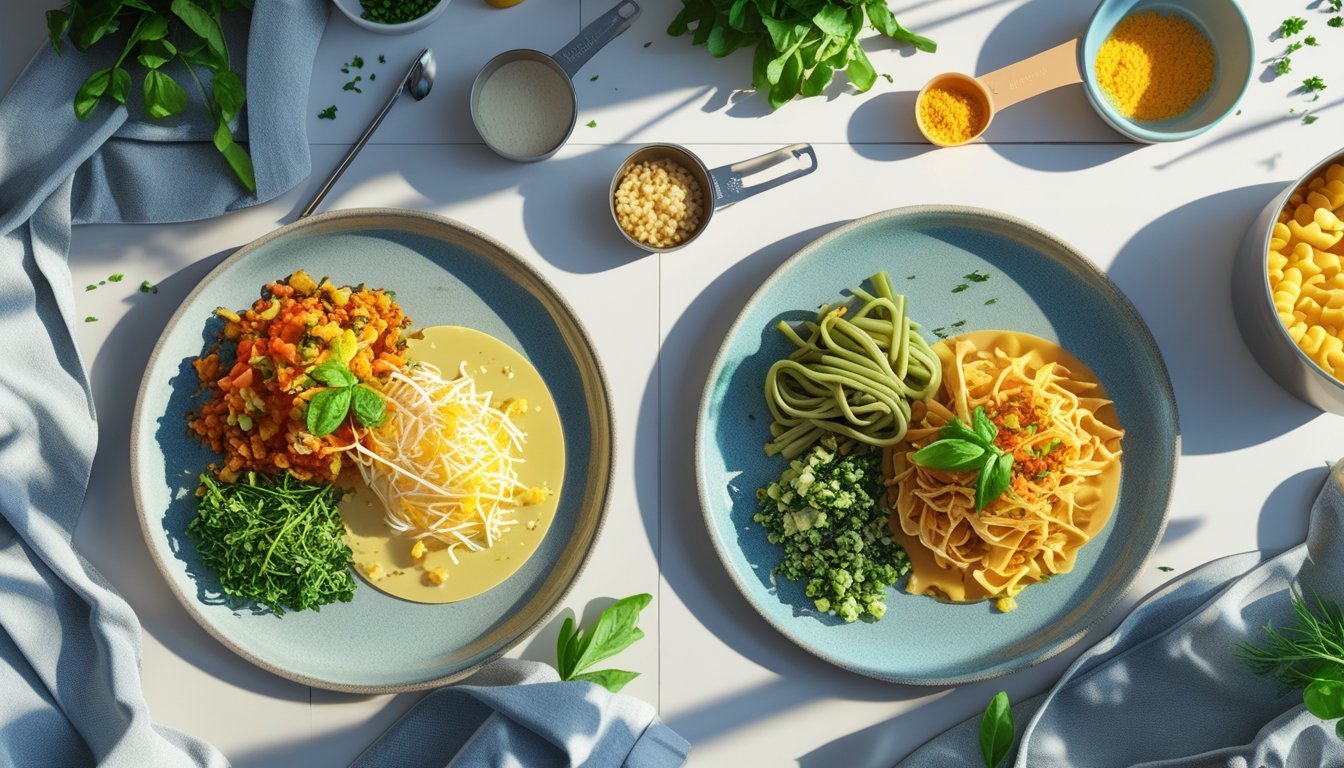
Careful selection of camera angles and lighting methods is essential when demonstrating ingredient replacements in food images. Strong composition and technical choices ensure that visual swaps are clearly conveyed and inviting to viewers.
Optimal Overhead Views
An overhead view, or top-down angle, gives a clear look at all ingredients in a dish. This perspective helps highlight what has been swapped by making direct comparisons easy for viewers. It also keeps arrangement and color contrasts front and center.
Photographers can place original and substitute ingredients side by side for maximum clarity. Simple props and clean backgrounds help keep the focus on the swap itself. Using natural lighting near a window produces even shadows and accurate colors, making differences in ingredients more obvious. A soft diffuser or a white bounce card can also soften light, avoiding harsh glare or deep shadows that might distract.
Tip Benefit Shoot in soft window light Reduces harsh shadows Use a plain background Keeps attention on ingredients
Playing with Depth of Field
Depth of field shapes what part of the image is sharp and what falls out of focus. By using a shallow depth of field—for example, an aperture of f/2.8—a photographer can draw attention to the area where the ingredient swap is located.
Placing the swapped ingredient in the sharpest part of the frame and letting the rest blur gently creates visual emphasis. This is useful when the swap is subtle or textural changes are important. For step-by-step visuals, adjusting depth of field between shots can show the transformation process, clearly distinguishing both the original and replacement components.
Artificial or natural lighting should remain consistent to avoid shifting colors or tones between swaps. Using a tripod helps keep framing steady, especially when multiple images illustrate ingredient replacements from the same angle.
Troubleshooting Common Challenges with Ingredient Replacements
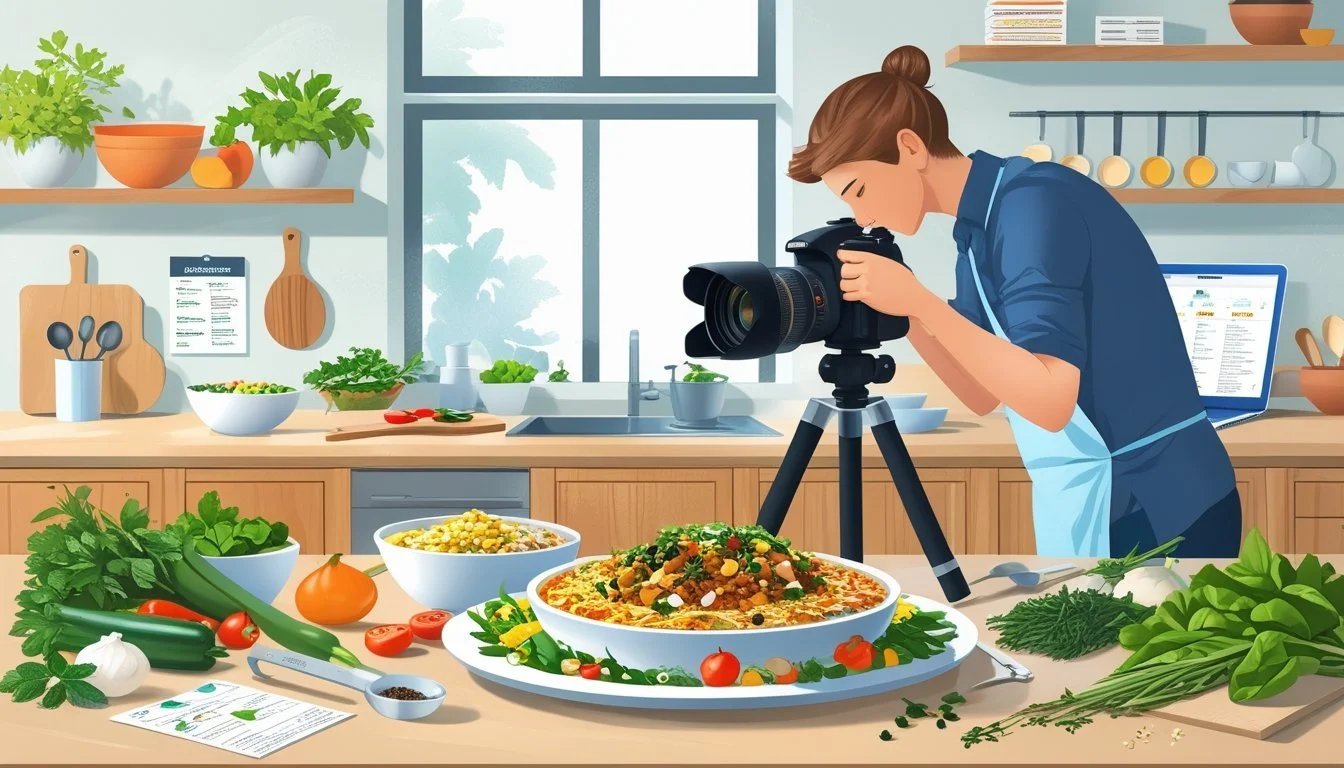
Ingredient replacements can create unexpected issues for food photographers, particularly affecting the appearance and texture of dishes. Awareness of these common challenges helps maintain visual quality during any photo shoot using substitute ingredients.
Avoiding Unnatural Appearances
Substitute ingredients may reflect light differently, resulting in glossy or dull surfaces that do not photograph well. Consistency in color and opacity is crucial to create a realistic look on camera. Adjusting lighting angles and using matte sprays or food-safe powders can minimize shine and glare.
Some common ingredient swaps, like using mashed potatoes for ice cream, can melt or lose structure under strong lights. Chilling the substitutes before placement and coordinating quick shooting is often necessary. Photographers should also compare the substitute with the original under test shots to ensure color matching.
Editing tools can correct minor discrepancies, but it’s best to control appearance primarily during the shoot. Small props or creative plating may help hide less convincing elements without distracting from the subject.
Handling Unintended Texture Changes
Ingredient replacements can alter surface texture, leading to inconsistent or unrealistic looks. For example, gelatin may set differently than original desserts, affecting sliceability or spoon impressions. It’s advisable to test the substitute’s reaction on set before starting the photography session.
If a texture appears out of place, resculpting—such as smoothing edges with small spatulas or brushes—can help restore a more appetizing appearance. Spritzing or brushing items with water or oil can sometimes bring back lost luster and visual appeal.
Keeping backup samples of substitute ingredients is practical in case the initial setup fails. Planning for extra prep time in the photo shoot ensures there’s opportunity to make necessary adjustments for the best possible texture in every shot.

