
Substituting for Heat (Chili) Without Sacrificing Depth
Flavorful Alternatives for Balanced Dishes
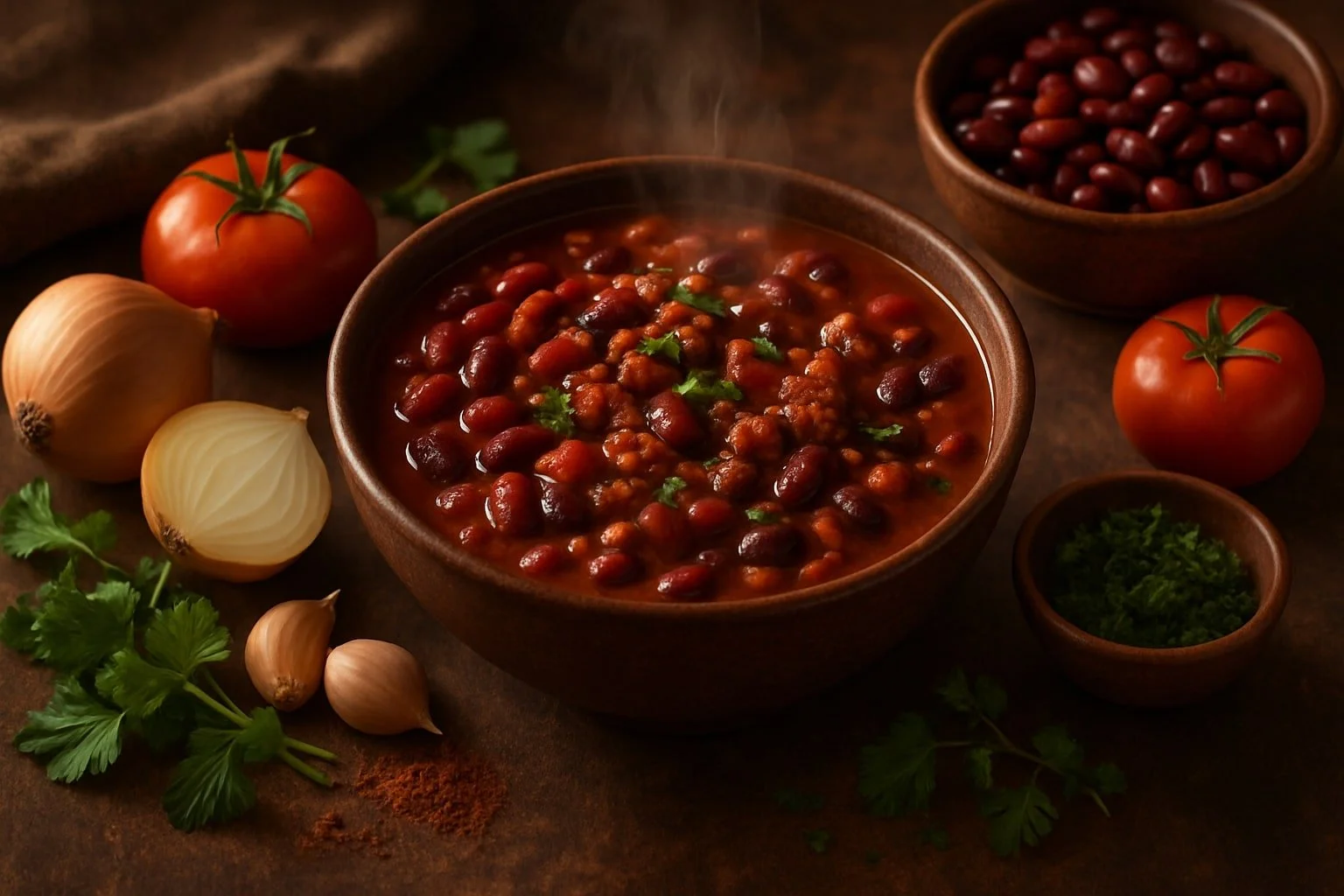
It is possible to reduce or replace heat in chili recipes without losing the deeper flavors that make a dish satisfying. Many cooks are looking to enjoy the complexity of chili, stews, or sauces, but need to keep the spice level manageable for themselves or their guests. The key lies in understanding which ingredients bring both flavor and heat, and finding ways to balance or substitute them.
A variety of mild peppers, spices, and even sauces can provide smokiness, sweetness, or umami, boosting the dish’s overall depth while minimizing sharp heat. For example, using ancho chili powder or smoked paprika can achieve a rich warmth without overwhelming the palate. With a thoughtful approach to substitutions, the taste of chili can remain layered and engaging, even when the heat is dialed down.
Understanding Chili Heat and Flavor Depth
Chili peppers bring both heat and complexity to dishes, while many supporting ingredients help round out and enhance the overall flavor profile. Knowing what creates chili heat and what else provides depth in a recipe is essential for making thoughtful substitutions.
How Chili Heat Works
Chili heat comes mainly from capsaicin, a compound found in the ribs and seeds of chili peppers. The level of heat in a pepper is measured on the Scoville scale, which assigns a value based on how much capsaicin is present.
Different chili varieties can add more than just heat—they also contribute unique flavors. For example, chipotle imparts a smoky note, while jalapeño offers a mild, grassy sharpness. Some recipes use chili powder blends, which contain not only chilies, but also ingredients like cumin and garlic.
When aiming to reduce heat, removing seeds, membranes, or switching to milder peppers can help. However, this can sometimes lead to a loss in the underlying chili flavor, so it's important to understand the pepper’s full profile.
Components That Contribute to Depth
Flavor depth in chili dishes comes from a combination of base ingredients, spices, and time. Common components that add depth include:
Sautéed onions and garlic
Tomato paste or crushed tomatoes
Slow-cooked meats or hearty beans
Spices such as cumin, coriander, and paprika
Liquid bases like broth or beer
The process of caramelizing or browning meat and vegetables boosts umami, while tomato paste adds richness and cuts acidity. Layering several spices rather than relying solely on chili powder deepens the flavor profile without increasing heat.
Slow simmering encourages the flavors to meld and develop complexity. Even in milder recipes, using a variety of base ingredients ensures the chili remains robust and satisfying.
Balancing Heat and Flavor
Balancing heat with flavor requires attention to both the quantity and type of chili used, as well as how other ingredients interact. Using less spicy peppers or chili products, then adding more aromatics, can keep the dish flavorful.
Acidic ingredients such as tomatoes or a splash of vinegar can help brighten the flavor and moderate heat. Creamy elements like sour cream or cheese provide a mellow counterpoint to sharp spice.
A standard approach is to start with less heat and increase gradually, tasting as the dish cooks. Adjusting salt, sweetness, and acidity also plays a key role in highlighting or masking spiciness. In this way, recipes can remain complex and inviting without overpowering heat.
Ingredient Alternatives to Chili Heat
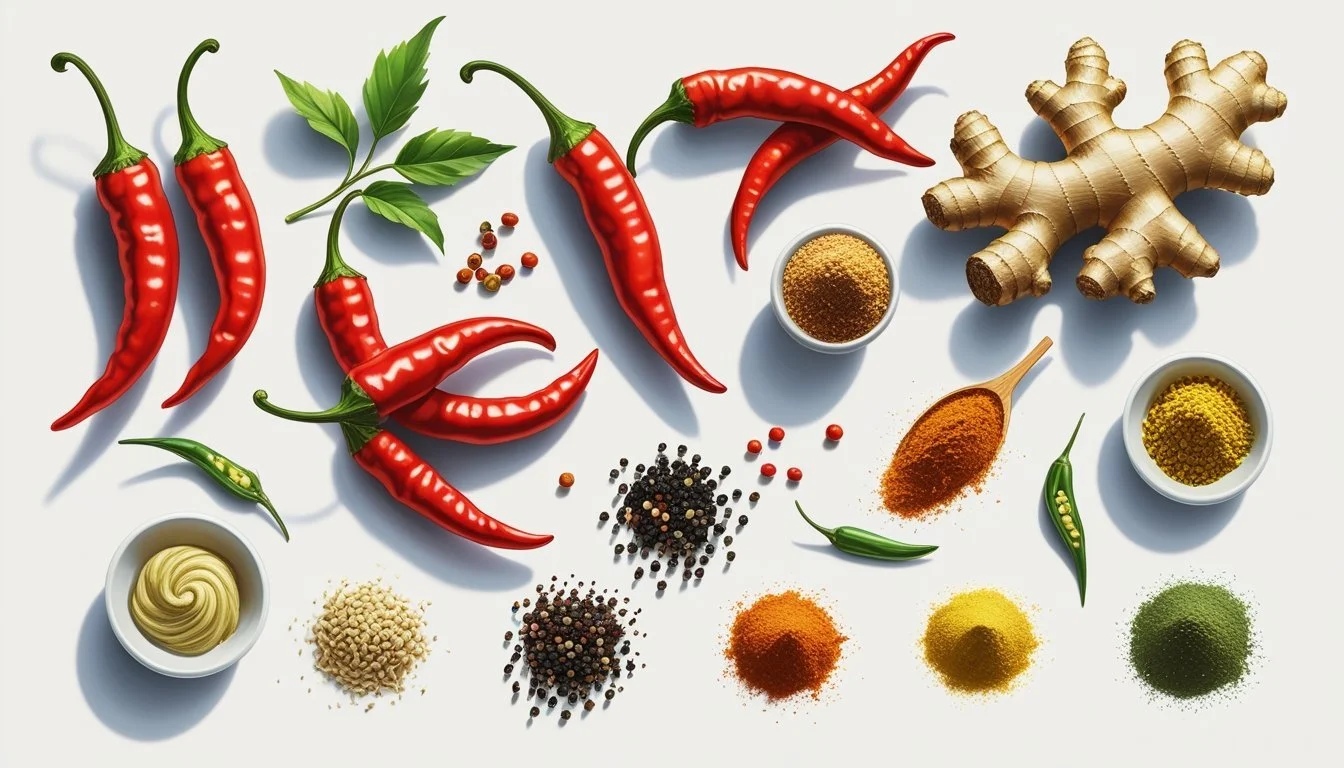
Achieving satisfying depth without spicy heat is possible with thoughtful ingredient choices. Flavor complexity can be layered using vegetables, herbs, and aromatic seasonings to create a robust profile that does not rely on chili peppers.
Building a Milder Flavor Base
Vegetables like bell peppers and poblano peppers are excellent for adding body and sweetness without significant heat. Bell peppers come in several colors, each offering a mild yet distinct taste. Poblanos provide gentle warmth and a rich, earthy undertone, making them a good substitute for spicier peppers.
Incorporating mushrooms adds umami and enhances the base's savory quality. Carrots contribute mild sweetness, balancing acidity and bitterness in stews and chilis. Diced tomatoes and beans increase bulk, bring subtle flavors, and blend well with milder vegetables. Layering these ingredients helps build a complex, hearty dish without spicy components.
Substituting Peppers for Gentler Options
Turning to milder pepper varieties helps maintain pepper flavor while minimizing heat. Anaheim peppers are a practical choice—offering slight zest and a subtle bite suitable for those sensitive to chili. Poblano peppers also work well, bringing depth and color, especially when roasted or diced.
For added versatility, roasted red bell peppers offer sweetness and smokiness. These can be finely chopped or pureed to thicken sauces. Using a mix of poblano and Anaheim peppers adds a mild, green-tasting complexity that can stand in for traditional chili heat without overwhelming the palate.
Using Aromatics Instead of Spice
Aromatics such as garlic, leeks, and onion powder deliver savory notes essential for layering flavor. Garlic powder and onion powder can be added directly for easy integration and consistent taste, while fresh garlic and leeks impart freshness and mild pungency.
Sautéed aromatics create a flavorful foundation—garlic’s subtle sharpness and leeks’ gentle sweetness interact well with other mild vegetables. Combining these with diced tomatoes or beans results in a complex flavor base. This approach ensures robust taste without depending on hot chili.
Spices and Seasonings for Enhanced Depth
Balancing depth in chili requires carefully layering flavors using a variety of spices and seasonings. The right mix can introduce sweetness, smoke, and savory complexity even when traditional chili heat is reduced.
Utilizing Sweet and Smoky Elements
Incorporating both sweet and smoky seasonings gives chili a rounded, robust character. Smoked paprika adds a gentle smokiness and mild warmth, while sweet paprika provides a hint of sweetness without adding heat. A touch of brown sugar or honey can balance acidity and bitterness, lending a subtle sweetness that doesn’t overpower the savory profile.
For more complexity, chipotle powder or ground chipotle peppers deliver both smoke and an earthy note, along with mild heat. Ancho chili powder is another option, bringing a mild, slightly fruity flavor that complements both smokier and sweeter ingredients.
Here’s a table outlining several common sweet and smoky additions:
Ingredient Flavor Profile Use Smoked paprika Smoky, earthy 1-2 tsp per pot Sweet paprika Mild, sweet 1 tsp per pot Brown sugar/honey Sweet, balancing 1 tbsp per pot Chipotle powder Smoky, spicy 1/2-1 tsp per pot Ancho chili powder Fruity, mild 1-2 tsp per pot
Experimenting with ratios lets cooks find the ideal blend for their preferences.
Boosting Umami and Savory Notes
Building umami and depth in chili involves more than just salt. Cumin brings an earthy, savory backbone and is a foundational spice in most chili blends. Oregano adds a herbal complexity, while fennel seed presents light aromatic sweetness that deepens flavor when used sparingly.
Homemade spice blends often layer dried peppers such as ancho chili, Aleppo pepper, or subtle additions of harissa for gentle warmth and richness. While these can contribute heat, used moderately, they mainly enhance the savory base.
Crushed red pepper flakes or hot paprika can boost savory warmth if less heat is desired, using just a pinch for background flavor. Combining these elements with thoughtful amounts of salt—a key enhancer of umami—helps bring out the inherent meatiness of beans, vegetables, or proteins featured in the chili.
A list of common umami-enhancing options:
Cumin
Oregano
Fennel seed
Homemade chili powder blend (including mild dried peppers)
Small amounts of harissa or Aleppo pepper
Crushed red pepper flakes
By layering these seasonings, chili can gain rich depth and complexity even with minimal chili heat.
Sweet and Acidic Ingredients to Balance Flavor

Sweet and acidic additions can help balance a chili’s flavors, reducing reliance on heat while deepening complexity. Specific ingredients like honey, lime juice, pineapple, and tomato paste can adjust taste and boost overall enjoyment.
Choosing Sweet Ingredients
Adding sweet ingredients provides a counterpoint to acidity and bitterness in chili. Options include sugar, honey, and brown sugar. Each brings a slightly different flavor profile: sugar for clean sweetness, honey for floral notes, and brown sugar for a mild molasses undertone.
Fruit like pineapple or mango offers natural sweetness with a unique twist. Chopped pineapple, for example, dissolves easily and subtly sweetens the dish. Diced mango pairs well with savory spices for a tropical touch.
Amounts should stay modest—typically 1-2 teaspoons at a time—so the chili does not become overly sweet. Combining a small quantity of sweetener with a pinch of salt can help round out flavors and prevent any one note from dominating.
Enhancing with Acidity
Acidic ingredients brighten chili and shift the flavor balance, especially when reducing heat. Lime juice is a direct and refreshing choice that lifts the overall taste. It should be added toward the end of cooking for the most impact.
Tomato paste adds both acidity and depth, with a concentrated savory edge. A tablespoon mixed in can deepen the sauce without overpowering. Vinegar, like apple cider or red wine vinegar, gives a sharp but controlled tang; just a splash is usually enough.
Acidity also cuts through sweetness. If the chili tastes too sweet, adding a small amount of lime juice or vinegar will help restore balance and complexity, keeping flavors layered and vibrant.
Dairy and Creamy Components as Heat Moderators

Creamy ingredients can reduce the intensity of chili peppers while adding new textures and flavors. Using both dairy and non-dairy options, cooks can adjust a dish’s spiciness without losing complexity.
Using Dairy to Soften Heat
Dairy products such as sour cream, yogurt, and Greek yogurt are effective at moderating heat in spicy dishes. The milk proteins in these ingredients bind with capsaicin—the compound responsible for chili heat—helping to neutralize its effects on the palate.
A spoonful of yogurt or sour cream added to hot dishes cools the burn and adds richness. Greek yogurt’s thicker texture provides extra body, making it suitable for dips, sauces, or direct incorporation into stews. Taste and texture changes are minimal, allowing the underlying flavors of the dish to remain present.
In addition to softening heat, dairy can assist with stabilizing sauces and balancing acidity. Sour cream is often used in Eastern European and Mexican cuisines for this reason.
Non-Dairy Creamy Options
For those seeking non-dairy alternatives, coconut milk and avocado are two of the most popular choices. Coconut milk offers a silky texture and subtle sweetness, making it ideal for curries and stews. It disperses capsaicin throughout the dish, which can help reduce its immediate impact.
Avocado provides creaminess and gentle flavor while acting as a cooling agent. Sliced or mashed, it can be used as a topping or stirred into hot dishes. These options work well in both vegan and dairy-free cooking while still moderating chili heat and adding depth.
Non-dairy creamy components vary in fat content and mouthfeel, so it may require experimentation to achieve the desired effect. Both coconut milk and avocado remain widely available and versatile in application.
Techniques for Substituting Heat Without Sacrificing Complexity
To replace chili heat without losing depth, it is effective to use focused cooking methods and thoughtful layering of ingredients. Attention to how flavors develop during preparation ensures the final dish remains rich and balanced.
Adjusting Cooking Methods
Roasting vegetables like bell peppers, onions, or tomatoes develops caramelization and smoky notes, adding an extra dimension that mimics warmth without actual heat. Roasted garlic can also provide a mellow savoriness.
Simmering chili for an extended period allows flavors to meld and intensify naturally. Adding ingredients like tomato paste or umami-rich mushrooms early and letting them cook down thickens the chili and concentrates flavor.
When adjusting liquids, using high-quality vegetable or chicken broth in place of water introduces savory complexity. Tips for boosting depth without heat:
Sauté aromatics before simmering
Add a splash of broth as ingredients brown
Let chili simmer uncovered to thicken and develop bold taste
Layering Flavors Over Time
Building flavor gradually can compensate for the absence of spiciness. Start by cooking onions, peppers, and celery as a base. Next, layer in dried herbs (oregano, cumin, bay leaf) and spices like smoked paprika for gentle warmth.
Add acidic notes from tomatoes, a touch of soy sauce, or even a small amount of unsweetened cocoa powder. Stirring in these additions in stages, rather than all at once, ensures each component fully integrates and enhances complexity.
Consider using charred corn, roasted sweet potatoes, or browned meat for extra depth. Letting the chili rest after cooking also helps flavors continue to blend, producing a rich and nuanced result without relying on heat.
Recipe Adjustments for Dietary Restrictions
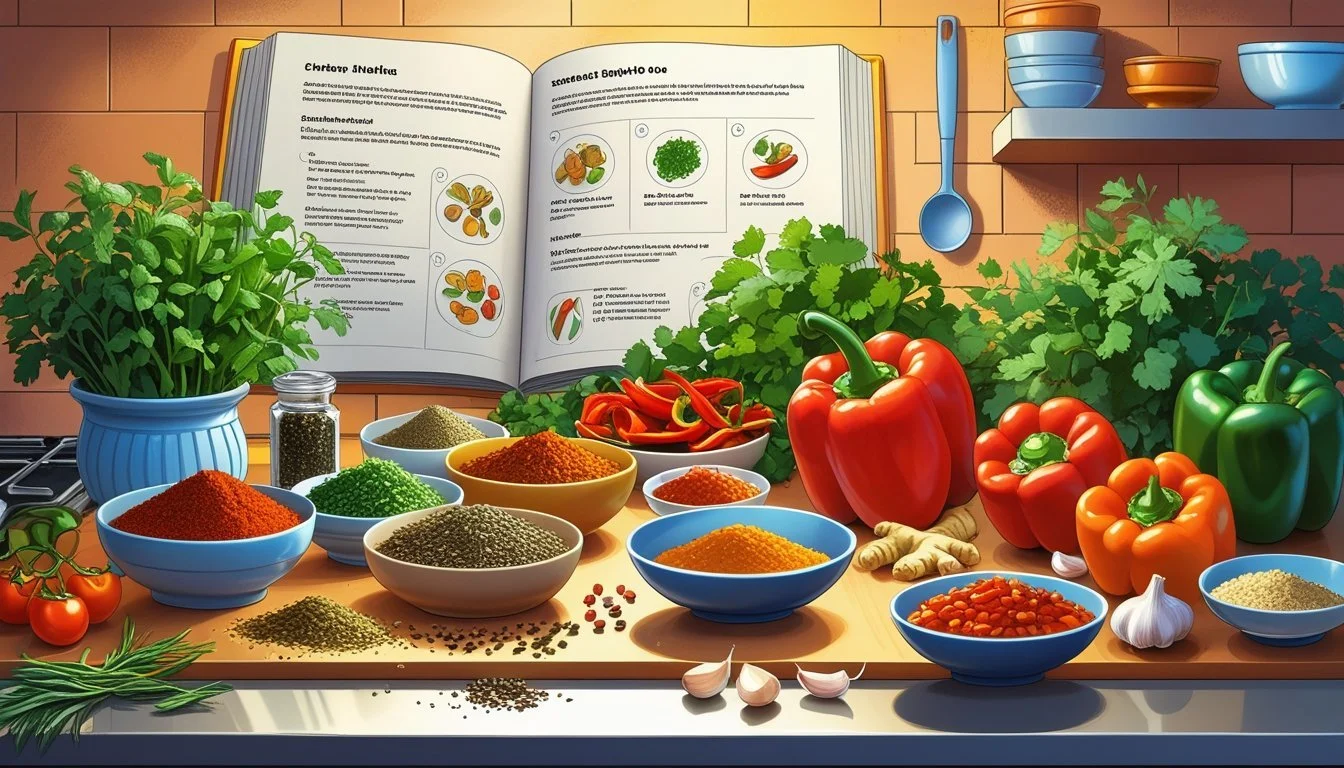
Adjusting chili recipes for dietary restrictions allows everyone to enjoy a flavorful meal. Substitutions can cater to plant-based diets and food allergies without sacrificing taste or texture.
Vegetarian and Vegan Substitutions
Chili made without meat can still offer filling protein and robust flavor. Common substitutes include beans—such as black beans, kidney beans, and pinto beans—which provide both texture and nutrition. Texture can also be enhanced with textured vegetable protein (TVP), which absorbs the spices and broth, mimicking ground meat.
Vegetable broth replaces meat-based stocks for a fully vegan dish. Roasted vegetables like bell peppers or zucchini add more depth. For extra umami, some cooks use tamari or soy sauce (if gluten is not an issue), but a gluten-free tamari is available for those with sensitivities.
Ingredient comparison for meat replacements:
Substitute Texture Source of Protein Allergen note Beans Hearty, soft Yes Rarely allergenic TVP Meat-like Yes Soy-based Mushrooms Tender, chewy Low Rare
Managing Allergen Concerns
Chili recipes can be adapted for common allergens such as gluten, soy, and nuts. Using gluten-free tamari instead of soy sauce avoids gluten. Substitute nut-based thickeners with sunflower seed butter or skip entirely.
Read labels on broths, canned beans, and spice blends to ensure no hidden allergens. When substituting beans, be mindful if someone has a legume allergy—consider lentils or chickpeas if tolerated.
For dairy allergies, use unsweetened plant-based sour creams or skip the topping. Some prefer adding oat or coconut milk for creaminess, though this may subtly change the flavor.
When managing allergens, introduce changes slowly:
Replace one ingredient at a time.
Taste and adjust as needed.
Careful substitutions keep the chili enjoyable by matching texture, protein, and depth of flavor.
Garnishes and Final Touches That Add Depth
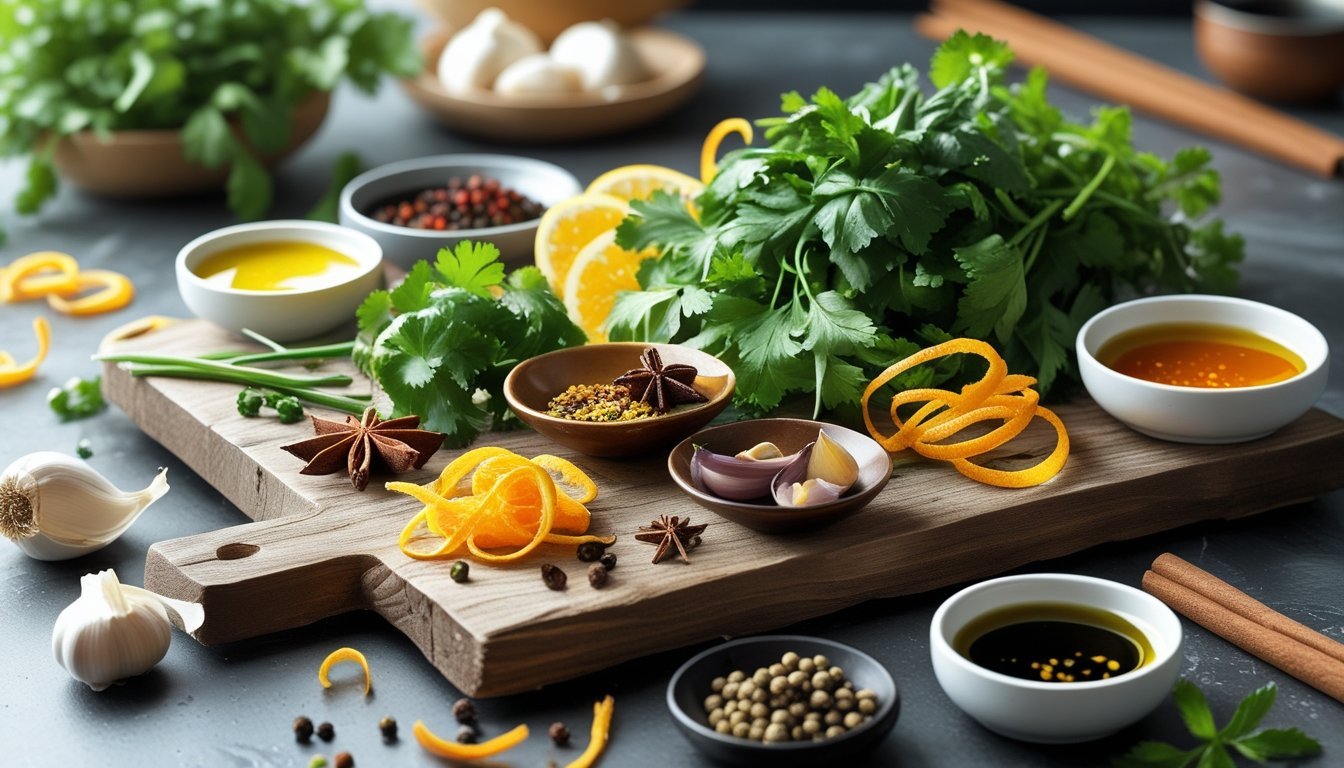
Finishing a chili or savory stew with layered garnishes can elevate both flavor and presentation. Smart choices in fresh herbs, aromatics, creamy toppings, and a touch of acid make the dish balanced and memorable, even if less chili heat is used.
Adding Fresh Herbs and Aromatics
Fresh herbs provide brightness and a hint of complexity. Cilantro is a classic choice for chili, delivering citrusy notes that lighten rich, earthy flavors. Parsley offers a milder, grassy freshness that pairs well with both meat and vegetarian dishes. Chopped green onions or diced raw onions add crunch and subtle sharpness.
Sprinkle herbs just before serving for maximum aroma. Combine several types for deeper layers—cilantro with parsley or thinly sliced green onions creates color and contrast. Crushed roasted garlic can be used as a finishing touch to add sweetness and a savory highlight.
List of fresh garnishes:
Cilantro (chopped)
Parsley (flat-leaf or curly, chopped)
Green onions (sliced)
Raw or roasted garlic (chopped or smashed)
Topping With Creamy or Acidic Elements
A creamy garnish softens sharper flavors and offers contrast. Greek yogurt or plain yogurt stands in for sour cream, bringing tang and coolness while adding protein. Ripe avocado, sliced or diced, gives a rich texture and subtle nutty flavor that helps mellow spice.
Acidic elements like fresh lime juice cut through heaviness and amplify existing flavors. A squeeze of lime just before serving brightens the dish and can be paired with yogurt or avocado for a balanced finish. Using both creamy and acidic garnishes allows for customization and added depth, creating layers of flavor without extra heat.
Table of toppings:
Garnish Effect on Dish Greek yogurt Creaminess, tang, protein boost Avocado Rich mouthfeel, subtle nuttiness Lime juice Fresh acidity, flavor enhancement
Creative Variations for Chili Recipes Without Heat

Chili recipes without heat can still achieve a robust and satisfying depth by utilizing a range of bold spices, aromatics, and creative ingredient swaps. These methods give chili con carne and its variations a rich flavor profile without relying on traditional spicy elements.
Flavorful Chili Con Carne Adaptations
When creating a mild chili con carne, cooks often depend on spice blends featuring ingredients such as smoked paprika, cumin, and coriander. These spices provide warmth and complexity without any burn. Adding roasted bell peppers or poblano peppers instead of hot varieties builds a subtle, earthy flavor.
Broths, including beef or vegetable, can contribute savory notes, while coffee or dark cocoa powder deepens the taste and color. Aromatics like garlic and onion form a strong flavor base.
For texture and heft, a mix of beans and vegetables such as corn, carrots, or mushrooms can be included. A table of popular chili con carne additions:
Ingredient Flavor Contribution Smoked paprika Smokiness, mild warmth Cumin Earthiness, slight sweetness Bell pepper Sweet, vegetal notes Cocoa powder Bitterness, richness
International Inspirations and Alternatives
Chili recipes from around the world offer techniques to boost flavor without heat. Mediterranean-style chili may use oregano, cinnamon, and sun-dried tomatoes for herbal and savory complexity. In some European variations, sausage, lentils, and mild root vegetables make the chili hearty and gentle.
Some cooks blend in soy sauce or Worcestershire sauce to add umami. Mexican-inspired recipes might feature epazote or annatto, which influence depth without increasing spice.
Vegetarian and vegan chili often gets richness from sautéed mushrooms, smoked salt, or nuts. Even adding a little acidity with a squeeze of lime or vinegar can sharpen overall flavor without relying on chiles.
These international inspirations show there are many alternatives for creating satisfying, mild chili recipes.

