Alcohol and Drinking Laws in Bee County, Texas
Your Comprehensive Guide
Navigating the landscape of alcohol laws in Texas requires an understanding of state-wide regulations and local variations. In Texas, the Texas Alcoholic Beverage Commission (TABC) oversees the rules governing the production, distribution, and retail sale of alcoholic beverages. While there is a state-wide framework in place, specific provisions can vary by county and even by city. This localized approach to alcohol regulation ensures that communities can enact standards that align with their unique preferences and values.
In Bee County, Texas, for example, these laws dictate not only the types of alcoholic beverages that can be sold but also when they can be sold. The county adheres to a set of hours during which the sale of packaged liquor is permitted. From Monday through Saturday, transactions for packaged liquor can occur between 10:00 a.m. and 9:00 p.m. However, on Sundays, the sale of packaged liquor is prohibited. In contrast, the sale of packaged beer and wine is given slightly more leeway, with sales allowed until midnight on Sundays and starting as early as 7:00 a.m. on other days of the week, extending till midnight or even till 1:00 a.m. on Saturdays.
These nuances in alcohol regulations reflect the balance between state authority and local preference. For residents and visitors of Bee County, abiding by these rules is a legal requirement and understanding them is crucial for compliance. It's through agencies like the TABC and local enforcement that these laws are communicated and upheld, ensuring a consistent approach to alcohol sales across different regions of Texas while respecting local values and norms.
Overview of Alcohol Laws in Texas
In Texas, alcoholic beverages are governed by a complex set of regulations. The Texas Alcoholic Beverage Commission (TABC) is the state agency responsible for overseeing the implementation and enforcement of these laws, as codified in the Texas Alcoholic Beverage Code.
Age Restrictions:
Legal drinking age is 21.
Age verification is mandatory for purchases.
Sales and Purchasing:
Specific hours for alcohol sales are set based on the type of establishment, with distinct rules for "on-premise" (restaurants and bars) and "off-premise" (retailers) sales.
Liquor stores operate under restricted hours: 10 a.m. to 9 p.m., except on Sundays, when they are closed.
Local Options:
Texas allows cities and counties to determine the types of alcoholic beverage sales permitted. This leads to variations such as "wet" and "dry" areas, with different availability of alcoholic beverages.
Enforcement:
The state is known for its rigorous enforcement of DUI laws.
Businesses must follow state law when purchasing alcohol for retail sales, which includes adherence to the "Delinquent List" for late payments.
Business Regulations:
Separate votes can dictate local laws for different types of alcohol sales.
There are cash/credit laws for businesses purchasing alcohol for retail sales.
Texas maintains strict oversight of alcohol laws to ensure responsible consumption and sales within the state. Compliance with state law is pivotal for businesses, and local regulations can further tailor the alcohol landscape.
Specific Regulations for Bee County
In Bee County, Texas, regulations surrounding the sale and consumption of alcoholic beverages are governed by Texas Alcoholic Beverage Code and county-specific ordinances. The county adopts a regulatory stance that ensures public safety while allowing for the legal consumption of alcohol within the parameters set by law.
Sale Hours for Alcoholic Beverages:
The sale of beer and wine in retail stores is allowed from 7 AM to midnight, Monday through Friday, and from 7 AM on Saturday to 1 AM on Sunday.
On Sundays, the sale resumes from noon until midnight.
For establishments offering mixed beverages, the sale hours extend to 2 AM on any day of the week.
Age Limitations:
It is illegal to sell, serve, or provide any alcoholic beverages to individuals under the age of 21.
Location Restrictions:
Alcohol sales are prohibited within 300 feet of schools, churches, or public hospitals, measured door-to-door along the property line.
Driving Under the Influence (DUI):
The legal limit for blood alcohol concentration (BAC) is 0.08%. Drivers exceeding this limit can face DUI charges.
Open Container Laws:
Open containers of alcohol are not allowed in the passenger area of motor vehicles on public highways.
The county emphasizes the importance of responsible drinking and enforces laws to prevent alcohol-related incidents. Law enforcement agencies actively monitor compliance with these regulations to maintain community wellbeing.
Operating Hours for Alcohol Sales
In Bee County, Texas, specific regulations dictate the hours when alcohol can be sold. These laws are crucial for both vendors and consumers to understand and comply with.
Weekday and Saturday Sales
Monday through Saturday, the sale of packaged liquor is permitted from 10:00 a.m. to 9:00 p.m. For beer and wine, the allowable sale hours extend from 7:00 a.m. to midnight. These time frames apply to both off-premises establishments, such as convenience and grocery stores, and on-premises establishments including bars and restaurants.
Sunday Restrictions
On Sundays, the sale of packaged liquor is not allowed. However, consumers may purchase beer and wine at permitted locations from noon to midnight. It is important to note that these permissible hours are aligned with state-wide guidelines and apply to legal sale transactions within the county.
Holiday Limitations
Sales of alcohol in Bee County are restricted on certain holidays. On New Year's Day, Thanksgiving Day, and Christmas Day, no liquor sales are permitted. These regulations ensure that alcohol purchases align with state-observed holidays, reflecting a respect for traditional and public observances.
Business Types and Liquor Licensing
In Bee County, Texas, different business establishments require specific liquor licenses to operate within the law. Each license has its own application process, eligibility requirements, and associated fees.
Bars and Restaurants
Bars and restaurants must secure appropriate permits to serve alcoholic beverages. They must apply through the Tax Assessor-Collector’s Office or via the Texas Alcoholic Beverage Commission (TABC) utilizing the Alcohol Industry Management System (AIMS). These establishments must follow specific regulations regarding the sale, display, and consumption of alcohol on their premises.
Liquor Stores
Liquor stores in Bee County are required to obtain permits for the sale of packaged liquor. These stores can sell a variety of alcoholic beverages including beer, wine, and spirits. Compliance with state law is mandatory, particularly concerning purchasing practices and avoiding sales to minors or intoxicated individuals.
Grocery and Convenience Stores
Grocery and convenience stores, including gas stations, can apply for permits to sell beer and wine for off-premises consumption. Establishments are responsible for ensuring the lawful sale of these products, which includes proper signage regarding age requirements and not selling past permitted hours.
Specialty Retailers
Specialty retailers, which can include boutique wine shops or craft beer outlets, must have the correct type of license to sell their specific range of alcoholic products. They must adhere to the same strict regulations governing age of customers, hours of operation, and product sourcing as other retailers selling alcoholic beverages.
Legal Age and Restrictions on Minors
In Bee County, Texas, as in the entire state, the legal age for consuming alcoholic beverages is 21. For individuals under this age, consumption of alcohol falls under strict regulations.
Minors may consume alcohol under adult supervision in specific scenarios. Texas law permits this exception when minors are in the presence of their parent, guardian, or spouse, provided that the adult is legally of age to consume alcohol.
Texas law categorizes the provision of alcohol to minors by an adult as a criminal offense, except for the cases mentioned above. An adult who knowingly provides or allows the consumption of alcohol to a minor on their premises may face legal repercussions. The penalties for adults contributing to the delinquency of a minor can include:
Criminal Charges: Adults may be charged with a misdemeanor.
Liability for Damages: If the minor causes damage or injury, the adult may be held liable.
Statutory Penalties: Potential fines and/or jail time as prescribed by the Texas Alcoholic Beverage Commission (TABC).
In instances where alcohol is provided for religious or medical purposes, the law provides narrow exceptions. It is essential to remember that these exceptions are tightly controlled, and minors are otherwise prohibited from the purchase, possession, or consumption of alcoholic beverages.
Businesses that sell or serve alcohol must enforce these laws stringently. The sale of alcohol to minors is illegal, and establishments caught selling to underage individuals risk penalties, including fines, suspension, or revocation of their license.
Penalties for Alcohol Law Violations
In Bee County, Texas, individuals and establishments that violate alcohol laws face serious consequences. These penalties are enforced to maintain public safety and compliance with regulations. The Texas Alcoholic Beverage Commission (TABC) enforces these laws and has a structured penalty system.
Individual Violations:
Consumption by a Minor: If an individual under the age of 21 is caught consuming alcohol, they could be fined up to $500, required to attend an alcohol awareness class, complete community service, and face driver’s license suspension.
DWI: Driving while intoxicated (DWI) is a major offense that can lead to fines, imprisonment, and loss of driving privileges.
Establishment Violations:
Selling to Minors: A licensee selling alcohol to a minor may face a fine and a suspension or cancellation of their permit. Fines can vary based on the severity and frequency of the offense.
Improper Advertising: Violations for improper advertising of alcoholic beverages can result in penalties including fines and suspension of the alcohol sales permit.
Penalty Calculations:
On March 1, 2021, TABC adopted a new methodology for calculating penalty amounts which includes considering the type and frequency of violation.
For motor vehicle-related violations involving alcohol:
Illegal Intoxication: Texas enforces a legal blood alcohol concentration (BAC) limit of 0.08%. Exceeding this limit while operating a motor vehicle will result in hefty fines, imprisonment, and a suspended driver’s license.
Entities that face charges for violating alcohol laws are allowed to contest before an administrative judge. It is essential for both individuals and businesses to adhere strictly to these regulations to avoid the severe penalties associated with non-compliance.
Zoning and Land Use for Alcohol Sales
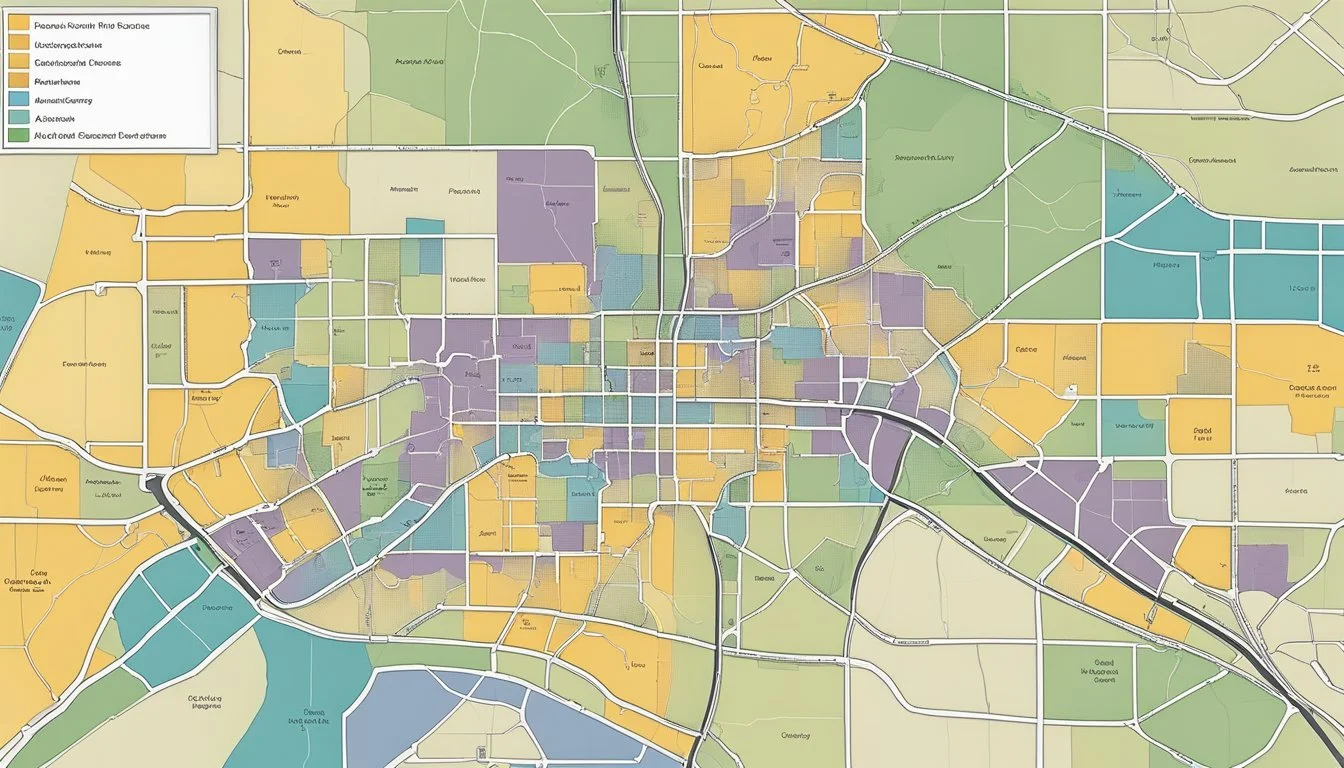
In Bee County, Texas, the regulation of land use for alcohol sales is guided by specific zoning laws. These laws determine where alcohol can be sold, ensuring that retail sales are appropriately distanced from schools, churches, and hospitals, in line with Texas Alcoholic Beverage Commission (TABC) regulations.
Retail Sales: Retailers looking to sell alcoholic beverages must identify zones that permit such sales. The Bee County development regulations outline that no land can be used for the retail sale of alcohol until proper zoning approval is obtained.
Land Use Compliance: Prospective sellers must comply with the local government's land use regulations. Before the sale of subdivided land for alcohol retail purposes, a final plat approval, along with a legally approved plat filed and recorded with the county clerk, is required.
Key Requirement Description
Zoning Approval Retail establishments must be situated in commercially zoned areas designated for alcohol sales.
Distance Regulations Sales locations must adhere to the state-mandated distances from schools, churches, and hospitals.
Plat Approval Before the sale of any land for retail purposes, a final plat must be approved and recorded.
It is crucial for businesses to navigate these land laws carefully. They must ensure that their operations align with the county's comprehensive plan and zoning ordinances, while also meeting state requirements, to legally sell alcohol. Moreover, any changes in legislation must be monitored to remain in compliance, as laws and regulations are subject to update.
Local Option Elections and Dry Areas
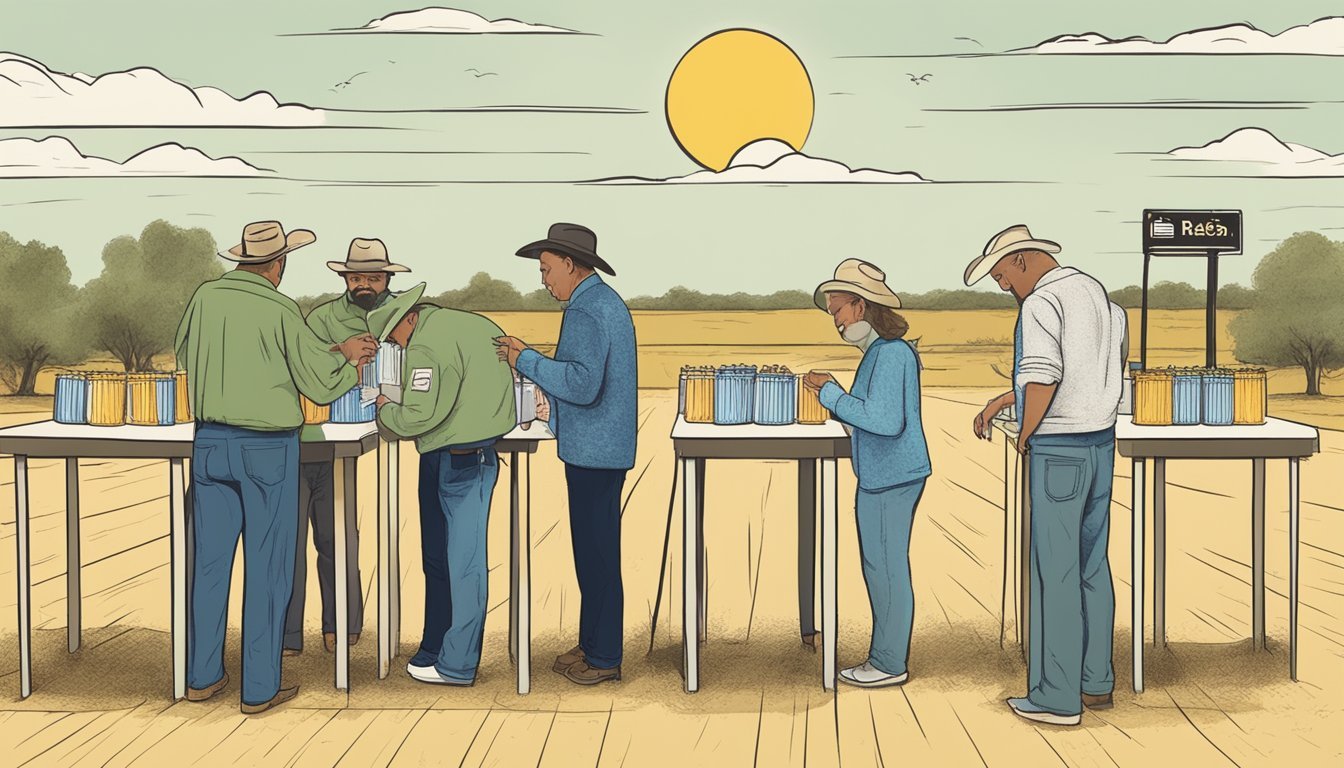
In Bee County, Texas, the control over alcoholic beverage sales is largely determined by the electorate through local option elections. These elections allow voters to decide on whether to permit or prohibit the sale of alcoholic beverages within county, city, or justice of the peace precinct boundaries.
Dry Counties and Communities: "Dry" refers to areas where the sale of alcoholic beverages is not allowed. Despite statewide alcohol regulations, Bee County can exercise local control through these elections, potentially resulting in a "dry" status, preventing the sale of certain types of alcohol or all alcoholic beverages within its jurisdiction.
Legislation and Voter Impact: Local option elections are grounded in Texas law, which provides communities with the right to uphold or repeal restrictions on alcohol sales. Citizens have the power to initiate these changes by voting, thereby directly affecting their local drinking laws. Texas legislation requires a petition process to place local option issues on the ballot.
Election Procedure:
Initiation: A petition must be filed to hold a local option election.
Voting: Registered voters decide on the law's continuance or repeal.
Recent Trends: It is not uncommon for areas to reconsider their stance on alcohol sales. Movements to transform "dry" areas into "wet," where sales are legal, involve political processes that include bill introductions, house votes, and, if successful, a formal change in county law.
Through these local option elections, the residents of Bee County maintain a degree of control over alcohol-related legislation and can influence the status of their community as either "dry" or "wet."
Alcohol Sales in Large Retailers
In Bee County, Texas, large retailers such as Walmart and other publicly traded corporations conform to specific regulations regarding the sale of alcoholic beverages. Regulations dictate the hours during which alcohol sales are permissible.
Retail sales of packaged liquor are banned on Sundays. From Monday to Saturday, these sales are allowed from 10:00 a.m. to 9:00 p.m. Conversely, the laws for beer and wine sales are slightly more flexible. On Sundays, packaged beer and wine sales can occur from noon to midnight, extending the availability as compared to liquor. Throughout the rest of the week, the permitted hours for beer and wine sales start earlier, from 7:00 a.m. and last until midnight on Monday through Friday, and until 1:00 a.m. on Saturday.
Retailers are tasked with ensuring compliance with these time frames, and large retailers usually implement rigorous training programs for their staff members. These programs are designed to avoid inadvertent sales outside the approved hours and to prevent sales to underage customers.
Furthermore, stores must abide by particular signage requirements, informing customers of both the legal drinking age and the non-service to minors.
Type of Alcohol Sunday Sales Monday-Saturday Sales
Packaged Liquor Prohibited 10:00 a.m. - 9:00 p.m.
Packaged Beer and Wine Noon - Midnight 7:00 a.m. - Midnight (Mon-Fri), 7:00 a.m. - 1:00 a.m. (Sat)
These stringent policies are integral to retailers' operations, shaping the shopping experience for consumers and the business strategies for corporations engaged in alcohol sales within Bee County.
Special Provisions for Events and Hospitality

In Bee County, Texas, the alcohol and drinking laws include specific provisions for events and hospitality businesses. These regulations ensure that service providers comply with state laws while hosting events or operating hotel bars.
Hotel Alcohol Service
Hotel bars in Bee County are permitted to serve alcoholic beverages to their registered guests. The service must adhere to state regulations governing the hours of operation and responsible service of alcohol. For instance, a hotel can serve alcohol to its guests in their rooms or in designated bar areas, ensuring that the service is confined to registered guests and does not disturb the peace of the locality.
Permits for Public Events
Organizers of public events wishing to serve alcohol must obtain the necessary permits. These permits facilitate responsible alcohol service at events that are open to the public and ensure legal compliance. Events must meet specific criteria set by the Texas Alcoholic Beverage Commission (TABC), such as:
The event is private and not open to the public.
Licensed on-premises retailers and wineries must submit an official form to TABC.
Pre-approval by TABC may be waived if all criteria are met.
It's crucial for event organizers to secure these permits ahead of time to avoid legal complications and to ensure a successful and lawful event.