Alcohol and Drinking Laws in Blanco County, Texas
A Comprehensive Overview
In Blanco County, Texas, local alcohol regulations exhibit a commitment to uphold the state's dedication to responsible consumption. These laws define and restrict the sale of alcoholic beverages within county lines, reflecting Texas' broader approach to regulating alcohol sales. Blanco County enforces specific days on which the sale of packaged liquor is prohibited, including New Year's Day, the day after Christmas if it falls on a Monday, Thanksgiving, and Christmas Day. These measures showcase the county’s adherence to state laws while addressing the unique needs and values of the local community.
Bars and restaurants in Blanco County operate under a set of hours designated for the sale of alcohol. These hours are designed to strike a balance between availability and public welfare, dictating when alcoholic beverages may be sold to the public. Compliance with these regulations is essential for local businesses to maintain their licenses and avoid penalties. Adherence to legal age limits for purchasing and consuming alcohol is further emphasized, with Texas law mandating a minimum drinking age of 21, mirroring federal standards.
Legal Drinking Age and Minor Regulations
In Blanco County, Texas, the legal drinking age is set at 21 years old. The regulations serve to prevent underage drinking and clearly define penalties for violations under the Texas Alcoholic Beverage Code.
Age Verification and Underage Drinking
Texas law mandates that any person purchasing, possessing, or consuming alcoholic beverages must be at least 21 years of age. Vendors are required to check identification to verify a customer's age before selling or serving alcohol. Minors attempting to buy or consume alcoholic beverages face sanctions, including but not limited to fines and mandatory educational programs.
Penalties for Providing Alcohol to Minors
Under the Texas Alcoholic Beverage Code, providing alcohol to a minor is a criminal offense, with exceptions for instances such as the minor being with a family member or for religious ceremonies. For those outside these exceptions, penalties include:
Class A misdemeanors
Possible fines
Jail time
Minors in Possession of Alcohol
In Texas, minors found in possession of alcoholic beverages are subject to various penalties. The law considers the mere possession of alcohol by a minor a Class C misdemeanor, which can result in:
Fines up to $500
Alcohol awareness class attendance
Community service ranging from 8 to 40 hours
Blanco County enforces these regulations to foster a safe and law-abiding community with respect to alcohol consumption.
Sales of Alcoholic Beverages
In Blanco County, Texas, the sale of alcoholic beverages is regulated by the Texas Alcoholic Beverage Commission, with specific laws governing retailer licensing, sales on Sundays, and the operational hours for alcohol sales at various retail establishments.
Retailer Licensing
Retailers in Blanco County must obtain proper licensing from the Texas Alcoholic Beverage Commission (TABC) to sell alcoholic beverages, which include beer, wine, and liquor. This regulation applies to all establishments, such as grocery stores, package stores, and gas stations that engage in retail sales of alcohol.
Sunday Sales and Blue Laws
The sale of packaged liquor is prohibited on Sunday within unincorporated areas of Blanco County. From Monday to Saturday, these sales are permitted, providing businesses adhere to state law and the hours regulated by TABC.
Hours of Operation for Alcohol Sales
In Blanco County, the hours during which alcoholic beverages can be sold are set forth by TABC. Package stores are permitted to operate from 10:00 a.m. to 9:00 p.m. on Monday through Saturday, with no sales allowed on Sunday, Thanksgiving Day, Christmas Day, or New Year's Day.
Licensing for Bars and Restaurants

In Blanco County, Texas, bars and restaurants must adhere to strict licensing regulations set forth by the Texas Alcoholic Beverage Commission (TABC) before they can legally sell alcohol. This ensures compliance with the Texas Alcoholic Beverage Code.
Service Regulations
Bars and restaurants must follow service regulations to maintain their liquor licenses. Service regulations include, but are not limited to, prohibiting the sale of alcohol to minors and intoxicated persons. These establishments are required to properly train their staff in responsible service practices. Additionally, hotel bars can only serve alcohol to registered guests and their visitors to comply with TABC rules.
Licensing Requirements
To obtain a liquor license in Blanco County, establishments must:
Complete a TABC-approved certification program.
Submit an application through the TABC's Licensing Division.
Meet the specific criteria for the type of license they are applying for, such as those for bars or restaurants, with different stipulations for each.
Licensing requirements include providing proof of a bond that must accompany the submission of the application. The processing time for a license or permit can vary and establishments should plan accordingly.
Violations and Penalties
When a bar or restaurant violates the Texas Alcoholic Beverage Code, penalties can be severe. They include warnings, fines, and possible license suspension. TABC monitors compliance, and violations can result from serving minors, over-service of alcohol, or operating outside permitted hours. A citation from TABC can have significant repercussions for a business, emphasizing the importance of rigid adherence to the law.
Drinking and Driving Laws
In Blanco County, Texas, as in the rest of the state, driving under the influence of alcohol is a serious offense with consequences varying based on the level of alcohol concentration in a driver's blood and prior offenses. It is important for drivers to understand the state’s BAC limits, the penalties associated with drunk driving, and the available DUI prevention programs.
BAC Limits and Testing
In Texas, the legal alcohol limit for drivers 21 and over is a Blood Alcohol Concentration (BAC) of 0.08%. However, for those under 21, any detectable amount of alcohol is illegal. Law enforcement officials use breathalyzers and blood tests to determine a driver's BAC. Refusal to undergo these tests can result in automatic license suspension due to the state's implied consent laws.
BAC Limits:
Drivers 21 and over: 0.08%
Drivers under 21: Any detectable amount
Penalties for Drunk Driving
The penalties for driving under the influence in Blanco County are significant and can increase with subsequent offenses. A first offense is often classified as a Class B misdemeanor, which may include up to 180 days in jail, a fine of up to $2,000, and driver's license suspension. Penalties escalate with higher BAC levels and for those with passengers under 15 years of age, potentially reaching felony charges with fines up to $10,000 and two years of incarceration.
Penalties Overview:
First offense: Up to 180 days in jail, up to $2,000 fine, license suspension
With passenger under 15: State jail felony, fine up to $10,000
DUI Prevention and Education
Texas takes a proactive stance on DUI prevention, requiring offenders to complete alcohol education programs. Ride-sharing services like Uber and Lyft are recommended as alternatives to drunk driving. The Texas Alcoholic Beverage Commission works to educate the public on safe alcohol consumption and the risks associated with impaired driving.
Local Alcohol Ordinances in Blanco County
Blanco County operates under specific alcohol laws, which vary between the county level and within its individual cities. These laws are influenced by both local decisions and the broader framework established by the Texas Alcoholic Beverage Commission.
County-Level Alcohol Laws
In unincorporated areas of Blanco County, the sale of packaged liquor is distinctively regulated. Packaged liquor sales are permitted Monday through Saturday, from 10:00 a.m. to 9:00 p.m. However, these sales are not allowed on Sunday. As for beer and wine, the establishments such as liquor stores, gas stations, and supermarkets follow the aforementioned hours, but with the county's discretion to alter as needed during specific hours or days.
City Ordinances and Amendments
City-specific legislation also plays a role in Blanco County. Ordinances such as 2024-O-001 are necessary for procedural functions like ordering general elections. Utilities and tax levies are covered by ordinances like 2023-O-013 and 2023-O-012, respectively, emphasizing the city's role in managing local alcohol-related businesses within its jurisdiction. Amendments to these ordinances can occur and often do so in public hearings where the community's voice can contribute to the regulatory landscape.
Wet and Dry County Designations
Blanco County’s stance on alcohol sales must be understood within the context of Texas's wet and dry county designations. Wet counties allow the sale of alcohol, while dry counties do not. Blanco County's rules, as they pertain to the sale of alcohol, must be consistent with state laws, and the enforcement of these laws is within the purview of the Texas Alcoholic Beverage Commission. The local government may impose additional regulations through public hearings and ordinances respecting the Texan Alcoholic Beverage Code while considering the will of its constituents.
Amendments and Public Policy

Amendments to the Texas Alcoholic Beverage Code play a pivotal role in shaping the legal landscape of alcohol regulation in Blanco County, Texas. Legislative changes may arise from public hearings and the involvement of residents in the legislative process.
Public Involvement in Lawmaking
In Blanco County, public hearings provide a venue for residents to voice their opinions on proposed amendments to alcohol laws. This democratic process is essential, as it ultimately leads to a vote that shapes statutes. Public participation ensures that the community has a say in the laws that govern them.
Recent and Proposed Amendments
The Texas Alcoholic Beverage Commission (TABC) facilitates changes to state law. A notable amendment is Ordinance 2023-O-013, which impacts utilities and tax levies related to alcohol sales within the county. The House, responding to constituents' interests, often revisits regulations to align with evolving societal standards.
Statewide Alcohol Policy Changes
Recent adjustments to the Texas Alcoholic Beverage Code, such as Senate Bill 2284, expand opportunities for local distillers. This amendment allows the sale of up to four 750-milliliter bottles of distilled spirits per customer for off-premise consumption. Such amendments demonstrate Texas’ adaptability to changing market demands and consumer preferences.
Legal Aid and Resources
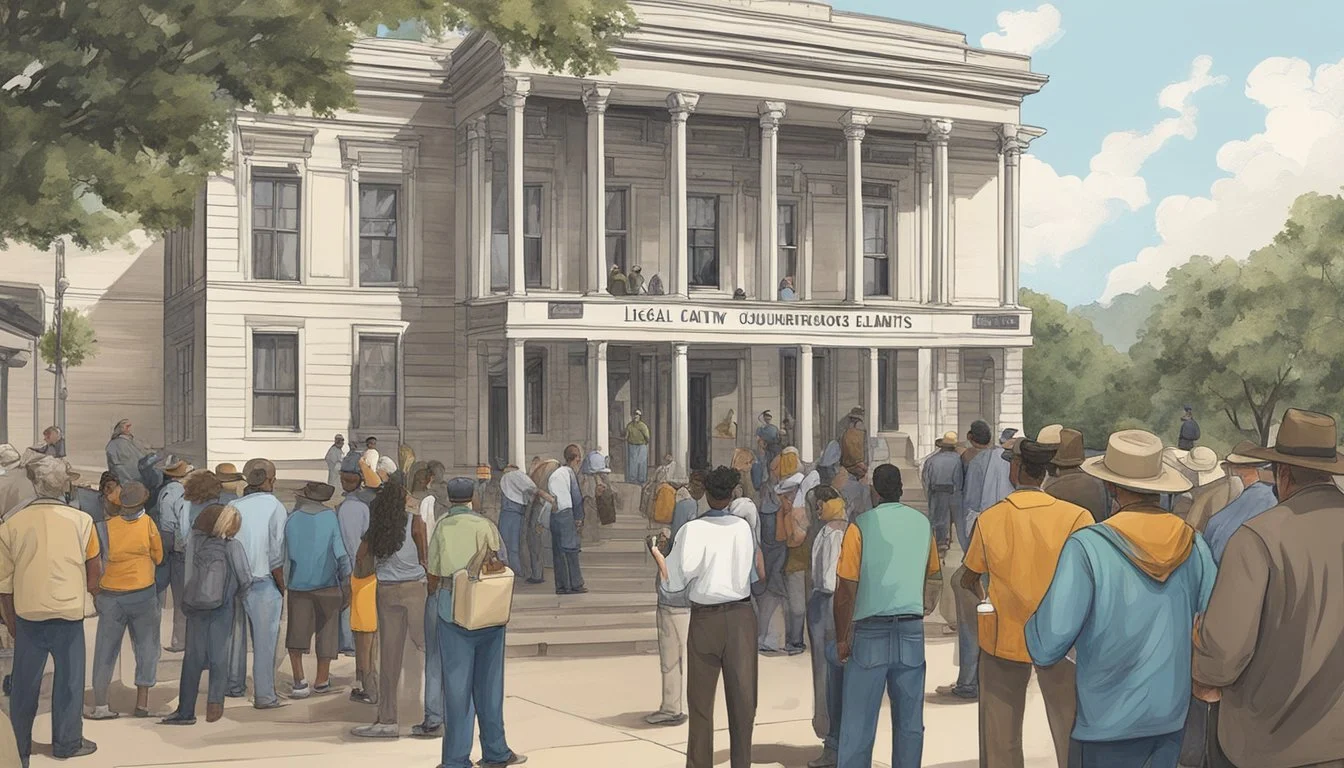
Access to legal aid and resources is critical for understanding and navigating Blanco County's alcohol regulations. Locals can find extensive support through educational programs and legal assistance specifically tailored around Texas alcohol laws.
Finding Legal Assistance
Individuals in Blanco County seeking guidance on alcohol-related legal matters may consult organizations like Texas Rio Grande Legal Aid. They offer services on family law, as well as civil rights issues, including those pertaining to alcohol laws. They can be reached at (512) 374-2700. Another resource is the St. Mary's University School of Law Center for Legal and Social Justice; their contact number is (210) 431-2596, providing legal aid in family-related cases and estate planning associated with alcohol legalities.
Contact Information:
Texas Rio Grande Legal Aid: (512) 374-2700
St. Mary's University School of Law Center: (210) 431-2596
Residents can also turn to the Blanco County Family Legal Aid & Pro Bono Services for assistance without undue financial burden.
Educational Materials and Programs
For those requiring educational materials and updates on Texas alcohol laws, TexasLawHelp.org offers a repository of information. This nonprofit organization ensures that underserved Texans have access to educational resources about the legal aspects of alcohol use and policies. The Texas Alcoholic Beverage Commission (TABC) provides legislative updates and details about standard penalties for violations, helping residents stay informed of their obligations under state law.
Helpful Links:
TexasLawHelp.org: Provides free legal education
TABC on Texas Alcohol Laws and Regulations: Information on legislative updates and violations
By leveraging these legal aid services and educational programs, Blanco County residents can confidently manage alcohol-related legal situations.