Alcohol and Drinking Laws in Callahan County, Texas
Navigating the Legal Landscape

Alcohol and drinking laws are a significant aspect of public policy, varying widely across different regions. In Callahan County, Texas, the regulations surrounding the sale and consumption of alcohol reflect the state's commitment to maintaining order and public safety. Texas maintains a legal drinking age of 21 and enforces strict DUI laws, with additional rules that may differ by county.
In particular, Callahan County operates under specific alcohol sales limitations. For instance, the sale of packaged liquor is not allowed on Sundays within unincorporated areas of the county. During the rest of the week, Monday through Saturday, it is permissible to sell packaged liquor between the hours of 10:00 a.m. and 9:00 p.m. These time restrictions apply to liquor stores, gas stations, and supermarkets, which are also authorized to sell beer and wine.
Local nuances, such as Callahan County's laws, illustrate the complex tapestry of alcohol-related regulations throughout Texas. The state's Alcohol Beverage Code and the administrative rules laid out by the Texas Alcoholic Beverage Commission (TABC) guide businesses and individuals alike in navigating these regulations. Moreover, the TABC offers resources for understanding the consequences of underage drinking and the processes involved in local option elections, where communities vote on the types of alcohol sales permitted within their jurisdictions.
Historical Context of Alcohol Legislation in Callahan County

Callahan County, located in Central Texas,has navigated a complex history of alcohol legislation. In the broader context, Texas has historically given local governments the power to regulate alcohol through what is termed the "county-option" or local option method. This approach allows communities to reflect their values and preferences in regards to alcohol consumption and sales.
Notable Historical Laws:
Pre-Prohibition Era: Local jurisdictions in Texas could determine their stance on alcohol, leading to pockets of prohibition.
Prohibition (1920-1933): Nationwide prohibition also affected Texas, including Callahan County. The sale, production, and transportation of alcohol were illegal.
Post-Prohibition: After the repeal, Texas instituted the Alcoholic Beverage Code, which continues to govern the sale, distribution, and consumption of alcoholic beverages within the state.
Callahan County has exercised its right to determine local alcohol laws under the state's legislation. This has involved periods where the county has imposed restrictions on the sale of alcohol, reflecting the prevailing social attitudes at different times.
Exceptions:
Despite overarching regulations, there can be exemptions, such as specific licenses allowing for the sale of alcohol in otherwise dry areas. These exceptions are tightly controlled and subject to local approval.
In summary, Callahan County's alcohol legislation reflects a history shaped by state regulations and local choices, which have evolved over time. Understanding this history provides clarity on current laws and social expectations regarding alcohol in the county.
Current Alcohol Sales Regulations
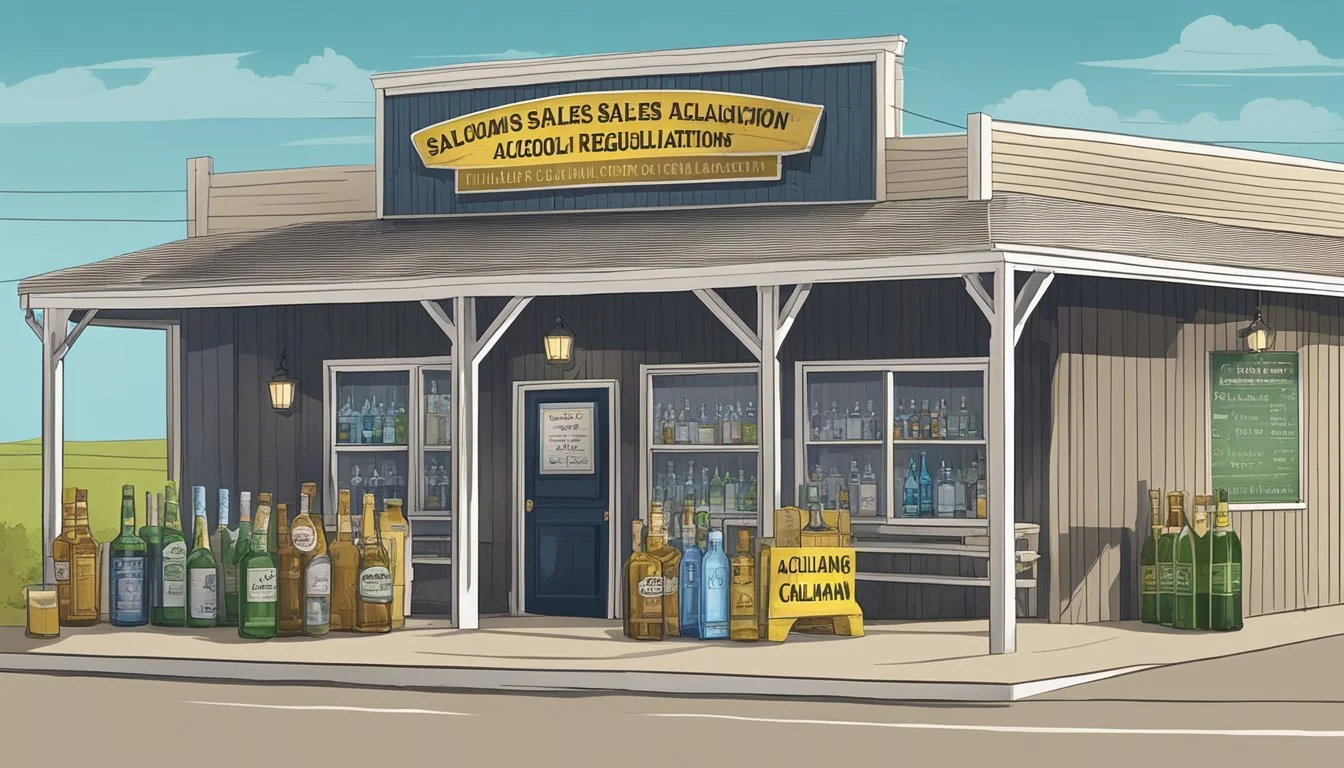
The regulation of alcohol sales in Callahan County, Texas, enforces specific time restrictions, licensing requirements, and additional rules that apply on Sundays and holidays. These laws are administered by the Texas Alcoholic Beverage Commission (TABC).
Day and Time Restrictions for Alcohol Sales
The sale of packaged liquor is confined to certain hours in Callahan County. Retailers may sell liquor between 10:00 a.m. and 9:00 p.m. from Monday to Saturday. However, the sale of alcohol is prohibited on Sundays. For beer and wine, the regulations allow for broader availability, with sales permitted within the standard hours set by the TABC.
Licensing Requirements for Retailers
Retailers must comply with the TABC's licensing requirements to legally sell alcohol. This includes the completion of a consolidated licensing process introduced by the TABC. Retail establishments like liquor stores, gas stations, and supermarkets must hold valid permits to engage in alcohol retail sales.
Special Rules for Sundays and Holidays
On Sundays, the sale of packaged liquor is not permitted. There are also specific laws that regulate sales on certain holidays, which include New Year's Day, Thanksgiving Day, and Christmas Day. Retailers must adhere to these regulations to avoid penalties and ensure compliance with Texas state laws as administered by the TABC.
Alcohol Consumption Laws

Callahan County in Texas enforces specific regulations on alcohol consumption to ensure community safety and compliance with state law. These rules cover a range of activities including public consumption, driving under the influence, and underage drinking.
Open Container and Public Consumption Rules
In Callahan County, possessing an open container of alcohol in public spaces is legally restricted. The consumption of alcoholic beverages is not permitted on premises licensed for off-premises consumption, according to the Texas Alcoholic Beverage Code § 101.72. Public intoxication is an offense and individuals found in violation may face legal consequences.
Driving and Alcohol: DUI Laws
Texas has strict laws against driving while intoxicated (DWI). Driving with a Blood Alcohol Concentration (BAC) of 0.08% or higher is illegal and will result in a DUI charge. First offenses can include penalties such as fines, community service, jail time, and license suspension. Field sobriety tests are commonly employed by officers to assess a driver's level of impairment.
BAC Level Consequence 0.08% and above DUI charge, potential for license suspension and fines
Underage Drinking Regulations
Texas observes a zero-tolerance policy for underage drinking. Individuals under the age of 21 who purchase, attempt to buy, possess, or consume alcohol are subject to penalties which may include a Class C misdemeanor and fines up to $500. Furthermore, they might be required to attend an alcohol awareness class and complete community service. Consumption in the presence of a parent, guardian, or spouse is an exception under the law.
Wet and Dry County Designations

In Texas, the terms "wet" and "dry" refer to local government areas' regulations on the sale of alcoholic beverages. A "dry county" is one where the sale of alcohol is mostly prohibited, whereas a "wet county" allows for the sale of alcoholic beverages. The designations can vary within a county; for example, certain cities within a dry county may vote to become wet, allowing for alcohol sales within their jurisdiction.
Callahan County, Texas, operates under specific regulations concerning the sale of alcohol. Different areas within the county may have varied legal statuses; thus, whether an area is wet or dry can be decided by local elections or orders by the county's commissioners court.
Alcohol Sales Regulations in Callahan County:
Unincorporated Areas:
Sale of packaged liquor is allowed Monday through Saturday, from 10:00 a.m. to 9:00 p.m.
Sale of packaged liquor is prohibited on Sunday.
Certification Process:
The county clerk certifies whether a location is in a wet area for permit applications.
The complexity of alcohol laws in Texas often means that counties may have both wet and dry areas, each adhering to a distinct set of rules influenced by local votes. Understanding the specific designations in any given county is essential for residents and businesses to remain in compliance with local laws.
Exceptions and Variations in Local Laws
Local regulations in Callahan County vary, particularly when it comes to the sale of alcoholic beverages. Differing rules apply in unincorporated areas compared to cities, and publicly traded corporations have specific requirements for retail policies.
Differences Between Cities and Counties
In Callahan County, like much of Texas, alcohol laws can differ between cities and unincorporated areas. For example, Callahan County dictates that in its unincorporated areas, the sale of packaged liquor is not allowed on Sundays. Additionally, sales are permitted from 10:00 a.m. to 9:00 p.m., Monday through Saturday. In contrast, county regulations allow for the sale of packaged beer and wine from noon to midnight on Sunday, and from 7:00 a.m. to midnight, Monday through Friday. On Saturdays, these beverages may be sold from 7:00 a.m. to 1:00 a.m..
Different cities within the county may have their own ordinances that can restrict or expand these hours, enact zoning requirements, or create other exceptions for the sale and consumption of alcoholic beverages. It is crucial for businesses and consumers to be aware of these local variations in order to comply with the law.
Publicly Traded Corporations and Retail Policies
Publicly traded corporations, such as Walmart, operating in Callahan County must adhere to Texas Alcoholic Beverage Commission (TABC) regulations as well as the local laws mentioned above. These entities often have internal policies that may further restrict the sale of alcoholic beverages beyond what is required by law. For instance, a corporation may choose to restrict the sale of alcohol in proximity to schools or churches, even if the local laws do not specifically demand this.
The nuances within publicly traded corporations' policies are often informed by a combination of state legislation, county guidelines, and the corporation's own discretion aimed at addressing community standards and relations.
Legal Implications of Violating Alcohol Laws
In Callahan County, Texas, violating alcohol laws can lead to serious financial and legal consequences, affecting individuals and alcohol providers. The following subsections detail the penalties for such infringements.
Fines and Criminal Charges
Those caught violating alcohol laws in Callahan County may face fines and, depending on the severity, criminal charges. For instance, selling alcohol to minors or during prohibited hours can result in fines up to $4,000, jail time of up to one year, or both, under Texas law. Driving under the influence (DUI) in Texas is a serious offense that can lead to fines that exceed $17,000 including court costs and legal fees, and repeat offenders risk facing felony charges.
Liability for Alcohol Providers
Alcohol providers, such as restaurants, bars, and retail stores, are held to strict standards to prevent illegal sales and consumption. Failure to comply with state regulations can result in penalties including:
Suspension or revocation of liquor licenses
Monetary fines determined by the Texas Alcoholic Beverage Commission
Potential criminal charges for staff and management for serving to intoxicated persons or minors
Retailers must adhere to laws governing alcohol sales timing: packaged liquor sales are only allowed between 10:00 a.m. and 9:00 p.m., Monday through Saturday, and are prohibited on Sunday in unincorporated areas of Callahan County. Violations of these specific rules can result in severe implications for the businesses involved.
Resources for Understanding Alcohol Laws
For individuals and businesses seeking to navigate the complexities of alcohol laws in Callahan County, Texas, there are several authoritative resources available.
Texas Alcoholic Beverage Commission (TABC): As the state's regulatory agency, TABC offers comprehensive guidance on Texas alcohol laws. Important resources include:
TABC Official Website: Access to statewide regulations, FAQs, and permits.
Local Option Elections: Details on variation in alcohol laws by city and county.
Temporary Events Guidance: Requirements for alcohol sales at events.
Educational Materials: TABC provides a range of educational resources designed to inform both industry professionals and the general Texans. Resources include:
TRACE (Target Responsibility for Alcohol-Connected Emergacies) Program: A video series and other materials that focus on law enforcement's role in alcohol-connected emergencies.
County-Specific Regulations: Since alcohol laws can differ by county, Texans must be aware of the regulations specific to Callahan County, for example:
Sale Hours: In unincorporated areas of Callahan County, selling packaged liquor is allowed between 10:00 a.m. and 9:00 p.m., Monday through Saturday, with no sales on Sunday.
To remain updated and informed about the state law and industry practices, regularly consult with TABC resources. They reflect the latest in legal requirements and ensure compliance within the Lone Star State's dynamic regulatory landscape.
Future Trends in Alcohol Legislation
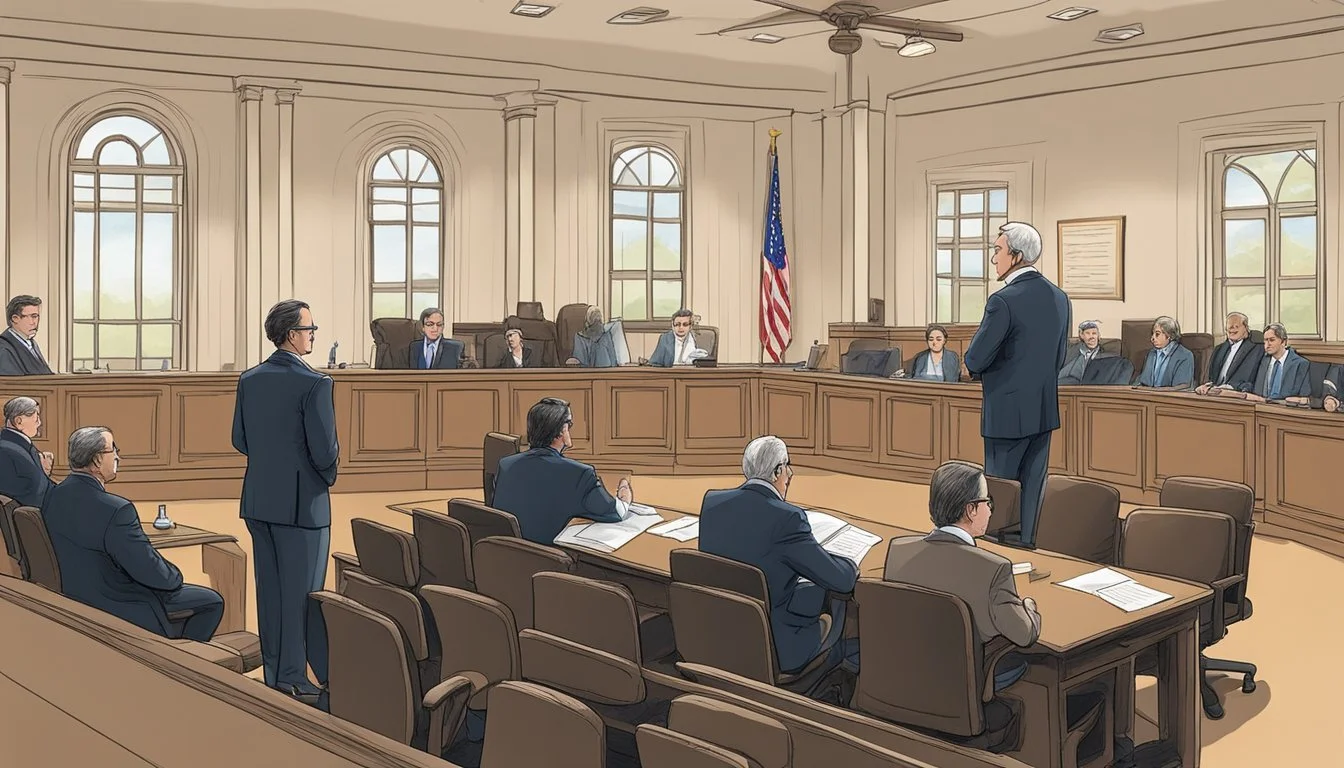
The landscape of alcohol laws in Texas is experiencing a dynamic shift, influenced by both industry demands and public interest. As the Texas legislature continues to respond to these pressures, recent bills hint at a trend towards more liberal regulations within the industry.
One significant change can be attributed to Senate Bill 60, which came into effect on September 1, 2023. It allowed for enhanced collaboration in the industry by permitting contract distilling. This legislation is an indication that Texas may be moving towards more adaptive and cooperative business models in the alcohol sector.
The Texas Alcoholic Beverage Commission (TABC) plays a vital role in shaping the trends in legislation by recommending changes and updates. Their proactive approach suggests that upcoming legislation may focus on:
Streamlining Licensing: Simplifying the process for obtaining and renewing licenses.
Adjusting Sales Hours: Following recent modifications, there's potential for further extension of sales hours.
Broadening Sales Channels: Allowing a wider array of retailers to sell alcoholic beverages, including beer and wine.
Stakeholders in the industry are advocating for bills that ease operations, potentially reducing barriers to entry and promoting economic growth. As Texans have recently experienced changes in Sunday sales laws, there is a growing expectation for continuous reform.
In conclusion, stakeholders in Texas may anticipate ongoing legislative changes aimed at modernizing alcohol laws, reflecting the industry's evolution and the desires of Texas consumers. It's clear that the industry and lawmakers alike are pushing for a legal environment that supports business growth while considering public welfare.