Alcohol and Drinking Laws in Camp County, Texas
A Comprehensive Overview

Camp County, Texas, adheres to a specific set of alcohol and drinking laws aligned with the state's regulatory framework. These laws govern the sale and distribution of alcoholic beverages throughout the county, ensuring compliance with both local statues and the broader mandates set by the Texas Alcoholic Beverage Code. Despite overarching state regulations, local adjustments afford counties the flexibility to tailor alcohol-related rules to suit community standards and values, reflecting the preference of local residents.
In Camp County, as is true for many counties in Texas, the sale of packaged liquor is restricted. Local ordinances prohibit the sale of packaged liquor on Sundays. From Monday through Saturday, however, residents may purchase packaged liquor between the hours of 10:00 a.m. and 9:00 p.m. These time constraints are part of the effort to balance business interests with community welfare and safety.
Moreover, Camp County partakes in the practice of local-option elections, a process that enables the county's voters to decide on the legality of different types of alcohol sales. This democratic mechanism allows individual counties, cities, and even justice of the peace precincts within Texas to determine their unique alcohol and drinking laws. As a result, businesses and consumers in Camp County must stay informed and adhere to these evolving regulations to remain in compliance with the law.
General Alcohol Regulations in Texas
In Texas, alcohol regulations are stringently outlined and enforced by state law, with the Texas Alcoholic Beverage Commission (TABC) overseeing adherence to these laws within the industry. Retailers must comply with a range of laws from the Texas Alcoholic Beverage Code to rules on sale times and distribution.
Texas Alcoholic Beverage Code
The Texas Alcoholic Beverage Code establishes the legal framework governing alcoholic beverages in Texas. It covers everything from the definition of alcoholic drinks to the penalties associated with the violation of these laws. The code ensures that individuals and businesses are aware of the legal boundaries they must operate within, particularly concerning the sale, possession, and consumption of alcohol.
Licensed Sale and Distribution of Alcoholic Beverages
Entities within the industry are required to obtain a license to sell alcoholic beverages legally. This framework helps to control the distribution of alcohol and ensures that retailers are validated and monitored by the TABC. The licensing process informs retailers about the regulations they must adhere to and the standards for responsible alcohol sales.
Alcohol Sales Time Restrictions
Texas imposes time restrictions on the sale of alcohol, which vary depending on the type of alcoholic beverage and the day of the week. For instance:
Off-Premise Sales (e.g., convenience stores):
Beer and Wine: Monday - Saturday, 7 a.m. - 12 a.m.; Sunday, 12 p.m. - 12 a.m.
Spirits: Monday - Saturday, 10 a.m. - 9 p.m.; No Sunday sales.
On-Premise Sales (e.g., bars, restaurants):
Monday - Saturday: 7 a.m. - 2 a.m.
Sunday: 12 p.m. - 2 a.m. (with a late-hours permit).
These regulations are designed to balance the availability of alcohol with public welfare and safety concerns.
Specific Alcohol Sales in Camp County
In Camp County, Texas, alcohol sales are subject to local regulations that affect various types of establishments differently. These rules dictate when and where alcoholic beverages may be sold, with particular nuances on Sundays and holidays.
Laws Affecting Bars and Restaurants
Bars and restaurants in Camp County must adhere to the Texas Alcoholic Beverage Commission (TABC) regulations, which allow these establishments to sell alcoholic beverages during specific hours. On Saturdays, sales can extend from 7 a.m. to 1 a.m. the following day. On Sundays, alcohol can be sold from noon until midnight, and if a meal is served, sales can begin as early as 10 a.m. However, on certain holidays like Thanksgiving Day, Christmas Day, and New Year’s Day, hours of sale may be subject to change, often allowing extended hours to accommodate celebrations.
Retail and Convenience Store Regulations
Retail outlets such as liquor stores, grocery stores, and convenience stores also follow strict guidelines. While grocery stores and gas stations are permitted to sell beer and wine during regulated hours, liquor stores have more restricted hours. From Monday to Saturday, packaged liquor sales are allowed between 10:00 a.m. and 9:00 p.m. In unincorporated areas of the county, one cannot purchase packaged liquor on Sundays, as it is prohibited.
Special Rules for Sundays and Holidays
Sundays bring unique regulations in alcohol sales across various outlets in Camp County. While bars and restaurants can sell alcohol with the provision of food from 10 a.m., retail stores are restricted. In addition to the Sunday restrictions, certain holidays also carry specific rules. For example, on Sundays including the major holidays like Thanksgiving Day, Christmas Day, and New Year’s Day, the sale times are sometimes adjusted, often allowing for more flexible sale hours in bars and restaurants but maintaining strict adherence to no sale for packaged liquor.
Legal Purchase and Consumption

In Camp County, Texas, the regulations governing the legal purchase and consumption of alcoholic beverages are clear-cut, focusing on preventing underage drinking and maintaining public safety.
Age Requirements and Identification Verification
In Texas, the legal age to purchase and consume alcoholic beverages, which include beer, wine, and liquor, is 21. Adults purchasing these beverages may be asked for a valid government-issued photo ID to verify their age. Minors caught buying, attempting to buy, possessing, or consuming alcoholic beverages face legal consequences, such as fines and mandatory attendance of an alcohol awareness class.
Public Consumption and Open Container Laws
The consumption of alcoholic beverages in public places in Camp County is subject to state regulations. Open containers of any alcoholic beverage are prohibited in motor vehicles, and public intoxication is illegal. Violating open container laws can result in penalties including fines and incarceration.
DUI and Related Offenses
Driving under the influence (DUI) of alcohol is a serious offense in Texas. It's illegal for an adult to drive a motor vehicle with a blood alcohol concentration (BAC) of 0.08% or higher, and the limits for minors are even stricter. Penalties for DUI can include fines, license suspension, and jail time, with the severity of punishment increasing with subsequent offenses.
Local Variations and Dry Areas in Texas

In Texas, alcohol laws can vary significantly from one county to another, creating a patchwork of "wet" and "dry" areas with diverse regulations affecting the availability and sale of alcoholic beverages. Camp County is an example of how local decisions impact alcohol access.
Wet and Dry County Regulations
Texas law allows counties to determine their own alcoholic beverage regulations, resulting in a mix of wet, dry, and moist (a combination of wet and dry regulations in different areas within the county) counties. A "wet" county permits the sale of alcohol, while a "dry" county prohibits it entirely. Some counties, like Ector, Falls, and Donley, may have specific precincts or city regulations that further dictate where alcohol sales are permissible.
Wet Counties: As of the last update, Texas had 59 completely wet counties.
Dry Counties: There were 5 completely dry counties, where alcohol sales are forbidden.
Obtaining a license or permit to sell alcoholic beverages requires adherence to local county laws, which are often confirmed through local option elections.
Impact on Camp County Availability
In Camp County, the impact of these laws is evident in the sale of alcohol across various establishments. Certain restrictions come into play, particularly in unincorporated areas of the county:
Liquor Stores: Permitted to sell package liquor from 10:00 a.m. to 9:00 p.m., Monday through Saturday, but prohibited on Sunday.
Gas Stations & Supermarkets: Allowed to sell beer and wine under the stipulated hours, subject to county regulations.
The regulations influence how residents and businesses approach the sale and consumption of alcohol and can also affect economic factors such as local business development within Camp County.
Responsibilities of Alcohol Vendors in Camp County
Alcohol vendors in Camp County, Texas, must adhere strictly to the regulations set by the Texas Alcoholic Beverage Commission (TABC). They are tasked with responsible retail sales, upholding the Alcoholic Beverage Code, and ensuring their operations comply with all training, certification, and permit requirements.
Training and Certification Requirements
In Camp County, all alcohol vendors and their employees must complete TABC-certified training programs. This certification focuses on responsible alcohol service, understanding the legalities of alcohol sales, and recognizing the signs of intoxication. Training must cover the following critical areas:
Legal Requirements: Understanding the Alcoholic Beverage Code and relevant local laws.
Checking Identifications: Ensuring customers are of legal drinking age, which is 21 in Texas.
Intervention Techniques: Learning how to deal with and prevent the service to intoxicated customers.
Certification must be renewed periodically to ensure ongoing compliance with the latest standards and legal requirements.
Consequences of Permit Violations
Vendors holding a TABC license or permit must operate within the bounds of the law. Failure to do so can result in significant consequences. If a vendor violates the terms of their permit, the possible outcomes include:
Fines: Monetary penalties imposed for minor or first-time offenses.
Suspension: Temporary halt of alcohol sales for more severe or repeated violations.
Revocation: The permanent removal of the right to sell alcoholic beverages in cases of significant non-compliance.
All permit-related violations are taken seriously, as they compromise the safety and well-being of the community. It is incumbent upon vendors to thoroughly understand and comply with all aspects of the Alcoholic Beverage Code to avoid such violations.
Legal Liabilities and Social Issues
In Camp County, Texas, the legal implications of alcohol consumption and distribution are clear-cut, particularly concerning civil liabilities and underage drinking. These regulations are crucial in mitigating alcohol-related damages and curbing consumption among minors.
Civil Liabilities for Alcohol-Related Damages
Texas law stipulates that adults who serve or provide alcohol to intoxicated persons or minors can be held accountable for any ensuing damages. This extends beyond commercial establishments to include social hosts—for instance, if a parent or guardian negligently serves alcohol at a home gathering. Civil liabilities can encompass medical bills, lost wages, or any harm stemming from intoxication-related incidents.
Addressing Underage Drinking
Underage drinking is a significant concern, and in Camp County, entities selling or serving alcohol to minors can face severe penalties. Legislation mandates that proactive measures must be in place to validate the age of individuals purchasing alcohol. It is also the responsibility of parents and guardians to prevent minors from accessing alcohol, thereby reducing the risk of alcohol-related harm.
Revising and Updating Alcohol Laws

In Camp County, Texas, alcohol legislation is periodically reviewed and revised to ensure that local and state rules align with current societal standards and legal requirements.
Recent Legislative Changes
The Texas Legislature holds the authority to modify the Texas Alcoholic Beverage Code. During their sessions, typically in odd-numbered years, new bills may be introduced that can lead to significant amendments to existing laws. These legislative changes can affect various aspects of alcohol regulation, from distribution and sales to consumption. It's essential for businesses and individuals to stay informed of these changes to remain compliant with state laws.
Local Ordinances and Amendments in Camp County
Local governments in Camp County have the discretion to implement ordinances that refine state laws within the county's jurisdiction. The City of Pittsburg and other areas in Camp County may pass amendments that impact the hours of alcohol sales or the type of alcoholic beverages that can be sold. For instance, packaged liquor sales are prohibited on Sunday but are allowed from 10:00 a.m. to 9:00 p.m., Monday through Saturday. These local ordinances are often a reflection of the community's preferences and may vary from one city to another within the county.
Appendix: Texas Counties with Special Alcohol Laws
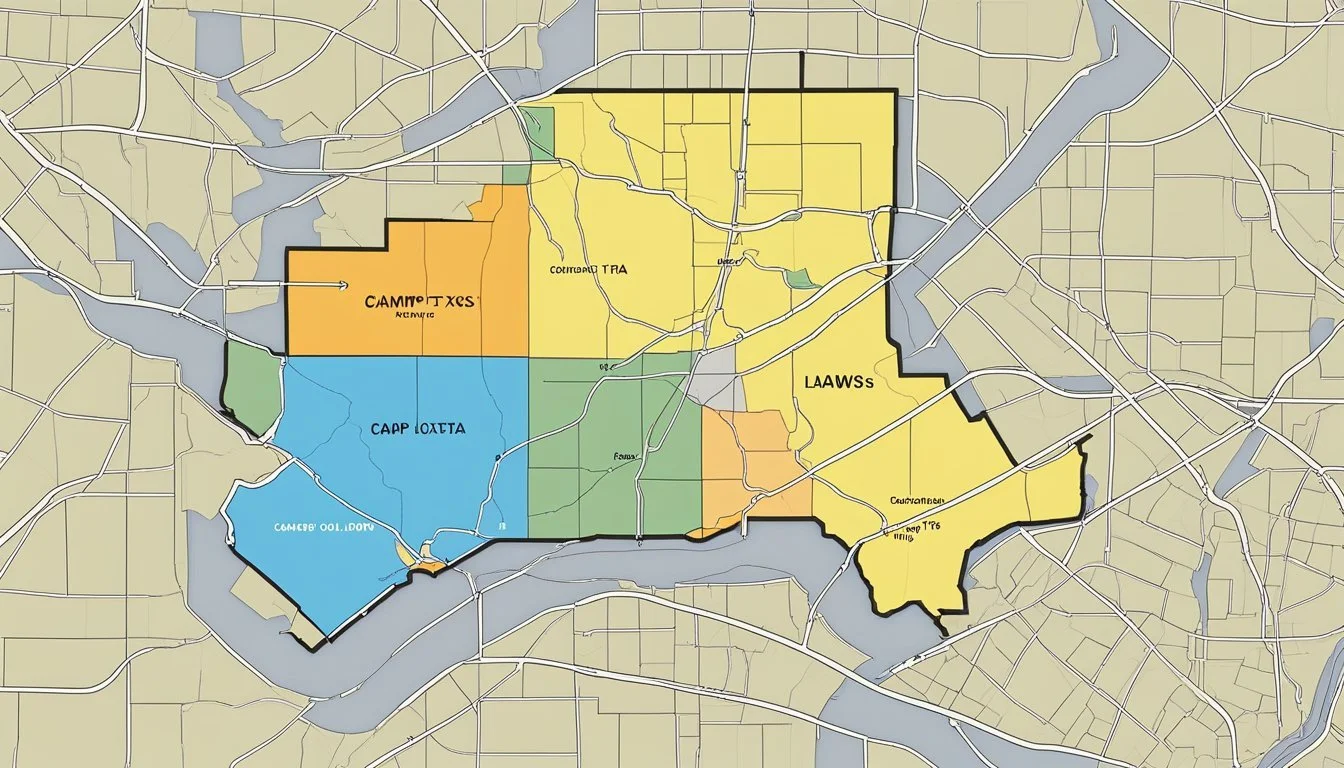
In Texas, the alcohol laws can vary significantly from one county to another, reflecting local preferences expressed through "local option" elections. Below is a table format listing counties with special alcohol laws, indicating variations and particularities.
County Description of Alcohol Laws
Aransas Alcohol sales are legal throughout the county.
Bexar Permissive alcohol laws; a vibrant night-time economy.
Brazos Allows mixed beverages in restaurants by food and beverage certificate.
Brewster Alcohol sales are legal, catering to tourism.
Brooks Has specific precincts that dictate alcohol sales regulations.
Burnet Allows sales of alcoholic beverages for off-premise consumption.
Cameron Known for liberal alcohol laws; mixed beverage sales permitted.
Childress Strict regulations; many areas prohibit sales.
Clay Allows local sales of beer and wine.
Collingsworth Limited alcohol sales; primarily in restaurants and clubs.
Colorado Mixed beverage permits are available.
Comal Open to sales and consumption of alcoholic beverages.
Cottle Mix of dry and wet areas; local decisions prevail.
Crosby Similar mix as Cottle; localized regulations.
Culberson Permits sale of alcoholic beverages with restrictions.
Dimmit Sale of alcoholic beverages is legal with county approval.
Duval Varies by precinct; some areas are dry.
El Paso Liberal laws with a strong enforcement on DUI.
Fayette Permits sale of alcohol in certain areas, usually outside city limits.
Fisher Sales of alcoholic beverages occur in licensed establishments.
Fort Bend Wide availability of alcoholic beverages across the county.
Goliad Specific precincts govern alcohol sale and consumption.
Gonzales Moderate alcohol sales permissible across the county.
Guadalupe Broad allowances for alcohol sales with local governance.
Each county listed has tailored their alcohol laws to suit the preferences and voting outcomes of their local residents. These regulations range from very restrictive to liberal, with many nuances in between. The state of Texas upholds a legal drinking age of 21, and counties must operate within the state's overarching legal framework while exercising their local options.