Alcohol and Drinking Laws in El Paso County, Texas
An Essential Legal Guide
In El Paso County, Texas, alcohol regulations reflect the state's approach to balancing public safety with consumer accessibility. The state's Alcoholic Beverage Code governs the sale and consumption of alcohol, allowing for variations at the city and county levels. This creates a patchwork of regulations tailored to the preferences of local populations. El Paso County adheres to these laws, which prohibit the sale of packaged liquor on Sundays in unincorporated areas while allowing sales from 10:00 a.m. to 9:00 p.m., Monday through Saturday.
Recent legislative changes have further shaped the alcohol landscape in Texas, with amendments affecting the times when beer and wine can be purchased. For instance, as governed by Texas law, weekdays see alcohol sales from 7 a.m. until midnight, with extended hours on Saturday and slightly restricted hours on Sunday. Establishments with an off-premise beer and wine license can sell these beverages during permitted hours. It's important for residents and visitors to remain informed about these laws to navigate the legal responsibilities of alcohol consumption in El Paso County.
The legal drinking age in Texas is set at 21 years or older, with some exceptions for those in the 15-17 age range under specific circumstances, adhering to state and federal law. This sets the framework for permissible public drinking and purchase of alcoholic beverages. Understanding these laws is crucial for both individuals and businesses to ensure they operate within the parameters set by both El Paso County and the state of Texas.
General Alcohol Regulations in El Paso County
In El Paso County, Texas, the consumption and sale of alcohol are governed by specific regulations, including the legal drinking age and sales hours. These laws are in place to ensure public safety and comply with state mandates.
Minimum Legal Drinking Age
In accordance with Texas law, El Paso County enforces the minimum legal drinking age of 21. It is illegal for minors to purchase, attempt to purchase, consume, or possess alcoholic beverages. Establishments selling alcohol have the right and responsibility to verify the age of individuals purchasing alcohol.
Alcohol Sales Time Restrictions
El Paso County has distinct times when alcoholic beverages can be sold, varying by the type of establishment and the day of the week. Below is a summarized schedule for alcohol sales:
Liquor Stores:
Monday through Saturday from 10 a.m. to 9 p.m.
Closed on Sunday
Bars and Restaurants (on-premises consumption):
Monday through Friday: Alcohol sales end at 12 a.m.
Saturday: Alcohol sales extend until 1 a.m. on Sunday
Special Permits: Establishments with a late-hours permit may sell alcohol until 2 a.m.
Gas Stations and Supermarkets (off-premises consumption):
Monday through Friday: 7 a.m. to 12 a.m.
Saturday: 7 a.m. through 1 a.m. on Sunday
These time restrictions are strictly enforced and businesses must adhere to them to maintain their licenses. In unincorporated areas of the county, packaged liquor sales are prohibited on Sundays, while the sale of beer and wine may be allowed, subject to certain conditions.
Licensing and Permits
In El Paso County, Texas, obtaining the appropriate licenses and permits through the Texas Alcoholic Beverage Commission (TABC) is a critical step for any business dealing with alcoholic beverages. Compliance with state regulations and timely renewal of these documents are essential for legal operation.
Types of Alcohol Permits
There are various permits available for businesses that intend to sell alcoholic beverages in El Paso County. The permit type needed depends on the specific services a retailer provides:
On-Premise License (OP): For businesses serving alcohol to be consumed onsite.
Off-Premise License (BF): For retailers selling closed containers for consumption offsite.
Wine and Beer Retailer's Permit (BG): For businesses selling wine and beer specifically.
Licensing Process for Retailers
Retailers looking to obtain a license must navigate a process that involves several steps:
Eligibility Check: They must ensure they meet all the criteria set by the TABC.
Application Submission: A complete application, along with the required fee, must be submitted to the TABC.
Inspections and Approvals: The TABC conducts inspections and background checks before granting the license.
License Renewal and Violations
Retailers are responsible for renewing their licenses and permits in a timely manner to avoid penalties.
Renewal: The TABC requires licenses and permits to be renewed every two years.
Violations: Non-compliance or breaches can lead to fines, sanctions, or revocation of the license. Common violations include selling to minors or over-serving customers.
Special Rules for Specific Locations

In El Paso County, Texas, alcohol regulations adapt to the context of the venue and its proximity to sensitive areas such as schools and churches. Each type of establishment operates under specific lawful guidance to ensure community wellbeing while complying with state and local mandates.
Laws for Bars and Restaurants
Bars and restaurants in El Paso County must adhere to strict licensing rules. They may serve alcohol during designated hours, with service typically allowed until midnight. Patrons should expect that all alcohol sales will cease in time for these businesses to ensure compliance with the cutoff time.
Alcohol Sales in Hotels and Package Stores
Hotels with bars and package stores in El Paso County operate under regulations that include permitted sales hours. Package stores may sell alcoholic beverages from 10:00 a.m. to 9:00 p.m., Monday through Saturday. Meanwhile, hotel bars can offer guests alcohol service consistent with the wider licensing rules for bars and restaurants, maintaining consideration for the comfort and needs of their guests.
Regulations Near Schools and Churches
Establishments located near schools and churches must navigate additional restrictions. The sale of alcohol within a certain distance from these institutions is tightly controlled to foster a respectful environment. Specific distance requirements from these entities ensure that their operations aren't disrupted by alcohol-related activities of nearby businesses.
Alcohol Sales and Service Times
El Paso County, Texas has specific regulations governing when alcohol can be sold. These laws ensure that both customers and retailers are aware of permissible service hours, which vary between weekdays and weekends, and include exceptions for Sundays and public holidays.
Weekday and Weekend Sales Hours
In El Paso County, the sale of packaged beer and wine follows this schedule:
Monday to Friday: Sales are allowed from 7:00 a.m. to midnight.
Saturday: Sales start at 7:00 a.m. and can extend until 1:00 a.m. on the following Sunday.
For liquor sales from package stores:
Monday to Saturday: Sales are permissible from business opening until 9:00 p.m.
It is important for establishments to adhere strictly to these times.
Exceptions for Sundays and Public Holidays
On Sundays, the law allows for:
Packaged beer and wine sales between noon and midnight only.
Regarding liquor sales from package stores on public holidays:
Sales are prohibited on New Year's Day, Thanksgiving Day, and Christmas Day.
When New Year's Day falls on a Monday, the prohibition extends to January 2.
Public notice of these exceptions helps to set community expectations and prevent confusion or infractions related to alcohol sales in El Paso County.
Dry Counties and Wet/Dry Status
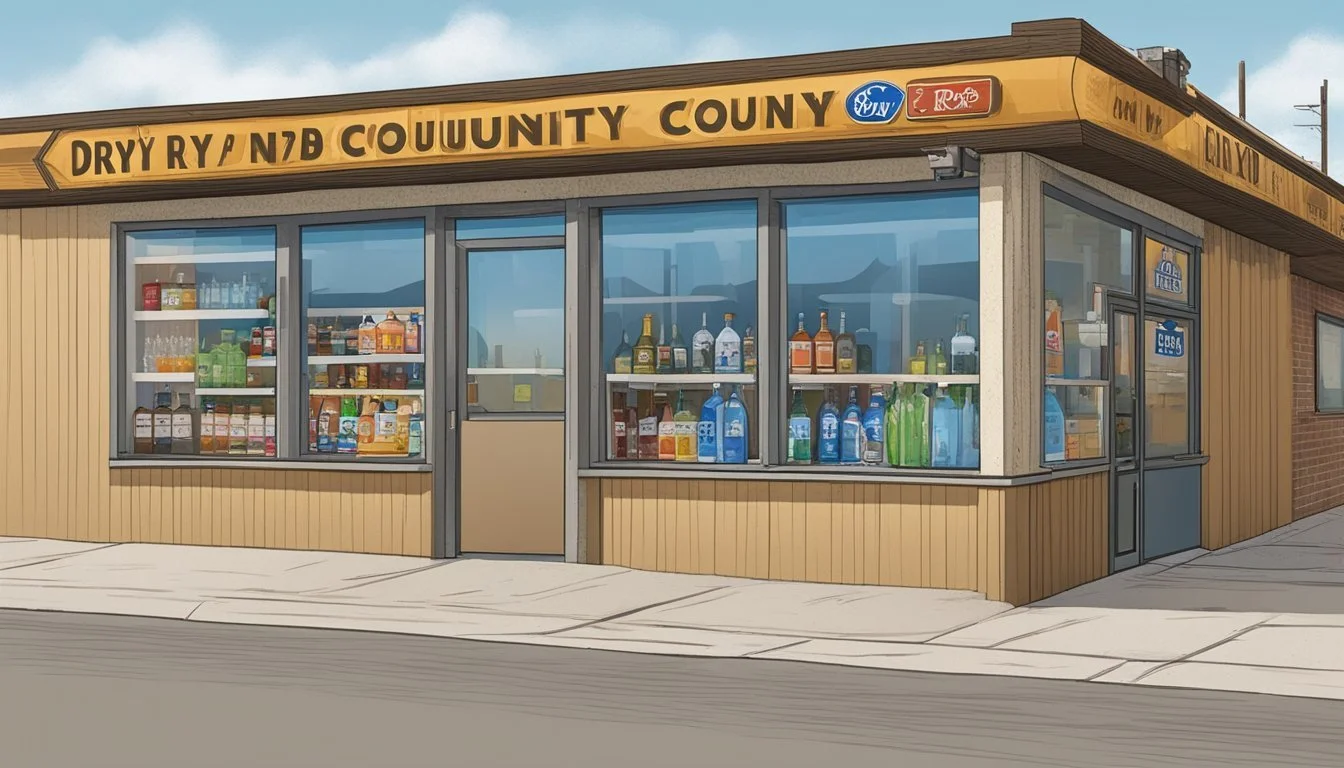
El Paso County, Texas, operates under the liquor laws set by the state, which allow local communities to determine their alcohol policies through voting, thus designating areas as 'dry' or 'wet'.
Definition and Implications of Dry Status
Dry counties are counties in which the sale of alcohol is prohibited or severely restricted. In Texas, the term 'dry' can refer to the exclusion of one or more types of alcoholic beverages, such as beer, wine, or spirits, or to the prohibition of alcohol sales altogether. El Paso County, however, is not a dry county; it permits the sale of alcoholic beverages, making it a wet county.
The implications of a county's dry status include potential impacts on local businesses, tax revenues, and social dynamics. Establishments such as restaurants or grocery stores in dry counties cannot sell alcohol, which can influence consumer choices and economic activity.
Process of Becoming a Wet County
In a county with dry status or restrictions on certain types of alcoholic beverages, citizens may initiate a vote to change the county's wet/dry status. The process typically involves:
Filing a petition: Residents collect signatures to demonstrate sufficient interest in allowing alcohol sales.
Validating the petition: The county's authority confirms whether the petition meets legal requirements.
Calling an election: If validated, a local option election is scheduled, allowing voters to decide on the issue.
If the majority votes in favor, the county transitions from dry to wet, and the sale of alcohol becomes legal, subject to state laws and regulations.
Every house in the county with the right to vote is instrumental in making these changes, as it is their collective decision that determines the county's alcohol policy.
Enforcement and Legal Consequences
In El Paso County, the enforcement of alcohol regulations and the ensuing legal ramifications for violations are handled with unwavering diligence. Entities such as the Texas Alcoholic Beverage Commission and local peace officers work in tandem to uphold the law, ensuring that the consequences for non-compliance are strictly imposed.
Role of Texas Alcoholic Beverage Commission
The Texas Alcoholic Beverage Commission (TABC) serves as the primary enforcer of the state's alcohol laws. The TABC's responsibilities include licensing, compliance checks, and investigations into potential infringements. El Paso County falls within the jurisdiction of the TABC, which maintains vigilant oversight to prevent violations and promote public safety.
Enforcement by TABC Agents and Peace Officers
TABC agents, along with peace officers, possess the authority to enforce state alcohol laws in El Paso County. They conduct routine inspections and respond to complaints regarding licensed establishments. Violations unearthed by these agents can lead to serious repercussions for businesses and individuals alike, ranging from fines to revocation of liquor licenses.
Penalties for Law Violation
Penalties for violating alcohol laws in El Paso County are multifaceted and can include:
First Offense DWI:
A fine of up to $2,000.
Jail time of up to 180 days, with a mandatory minimum of three days upon conviction.
In addition to fines and incarceration, individuals found to violate alcohol-related laws, such as those convicted of intoxication manslaughter, may face novel penalties such as providing child support in cases where their actions resulted in parental loss. These measures underscore the breadth of consequences that enforcement agencies in El Paso County are prepared to apply to uphold the law.
Alcoholic Beverage Industry in El Paso County

The industry in El Paso County is a complex system governed by specific regulations and contributes significantly to the local economy through the sale of beer, wine, and liquor.
Local Alcohol Industry Overview
In El Paso County, Texas, the sale of alcoholic beverages is tightly regulated with specific hours for sales depending on the type of alcohol and the day of the week. For instance, packaged beer and wine are sold from noon to midnight on Sunday, and from 7:00 a.m. to midnight or 1:00 a.m. on other days, while the sale of packaged liquor observes different restrictions, including certain holidays.
Economic Impact of the Beverage Industry
The economic footprint of the alcoholic beverage industry in El Paso County is substantial. Establishments, including local breweries, wineries, and liquor stores, not only create jobs but also generate significant tax revenue. The industry sales foster ancillary local businesses that supply goods and services necessary for the beverage industry's operation.
Resources and Additional Information
For those seeking information about alcohol and drinking laws in El Paso County, Texas, the Texas Alcoholic Beverage Commission (TABC) is the primary resource. The TABC regulates all aspects of the alcohol industry in Texas, ensuring compliance with state laws.
Relevant Contact Information
El Paso TABC Office:
Address details can be obtained through the official TABC website.
This office can assist local residents with inquiries specific to El Paso County.
Online Resources:
TABC Official Site: The main portal for statewide alcohol regulations and updates.
Alcohol Industry Management System (AIMS): An online system for licensing, permitting, and reporting.
Key Points of Interest:
Legislative Updates: To stay informed about the most recent changes to the Texas Alcoholic Beverage Code.
Violations and Penalties: Understanding the consequences of non-compliance is crucial for businesses.
Educational Material:
FAQs Section on TABC: Provides answers to common questions regarding alcohol sales and consumption.
For businesses, it is important to familiarize themselves with the Cash/Credit Law and the mandatory postings required at their establishments. Individuals can learn about hour restrictions for alcohol sales and rules that apply to specific zones within El Paso County. This information helps ensure that both sellers and consumers of alcoholic beverages operate within the confines of the law.