Alcohol and Drinking Laws in Frio County, Texas
An Essential Guide for Residents and Visitors
Frio County, Texas, adheres to the state's regulations governing the sale and consumption of alcoholic beverages. One notable law is the prohibition of packaged liquor sales on Sundays. This limitation is part of a series of regulations designed to manage how alcohol is distributed and consumed across the state.
During the week, the sale of packaged liquor in Frio County is allowed between 10:00 a.m. and 9:00 p.m. from Monday through Saturday. However, for packaged beer and wine, the hours extend to between noon and midnight on Sundays and from 7:00 a.m. to midnight, Monday through Friday, with an extended time until 1:00 a.m. on Saturdays. These time restrictions are set to balance between the availability of alcoholic beverages to the public and the welfare concerns of the community.
Understanding the local alcohol laws is crucial not only for residents but also for businesses that sell alcoholic beverages. Compliance is strictly monitored by the Texas Alcoholic Beverage Commission (TABC), which oversees the enforcement of these regulations. They also offer resources for businesses, including licensing and training, to ensure that the laws are upheld, maintaining community safety and health regarding alcohol consumption.
Overview of Alcohol Laws in Frio County
In Frio County, Texas, the laws governing the sale and consumption of alcoholic beverages adhere to Texas state law, with specific local variations within the county's jurisdiction.
Legal Definitions
In the context of Frio County, alcoholic beverages are classified under Texas state law which designates distinctions between various types of alcohol, such as liquor, beer, and wine. Each category is subject to different regulations.
General Alcohol Sales Regulations
According to state law, Frio County follows these general sales regulations for alcoholic beverages:
Packaged Liquor:
Sale is allowed from 10:00 a.m. to 9:00 p.m., Monday through Saturday
No sales on Sunday
Packaged Beer and Wine:
Monday to Friday: 7:00 a.m. to midnight
Saturday: 7:00 a.m. to 1:00 a.m.
Sunday: noon to midnight
Alcohol Laws Specific to Frio County
While the state provides a regulatory framework, Frio County may enact local options to tailor alcoholic beverage sales. These can include variations on the types of alcoholic beverages sold and the methods of sale, subject to local elections and preferences within counties, cities, or precincts. Local option elections could redefine sales protocols beyond the state's baseline regulations.
Licensing and Sale Hours
In Frio County, Texas, businesses must adhere to specific licensing requirements and designated hours for the sale of alcoholic beverages. These regulations, enforced by the Texas Alcoholic Beverage Commission, vary depending on the type of beverage and the day of the week.
Licensing Requirements
Businesses in Frio County that intend to sell alcoholic beverages must obtain the appropriate licenses from the Texas Alcoholic Beverage Commission (TABC). Licenses are differentiated based on the type of alcohol to be sold and the nature of the establishment, such as stores or restaurants. Compliance with state laws and local ordinances is mandatory for all licensed premises.
Sales Hours for Weekdays and Saturdays
For packaged liquor: Sales are allowed from 10:00 a.m. to 9:00 p.m. on weekdays and Saturdays.
For beer and wine at retail stores: Sale hours extend from 7:00 a.m. to midnight.
Restaurants and bars: Establishments with mixed beverage permits may sell alcoholic beverages between 7:00 a.m. and midnight.
Sunday Sales Restrictions
Sunday alcohol sales in Frio County carry specific restrictions:
For packaged liquor: Sales are prohibited on Sundays.
For beer and wine at stores: Sales are permitted from noon until midnight.
For mixed beverages in restaurants and bars: Sales can start at noon and continue until 12:00 a.m. (midnight).
These laws ensure that alcohol sales within Frio County comply with state regulations, maintaining a consistent standard across Texas while acknowledging local jurisdiction.
Special Regulations and Restrictions
In Frio County, Texas, as in other counties, alcohol sale and consumption regulations vary significantly, incorporating distinct provisions for dry, wet, and partially wet areas. Additionally, specific dates and hours are subject to restrictions and underage drinking laws are strictly enforced.
Dry, Wet, and Partially Wet Counties
Frio County operates under a framework of dry, wet, and partially wet designations which determine the legality of alcohol sales within a given region.
Dry Counties: Sale of alcohol is fully prohibited.
Wet Counties: Alcohol sales are permitted without limitations.
Partially Wet Counties: These regions allow certain types of alcohol sales (e.g., beer and wine) but may prohibit the sale of spirits or have restrictions on locations where alcohol can be sold.
Special Dates and Hours
There are specific hours and dates when alcohol sales are restricted in Frio County.
Sundays: The sale of liquor is forbidden. New Year's Day, Thanksgiving Day, and Christmas Day: On these holidays, liquor stores are required to close.
Operational Hours:
Monday - Saturday: Sales are allowed from 10 a.m. to 9 p.m. for liquor stores.
Underage Drinking Laws
Frio County enforces a Zero Tolerance Law for underage drinking, aligning with Texas state laws.
Driving Under the Influence: Any detectable amount of alcohol in individuals under 21 operating a vehicle is illegal.
Penalties: A minor's first offense is a class C misdemeanor, with possible fines up to $500.
Penalties and Enforcement
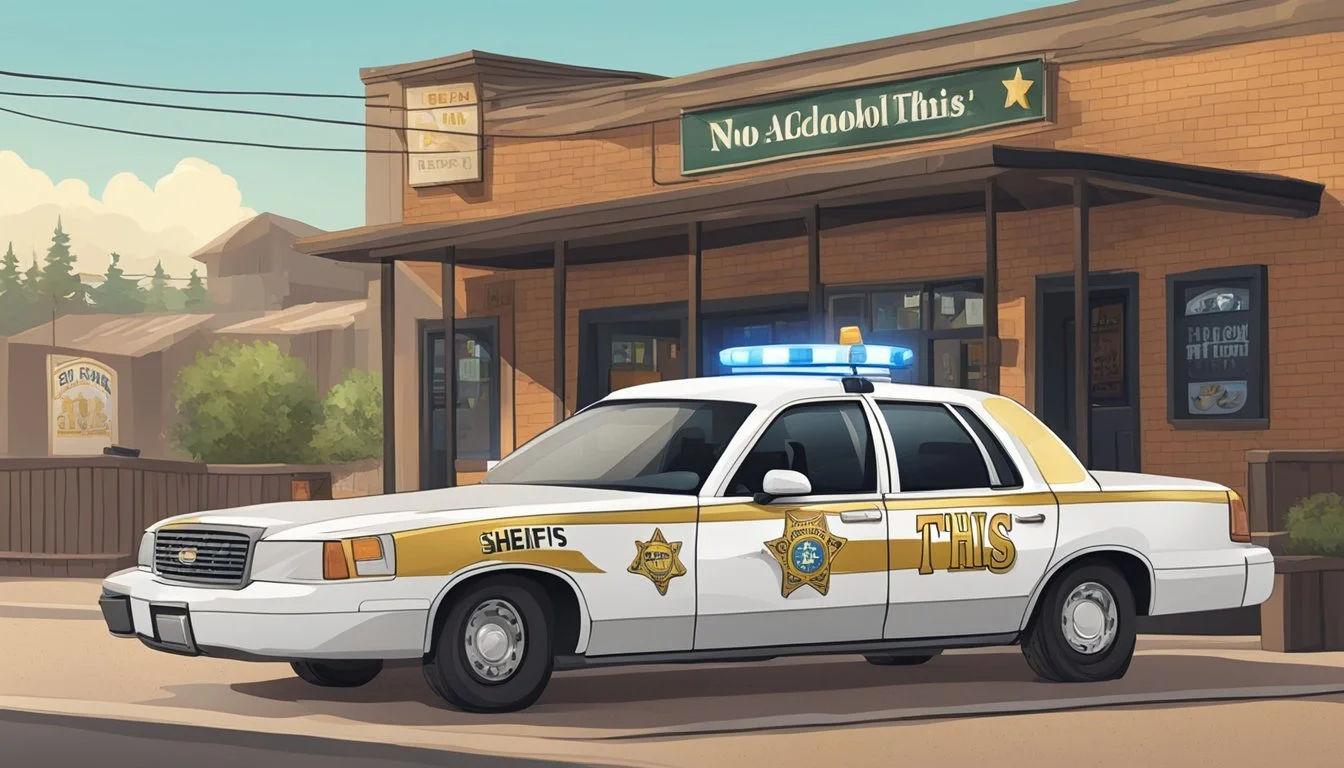
In Frio County, Texas, the enforcement of alcohol-related laws is stringent and involves specific penalties for violations to ensure public safety.
Standard Penalties for Violations
The Texas Alcoholic Beverage Code delineates clear repercussions for those who infringe upon its regulations. Here are some standard penalties:
Business Violations: Entities that violate the code may face sanctions outlined in the TABC Penalty Chart. These can include fines or suspension and cancellation of permits.
Individual Violations: Drivers convicted of a DWI can expect a Class B misdemeanor charge, which holds a minimum confinement of 72 hours. Subsequent offenses carry heftier penalties.
Serving Minors: Providing alcohol to a minor is considered a Class A misdemeanor with penalties up to $4,000 in fines, confinement in jail for up to one year, or both, along with a 180-day driver's license suspension.
The adherence to standard penalties is imperative for maintaining order and deterring violations within the community.
Law Enforcement Agencies and Community Safety
It is the purview of local law enforcement agencies to enforce the Alcoholic Beverage Code in Frio County.
Community Safety: Officers are tasked with preventing DUI incidents by patrolling and conducting sobriety checkpoints.
Community Service and Education: Offenders may be required to complete community service or mandatory Alcohol Education Programs.
Moreover, those who have committed alcohol-related offenses may be required to obtain an Occupational License or Financial Responsibility Insurance Certificate (SR-22) as a condition of their return to the roads of Texas, ensuring continuous monitoring and prevention of further violations. These measures are designed with the community's well-being as the top priority.
Impact on Local Businesses
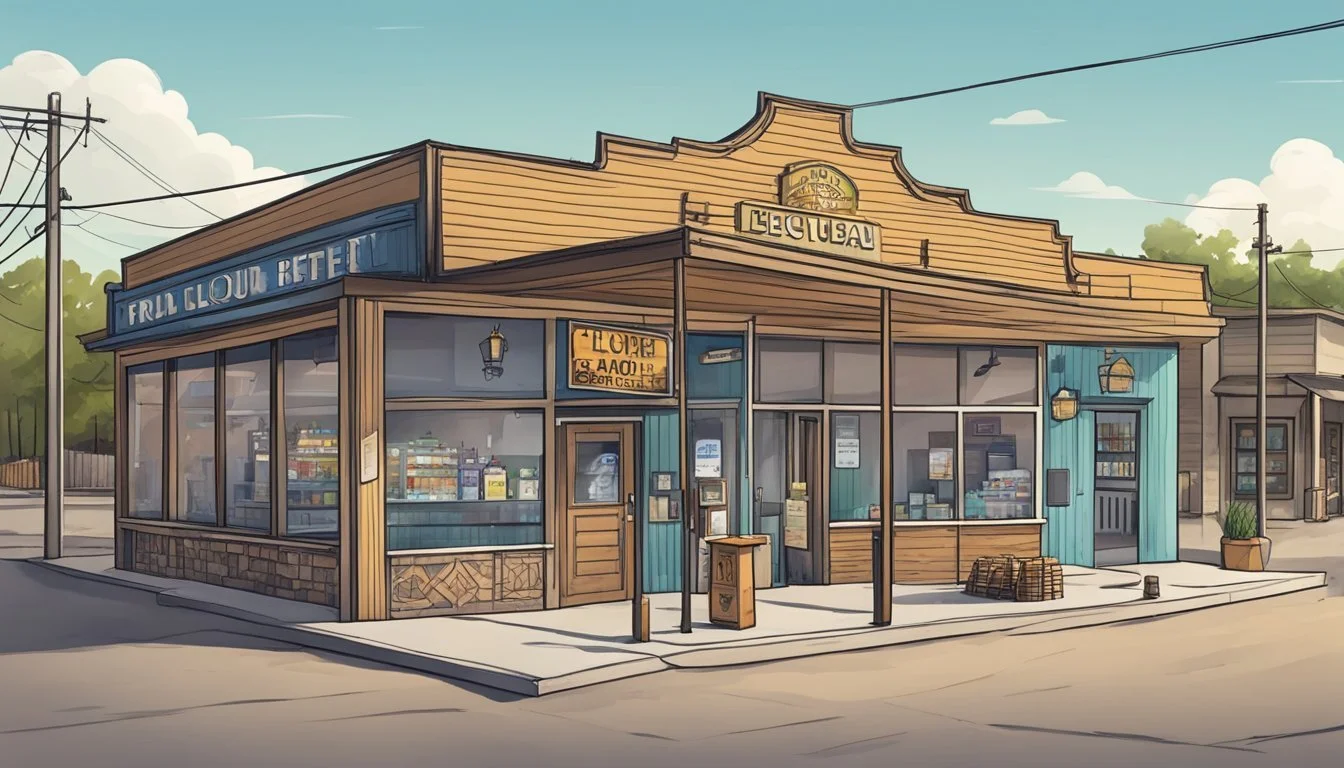
Frio County falls under the jurisdiction of Texas state laws, which regulate the sale and distribution of alcohol. Local businesses are affected by these laws, which can determine operating hours, licensing requirements, and types of alcohol that can be sold.
Alcohol Sales in Retail and Hospitality Industries
Retail sales of alcohol in Frio County adhere to Texas Alcoholic Beverage Commission (TABC) regulations. Retailers such as liquor stores and grocery markets are permitted to sell beer and wine. Liquor sales are restricted to licensed liquor stores. Restaurants and hotel bars with proper licensing can serve alcohol to patrons, though they must observe specific serving hours set by the state. For instance, on Sundays, alcohol can only be sold after noon.
Hospitality businesses like bars and restaurants face implications for non-compliance with these regulations, including fines and potential loss of license. Compliance with the law ensures smooth operations, particularly for those serving alcohol, as they contribute significantly to the local economy through tourism and local patronage.
Regulations Affecting Retailers and Gas Stations
Retailers and gas stations must comply with the administrative hearing process for any violations cited by TABC. Gas stations, which may also sell beer and wine, must ensure they purchase alcohol for retail sales in accordance with state cash/credit laws. Recent legislative changes consolidated licenses and permits, altered the fee structure, and initiated the Alcohol Industry Management System (AIMS), providing a streamlined approach for compliance but requiring businesses to adapt to new procedures.
Furthermore, the local option elections have a direct impact on the ability of businesses to sell alcohol at all, demonstrating the influence of community decisions on local commerce. Businesses must stay informed on local ordinances and participate in county-level decisions to maintain their operations aligned with the community's stance on alcohol sales.
Consumer Information

In Frio County, Texas, consumers are subject to specific regulations regarding the purchase and consumption of alcoholic beverages. These are put in place to ensure public safety and health.
Buying Alcohol in Frio County
In Frio County, the purchase of alcoholic beverages is subject to the regulations enforced by the Texas Alcoholic Beverage Commission (TABC). For instance:
Packaged Liquor: Sales are not permissible on Sunday. From Monday to Saturday, consumers can buy packaged liquor between the hours of 10:00 a.m. and 9:00 p.m.
Packaged Beer and Wine:
Sunday: Noon to midnight
Monday to Friday: 7:00 a.m. to midnight
Saturday: 7:00 a.m. to 1:00 a.m.
It's important for consumers to note that these time restrictions are in place for the sale of packaged alcohol and must be adhered to.
Consumption and Open Container Laws
Regarding alcohol consumption and open containers, Texas laws are designed to prevent alcohol-related accidents and maintain public order. The key points include:
Public Consumption: Drinking alcohol in public places outside of licensed premises is generally prohibited.
Open Container: It is illegal to have an open container of alcohol in the passenger area of a vehicle, regardless of whether the vehicle is moving or parked.
These laws are indicative of a statewide effort to manage the potential risks associated with alcohol consumption. Compliance not only aligns with the legal framework but also promotes community welfare.
Legislation and Community Opinion
In Frio County, Texas, recent legislative actions reflect changing state laws on alcohol, while community opinion tends to vary based on these legal shifts. The local attitudes towards alcohol laws often mirror the balance between regulatory control and individual freedoms.
Recent Legal Changes and Bills
A significant bill that has been enacted is Senate Bill 60. Effective since September 1, 2023, this legislation allows Texas distilleries to engage in new operational activities. Specifically, permit holders within the county now have the opportunity to use the premises of other Texas distilleries for certain purposes. The implications for local businesses in Frio County are substantial, with the potential to affect both retail and the hospitality sector.
Texas Alcoholic Beverage Code updates often include changes to the hours of alcohol sales and service, which impact Frio County establishments. For example, recent state regulations allow alcohol sale for on-premises consumption from 7 a.m. to midnight on weekdays, extending to 1 a.m. on Saturdays, and from noon to midnight on Sundays. Off-premise retailers with beer and wine permits follow suit.
Community Attitudes Toward Alcohol Laws
The community’s response to these laws is as diverse as Frio County itself. There are residents who champion the economic growth potential that comes with relaxed regulations, emphasizing the benefits to local businesses. These proponents highlight the importance of adapting to contemporary social norms and consumer demands.
Conversely, there are factions within the county that advocate for maintaining strict alcohol legislation. Concerns are often raised regarding public health and safety, pointing to stringent enforcement of DUI laws and the necessity of robust age verification processes. The community's collective opinion plays a pivotal role in influencing local enforcement and application of state laws within the county.
Historical Context
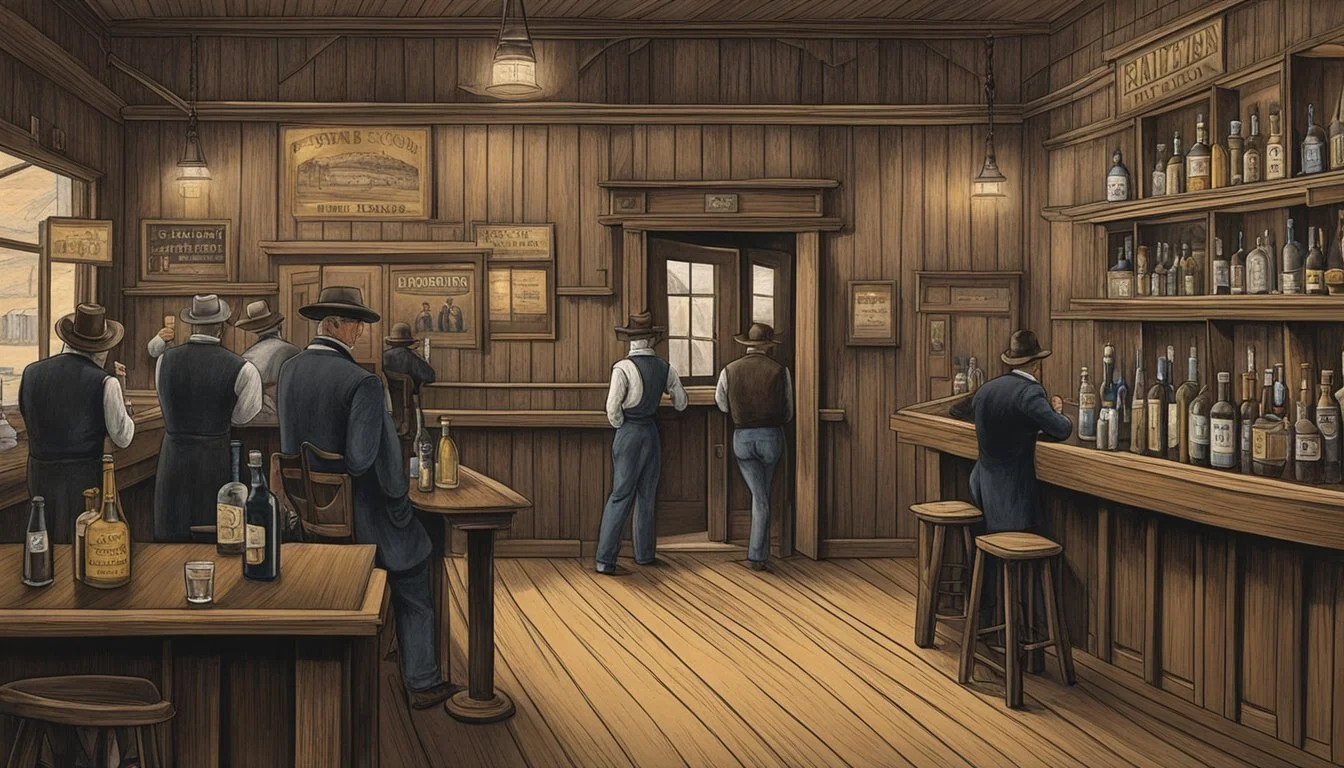
In exploring the historical context of alcohol and drinking laws, one must recognize Texas's unique evolution in its approach to regulation.
Evolution of Alcohol Regulations in Texas
Texas has a complex history with alcohol regulation, marked by shifts in public attitude and legislation. In the 19th century, Texas experienced a strong prohibition movement, sparked by concerns about the negative impacts of alcohol on society. As a response to these concerns, the Texas Constitution afforded counties the ability to exercise local control through the county-option or local option method. This gave Frio County, along with others, the autonomy to decide on the prohibition or allowance of alcoholic beverages within their borders.
Throughout the 1800s and into the early 1900s, Texas saw a tapestry of laws that reflected the times' changing social norms. Texas took a significant step in organizing its position on alcohol regulation when it authorized a commission to codify existing laws in 1854. The resulting Penal Code and Code of Criminal Procedure were completed in 1856, followed by the civil statutes in 1879. Further revisions occurred in 1895 and 1911, establishing a robust legal framework concerning alcohol.
The statutes underwent a major reorganization in 1925, which has since provided the foundation for the current Alcoholic Beverage Code. This code governs the sale, distribution, and consumption of alcohol in Texas today, although regulations have continued to evolve, reflecting the changing attitudes toward alcohol in Frio County and the state at large.
Comparative Analysis
In examining the alcohol and drinking laws of Frio County, Texas, a detailed comparison with other Texan counties reveals the diversity of regulations influencing residents' lives.
Frio County vs Other Texan Counties
Frio County, like many other counties in Texas, adheres to state-level alcohol laws but exhibits local variations that impact the availability and consumption of alcohol. Texas counties fall into various categories ranging from "wet" to "completely dry," with "wet" counties allowing the sale of alcohol with fewer restrictions, and "dry" counties imposing significant limitations.
County Alcohol Sale Status Notable Regulations
Frio Mixed Alcohol sales permitted in certain areas with restrictions.
Ector Mixed Similar mixed status, with certain areas allowing sales.
Bexar Wet Alcohol widely available, includes San Antonio.
Brazos Mixed Home to Texas A&M, combines both wet and dry areas.
Donley Dry Alcohol sales largely prohibited.
La Salle Wet Relaxed restrictions, reflecting local voting outcomes.
Zavala Mixed Contains areas both permitting and restricting sales.
Aransas Wet Tourist-driven county with liberal alcohol laws.
In jurisdictions like Brewster, Brooks, and Burnet, alcohol laws vary, frequently influenced by local ordinances and elections. Burnet, for example, operates as a wet county, but specific restrictions can apply to certain types of alcohol or sales on specific days. Brooks County, while predominantly dry, has areas with permissive attitudes toward alcohol sales.
Counties such as Cameron and Collingsworth encompass cities like Brownsville and Wellington, respectively, each with unique approaches to the sale and consumption of alcohol. In Cameron County, alcohol sales are widely permitted, whereas Collingsworth maintains stricter rules.
Childress, Clay, and Crosby counties also have their own regulations. Childress is mostly dry, prohibiting off-premise sales, while Clay and Crosby offer a blend of wet and dry areas, reflecting the results of local option elections.
Throughout the state, counties like Colorado, Comal, Cottle, and others, exhibit a patchwork of alcohol-related laws. These range from permissive environments in Comal County, known for its tourism and festivals, to more conservative stances in counties like Cottle.
In summary, while Frio County's mixed status is reflected in its partial permission for alcohol sales, each Texan county presents a different regulatory landscape based on a combination of state laws and local choice, directly impacting the daily lives and choices of its inhabitants.
Additional Resources

For those seeking comprehensive details on alcohol and drinking laws in Frio County, Texas, numerous resources provide authoritative and current information.
Where to Find More Information
Texas Alcoholic Beverage Commission (TABC) Website: The primary resource for information regarding alcohol regulations in the state is the TABC official site. This site includes detailed guidance on licensing, enforcement, and educational materials. Individuals and businesses can access digital materials or request printed information through TABC's educational portal.
TABC Legislative Updates: For the latest changes in the Texas Alcoholic Beverage Code, the TABC's Legislative Updates section is invaluable.
FAQs: A section dedicated to frequently asked questions can be found on the TABC website, providing quick answers to common inquiries.
Local Government Resources: Frio County may have specific resources for its residents, such as county clerk's office or a dedicated webpage on the county website, that offer localized information on the implementation of state alcohol laws within the county.
Office of the County Clerk: Contacting the County Clerk's office can provide guidance on county-specific restrictions and procedures.
Educational Materials and Resources: The TABC also provides a variety of educational materials aimed toward retailers, law enforcement, and community members.
Alcohol Education Resources: These are designed to inform about responsible alcohol management and can be accessed or ordered through TABC's prevention site.
Legal Aids and Advocacy Groups: Legal aid organizations in Texas may offer further insight into alcohol laws, especially concerning legal proceedings and individual rights.
Law Library: Checking with a local law library can lead to comprehensive legal texts on Texas alcohol regulations and case law.