Alcohol and Drinking Laws in Gray County, Texas
A Comprehensive Guide

Alcohol laws in Gray County, Texas, reflect a unique blend of state legislation and local preferences, illustrating the diversity of alcohol regulation within the state. Texas has a standardized set of alcohol laws governed by the Texas Alcoholic Beverage Code; however, individual cities and counties like Gray County can further tailor these laws through local option elections. These elections determine the specific kinds of alcoholic beverage sales permitted within local jurisdictions, which can lead to variations in alcohol-related regulations from one area to another within the state.
In Gray County, for instance, regulations concerning the sale of alcoholic beverages have distinct stipulations. The sale of packaged liquor is allowed from 10:00 a.m. to 9:00 p.m., Monday through Saturday, but is prohibited on Sundays. In contrast, the sale of packaged beer and wine in Gray County is more permissive, with sales permitted from noon until midnight on Sundays and from early morning hours until midnight or 1:00 a.m. during the rest of the week. These hours and restrictions aim to balance the availability of alcoholic beverages with community standards and public safety considerations.
Navigating the intricacies of these regulations requires an understanding of both the broader Texas Alcohol Beverage Code and the specific outcomes of local option elections that shape Gray County's approach to alcohol sales. Retailers and consumers alike must be cognizant of the various time and day restrictions in place to ensure compliance with local laws, which are enforced to maintain order and uphold the chosen standards of the local population.
Historical Context of Alcohol Legislation in Gray County

Gray County's approach to regulating the sale and consumption of alcohol mirrors a broader historical trend in Texas, showcasing a patchwork of dry laws influenced by the Prohibition era. Local statutes have evolved in line with both state mandates and national amendments, reflecting the county's response to changing attitudes toward alcohol control.
Origins of Texas Alcohol Laws
In the late 19th century, Texas began to establish local control over alcohol sales. By allowing counties to enact their own bans, a system developed whereby counties like Gray could determine their own approach to alcohol regulation independent of neighboring jurisdictions. Texas alcohol laws, governed by the Texas Alcoholic Beverage Code, empower the Texas Alcoholic Beverage Commission to oversee the implementation and enforcement of these laws, which now encompass a comprehensive framework for regulating all facets of the alcohol industry.
Influence of Prohibition Era
The Prohibition era had a significant impact on Gray County, as it did across the United States. With the Volstead Act in 1920, nationwide prohibition was enforced, catalyzing a slew of local laws to comply with the 18th Amendment. Texas was no exception, and Gray County operated under this national mandate until Prohibition's repeal in 1933 by the 21st Amendment. Even after the repeal, Gray County and other Texas counties continued to exercise their right to regulate alcohol locally, leading to the presence of 'blue laws'—regulations prohibiting the sale of alcohol on Sundays and other specific regulations concerning its sale.
Understanding Gray County's Legal Framework
The legal intricacies governing alcohol sales in Gray County are subject to Texas state law and local ordinances. These stipulations are crucial for residents, businesses, and visitors to adhere to.
Alcohol Sales Regulations
In Gray County, the sale of packaged liquor is restricted; it is prohibited on Sundays. Throughout the week, packaged liquor sales are permitted as follows:
Monday through Saturday: 10:00 a.m. to 9:00 p.m.
For packaged beer and wine, sales hours extend:
Sunday: Noon to midnight
Monday through Friday: 7:00 a.m. to midnight
Saturday: 7:00 a.m. to 1:00 a.m.
Licensing and Permits System
Any business intending to sell alcohol in Gray County must obtain a license or permit from the Texas Alcoholic Beverage Commission (TABC). Retailers, like grocery and convenience stores, must secure a permit depending on their specific operations, be it retail sales for off-premises consumption or for serving on-premises.
Publicly traded corporations, including entities like Walmart, must also comply with these requirements to sell alcohol in any county within Texas.
Dry Counties and Wet Laws
Gray County's alcohol laws reflect a mix of "wet" and "dry" stipulations. A local vote can determine the status of alcohol sales, allowing for the possibility of a transition from dry to wet or vice versa. Dry counties are those where the sale of alcohol is outlawed entirely, while wet laws permit some form of sales. Retail dealers located in Gray County must follow these guidelines closely to operate within the parameters of the law.
Operational Hours and Restrictions
In Gray County, Texas, the sale of alcoholic beverages follows specific time frames and varies by the type of establishment and day of the week.
General Sales Times
For packaged liquor sales:
Monday through Saturday: 10:00 a.m. to 9:00 p.m.
In contrast, packaged beer and wine can be purchased during broader hours:
Monday through Friday: 7:00 a.m. to midnight
Saturday: 7:00 a.m. to 1:00 a.m.
Restaurants and bars mirror these operational hours for on-premises consumption of alcoholic beverages.
Sunday and Holiday Specifics
Sundays see a tighter regulation for alcoholic beverage sales. Packaged liquor cannot be sold on Sundays. However, beer and wine sales at stores are permitted:
Between noon and midnight
For on-premises consumption in venues like restaurants and hotel bars, alcohol can be sold:
From 12:00 a.m. to 1:00 a.m. and 10:00 a.m. to midnight
Significant holidays such as New Year's Day, Thanksgiving Day, and Christmas Day may affect these operational hours, subject to the discretion of the establishment or additional county regulations.
Penalties for Alcohol Law Violations

In Gray County, Texas, alcohol law violations are subject to strict penalties, varying from fines to incarceration. The enforcement of these laws is intended to maintain public safety and responsible consumption.
General Offenses and Fines
Violations related to alcohol laws can range from minor infractions to serious misdemeanors or felonies, with penalties reflecting the offense's severity. General offenses typically involve the unlawful sale, transportation, or consumption of alcohol. An adult who commits such violations may face:
Class A Misdemeanor: Punishable by a fine of up to $4,000, confinement in jail for up to one year, or both.
Class B Misdemeanor: Punishable by a fine not exceeding $2,000, jail confinement for up to 180 days, or both.
Class C Misdemeanor: Often results in a fine up to $500 and may include community service or an alcohol education program.
Violations by Minors and Providers
Specific penalties are in place for minors who violate alcohol laws, such as possession, consumption, and purchase:
Underage Drinking: Considered a Class C Misdemeanor, punishable by a fine of up to $500, mandatory alcohol awareness courses, community service, and license suspension.
Public Intoxication by a Minor: This offense may result in a fine, community service, and mandatory attendance in alcohol awareness courses.
For providers, such as an adult parent, spouse, or guardian, making alcohol available to a minor is a serious offense, categorized as a Class A misdemeanor with the following repercussions:
A fine up to $4,000.
Confinement in jail for up to one year.
Both fine and confinement.
Mandatory 180-day driver's license suspension upon conviction.
Retailer and Consumer Guidelines
In Gray County, Texas, guidelines for alcohol sales and consumption are established to regulate retailers and ensure public safety. These rules apply to various entities such as liquor stores, grocery stores, gas stations, and brewpubs.
Operational Standards for Vendors
Retailers in Gray County, including liquor stores, grocery stores, and gas stations, must adhere to specific operational standards set by the Texas Alcoholic Beverage Commission (TABC). A crucial requirement for these establishments is obtaining the appropriate permits, such as:
Package Store Permit: Necessary for businesses selling liquor for off-premise consumption.
Off-Premise Permit: Allows for the sale of malt beverages and wine in sealed containers for consumption off the premises.
Private Club Permit: Required for clubs to sell alcoholic beverages to members.
Retailers must also maintain a distance of at least 300 feet from schools and churches, as mandated by Texas law. The TABC enforces these regulations to mitigate the risk associated with the proximity of alcohol sales to sensitive areas. Compliance with the TABC’s code is essential for the legal operation of these entities in Gray County.
Purchasing and Consumption Laws
Consumers must follow state laws governing the purchasing and consumption of alcoholic beverages. Key laws include:
Legal Drinking Age: Individuals must be 21 years of age or older to legally consume alcohol.
Sales Hours: Depending on the permit, alcohol sales are permitted during specific hours. For most retailers, sales are allowed Monday through Saturday, from 7 AM to midnight. On Sundays, the sale of beer and wine can start at noon and go until midnight.
County-Specific Dry Laws: While Gray County is not entirely dry, restrictions may still apply in certain areas, prohibiting the sale of certain types of alcoholic beverages.
Understanding these guidelines is essential for both retailers and consumers to navigate Gray County's legal landscape regarding alcohol sales and consumption, ensuring responsible retailing and patronage within the community.
Special Circumstances and Exceptions

Gray County, Texas imposes specific regulations on alcohol sales, with particular local ordinances and provisions for alcohol delivery that are exceptions to the state's general alcohol laws.
Unique Local Ordinances
In Gray County, the sale of packaged liquor is restricted on Sundays, and such sales are entirely prohibited in unincorporated areas. Throughout the rest of the week, the hours are limited to 10:00 a.m. to 9:00 p.m. from Monday to Saturday. However, packaged beer and wine enjoy a broader selling window, extending from noon to midnight on Sundays, and from 7:00 a.m. to midnight from Monday to Friday. On Saturdays, these beverages may be sold from 7:00 a.m. to 1:00 a.m. the following morning.
Exceptions do exist within the county that may permit varying hours or offerings in specific situations, such as for registered guests at certain establishments.
Alcohol-to-Go and Delivery
Texas has recently allowed alcohol-to-go and delivery services under specific circumstances. Establishments in Gray County must comply with these new regulations, which permit the sale of mixed beverages with food orders to be delivered to consumers' homes. It is important for both providers and consumers to be aware that alcohol-to-go and delivery options are subject to the same time restrictions as traditional sales. The delivery of alcoholic beverages must be carried out by individuals who are employees of the licensee and have completed the required training.
Resources and Legal Support
In Gray County, Texas, individuals and businesses seeking clarity on state law pertaining to alcohol consumption, sales, and regulations have access to a range of resources and legal support. These resources are crucial for navigating the industry's rules and for legal representation in the event of violations or lawsuits.

Seeking Guidance and Representation
For individuals or businesses in Gray County needing legal guidance or representation regarding alcohol laws, there are several avenues. Local attorneys specializing in Texas Alcoholic Beverage Code can provide legal advice and representation in court. These legal professionals assist in understanding complex regulations, including alcohol by volume limits and licensing requirements. Additionally, they offer support in lawsuits pertaining to the alcohol industry, ensuring that clients are well-informed and defended according to state law.
Texas Alcoholic Beverage Commission (TABC) Resources
The Texas Alcoholic Beverage Commission (TABC) is the primary state agency that regulates all phases of the alcoholic beverage industry in Texas. Their resources are designed to help individual and businesses comply with state law:
Information and Updates: The latest legislative updates to the Texas Alcoholic Beverage Code.
Education Materials: Various print materials and video series such as the TARGET Responsibility for Alcohol-Connected Emergencies (TRACE) program.
Violations: Information on administrative hearings and standard penalties for violations.
Cash/Credit Law: Guidance on state law requirements for purchasing alcohol for retail sales.
Businesses and individuals seeking to understand or engage with the alcohol industry in Gray County can utilize these resources to ensure compliance with Texas regulations.
Societal Impacts and Responsibility
In Gray County, Texas, community well-being and public safety are influenced significantly by alcohol education programs and the accountability held by social hosts. These efforts aim to manage the delicate balance between individual freedom and societal responsibility.
Alcohol Education and Awareness
In Gray County, alcohol education initiatives seek to inform residents of the legal and health implications of drinking. These programs, often mandated or promoted by Texas law, serve to familiarize residents, especially minors, with the state's alcohol policies. Texas Alcohol Laws stipulate a minimum legal drinking age of 21, and violations of this law can result in penalties for both consumers and providers. Education efforts are imperative in transmitting the knowledge needed for responsible drinking behaviors and ensuring that Texans understand the consequences of alcohol misuse.
Hosting and Social Accountability
Social hosts in Gray County are subject to laws that emphasize their responsibility when serving alcohol. Texas enforces laws which can hold hosts accountable for serving minors or allowing guests to leave their premises while intoxicated. Violations can result in serious repercussions, including fines or legal action. It’s important that those hosting gatherings where alcohol is present exercise due diligence to prevent any alcohol-related incidents. The practice of responsible hosting reflects a commitment to safeguarding the community and respecting Texas alcohol laws.
Future of Alcohol Laws in Gray County
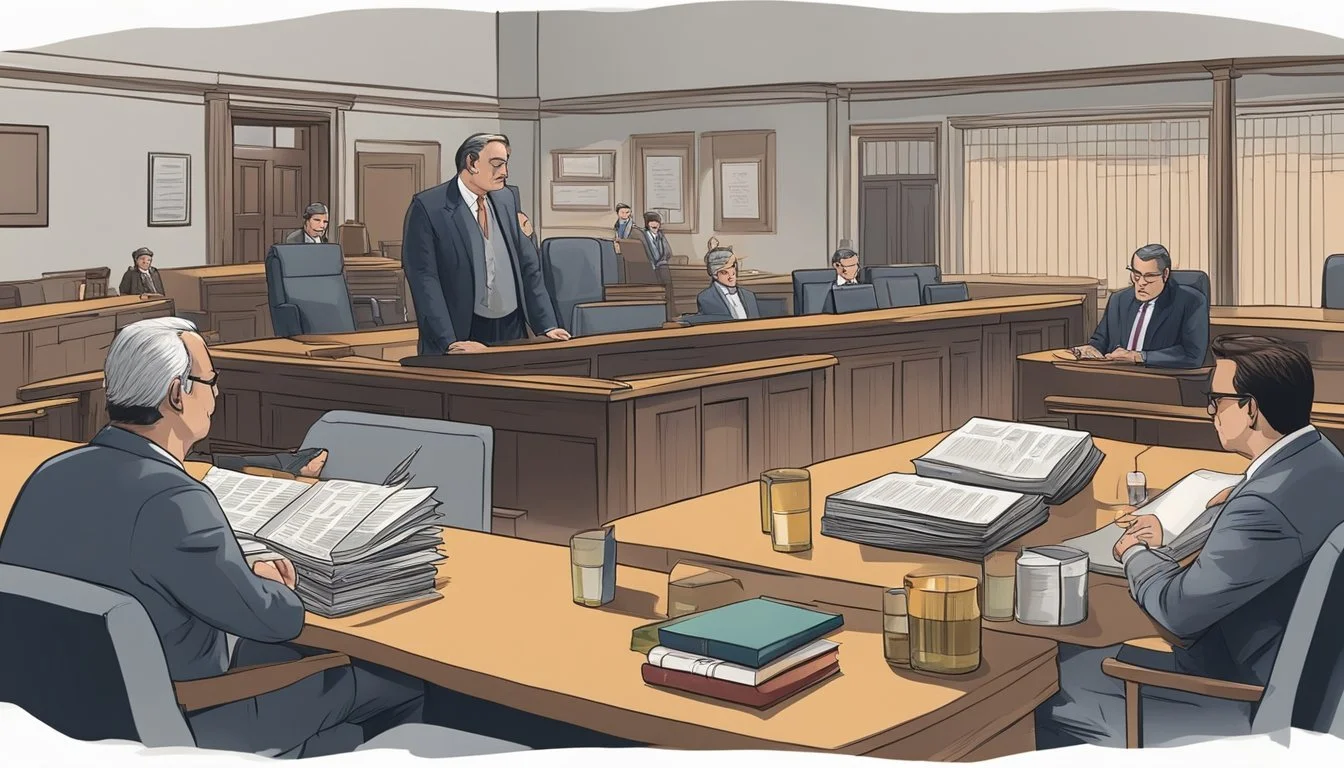
In Gray County, Texas, legislation and local votes continue to shape the regulatory landscape of alcohol sales. This reflects a broader state trend where community perspectives play a significant role in determining alcohol-related policies.
Recent Amendments and Trends
Texas has seen a wave of recent legislative changes affecting alcohol laws, coming on the heels of shifts in public opinion and industry pressures. Gray County itself abides by the Texas Alcoholic Beverage Code, which sets forth restrictions on alcohol sales times and types. While there have been updates to allow for extended hours in some regions, Gray County maintains a prohibition on packaged liquor sales on Sunday, with sales ending at 9 p.m. from Monday to Saturday.
With the state's embracement of incremental adjustments rather than sweeping overhauls, Gray County may see gradual changes rather than immediate, drastic shifts. Keeping a close eye on legislative sessions, residents might anticipate alterations to existing regulations that can introduce moderated flexibility in alcohol laws. This could include adjustments to sales hours or expansion of sales permissions, reflective of the broader Texas trend toward liberalization of alcohol laws.
Community Influence and Future Votes
Community input plays a pivotal role in shaping the future of alcohol legislation in Gray County. Neighboring counties like Roberts County and Hemphill County, each with their own set of rules regarding alcohol sales, may influence local sentiment and potentially prompt future votes in Gray County. Given that alcohol laws can be modified at the county level in Texas, local referendums are a critical component of legislative evolution.
Key issues to watch for in the community dialogue include:
Innovation in licensing that meets the desires of local businesses while addressing community concerns.
Trends in voting patterns, which might indicate a shift towards more or less restrictive alcohol policies.
Community engagement is essential for any legislative transformation. As such, future votes and continuous updates to the alcohol legislation in Gray County will depend heavily on the prevailing attitudes of its constituents. This makes the outcome of any proposed changes inherently challenging to predict, but it also empowers the community to have a direct impact on the laws that govern them.