A Comprehensive Guide

In Hays County, Texas, as in many regions across the United States, alcohol consumption and sales are governed by both state and local legislation. These laws establish when and where alcoholic beverages can be sold and who may purchase them. Understanding these regulations is essential for businesses that sell alcohol and for individuals who wish to consume alcoholic beverages within the county.
Hays County adheres to Texas state laws that dictate specific days when the sale of packaged liquor is not allowed. These days include New Year’s Day, Thanksgiving Day, Christmas Day, and the day after Christmas if it falls on a Monday. Local establishments, such as bars and restaurants, must also comply with established hours of operation during which the sale of beer, wine, and liquor is permitted.
Beyond these state-mandated regulations, the Alcoholic Beverage Code allows for local option elections in Texas. This means that voters in Hays County have the power to influence alcohol laws at an even more granular level—determining the types of alcoholic beverages that may be sold and the manner in which they are sold. Consequently, the landscape of alcohol regulation in Hays County can be characterized as a melding of state legislation and community preference, tailored to meet local standards and sensibilities.
Overview of Hays County Alcohol Laws
In Hays County, Texas, alcohol sales are regulated by both state law and local county ordinances. The Texas Alcoholic Beverage Commission (TABC), established under the Texas Alcoholic Beverage Code, oversees the implementation of these laws.
Packaged Liquor Sales:
Monday to Saturday: 10:00 a.m. to 9:00 p.m.
Sunday: No sales
Packaged Beer and Wine Sales:
Monday to Friday: 7:00 a.m. to midnight
Saturday: 7:00 a.m. to 1:00 a.m.
Sunday: Noon to midnight
Consumption Age:
Legal drinking age: 21 years
Exception: Under adult supervision, minors can consume alcohol at home
The enforcement and interpretation of these laws in Hays County adhere to state regulations, aiming to maintain community welfare. Licenses for the sale of alcoholic beverages must be obtained through the TABC, and businesses are required to follow the guidelines for both routine operations and temporary events.
Furthermore, the TABC provides resources and guidance for individuals and businesses to ensure legal compliance. Any changes to the regulations are tracked through the Secretary of State's website, where the most current version of administrative rules is maintained.
It is important for residents and visitors in Hays County to note these timings and regulations to comply with Texas law.
Legal Drinking Age and Minors
In Hays County, Texas, the legal drinking age is 21; however, challenges persist with underage drinking, its consequences, and the role of adults in prevention and supervision.
Prevention of Underage Drinking
Texas law enforces a Zero Tolerance policy which prohibits minors from driving with any detectable amount of alcohol in their system. This policy reflects efforts to deter underage drinking by imposing strict ramifications for minors who consume alcohol and then operate a motor vehicle or watercraft.
Consequences for Underage Consumption
A minor who is found to have purchased or consumed alcohol faces legal repercussions. The consequences include:
A Class C misdemeanor for a first offense, involving a fine up to $500.
Additional penalties such as community service, mandatory alcohol awareness classes, and in some instances, suspension of the minor's driver's license.
Responsibilities of Parents and Guardians
In Texas, while parents and guardians can legally provide alcohol to their own children under certain circumstances, they possess a critical role in supervising this privilege. The law delineates:
Supervision by parents is required for a minor to legally consume alcohol in a private setting.
It is illegal for parents to knowingly allow a minor who is not their own child to consume alcohol on their property.
These regulations intend to place responsibility on adults to safeguard minors against the risks associated with underage drinking.
Sales of Alcoholic Beverages
In Hays County, Texas, the sales of alcoholic beverages are governed by stringent regulations that dictate the times of sales for different types of establishments as well as the specific licensing required.
Regulations on Sales Times
Liquor Stores: Sales of liquor are not permitted on Sunday. During the rest of the week, these stores must adhere to state law, which typically restricts the sale of packaged liquor.
Gas Stations and Grocery Stores: These establishments may sell beer and wine, according to state regulations, but sales times may vary.
Sunday Sales: For all sellers, sales of beer and wine are permitted starting from noon.
Specific Rules for Bars and Restaurants
Bars and restaurants in Hays County are subject to the general state laws and local ordinances:
Mixed Beverage Permit Holders: Establishments with this permit can extend their alcohol sales until 2 a.m., as has been recently voted on by Hays County Commissioners.
Consumption Cut-off Time: The consumption of alcoholic beverages must also cease according to the stipulated sales cut-off time.
Licensing for Stores and Establishments
Licensing is crucial for the sale of alcoholic beverages:
Beer and Wine Permit: Required for grocery stores and gas stations to sell these specific types of alcohol.
Package Store Permit: A necessity for liquor stores, this permit regulates the sale of packaged liquor at the retail level.
Special Licensing: Bars and restaurants need special licensing to allow for the on-premises consumption of alcohol.
The laws ensure that alcohol sales are conducted responsibly and within the specific time frames established by state and local guidelines.
Operating Vehicles and Public Intoxication

In Hays County, Texas, the operation of motor vehicles under the influence and public intoxication are serious offenses with specific laws governing them. These legal regulations aim to maintain public safety and reduce alcohol-related incidents.
Open Container Laws
In Hays County, it is illegal to possess an open container of alcohol in the passenger area of a motor vehicle on a public highway. Violation of open container laws results in a fine but is not a jailable offense. However, an open container can lead to more severe charges if the driver is also under the influence.
Type of Violation: Class C Misdemeanor
Fine: Up to $500
Driving Under the Influence Regulations
Driving while intoxicated (DWI) in Texas is taken very seriously. This occurs when an individual operates a motor vehicle in a public place while having a blood alcohol concentration (BAC) of 0.08 percent or higher. The severity of DWI penalties can increase depending on factors such as BAC levels, prior convictions, and whether a minor was present in the vehicle.
Penalties for DWI may include:
First Offense: A fine up to $2,000, jail time between 3 days and 180 days, loss of driver's license up to a year, and an annual fee of $1,000 or $2,000 for three years to retain driver's license.
Second Offense: A fine up to $4,000, jail time between 1 and 12 months, loss of driver's license up to two years, and an annual fee of $1,000, $1,500 or $2,000 for three years to retain driver's license.
Third Offense: A $10,000 fine, 2 to 10 years in prison, loss of driver's license up to two years, and an annual fee of $1,000, $1,500, or $2,000 for three years to retain driver's license.
Driving under the influence with a child passenger can lead to a felony charge.
Public Intoxication Offenses
Public intoxication is defined by Texas law as appearing in a public place while intoxicated to a degree that one may endanger oneself or others. Being charged with public intoxication generally results in a Class C misdemeanor.
Penalties for public intoxication:
Fine: Up to $500
General Offense: Class C Misdemeanor
A conviction for public intoxication might have broader implications, including its potential impact on employment, professional licenses, and educational opportunities.
Alcohol Consumption on Specific Days and Holidays

Hays County, Texas adheres to state regulations that govern the sale and consumption of alcohol. These rules can often vary during specific days of the week and on recognized holidays.
Sunday Alcohol Sales Limitations
In Hays County, the sale of alcohol on Sundays is subject to particular restrictions. While beer and wine can be sold from noon to midnight, the purchase of liquor is prohibited. Establishments with a permit for off-premise beer/wine sales can start selling as early as 10 a.m., but only in conjunction with the service of food.
Alcohol Availability During Holidays
During major holidays, alcohol sales may be subject to additional regulations. Typically, these holidays do not affect beer and wine sales in grocery stores, which conform to standard daily hours. However, on specific holidays such as Thanksgiving, Christmas, or New Year’s Day, liquor stores may be required to close. Moreover, on Fridays and Saturdays, these hours can be extended. Sales must cease by 1 a.m. on Saturday mornings, providing an extended window the night before.
Local Variations Within Hays County
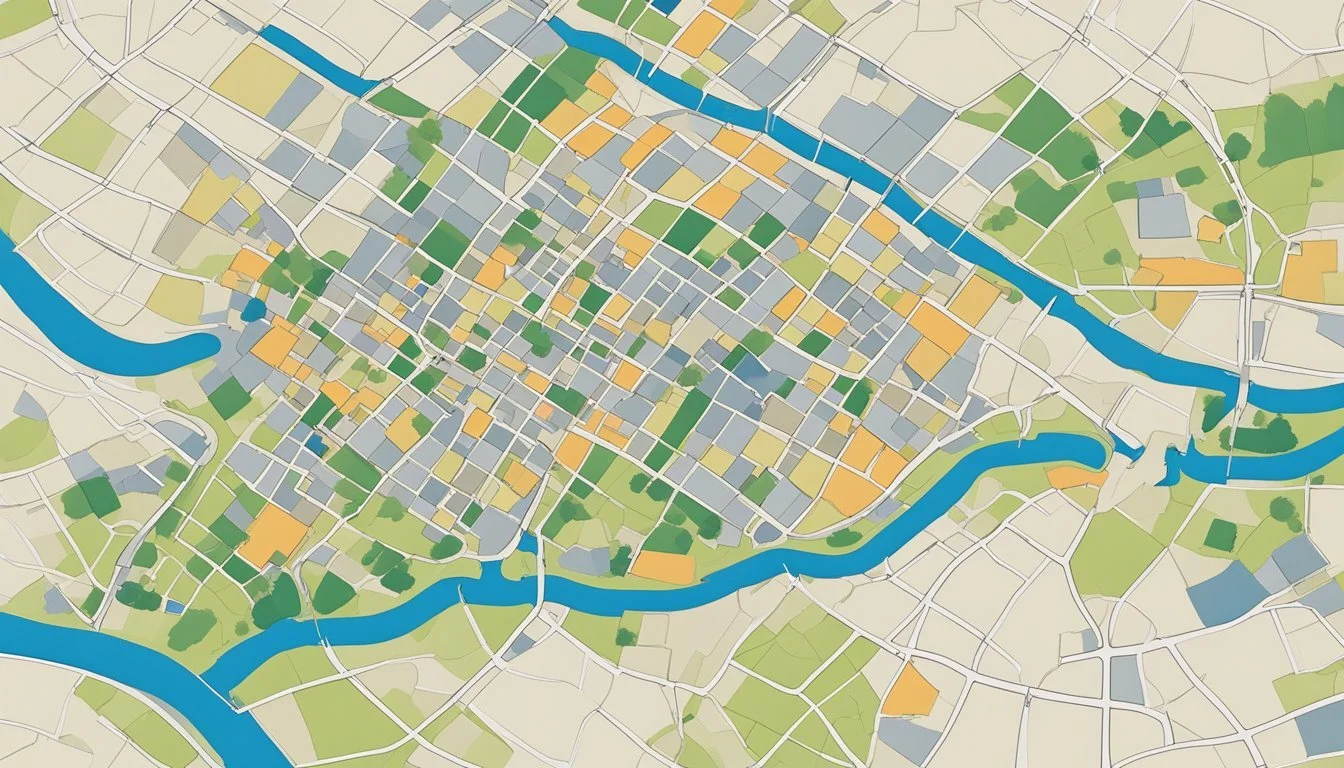
In Hays County, Texas, regulations on alcohol sales can differ significantly between jurisdictions due to a combination of state law and local choices through elections.
Differences in City and County Regulations
Local regulations within Hays County vary by city, illustrating that within the same county, one may experience different laws pertaining to alcohol sales. For example:
San Marcos: Allows alcohol sales, with potential limitations on hours and days.
Wimberley: Permitted to have alcohol sales, subject to local rules.
Each city may enact regulations that align with the preferences of its residents, demonstrating a range of permissible sales activities under Texas state law.
Wet and Dry Areas
The distinction between 'wet' and 'dry' areas within Hays County further complicates the landscape of alcohol sales regulations:
Wet Counties: Areas where the sale of alcoholic beverages is generally allowed. Parts of Hays County are considered 'wet,' however, restrictions based on beverage type (beer, wine, or spirits) may exist.
Dry Counties: Areas that prohibit the sale of some or all types of alcoholic beverages. While Hays County is not entirely 'dry,' specific precincts or cities may have stricter regulations.
Local-option elections enable residents within Hays County's cities or even individual justice of the peace precincts to influence whether an area is 'wet' or 'dry.' This results in a patchwork of regulations that can differ from one neighboring area to another.
Penalties and Enforcement
In Hays County, Texas, the consequences for violating alcohol laws are precisely defined and rigorously enforced. Individuals and businesses may face stringent penalties ranging from fines to license suspensions.
Fines and Legal Consequences
Violations of the Texas Alcoholic Beverage Code may result in substantial fines and legal repercussions. For a first offense DWI (Driving While Intoxicated), individuals can face a fine up to $2,000, up to 180 days in jail upon conviction, and a minimum jail term of three days. Underage drinking can attract a fine ranging from $250 to $2,000, a jail term of up to 180 days, or both, along with a suspension of their driver's license, particularly by the time it's a third offense. It is also notable that serving alcohol outside the permitted hours is a violation that could lead to penalties for businesses.
Class C misdemeanor: Often the classification for alcohol-related offenses, which includes specific penalties.
Third offense: Increased severity of punishment, including higher fines and potential jail time.
Enforcement by Texas Alcoholic Beverage Commission
The Texas Alcoholic Beverage Commission (TABC) enforces the Texas Alcoholic Beverage Code. They utilize a penalty chart to issue sanctions to businesses that commit violations. The commission's agents and auditors are responsible for identifying infractions and implementing enforcement actions. Enforcement can include:
Issuing fines
Suspending or revoking alcohol licenses
Inspections and audits
The TABC maintains its rules, policies, and up-to-date penalty charts for reference, ensuring transparent understanding of the consequences for violating the governing laws.
Responsible Hosting and BYOB Policies

When hosting private events or partaking in BYOB practices, it's crucial for hosts and participants in Hays County to understand the local Texas alcohol regulations to ensure a safe and lawful gathering.
Rules for Private Events
Hosts in Hays County need to be aware of their responsibilities when serving alcohol at private events. Texas law stipulates that when alcohol is provided at a private event, the host is not typically required to hold a permit. However, hosts must ensure that:
All alcohol consumed is lawful and guests of legal drinking age participate.
They do not serve alcohol to minors under any circumstances.
They understand that they could be liable for damages or harm caused by intoxicated guests who leave their premises.
Hosts are encouraged to familiarize themselves with Texas Alcoholic Beverage Code to avoid potential legal issues arising from their event.
BYOB Practices in Hays County
BYOB, or "Bring Your Own Bottle," allows guests to bring their own alcohol to establishments that do not have a liquor license. In Hays County:
Establishments like restaurants may allow BYOB, but they must comply with TABC regulations.
Guests should respect the establishment's rules on BYOB and should confirm policies in advance.
Points to consider for BYOB at Hays County establishments:
Establishments may require specific permits to allow for consumption on-premise.
There may be restrictions on the type of alcohol guests can bring and consume.
It is the responsibility of both the guest and the establishment to ensure responsible consumption.
Hosts and businesses should engage in responsible hosting to maintain a safe environment and uphold Texas laws regarding alcohol consumption.
Historical Context and Recent Changes
This section provides an overview of the evolution of alcohol laws within Texas, with a focus on the notable legislative changes and their impact on communities such as Hays County.
Evolution of Alcohol Laws in Texas
Texas alcohol laws have a complex history shaped by legislative shifts and cultural attitudes. Initially, regulations were restrictive and vary widely across the state's counties, with some holding to "dry" status, prohibiting sales of alcohol, while others were "wet" or "moist," allowing various degrees of alcohol sales.
Notable Amendments and Effects
Senate Bill 60 is a significant amendment that took effect on September 1, 2023. It expanded operations for holders of a Distiller's and Rectifier's Permit, allowing contract distilling — an arrangement where licensed distillers produce and bottle spirits for other brands or companies. This change reflects Texas's adapting alcohol laws to contemporary business models in the industry.
Local regulations have also undergone changes. For instance, Hays County, previously mandating licensed establishments to cease alcohol sales at a certain time, now permits the sale of mixed beverages, wine, and beer until 2 a.m. This extension is a result of unanimous approval from the Hays County Commissioners, highlighting the trend towards more flexible alcohol laws. The effect on local businesses could be substantial, potentially leading to increased revenue and a shift in nightlife dynamics.
Additional Resources and Information
Residents and businesses in Hays County can access a range of resources to understand the local alcohol laws.
Texas Alcoholic Beverage Commission (TABC): This state agency oversees the alcoholic beverage industry in Texas and provides comprehensive information about the Texas Alcoholic Beverage Code. They host a website where individuals can look up specific regulations including sales times and licensing.
Website: TABC Official Site
Code Access: Select "Alcoholic Beverage Code" from the dropdown menu.
Local Legal Clinics: Free legal advice regarding alcohol laws is available at clinics provided by Volunteer Legal Services of Central Texas. Clinics occur monthly and are crucial for individuals seeking personalized guidance.
Clinic Schedules: Second Tuesday of every month in Hays County
Local Government and City Websites: Each city within Hays County may provide details on their local ordinances relating to alcohol sales and consumption.
City in Hays County Website for Local Ordinances San Marcos San Marcos City Ordinances Wimberley Wimberley City Regulations
For additional legal information, the "Legal Information Resources - Hays County" website is a valuable tool for residents. It not only details local ordinances but also provides resources for various legal assistance.
Industry Members: Those involved in the industry, such as liquor store owners, can utilize the TABC website for resources on the Cash/Credit Law and the Delinquent List, which are integral for legal retail operations.
It is important for locals and industry members alike to familiarize themselves with these resources to ensure compliance with Texas law.
Appendix: List of Counties in Texas
Texas is divided into several counties, each with its own set of regulations concerning alcohol and beverage sales. The counties vary in their approach to permitting alcohol sales, with some allowing it county-wide and others having more restricted policies. Here is a list of some Texas counties with respect to their alcohol sale statuses, based on information available up to early 2023:
County Status Aransas Legal Sales Bexar Legal Sales Brazos Legal Sales Brewster Legal Sales Brooks Legal Sales Burnet Legal Sales Cameron Legal Sales Childress Legal Sales Clay Legal Sales Collingsworth Legal Sales Colorado Legal Sales Cottle Legal Sales Crosby Legal Sales Culberson Legal Sales Dimmit Legal Sales Donley Legal Sales Duval Legal Sales El Paso Legal Sales Fayette Legal Sales Fisher Legal Sales Fort Bend Legal Sales Goliad Legal Sales Gonzales Legal Sales Guadalupe Legal Sales Hidalgo Legal Sales Hudspeth Legal Sales Jim Hogg Legal Sales Kendall Legal Sales
These counties have varying degrees of alcohol availability at both on-premises locations such as restaurants and bars, and off-premises establishments like liquor stores. Each county's stance on alcohol sales can affect local businesses and social practices. It is crucial for residents and visitors to be aware of the specific laws and regulations pertaining to alcohol in the county they are in.