Alcohol and Drinking Laws in Hood County, Texas
A Comprehensive Guide
Hood County, Texas, adheres to state and local regulations concerning the sale and consumption of alcohol. As part of the state of Texas, Hood County enforces a legal drinking age of 21. There are specific days where the sale of packaged liquor is banned, such as New Year's Day, the day following Christmas if it falls on a Monday, Thanksgiving Day, and Christmas Day. Establishments like bars and restaurants are permitted to sell alcohol within regulated hours, ensuring compliance with state mandates.
In addition to state-wide alcohol laws, Hood County may have designated alcohol districts with particular rules. The details of these districts and their regulations can typically be found via the County Clerk's office or the official Hood County website. Local laws are intricately tied to Texas's broader legal framework, which is known for its rigorous enforcement of DUI laws and strict age verification requirements to prevent underage drinking.
Overall, anyone residing in or visiting Hood County is expected to comply with these alcohol regulations. Businesses, too, must abide by the state's cash and credit laws for the purchase of alcohol intended for retail sales. These laws balance community standards with public safety and are enforced to limit alcohol-related offenses and maintain order.
Legal Drinking Age
In Hood County, Texas, as is standard across the state, the legal drinking age is firmly set at 21 years of age. This age limit is in alignment with the legal standards set by the national government, which Texas adheres to strictly. Individuals under the age of 21 are categorically considered minors with regard to alcohol consumption and are, therefore, subject to Texas' underage drinking laws.
Concerning minors, Texas law provides specific stipulations. A minor, defined as an individual under the age of 21, is prohibited from purchasing, attempting to purchase, possessing, or consuming alcoholic beverages. Moreover, minors are not permitted to be in possession of alcohol within a motor vehicle. Violation of these laws can result in a Class C Misdemeanor charge.
However, Texas law also allows for certain exceptions. Minors are legally permitted to consume alcohol in the presence of an adult parent, guardian, or spouse. It is important to note that any adult other than the aforementioned relations can be held liable for damages caused by intoxication of a minor under 18 if they knowingly provide alcohol or allow it to be served on their premises.
Age Allowances Restrictions
<21 With parent, guardian, or spouse Purchase, attempt to purchase, possess, consume, possession in a motor vehicle
These regulations aim to mitigate the risks associated with underage drinking while also recognizing the role of parental guidance in the consumption of alcohol by those under the legal age. Compliance with these laws is critical, as they are enforced to ensure the safety and well-being of minors and the broader community in Hood County.
Alcoholic Beverage Sales Regulations
In Hood County, Texas, alcohol sales regulations provide a framework for the times and days alcoholic beverages may be sold by various establishments. These rules are informed by state law and are critical for businesses and consumers to understand.
Sales Times and Days
Alcoholic beverages have specific sales times and days, mandated by the state. State law prohibits the sale of packaged liquor on Sundays and restricts sales hours on other days. Retail stores can sell beer and wine from Monday to Saturday, starting at 7 a.m. and can continue sales until the state-mandated limit of midnight. However, on Saturdays, the sale of beer and wine can extend to 1 a.m. on Sunday.
Sunday sales for beer and wine are permitted in grocery stores, and convenience stores between noon and midnight.
The sale of packaged liquor is not allowed on Thanksgiving Day, Christmas Day, or New Year's Day.
Retail and Liquor Store Operations
For liquor stores, known within Texas as package stores, hours are more restricted. These stores are allowed to operate from 10 a.m. to 9 p.m., Monday through Saturday, and must remain closed on Sunday, as well as the public holidays mentioned previously.
Restaurants and Bars Service Hours
Restaurants and bars follow a different set of regulations regarding service hours:
They are permitted to serve alcoholic beverages up to 2 a.m. on Saturdays.
On all other days, service hours match retail operations, typically ending by 1 a.m..
In summary, Hood County adheres to state law for operational hours, with distinctions between the different types of businesses that sell alcoholic beverages. It is essential for these businesses to comply with the set times to avoid legal repercussions and for customers to be aware of these regulations when planning their purchases.
Geographical Alcohol Regulations
In Texas, alcohol regulations can vary markedly between counties, and within Hood County, these regulations are dependent on local legislation and community votes. This results in a varied landscape of "wet" and "dry" areas where the sale of alcohol is either permitted or prohibited.
Wet and Dry County Designations
Texas law allows for county residents to determine their own alcohol regulations through Local Option Elections. In essence, a county can be classified as either "wet", where the sale of alcohol is permitted, or "dry", where it is prohibited. Within Hood County, there are distinct zones where alcohol sales are governed by these designations. For example:
In unincorporated areas of Hood County, the sale of packaged liquor is prohibited on Sundays.
Liquor sales are permitted between 10:00 a.m. and 9:00 p.m., Monday through Saturday.
Residents rely on a county map to discern where alcohol can be purchased and consumed legally.
Local Option Elections
Local Option Elections enable residents to vote on specific alcohol regulations within their precincts, potentially changing their area from wet to dry or vice versa. These elections are a powerful tool for residents to tailor alcohol laws to their community's standards and safety considerations. The outcome of these elections directly affects whether businesses can sell alcohol and whether consumers can buy and consume it within certain zones of Hood County. For instance:
An area may vote to become a "wet" county, allowing for the sale of alcoholic beverages.
Conversely, a vote might maintain or institute a "dry" status where alcohol sales are restricted.
Both "wet" and "dry" designations influence the economic and social fabric of Hood County, as they regulate where bars, restaurants, and liquor stores can be established.
Texas Alcoholic Beverage Code

The Texas Alcoholic Beverage Code sets the legal framework concerning the regulation of alcoholic beverages within the state. It is enforced by the Texas Alcoholic Beverage Commission (TABC), which oversees adherence to the laws and regulations pertaining to the sale, distribution, and consumption of alcohol.
Key Provisions
Legal Definition: Alcoholic beverages are defined as those containing more than one-half of one percent of alcohol by volume.
Sales Regulations: The hours of sale for mixed beverages are from 7 a.m. to midnight on any day except Sunday.
Violations and Penalties: The TABC administers penalties for violations, which include a comprehensive administrative hearing process.
Purchase Requirements: Retailers must follow state law regarding the purchasing of alcohol for resale.
Local Impact
In Hood County, Texas, specific local laws complement state regulations. For instance, the sale of packaged liquor in unincorporated areas is forbidden on Sundays.
Enforcement and Updates
The TABC periodically provides legislative updates to ensure that individuals and businesses can stay informed about changes in the Texas Alcoholic Beverage Code. It is crucial for establishments serving alcohol to monitor these updates to maintain compliance with state laws.
By adhering to the Texas Alcoholic Beverage Code, Hood County helps ensure that alcoholic beverage sales are conducted responsibly and legally within its jurisdiction.
Specific Regulations for Hood County
Hood County enforces specific alcohol-related regulations that vary across its cities and unincorporated areas. These rules reflect the county's approach to the sale, distribution, and consumption of alcoholic beverages.
Granbury Alcohol Laws
In Granbury, the sale of alcoholic beverages adheres to Texas state law and local city ordinances. Retailers within city limits are allowed to sell beer and wine, with stipulated operating hours that exclude certain times on Sunday.
Sale Hours for Off-Premise Consumption:
Monday - Saturday: 7 a.m. to midnight
Sunday: Noon to midnight for beer and wine; liquor stores closed
Bars and Restaurants:
Allowed to serve alcohol until 2 a.m. on designated days
Burleson Alcohol Ordinances
Although Burleson is primarily located in Johnson County, a portion extends into Hood County, and in these areas, alcohol laws from both counties are applicable.
Beer and Wine Sales for Off-Premise:
Permitted within specified hours, aligning with the state's general alcohol sale timeframe
Liquor Stores:
Operate under state-regulated hours, with a prohibition on Sunday sales
It is important for residents and visitors to verify with local government entities for any recent updates to alcohol regulations.
Alcohol Sales to Minors and Intoxicated Persons
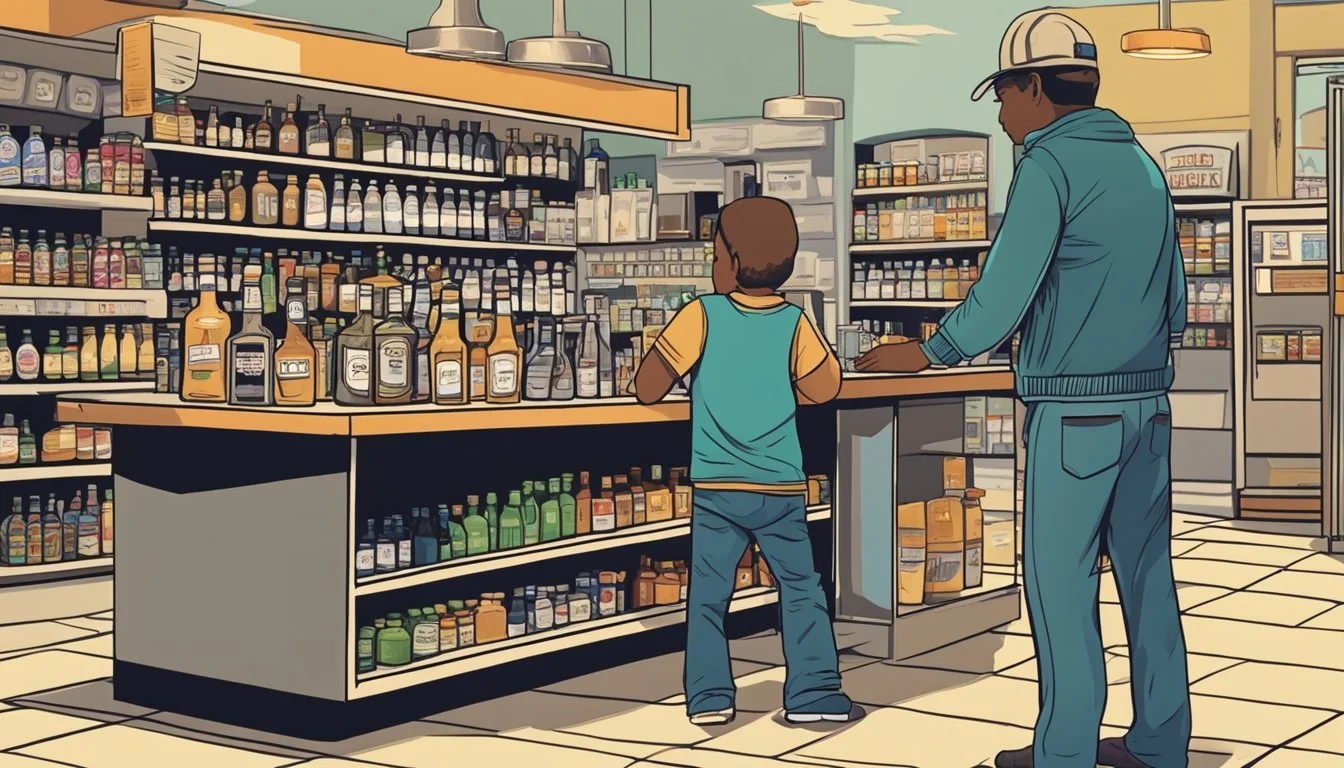
In Hood County, Texas, the sale of alcoholic beverages to individuals below the age of 21 is strictly illegal. This prohibition is in accordance with state laws, which dictate severe penalties for violations. The intent behind such legislation is to prevent alcohol-related harm among minors and to uphold public safety.
Legislation: The Texas Alcoholic Beverage Code enforces these regulations whereby any individual or establishment selling, serving, or providing alcohol to a minor faces legal consequences. Similarly, it is unlawful to sell alcohol to any person who is visibly intoxicated.
Penalties for Violation:
For the Seller: Selling alcohol to a minor can result in a Class A misdemeanor charge, carrying potential penalties including a fine of up to $4,000, jail time for up to one year, or both.
For the Buyer (If Minor): It is also a criminal offense for minors to attempt to purchase or even possess alcoholic beverages. Violations could lead to a Class C misdemeanor.
Preventative Measures: Local authorities may initiate compliance checks and operations such as shoulder tap or parking lot observation to curb the illicit sale of alcohol. Establishments are required to check identification rigorously and refuse service to minors or those intoxicated.
Employment Restrictions: In certain jurisdictions, individuals with a history of alcohol-related convictions may face employment restrictions in businesses that sell or serve alcohol.
Conviction Repercussions:
Impact on Employment: Employment opportunities can be adversely affected by an alcohol-related conviction.
License Suspension: Individuals convicted of selling alcohol to minors may face driver’s license suspension for a period of time.
Hood County's enforcement of these laws aims at decreasing alcohol accessibility to minors and intoxicated persons, thereby reducing the potential for alcohol-related accidents and incidents.
Special Dates and Holiday Restrictions
In Hood County, Texas, the observance of special dates and holidays carries specific restrictions regarding the sale and serving of alcoholic beverages. Establishments must adhere to these regulations to ensure compliance with state and local laws.
New Year's Day: Establishments are generally permitted to sell alcoholic beverages during their licensed hours. Special extended hours may apply depending on the day of the week New Year's falls on.
Thanksgiving Day: On Thanksgiving, bars and restaurants may face certain restrictions and should verify if any specific limitations are imposed for this holiday.
Christmas Day: Similarly, Christmas may see specific restrictions. Establishments are encouraged to plan accordingly and adjust their operating hours during these times.
The sale of alcoholic beverages during holidays must also respect the following general timeframe:
Sunday: Noon to Midnight
Monday through Friday: 7:00 AM to Midnight
Saturday: 7:00 AM to 1:00 AM
These hours can be subject to change during holidays, and it is important for businesses to confirm any alterations in advance.
It is critical for vendors and consumers to be aware of the limits surrounding alcohol sales:
No sales are permitted during certain hours, primarily early morning or late at night.
Both on-premise and off-premise sales may be subject to holiday scheduling.
Hood County maintains a holiday schedule that outlines the specifics for each occasion, and businesses must ensure adherence to avoid penalties. Consumers should check local resources for the most current information regarding holiday sales of alcoholic beverages.
Operating a Vehicle Under the Influence

In Hood County, Texas, the laws governing the operation of a motor vehicle under the influence of alcohol are stringent and geared toward preventing alcohol-related incidents. For an adult to be convicted of Driving While Intoxicated (DWI), it must be established that the individual is operating a motor vehicle in a public place while intoxicated, which means not having the normal use of mental or physical faculties by reason of the introduction of alcohol, a controlled substance, a drug, a dangerous drug, or a combination of two or more of those substances, or having an alcohol concentration of 0.08 percent or more.
Here is a breakdown of key points regarding DWI laws:
Zero Tolerance for Minors: Any detectable amount of alcohol in a minor’s (someone under the age of 21) system constitutes a DUIA (Driving Under the Influence of Alcohol) offense.
Penalties for Conviction:
First Offense: A fine of up to $2,000, jail time between 72 hours and 180 days, and license suspension from 90 days to a year.
Second Offense: A fine of up to $4,000, jail time from one month to a year, and license suspension from 180 days to two years.
Third Offense: A fine up to $10,000, two to ten years of imprisonment, and license suspension from 180 days to two years.
It should be noted that penalties can include the installation of an ignition interlock device and mandatory completion of education or intervention programs.
Texas takes a tough stance on DWI to reduce alcohol-related accidents. Law enforcement officers conduct field sobriety tests to assess a driver's level of intoxication. They may also request blood or breath tests to measure alcohol concentration. Refusal to take these tests can result in automatic suspension of the driver's license.
Licensing and Permits
In Hood County, Texas, obtaining the necessary permits for the sale and distribution of alcoholic beverages is governed by the Texas Alcoholic Beverage Commission (TABC). Entities within the industry must navigate a series of regulations that are crucial for legal compliance.
Permit Requirements: Individuals and businesses looking to engage in activities related to the alcoholic beverage industry need to secure permits officially sanctioned by the TABC. This encapsulates a range of licenses, from those required for selling liquor by the drink to permits for large-scale distribution.
TABC Resources: The Texas Alcoholic Beverage Commission provides all the necessary forms and guidance on their official website. They process nearly 100,000 licenses and permits each year, which underscores the importance of accessing the right resources for compliance.
Online Systems: To streamline the application process, the TABC recommends the use of the Alcohol Industry Management System (AIMS), an online platform designed to assist with new applications for licenses and permits.
Permit Type Description
Retail Permits for establishments selling alcohol directly to consumers.
Wholesale Licenses for the sale of alcoholic beverages to other businesses.
Texas Alcohol Laws: To uphold the laws, businesses must follow state guidelines for purchasing alcohol for retail sales. Understanding the nuances of these regulations is essential to avoid violations and subsequent penalties.
Industry Compliance: It is imperative that businesses remain vigilant in adhering to Texas alcohol laws, as non-compliance can result in significant penalties, administrative hearings, and potential compromise of their licenses and permits.
Each entity operating within Hood County is responsible for ensuring their operations are in full compliance with the relevant state laws and TABC regulations, securing the proper permits to maintain lawful business practices.
Responsibility and Liability
In Hood County, Texas, the sale and consumption of alcoholic beverages are regulated by specific laws that hold different entities accountable for compliance. Retailers must adhere to strict purchasing laws for retail sales, and both commercial and social hosts can face liability for serving alcohol under certain circumstances.
Retailers and Host Liability
Retailers in Hood County are legally required to observe the state's alcohol laws, particularly concerning the hours of sale and whom they are selling to. If a retailer sells alcohol to a clearly intoxicated individual or a minor, they can be held liable for any damages or injuries caused by that person. Notably, local alcohol laws dictate that in unincorporated areas, the sale of packaged liquor is not permissible on Sundays.
Similarly, social hosts—individuals who provide alcohol at parties or gatherings—should be cautious about their guests' consumption, especially if they are minors. Under Texas law, a social host can be held responsible if a guest who was served alcohol in their home causes harm to others.
Parental Responsibility
Parents in Hood County should be aware that they may be held legally responsible for underage drinking in their homes. Texas law enforces parental responsibility, emphasizing the requirement for parents to supervise the consumption of alcoholic beverages by their children and their children's guests. Failure to prevent underage drinking can result in legal consequences for the parents.
Enforcement and Legal Consequences
In Hood County, Texas, the enforcement of alcohol laws is taken seriously to maintain public safety and order. Entities such as the Texas Alcoholic Beverage Commission (TABC) and local law enforcement agencies ensure compliance with the laws.
Violations: If an individual is found violating alcohol laws, such as underage drinking or public intoxication, legal consequences are imminent. A minor in possession of alcohol, attempting to purchase alcohol, or found consuming alcoholic beverages can be charged with a Class C misdemeanor. This carries consequences like a fine of up to $500 and attendance in an alcohol awareness class.
Sales Restrictions: It should be noted that in unincorporated areas of Hood County, the sale of packaged liquor is not permitted on Sundays. Violating this law could result in penalties for businesses and possible revocation of their license to sell alcoholic beverages.
Enforcement Agencies Primary Responsibilities
TABC License regulation, compliance checks
Hood County Sheriff Public safety, law enforcement
Court Involvement: Cases of public intoxication are usually rated as Class C misdemeanors in Texas. Offenders can receive fines up to $500. The courts also handle the criminal record implications, which may affect an individual's future employment and social consequences.
Information and Education: The TABC and other related agencies often provide educational materials and resources to inform the public and business owners about Texas alcohol laws and the penalties for non-compliance.
The enforcement strategy in Hood County is designed to keep the community safe while ensuring that individuals and businesses adhere to Texas law. Law enforcement officers are vigilant in their patrols and checks to maintain legal order in regards to alcohol use and distribution.
Public Consumption and Open Container Laws
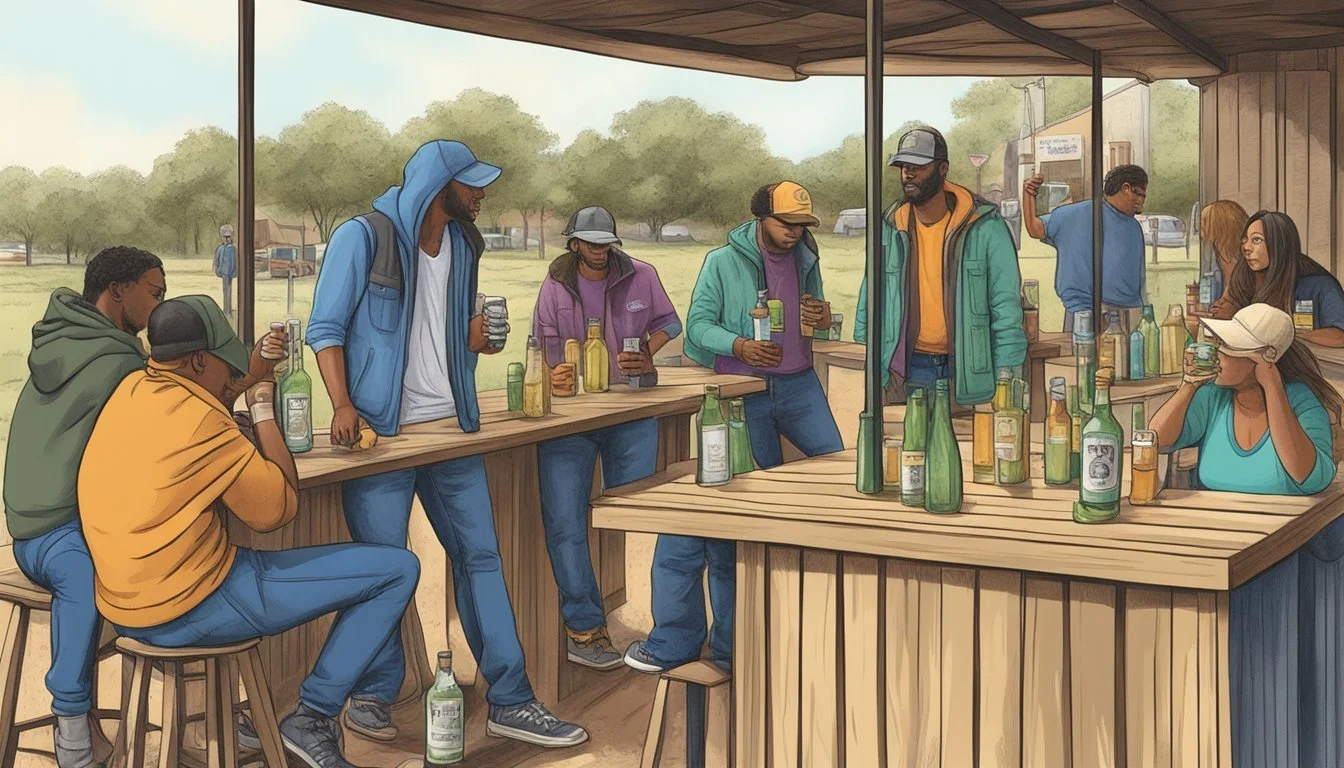
In Hood County, Texas, individuals must adhere to strict regulations regarding the public consumption of alcoholic beverages and the handling of open containers. Texas law, consistent with many states across the United States, prohibits the presence of open containers of alcohol in the passenger area of a vehicle. Hood County follows this state mandate, supporting efforts to minimize impaired driving and enhance public safety.
Additionally, while public consumption laws may vary, Hood County complies with the general Texas statute which forbids consuming alcoholic beverages in certain public areas. It's important for residents and visitors to be aware that these restrictions are in place to maintain order and public decorum.
Entities impacted by these laws include:
Publicly Traded Corporations: Businesses are required to maintain compliance with these laws in the operation of their establishments, affecting their policies regarding the service and sale of alcoholic beverages.
Alcoholic Beverage: The law pertains to all forms of alcoholic drinks, including beer, wine, and spirits, impacting how they are consumed and transported within public and private spaces.
Law: Enforcement is carried out by local law enforcement agencies, ensuring adherence to state and county regulations.
States: Similar to other regions in the United States, Hood County's approach to these laws reflects a broader national trend focusing on responsible alcohol consumption and public safety.
Residents and visitors should understand that any violation could lead to legal consequences. Therefore, it is always advisable to consume alcohol responsibly and be informed about specific local regulations.
Additional Information and Resources
In Hood County, Texas, those seeking more detailed information on alcohol regulations can utilize a variety of state and county resources. The Texas Alcoholic Beverage Commission (TABC) is the authoritative state body overseeing alcohol laws. It offers comprehensive guidance on topics such as violations, the administrative hearing process, penalties, and purchasing laws for retail alcohol sales.
For local information, Hood County provides access to alcohol district maps and contact details for county clerk's office queries, serving as a critical resource for understanding specific regional alcohol regulations.
Contact Information:
Hood County Clerk's Office: 817-579-3222 ext 6006
Key Resources:
TABC: Stands as the definitive resource for state-wide alcohol laws.
Hood County Alcohol Districts: Showcases an extensive map detailing where alcohol sales are zoned.
Online Resources:
TABC Official Website: Provides education resources, legal frameworks, and a delinquent list for those behind on payments to the Commission.
Important Highlights:
Alcohol Sales: Hood County enforces a ban on the sale of packaged liquor on Sunday in unincorporated areas.
Purchasing Laws: Businesses must adhere to state laws regarding the acquisition of alcohol for retail purposes.
Local option elections can also dictate the availability of alcohol sales, with some areas permitting sales, while others do not. It is advisable to consult Hood County's official channels or the TABC for the most current and applicable legal information concerning alcohol sales and consumption.