A Comprehensive Guide
In Howard County, Texas, alcohol sales are regulated by both state and local laws ensuring responsible consumption and distribution. These laws dictate the hours during which bars and restaurants may sell alcoholic beverages, as well as the days on which the sale of packaged liquor is allowed. For instance, the sale of packaged liquor is barred on New Year's Day, the day after Christmas if it falls on a Monday, Thanksgiving, and Christmas Day.

Texas law in general also outlines the repercussions of alcohol-related violations, such as the penalties faced by individuals caught in underage drinking. Fines can range from $250 to $2,000, alongside possible jail time and automatic suspensions of driver's licenses for repeat offenders aged 17 or older.
Furthermore, the complexities of alcoholic beverage codes require businesses in Howard County to adhere to state legislation when purchasing alcohol for retail purposes. This ensures that all sales and the serving of alcohol are in strict compliance with the Texas Alcoholic Beverage Code, maintaining a regulatory environment for alcohol that aims to balance business interests with community safety and welfare.
History and Framework of Alcohol Laws in Howard County
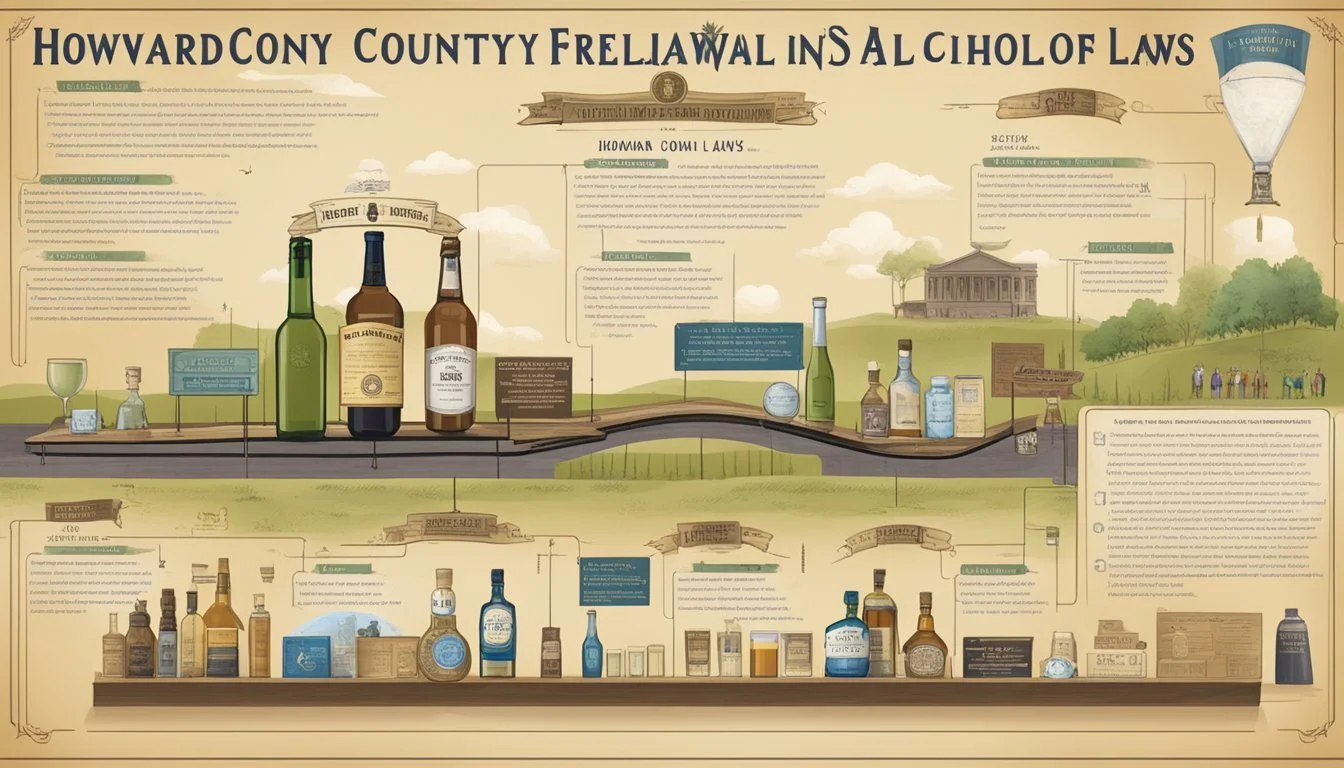
The regulatory environment for alcoholic beverages in Howard County, Texas, is shaped by the Texas Alcoholic Beverage Code. This comprehensive legal framework establishes the licensing processes, enforcement protocols, and consumption guidelines, structured to ensure responsible distribution and consumption of alcohol within the county. Texas law mandates that the Texas Alcoholic Beverage Commission (TABC) oversees these regulations, maintaining oversight at both state and county levels.
Historically, Texas has observed a patchwork of "wet" and "dry" areas, with individual counties deciding on the legality of alcohol sales. Howard County operates within this paradigm, adhering to the state's laws while tailoring specific rules to local preferences through elections and county-level legislation.
Key Components:
Licensing: Establishments must secure licenses to sell alcoholic beverages, which vary depending on the type of alcohol and method of sale.
Age Restrictions: As per state law, individuals must be at least 21 years old to legally purchase and consume alcohol.
Sales Hours: The state stipulates specific hours during which businesses may sell alcoholic beverages, with some local adjustments.
DUI Laws: Enforcement of driving under the influence (DUI) laws is a priority, guided by state-level legal blood alcohol concentration limits.
The interplay between Texas law and local governance in Howard County encapsulates a system that strives to balance individual liberty with public welfare. This includes periodic reviews and adjustments to ensure that regulations remain appropriate and effective in addressing community needs and standards.
Understanding Howard County's Alcohol Sales Regulations
Howard County's regulations on the sale of alcoholic beverages are carefully structured to ensure responsible consumption while accommodating the needs of businesses and consumers. Here are the specifics of alcohol sales in retail spaces, restaurants, bars, and the special regulations that apply during holidays and Sundays.
Retail Sales and Liquor Store Hours
Liquor Stores: In Howard County, retail sales of alcoholic beverages at liquor stores are permitted between 6:00 a.m. and 2:00 a.m. daily. This wide window allows for convenient shopping while maintaining a cap on sales during late-night hours.
Weekdays: Sales from 6:00 a.m. to 2:00 a.m.
Weekends: Same hours apply, including Sundays.
Restaurant and Bar Operating Times
Restaurants and Bars: These establishments may serve alcoholic beverages to their patrons during the same hours as liquor stores, which is from 6:00 a.m. to 2:00 a.m. every day. This uniformity in timing simplifies compliance and enforcement.
Daily Operations: Alcohol service from 6:00 a.m. to 2:00 a.m., without exception on weekends.
Special Regulations for Holidays and Sundays
Holidays and Sundays: Howard County upholds the same operational hours for the sale of alcoholic beverages, even on Sundays and major holidays, including New Year's Day, Thanksgiving Day, and Christmas Day. Thus, both stores and on-site consumption establishments adhere to the 6:00 a.m. to 2:00 a.m. rule.
Sale Hours on Holidays: Including Sundays, from 6:00 a.m. to 2:00 a.m.
Special Circumstances: No additional restrictions or extensions apply on these dates.
Please note that all these hours and regulations are subject to change, and it is recommended to verify with local laws for real-time accuracy.
Legal Drinking Age and Minor Policies
Texas enforces strict laws regarding alcohol consumption and possession by minors, along with clearly defined responsibilities for adults. It's crucial for both minors and adults in Howard County to understand the legal implications of underage drinking.
Consequences for Underage Drinking
Any minor—the term refers to individuals under 21 years old—who buys, attempts to buy, possesses, or consumes alcoholic beverages, or is intoxicated in public, may face several legal actions:
Class C misdemeanor: punishable by a fine up to $500.
Alcohol awareness education: attendance may be required.
Community service: minors could be mandated to complete between 8 to 40 hours.
These laws underscore Texas’s commitment to discouraging underage drinking and mitigating its potential impacts on youth and the broader community.
Adult Responsibility and Liability
Adults, particularly those with parental or custodial roles, should be acutely aware of the liabilities and responsibilities associated with minors and alcohol. An adult in Texas may be deemed responsible if they provide alcohol to a minor or are present and allow a minor to consume alcohol. The stipulations are specific:
Legal Guardianship: Only a family member over the age of 18 can be visibly present for a minor to legally consume alcohol.
Provision of Alcohol: Providing alcohol to minors or making it available can lead to serious legal consequences.
Compliance with these laws is expected, and any adult found liable for contributing to underage drinking may face legal damages and heightened scrutiny from law enforcement and the community.
DUI Laws and Penalties

In Howard County, Texas, driving under the influence (DUI) is treated with stringent penalties that escalate with subsequent offenses. The law strictly enforces blood alcohol concentration (BAC) limits and imposes serious consequences for violations.
Blood Alcohol Concentration Limits
Texas law defines the legal BAC limit as 0.08 percent for standard drivers. Driving with a BAC at or above this limit is considered a DUI offense. For commercial drivers, the threshold lowers to 0.04 percent, and for individuals under the age of 21, any detectable amount of alcohol can lead to DUI charges, adhering to a zero-tolerance policy.
Standard DUI Penalties
A first DUI offense in Texas is generally classified as a Class B misdemeanor. The penalties for a standard first offense may include:
A fine up to $2,000
Up to 180 days in jail upon conviction, with a mandatory minimum of three days
Loss of driver's license up to one year
Possible requirement to install an ignition interlock device on the offender's vehicle
Potential for mandatory community service
Repeat Offenses and Severe Consequences
Penalties for DUI offenses substantially increase with repeat violations:
Second DUI offense: The crime escalates to a Class A misdemeanor carrying a fine up to $4,000, jail time of up to one year, and potential license suspension.
Third DUI offense: This is considered a felony with penalties that can include a fine of up to $10,000, between 2 and 10 years in a state prison, and extensive suspension of driving privileges. At this point, the installation of an ignition interlock device becomes almost certain upon regaining driving privileges.
For drivers caught with a BAC below the legal limit but whose driving ability is impaired, or for those with minor passengers, the legal consequences can be similarly severe. An occupational license might be obtainable under certain conditions, granting limited driving privileges for work and essential needs during a license suspension.
Dry Counties and Local Option Elections
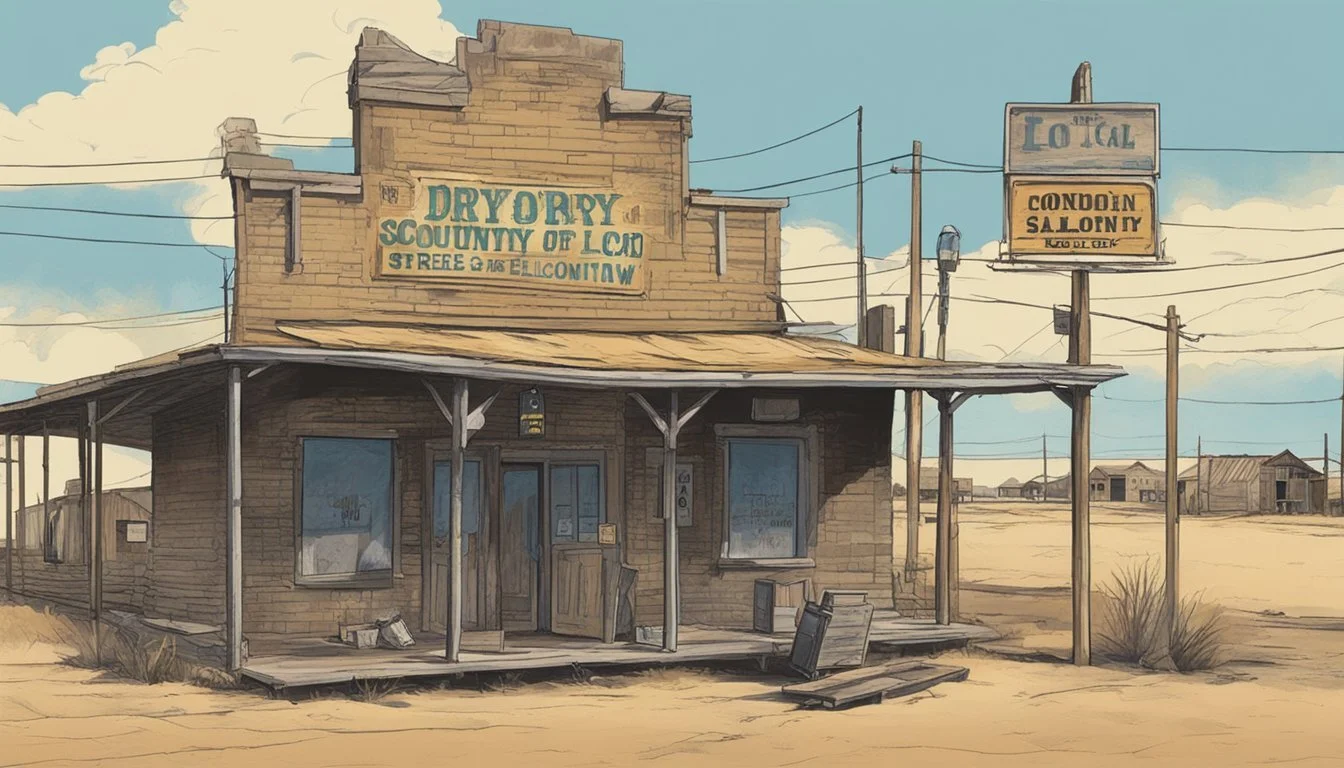
In Texas, local option elections provide communities with the power to determine their stance on alcohol sales. This democratic process grants counties and cities the ability to vote on whether to permit the sale, distribution, and consumption of alcoholic beverages within their borders.
Howard County's Stance on Alcohol Sales
Howard County, traditionally having been a dry county, does not permit the sale of alcoholic beverages by default. However, over time, parts of the county may have changed their status through local option elections. City-level decisions within the county might lead to a mix of wet (alcohol sale permitted) and dry (alcohol sale prohibited) areas, reflective of the votes of their residents. It is vital for businesses and consumers to be aware of the specific regulations that apply to their local areas within Howard County.
The Process of Public Voting and Permits
Local option elections follow a structured process defined by the Texas Election Code and Texas Alcoholic Beverage Code. Eligible voters in Howard County can initiate a petition calling for an election to decide on a specific aspect of alcohol sales, such as the sale of mixed beverages in restaurants or the allowance of retail beer and wine sales. Once the petition secures an adequate number of signatures, an election is scheduled.
Upon a majority vote in favor of allowing alcohol sales, businesses seeking to sell alcoholic beverages must obtain the appropriate permits. The type of permit required depends on the nature of the sale, such as wholesale, retail, or on-premises consumption. The Texas Alcoholic Beverage Commission (TABC) oversees the issuance of permits, ensuring that permit holders comply with local laws as determined by the outcome of the local option elections.
Impact on Local Businesses and Economy
The economic vitality of Howard County, Texas, is intricately connected to the local businesses, particularly those involved in the sale and distribution of alcoholic beverages. Regulations impacting these businesses have direct and secondary effects on retail sales, employment, and the overall business climate.
Alcoholic Beverages in Retail and Hospitality
The retail and hospitality sectors, including restaurants, hotel bars, and grocery stores, form the bedrock of Howard County's local economy. The sale of alcoholic beverages significantly bolsters revenue for these establishments. Particularly, restaurants and hotel bars experience a surge in profits due to marked-up prices on alcoholic drinks. The presence of alcohol on the menu not only increases the average customer spend but also enhances customer experience, leading to higher satisfaction and repeat business.
In grocery stores and gas stations, the ability to stock and sell alcoholic beverages can drive foot traffic, leading to incidental sales of other goods. Large chains like Walmart capitalize on this by offering a variety of alcoholic options, which, in turn, supports their position as a one-stop-shop, further solidifying their footprint in the local economy.
Influence of Laws on Publicly Traded Corporations
Laws governing the sale and consumption of alcohol in Howard County have a pronounced impact on publicly traded corporations operating within the alcohol industry. These corporations must navigate a complex web of regulations that can influence their operational costs and market strategies. Compliance with local laws is paramount; failure to do so can result in fines and reputational damage, adversely affecting stock prices.
Publicly traded corporations take these laws into account when doing business in Howard County and often implement rigorous training programs for their staff to ensure adherence. By maintaining a good standing with the law, these corporations can effectively contribute to the local economy through job creation, retail sales, and tax contributions.
Additional Resources and Legal Help
When seeking information or assistance regarding alcohol and drinking laws in Howard County, Texas, residents have access to various legal resources and educational materials. These include legal support, clarity on regulations, and prevention programs.
Legal Assistance and Educational Resources
For individuals in need of legal assistance related to alcohol laws, Michael & Associates is a firm that provides insights into Texas drinking laws. They track changes in legislation, such as House Bill 1024 which allows for the pick-up of alcoholic beverages with food orders. They can inform on the nuances of such laws.
Those looking for educational resources on substance abuse can access services provided by Howard County’s Bureau of Behavioral Health which offers community education on substance abuse and opioid misuse prevention. Their phone number is 410-313-6202 for direct guidance and presentation requests.
Local Regulations and Contact Information
Howard County adheres to strict ethical laws detailed in the Howard County Code. For specific questions about local regulations, individuals should refer to Subtitle 2 of Title 22 of the Howard County Code, especially relevant sections such as §23-203 and §23-207(d)(3) of the Alcoholic Beverages Article. The Howard County Health Department oversees binge drinking prevention efforts and can be contacted at 410-313-6202. They provide information that defines binge drinking and offers guidance on prevention.
For broader educational outreach regarding alcohol policies, the National Institute on Alcohol Abuse and Alcoholism (NIAAA) offers a wealth of information on the role of federal, state, and local laws in shaping alcohol policy across the United States, including manufacturing, selling, and consumption regulations.
Frequently Asked Questions
In this section, readers will find answers to common queries about the alcohol regulations in Howard County, Texas. Information tailored for both visitors and residents is provided to ensure a comprehensive understanding of the county's alcohol laws.
Common Inquiries Regarding Alcohol Regulations
What are the sales restrictions on packaged liquor?
New Year's Day
January 2nd: When it falls on a Monday
Thanksgiving Day
Christmas Day
December 26th: When it falls on a Monday
What hours are alcohol sales permitted in bars and restaurants?
Sales of beer and wine are allowed within designated times set forth by state law.
Liquor sales have specific constraints that may differ from beer and wine.
Guidance for Howard County Visitors and Residents
Does Howard County adhere to the same alcohol regulations as the rest of Texas?
Yes, Howard County must comply with the Texas Alcoholic Beverage Code. However, local ordinances can also apply.
For individuals new to the area, where can they learn about specific alcohol-related rules?
Visitors and residents can consult the Texas Alcoholic Beverage Commission (TABC) website for detailed state law information.
For county-specific questions, contacting local authorities or checking with the Howard County clerk can provide additional guidance.