Alcohol and Drinking Laws in Hunt County, Texas
A Comprehensive Guide
Alcohol laws in Hunt County, Texas, are structured to ensure the responsible sale and consumption of alcoholic beverages within its jurisdiction. These regulations encompass a range of provisions, from the prohibition of packaged liquor sales on certain holidays to the operational times for bars and restaurants. The Texas Alcoholic Beverage Commission (TABC) is the authoritative body responsible for overseeing the enforcement of these laws, which are designed to promote safety and public welfare.
Understanding the nuances of local alcohol laws is essential for both residents and businesses in Hunt County. Key restrictions include the ban on packaged liquor sales on New Year's Day, January 2 when it falls on a Monday, Thanksgiving Day, Christmas Day, and December 26 when it coincides with a Monday. These specific regulations reflect the county's commitment to balancing commercial interests with community standards.
In Hunt County, the hours during which alcohol sales are permitted in bars and restaurants are clearly defined, ensuring that both patrons and business owners adhere to legal guidelines. For anyone seeking clarity on the most current rules or requiring assistance, the TABC provides resources and support. Compliance with these regulations is critical to avoid penalties, which can range from fines to more severe administrative actions for individuals and establishments found in violation.
Overview of Alcohol Laws in Hunt County, Texas
In Hunt County, Texas, alcohol laws reflect the broader state regulations with specific local adjustments. Like the rest of Texas, Hunt County enforces a legal drinking age of 21. Alcohol sales are governed by precise hours and days specific to the type of establishment.
Sale Hours for Beer and Wine
Liquor Stores, Gas Stations, and Supermarkets: Permitted to sell beer and wine within the state-regulated times except for restrictions on Sundays.
Sunday Restrictions: On Sundays, the sale of packaged liquor is prohibited.
Sale Hours for Packaged Liquor (Monday - Saturday)
Start: 10:00 a.m.
End: 9:00 p.m.
In unincorporated areas of Hunt County, regulations prohibit the sale of packaged liquor on Sundays, reinforcing the county's commitment to maintaining order concerning alcohol consumption. However, during the rest of the week, sales are permitted within a timeframe consistent with state laws.
Enforcement and Penalties
Supply to Minors: It is a Class A misdemeanor to make alcoholic beverages available to a minor, with penalties including a fine up to $4,000, confinement for up to one year, or both. Additionally, the offender's driver's license may be suspended for 180 days upon conviction.
The Texas Alcoholic Beverage Commission (TABC) closely monitors and enforces these laws to ensure compliance. They require rigorous enforcement of DUI laws, age verification, and maintain regulations tailored to this Texan community. Hunt County follows these regulations to promote safe and responsible alcohol consumption within its jurisdiction.
Legal Drinking Age and Age-Related Restrictions
In Hunt County, Texas, as with the rest of the state, the legal drinking age is 21 years of age or older. This mandate falls in line with the national minimum legal drinking age, established to decrease alcohol-related incidents, particularly in motor vehicle accidents.
Sale and Consumption Restrictions:
Minors: Individuals under the age of 21 are prohibited from purchasing or publicly consuming alcoholic beverages.
Adults: Those aged 21 and over may purchase and consume alcohol in various licensed premises.
Special Provisions:
Texas law does allow for certain exceptions to the under-21 restriction:
Employment: Minors may handle alcohol as part of their job in establishments that sell alcohol.
Religious Activities: Minors may consume alcohol if it is part of a religious ceremony.
Parental Consent: Under parental supervision, a minor is allowed to consume alcohol on private premises.
Statutory Provision:
Age Verification: Sellers of alcohol must verify the age of purchasers, with penalties in place for non-compliance.
Enforcement:
To ensure adherence, Texas implements strict penalties for underage drinking and the provision of alcohol to minors. The objective is to foster responsible drinking habits and reduce alcohol-related harm among young individuals.
Educational Efforts:
Educational programs are in place to inform both minors and adults about the risks of underage drinking and the legal implications of violating Texas alcohol laws.
Sales and Purchase Regulations
In Hunt County, Texas, the sales and purchase regulations for alcoholic beverages are governed by state law, with specific rules for hours of operation, licensing, and the distinction between wet and dry counties. These laws affect establishments ranging from liquor stores to gas stations and dictate the permissible hours for sales of liquor, beer, and wine.
Retail Sales Hours and Days
In Hunt County, liquor stores are allowed to operate from 10:00 a.m. to 9:00 p.m., Monday through Saturday. They must remain closed on Sundays as well as on Christmas Day, New Year's Day, and Thanksgiving Day. For beer and wine sales in grocery stores and gas stations, the permissible hours extend from 7:00 a.m. to midnight, Monday through Friday, and from noon to midnight on Sunday.
Day Liquor Sales Hours Beer & Wine Sales Hours
Sunday Closed Noon - Midnight
Monday - Friday 10:00 a.m. - 9:00 p.m. 7:00 a.m. - Midnight
Saturday 10:00 a.m. - 9:00 p.m. 7:00 a.m. - Midnight
Licensing and Permits for Alcohol Sales
Businesses that wish to sell alcoholic beverages are required to obtain the appropriate permits from the Texas Alcoholic Beverage Commission (TABC). Depending on whether the establishment is a restaurant, liquor store, or a grocery store, the type of permit needed can vary from a mixed beverage permit to a beer and wine retailer's off-premise permit.
Special Rules for Dry and Wet Counties
Hunt County may have areas designated as wet, allowing the sale of alcoholic beverages, and other areas that are dry, prohibiting sales. Some counties can be completely dry, forbidding any sale of alcohol, while others may allow sales in particular precincts or for certain types of beverages like beer or wine only.
Regulations for Alcoholic Beverage Service at Events
For events in Hunt County, there are specific regulations in place. Organizers may need to obtain temporary permits to serve alcohol at both public and private events. The Texas Alcoholic Beverage Code details the requirements for these permits, which can include everything from family reunions to larger public festivals.
Public Consumption and Open Container Laws
In Hunt County, Texas, the laws governing the consumption of alcohol in public spaces and the possession of open containers of alcohol in vehicles are stringent. These legal frameworks aim to curb public intoxication, reduce alcohol-related incidents, and promote road safety.
Open Container Restrictions
In Hunt County, it is unlawful for an individual to possess an open container of alcohol in the passenger area of a motor vehicle on a public highway. Failure to comply with open container laws can result in a fine up to $500. An open container means any bottle, can, or other receptacle that contains any amount of alcoholic beverage and that is open, that has been opened, its seal broken, or the contents partially removed.
Public Intoxication Penalties
Public intoxication, defined as a person being in a public place while intoxicated to the degree that they may endanger themselves or others, is a Class C misdemeanor. Offenders may be subject to a fine not exceeding $500. Local authorities are vigilant in monitoring public events and locales to enforce these regulations effectively.
Drinking and Driving Laws
Driving under the influence (DUI) or driving while intoxicated (DWI) in Hunt County is a serious offense. A driver with a blood alcohol concentration (BAC) of 0.08% or higher is considered legally impaired. Penalties for DUI/DWI can include:
First Offense: A fine of up to $2,000, three days to 180 days in jail, loss of driver’s license for up to a year, and an annual fee of $1,000 or $2,000 for three years to retain the driver’s license.
Second Offense: A fine up to $4,000, one month to a year in jail, loss of driver’s license for up to two years, and an annual fee of $1,000, $1,500 or $2,000 for three years to retain the driver’s license.
Third Offense: A fine up to $10,000, two to ten years in prison, loss of driver’s license for up to two years, and an annual fee of $1,000, $1,500, or $2,000 for three years to retain the driver's license.
DUI/DWI convictions may also result in a misdemeanor or Class A misdemeanor charge, depending on circumstances and the number of prior offenses. It is the responsibility of the motor vehicle’s driver to ensure compliance with these laws to avoid severe consequences, including conviction, significant fines, jail time, and license suspension.
Legal Consequences and Penalties
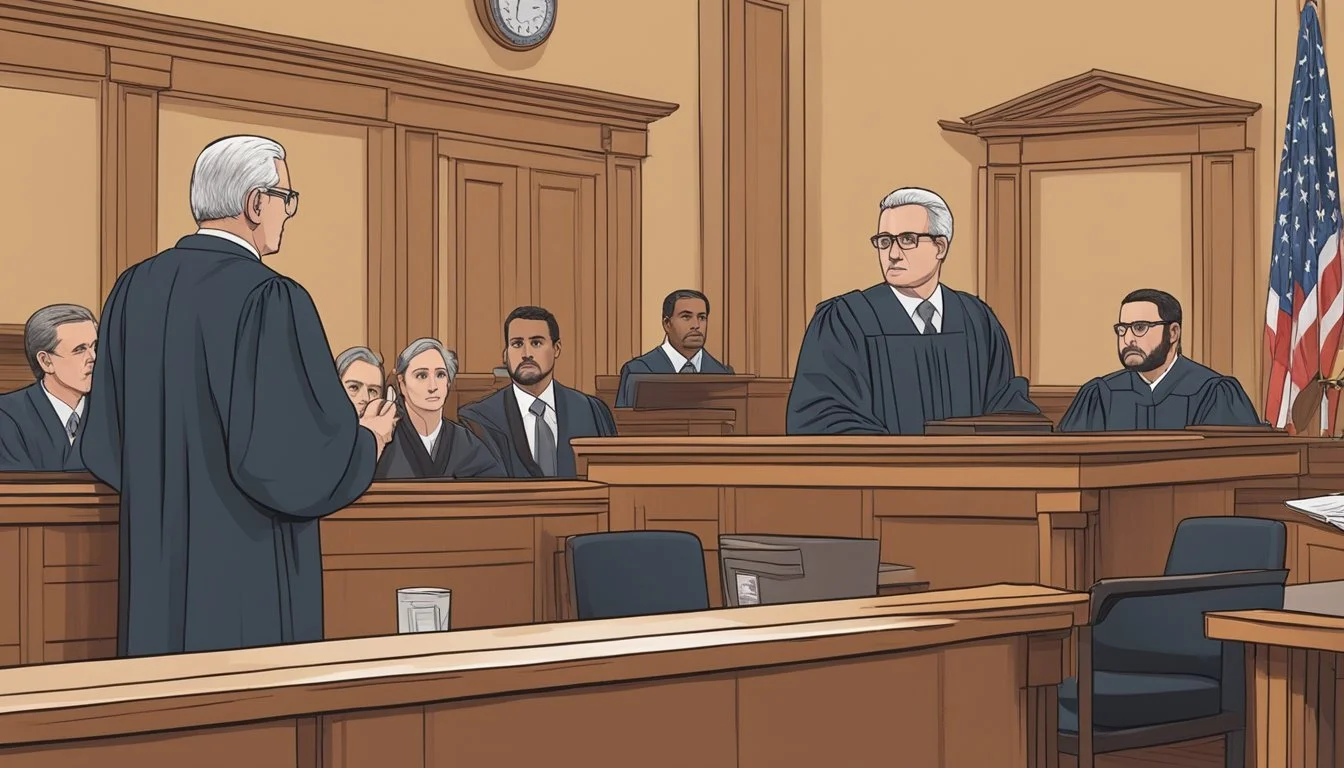
In Hunt County, Texas, the law takes a firm stance against the unlawful consumption, distribution, and possession of alcohol. Understanding the penalties and consequences is vital for anyone navigating these regulations.
Penalties for Underage Alcohol Consumption
Underage drinking is a significant concern, and Texas imposes strict consequences to deter it. Providing alcohol to a minor is considered a Class A misdemeanor, potentially resulting in:
Fine: Up to $4,000
Jail: Up to a year
Driver’s License Suspension: Automatic 180 days upon conviction
Consequences for Alcohol Law Violations
Violations of alcohol laws in Hunt County can lead to severe ramifications, affecting one's personal and professional life. Standard penalties for alcohol law violations include:
Fines: Vary based on the severity of the offense.
Conviction: Can range from misdemeanors to felonies.
Community Service: Often required along with or in lieu of other penalties.
License Suspension and Revocation
Driving while intoxicated (DWI) offenses carry their own set of legal consequences, which can include:
License Suspension: For first offenders, up to a year.
Occupational License: May be granted allowing limited driving privileges.
Motor Vehicle: Penalties could also extend to vehicle impoundment or installation of ignition interlock devices.
Education and Training Programs

In Hunt County, Texas, education and training programs designed to mitigate issues related to alcohol consumption are an essential component of public health and safety initiatives. These programs serve to inform and train individuals, as well as ensure compliance with state laws and regulations.
Alcohol Seller-Server Training
The Texas Alcoholic Beverage Commission (TABC) mandates training for all individuals involved in the sale or service of alcoholic beverages. Seller-server training is crucial in promoting responsible alcohol sales and service. Permit holders and their staff are required to complete a certified TABC Seller-Server Training Course, which covers topics such as checking IDs, understanding minor's laws, and recognizing signs of intoxication. Successful completion of the training leads to a certification that is valid for two years.
Training Providers:
Online accredited courses
In-person sessions by authorized trainers
Availability:
Accessible year-round
Multiple providers across the state
Public Awareness and Information Campaigns
The public is informed about the risks of alcohol misuse through Public Awareness and Information Campaigns. These initiatives often include events and resources aimed at educating the community. The Texas Alcoholic Beverage Commission plays a key role in disseminating information and resources to increase public safety. Campaigns typically coincide with high-risk periods, such as holidays or festivals, to maximize their impact.
Campaign Tools:
Educational materials
Informational websites
Community events
Focus Areas:
Dangers of underage drinking
Consequences of driving while intoxicated
Strategies for prevention and intervention
The effectiveness of these programs hinges on their ability to deliver relevant and up-to-date information to both the industry and the general public. Through these education and training initiatives, Hunt County contributes to the statewide effort to reduce alcohol-related harm and ensure a safer community for all.
Regulatory Bodies and Resources
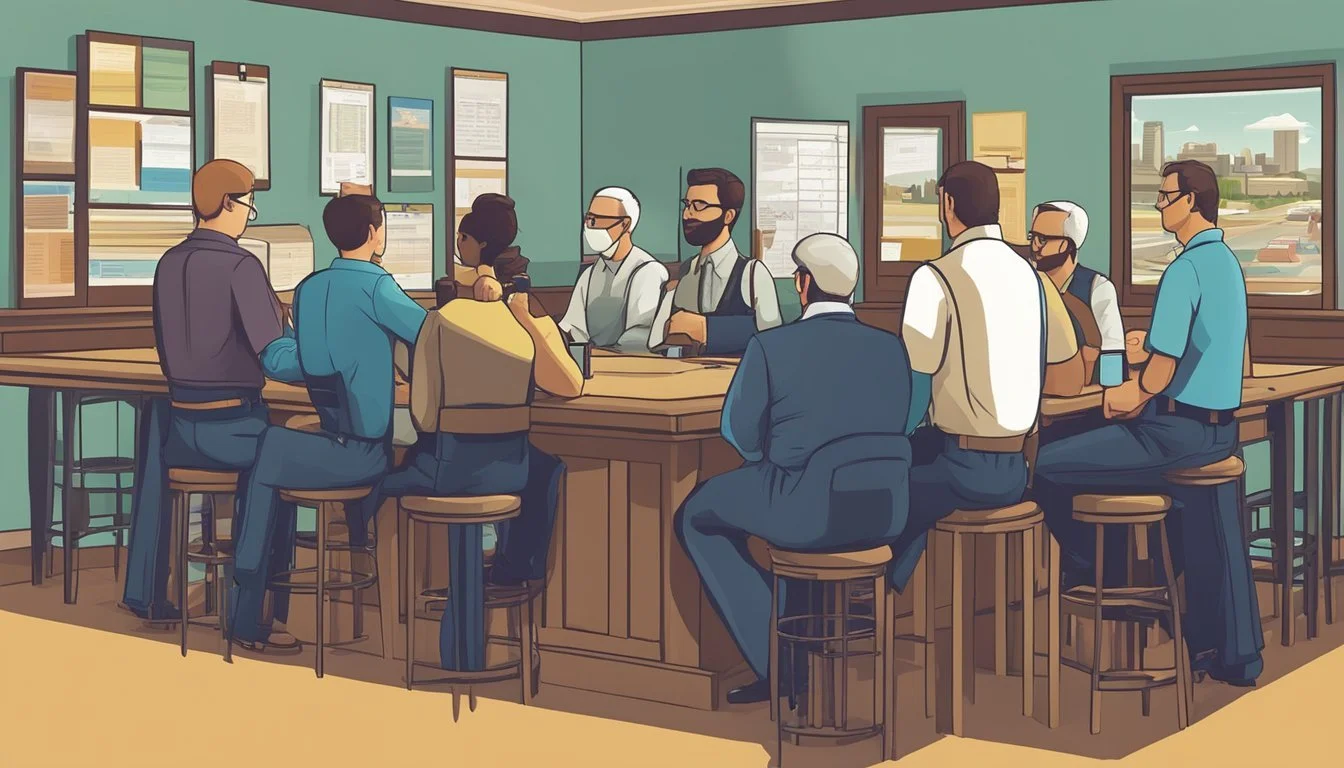
In Hunt County, Texas, the regulation of alcoholic beverages falls under several entities vested with enforcement and oversight responsibilities. The primary state regulatory body is the Texas Alcoholic Beverage Commission (TABC), which administers the Alcoholic Beverage Code. They oversee all aspects of alcohol sale and consumption within the state.
The TABC provides resources including:
Regulatory Guidance: Assistance for businesses in understanding state law and the Alcoholic Beverage Code.
Licensing and Permits: Issuance and renewal of licenses required for the sale of alcoholic beverages.
Training Programs: Educational resources for sellers and servers to promote responsible alcohol sales and service.
Concerning local laws, Hunt County enforces regulations specific to the sale and distribution of alcohol within its jurisdiction. Local regulations can include:
Zoning Restrictions: Determination of areas where alcohol can be sold.
Local Ordinances: Rules that may restrict or permit alcohol sales on Sundays.
Access to the specific rules and regulations can be found through the following resources:
Resource Description
TABC Official Website Comprehensive state regulations, licensing information, and latest updates.
Hunt County Clerk's Office Local ordinances and county-specific alcohol rules.
Adherence to both state and local laws is mandatory for all establishments involved in the sale, distribution, or consumption of alcoholic beverages. It is advisable for retailers and consumers to stay informed about these regulations to ensure compliance.