Alcohol and Drinking Laws in Kaufman County, Texas
An Essential Legal Overview
Kaufman County, Texas operates under its own specific set of alcohol and drinking laws that residents and visitors must adhere to. While these regulations align with Texas state laws, local ordinances can result in variations between what is permissible in unincorporated areas of the county versus its cities and towns. This distinction is important as municipalities such as Combine, Cottonwood, Crandall, and others might enforce different regulations on aspects like hours of sale or types of alcoholic beverages that can be sold.

In Texas, the Texas Alcoholic Beverage Commission (TABC) is the governing body responsible for overseeing and regulating all aspects of the alcoholic beverage industry within the state, and by extension, Kaufman County. That being said, Kaufman County has the authority to modify the extent of alcohol sales and consumption based on the preferences expressed by its constituents through local option elections. These local decisions determine whether counties or precincts are "wet" (permitting alcohol sales), "dry" (prohibiting alcohol sales), or somewhere in between, often referred to as "moist."
Furthermore, businesses within the county that sell alcohol are required to follow state laws when purchasing stock for retail sales, including adhering to the TABC's Cash/Credit Law and Delinquent List. Access to precise regulations and ordinances related to alcohol in Kaufman County can be found through county and state legal resources, ensuring clarity for businesses and individuals. It's essential for both groups to stay informed about these laws to ensure compliance and avoid potential penalties.
Legal Drinking Age
In Kaufman County, Texas, as in the entire state, the legal age to consume alcohol is 21 years. This policy aligns with the Texas Alcoholic Beverage Code, which defines a 'minor' as anyone under that age threshold. Compliance with this regulation is enforced rigorously, and violations can lead to significant legal repercussions.
Should a minor be found consuming alcohol, they, as well as any involved parties, could face severe penalties. Notably, a class A misdemeanor charge is leveled against individuals making alcoholic beverages available to a minor. This is punishable by:
A fine of up to $4,000
Confinement in jail for up to one year
Or both
Furthermore, a minor's driver’s license can be suspended for 180 days following a conviction.
Exceptions to these strictures exist. Minors may consume alcoholic beverages if they are in the presence of a consenting parent or guardian. These adults must be visibly present during the minor's consumption. Nonetheless, proprietors, such as restaurant or bar owners, maintain the discretion to refuse service to minors, even under parental supervision, due to the associated risks.
It's also important to note that each establishment may interpret the term "visibly present" differently, leading to inconsistent experiences for minors attempting to consume alcohol under parental supervision.
It's imperative for residents and visitors of Kaufman County to understand and respect the Texas Alcoholic Beverage Code to maintain a lawful and safe community environment.
Sales and Distribution
In Kaufman County, Texas, the sale and distribution of alcoholic beverages are strictly governed by state and local regulations designed to control these processes effectively.
Licensing and Permits
Businesses involved in the alcoholic beverage industry in Kaufman County need to obtain the appropriate licenses and permits. The Texas Alcoholic Beverage Commission (TABC) oversees the issuance of these documents, ensuring that entities such as convenience stores, grocery stores, bars, and restaurants comply with the state's legal standards and requirements.
Hours of Sale Restrictions
Hours of Sale for packaged beer and wine in Kaufman County are as follows:
Monday to Friday: 7:00 a.m. to midnight
Saturday: 7:00 a.m. to 1:00 a.m. on the following Sunday
Sunday: Noon to midnight
However, the sale of packaged liquor has additional restrictions, notably in terms of operational hours and prohibited sales on certain holidays.
Special Rules for Holidays
The sale of packaged liquor is prohibited on major holidays, which include:
New Year's Day
Thanksgiving Day
Christmas Day
Moreover, if New Year's Day falls on a Monday, the prohibition extends to January 2nd.
Sunday Sales
Sunday Sales in Kaufman County have distinct limitations depending on the product. While beer and wine can be purchased from noon until midnight, the purchase of packaged liquor on Sundays is not permitted. This aspect of regulation is vital for businesses to consider when operating within the county to avoid legal issues related to non-compliance.
Public Consumption

In Kaufman County, Texas, public consumption of alcohol is regulated by state law, with specific ordinances that may apply at the local level. State law defines the framework for what is permissible in terms of drinking in public and the transportation of open containers in vehicles.
Open Container Laws
In Texas, it is illegal to possess an open container of alcohol in a public place. Specifically, Kaufman County adheres to what is outlined under the Texas Penal Code, which prohibits open containers in areas that are easily accessible to the public, such as streets, parks, and sidewalks. This aligns with statewide restrictions aiming to curb public intoxication and its potential disturbances.
Restrictions:
Public Spaces: Possession of open containers in publically accessible areas is prohibited.
Violations: Violating open container laws constitutes a Class C misdemeanor.
Consumption in Vehicles
Texas law takes a stringent stance on open containers and the consumption of alcohol in vehicles. Kaufman County enforces these laws, prohibiting the presence of an open container in the passenger area of a motor vehicle on a public highway.
Key Points:
Passenger Area Violation: Open containers must not be in the area accessible to the driver or passengers while the vehicle is on a public roadway.
Possible Exceptions: The law allows for open containers in certain designated areas of a vehicle, like the trunk or behind the last upright seat if the vehicle has no trunk.
Notably, the driver is held responsible for ensuring that open containers are not present in the prohibited areas of the vehicle, even if they are not the ones consuming the alcohol.
Local Variations in Alcohol Laws
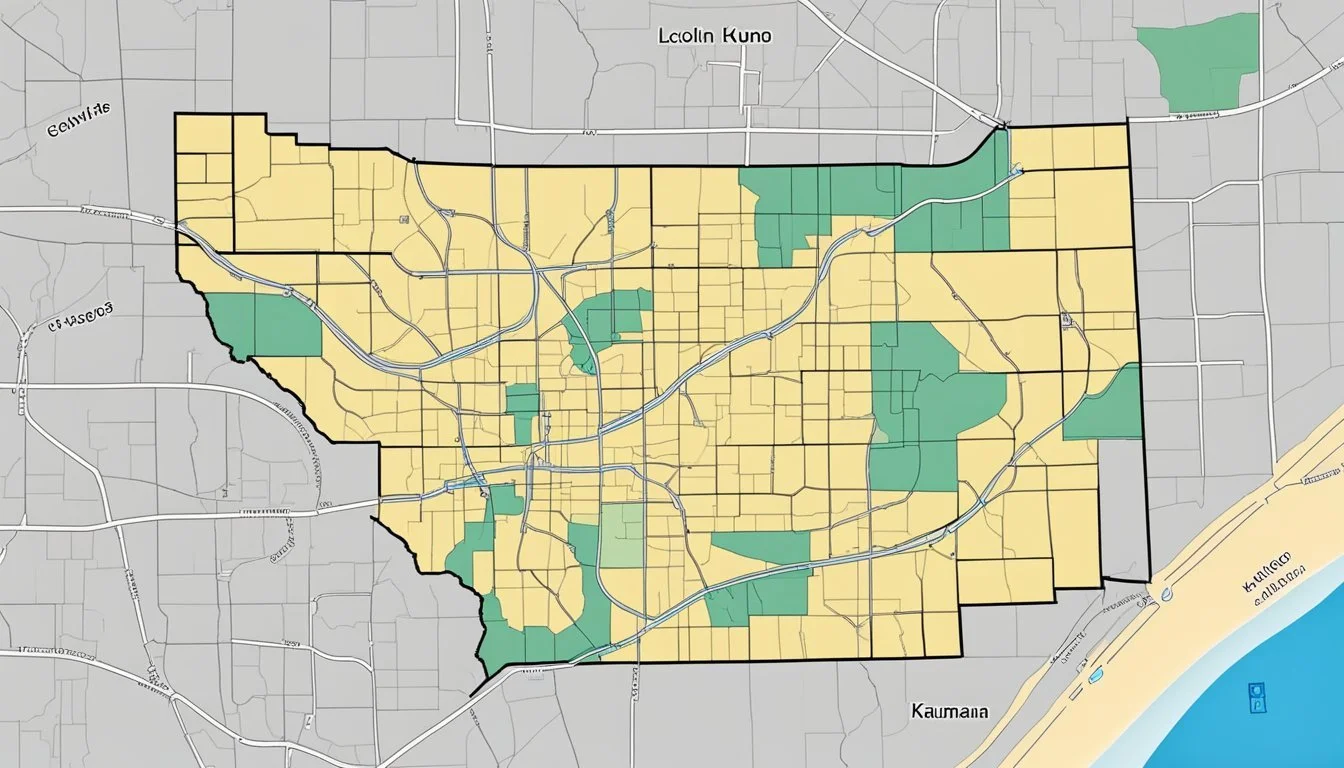
In Kaufman County, Texas, alcohol regulations can differ significantly between unincorporated areas and individual cities. Understanding the local nuances is crucial for both residents and visitors.
Wet and Dry Counties
Kaufman County falls into a unique category within Texas law, where it is considered partially "wet." This designation means that:
Wet segments of the county allow for the sale of alcoholic beverages under certain regulations.
Dry areas prohibit the sale of alcohol.
The status can vary widely, and certain precincts within the county may have voted to allow sales of specific types of alcohol while others have not.
City and County Regulations
Individual cities within Kaufman County may enact ordinances that differ from county-wide regulations, adding another layer to the complex tapestry of local laws.
Forney and Terrell: Recognized cities in the county with their own set of rules and hours regarding alcohol sales, potentially differing from unincorporated areas.
Unincorporated areas: Guided by county laws that apply where no local ordinances take precedence.
Below is a comparison of how alcohol laws may vary between the county and cities within it:
Entity Alcohol Sales Regulations
County Mixed (Wet/Dry) Varies by precinct, general county laws apply
City (e.g., Forney) Allowed City ordinances can set specific terms for sales
This table is a simplified representation, and the actual laws are detailed and specific to each legal jurisdiction within Kaufman County.
Enforcement and Penalties

Kaufman County, like the rest of Texas, enforces its alcohol regulations through a combination of local oversight and the guidance provided by the state. Penalties for non-compliance with these laws are strictly upheld to ensure the safety and well-being of the community.
Role of Texas Alcoholic Beverage Commission
The Texas Alcoholic Beverage Commission (TABC) is the primary state agency responsible for the enforcement of Texas’s alcohol laws. They have the authority to supervise, inspect, and regulate all aspects of the alcoholic beverage industry within the state. This includes the power to grant, deny, or cancel permits and licenses as well as to supervise the manufacturing, sale, and distribution of alcoholic beverages to ensure compliance.
Penalties for Violations
Violations of the alcohol laws in Kaufman County can result in a range of penalties. These penalties are determined based on the severity of the offense and previous violations. Penalties for individuals and businesses can include:
Fines: Ranging from minor fees to significant amounts, exceeding $2,000.
Jail Time: An individual may face from 3 to 180 days for certain offenses.
License Suspension: This can last from a few days to several years for repeated or grave violations.
State Law stipulates that businesses must adhere to strict purchasing guidelines for alcohol intended for retail sales, with violations impacting both their financial standing and operational licenses.
Additional Information for Business Owners
In Kaufman County, Texas, business owners operating bars, restaurants, and other establishments serving alcohol must adhere to state-mandated regulations. The Texas Alcoholic Beverage Commission (TABC) governs these rules, which include licensing requirements, hours of operation, and sales restrictions.
Licensing: All businesses selling alcohol must obtain the appropriate licenses from the TABC. This process involves completing an application, paying fees, and passing an inspection.
Bars and Restaurants: Must hold a Mixed Beverage Permit if serving spirits, or a Beer and Wine Permit for beer and wine sales only.
Operating Hours: The sale of alcoholic beverages is permitted within specific time frames:
Monday to Friday: Sales are allowed from 7:00 a.m. to midnight.
Saturday: Sales are allowed from 7:00 a.m. to 1:00 a.m.
Sunday: Beer and wine sales begin at noon and end at midnight.
Purchasing Laws: Business owners must comply with state cash/credit law requirements when purchasing alcohol for retail.
Health and Safety Regulations: Kaufman County issues ordinances to protect public health, which include abatement procedures for public health nuisances and threats. Compliance with these ordinances is crucial for maintaining a license to operate.
For detailed legal consultation regarding alcohol sales and operations in Kaufman County, business owners should contact local authorities or legal experts in the alcohol industry. Owners must ensure their practices align with the ordinances and TABC regulations to prevent legal complications and to support a safe community environment.