Alcohol and Drinking Laws in Limestone County, Texas
A Comprehensive Overview
Alcohol regulations in Limestone County, Texas reflect the state's commitment to controlling the sale and consumption of alcohol within its jurisdiction. In the unincorporated areas of Limestone County, there is a prohibition on the sale of packaged liquor, although beer and wine are still available for purchase under certain conditions. These sales are subject to time restrictions, reflecting the county’s balanced approach to accessibility and regulation.
On Sundays, patrons can buy packaged beer and wine from noon until midnight, allowing for afternoon and evening enjoyment. During the weekdays, the sale of these beverages is permitted from early morning at 7:00 a.m. until the stroke of midnight. Saturdays offer a slightly extended window, with sales allowed from 7:00 a.m. until 1:00 a.m., accommodating those who may be enjoying weekend festivities.
The county's stance on alcohol sales in bars and restaurants aligns with a broader state regulatory framework, demonstrating Texas' emphasis on maintaining public safety while allowing for the responsible consumption of alcohol. These rules play a crucial role in ensuring that the sale and distribution of alcohol in Limestone County adhere to established legal and social standards.
Understanding Alcohol and Drinking Laws
Alcohol regulations in Limestone County are an intricate part of Texas’s legislative framework, reflecting the state's complex history with alcohol consumption and sales. These laws balance public health concerns with individual liberties.
Historical Context of Alcohol Laws in Texas
Texas has a varied history regarding the regulation of alcohol, owing to its diverse population and changing social attitudes. Post-Prohibition, Texas established "local option" laws, enabling counties to determine their own alcohol policies. This led to a patchwork of regulations, where counties like Limestone could impose restrictions differing from their neighbors. In Limestone County, the sale of packaged liquor is currently prohibited in unincorporated areas.
Overview of the Texas Alcoholic Beverage Code
The Texas Alcoholic Beverage Code is a comprehensive legal framework governing the sale and consumption of alcoholic beverages within the state. This code outlines:
Sale Hours: For instance, liquor stores have prescribed hours, with weekdays allowing sales from 7 a.m. to midnight and Saturdays extending to 1 a.m. the following day. On Sundays, sales are permitted from noon to midnight.
Licensing: Establishments must secure appropriate licenses or permits, like an off-premise beer/wine license, to sell alcoholic beverages.
County Variations: Specific laws may vary by county, reflecting local community standards and votes. Some counties may even be completely dry.
By adhering to the Texas Alcoholic Beverage Code, residents and businesses in Limestone County ensure they are in compliance with state law while respecting local ordinances.
Alcohol Sales Regulations

In Limestone County, Texas, the sale of alcoholic beverages is subject to stringent state and local regulations. These laws dictate when and how alcohol can be sold, with specific rules for different days of the week and varying requirements for sales to minors.
Permitted Hours for Alcohol Sales
Texas law regulates the hours during which businesses can sell alcohol:
Packaged Beer and Wine: Sales are allowed from 7:00 a.m. to midnight, Monday through Friday, and from 7:00 a.m. to 1:00 a.m. on Saturday.
On-Premises Consumption (Bars and Restaurants): These establishments may sell alcoholic beverages during the same hours as packaged sales, with the exception that on-premises service of liquor must follow specific state guidelines, which may differ from those for beer and wine.
Special Regulations for Sundays
Sunday sales are notably more restricted in Limestone County:
Packaged Beer and Wine: These can be sold only between noon and midnight on Sundays.
Liquor Sales: The sale of liquor is not permitted on Sundays, New Year's Day, Thanksgiving Day, or Christmas Day. On any other day, sales may not occur before 10:00 a.m. or after 9:00 p.m.
Requirements for Alcohol Sales to Minors
Selling alcohol to individuals under the age of 21 is illegal in Texas. Limestone County retailers must comply with state law, which requires them to:
Age Verification: Rigorously check identification to ensure customers are of legal drinking age.
Licenses and Permits: Have the appropriate license or permit for alcohol sales. It is against the law to sell alcohol with an expired or otherwise invalid license or permit.
Retailers found violating these laws can face penalties, including fines and the possible suspension of their permit to sell alcoholic beverages.
Licensing and Permits

In Limestone County, Texas, the licensing and permitting of alcoholic beverages are governed by clear regulations. Entities responsible for this oversight include the Texas Alcoholic Beverage Commission (TABC). They ensure that all businesses comply with the state's standards for the sale of alcohol.
Types of Licenses and Permits
The TABC offers various types of licenses and permits for the alcoholic beverage industry. These include:
Mixed Beverage Permit (MB): Allows the sale of mixed drinks from unsealed containers and the sale of beer, wine, and ale for on-premises consumption.
Beer Licenses: Varied licenses such as the Beer Retailer's On-Premise License (BE), and others, depending on the specific service (e.g., on-site, off-site consumption).
Wine and Beer Retailer's Permit (BG): Permits the sale of beer and wine for off-premises consumption.
Process for Acquiring a Permit or License
To acquire a license or permit, applicants must:
Determine the appropriate permit or license type.
Submit an application and required supporting documents to the TABC.
Await processing, which may include background checks and an examination of the premises for compliance.
Regulations for Maintaining a License
Holders of permits and licenses must adhere to regulations that include:
Routine submission of sales reports.
Compliance with cash/credit law for purchasing alcohol for retail sales.
Adhering to hours of sale as defined by local laws (e.g., in unincorporated areas of Limestone County, the sale of packaged liquor is prohibited).
Businesses found in violation of TABC regulations may face penalties, including suspension or revocation of their license or permit.
On-Site Consumption Laws
In Limestone County, Texas, on-site alcohol consumption laws are specific to the type of establishment and the day of the week. These laws help maintain a consistent framework for when and where alcoholic beverages may be consumed.
Regulations for Bars and Restaurants
Bars and restaurants in Limestone County adhere to state law for operating hours. They can serve beer and wine from 7:00 a.m. to midnight from Monday to Friday, extend service until 1:00 a.m. on Saturday, and operate from noon to midnight on Sunday. Certain establishments may start serving alcohol with meals at 10:00 a.m. on Sunday during brunch hours. Compliance with these hours is mandatory for maintaining a liquor license.
Open Container and Public Consumption Laws
The consumption of alcohol in public spaces and the possession of open containers of alcoholic beverages are generally prohibited. Specific open container laws regulate these activities to prevent public intoxication and disturbances. This means that patrons must not leave a bar or restaurant with an open alcoholic beverage, and they should consume alcohol only within the permitted premises.
BYOB Policies
BYOB (Bring Your Own Bottle) policies allow customers to bring their own wine or beer to consume at certain restaurants that do not have a liquor license. These establishments must still comply with state on-site consumption hours and should have clear policies in place to ensure responsible drinking. Patrons must keep in mind that the BYOB privilege is subject to establishment policies and any local ordinances.
Local Variations and Wet/Dry Areas
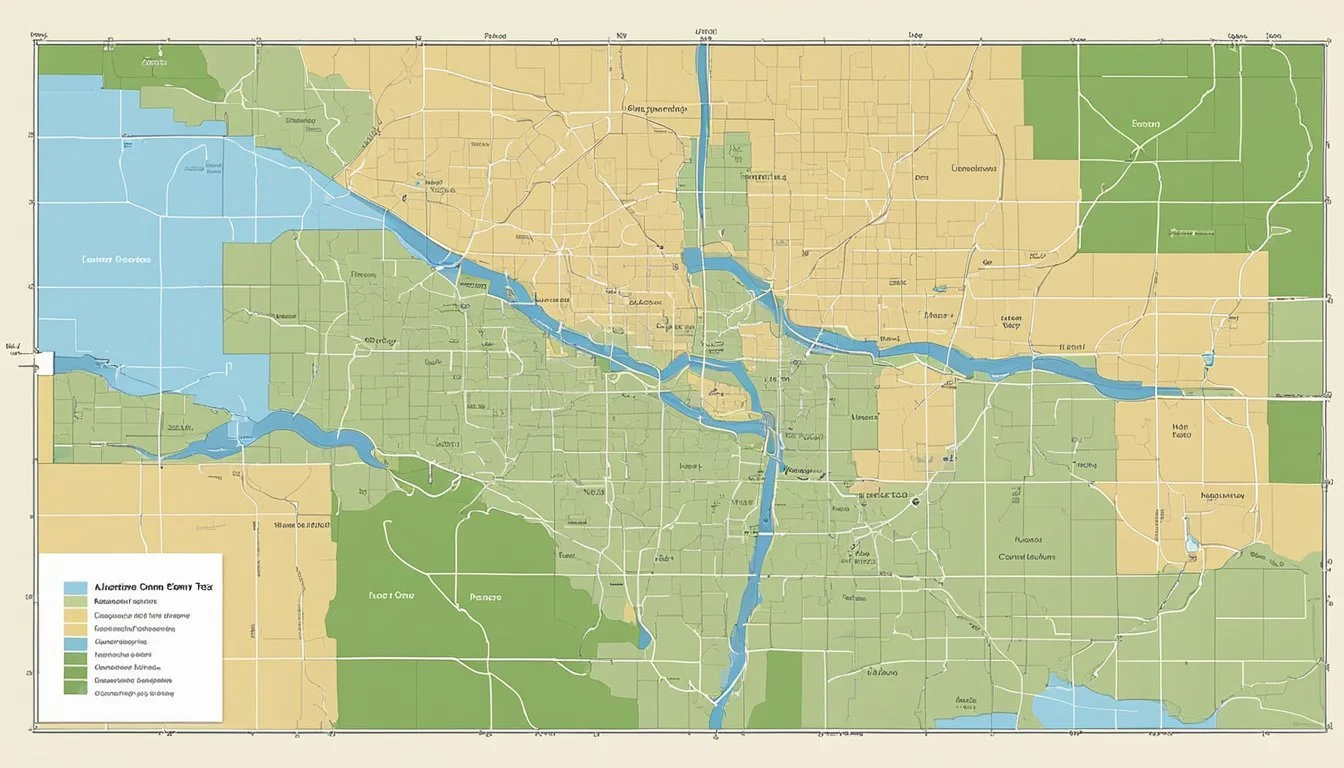
In Texas, alcohol regulations can vary widely from one county to another and within individual cities. Understanding these local variations is critical for both residents and businesses operating in areas such as Limestone County.
Wet and Dry County Regulations
In Texas, counties can be designated as wet, dry, or a combination of both, affecting the sale of alcoholic beverages. A wet county allows the sale of alcohol, whereas dry counties prohibit it entirely. Limestone County, as of the provided information, does not appear in the list of counties with mixed (wet/dry) status. It is essential to consult the Texas Alcoholic Beverage Commission (TABC) for the most up-to-date status on Limestone County. Regulations may also differ based on the type of alcohol, with some counties allowing the sale of beer and wine but not spirits.
Counties adjacent to Limestone, such as Navarro and Ector, may have different regulations. For example, Ector County is partially wet, allowing the sale in certain situations, while El Paso County is an example of a wet county where alcohol sales are more broadly permitted.
City-Specific Alcohol Ordinances
While counties set general regulations, cities within them may enact specific ordinances. A city may restrict or permit alcohol sales even if situated in a wet or dry county. For instance, within Limestone County, a city could have more restrictive hours for alcohol sales than the county at large, or could require special permits for events serving alcohol. The city secretary or clerk plays a crucial role in certifying locations concerning wet and dry area regulations.
Prospective businesses must check with local city ordinances in Limestone County for details on alcohol sales, as there may be additional restrictions such as designated areas where sales are allowed or specific hours of operation. Compliance with both county and city laws is mandatory for all businesses intending to sell alcoholic beverages.
Offenses and Enforcement
In Limestone County, Texas, adherence to state law regarding the sale, consumption, and distribution of alcoholic beverages is strictly monitored for public safety. Violations are pursued with due diligence, highlighting the importance of regulatory compliance for individuals and establishments.
Common Alcohol-Related Violations
Alcohol-related violations in Limestone County can range from the sale of alcohol to minors to public intoxication. Specific offenses include the unlawful supply of alcohol by a guardian, violations of designated hours for sales, and consumption of alcohol by a minor. These infringements necessitate a thorough enforcement protocol to ensure community well-being.
Sale of Alcohol to Minors: It is unlawful for any establishment or individual to sell or provide alcoholic beverages to anyone under the age of 21.
Public Intoxication: Individuals found to be intoxicated to a degree that they may endanger themselves or others may be charged with public intoxication.
Minor in Possession: Possession of alcoholic beverages by individuals under the legal drinking age is strictly prohibited and enforced.
Role of the Texas Alcoholic Beverage Commission
The Texas Alcoholic Beverage Commission (TABC) plays a pivotal role in the enforcement of alcohol laws in Limestone County. This state entity is authorized to supervise and regulate all aspects of the alcoholic beverage industry in Texas, operating to uphold the law and support responsible alcohol consumption.
Enforcement Actions: The TABC conducts investigations and operations to enforce state laws relating to alcoholic beverages.
License and Permit Issuance: The TABC issues permits and licenses, ensuring that sellers and servers of alcohol comply with legal requirements.
Legal Consequences of Violations
Legal consequences for violations of alcohol laws in Limestone County are delineated by state law and can be severe, depending on the nature and frequency of the offense. Penalties can range from fines and community service to suspension of licenses and even incarceration.
Fines: Financial penalties are often imposed for alcohol-related violations, with the amount varying based on the severity and recurrence of the offense.
License Suspension: Establishments found violating TABC regulations may face temporary suspension or permanent revocation of their license to sell alcoholic beverages.
Incarceration: Repeat offenders or those committing more serious violations may face imprisonment as a deterrence and means of enforcing public safety.
Engaging with the Alcoholic Beverage Commission
For individuals and businesses navigating the alcohol regulations in Limestone County, Texas, interacting with the Texas Alcoholic Beverage Commission (TABC) is crucial. Key engagement methods include attending meetings, providing testimony, and staying abreast of regulatory changes.
Attending Commission Meetings
The TABC holds regular commission meetings that are open to the public. For instance, the meeting on January 23rd is one such occasion where stakeholders can observe the decision-making processes. Meeting schedules and agendas are published on the TABC’s official website, allowing interested parties to plan their attendance in advance.
Providing Public Testimony
During commission meetings, there is an opportunity for the public to give testimony on agenda items. To speak at a meeting, participants must typically sign up in advance of the session. This platform allows Limestone County residents and business owners to voice their opinions and potentially influence regulatory decisions.
Staying Informed About Regulatory Changes
It is imperative for relevant parties to stay informed about updates to the Texas Alcoholic Beverage Code. The TABC provides resources such as newsletters and press releases, offering updated information, including legislative changes and enforcement actions. Monitoring these updates can be crucial for compliance and strategic planning.
Special Topics and Considerations
This section explores the nuanced areas of alcohol regulation within Limestone County, focusing on education and safety initiatives, the economic influence of the alcohol industry, and the availability of resources for understanding local alcohol laws.
Alcohol Education and Public Safety Initiatives
Public safety is a primary concern in Limestone County, where initiatives aim to prevent alcohol-related incidents. Educational programs that promote responsible drinking and the enforcement of drinking laws contribute to community well-being. For Texans, this might include server training programs and public awareness campaigns about the risks of underage drinking and drunk driving.
Economic Impact of the Alcoholic Beverage Industry
The alcoholic beverage industry plays a significant role in Limestone County's economy. Sales regulations, such as the prohibition of packaged liquor sales in unincorporated areas, influence the industry's operations. They affect everything from local employment to tax revenues. Saturday sales extension until 1:00 a.m. boosts potential revenue for vendors, illustrating the balance between regulation and economic activity.
Resources for Alcohol Law Information
For individuals seeking information on Limestone County's alcohol laws, resources are readily available. The Texas Alcoholic Beverage Commission (TABC) offers extensive details on the regulations affecting both consumers and businesses. Understanding these laws is crucial for compliance and for ensuring that the activities of the alcoholic beverage industry align with state legislation.