Alcohol and Drinking Laws in McLennan County, Texas
A Comprehensive Guide
In McLennan County, Texas, alcohol and drinking laws reflect the local community's standards and state regulations. Texas allows counties and cities to have a significant say in their local alcohol laws, frequently referred to as "Local Option Elections." This autonomy enables each region, including McLennan County, to tailor certain aspects of alcohol regulation such as the sale hours and types of alcoholic beverages that can be sold. These laws are designed to balance the community's cultural preferences with public safety concerns.

Specifically in McLennan County, there are times when the sale of packaged liquor is not permitted, which includes New Year's Day, the day after if it falls on a Monday, and Thanksgiving Day. The Texas Alcoholic Beverage Code governs these and other nuances of alcohol sales and consumption, aiming to set precise guidelines for both vendors and consumers within the county. McLennan County is also cognizant of matters related to alcohol education and safety, hosting programs such as DWI Education for first-time offenders and others required by the courts.
By understanding the unique blend of state and local regulations, residents and visitors can better navigate the legal landscape of alcohol use in McLennan County. The county's approach to alcohol law enforcement and education also underscores its commitment to maintaining a responsible drinking environment.
Historical Context of McLennan County Alcohol Laws
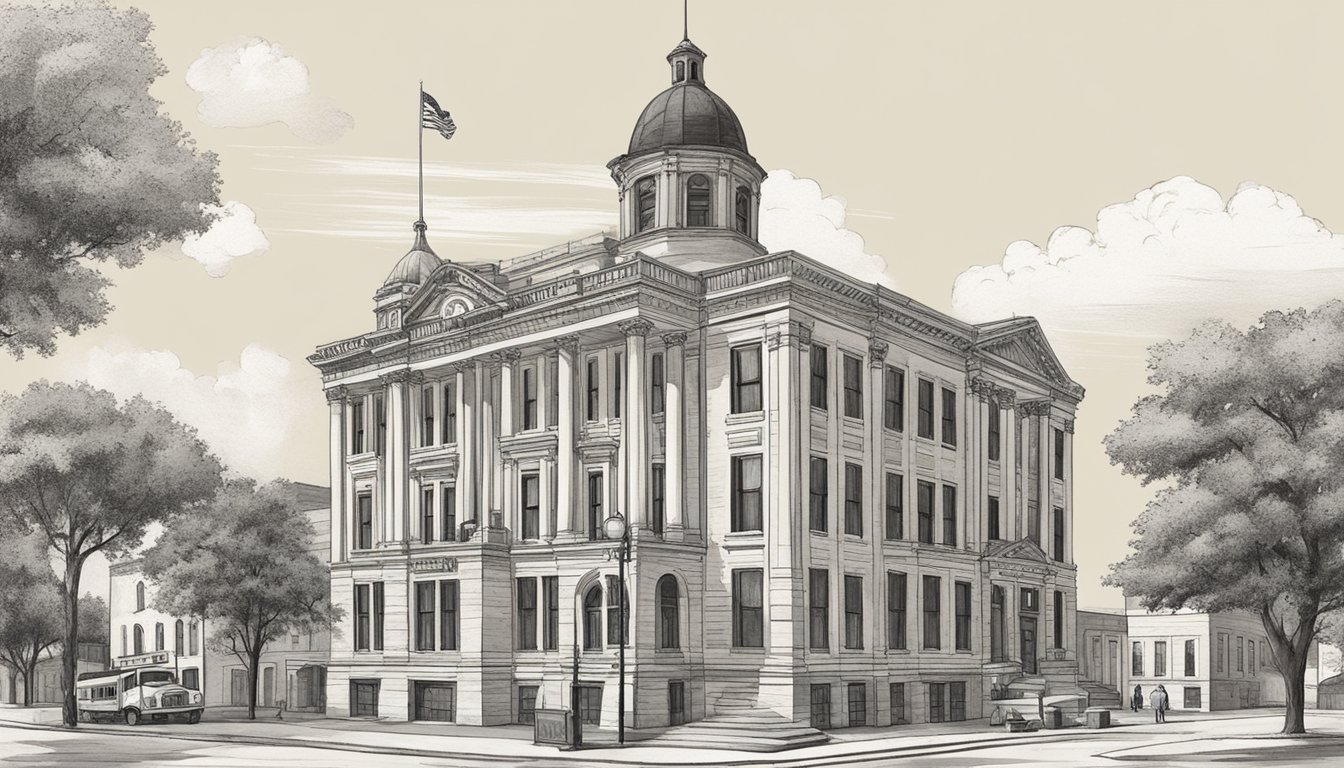
In McLennan County, the evolution of alcohol laws has been notably influenced by the broader trends of prohibition and subsequent legal adjustments. From state-led restrictive measures to localized decision-making, these laws reflect societal shifts over time.
Prohibition Era and Local Option Elections
Prohibition in McLennan County: Stemming from statewide legislative actions, the Baskin-McGregor Act of 1907 marked a significant turn in local alcohol regulation in Texas, including McLennan County. This act established licensing requirements and directly impacted operational conditions for various establishments. Additionally, it explicitly banned prostitutes and any woman from entering or remaining in saloons and mandated the removal of any vulgar or obscene pictures. As Texas moved towards greater restrictions, counties, notably in the eastern and southern regions, began prohibiting alcohol through local option elections, allowing residents to vote on the legality of alcohol sales.
Local Option Elections: Significant for their role in determining the county’s stance on alcohol, local option elections empowered communities to institute bans on the sale of alcohol on a county-by-county basis. In McLennan County, these elections enabled residents to periodically vote, shaping the county's approach to alcohol regulation in line with public sentiment and contributing to the patchwork of dry and wet jurisdictions across Texas.
Transition From Dry to Wet Counties
From Dry to Wet: While Prohibition formally ended with the repeal of the 18th Amendment, Texas still permitted counties to maintain stringent control over alcohol sales via local option elections. McLennan County's laws evolved with statewide trends, navigating between dry and wet status over the decades. This flexibility reflected changing attitudes and the balance between regulatory constraints and economic considerations related to the sale and consumption of alcohol.
Current Status: In contemporary times, Texas hosts a mix of dry and wet counties, with some areas maintaining prohibition-era restrictions. McLennan County’s current regulations stem from historical precedents and the ongoing utilization of local option elections to guide its alcohol-related policies. This democratic process continues to shape the availability and oversight of alcohol within the county borders.
State of Texas Alcohol Laws
In Texas, the regulation of alcoholic beverages is governed by a comprehensive legal framework enforced by a dedicated state agency.
Overview of Texas Alcoholic Beverage Code
The Texas Alcoholic Beverage Code establishes the legal parameters for the manufacture, distribution, and sale of alcoholic beverages within the state. This Code delineates various license and permit categories, with specific rules addressing the operations of establishments that sell or serve alcohol.
Functions of Texas Alcoholic Beverage Commission
The Texas Alcoholic Beverage Commission (TABC) is the state agency responsible for overseeing and enforcing the provisions of the Alcoholic Beverage Code. It issues permits and licenses, monitors compliance, and can implement disciplinary actions against entities that violate state laws.
Standard State-wide Regulations
Texas state law prescribes standard regulations regarding alcohol sales:
Sales of alcohol are prohibited after certain hours, typically 2 AM.
Persons under the age of 21 are prohibited from purchasing or consuming alcoholic beverages.
It is a criminal offense for any individual to make alcoholic beverages available to a minor.
Note: Local laws within counties or cities in Texas, such as McLennan County, may vary slightly, implementing additional restrictions or allowances within their jurisdictions.
Specific McLennan County Alcohol Regulations
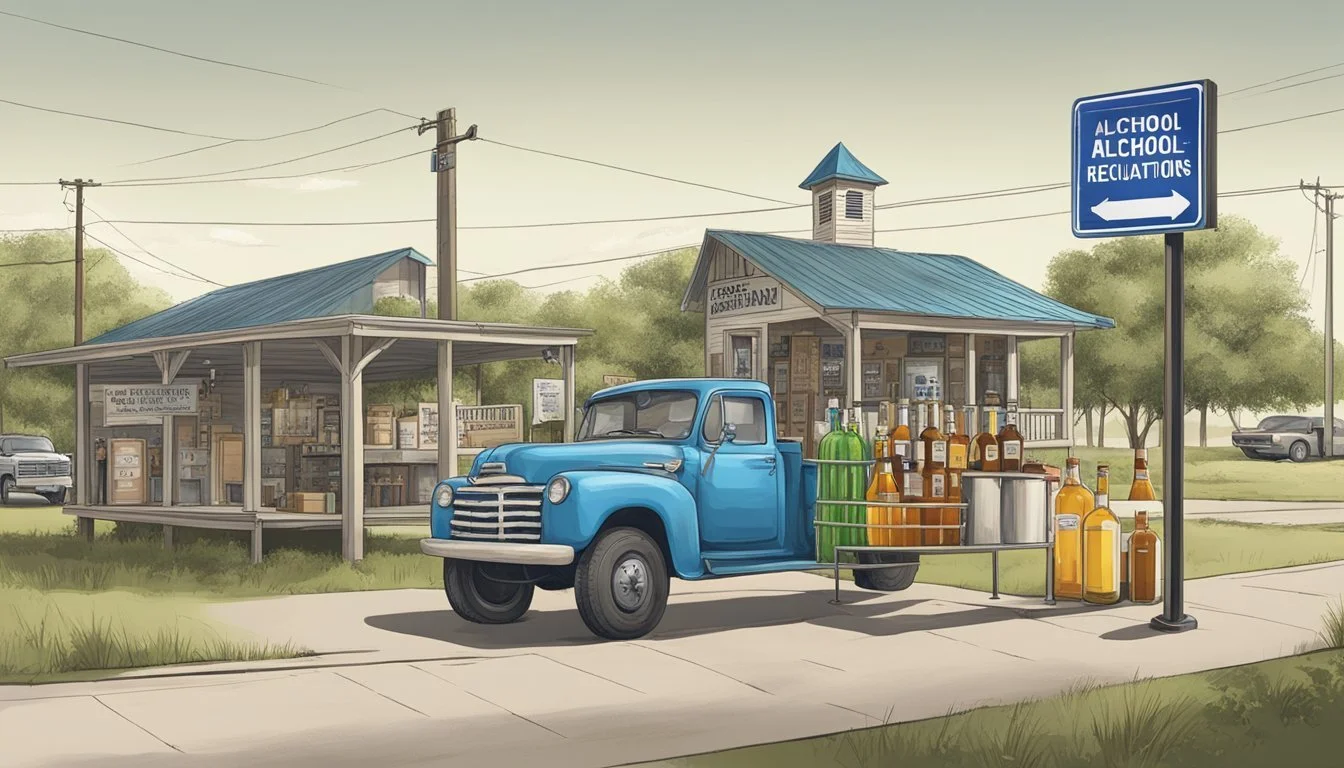
McLennan County's alcohol laws integrate Texas state regulations with local provisions affecting sale, distribution, and consumption.
Comparing McLennan to Neighboring Counties
In contrast to some neighboring counties, McLennan County permits the sale of packaged liquor, with limitations. While surrounding counties might share similar hours of sales for beer and wine, the specifics can differ slightly in terms of daily start and end times for sales, as well as Sunday restrictions.
Current Status of McLennan County: Wet or Dry
McLennan County operates as a partially wet county. This means that within certain precincts and cities, regulations vary regarding the sale of alcohol. Voters in individual areas within the county can influence these laws, leading to a mix of wet (alcohol sales permitted) and dry (alcohol sales prohibited) zones.
McLennan County Licensing Procedures
Prospective businesses in McLennan County seeking to sell alcohol must adhere to a set of licensing procedures. These procedures include obtaining the appropriate permits, which vary based on the type of establishment and the kind of alcohol being sold. The Texas Alcoholic Beverage Commission (TABC) governs the issue and regulation of these licenses at a state level, with specific local mandates to follow for compliance within county borders.
Sale and Distribution of Alcoholic Beverages
In McLennan County, Texas, the sale and distribution of alcoholic beverages are subject to specific state-mandated regulations. These rules govern how liquor stores, bars, and restaurants operate, especially concerning hours of operation and sales on Sundays.
Laws for Liquor Stores and Retailers
Liquor stores in McLennan County are permitted to sell packaged liquor from 10:00 a.m. to 9:00 p.m., Monday through Saturday. It is important to note that the sale of packaged liquor on Sunday is explicitly prohibited by Texas state law.
Hours of Operation for Liquor Stores:
Monday-Saturday: 10:00 a.m. - 9:00 p.m.
Sunday: No sales permitted
Regulating Sales in Bars and Restaurants
Bars and restaurants, unlike liquor stores, may sell alcoholic beverages such as beer and wine to patrons for consumption on their premises. Compliance with Texas Alcoholic Beverage Code is mandatory.
Permitted Sales in Bars and Restaurants:
Beer and wine: Within licensed hours
Special Provisions for Sales on Sundays
For establishments other than liquor stores, such as supermarkets and gas stations, the sale of beer and wine is allowed within prescribed hours, even on Sundays. However, these establishments cannot sell liquor on Sundays.
Sunday Sales:
Beer and wine at supermarkets and gas stations: Permitted during allowed hours
Liquor stores: No sales permitted
Consumption Laws and Public Safety
In McLennan County, Texas, drinking laws are enforced to safeguard residents and maintain public order. These regulations include stringent penalties for underage drinking, specific driving under the influence (DUI) laws, and clear standards pertaining to open container and public consumption.
Underage Drinking and Associated Penalties
In Texas, it is illegal for anyone under the age of 21 to consume alcohol. McLennan County adheres to state law, which imposes significant penalties on underage drinkers. Penalties include fines, possible community service, and driver's license suspension. An individual caught purchasing or attempting to purchase alcohol can face a Class C misdemeanor, which may result in a fine of up to $500.
Drinking and Driving Laws
Texas recognizes driving with a blood alcohol concentration of 0.08% or above as driving under the influence. McLennan County enforces DUI laws vigorously, with penalties scaling based on the number of offenses:
First offense: Up to a $2,000 fine, 3 to 180 days in jail, and loss of driver's license for up to a year.
Second offense: Up to a $4,000 fine, 1 month to a year in jail, and loss of driver's license for up to 2 years.
Third offense: A $10,000 fine, 2 to 10 years in prison, and loss of driver's license for up to 2 years.
Open Container and Public Consumption Regulations
It is illegal to have an open container of alcohol in the passenger area of a vehicle in McLennan County. Violation of the open container law results in a fine of up to $500. Public consumption of alcohol is generally prohibited, but local ordinances can vary, with certain districts allowing consumption in designated zones. The sale of packaged liquor is not allowed on Sundays, while on other days, retail establishments, such as liquor stores, can sell from 10:00 a.m. to 9:00 p.m. Monday through Saturday.
Local Legal Processes and Community Impact

The regulation of alcohol in McLennan County, Texas, is a reflection of historical tendencies and current community values, shaped through local option elections and their subsequent influence on the county's economic vibrancy and public health initiatives.
Mechanics of Local Option Elections in McLennan County
In McLennan County, local option elections serve as a pivotal mechanism for determining alcohol laws within various precincts. These elections, initiated by a petition process, require a minimum number of signatures from registered voters to bring the issue of alcohol sales to a ballot. The outcomes can lead to a precinct being classified as 'wet' or 'dry' concerning the sale of alcoholic beverages. The voting during these elections directly influences the availability of alcohol at the city and precinct levels.
Role of Community and Public Opinion
Public opinion in McLennan County has a direct impact on alcohol-related laws through both community service activities and the ballot box. Civic engagement and dialogue among residents articulate the level of support or opposition to alcohol sales. Community service organizations often provide forums for discussion and education on this issue. Furthermore, the community's sentiments and choices are reflected in the elected officials they vote into office, who then shape policy and local regulations.
Effect of Laws on McLennan County's Economy and Public Health
The alcohol laws of McLennan County affect its economy and public health in various ways. Areas that vote to become 'wet' can see an influx of businesses such as liquor stores and bars, which can lead to increased economic activity and job opportunities. On the other hand, such changes can pose challenges to public health, necessitating community health initiatives to mitigate any negative consequences of increased alcohol availability, such as substance abuse and related accidents. The balance between economic benefits and health risks often fuels the local debate on alcohol laws.
Legal Resources and Assistance
McLennan County, Texas, offers a range of legal resources and assistance specifically tailored to address alcohol and drinking law violations. These include informative websites, document resources, and local legal aid offices dedicated to providing the community with the necessary tools to navigate legal issues effectively.
Navigating Violations and Legal Disputes
Individuals facing allegations of alcohol-related offenses in McLennan County have access to several avenues for legal support. Local legal aid offices provide services for those seeking representation or advice on handling such disputes. Additionally, the McLennan County Justice of the Peace, Precinct 2, offers guidance on legal procedures and dress codes for court appearances. They can direct residents to appropriate legal forms and further assistance as needed.
Educational resources aimed at increasing public understanding of the county's drinking laws are available through several platforms, including the State Law Library and Texas Court Help. These resources offer residents access to self-help documents, legal information websites, and lawyer referral services, empowering them to make informed decisions.
Educational Resources for the Community
Texas Legal Services Center (TLSC) manages TexasLawHelp.org, providing educational materials and free legal services to educate Texans on various legal topics, including drinking laws. Their initiatives aim to promote awareness and prevent legal complications arising from alcohol consumption within the county's jurisdictions.
The community can leverage these resources to gain a deeper understanding of how to comply with local regulations and seek legal recourse when necessary. Furthermore, community events and clinics hosted by legal aid organizations often cover essential topics, helping to keep residents informed about the latest developments in alcohol and drinking laws within McLennan County.