Alcohol and Drinking Laws in Newton County, Texas
A Comprehensive Guide
Alcohol and drinking laws vary widely across the United States, and within Texas, these regulations can differ even more granularly from one county to another. Newton County, Texas, adheres to its own set of alcohol-related ordinances that govern the sale, distribution, and consumption within its jurisdiction. These laws are established to regulate the alcohol industry responsibly and ensure public safety, taking into account both state statutes and the county's individual preferences expressed through local option elections.
In Newton County, as is the case throughout Texas, the legal drinking age is set at 21. Local ordinances are in place that dictate specific hours for alcohol sales, which can vary based on the type of establishment, such as restaurants, bars, or retail outlets. Furthermore, some areas within the county may have different rules than others, with incorporated and unincorporated areas potentially observing distinct regulations. Whether a locality is "wet," permitting the sale of alcohol, or "dry," prohibiting sales, can be decided through these local option elections, reflecting the community's stance on alcohol use and accessibility.
Understanding the nuances of these laws is crucial for businesses operating in the alcoholic beverage industry as well as for consumers within Newton County. Compliance with state and local regulations is enforced by the Texas Alcoholic Beverage Commission, which also provides guidelines and updates on any changes to the legal framework governing alcohol in the region. It's this interplay of state oversight and local control that shapes the legal landscape of alcohol use in Newton County, ensuring that residents and visitors alike are aware of the boundaries within which they can legally purchase and consume alcoholic beverages.
Overview of Alcohol and Drinking Laws in Newton County
Newton County, Texas, enforces specific alcohol and drinking laws that reflect its historical stance and compare uniquely with its neighboring counties. These regulations impact the sale and consumption of alcohol within the county limits.
Historical Context
Newton County has a history of being a "dry county," which means that the sale of alcoholic beverages has at times been heavily restricted or prohibited. Historically, Texas has been a mosaic of 'wet' and 'dry' counties, with Newton County traditionally favoring more restrictive alcohol policies. These laws have roots in prohibition-era temperance movements, wherein communities sought to control or prevent the consumption of alcohol.
Comparison with Neighboring Counties
In contrast to some neighboring counties, Newton County maintains strict regulations on alcohol sales. For instance:
Sunday Restrictions: Packaged liquor sales are prohibited on Sundays.
Sales Hours on Other Days: - Liquor: 10:00 a.m. to 9:00 p.m., Monday through Saturday. - Beer and Wine: Noon to midnight on Sunday and 7:00 a.m. to midnight Monday through Friday, extending to 1:00 a.m. on Saturday.
By contrast, some adjacent counties may offer more relaxed regulations, potentially permitting Sunday sales of liquor or longer operating hours for alcohol vendors. This patchwork of laws means that residents and visitors may experience varying degrees of availability and restriction as they move between counties in Texas.
Legal Age and Minor Regulations

In Newton County, Texas, the laws regarding alcohol consumption by minors are strictly defined, with specific age restrictions, penalties for infractions, and the delineated responsibilities of guardians.
Age Restrictions for Consumption
The legal drinking age in Texas is 21 years old. However, minors may consume alcohol under certain conditions, which include the presence and consent of a guardian, typically a parent, legal guardian, or spouse over the age of 18. These conditions emphasize supervision and do not permit public intoxication or misrepresentation of age by the minor.
Penalties for Underage Drinking
Minors who violate alcohol consumption laws face serious consequences:
Class C misdemeanor for purchasing, attempting to buy, possession, or consumption of alcohol
Fines up to $500
Attendance of an alcohol awareness class
Community service ranging from 8 to 40 hours
Responsibilities of Guardians
Guardians play a pivotal role in adhering to and enforcing the alcohol laws as they apply to minors. The law permits a minor to consume alcohol for instructional purposes such as in a culinary class, but only if the minor is under the direct supervision of an authorized instructor who is at least 21 years old. Additionally, guardians must ensure that they do not make alcohol available to minors outside the legal exemptions.
Licensing and Permits
In Newton County, Texas, the TABC oversees the regulation of alcoholic beverage licensing, ensuring businesses comply with state law. License applications and permit requirements are crucial for the legal sale of alcohol within the county.
Types of Alcohol Licenses
The Texas Alcoholic Beverage Commission (TABC) offers various licenses related to the sale of alcoholic beverages. In Newton County, retail licenses vary, with distinctions made between those for premises selling alcohol for off-site consumption and those for on-site consumption. Furthermore, distributor and wholesaler licenses are available for entities participating in the supply chain of alcoholic beverages.
Obtaining a Permit
To obtain a permit to sell alcoholic beverages in Newton County, applicants must submit a comprehensive application to the TABC, including personal information and details about the premises. Applicants are also subject to background checks and are required to adhere to local zoning laws. The completion of a TABC-certified training program is often required for staff handling alcoholic beverages.
Regulations for Licensed Premises
Licensed premises in Newton County are subject to strict regulations enforced by the TABC. These include restrictions on operating hours, with sales prohibited during certain times, such as on Sundays for packaged liquor. All licensees are expected to ensure that they do not serve alcohol to minors or visibly intoxicated persons. Regular inspections ensure compliance with the state and local ordinances, and failure to adhere to these regulations can lead to penalties or revocation of the license.
Sale and Purchase Regulations
The sale and purchase of alcoholic beverages in Newton County, Texas, operate under specific regulations. These laws dictate the operating hours for sales, including exceptions for Sundays and holidays, and regulations for package stores.
Operating Hours for Sales
In Newton County, sales of alcoholic beverages are regulated by time. For packaged liquor, sales are permitted from 10:00 a.m. to 9:00 p.m., Monday through Saturday. Meanwhile, beer and wine sales have extended hours, as follows:
Monday through Friday: 7:00 a.m. to midnight
Saturday: 7:00 a.m. to 1:00 a.m.
Sunday Sales and Exceptions
On Sundays, the sale regulations become more restricted. Package liquor stores are not permitted to operate, while establishments with off-premise beer and wine licenses are allowed sales:
Beer and Wine: Noon to midnight
However, exceptions are in place for certain holidays, namely New Year's Day, Thanksgiving Day, and Christmas Day, where sales hours may be subject to special state regulations.
Package Store Regulations
A package store in Newton County must adhere to state and local laws for operation. Sales of packaged liquor are prohibited on Sunday and are restricted to the hours between 10:00 a.m. and 9:00 p.m. on other days. Package stores must remain closed on New Year's Day, Thanksgiving Day, and Christmas Day.
Consumption Laws
In Newton County, Texas, alcohol consumption laws are strictly enforced, with particular attention paid to where individuals can consume alcoholic beverages and the handling of open containers in public spaces.
Public Consumption Restrictions
The public consumption of alcohol in Newton County is generally prohibited. Texas law stipulates that public spaces, such as streets, parks, and other areas accessible to the general public, are not designated for the consumption of alcoholic beverages. Individuals are expected to adhere to these regulations to avoid legal repercussions.
Open Container Guidelines
Texas defines an open container as any bottle, can, or other receptacles that contains any amount of alcoholic beverage and is open or has a broken seal, or the contents of which are partially removed. It is illegal to have an open container in the passenger area of a motor vehicle on a public highway, regardless of whether the vehicle is being operated or is stopped or parked. Compliance with these open container laws is critical to ensure the safety and well-being of all residents and visitors in the county.
Enforcement and Violations
In Newton County, Texas, enforcement of alcohol-related laws is primarily managed by the Texas Alcoholic Beverage Commission (TABC), with violations ranging from public safety infractions to breaches of the peace. Legal consequences for these violations are established by state law.
Texas Alcoholic Beverage Commission's Role
The TABC acts as the regulatory authority for the state's alcohol industry. It enforces the Texas Alcoholic Beverage Code, focusing on violations that affect public safety. Agents are commissioned peace officers with the mandate to ensure compliance with all state laws relating to alcoholic beverages.
Enforcement tasks include:
Monitoring retail establishments
Investigating complaints
Conducting stings and audits
Common Infractions
Violations enforced by the TABC in Newton County often pertain to the sale and service of alcohol. Common infractions include:
Serving Alcohol:
To a minor
To an intoxicated person
Outside of permitted hours
Retail Employee Violations:
Working while intoxicated
Allowing breaches of the peace
Legal Consequences
Violators of Texas alcohol laws face a range of legal consequences, often depending on the severity and frequency of the infraction. These can include:
Penalties for Individuals:
Fines
License suspensions
Mandatory training programs
Penalties for Establishments:
Fines
Suspension or cancellation of liquor licenses
Temporary or permanent closures
Special Provisions for Breweries and Wineries
Breweries and wineries in Newton County operate under specific regulations that address the manufacturing, distribution, and sale of their products. These provisions ensure compliance with local laws and support the growth of the alcohol industry within the region's legal framework.
Craft Beer and Microbreweries
In Newton County, craft beer enthusiasts and microbrewery operators must adhere to local stipulations. Microbreweries are regulated entities and can manufacture, distribute, and sell beer within the established alcohol by volume (ABV) limits. The industry’s focus on high-quality, small-batch beer production is supported by the county through clear licensing requirements.
Distribution: Local breweries are authorized to sell their beer to consumers, either on-premises or off-premises, provided they hold the appropriate licenses.
Licensing: To engage in the sale of beer, breweries must obtain the necessary licenses, which ensures that the county can maintain adequate oversight over the alcohol content of the products and the legality of the sale channels.
Local Winery Regulations
Wineries within Newton County are subject to their own set of rules which pertain to the production and sale of wines. These regulations reflect the county's efforts to balance entrepreneurial support with responsible alcohol consumption.
Production: Wineries may produce wine with an ABV not exceeding certain percentages as determined by local legislation, ensuring that products sold align with county standards.
Sales: For sale and distribution, Class 3 wineries and Class 4 limited wineries must comply with ABV limits, which may marginally increase, allowing for a broader range of wine products within the market.
The local government acknowledges the importance of both breweries and wineries to Newton County's economy and culture, and these entities must navigate and comply with the specific regulations to maintain their operations.
Alcohol-Related Events and Education
In Newton County, Texas, alcohol-related events are carefully regulated, and educational programs play a vital role in promoting responsible alcohol consumption.
Community Events and Alcohol Permits
The Newton County authorities mandate Authorized Catered Event Permits for the sale and distribution of alcoholic beverages at public events. These permits ensure that alcoholic beverages are handled responsibly and in compliance with local laws. To obtain a permit, event organizers must follow specific guidelines laid out by the county's ordinances. This allows for a controlled environment where adults can consume alcohol legally and safely during community gatherings.
Key Criteria for obtaining an event permit includes:
Proper application submission.
Compliance with Newton County's Board of Commissioners' regulations.
Host responsibility for alcohol distribution and consumption at the event.
Educational Programs and Trainings
Educational efforts are instrumental in reducing alcohol-related incidents. Texas Alcoholic Beverage Commission (TABC) provides resources and training focused on increasing awareness and legal compliance.
TABC Programs and resources include:
TRACE (Target Responsibility for Alcohol-Connected Emergencies) video series.
Comprehensive training for safe alcohol sales and service.
These educational initiatives impart vital information to individuals and businesses, equipping them with the knowledge to navigate the complexities of alcohol regulations and the importance of adherence to the laws.
Local Economic Impact of the Alcoholic Beverage Industr
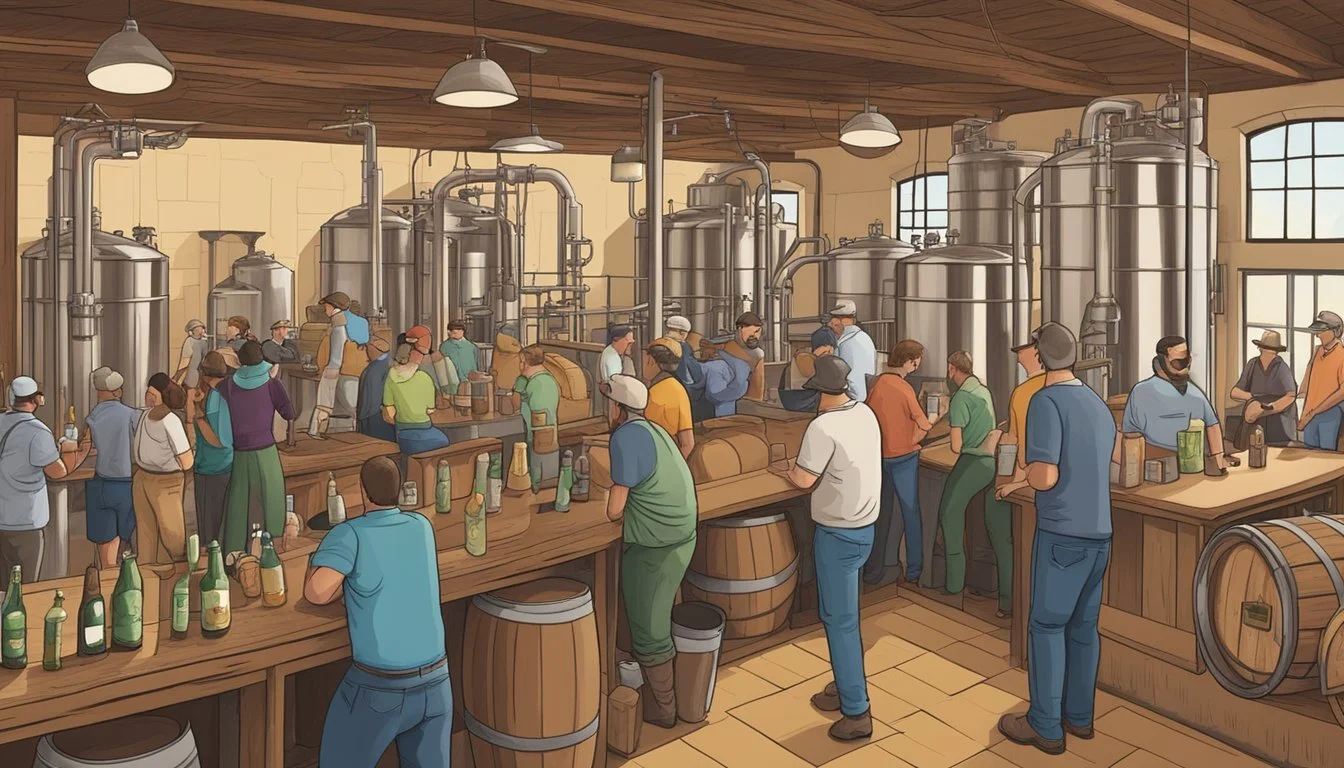
The alcoholic beverage industry in Newton County, Texas, is a notable contributor to the local economy. It encompasses a broad range of activities, from the production and wholesale distribution of alcoholic beverages to retail sales and hospitality services. This sector generates economic benefits through employment, tax revenue, and business opportunities.
Employment is substantial within the retail segment, including liquor stores and dining establishments serving alcohol. These businesses require a varied workforce, from retail associates and bartenders to managerial and support staff.
The industry also provides fiscal benefits through the collection of state tax revenues, which support a myriad of public services. Taxes levied on alcoholic beverages contribute to the county's budget, funding everything from infrastructure projects to educational programs.
Furthermore, there is a trickle effect on supplementary businesses such as agriculture, marketing, and transportation. Local producers of spirits, wines, and beers stimulate demand for raw materials, while marketing efforts harness various media outlets to propel brand visibility and community engagement.
Hospitality services including hotels and event planning, flourish around the beverage sector, enhancing Newton County’s tourism appeal and entertainment landscape. This symbiosis between tourism and alcohol sales brings additional revenue into the county.
Industry Sector Economic Contribution
Retail Sales Employment, Tax Revenue
Wholesale Distribution Supply Chain, Job Creation
Production Local Agriculture, Innovation
Hospitality Tourism Growth, Recreational Spending
The economic impact of Newton County's alcoholic beverage industry is multifaceted. The sector not only provides direct financial advantages but also stimulates a broader economic network, influencing the county's prosperity.