Alcohol and Drinking Laws in Motley County, Texas
An Essential Guide
Motley County, Texas, enforces specific regulations surrounding the sale and consumption of alcohol in alignment with state law. The county observes a complete prohibition on the sale of packaged liquor on Sundays. However, from Monday through Saturday, packaged liquor can be sold between 10:00 a.m. and 9:00 p.m. This restriction fits within a broader context of Texas alcohol laws that are known for their complexity, often varying from one county to another and depending on whether the area is incorporated or not.
For beer and wine sales, the rules in unincorporated areas of Motley County are slightly more relaxed. Packaged beer and wine are available for sale from noon to midnight on Sundays and from 7:00 a.m. to midnight on weekdays. On Saturdays, these sales can extend from 7:00 a.m. to 1:00 a.m. Establishments with the appropriate licenses are permitted to operate within these time frames to sell their products for off-premises consumption.
Understanding the local variations of Texas alcohol laws, including those specific to Motley County, is essential for residents, business owners, and visitors. Compliance with these laws ensures that the community remains in good standing with the regulations set by the Texas Alcoholic Beverage Commission (TABC), which oversees the lawful sale, distribution, and consumption of alcoholic beverages throughout the state.
Legal Drinking Age
In Motley County, as throughout the state of Texas, the legal drinking age is firmly established at 21 years of age. This aligns with federal legislation and is consistently enforced, whether one is in a major city or in rural counties like Motley County. Age verification is a rigorous process, often involving checking one of the following forms of identification:
U.S. driver’s license
U.S. passport
Military ID card
Other state or federal government-issued ID
Minors under the age of 21 found attempting to purchase, possessing, or consuming alcohol face penalties. These are classified as a Class C misdemeanor and may include:
A fine of up to $500
Mandatory attendance of an alcohol awareness class
Texas law stipulates that minors may consume alcoholic beverages in the presence of adults, under specific circumstances. This generally requires adult supervision by a parent or legal guardian, and this consumption must occur on private property.
For establishments selling alcohol, strict compliance with state law is imperative. They must ensure that all buyers meet the minimum legal drinking age requirement, and they risk serious penalties for non-compliance. Businesses often implement their own policies regarding age verification to further bolster adherence to the law.
For adults, understanding and respecting the legal drinking age in Texas is a responsibility that ensures the safety of both individuals and the broader community.
Sales and Purchase Laws
In Motley County, Texas, the sale and purchase of alcoholic beverages are governed by specific regulations that define when these transactions can legally occur. The hours of sale for alcohol, the restrictions on Sundays, and the curtailment during particular holidays all shape the alcohol market dynamics in the county.
General Sales Hours
In Motley County, as throughout Texas, businesses may sell beer and wine from Monday to Friday starting at 7 a.m. and ending at midnight. On Saturdays, the sale of beer and wine can continue until 1 a.m. on Sunday. Liquor, however, has more restricted sales hours—it can be sold only from Monday to Saturday, starting at 10 a.m. and not later than 9 p.m.
Liquor Sale Hours:
Monday to Saturday: 10 a.m. - 9 p.m.
Sunday Restrictions
On Sundays, the sale of alcoholic beverages is subject to tighter control. Beer and wine can only be purchased starting at noon and sales must end by midnight. As for liquor, Motley County, in line with state law, prohibits the sale of liquor entirely on Sundays.
Beer and Wine Sales on Sunday:
Noon - midnight
Special Holidays
On certain holidays, namely New Year's Day, Thanksgiving Day, and Christmas Day, the sale of liquor is banned throughout the entirety of the day. These regulations ensure that no transactions involving liquor take place on these dates, promoting community standards and public safety.
No Liquor Sales:
New Year's Day
Thanksgiving Day
Christmas Day
Licensing and Permits
In Motley County, Texas, obtaining the appropriate licenses and permits is a mandated process governed by the Texas Alcoholic Beverage Commission (TABC) for any entity engaging in the alcoholic beverage industry. This ensures lawful retail sales and compliance with state regulations.
Obtaining Licenses
Entities must undergo a TABC-approved certification training program to fulfill the prerequisites for obtaining an alcoholic beverage license. The application process involves background checks and an evaluation of the business premises. Licenses must be prominently displayed at the establishment once granted.
Complete required TABC certification training.
Submit an application with accurate business details.
Pass a background check.
Have business premises inspected.
Display the issued license at the business location.
Types of Permits
A variety of permits cater to different operations within the industry. Each type dictates the extent of the holder's privileges and responsibilities.
Common Permits in Motley County:
Mixed Beverage Permit: For venues serving spirits, beer, and wine.
Beer and Wine Permit: For retail locations selling beer and wine for off-premise consumption.
Texas law maintains a three-tier system separating manufacturer, distributor, and retailer tiers to prevent monopolies and ensure consumer safety. The TABC strictly enforces this structure, requiring different permits for each tier within the alcoholic beverage industry.
Public Consumption and Intoxication
In Motley County, Texas, the laws governing public consumption and intoxication are derived from both state law and local ordinances. Texas law prohibits public intoxication, defining it as not having normal use of mental or physical faculties due to alcohol or drugs, or having an alcohol concentration of 0.08 or more. This applies equally across the state, including in Motley County.
Public Consumption It is important for individuals to be aware that consumption of alcohol in certain public spaces is regulated. Local governments may seek approval from the Texas Alcoholic Beverage Commission (TABC) to ban public drinking in designated areas, typically within a "central business district."
Open Container Laws Texas enforces open container laws, prohibiting the possession of open containers of alcohol in a motor vehicle's passenger area.
Intoxication and Vehicles Driving under the influence of alcohol is a serious offense in Texas. A person operating a motor vehicle while intoxicated poses a significant risk to public safety and is subject to legal penalties. Intoxication offenses extend to other forms of transportation as well, including boating and flying.
Aspect Detail
Public Intoxication Class C misdemeanor, fine up to $500
Open Containers Prohibited in motor vehicle's passenger area
Intoxication with Motor Vehicle May lead to higher charges such as Driving While Intoxicated (DWI)
Residents and visitors in Motley County should remain cognizant of these laws to avoid legal repercussions and contribute to a safe, lawful community.
Penalties for Violation
In Motley County, Texas, alcohol-related offenses are taken seriously, with penalties ranging from fines to potential impacts on licenses and permits for individuals and businesses. The Texas Alcoholic Beverage Commission (TABC) has established a structured system for sanctions, ensuring that all violations are met with appropriate and consistent consequences.
Offenses and Fines
First-time Offenders: They may face fines and community service. A typical punishment for a Class C misdemeanor, such as public intoxication, can be a fine up to $500.
Repeated Violations: More severe penalties may include higher fines, mandatory community service, or education programs.
The following table outlines the penalties for common alcohol-related offenses:
Offense Classification Fines Community Service
Public Intoxication Class C Misdemeanor Up to $500 Possible
Selling Alcohol to a Minor Class A Misdemeanor Up to $4,000 or Jail Possible
For businesses, TABC violations can lead to a tiered penalty system that ranges from written warnings to fines and even suspension or cancellation of permits.
Impact on License and Permits
Individuals: A conviction for an alcohol-related offense can lead to the suspension of one's driver's license, influencing their mobility and daily activities.
Businesses: Alcohol-serving establishments in Motley County face penalties that can affect their operation. A violation of TABC codes may result in suspension or revocation of their permits, impacting their legal ability to sell alcoholic beverages. Businesses also have the right to a fair hearing before any action is taken by the TABC.
In both cases, the courts play a crucial role in adjudicating offenses and confirming penalties. Compliance with Texas laws is essential to avoid such penalties and foster a safe community in Motley County.
Regulations Specific to Motley County
Motley County, situated in Texas, follows state-level regulations for alcohol laws, but local ordinances also play a crucial role. The county operates under unique regulations that affect the sale and consumption of alcoholic beverages within its borders.
Local Ordinance: Local ordinances in Motley County may affect the hours of sale for alcohol or establish specific "dry" areas where the sale is prohibited. These regulations are designed to align with the community's preferences and safety concerns.
Dry Counties: While not all of Texas is "dry," some counties have restrictions on the sale of alcohol. It is crucial for residents and visitors in Motley County to be aware of the specific zones that may be designated as dry and understand the limitations within these zones.
Sale and Consumption Laws:
On-Premises Consumption: Establishments such as bars and restaurants in non-dry areas of Motley County may have permits to serve alcohol on the premises.
Off-Premises Sales: Grocery and convenience stores in permitted areas can sell alcohol for off-premises consumption; however, certain restrictions on sale hours apply.
Alcohol Permits: Entities wishing to sell or distribute alcoholic beverages must adhere to the permitting process as outlined by the Texas Alcoholic Beverage Commission (TABC). Compliance with state and local laws is mandatory for maintaining these permits.
Age Restrictions: The legal drinking age in Motley County is 21. It is unlawful for minors to purchase, attempt to purchase, consume, or possess alcoholic beverages. Similarly, for providers, selling or serving alcohol to minors is strictly forbidden and carries significant penalties.
Alcohol in Hospitality Businesses

In Motley County, Texas, hospitality businesses must navigate a series of specific regulations concerning the sale and service of alcohol. Both the time of sale and the type of establishment play pivotal roles in their operational compliance with state law.
Bars and Restaurants
Operating Hours for Alcohol Sales:
Monday to Saturday: Sales are permitted from 10:00 a.m. to 9:00 p.m. for packaged liquor.
Sunday: Packaged liquor sales are prohibited.
Bars and restaurants must adhere to these hours strictly but are afforded additional hours for the sale of packaged beer and wine, which can be offered from 7:00 a.m. to midnight from Monday to Friday, and until 1:00 a.m. on Saturday.
Hotels
Hotels operate under similar constraints as bars and restaurants concerning the sale of alcohol, with a focus on ensuring all sales comply with set hours. Hotel bars can provide guests the convenience of on-site service, catering to both registered guests and the public. They must, however, still abide by the legally permitted hours for alcohol sales.
Service to Registered Guests:
Hotels may offer room service and mini-bars to registered guests but must ensure compliance with the legal hours for alcohol sales.
By adhering to the legislative framework of Motley County and the state of Texas, hospitality businesses such as bars, restaurants, and hotels can successfully operate within the legal bounds of alcohol service, ensuring a safe and professional environment for their patrons.
Special Provisions and Exemptions
In Motley County, Texas, specific local laws affect the ways in which alcohol can be consumed and purchased. These regulations include provisions for "Bring Your Own Bottle" (BYOB) establishments and the purchase of alcoholic beverages from out-of-state sources.
BYOB Policies
In Motley County, patrons are permitted to bring their own alcoholic beverages into establishments that do not have a license to sell alcohol. These BYOB policies allow individuals to consume their own alcohol on the premises of unlicensed venues, often restaurants, which typically only serve food. However, it's critical for patrons to be aware of the operating hours during which alcohol consumption is allowed, aligning with local regulations for alcohol service.
Out-of-State Purchases
When it comes to out-of-state purchases, Motley County residents must adhere to Texas state law regarding the importation of alcohol. It is important to note that Texas allows personal importation of alcoholic beverages across state lines but in limited quantities and under certain conditions. Individuals should verify the amount they are legally allowed to bring into the state to avoid penalties. Moreover, purchases made out of state cannot be for the purpose of resale without the appropriate licenses and permits.
Underage Drinking Laws
In Motley County, Texas, individuals under the age of 21 fall within the legal classification of minors and are subject to specific legislation regarding alcohol consumption. Underage drinking is tightly regulated, and numerous laws are in place to prevent minors from engaging in alcohol-related activities.
Possession: Texas law prohibits minors from possessing alcoholic beverages in any public space. This includes holding an alcoholic drink for someone else or even having it in their vehicle.
Purchase and Consumption: It is illegal for minors to purchase or consume alcohol. Establishments are also forbidden from selling to underaged individuals.
Parental Consent: Texas law allows a minor to consume alcohol in the presence and with the consent of their parent or guardian. This consent typically applies to private, non-alcohol-selling premises.
Criminal Charges: When a minor is found in violation of these laws, they can face a class A misdemeanor, which could result in:
A fine up to $4,000
Confinement in jail for up to a year
Both fine and confinement
Additionally, the minor’s driver's license can be automatically suspended for 180 days upon conviction.
Court Involvement: Minors who are charged with alcohol-related offenses often undergo a trial in the Texas juvenile justice system, where a court will determine their legal consequences.
Understanding these laws helps ensure that minors, parents, and guardians in Motley County remain compliant with Texas legislation on underage drinking.
Alcohol Education and Prevention
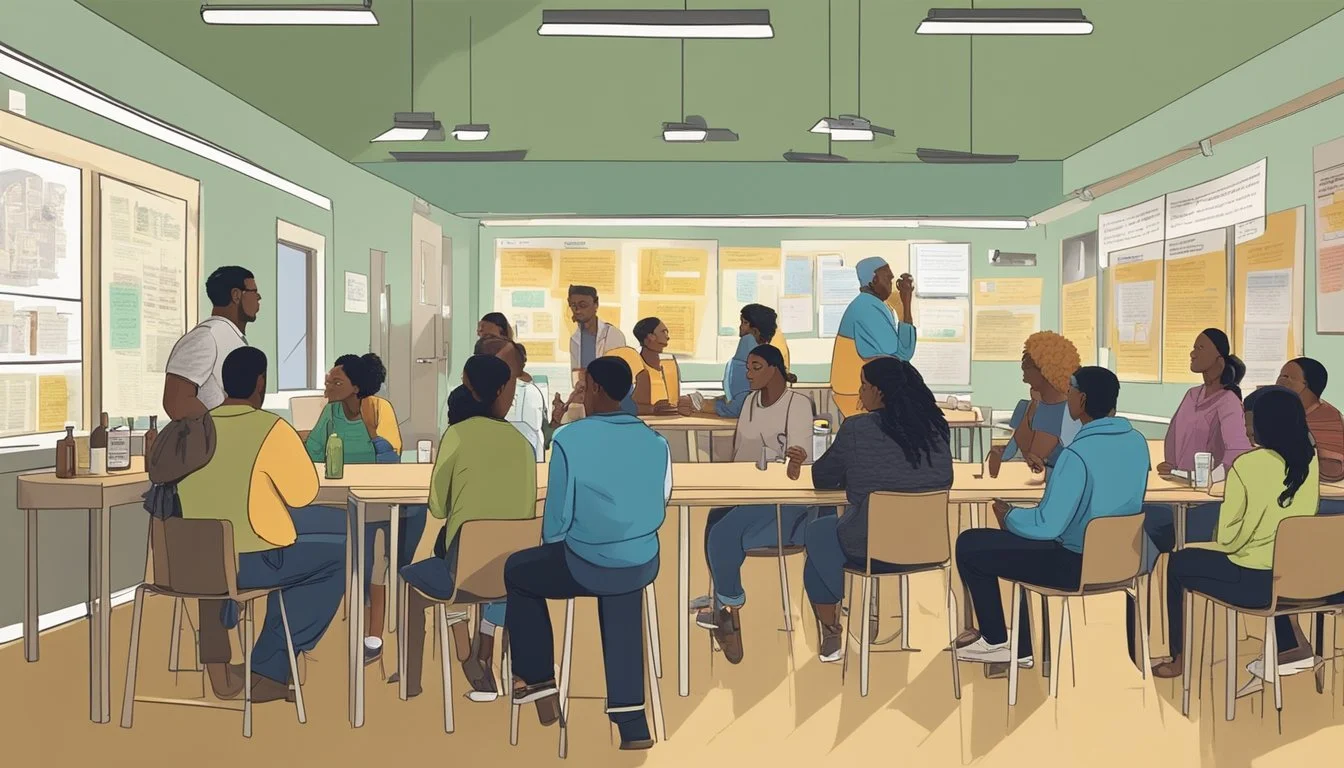
Educational programs and preventative measures are crucial in combating alcohol-related issues in Motley County, Texas. These efforts focus on training servers in the hospitality industry and on community outreach initiatives to foster safe alcohol consumption and compliance with the Texas Alcoholic Beverage Code.
Server Training Programs
In Motley County, server training programs are designed to educate those in the hospitality industry on responsible alcohol service. This training covers a variety of topics, including:
Recognizing signs of intoxication
Understanding legal implications of overserving
Learning strategies to refuse service to intoxicated customers
These programs aim to ensure that all servers are well-versed in the Texas Alcoholic Beverage Code and can effectively prevent alcohol-related violations.
Community Outreach
Community outreach efforts in Motley County involve:
Informing the public about the dangers of underage drinking and public intoxication.
Providing resources for alcohol awareness and education.
Additionally, community service forms a component of the penalties for alcohol-related offenses, further emphasizing the county's commitment to prevention through active engagement. Outreach often includes collaboration with local organizations to maximize the impact and reach of education initiatives.