Alcohol and Drinking Laws in Potter County, Texas
Regulations Overview

Understanding alcohol and drinking laws is essential for residents and visitors in Potter County, Texas, as these regulations impact when and where alcoholic beverages can be purchased and consumed. Texas has a set of state-wide alcohol laws enforced by the Texas Alcoholic Beverage Commission (TABC), but local jurisdictions, including Potter County, have the authority to modify these rules through local option elections to fit the unique needs and preferences of their communities.
In Potter County, the sale of packaged liquor is specific under Texas law. For instance, the sale of such liquor from stores is barred on certain public holidays, including New Year's Day, Thanksgiving Day, Christmas Day, and the day after Christmas if it falls on a Monday. Moreover, the county observes distinct hours of sale for bars and restaurants, whereas the sale of beer and wine is governed by varying rules. These regulations ensure that alcohol consumption and sales comply with both state mandates and local preferences, promoting responsible alcohol consumption and respecting local values.
Businesses operating in Potter County must navigate these laws carefully, as they affect purchasing alcohol for retail sales and the operation of premises licensed to sell alcoholic beverages. The TABC provides resources to assist business owners and consumers in understanding these regulations, which include penalties for non-compliance. Avid patrons of bars and restaurants, and retail customers alike, benefit from being informed about these laws to avoid inadvertent violations while enjoying the county's dining and entertainment offerings.
Historical Background
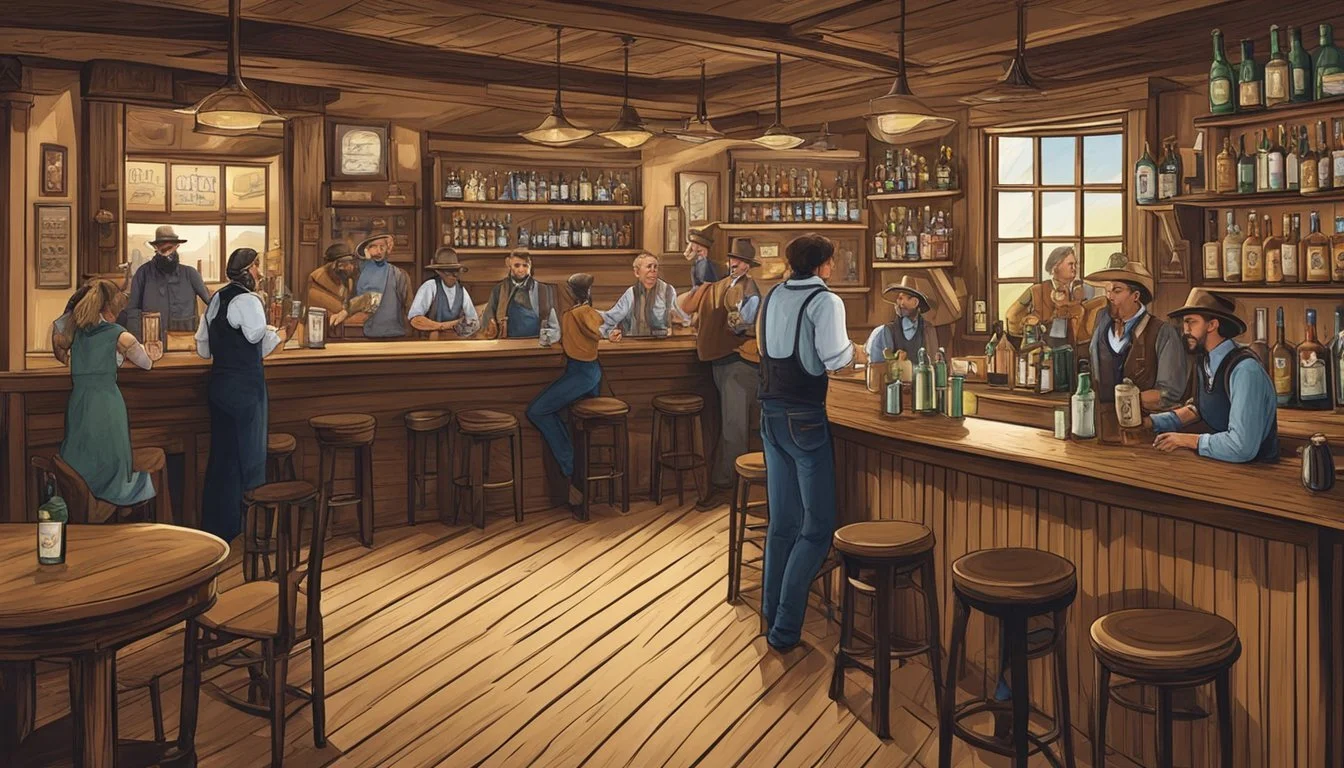
Potter County's attitude towards alcohol has been shaped by state-wide trends and legislation concerning the consumption and sale of alcohol. Understanding the county’s legal stance requires a look into the wider context of Texas laws.
Prohibition and Repeal
Prohibition in Potter County cannot be discussed without acknowledging the broader temperance movement in Texas. Texas was influenced by national sentiment against alcohol as early as the 1840s, with growing concern over the social harm caused by excessive drinking. It led to significant political influence and the establishment of dry counties—areas where the sale of alcoholic beverages was prohibited. In the 1870s, Texas enacted laws allowing counties to vote on the sale of alcohol, predating the 18th Amendment which initiated nationwide Prohibition in 1919. The legal measures in Potter County reflected this statewide adoption of prohibitionist policies prior to federal enforcement. After the 21st Amendment, which repealed nationwide Prohibition in 1933, counties in Texas retained the right to restrict or allow alcohol sales.
Evolution of Drinking Laws in Texas
Throughout the 19th and 20th centuries, Texas saw an evolution of its drinking laws from liberal frontiers to regulated territories. In 1854, a formal statute codification process began, contributing to structured alcohol laws that culminated in the Penal Code and Code of Criminal Procedure of 1856 and Civil Statutes of 1879. Revisions continued, with 1925 being notable for a significant reorganization of these statutes, which impacted how alcohol was governed in Texas.
Potter County, like many others in Texas, has navigated between being a wet (allowing alcohol sales) and dry county over the years. It constantly re-adapts its local regulations to align with the state's legislative changes and the preferences of its citizens. The dynamic nature of these laws encapsulates the shifting societal and political landscapes of both Potter County and the state of Texas.
State Regulatory Body
In Texas, the Texas Alcoholic Beverage Commission (TABC) serves as the state's authority on the regulation of all aspects of alcohol sales and consumption. It ensures compliance with the Texas Alcoholic Beverage Code, which is the legal framework governing these matters.
Texas Alcoholic Beverage Commission
The Texas Alcoholic Beverage Commission (TABC) is responsible for overseeing and enforcing state laws related to the distribution, sale, and consumption of alcoholic beverages within Texas. Their purview includes licensing, compliance checks, and the implementation of the Texas Alcoholic Beverage Code, which provides a standardized set of regulations for businesses and individuals involved in the alcoholic beverage industry.
The TABC also manages the certification and training for sellers and servers of alcohol, helping to ensure that individuals who sell or serve alcoholic beverages do so responsibly and according to state laws. Additionally, the Commission investigates violations and can take disciplinary action against licensees who do not adhere to the code.
Purchase and Sale Regulations
In Potter County, Texas, the regulations governing the purchase and sale of alcoholic beverages are precise and structured to ensure lawful commerce within the county. These regulations cover licensing requirements, specific sales times including provisions for Sundays, rules for retailers, and special permissions relevant to certain days of the week.
Licensing for Sales
Entities seeking to engage in the sale of alcoholic beverages must obtain appropriate licenses. The Texas Alcoholic Beverage Code governs the issuance of these licenses, ensuring that sales are conducted in a manner consistent with state laws.
Alcohol Sales Times
Weekly sales times for alcoholic beverages are established by law. For instance, on weekdays and Saturdays, sales of beer and wine by retailers are permitted from 7 a.m. to midnight. However, liquor sales are confined to the hours of 10 a.m. to 9 p.m. For on-premises consumption in bars and restaurants, hours may be extended until 2 a.m.
Sunday Sales: Specific regulations apply for Sundays:
For beer and wine, sales commence at noon and continue until midnight.
Liquor sales are not permitted on Sundays, with the exception of service in bars and restaurants, which are allowed to start at 10 a.m.
Regulations for Retailers
Retailers are obligated to adhere to the Cash/Credit Law, which mandates compliance with state laws pertaining to the financial transactions involved in purchasing alcohol for resale. Violations of state regulations can lead to the commencement of administrative hearings and possible penalties.
Special Rules for Sundays
Potter County enforces special rules for Sunday sales:
Bars and Restaurants: May sell alcohol starting at 10 a.m., but only in conjunction with the service of food.
Retailers: Beer and wine sales are permitted from noon to midnight, while package stores are prohibited from selling liquor on Sundays.
Legal Drinking Age and Related Laws
In Potter County, Texas, the legal drinking age is 21 years, aligning with federal and state laws. Strict regulations are in place to govern underage drinking and the provision of alcohol to minors.
Underage Drinking Laws
In Texas, a "minor" is defined as a person under the age of 21. Underage drinking laws are enforced to prevent the consumption of alcohol by minors, with few exceptions. For instance, while minors are prohibited from consuming alcohol in public, they may be legally allowed to consume alcohol in a private residence if under the direct supervision of a consenting parent or guardian, as per the Texas Alcoholic Beverage Code.
Penalties for Violations
A range of penalties are in place for violations related to underage drinking. For a minor caught purchasing or attempting to purchase alcohol, the consequences can include:
Class C misdemeanor: A fine up to $500
Community service: Mandatory hours related to alcohol education
Driver's license suspension: Potential suspension or denial for 30 to 180 days
If an individual is found making alcoholic beverages available to a minor, they may face:
Class A misdemeanor
A fine up to $4,000
Jail time up to one year
Driver's license suspension for 180 days upon conviction
Guardians and Provision of Alcohol
Guardians or parents who provide alcohol to their underage children must do so within the strict limitations set by law and accept potential liability for damages caused by the minor while under the influence. Guardians are allowed to provide alcohol to their wards within a private residence, and only if they are present during consumption. However, outside of these specific circumstances, supplying alcohol to a minor is strictly prohibited and penalized accordingly.
Operating Motor Vehicles

Driving under the influence of alcohol is a serious offense in Potter County, Texas. The laws are designed to discourage driving while intoxicated and ensure that only qualified individuals hold a driver's license.
Driving Under the Influence
In Potter County, it is illegal for a person to operate a motor vehicle in a public place while intoxicated. Being intoxicated means not having the normal use of mental or physical faculties due to the consumption of alcohol, a controlled substance, a drug, a dangerous drug, a combination of two or more of those substances, or any other substance into the body; or having an alcohol concentration of 0.08 percent or more. A first offense typically results in a Class B misdemeanor, carrying a minimum term of confinement of 72 hours.
Driver's License Laws
To legally drive a motor vehicle in Potter County, one must possess a valid driver's license. Driving without a valid license, or with a suspended license, can lead to penalties including fines and potential jail time. Under Texas law, a driver's license can be suspended if the driver is convicted of driving under the influence. Depending on the circumstances of the offense, including prior convictions, the period of suspension and the fines involved can vary.
After a DUI conviction, the process of reinstating a driver's license typically involves completing a DUI education program and possibly installing an ignition interlock device, which prevents a vehicle from starting if the driver's breath alcohol concentration exceeds a pre-set limit.
County and City Regulations
Potter County, Texas, encompasses a diverse array of alcohol laws that hinge on both county-level regulations and city-specific ordinances. These laws are designed to control the sale and consumption of alcoholic beverages within the county's jurisdiction.
Wet and Dry County Rules
Potter County operates under a combination of wet and dry regulations. Historically, wet refers to areas where the sale of alcoholic beverages is permitted, while dry signifies places where it is prohibited. The county allows for local-option elections to determine the exact nature of these sales. Sales of packaged liquor, for instance, are prohibited on certain holidays, including Christmas Day and Thanksgiving Day. Local-option elections provide insights into community preferences, affecting whether the precincts within the county are wet or dry.
Local City Ordinances
Cities within Potter County may enforce their own ordinances regarding alcohol sales. For example, city councils or county commissioners have the authority to enact ordinances that prohibit the sale of alcoholic beverages within 300 feet of a public or private school, church, or public hospital. In certain cases, this distance can be increased to 1,000 feet. Such laws are crafted to protect these institutions and are a testament to the local government's commitment to community standards and safety. Each city has the leverage to shape its unique alcohol landscape through local governance.
These regulations underscore the complex legal framework that governs alcohol sales in Potter County, underlining the need for businesses and consumers to stay informed about the specific rules that apply to their locale.
Specific Types of Alcoholic Beverages

In Potter County, Texas, the laws governing the sale of alcoholic beverages vary for different types of drinks such as beer, wine, and distilled spirits. These regulations dictate when and where these beverages may be sold.
Beer and Malt Liquor
In Potter County, beer and malt liquor can be sold in licensed premises, including supermarkets and gas stations. Sales are permitted from 7 a.m. to midnight on weekdays, and on Saturdays from 7 a.m. to 1 a.m. the following day. On Sundays, the sale hours begin at noon and end at midnight.
Wine Regulations
Wine sales in Potter County are subject to similar regulations as beer. Retailers can sell wine beginning at 7 a.m. on weekdays, extending the hours to 1 a.m. on Saturday, and from noon to midnight on Sunday. This applies to establishments with an off-premise beer/wine license.
Distilled Spirits and Liquor
The sale of distilled spirits and liquor is more restricted. Packaged liquor may only be sold from 10:00 a.m. to 9:00 p.m., Monday through Saturday. State law prohibits the sale of packaged liquor on Sunday. Liquor stores, therefore, must adhere to these specific operational hours.
Business and Hospitality Laws
Potter County adheres to Texas state law, dictating specific licensing, operational rules, and regulations for alcohol-related businesses to ensure responsible service and sales of alcoholic beverages.
Licensing for Establishments
Establishments such as bars, restaurants, and hotels in Potter County must obtain the appropriate licenses to sell alcohol. The Texas Alcoholic Beverage Commission (TABC) oversees the issuance of these licenses, ensuring that businesses meet the state's legal requirements. Licenses vary depending on the type of alcohol sold and the nature of the establishment.
Rules for Bars and Restaurants
Bars and restaurants must follow strict state guidelines for alcohol sales. For businesses in Potter County:
Sale Hours: Beer and wine can be sold from 7:00 AM to midnight on weekdays and Saturdays, and from noon to midnight on Sundays.
Spirits: The sale of spirits is allowed 10:00 AM to 9:00 PM, Monday through Saturday, with Sunday sales prohibited.
Age Verification: Strict enforcement of age verification is mandatory, requiring a consumer to be at least 21 years old to purchase alcohol.
Hotel and Club Regulations
Hotels and private clubs have regulations specific to their operations:
Registered Guests: Only registered guests and their invitees may purchase alcohol from hotel bars.
Private Clubs: Must adhere to population threshold requirements and are subject to unique zoning rules, such as Alcohol-Free Zones, to ensure compliance with the local community standards.
Businesses operating within Potter County's jurisdiction must navigate these regulations carefully to maintain their licensing and contribute to the county's commitment to responsible alcohol service.
Public Policy and Community Issues
Potter County, Texas, integrates a complex framework of alcohol-related public policy that addresses both the conduct within public spaces and the evolving concerns of its community. The regulations are designed to balance individual freedoms with community welfare, influencing the operations of publicly traded corporations and local businesses alike.
Alcohol and Public Spaces
In Potter County, the consumption of alcohol in public spaces is governed by state and local statutes. The county adheres to Texas Alcohol Laws and Regulations which stipulate that public intoxication is prohibited and law enforcement has the mandate to maintain public order. Specific to Potter County, the community has the power to hold local-option elections to determine the presence and extent of alcohol sales within their jurisdiction.
Local Option Laws: As dictated by the Texas Alcoholic Beverage Code, residents have the ability to vote on alcohol sales in their precincts:
Beer and wine only
Mixed beverages in restaurants with food sales
Prohibition of all alcohol sales
Entities like publicly traded corporations must navigate these regulations while operating within the county limits, ensuring compliance with both state and local directives.
Community Concerns and Amendments
Potter County's policies evolve through the bill-making process and community service initiatives. Proposed amendments to existing alcohol laws can originate from community concern, which is often voiced and addressed in the city or county meetings.
Community Service: Organizations in Potter County advocate for responsible drinking and support amendments to policies for the betterment of the community.
Legislative Adjustments: Amended policies reflect the county's response to concerns which may encompass:
Increasing or decreasing areas where alcohol is permitted
Adjusting hours and days when alcohol sales are allowed
Community amendments typically require a majority vote in a county or city election, ensuring that changes in policy are a direct reflection of the community's stance on alcohol-related issues.