Alcohol and Drinking Laws in Roberts County, Texas
A Comprehensive Guide
In Roberts County, Texas, understanding local alcohol laws is crucial for residents and visitors alike. Nestled in the Texas Panhandle, Roberts County was established in 1876, and it is characterized by its small population and historical significance. Alcohol regulations in this county reflect Texas's general approach to managing the sale and consumption of alcoholic beverages within its jurisdiction. These rules are designed to maintain public health and safety, including measures related to the age of consumption and the hours during which alcohol may be sold.
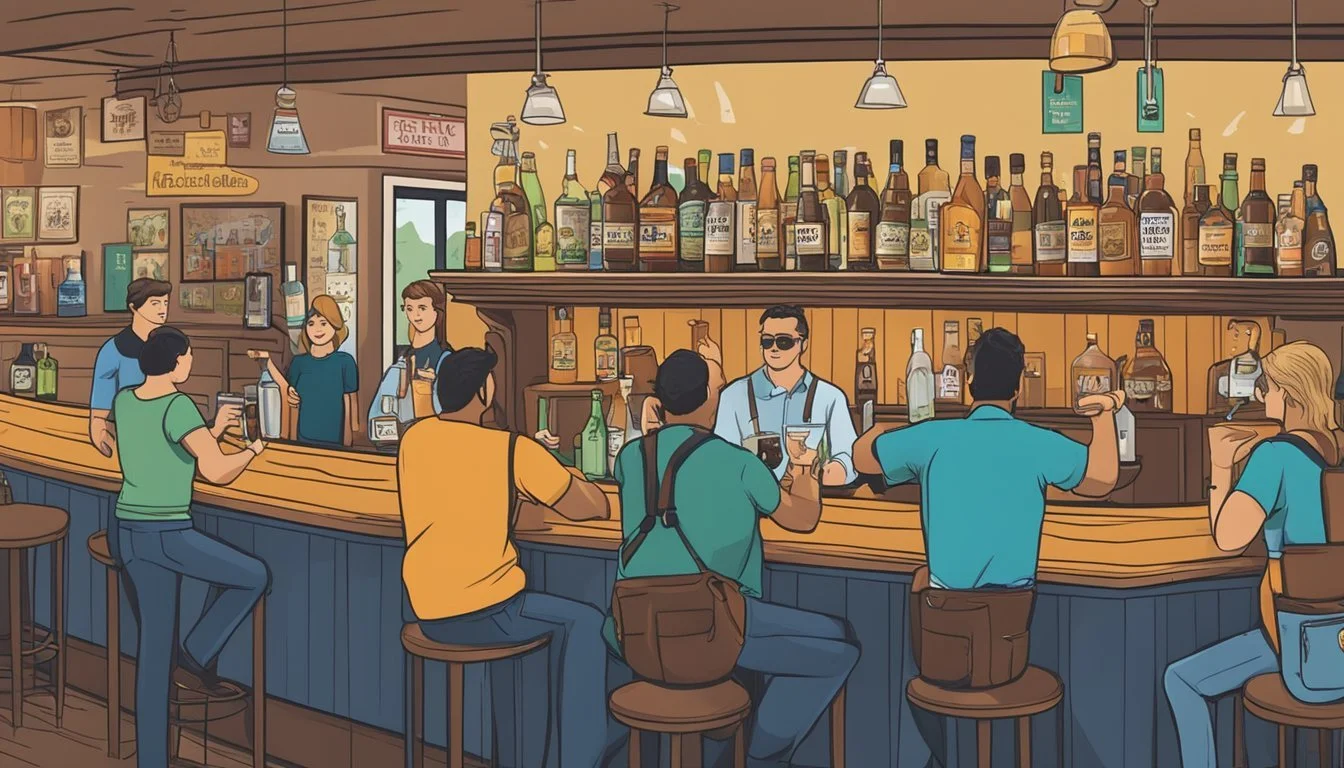
The Texas Alcoholic Beverage Code dictates that the legal drinking age across the state is 21, a mandate that holds true in Roberts County. Specific hours for alcohol sales are determined by the type of establishment, and some areas within the county may have additional restrictions or be designated as "dry," prohibiting the sale of alcohol entirely. Compliance with these regulations is enforced rigorously in order to prevent underage drinking and to promote responsible consumption among those of legal age.
Moreover, Roberts County's regulations align with the broader Texan legislation that once banned the sale of alcohol before noon on Sundays, a statute that was revised following the enactment of HB 1518. This legislative change allowed for the purchase of beer and wine as early as 10:00 a.m. on Sundays, starting September 1, 2021, thus modifying the community's Sunday alcohol sales landscape. It is imperative for businesses and consumers in Roberts County to stay informed of these laws to navigate the legal landscape of alcohol consumption in the area appropriately.
General Background on Alcohol Laws in Texas

In Texas, state law meticulously outlines the governance of alcoholic beverage production, distribution, and consumption. These laws are encapsulated within the Texas Alcoholic Beverage Code and enforced by the Texas Alcoholic Beverage Commission (TABC).
Origins of the Alcoholic Beverage Code
The Alcoholic Beverage Code in Texas was instituted following the repeal of Prohibition to regulate the alcohol industry. The code has undergone various amendments to adapt to changing social attitudes and industry landscapes. Its primary focus remains the regulation of sale, distribution, and consumption of alcoholic beverages within the state.
Classification of Wet and Dry Counties
Texas law permits counties to designate themselves as either "wet" or "dry," based on local option elections. A wet county allows for the sale of alcohol, while a dry county does not permit sales. Certain counties may have mixed statuses, with specific restrictions at the precinct or district level.
Role of Texas Alcoholic Beverage Commission (TABC)
The TABC was established to enforce the state's alcoholic beverage laws effectively. It ensures that all participants in the alcohol industry comply with state laws and regulations. The commission oversees licensing, sales, importation, and consumption of alcoholic drinks in Texas, and upholds public safety through diligent law enforcement.
Licensing and Permits

In Roberts County, Texas, navigating the regulations of the alcoholic beverage industry requires a clear understanding of the various licenses and permits. Entities must comply with Texas Alcoholic Beverage Commission (TABC) mandates to operate legally within the industry.
Types of Licenses and Permits Required
Businesses in Roberts County engaging in the sale, distribution, or manufacture of alcoholic beverages must obtain the appropriate licenses and permits. The TABC classifies licenses into several categories to fit the specific operations of an establishment. For instance, a Package Store Permit is necessary for businesses intending to sell sealed alcohol for off-premises consumption. Other common permits include:
Retailer's permit for bars and restaurants.
Distributor's license for those handling wholesale transactions.
Manufacturer's license for breweries, distilleries, and wineries.
Process for Obtaining a License or Permit
To secure a license or permit, an entity must follow the TABC protocol, which involves several steps:
Determine the specific license or permit required based on the intended business activity.
Complete mandatory training programs if applicable.
Submit an application along with any required supporting documents and fees.
Await the processing and approval of the application, which may include inspections and background checks.
Entities should allocate sufficient time for the TABC to process close to 100,000 licenses and permits each year.
Special Provisions for Roberts County
Entities should be aware of local county laws that may impose additional regulations. In Roberts County, as in the rest of Texas, specific hours of operation and days when alcohol sales are prohibited could impact the type of license or permit needed. For example, a Wine-Only Package Store that holds a beer license may have restrictions on selling certain alcohol percentages during specific hours. It is imperative for businesses to remain informed about these nuances to maintain compliance.
Sales Regulations

In Roberts County, Texas, the intricate laws pertaining to the sale of alcohol are designed to govern when and where alcoholic beverages can be sold and to manage the licensing of businesses that retail alcohol.
Hours of Sale for Alcoholic Beverages
Roberts County observes specific regulations for the hours during which alcoholic beverages can be sold:
Retail Sales: Liquor stores may operate from Monday to Saturday, generally with sales forbidden on Sundays. Specific operating hours within these days are legislated by the local government.
On-Premises Consumption: Bars and restaurants are typically allowed to sell alcohol within regulated hours that may extend to midnight or later, subject to local ordinances.
Zoning Rules for Bars and Liquor Stores
The county imposes zoning laws affecting where bars and liquor stores can operate:
Bars and liquor stores must maintain a certain distance from schools, churches, and hospitals.
Local authorities have the power to designate specific zones where the sale of alcoholic beverages is allowed or prohibited.
Special Events and Public Place Restrictions
Roberts County enforces rules on the sale and consumption of alcohol during special events and in public places:
Special Events: Temporary permits are required for the sale of alcohol at events such as festivals or concerts.
Public Places: Open container laws restrict the consumption of alcohol in certain public areas.
Businesses and individuals must adhere to these regulations to maintain compliance with local and state laws.
Consumption Laws and Penalties

Roberts County, Texas enforces various alcohol-related laws, focusing on consumption regulations and legal repercussions for non-compliance. Public adherence to these laws is critical to avoid substantial fines and penalties.
Open Container and Public Intoxication Laws
In Roberts County, open container laws prohibit the possession of open alcohol containers in the passenger area of a motor vehicle on public highways. It's considered a Class C misdemeanor. Public intoxication, also a Class C misdemeanor, occurs when an individual is in a public place while intoxicated to the degree that they may pose a danger to themselves or others.
Penalties for Selling to or Buying for Minors
Selling alcohol to minors in Roberts County is illegal and those who violate this law face severe consequences. An adult, including a parent, guardian, or spouse cannot provide alcohol to a minor except in specific circumstances as established by law. Violations can lead to fines, imprisonment, and the suspension of the violator’s business licenses.
DUI and Alcohol-Related Offenses in Motor Vehicles
Driving under the influence (DUI)—operating a motor vehicle while intoxicated—is illegal in Roberts County. Penalties for DUI offenses can include fines, jail time, and license suspension. For adults, a blood alcohol concentration (BAC) of 0.08% or higher is the legal limit, while for minors any detectable amount of alcohol is grounds for a DUI charge. The presence of alcohol in a motor vehicle, unless in a locked glove compartment or trunk, can result in additional charges.
Special Considerations for Businesses
In Roberts County, Texas, businesses involved in the distribution and serving of alcoholic beverages must navigate a set of stringent guidelines. They are required to adhere to state mandates for alcohol delivery, comply with regulations, and ensure their staff is trained appropriately.
Alcohol Delivery and Distribution Restrictions
Texas law permits the sale of alcohol-to-go from establishments, a law made permanent since May 2021. However, Roberts County businesses must strictly comply with state regulations regarding alcohol delivery and distribution. Businesses must verify:
Recipient's Age: Delivery personnel must check identification to ensure recipients are of legal drinking age, which is 21 years and above.
Delivery Hours: Beer and wine sales on Sundays can begin at 10:00 a.m., while other days observe a sales window from 7:00 a.m. to 2:15 a.m. Deliveries are subject to the same time restrictions.
Training and Compliance for Alcohol Servers
To maintain compliance, establishments in Roberts County must ensure their staff is trained according to the Texas Alcoholic Beverage Commission (TABC) standards. Key training topics include:
Identification Checking: Staff are trained to properly check IDs and recognize fake identification documents.
Intervention Techniques: Servers are taught intervention strategies to prevent overconsumption and alcohol service to intoxicated patrons.
Businesses must display the required signage as stipulated by the TABC, which includes posting visible notices about the illegalities of serving minors and the penalties for doing so. Compliance with these laws is non-negotiable and subject to rigorous enforcement.
Resources and Legal Support

Those looking for guidance on alcohol and drinking laws in Roberts County, Texas, will find robust support and thorough documentation provided by the Texas Alcoholic Beverage Commission (TABC). From access to official records to understanding legal processes involving public safety, TABC serves as the primary source for compliance and regulatory matters.
Access to Official TABC Documents
The TABC maintains comprehensive documentation on their website, which is accessible to the public. Key documents include updates to the Texas Alcoholic Beverage Code, minutes from commission meetings such as the one held on January 23, and other regulatory guidelines. Stakeholders can refer to the following resources:
Commission Meeting Minutes: Summaries of decisions and discussions from meetings like the January 23 commission meeting are available, offering insight into regulatory changes and enforcement actions.
Alcoholic Beverage Code: The complete Texas Alcoholic Beverage Code provides the legal framework governing the sale and consumption of alcohol within the state.
Legal Proceedings and Public Safety Resources
TABC's commitment to public safety is evident in its structured approach to legal proceedings related to alcohol violations. The TABC office offers guidance on the administrative hearing process, standard penalties, and resources for TABC agents involved in enforcement. Here are two key points of contact for legal support:
TABC Office: Individuals and businesses can contact local TABC offices for direct support, information, and to address specific compliance questions.
Public Safety Resources: TABC provides materials for law enforcement, retailers, and the community to ensure a coordinated approach to alcohol-related public safety concerns.
Community Impact and Social Responsibility

In Roberts County, Texas, the focus on alcohol education and prevention alongside strategies for addressing alcohol abuse underscores the region's commitment to social responsibility and community service. Legal policies ensure alcoholic beverages are not made available to minors, reflecting a proactive approach to uphold community well-being.
Alcohol Education and Prevention Initiatives
Roberts County emphasizes the importance of alcohol education as a preventive measure. Programs are designed to inform the public, especially the youth, about the risks associated with underage drinking and the legal consequences of making alcoholic beverages available to a minor. Educational initiatives are incorporated into school curricula and community workshops to foster a culture of informed decision-making.
Workshops and Seminars: Regularly held within schools and community centers.
Collaboration with Law Enforcement: Ensures legal ramifications are clearly communicated.
Dealing with Alcohol Abuse and Community Service
Efforts to deal with alcohol abuse in Roberts County are multi-faceted, involving treatment centers, community service programs, and support from local organizations. Hemphill County, which neighbors Roberts County, often collaborates on initiatives to ensure regional consistency in service provision and law enforcement.
Community Service Options: Those convicted of alcohol-related offenses may participate in community service, contributing positively to the community while acknowledging their social responsibilities.
Offense Community Service Requirement
Alcohol-Related Misdemeanors Varies, based on court ruling
Providing Alcohol to a Minor Mandatory service hours
The county's approach to alcohol-related issues demonstrates a balanced blend of prevention, education, legal enforcement, and rehabilitative support, ensuring the health and safety of its residents are a top priority.
Legislation and Future Trends

In Roberts County, Texas, legislation regulating alcohol consumption and sales has experienced reforms and may continue to see adjustments as trends evolve.
Recent Changes in Alcohol Laws
Texas has modified its alcohol sales laws, allowing beer and wine to be purchased as early as 10:00 a.m. on Sundays, a relaxation from the previous noon restriction. These changes, stemming from the HB 1518 bill, reflect a trend towards more permissive alcohol regulations in the state. Roberts County, despite its small population, follows the state law which governor Greg Abbott amended in June 2021.
The Alcohol Industry Management System (AIMS) shows an advanced commitment to streamline alcohol industry management, offering a comprehensive database for licensing and violations. This system evidences Texas's ongoing effort to modernize the alcohol industry's regulatory environment, likely reducing administrative burdens and enhancing compliance oversight.
Predicted Developments for Alcohol Regulation in Texas
Considering current trends and state-wide receptiveness to legislative changes, predictive analysis suggests that Texas might continue to ease alcohol regulations, allowing for greater accessibility and variety. This could involve expanded sales hours or the diversification of alcohol by volume (ABV) products in retail outlets.
Regulatory frameworks may further integrate with technologies like AIMS, improving the efficiency of alcohol industry management and potentially introducing real-time tracking of violations and compliance. These anticipated developments would aim to strike a balance between economic incentives for the alcohol industry and maintaining public health and safety standards.