How do you eat a jicama?
A Beginner's Guide to Enjoying This Crunchy Veggie
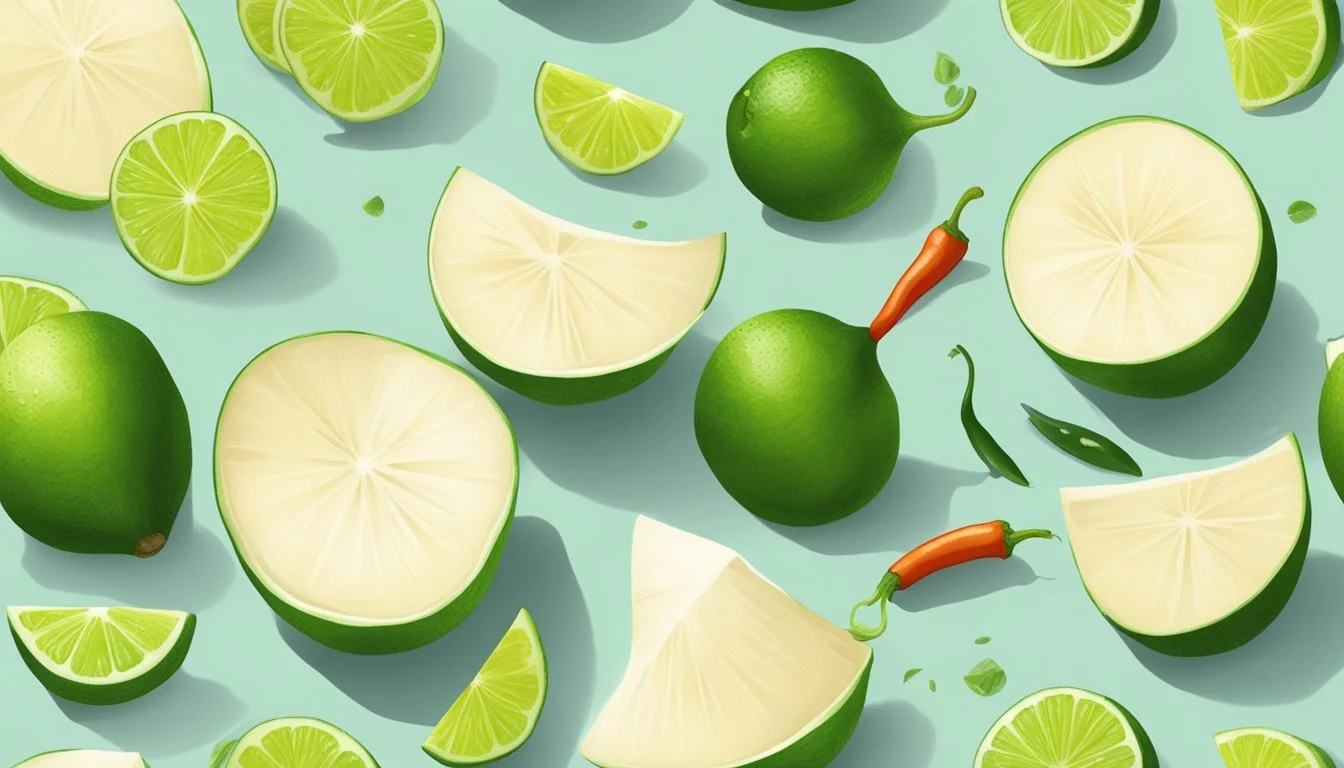
Jicama, a root vegetable native to Mexico and Central America, has crossed geographical borders to become a favored ingredient in various cuisines. Its crunchy texture and subtly sweet flavor liken it to a savory apple, making it a versatile addition to both raw and cooked dishes. Often referred to as the Mexican turnip, jicama thrives in warmer climates and is a staple in Latin American culinary traditions.
From a nutritional standpoint, jicama is recognized for its low-calorie profile while packing a hearty dose of dietary fiber, making it a popular choice for weight-conscious diets and those seeking to maintain healthy digestion. It's also rich in vitamin C, an essential nutrient known for supporting immune function and skin health.
In the culinary context, jicama's mild taste and sturdiness make it an excellent candidate for a variety of preparations. Whether it is served raw, julienned into salads for a refreshing crunch, or cooked into stews and stir-fries where it absorbs surrounding flavors, the root vegetable sustains its texture well. This adaptability not only allows jicama to complement other ingredients but also makes it a healthy snack option on its own.
Selecting and Storing a Jicama
When picking a jicama at the grocery store and preparing to store it, one should focus on its firmness and skin condition, while storing requires maintaining specific temperature conditions to preserve freshness.
How to Choose the Best Jicama
The ideal jicama is firm to the touch and heavy for its size, which suggests a good water content indicative of freshness. One should look for dry skin and absence of blemishes or soft spots, ensuring the best quality and taste.
Optimal Storage Conditions
Jicama should be kept in a cool environment, ideally between 45°F (7°C) and 55°F (13°C), to slow down ripening and prevent textural changes. Storage can be in an airtight container or sealable bag in the refrigerator to maintain its crisp texture and health benefits.
Preparing Jicama for Consumption
Preparing jicama properly enhances its flavor and makes it safe to eat. It is crucial to thoroughly wash and peel the jicama before slicing it into the desired shapes for various dishes.
Washing and Peeling
Washing: To begin, one should rinse the jicama under cold running water to remove any dirt from the skin. Use a brush to gently scrub the surface if necessary.
Peeling: Though some prefer to use a knife, a vegetable peeler is the safest and most efficient tool for removing the thick, fibrous skin of the jicama. One should peel away from the body, turning the jicama to remove all of the brown skin until only the white flesh is exposed.
Cutting and Slicing Techniques
Cutting Board and Knife: With a clean cutting board and a sharp knife, the peeled jicama is ready for cutting. A stable surface and careful hand are important to prevent the knife from slipping.
Slice: To create slices, one should cut the jicama vertically into even slabs. They can then be served as is, or further processed.
Sticks and Matchsticks: For jicama sticks or matchsticks, slice the jicama into even slabs before further cutting them across into sticks or thinner matchsticks depending on preference.
Dice: To dice, one should stack several slabs of jicama on top of each other and make uniform cuts to create cubes. This is ideal for salads or as a crunchy addition to salsas.
Eating Jicama Raw
Jicama is famed for its crisp texture and a slightly sweet, nutty flavor when consumed raw. It serves as a versatile vegetable that can be incorporated into various dishes or enjoyed as a stand-alone snack.
Jicama as a Snack
Raw jicama can be sliced into sticks and sprinkled with lime juice and chili powder for a quick, refreshing snack. The combination of the jicama's crunch and the zesty lime make it a favorite for those seeking a healthy option rich in fiber and vitamin C. Alternatively, these sticks can be served with hummus or any preferred dip as a satisfying, nutritious treat.
Incorporating Jicama in Salads
A common method for enjoying jicama is to add it to salads for an extra crunch. It can be julienned or diced and mixed with vegetables like carrots and bell peppers. Dress the salad with a light vinaigrette or simply season with salt to enhance the natural flavors of the salad ingredients.
Jicama in Fruit Salads and Slaws
Jicama's starchy yet fruity characteristic makes it an excellent addition to fruit salads and slaws. It blends well with tropical fruits such as mango and pineapple or can be combined with cabbage and carrot for a refreshing slaw. Lime juice is again a great accomplice to jicama in these dishes, adding a vibrant burst of flavor that complements the crunchy texture.
Cooking with Jicama
Jicama can be prepared through various cooking methods, each offering a distinct texture and flavor. Its versatility as an ingredient makes it popular for numerous recipes.
Frying Jicama
Jicama fries are a healthier alternative to traditional potato fries. To fry jicama, one should first peel and cut it into sticks roughly 1 inch thick. Afterward, the jicama sticks are fried in a pan with oil until they achieve a golden brown exterior. This method delivers a crispy outer layer with a crunchy yet starchy interior, making for a delightful side dish or snack.
Baking and Roasting Jicama
Baking and roasting are excellent techniques for enhancing jicama's natural sweetness. To bake jicama chips, slice the peeled jicama thinly and season with olive oil and desired spices. Bake in the oven at 400 degrees Fahrenheit until crisp. Similarly, one can roast cubed jicama tossed with oil, salt, pepper, and herbs at the same temperature until tender. These methods maintain the jicama's firm texture while giving it a caramelized edge.
Steaming and Boiling Methods
For those preferring a softer texture, steaming and boiling are suitable cooking methods. These techniques are less common but can make jicama easier to incorporate into various dishes, such as mashed jicama or as an addition to stews. When steamed or boiled, jicama softens while retaining much of its mild flavor, making it a subtle yet nutritious ingredient.
Jicama in Cultural Cuisines
Jicama, often referred to as Mexican turnip, is a root vegetable cherished in multiple cuisines for its crunchy texture and mild, sweet taste. Its culinary applications are diverse, ranging from its foundational role in Mexican dishes to its incorporation in Asian culinary traditions.
Jicama in Mexican Cuisine
In Mexican cooking, jicama is more than a mere ingredient; it represents a piece of cultural identity. It is native to Mexico and other parts of Central America, where it has been utilized for centuries. Here, jicama is typically enjoyed raw in salads, sprinkled with lime juice and chili powder for a refreshing snack, or cut into sticks and included in pico de gallo for a crunchy element. It also features in tacos de jicama, where it serves as a low-calorie, flavorful substitute for traditional corn tortillas.
Raw Salads: Jicama adds a refreshing crunch to salads.
Snacks: Lime juice and chili powder enhance its natural sweetness.
Tacos de Jicama: Used as a healthy wrap alternative.
Jicama in Asian Dishes
Jicama has migrated into Asian cuisines, where its versatility is equally embraced. In Southeast Asia, particularly in countries like Malaysia and the Philippines, jicama is known as "bangkuang." It is commonly julienned in fresh spring rolls (how long do fresh spring rolls last?) or salads, contributing a crisp texture and absorbing the flavors of the accompanying sauces and spices. In Chinese dishes, jicama is stir-fried with other vegetables and proteins, adding a distinctive crunch to the meal.
Fresh Spring Rolls: Sliced thinly to complement the soft texture of rice papers.
Salads: Incorporated for its textural contrast and flavor absorption properties.
Stir-Fries: A crunchy addition to a mix of savory flavors.
Health Benefits and Nutritional Value
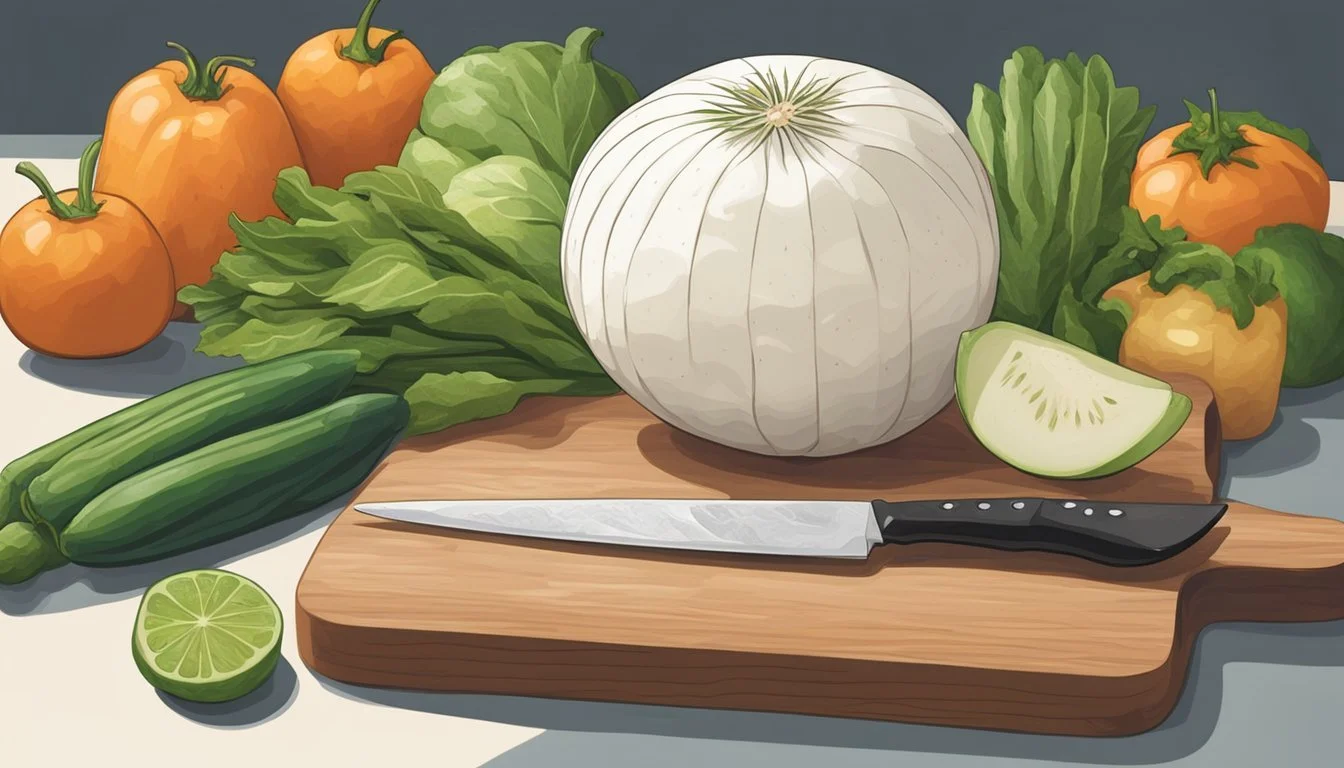
Jicama is a nutrient-rich root vegetable that offers a multitude of health benefits. It's particularly noted for its high fiber content, beneficial for digestive health. A single cup of jicama contains around 6.4 grams of dietary fiber, which supports regular bowel movements and may contribute to maintaining a healthy weight.
Jicama is low in calories, with just 46 calories per cup, making it an excellent choice for those monitoring their calorie intake. Despite the low calorie count, it's satisfying and full because of its high water and fiber content.
This vegetable is also an excellent source of vitamin C; one cup provides at least 26.3 milligrams, about 44% of the recommended daily intake. Vitamin C is vital for the synthesis of collagen, boosting the immune system, and has antioxidant properties.
In terms of its antioxidant capability, jicama helps to combat the effects of free radicals in the body, potentially reducing the risk of certain chronic diseases.
The nutritional profile of jicama includes essential minerals such as potassium and magnesium, which play crucial roles in overall health, including heart function, muscle contractions, and nervous system regulation.
Besides its mineral content, jicama is equipped with other important vitamins that support body functions. Including this vegetable in one's diet can contribute to a well-balanced, nutrient-rich eating plan.
Notably low in fat and containing a modest amount of protein, jicama is a suitable addition to many healthy diets. Its unique nutrient composition makes it a desirable food choice for those seeking a nutritious option.
Creative Uses for Jicama in the Kitchen
Jicama offers a refreshing crunch and a nutty flavor that makes it a versatile choice in the kitchen. It can replace starchy vegetables for a lighter option and serves as a key ingredient in innovative recipes.
Jicama as a Substitute for Starchy Vegetables
Jicama stands out as a healthier substitute for potatoes, boasting fewer carbohydrates and an equally satisfying texture. Its firmness and mild taste allow it to seamlessly blend into many dishes, adding a unique, crunchy twist. One can dice jicama into cubes and use it as a base for a potato-free hash, or slice it thinly to incorporate it into low-carb fries.
Recipe Highlight: Jicama Fries
Preheat: 400 degrees
Season: Toss jicama sticks with olive oil and preferred spices (e.g., paprika, garlic powder)
Bake: Spread on a baking sheet and cook until crispy (about 30 minutes)
Serve: Pair with your favorite dip or condiment
Innovative Jicama Recipes
The neutral flavor profile of jicama allows it to absorb seasonings well, making it a standout ingredient for inventive dishes. Jicama is especially mouthwatering in a salad, where its crunchiness can be combined with the creaminess of avocado and the acidity of lime juice for a balanced taste. It is also ideal for Asian-inspired stir-fry dishes, where it can be added alongside traditional vegetables and sauces for an added textural component.
Bright Jicama Salad
Ingredients: Jicama, avocado, cilantro, lime juice
Directions: Julienne jicama, cube avocado, chop cilantro, and toss with freshly-squeezed lime juice
Serving Suggestion: Chill before serving as a side dish or topping for grilled meats (What wine goes well with grilled meats?)
Exploring beyond the traditional uses, jicama can be transformed into chips and spring rolls, offering a light and crunchy alternative to their usual counterparts. When used in chips, it can be a vessel for dips and salsas, while in spring rolls, jicama's freshness enhances the overall flavor profile of the roll.