How to Eat Acacia Seeds:
A Simple Guide

Acacia seeds, found within the pods of the acacia tree, are a rich source of nutrients, including protein, dietary fiber, and minerals. These seeds have traditionally been consumed by Indigenous Australian communities and offer various health benefits. They are typically ground into a meal that can be used to bake bread, adding a nutritious and flavorful component to diets.
The seeds from some acacia species are also used as a coffee substitute, hinting at their versatility in culinary applications. With a focus on the edible varieties, these acacia seeds can be safely consumed raw, but they are often cooked to enhance their flavor. It's important for consumers to identify the specific acacia species that are recognized as safe for consumption, as there are many types within the genus with varying properties.
When considering incorporating acacia seeds into one's diet, understanding the proper preparation methods is crucial. These seeds not only contribute to nutritional intake with their content of protein and fiber, but the variety of minerals found in them supports overall health. The acacia seed consumption thus reflects a practice of utilizing natural resources that offer both sustenance and potential health benefits.
Discovering Acacia Seeds
Acacia seeds, commonly known as wattleseeds, are native to Australia and part of a species-rich genus. They play significant roles in ecosystems and offer a unique structure and composition useful for dietary purposes.
Origins and Species
Acacia, a genus with approximately 120 species in Australia, is also globally distributed. Australian acacias, colloquially known as wattles, have evolved various seed adaptations to survive in Australia's diverse climates. The most recognized characteristic of these seeds is their inherent resilience and ability to propagate in a variety of soil conditions.
Roles in Ecosystems
In their native ecosystems, acacia seeds serve as a crucial food source for wildlife. They impact the soil positively as their nitrogen-fixing abilities contribute to soil fertility, enhancing the growth of other plants. Additionally, wattleseeds are an integral part of Indigenous Australian diets and culture, traditionally harvested for their nutritional value.
Seed Structure and Composition
Acacia seeds are encased in tough pods. The seed itself is packed with nutrients, offering a dense source of dietary fibers, iron, calcium, magnesium, and zinc. The nutritional profile of acacia seeds makes them a beneficial addition to the human diet, providing essential minerals for health and vitality. These seeds can be ground into flour, offering an alternative to conventional grains while contributing richly to nutritional intake.
Nutritional Profile
Acacia seeds are notable for their robust nutritional profile, offering an array of macronutrients, essential vitamins, minerals, and health benefits. The consumption of these seeds can contribute to nutritional sufficiency and potentially aid in various health aspects due to their fiber and protein content.
Macronutrients
Acacia seeds consist primarily of protein and fiber, two macronutrients essential for bodily function. They do not contain cholesterol and have a low level of fats. The high fiber content is beneficial for digestive health, while the rich protein composition supports muscle maintenance and repair.
Protein: Vital for repairing tissues and maintaining muscle mass.
Fiber: Necessary for a healthy digestive system and may help prevent constipation.
Carbohydrates: A moderate amount provides energy throughout the day.
Fats: Present in minimal amounts, contributing to the overall energy and health.
Vitamins and Minerals
Acacia seeds are a source of various vitamins and minerals that play crucial roles in maintaining overall health. These include calcium, magnesium, and zinc, which are important for bone health, nervous system function, and the immune system, respectively.
Calcium: Important for bone health and structure.
Magnesium: Supports nerve function, blood glucose control, and protein synthesis.
Zinc: Vital for immune function and cellular metabolism.
Health Benefits
The nutritional components of acacia seeds contribute to multiple health benefits. Their rich fiber content can aid in the management of diabetes by stabilizing blood glucose levels. Additionally, the minerals found in acacia seeds are essential for a robust immune system and can help in preventing deficiencies.
Diabetes Management: Fiber in the seeds can help regulate blood sugar.
Immune System Support: Minerals like zinc contribute to the integrity of immune defenses.
Nutrient Sufficiency: A wholesome composition of nutrients combats dietary gaps.
The nutritional profile of acacia seeds provides substantial benefits to those who include them in their diet. With their dense concentration of protein, fiber, essential minerals, and potential advantages for health, they comprise a valuable component of a balanced nutrition regimen.
Culinary Uses of Acacia Seeds
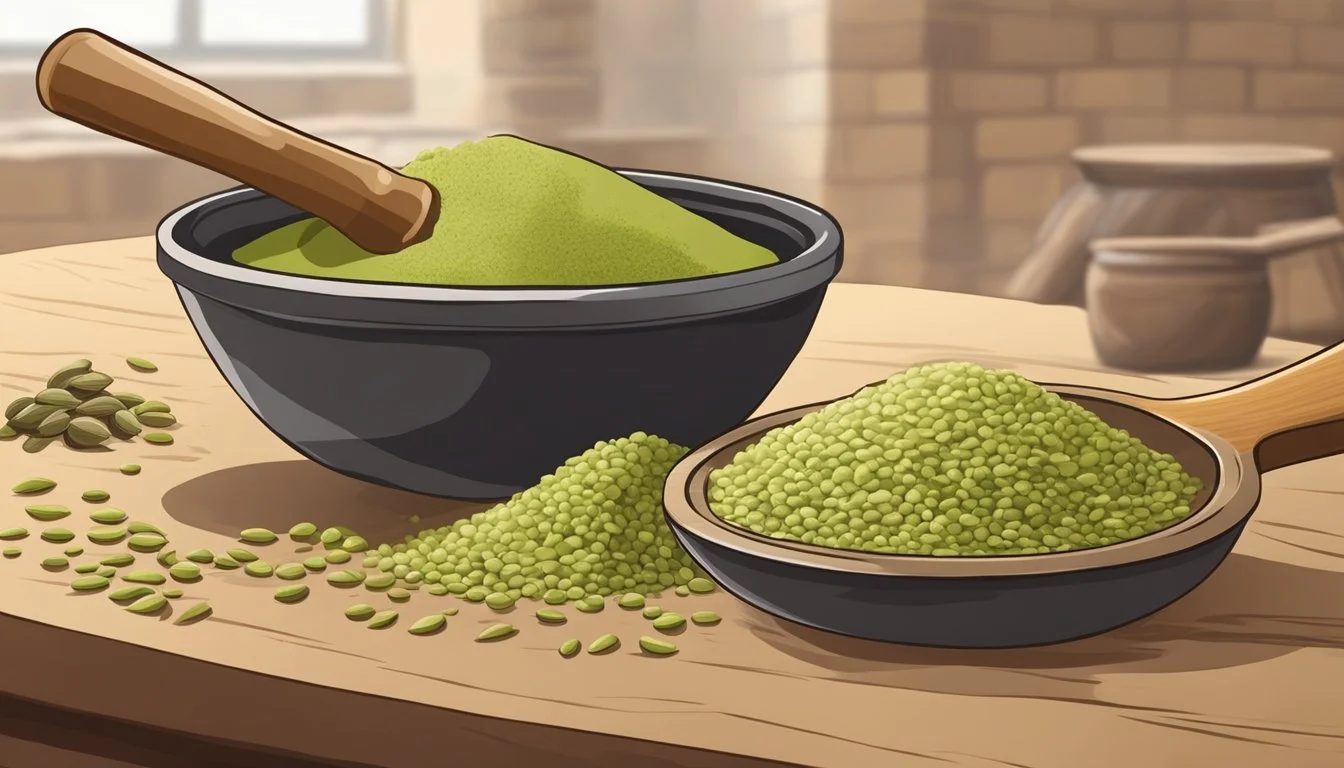
Acacia seeds are a versatile ingredient in the kitchen, known for their rich nutritional profile and unique flavor. They can be transformed into various forms such as flour for baking and used as an aromatic coffee substitute.
In Bread and Baking
Roasted and Ground: To prepare acacia seeds for baking, they are typically roasted to enhance their flavor. Once browned, they are ground into a fine meal.
Wattleseed Flour: Acacia seeds, particularly from wattleseed varieties, are ground into flour and used in bread, cakes, and biscuits. Its gluten-free nature makes it an excellent flour alternative for those with dietary restrictions.
Baking Uses:
Breads: Adds a nutty flavor and dense texture.
Cakes: Provides a unique taste and richness.
Biscuits: Imparts a crunch and aromatic presence.
As a Coffee Substitute
Parched Seeds: Acacia seeds are sometimes parched, akin to light roasting, to create a coffee substitute. This process enhances the seeds' inherent bitter notes, making them resemble the taste of coffee.
Preparation Method: The parched seeds are then finely ground and brewed similar to traditional coffee, offering a caffeine-free alternative to those seeking a hot beverage with a robust flavor profile.
Unique Recipes
Ice Cream: Ground acacia seeds can be incorporated into ice cream recipes to add a distinct flavor that is reminiscent of hazelnut or chocolate.
Tea Infusions: An acacia-infused tea can be prepared, contributing a herbal twist to desserts or served as a standalone beverage.
Chocolate Enrichment: Acacia seeds can enrich chocolate-based recipes, giving a new dimension to the classic flavor of chocolates and chocolate-infused desserts.
Safe Consumption
When consuming acacia seeds, it is crucial to identify edible species and properly process the seeds to ensure they are safe for consumption. Some acacia seeds can be toxic if not handled correctly.
Removing Toxicity
Certain species of acacia, such as Acacia nilotica, contain toxic compounds that can be harmful if ingested. These compounds, primarily alkaloids, are a defense mechanism against herbivores. To remove toxicity, traditional methods involve:
Leaching: This process involves soaking the seeds in water, which helps to dissolve and flush out toxic alkaloids. The water may need to be changed multiple times.
Pounding: Seeds may be pounded into a fine powder before soaking, increasing the surface area and aiding in the removal of toxic substances.
It's imperative that seeds from known, non-toxic species are selected for consumption. Edible acacia seeds predominantly come from the legume family, and not all species are safe to eat. Sources from Australia mention that acacia seeds used by Aboriginal Australians, belonging to certain species, are edible and valued for their nutritional content.
Cooking and Preparation Methods
After ensuring acacia seeds are edible and have been processed to remove any toxins, they can be used in various culinary applications. They should typically be consumed cooked, not raw, to enhance flavor and digestibility.
Cooking: Acacia seeds can be boiled or roasted. Boiling can help in further reducing any residual toxicity and softens the seeds, making them easier to consume. Roasting often brings out a nutty flavor, making them a flavorful addition to dishes.
Edible forms: Once cooked, seeds can be prepared in various ways:
As a flour after drying and milling, to make bread or cakes.
Added to soups or stews for texture and protein.
It should be noted that acacia seeds resemble the appearance of small legumes and that not every species produces edible seeds. When the seeds are green, they're typically cooked before consumption. Whereas some species also produce an edible gum, it is advised to thoroughly research and verify the species' edibility before foraging or consuming as bush tucker.
Acacia in Gardening and Agriculture

In the realm of gardening and agriculture, acacia plants are valued for their hardy nature and diverse uses. They thrive in warm climates and are prominent in the gardens and agricultural landscapes of regions like Australia, particularly in Victoria and Queensland.
Cultivation
Acacia seeds require specific conditions for successful germination and cultivation. Initially, seeds should be placed in a warm location with temperatures of at least 75 degrees Fahrenheit (24 degrees Celsius) and require semi-shade, accessible to morning or late afternoon sun. Acacia victoriae, commonly found in Australia, is cultivated in gardens as it does not typically need fertilizer when planted in nutrient-dense potting medium. Here's how gardeners should plant the seeds:
Soil: Well-draining soil is paramount.
Depth: Plant seeds approximately 1 inch deep.
Watering: Maintain soil moisture without overwatering.
Environmental Impact
Acacias play a significant role in various ecosystems. They can act as pioneer plants, enriching the impoverished soil. For agriculture, acacias can offer advantages such as:
Soil improvement: Their nitrogen-fixing abilities enrich the soil, benefiting other plants.
Biodiversity: They serve as habitat for wildlife, promoting ecological diversity.
Ornamental Use
Acacias are widely used as ornamental plants due to their vibrant blooms and foliage. The sweet acacia, in particular, attracts wildlife with its seeds and provides a site for birds’ nests, with its thorns offering protection from predators. Their ornamental qualities make them a practical choice for gardens and landscapes. Their adoption in this role is not just due to their aesthetics but also because of their:
Drought resistance: They adapt well to dry conditions, making them suitable for water-wise gardens.
Rapid growth: They can quickly provide shade and visual interest.
By understanding the needs and benefits of acacia plants, gardeners and agriculturists can effectively incorporate them into their practices, enhancing both the beauty and functionality of their green spaces.
Acacia Seeds in Health and Beauty
Acacia seeds are valued not only for their nutritional profile but also for their applications in health and beauty, particularly in the form of oil and as an ingredient in skincare products.
Acacia Seed Oil and its Benefits
Acacia seed oil is pressed from the seeds of the acacia tree, offering a range of benefits for health and cosmetic purposes. It is known to be rich in essential fatty acids, which are crucial for maintaining skin hydration and elasticity. Here are some specific benefits of acacia seed oil:
Moisturizing: The oil deeply moisturizes the skin, making it a preferred ingredient in lotions and creams.
Anti-inflammatory: Its anti-inflammatory properties help in soothing skin conditions such as eczema and psoriasis.
Nourishing: Acacia seed oil strengthens the skin barrier due to its nutrient-rich composition.
Acacia in Skin Care
Acacia's contribution to skin care extends beyond its oil. Extracts from the acacia tree, particularly acacia gum or gum arabic, are widely used in beauty products for their skin-friendly properties.
Skin Firming: Acacia gum acts as a natural skin-tightening agent and can reduce the appearance of fine lines and wrinkles.
Sensitive Skin: Its gentle nature makes it suitable for sensitive skin, helping to calm irritations.
Cough Relief: While not a direct skin care benefit, acacia gum has a soothing effect on coughs when used in throat lozenges and cough syrups.
Consistency Modifier: In creams and lotions, acacia gum serves as a stabilizer, improving texture and consistency.
In the realm of health and beauty, acacia seeds and their derivatives play a versatile role. Their oils enhance skin health through hydration and nourishment, while acacia gum contributes to skincare formulations with its firming and soothing qualities.
Conclusion
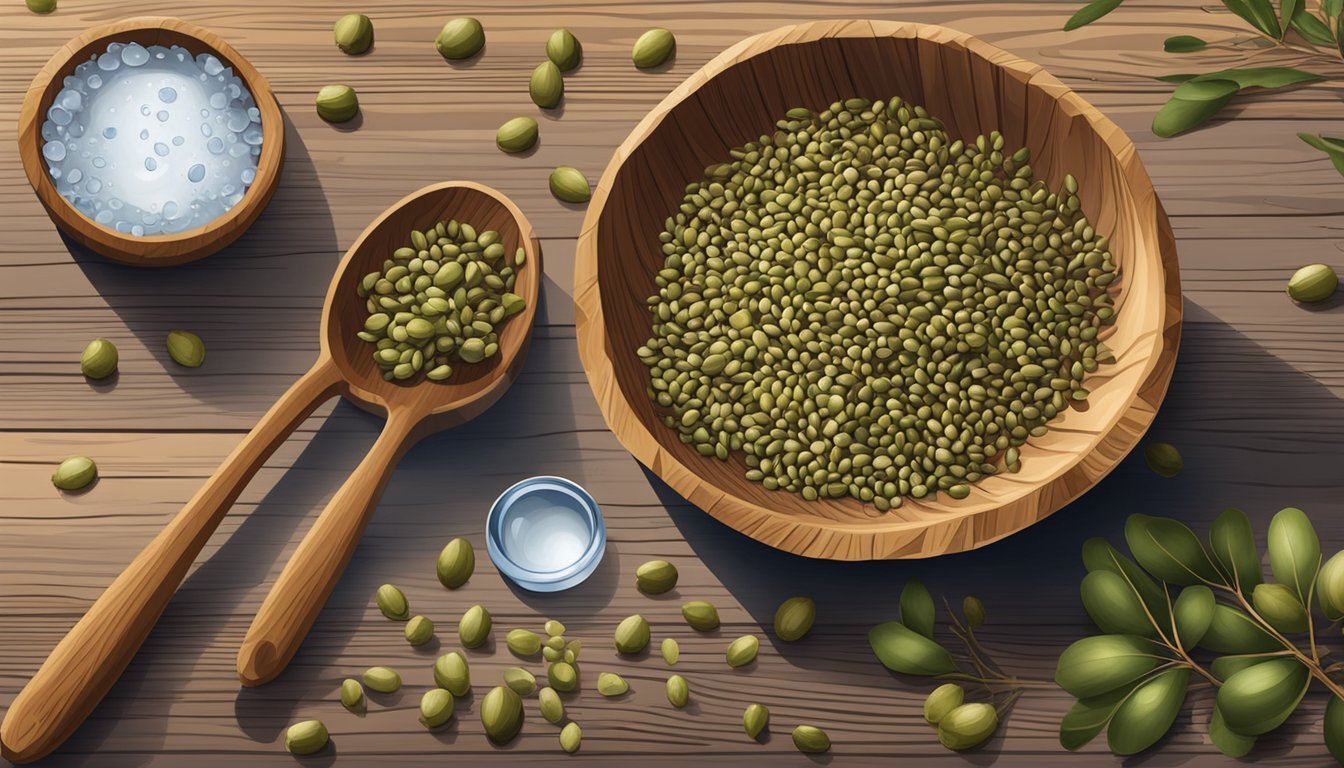
Eating acacia seeds can be a healthful addition to one's diet due to their nutritional value and potential health benefits. They can be consumed in various forms to suit different dietary preferences and culinary practices.
Raw: Acacia seeds may be eaten raw, although this is less common.
Cooked: They can be boiled or roasted, which makes them a delightful snack or a crunchy addition to salads.
Flour: Ground into flour, acacia seeds offer a gluten-free alternative for baking and cooking.
Smoothies and Soups: The seeds or the flour can be incorporated into smoothies and soups for added fiber.
The fiber content of acacia seeds, particularly the soluble fiber, aids digestion and may relieve constipation. They are also known for their potential prebiotic properties that nourish beneficial gut bacteria, supporting overall gut health.
Incorporating acacia seeds into one’s diet is straightforward. Their versatility allows for creative culinary applications, whether one incorporates them into daily meals or uses them as a functional ingredient for specific dietary needs.
It is important for consumers to consider any allergies and to introduce acacia seeds gradually into their diet to gauge individual tolerance. Those with a tree nut allergy should consult a healthcare provider before consuming acacia seeds.