
Animal Fat Worship in Traditional Societies
Rituals, Beliefs, and Cultural Significance
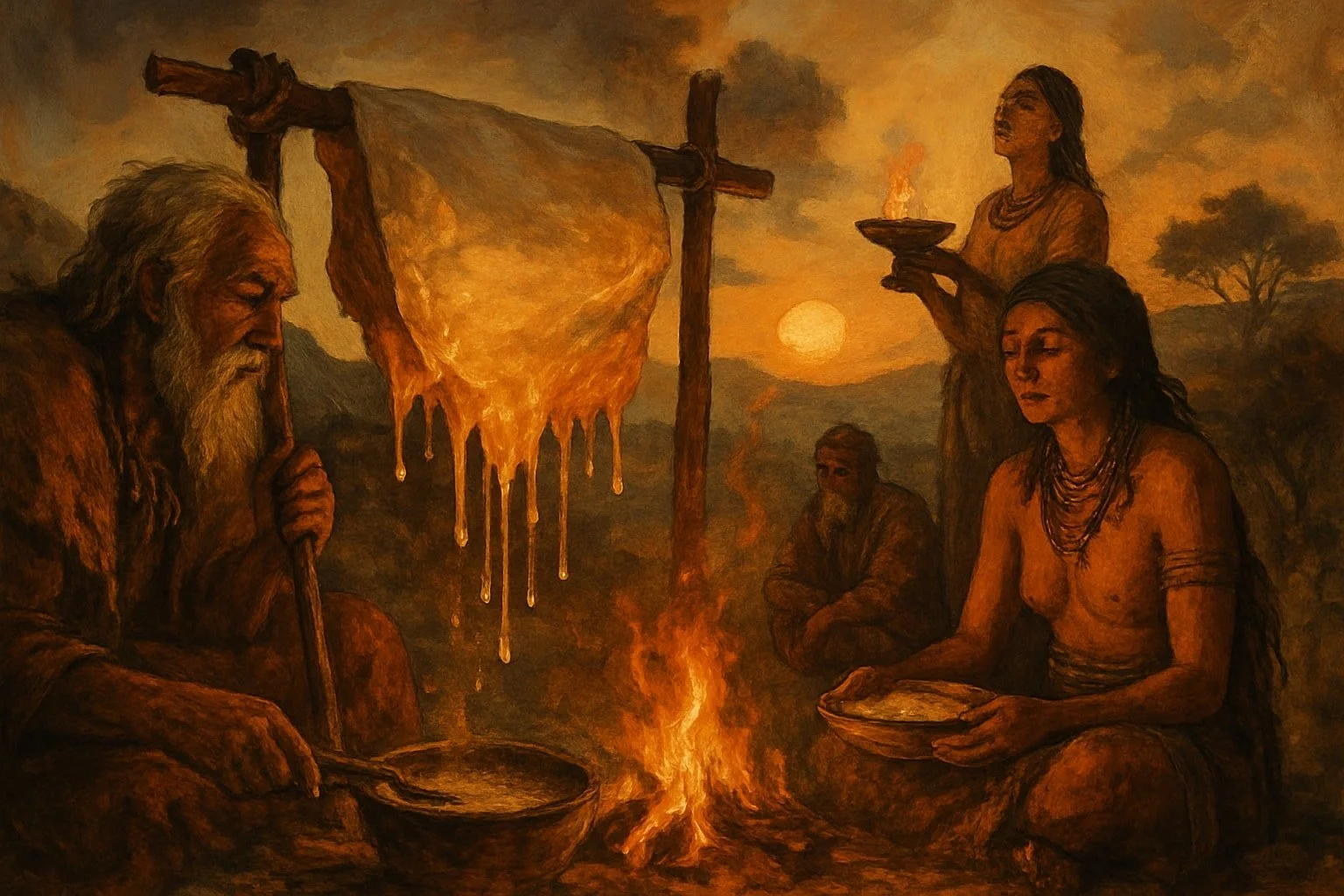
In many traditional societies, animal fat carried significant symbolic importance and was often viewed as a sign of health, prosperity, and vitality. Ethnographic evidence shows that animal fat was not just a dietary staple but also held ritual and cultural roles, sometimes being used in ceremonies, offerings, and healing practices. For example, in some cultures, animal fats were applied externally during rituals or regarded as gifts to deities or spirits, symbolizing abundance and strength.
People's reverence for animal fat stemmed from its practical and perceived benefits—it provided essential nutrition in the form of dense calories and was associated with survival and resilience. As a result, animal fat became deeply embedded in the values and expressions of many communities, reflecting broader beliefs about health and well-being that continue to inform cultural practices today.
Understanding Animal Fat Worship
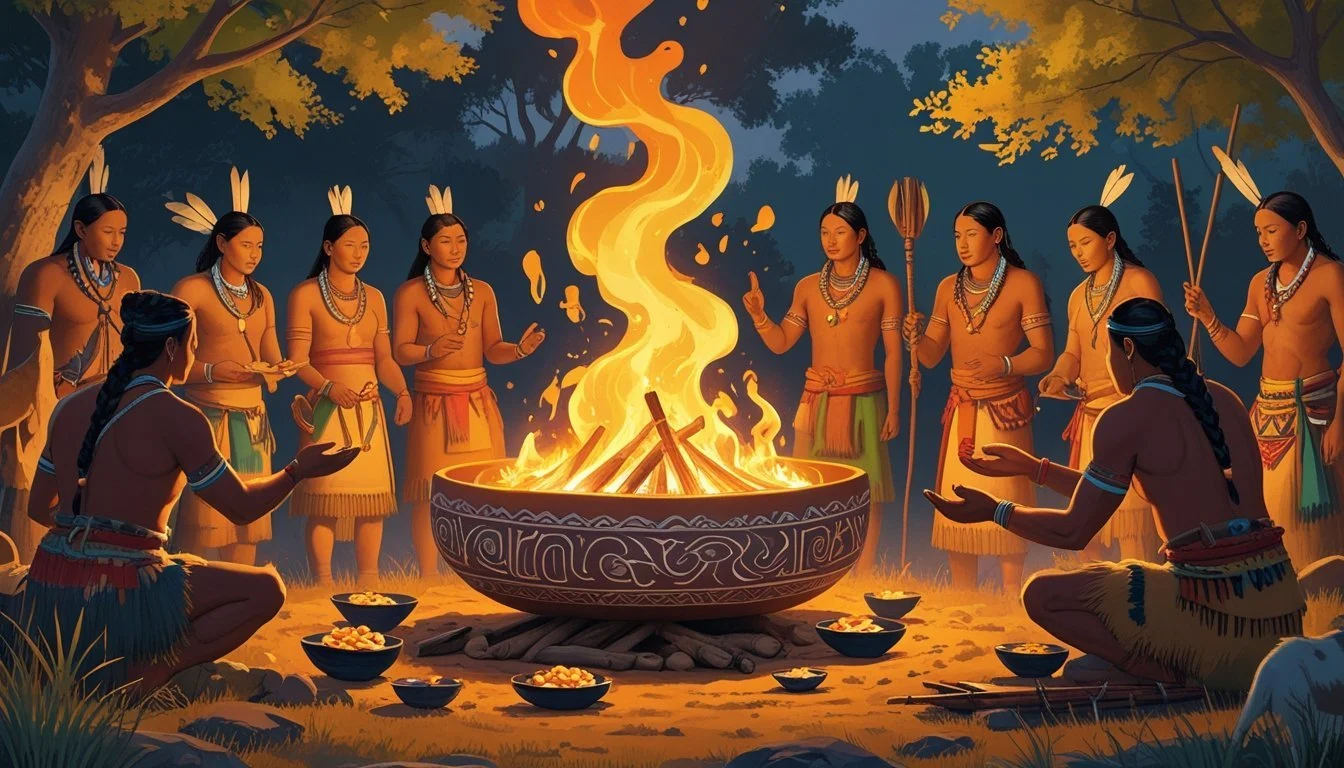
Animal fat has played significant roles in many traditional societies, not only as a source of nourishment but also as an important cultural and spiritual symbol. Its use spans religious rituals, social customs, and expressions of sacredness rooted in community and belief.
Defining Animal Fat Worship
Animal fat worship refers to sets of beliefs and practices where animal fat is given heightened significance, often as an offering to deities or ancestors. It is not limited to one region or religion but appears with variations worldwide.
In some cultures, particular types of fat—such as that from around organs or subcutaneous fat—are believed to hold special powers or nutritional value. Table 1 highlights common cultural uses:
Context Purpose Religious rituals Offering to gods or spirits Healing ceremonies Used in ointments or food Social celebrations Symbol of abundance, health
Often, fat is reserved for sacred events, demonstrating its elevated role compared to other animal parts.
Historical Origins in Traditional Societies
Throughout history, societies have revered animal fat due to its significance in survival and spiritual beliefs. Evidence from anthropological studies shows that groups such as the ancient Hebrews, the Maasai, and Siberian tribes integrated animal fat into worship rituals.
Animal fat's availability was historically limited, making it valuable. Religious texts, such as those from the Hebrew Bible, refer to fat as "the best part" offered to God, indicating its perceived holiness. In many societies, consuming these portions outside of ceremonial contexts was either restricted or forbidden.
Mythology in several cultures links the consumption or burning of fat with divine favor, protection, or blessings. Its presence in creation myths and seasonal festivals reflects a deep-rooted association with life force and health.
Cultural Expressions and Sacredness
The sacredness of animal fat is evident in art, ritual practice, and oral tradition. Animal fat is often used to anoint objects, mark sacred spaces, or serve as a medium in purification and healing rituals.
In some societies, only spiritual leaders can handle or distribute certain fats during ceremonies, highlighting its sacred function. Songs, stories, and dances may celebrate the symbolic richness of animal fat, reinforcing its role within collective memory.
Certain festivals dedicate specific animal fats to deities, emphasizing gratitude and reverence. These practices reflect the values and cosmology of each society, placing animal fat at the intersection of nourishment, tradition, and worship.
Symbolic and Ritual Significance
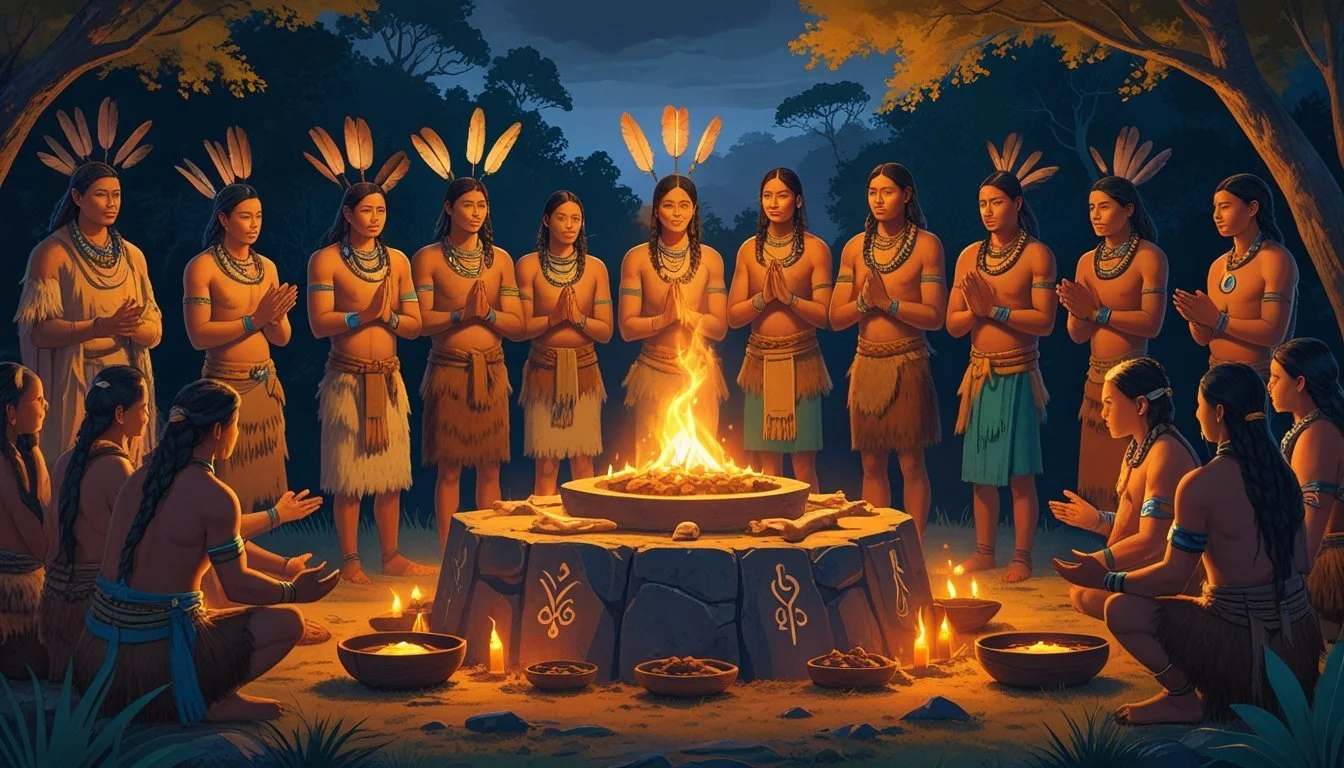
Animal fat has played a critical role in traditional societies as both a material resource and a cultural symbol. Its presence in myth, ritual, and daily practice reveals deeper beliefs about life, prosperity, and the connection between humans and nature.
Mythology and the Source of Creation
Many creation myths highlight animal fat as a fundamental substance. In Siberian and Arctic cultures, animal fat derived from seals or reindeer is depicted as life-giving, symbolizing warmth, survival, and the divine spark that sustains communities in extreme environments.
African pastoralist legends sometimes describe the world's origins as emerging from a cosmic animal whose fat forms the first earth or rivers. This substance is viewed as both the physical and spiritual essence necessary for existence.
Stories in various indigenous groups characterize animal fat not just as sustenance, but as a transformative agent. It is involved in rituals of birth, death, and renewal, supporting beliefs that fat carries spiritual potency across the life cycle.
Rituals Involving Animal Fat
Traditional societies frequently incorporate animal fat into ceremonies marking major life events. In some Native American and Eurasian cultures, animal fat is burned in lamps during winter solstice celebrations, believed to guide spirits or ancestors home.
Certain African groups anoint initiates or sacred objects with clarified animal fat before rites of passage. This practice is thought to protect participants and invite blessings from deities associated with abundance and health.
A typical list of ritual uses includes:
Lamps and torches for ceremonies
Body anointing before important milestones
Mixing with herbs in purification rituals
Each practice highlights the fat’s supposed capacity to purify, nourish, and connect mortal and spiritual realms.
Symbolic Use in Fertility and Wealth
Animal fat serves as a marker of fertility and prosperity in many agrarian and pastoralist communities. For example, among some Mongolian and Central Asian groups, displaying or gifting animal fat is a traditional signal of success in animal husbandry and wealth accumulation.
In fertility rituals, women may be fed special dishes rich in animal fat to promote childbearing and robust health. Societies in sub-Saharan Africa sometimes use animal fat to grease carved totems or fertility symbols during agricultural ceremonies, reflecting its association with productive land and thriving livestock.
Animal fat’s symbolism is often reinforced through folklore, songs, and proverbs celebrating it as a desirable, life-sustaining substance. These cultural expressions underscore its enduring connection to the essential human needs of continuity and well-being.
Animal Fat in Diet and Nutrition
Animal fat plays a significant role in both the dietary practices and nutritional outlook of traditional societies. Its consumption has been influenced by ecological, physiological, and cultural factors, shaping not only what is eaten but also broader patterns of health and disease.
Dietary Role of Animal Fat in Hunter-Gatherer Societies
Hunter-gatherer societies often relied heavily on animal fat to meet daily energy needs. In environments where plant-based foods were scarce or seasonal, animal fat provided a calorie-dense and efficient source of fuel.
Ethnographic records show that groups such as the Inuit, Maasai, and San placed a high value on fatty animal parts, often consuming them preferentially during hunts. Fat was not only sought after but sometimes reserved for the most important members of the group, indicating its perceived value.
Traditional diets showed that the proportion of calories from animal fat could exceed 40% or more, particularly in colder climates. This contrasts with many modern dietary patterns, where fat intake is often much lower.
Protein and Fatty Body Parts in Prey Selection
When hunting, traditional societies frequently prioritized prey with substantial fat reserves. Selection wasn't random but targeted animals at times of year when their fat content was at its peak.
Studies report that people consumed protein in moderation but actively sought fat-rich parts like bone marrow, organ meats, and subcutaneous fat. In many cases, lean animals or depleted carcasses were less favored and sometimes avoided, as reliance on protein alone could lead to protein poisoning.
A simplified outline of common preferential choices:
Animal Parts Fat Content Traditional Preference Bone marrow High Very high Organ meats (e.g. liver) Moderate/High High Muscle meat (lean) Low Moderate Subcutaneous fat High Very high
Saturated Fat, Health Claims, and Negative Health Claims
Saturated fat makes up a significant portion of animal fats. In traditional societies, it has been associated with health, strength, and fertility. Ethnographic evidence suggests some communities viewed animal fat as essential, offering protection against cold and contributing to physical endurance.
Modern science, however, has raised concerns about the consumption of saturated fats. Research links high intake to elevated cholesterol levels and an increased risk of heart disease. However, this remains debated, as some reviews point out differences in health outcomes between those consuming saturated fats from whole, minimally processed sources compared to highly processed products.
Traditional diets were noted for providing fat-soluble vitamins like A, D, and K2, found abundantly in animal fats—nutrients often lacking in low-fat diets.
Dietary Recommendations and Public Health Organizations
Public health organizations traditionally advise limiting the intake of saturated animal fat. The American Heart Association and World Health Organization recommend replacing saturated fats with unsaturated fatty acids from plant or fish sources.
Key current guidelines:
Limit saturated fat to less than 10% of daily calories.
Prioritize lean cuts and remove visible fat from meat.
Increase intake of polyunsaturated and monounsaturated fats.
Despite these recommendations, proponents of ancestral diets argue that blanket restrictions may not account for differences in food processing, overall diet quality, and lifestyle factors. Some also note that indigenous populations consuming high levels of animal fat historically had low incidences of cardiovascular disease, though these observations may be influenced by genetic or environmental variables.
Animal Fat Across Species and Cultures
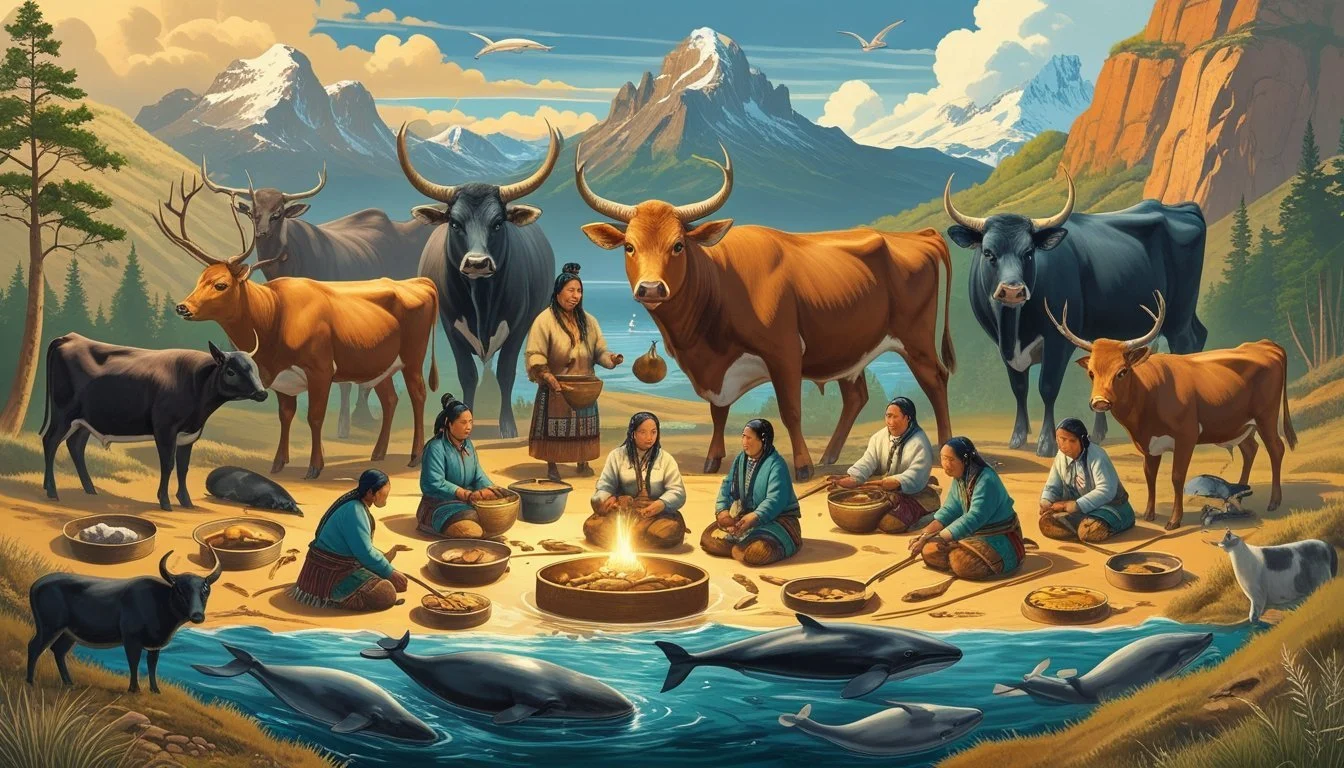
Animal fat holds practical and symbolic significance in many traditional societies. Its use and cultural meaning often depend on the species from which it is derived and the language used to describe it.
Variety of Species Used for Animal Fat
Animal fat is sourced from a diverse range of species. In pastoral and farming communities, fat from cattle, sheep, goats, and pigs is commonly valued. These species are often preferred due to their availability and the high yield of fat.
In regions where red meat is less accessible, animal fat may be obtained from birds like ducks, geese, or chickens. Additional sources include fish oils, which play a role among coastal and riverine peoples. Each species produces fat with unique flavor, texture, and ritual importance.
Different fats are sometimes separated by their role in daily life or ceremonies. For example, in some cultures, only the fat from particular animals is used for offerings, healing, or feast rituals.
Wild Animals, Reptiles, and Domestic Sources
Wild animals such as deer, boar, and seals have been hunted for their fat by hunter-gatherer societies. These fats are often considered rare and valuable, reserved for special occasions or medicinal uses.
Reptile fat, including that from crocodiles or snakes, is used in some regions, particularly in traditional healing or as a delicacy. This type of fat is less common but can carry special symbolic weight.
Domesticated animals remain the most reliable source of animal fat in settled societies. For instance, sheep fat is central to Central Asian diets, while pig lard has been crucial in European cooking and ritual life. The contrast between domesticated and wild fat sources often reflects a group’s access to land and resources.
Linguistics and the Language of Animal Fat
The language used for animal fat is often distinct and culturally meaningful. Specific terms can differentiate between the fat of different species or even between types of fat on the same animal.
Some societies have words that refer exclusively to ritual or medicinal animal fats. This linguistic distinction underlines the elevated status of certain fats beyond their culinary uses.
Etymology shows links between fat terminology and concepts of health, strength, and sanctity. For example, in several African and Asian languages, words for animal fat may also mean "wealth," "vitality," or "blessing," signaling deeper cultural associations.
Ethnographic and Archaeological Evidence
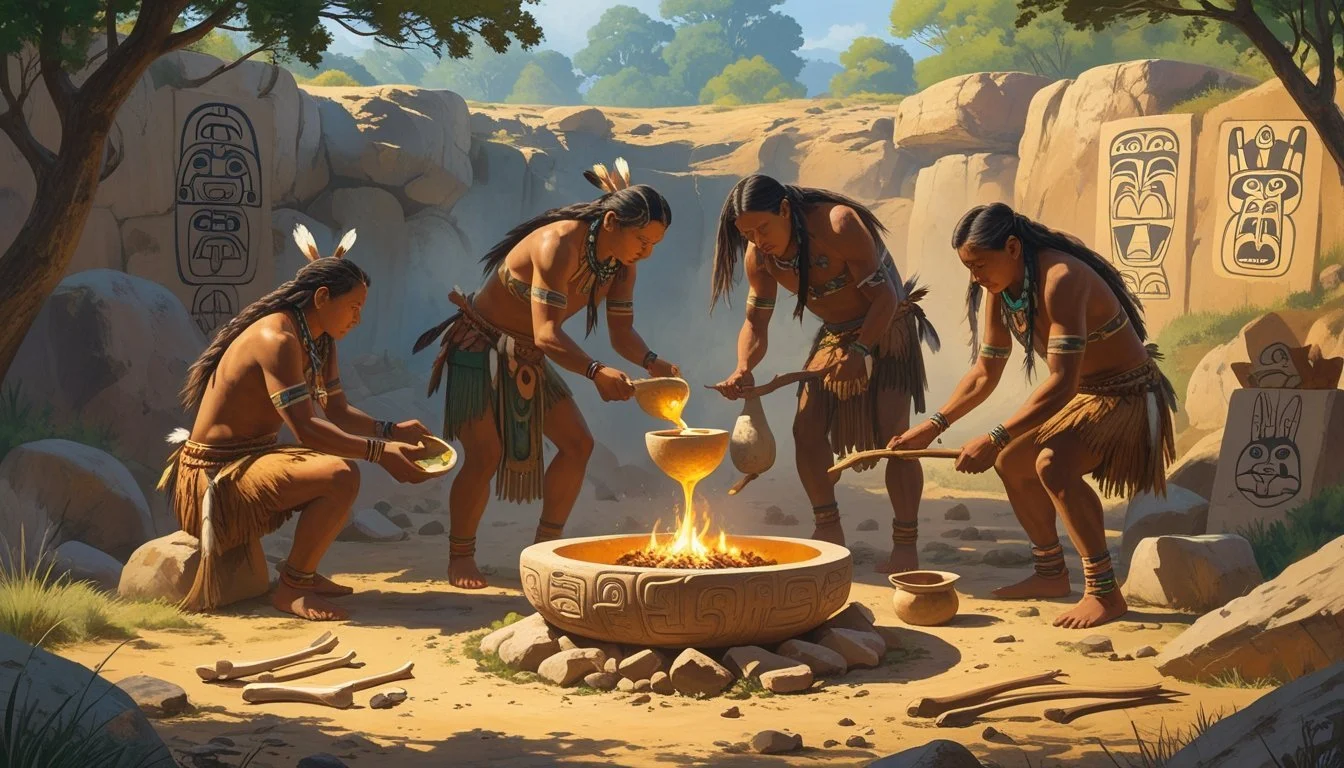
Researchers use ethnographic sources and archaeological analysis to identify how animal fat was perceived and utilized within traditional societies. Both written records and scientific techniques help clarify the symbolic and practical significance of animal fat in rituals, health beliefs, and daily life.
Ethnographic Records and Literature Review
Ethnographic records consistently show that animal fat held symbolic and practical value in traditional cultures. In many societies, fat was associated with strength, health, fertility, and prosperity.
A review of literature reveals over 200 cases where animal fat features in rituals, ceremonies, or social customs. These uses include offerings to deities, anointment of participants, and ceremonial meals.
Certain communities marked important events, such as weddings or seasonal festivals, with the use of animal fat. The recurrence of these practices across geography and time suggests a shared recognition of animal fat’s cultural and symbolic capital.
Use Case Societies Noted Ritual Offerings Sub-Saharan Africa, Arctic Inuit Healing Symbolism Australian Aboriginal, Russian Steppe tribes Social Feasts Native American Plains, Mediterranean cultures
DNA and Archaeological Traces
Advances in archaeological science have allowed identification of animal fat residues on ancient artifacts, pottery, and tools. Lipid analysis, for example, detects the molecular signatures of fats left behind by historical usage.
At sites like Çatalhöyük, researchers have discovered traces of animal fat embedded in ceramics, implying fat’s use in communal rituals and food preparation. DNA analysis complements this by identifying the specific animal species involved.
Radiocarbon dating of fat residues often matches key ritual sites and ceremonial fireplaces, confirming the timing and context. These tangible archaeological finds align with ethnographic records, illustrating that both the physical presence and symbolic role of animal fat were integral in the societies studied.
Animal Fat and Human Evolution
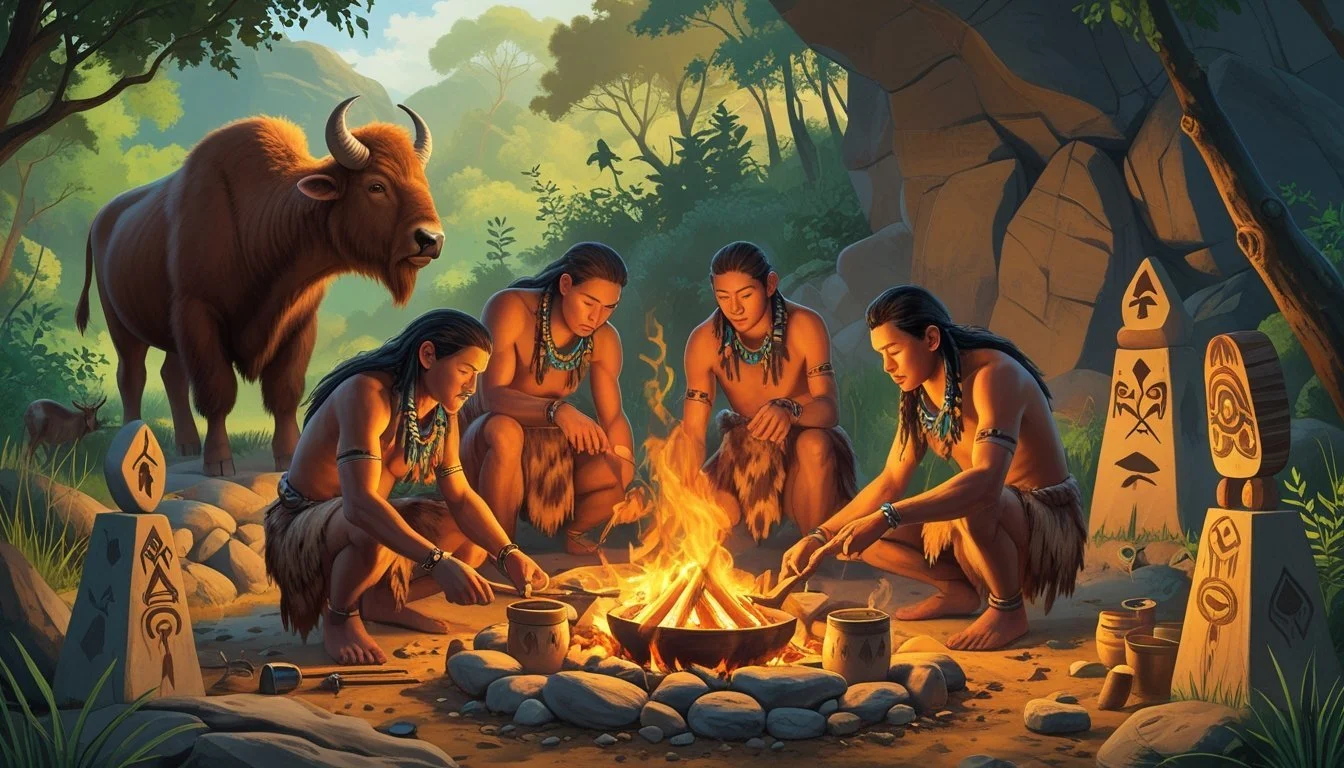
Animal fat played a significant role in shaping physiological and cultural developments during human evolution. Changes in prehistoric diets, hunting strategies, and prey diversity interacted with brain size, social complexity, and environmental adaptations.
Dietary Consumption and Brain Expansion
The Paleolithic diet, especially in the Pleistocene, provided early humans with substantial quantities of animal fat. Archaeological evidence of butchered bones and hunting sites indicates that fatty tissues and organs were highly valued.
A major hypothesis links the rise in animal-based food consumption to human brain expansion. Fatty acids, especially those found in animal fat, contribute to neural development and cognitive function. Access to nutrient-dense and fat-rich foods allowed early Homo species to support their larger brains metabolically.
Studies of contemporary hunter-gatherers support this pattern, showing that groups with access to large prey tend to utilize as much animal fat as possible. This strategy ensured energy sufficiency, especially in environments with limited plant-based calories.
Human Trophic Level and Niche Construction Theory
Humans occupied a high trophic level as large-game hunters for much of the Pleistocene. Analysis of isotope ratios in ancient human bones shows a dietary reliance on animal tissues, suggesting a distinct shift from typical primate diets. Compared to modern omnivores, Paleolithic humans obtained a greater share of calories from animal fat.
Niche construction theory explains how humans modified ecosystems, not just adapted to them. Techniques such as coordinated hunting, fire use for landscape management, and selective targeting of fat-rich prey allowed human populations to persist in challenging environments. These strategies shaped both the food supply and cultural traditions surrounding animal fat.
Table: Estimated Trophic Level of Pleistocene Homo Species
Species Trophic Level Main Food Source Homo erectus 3.0-3.5 Large mammals, fat Homo neanderthalensis 3.0-3.8 Megafauna, bone marrow Early Homo sapiens 3.0-3.7 Mixed, animal fat
Pleistocene Megafauna Extinctions and Prey Availability
During the late Pleistocene, many large mammals—such as mammoths, mastodons, and giant bison—became extinct across multiple continents. This event reduced the availability of traditional fat-rich prey that had sustained human societies for millennia.
The decline in megafauna forced human groups to adapt their diets and subsistence strategies. Some societies shifted focus toward smaller animals or increased reliance on aquatic resources and plant foods. However, archaeological remains suggest that, where possible, humans continued to emphasize the extraction of animal fat, including bone marrow and organ fats from smaller prey.
These shifts illustrate the influence of changing prey landscapes on both human dietary patterns and cultural expressions related to animal fat.
Animal Fat, Health, and Modern Perceptions

Debates about animal fat focus on its impact on health and the consequences of its production. Changes in population dynamics and growing concern for animal welfare have shaped the way societies now view animal fat.
Cardiovascular Disease and Healthy Diet Debates
Throughout the 20th century, animal fat became linked with cardiovascular disease as public health guidance shifted. Studies connected high saturated fat consumption with an increased risk of heart disease, causing experts to recommend plant-based oils and reduced animal fat intake.
Recent research, however, has questioned the strength of these associations. Meta-analyses and historical reviews reveal that traditional societies consuming significant animal fat often had low rates of heart disease. Table 1 summarizes key dietary observations:
Society Type Animal Fat Intake Heart Disease Prevalence Paleolithic High Low Western (Modern) Moderate–High High East Asian Low–Moderate Lower
The ongoing debate highlights the complexity of diet-heart relationships. Nutritional guidelines continue to evolve as evidence accumulates about the roles of saturated fat, cholesterol, and context-specific dietary patterns.
Population Decline and Animal Welfare Concerns
As global populations in developed regions age and decline, livestock production faces pressure both economically and ethically. Reduced demand for animal fats in these regions has led to shifts in agricultural practices and reduced animal stock.
Animal welfare has become a prominent concern. Consumers now seek products from sources that prioritize humane treatment and sustainable practices. Key animal welfare considerations include:
Housing and feeding conditions
Humane slaughtering techniques
Environmental impacts of animal farming
Increased scrutiny on animal-based diets affects culinary traditions, cultural rituals, and the marketplace. Discussions about animal fat are now inseparable from broader conversations about sustainability, ethics, and future food systems.
Human-Animal Relationships and Worship Practices
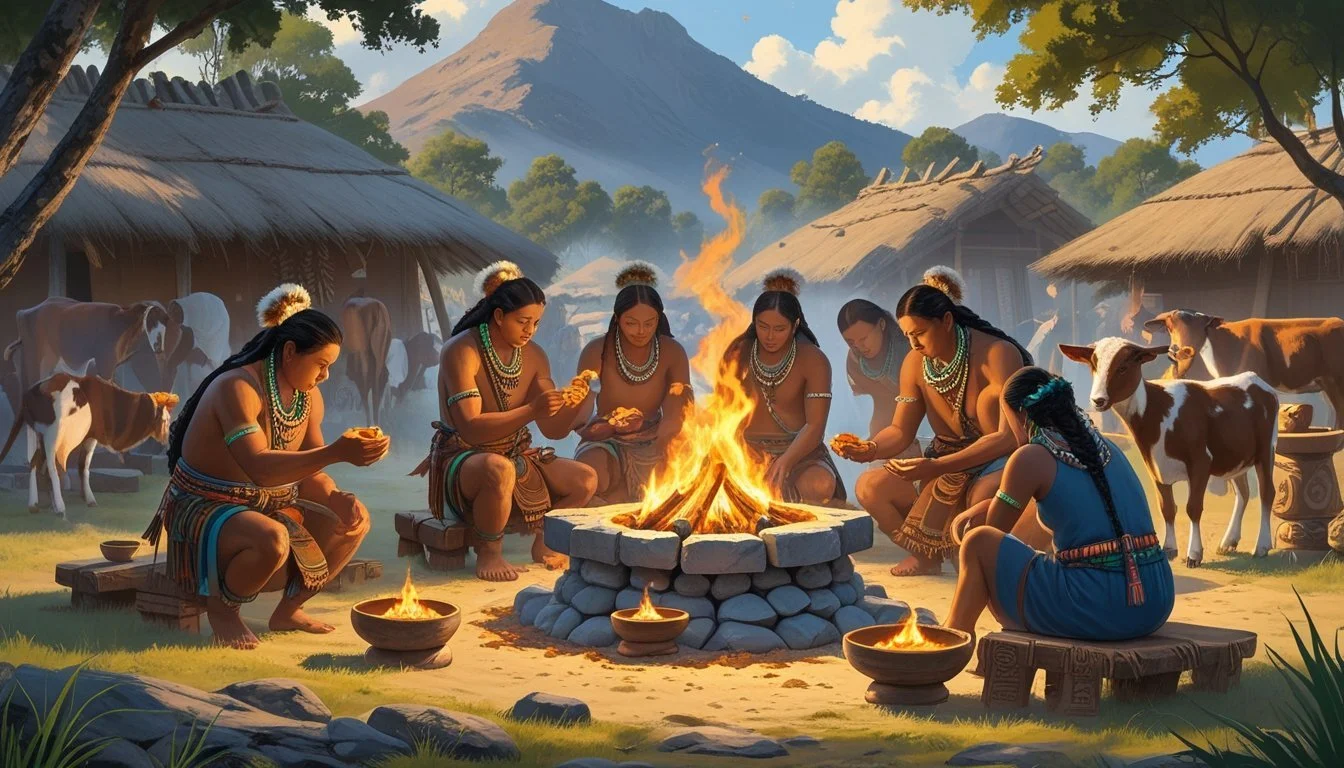
Traditional societies developed complex relationships with animals based on practical needs and spiritual beliefs. Animal fat, as both a resource and a ritual object, played an important role in shaping these interactions and the resulting worship practices.
Human Predation and Hunting Behaviors
Human predation in early societies centered on strategic hunting and resource gathering. People combined detailed knowledge of animal behavior with the use of tools and coordinated group tactics. These methods maximized fat and protein yield, which were crucial to survival in cold climates.
Seasonal migrations often determined hunting intensity and prey selection. Rituals around animal fat—from application to statues to the burning of fat in offerings—were commonly documented. These acts symbolized respect for animal spirits and helped ensure successful hunts. In some cultures, animal fat was believed to bridge the physical and spiritual worlds, emphasizing the link between food gathering and worship.
Relationship to Neandertals and Prey Selection Criteria
Studies of Neandertals show they selected prey based on size, fat content, and seasonal availability. Heavier, fattier animals like mammoths and bison were often targeted due to their high energy value. Evidence from archaeological sites includes specialized tools designed for extracting bone marrow and storing rendered fat.
Neandertal hunting focused on specific age groups and species depending on environmental context. The selection criteria mirrored later human practices, with an emphasis on maximizing nutritional returns. Animal fat was not just sustenance but also used in burial rites and symbolic displays, highlighting its deep integration into early human-animal relationships and ancestral worship practices.

