
Meat in Native American Healing Traditions
Cultural Practices and Health Beliefs
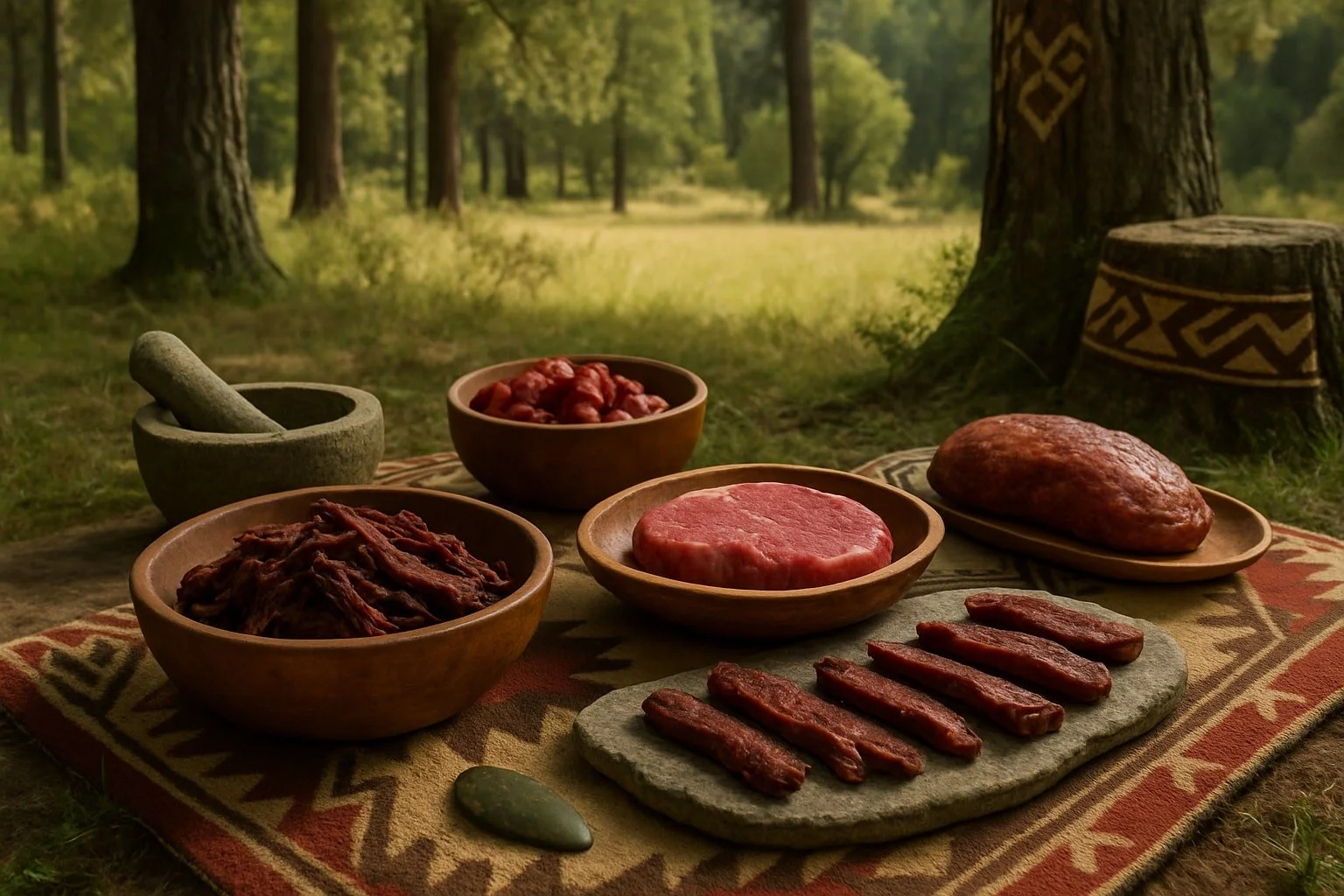
Meat has played an important role in Native American healing traditions, serving as both nourishment and a source of spiritual and physical wellness. Across various tribes, hunting and consuming meat was not only a practical necessity but also carried deeper cultural and ceremonial significance. These foods were often prepared in specific ways and accompanied by rituals that linked the act of eating or sharing meat to the health and balance of the individual and community.
The selection of meat—whether from bison, deer, fish, or birds—often depended on local resources and seasonal cycles. Each type of meat held particular value, and the process of hunting, preparing, and consuming it was closely tied to respect for nature and gratitude for the animal’s life. Elders and healers viewed these practices as essential elements of holistic well-being, blending physical, spiritual, and community health.
While plant-based foods and herbal remedies are often highlighted in discussions about Native American healing, the role of meat is equally central in many traditions. Understanding how meat is integrated into healing practices reveals a more complete picture of Native American approaches to health and the interconnectedness of food, tradition, and wellness.
Historical Roots of Meat in Native American Healing
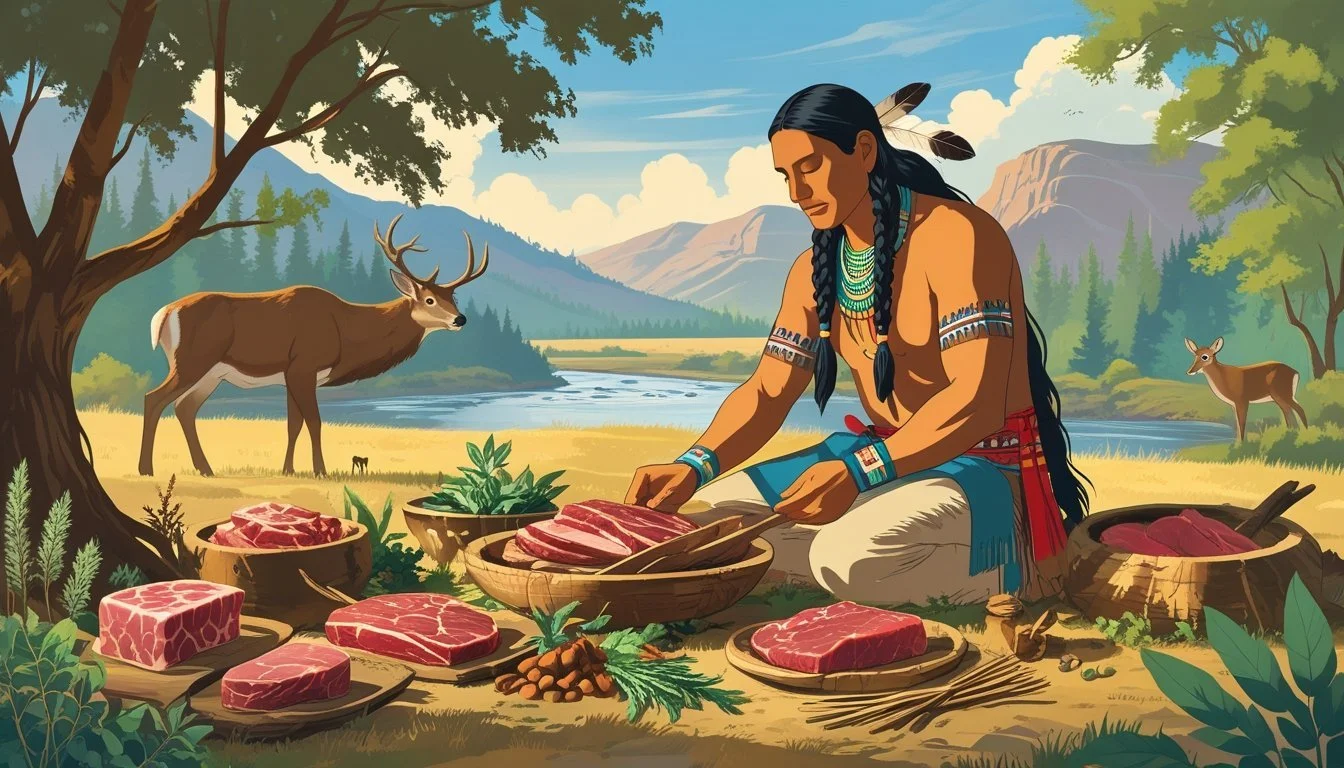
Meat has played a fundamental role in Native American culture, shaping both dietary habits and traditional healing systems. Its uses extend beyond nutrition, embedding itself in spiritual, social, and medicinal contexts throughout indigenous communities.
Origins of Traditional Healing Practices
Indigenous peoples of the Americas have developed a range of traditional healing practices over thousands of years. These healing systems often integrate the use of animal products, including meat, as key elements for treating physical and spiritual conditions.
Tribal healers, such as shamans and medicine men or women, utilized specific meats according to ritual, illness, or the symbolic properties ascribed to the animal. The use of bison, venison, or fish in ceremonies and remedies reflected a deep understanding of the relationship between human health and the natural world.
Meat served not only as sustenance but also as a spiritual medium. In some cases, the preparation and consumption of certain meats were believed to transfer the animal’s strength, vitality, or spirit to the individual in need. These beliefs shaped practices that persist in present-day indigenous medicine.
Cultural Significance in Indigenous Medicine
Meat held distinct cultural significance in many Native American healing traditions. It was frequently integrated into rituals, fasting, and specific diets designed to promote recovery, resilience, or spiritual cleansing.
For example, the creation and use of pemmican—a blend of dried meat, fat, and berries—supported both survival and healing ceremonies, especially during periods of scarcity. The careful preservation and use of game meats, smoked or dried, reflected a commitment to sustainability and interdependence with nature.
In communal gatherings, the sharing of hunted meat reinforced social ties and cultural identity. Meat-based remedies and dishes also played a vital role in rite-of-passage ceremonies, blessings, and seasonal observances, ensuring that the knowledge and traditions of indigenous healing practices endured across generations.
Ceremonial Uses of Meat in Healing Rituals
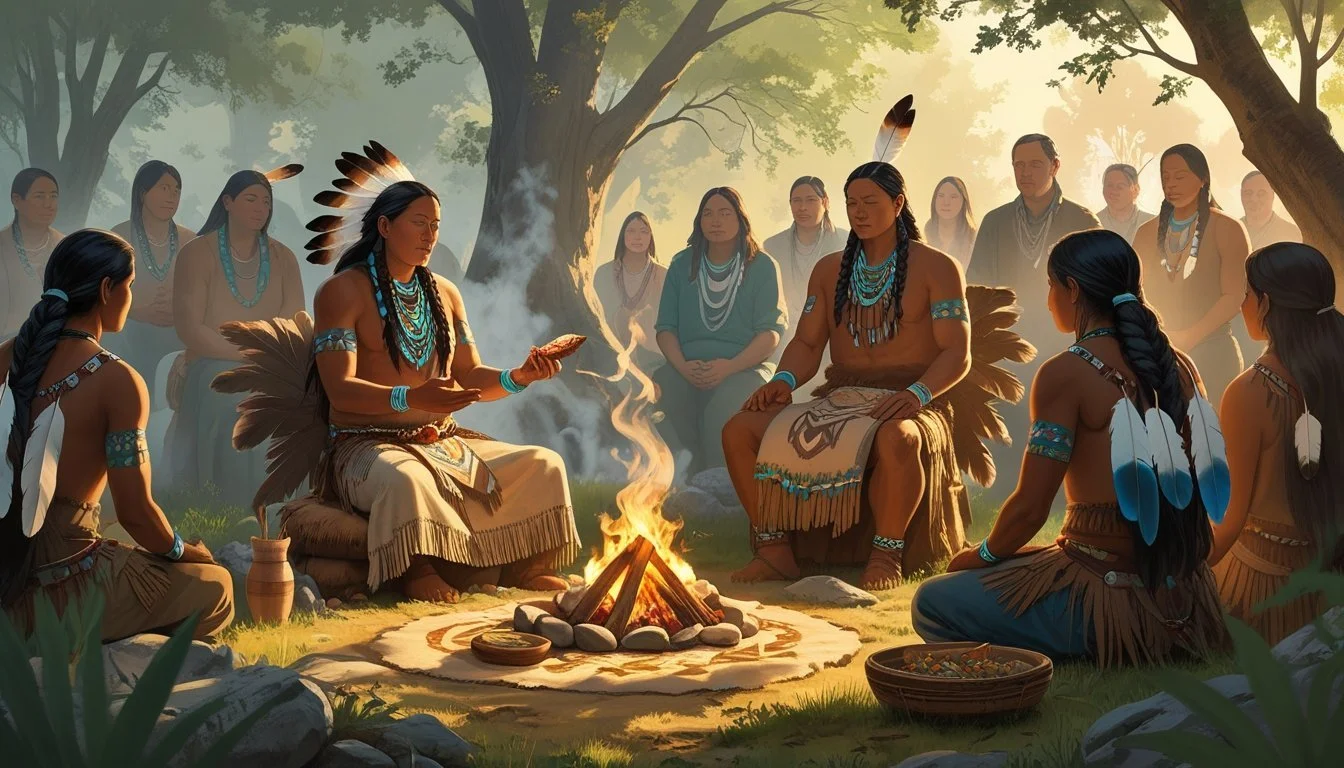
Meat holds a distinct and symbolic purpose within Native American healing traditions. It is used not only to nourish but to honor spiritual relationships, aid in purification, and serve as an offering in complex rituals led by community healers.
Spiritual Ceremonies and Offerings
In many tribes, meat—especially from deer, buffalo, or other game—is offered during spiritual ceremonies as a gesture of gratitude and reverence toward the spirits and ancestors. These offerings are often presented alongside traditional sacred plants such as sage, cedar, sweetgrass, and tobacco.
Ceremonial feasts mark harvests, seasonal changes, and significant community events. Meat given as an offering is believed to bring balance and harmony, feeding both the living and the spirits. The act of sharing meat during communal rituals strengthens social ties and cultural continuity.
The preparation and sharing of meat often follow protocols passed down through generations. Ceremonial meat offerings are handled with respect, and specific prayers or songs usually accompany the ritual, reinforcing the connection between physical nourishment and spiritual well-being.
Role of the Medicine Man and Herbalists
The medicine man or healer plays a central role in determining how and when meat is used in healing rituals. During private or communal ceremonies, the medicine man may use meat in combination with herbal medicines or during spiritual consultations to seek guidance or healing.
Meat is sometimes included in ceremonies to appease spirits or to harness animal medicine for the benefit of an individual or community. Paired with smudging using sage, cedar, or sweetgrass, and sometimes with the burning of tobacco, these acts are believed to enhance the potency of prayers and healings.
Healers ensure that every part of the animal is honored and that the ritual conveys respect to both the physical and spiritual realms. Their knowledge of traditions, gathered through years of learning, guides the ritual use of meat in partnership with medicinal plants.
Sweat Lodges and Purification Rituals
Sweat lodge ceremonies are purification rituals that combine spiritual and physical cleansing. While these rituals primarily involve heat and steam, the use of meat can be a component before or after the ceremony. Consuming meat afterward is seen as grounding, helping participants recover strength and restore balance.
Animal foods may also be offered to the spirits as part of sweat lodge prayers, often alongside sacred herbs such as sage and sweetgrass. The offering of meat represents respect, humility, and the desire for renewal.
The sweat lodge leader, often trained in both spiritual and medicinal practices, directs these rituals. They combine the symbolic properties of meat and herbal smudging to facilitate both physical purification and spiritual healing for the participants.
Nutritional and Health Benefits of Meat
Traditional Native American diets often included a variety of animal meats, delivering essential nutrients and supporting overall health. The consumption of meat played an important role in meeting dietary needs, especially in environments where plant-based foods were scarce or seasonal.
Essential Nutrients and Protein Content
Meat served as a principal source of protein in Native American diets. Protein is necessary for muscle development, tissue repair, and immune system function. Wild game and fish, commonly used in these diets, are generally lean, contributing less fat and more protein compared to domesticated meats.
In addition to protein, meat provided essential nutrients such as zinc, selenium, and phosphorus. These nutrients support energy metabolism, bone health, and cellular repair. The reliance on unprocessed meats meant few additives, allowing for cleaner nutrient profiles that benefited overall wellbeing.
Meat consumption was especially important during key life stages, such as childhood and pregnancy, when the need for high-quality protein and micronutrients increased.
Iron and Vitamin B12 in Traditional Diets
Iron, present in abundance in wild meats and fish, was a fundamental element of the traditional Native American diet. Heme iron from animal sources is absorbed more efficiently by the human body than plant-based iron, helping to prevent anemia and support healthy blood oxygen levels.
Vitamin B12, found almost exclusively in animal products, is necessary for nerve function and the production of red blood cells. Traditional diets ensured a steady intake of vitamin B12, reducing the risk of deficiency common in plant-based diets.
This combination of iron and vitamin B12 supported physical endurance and neurological health. As both nutrients are not synthesized by the body, regular consumption of meat maintained essential health functions for individuals of all ages.
Adaptation to Harsh Environments
Many Native communities inhabited regions with harsh climates or limited agricultural potential. In these settings, meat represented a reliable and accessible food source throughout the year.
The ability to consume and preserve meat—often through smoking, drying, or fermenting methods—helped maintain adequate nutrition during winter months or periods of scarcity. This adaptability reduced dependency on seasonal plants.
Tables and lists of stored meats, dried fish, and preserved organ meats reflect how meat contributed to survival and health in demanding environments. These methods ensured sustained access to vital nutrients when fresh resources were not available.
Healing Methods Combining Meat and Medicinal Plants
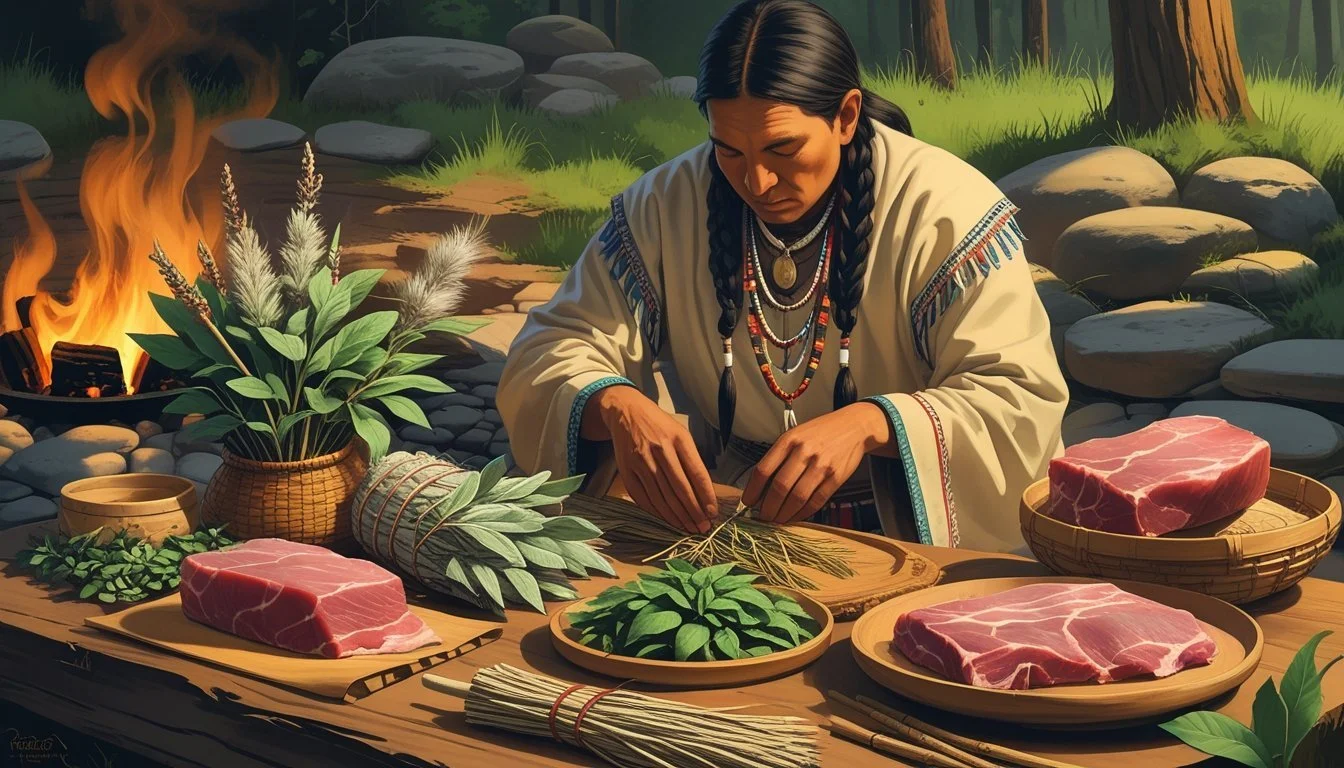
Traditional Native American healing often involves the use of both animal and plant resources. Meat is sometimes used in combination with specific medicinal plants to target physical and spiritual well-being, guided by herbal wisdom and traditional ecological knowledge.
Integration with Herbal Remedies
In many Native American healing practices, meat serves as a vital source of nutrition and strength, especially during recovery from illness or ceremony. It is not uncommon for healers to prepare broths or stews that feature both meat—often game such as deer, rabbit, or bison—and carefully selected medicinal plants like sage, yarrow, or wild onion.
This integration enhances both the nutritional value and the healing properties of the dish. Herbalists may choose particular plants for their known effects, such as anti-inflammatory or calming qualities. The preparation process itself holds significance, often done in a communal setting and following traditional ecological guidelines to respect both animal and plant sources.
Below is an example format used in various traditions:
Main Ingredient Medicinal Plant Additions Intended Benefit Bison meat Sage, yarrow Restore strength, reduce fever Rabbit meat Wild onion, mint Aid digestion, cleanse body
Role of Medicinal Herbs and Plants
Medicinal herbs play a central role in transforming simple meat dishes into healing foods. Healers and herbalists select plants based on seasonal availability, individual needs, and the specific condition being treated. Only those with recognized herbal wisdom are trusted to blend these remedies for maximum effectiveness.
These plants are valued for properties such as antimicrobial, anti-inflammatory, and energy-boosting effects. For example, wild mint might be added to meat broth to ease digestive discomfort, while cedar can be used to support spiritual cleansing. Traditional medicine relies on a careful balance, ensuring that both the meat and plants work together according to established teachings.
Careful harvesting methods and respect for natural cycles are emphasized. This traditional ecological knowledge ensures that healing does not deplete resources, maintaining harmony and sustainability in the use of medicinal plants and animals.
Meat Preparation and Preservation Techniques
Native Americans developed practical and resourceful methods to process and preserve meat. These practices not only ensured food security but also influenced their healing traditions and dietary practices.
Traditional Preservation Methods
Drying was one of the most important techniques. Meat from bison, deer, or other game was sliced into thin strips and then dried in the sun or over low smoke fires. This process removed moisture and reduced the risk of spoilage. Smoke- and air-drying also imparted a distinct flavor and improved shelf life.
Smoking, sometimes combined with salting, created a barrier against bacteria and extended meat freshness. In some regions, pemmican—a mixture of dried meat, rendered fat, and berries—served as a long-lasting, nutrient-rich food. This blend not only preserved the ingredients but concentrated calories, making it especially valuable during scarcity or for medicine men on journeys.
Methods such as burying in cool earth or using natural cold environments added extra options for preservation. These techniques relied on minimal or no modern preservatives, focusing on dryness, temperature, and sometimes salt for effectiveness.
Proper Preparation and Risks of Eating Raw Meat
Consuming raw or undercooked meat has long been recognized as risky due to potential parasites or bacterial contamination. Native healers usually prepared meat with careful attention to fire and heat, reducing these dangers. A thorough cooking process was likely essential where knowledge of foodborne hazards existed.
In some cultural contexts, small controlled servings of raw meat had specific ceremonial or medicinal roles. This practice was uncommon and typically supervised by experienced leaders. While raw meat may offer certain nutritional benefits such as higher vitamin content and unique flavors or textures, these potential gains never outweighed the safety concerns.
Improper handling or insufficiently cooked meat could cause severe illness. Because of this, traditional medicine and food knowledge stressed careful, sometimes lengthy, preparation methods to ensure both nutrition and safety.
Meat in Community Well-Being and Holistic Health
The role of meat in Native American healing traditions goes far beyond nutrition. It is woven into cultural values, traditional health practices, and the spiritual worldview shared by many Native communities.
Balance and Harmony for Health and Wellness
Meat was integrated into Native diets with the goal of maintaining balance within the body and community. Physical wellness connected directly to spiritual and emotional equilibrium. Consuming the right animals, in the right seasons, supported harmony and prevented illness.
Traditional healers valued diversity in food sources. For example, game meats like bison, deer, or fish contributed different energies and nutrients. Ceremonies often accompanied the harvest, emphasizing gratitude and balance. Foods were selected not only for sustenance, but also for how they contributed to a person’s relationship with the wider world.
Conventionally, overeating or misuse of meat upset this balance. Practices stressed moderation, with meat shared throughout the community to ensure no one lacked or took to excess. This communal sharing reinforced collective well-being along with individual health.
Interconnectedness of Community, Self, and Mother Earth
Native communities saw a direct link between dietary practices, the health of individuals, and the stewardship of Mother Earth. Meat consumption reflected this interconnectedness.
Key elements included:
Sustainable hunting practices that maintained animal populations
Collective hunts that built social bonds and fostered mutual responsibility
Seasonal cycles guiding what could be taken, preserving ecological balance
Respect for natural limits ensured food security for future generations. The act of sharing meat from hunts also built trust, reinforced kinship, and provided for elders, children, and the vulnerable. By intertwining self, community, and land, holistic health was anchored in reciprocity and ecological awareness, rather than individual consumption alone.
Spiritual Benefits and Respect for Animals
For many Native peoples, harvesting and eating meat was a sacred act. Spiritual well-being stemmed from showing respect for animals and acknowledging their role in life cycles.
Rituals before and after hunts invoked gratitude to animal spirits. Hunters might offer tobacco or prayers, asking for permission and forgiveness. This reinforced the spiritual bond between hunter, animal, and the community.
Meat was not wasted; every part had value. Using hides for clothing, bones for tools, and sharing meat signified respect for the life taken. This mindful approach ensured that meat contributed to more than physical health—it fostered spiritual benefits and a deep sense of connectedness with the natural world.
Traditional Foods and the Three Sisters
Native American diets have long reflected both the land and the seasons, relying on a variety of plant and animal sources for nutrition and healing. These food practices emphasize balance, sustainability, and deep connections between diet, culture, and environment.
Buffalo Meat and Hunting Practices
Buffalo meat was a nutritional foundation for many Plains tribes. It provided high-quality protein, iron, and essential nutrients. Harvesting buffalo required skillful hunting methods, such as communal drives or stealth approaches with bows and arrows.
Tribes used every part of the buffalo to minimize waste. Meat was preserved by drying or turning it into pemmican, which mixed meat with fat and berries for storage. The bones, hide, sinew, and organs all served distinct purposes—tools, clothing, shelter, and even medicinal uses.
Hunting was a deeply spiritual act. Ceremonies and prayers often honored the animal’s sacrifice, reinforcing the connection between the people, the buffalo, and the wider natural world.
Significance of Corn, Beans, Squash, and Amaranth
The Three Sisters—corn, beans, and squash—formed the core of many Native agricultural systems. These crops were often grown together in companion planting, each supporting the other’s growth. Corn provided a structure for bean vines, beans added nitrogen to the soil, and squash leaves shaded the ground, reducing weeds.
Corn was not only a staple food but also deeply symbolic. It appeared in legends and ceremonies as a gift from the Creator. Beans and squash provided vital amino acids, vitamins, and minerals, helping round out the nutritional profile.
Amaranth, another traditional food, thrived in various climates and supplied protein and minerals. Its leaves and seeds were used in stews and breads, making it an important complement to the core trio. Together, these plants supported both physical health and cultural identity.
Contemporary Perspectives and Modern Adaptations
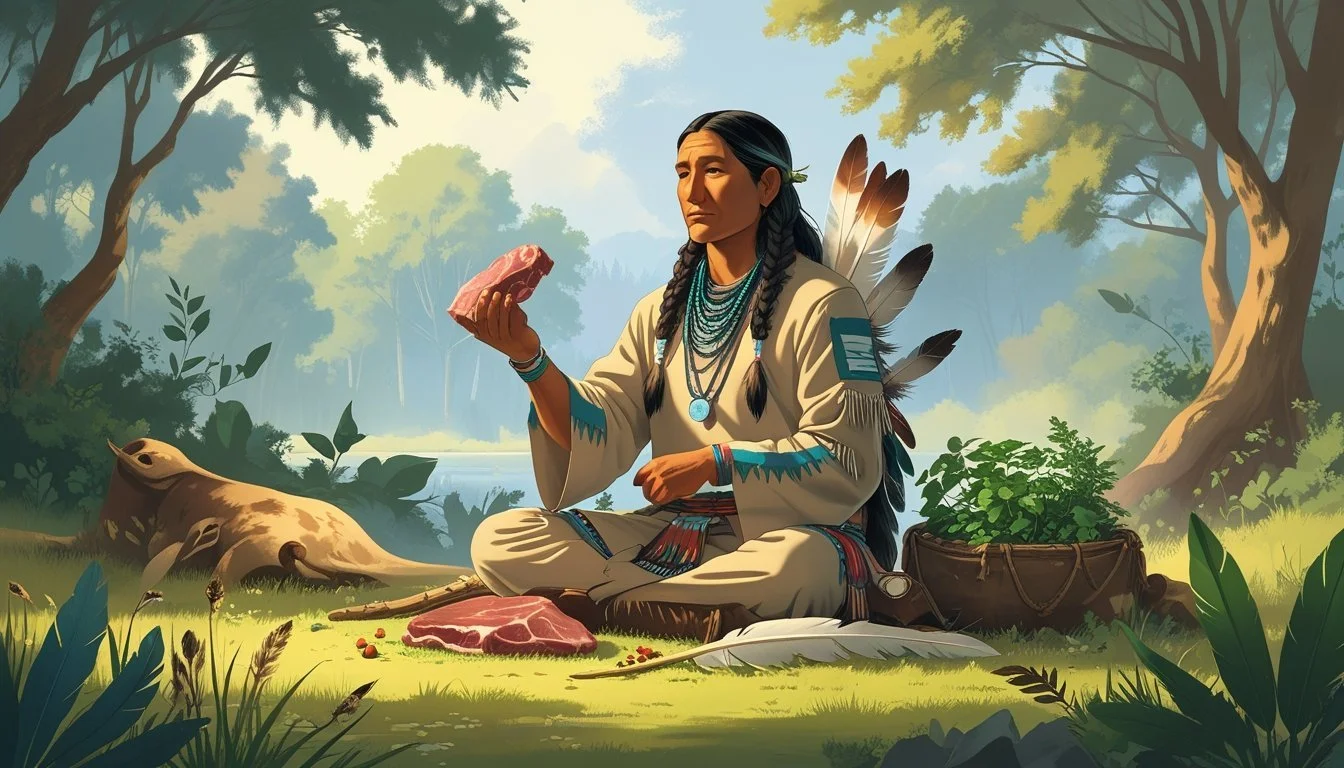
Modern Native American healing traditions involving meat are shaped by medical advances, environmental challenges, and changing community values. These perspectives influence daily choices and broader efforts to maintain health, cultural heritage, and sustainability.
Evolving Healing Practices and Modern Medicine
Contemporary indigenous healing practices often integrate traditional uses of meat with modern medicine. Some Native American practitioners continue to use meats like bison, elk, or fish for their nutritional and spiritual value during healing ceremonies.
Clinics serving Native communities now may combine ancestral dietary teachings with evidence-based medical treatments. For example, lean game meats are sometimes recommended for their protein content in managing diabetes or anemia. Elders, healers, and healthcare providers may collaborate to develop nutrition plans that respect traditional foods while meeting current health guidelines.
The integration of traditional and clinical approaches is not universal. Practices vary by tribe, family, and region, reflecting personal history, local resources, and preferences. However, respect for the medicinal and symbolic role of meat remains important in many communities.
Environmental Benefits and Sustainability
Native American perspectives emphasize the environmental impact of traditional and modern meat sourcing. Historically, hunting and fishing followed practices designed to avoid overharvesting, maintaining balance with the environment.
Today, some communities promote the consumption of wild or locally raised meats as a sustainable choice. These meats often require fewer resources and generate less pollution compared to industrial livestock.
Key practices include:
Seasonal hunting and fishing
Community sharing of meat
Preference for wild game over farmed meats
This approach is aligned with broader sustainability goals and can offer environmental benefits such as supporting local ecosystems and reducing reliance on processed foods.
Personal Taste and Community Preferences
Personal taste plays a significant role in the continued use of meat in both traditional and modern Native diets. While some individuals prefer traditional game meats for their unique flavor and cultural meaning, others may choose more accessible meats like chicken or beef.
Community events, such as powwows or feasts, often feature dishes that balance tradition and adaptation. Recipes may use traditional ingredients in new ways, reflecting evolving palates and the availability of different meats.
Influences such as health advice, convenience, and cost impact meat choices. Despite these changes, many Native Americans value the communal and ancestral significance of meat as part of healing and social practices.

