
Building a Local Carnivore Support Group Steps for Success and Community Impact
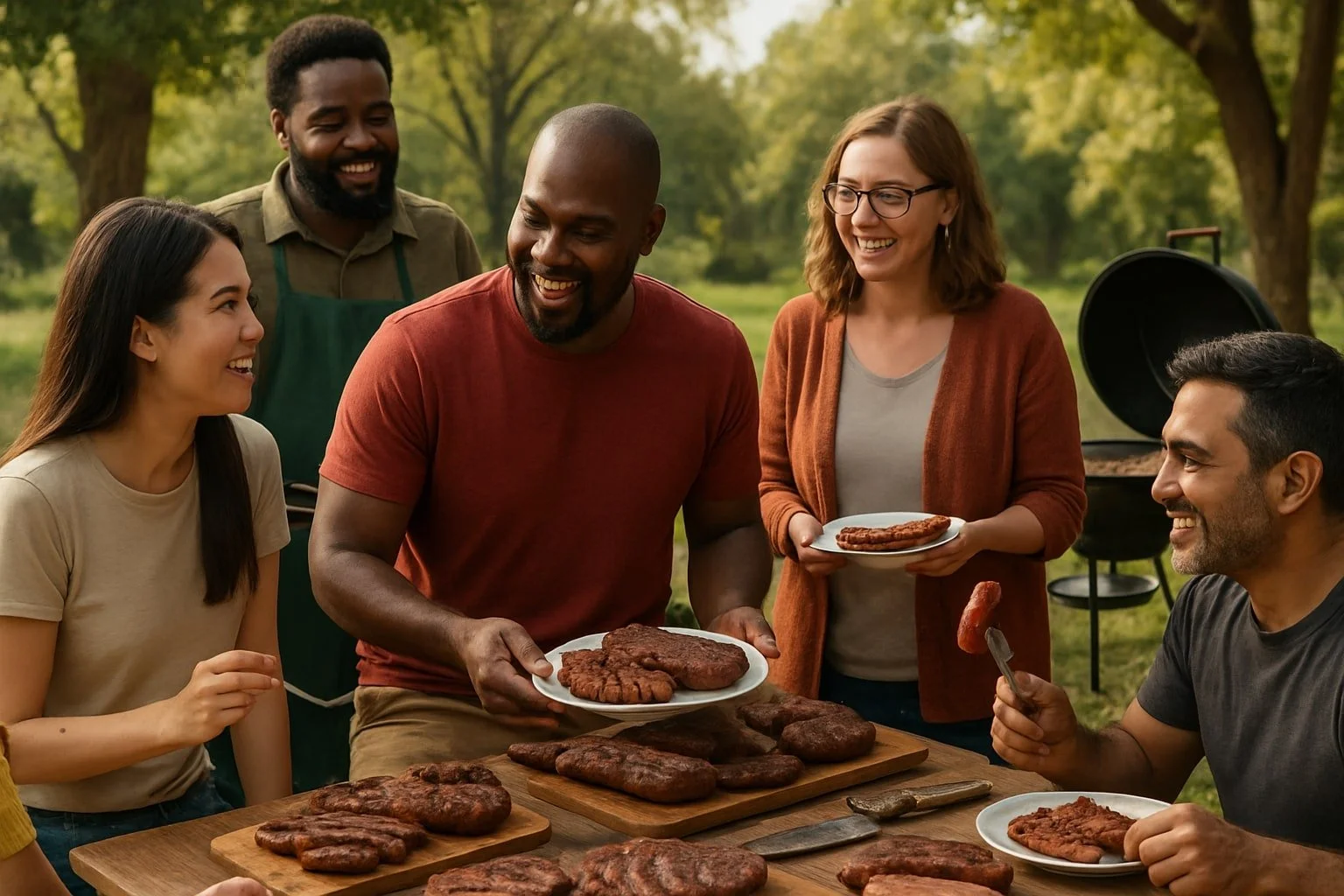
Building a local carnivore support group offers practical day-to-day encouragement and shared resources for anyone following a meat-based diet. By connecting with others in person, individuals experience a stronger sense of community, making it easier to swap recipes, exchange advice, and stay motivated.
Attending local meetups or organizing gatherings at community centers, gyms, or even backyard barbecues can help create these valuable connections. These groups provide opportunities to share experiences, troubleshoot common challenges, and build friendships based on a shared commitment to the carnivore lifestyle.
Understanding the Role of Local Carnivore Support Groups

Local carnivore support groups are vital for individuals seeking guidance, shared knowledge, and a sense of connection as they navigate a carnivore lifestyle. These groups not only offer practical advice but also foster a deeper understanding of the diet’s impacts within a community setting.
Purpose and Benefits
The main purpose of a local carnivore support group is to provide a structured environment where participants can exchange reliable information, personal experiences, and practical solutions. These groups often meet in person, which can facilitate direct contact and enhance trust among members.
Members share resources such as shopping lists, recipes, and expert contacts. This makes it easier for newcomers to adapt and for experienced members to refine their approaches. Support groups can help answer questions about challenges like nutrient balance and social dining situations.
In these groups, accountability and motivation increase because members track progress together and celebrate milestones. Being part of a support network often reduces the risk of isolation during dietary transitions, which can be crucial for long-term adherence.
Community Impact
A local carnivore group can have a broader impact beyond supporting individual members. By gathering people with similar interests, the group can organize education sessions or outreach events to promote informed discussions about nutrition and meat-based diets.
These groups may also engage with local producers and suppliers, supporting sustainable sourcing and, when possible, discuss aspects of conservation in regional food systems. Meaningful collaborations with local farms or butchers can improve product quality and create a sense of mutual support.
Some groups serve as a contact point for those curious about the diet. They offer a welcoming way to learn about carnivory without misinformation, helping to demystify the lifestyle and its effects on health and the environment.
Identifying Community Needs and Goals
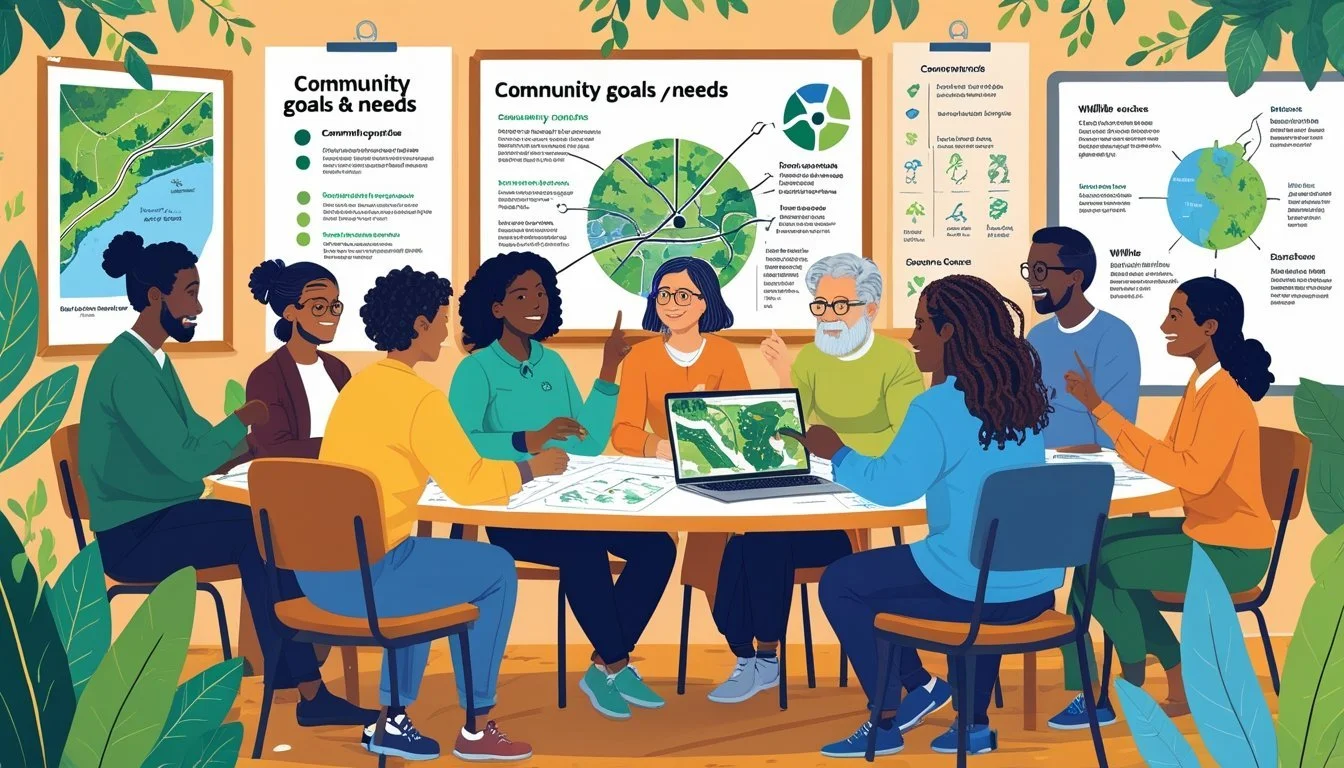
Understanding what members value and expect from a support group is crucial. A well-informed group structure ensures relevance, promotes active engagement, and increases usefulness to everyone involved.
Conducting Local Research
Effective research starts by mapping out existing interest in the carnivore diet, identifying local practitioners, and assessing willingness to participate. Surveys, informal interviews, and community forums can reveal dietary challenges, common questions, and the variety of habitats group members live in.
Participation from diverse neighborhoods and age groups allows for varied perspectives. Collecting data on members’ food sourcing habits—such as preferences for local butchers or supermarkets—helps tailor group activities. In-person events like meet-ups, farm tours, or butcher shop visits offer chances to observe practical challenges around availability, sustainability, and affordability of meat products.
List of practical steps:
Distribute digital or paper surveys in local wellness centers
Organize small-group interviews at community centers
Attend local food markets to network with potential members
Focusing research around sustainable use and sourcing practices ensures the group addresses ethical and environmental concerns common in meat-focused communities.
Setting Clear Objectives
Defining precise objectives streamlines coordination and keeps members focused. Goals could include sharing recipes, supporting sustainable meat consumption, or inviting experts to discuss nutrition science and habitat impacts.
Objectives can be categorized to clarify intent and measure progress:
Objective Type Example Educational Host monthly workshops Social Organize quarterly group meals Practical Share sourcing tips for sustainable use Advocacy Promote local, sustainable producers
Transparency about group purpose and expected outcomes ensures members stay motivated. Objectives should reflect feedback gathered during the research phase. Setting targets—such as “increase local sourcing by 25% over six months”—provides measurable results and helps the group adapt based on actual progress.
Organizing Your Support Group Structure

A successful local carnivore support group depends on well-defined roles, clear membership expectations, and reliable ways to stay connected. These core elements help the group run smoothly, increase engagement, and support members' goals.
Leadership Roles
Clear leadership is essential for managing group activities and setting a positive tone. Most groups elect a coordinator or facilitator to organize meetings, set agendas, and ensure discussions stay respectful and on-topic. Roles such as treasurer, event coordinator, or media contact may be assigned based on the size or needs of the group.
Having identified leadership helps assign accountability, making it easier for members to know who to contact for questions or issues. Consider rotating responsibilities periodically to reduce burnout and give others a chance to contribute. Defining these roles in writing ensures expectations are clear from the start.
Role Description Facilitator Runs meetings, manages discussions Treasurer Handles finances and expenses Media Contact Answers external inquiries, manages social media Event Coordinator Schedules and organizes group events
Membership Criteria
Setting membership criteria helps maintain a supportive and focused environment. Some groups may require members to actively follow a carnivore diet, while others include those exploring or transitioning. It’s helpful to outline expectations around attendance, participation, and respectful communication in a simple code of conduct.
Group leaders should specify how new members apply, how contact is maintained, and any dues or responsibilities. Listing specific criteria—for example, being local, agreeing to group norms, or sharing a brief introduction—helps new members understand what’s expected. This approach creates consistency and trust within the group.
Sample Membership Criteria:
Must reside in the local area
Interested in, or actively following, a carnivore diet
Agree to group code of conduct
Provide a reliable contact method (email or phone)
Establishing Communication Channels
Selecting clear communication channels ensures all members receive updates and support. Many groups use a mix of tools: email lists for formal announcements, chat apps for quick discussions, and social media for wider outreach. Designating a primary contact method helps avoid miscommunication.
A shared calendar or scheduling tool streamlines meetings and events. For privacy, some groups use closed forums or private social media groups restricted to approved members. Clearly displaying contact details for leadership lets members reach out easily with questions or concerns.
Keep communication regular and transparent. Send meeting reminders, post summaries, and share relevant resources to keep the group engaged and informed.
Building Partnerships and Networks

Strong partnerships and reliable networks enable a local carnivore support group to access expertise, resources, and shared goals. Cooperation with experienced organizations and individuals helps ensure conservation efforts remain informed, practical, and effective.
Collaborating with Conservation Organizations
Partnering with established conservation organizations gives group members access to guidance, training, and legitimate scientific resources. These groups, such as the World Wildlife Fund or local wildlife trusts, often have structured programs like Community Guardian initiatives, which help train and involve residents in monitoring carnivore activity and mitigating human-wildlife conflict.
It’s helpful to start by listing regional or national wildlife and conservation groups, then reach out with a clear statement of goals and potential areas of collaboration. Many organizations welcome partnerships that promote education and support within the local community. Regular meetings, co-sponsored events, and joint public outreach campaigns can be established as part of a formal agreement.
Maintaining open communication, clarifying roles, and setting achievable objectives keep these collaborations on track. Written partnership agreements and shared project management tools enhance coordination and guarantee transparency.
Networking with Wildlife Experts
Wildlife biologists, ecologists, and carnivore specialists provide technical knowledge that supports data-driven decision-making within a support group. Forming connections with these experts can be accomplished through academic seminars, online forums, or direct invitations to participate in local events.
Inviting wildlife experts to deliver talks, lead workshops, or consult on specific local challenges gives group members up-to-date information and sector perspective. It’s effective to maintain a directory of local university departments, research institutes, and relevant professionals who have expertise in carnivore conservation.
A group may also offer opportunities for fieldwork partnerships or student research projects. Creating a regular exchange, such as Q&A sessions or expert involvement in meetings, keeps information current and allows for ongoing collaboration.
Planning Effective Conservation Activities
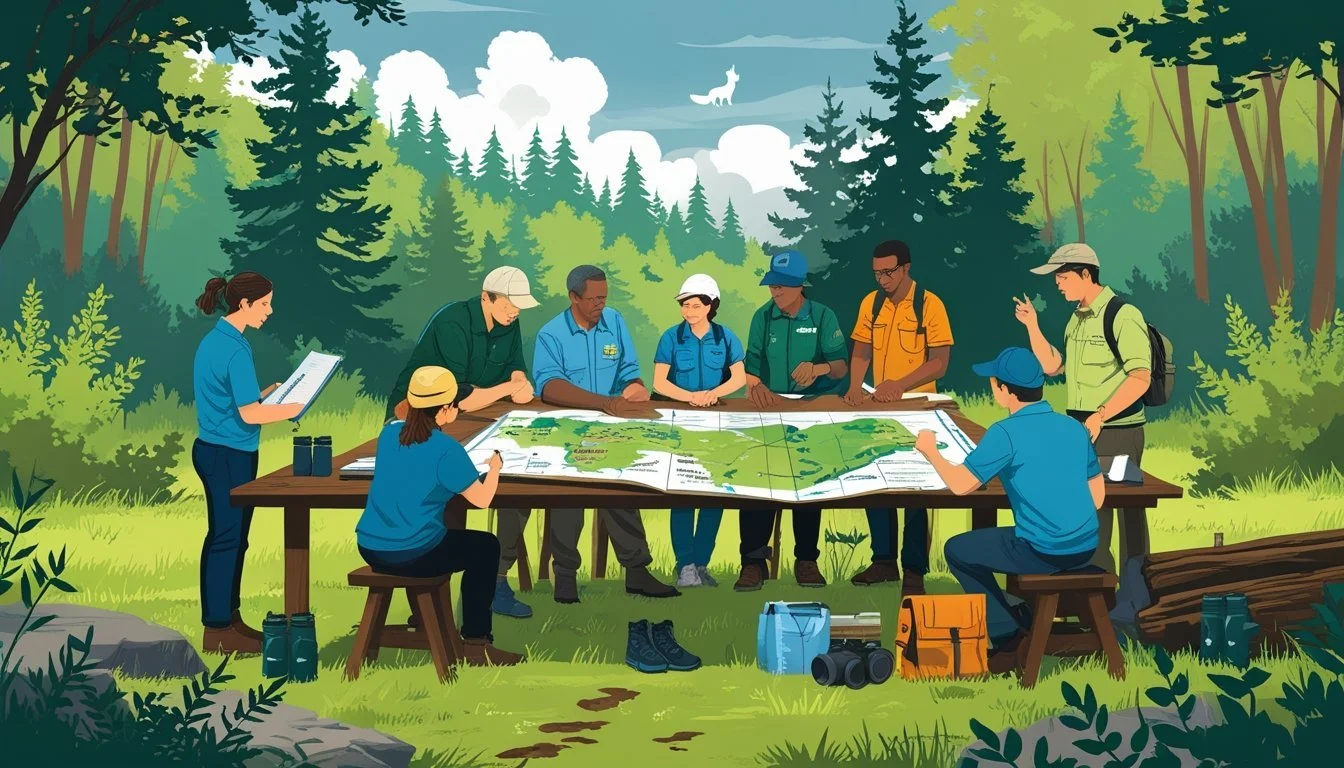
Successful conservation relies on informed community members and carefully managed environments. Providing both structured education and hands-on engagement can foster responsible action and long-term support.
Educational Workshops
Educational workshops deliver practical information about carnivore species, their habitats, and the benefits of local conservation. These sessions often include presentations by wildlife biologists, interactive demonstrations, and distribution of printed materials tailored for local needs.
Crucial topics may cover preventing human-wildlife conflict, identifying animal tracks, and understanding local carnivore behavior. Hands-on learning—such as guided nature walks or using tracking equipment—builds confidence and deepens engagement.
Workshops can target various groups: residents, ranchers, students, and local leaders. They may incorporate Q&A sessions to address concerns and dispel myths. Feedback forms are commonly used to assess understanding and improve future programming.
Scheduling regular workshops throughout the year ensures consistent outreach. Partnerships with schools, municipal organizations, and conservation agencies expand reach and credibility.
Habitat Restoration Initiatives
Habitat restoration involves practical actions to improve, reclaim, or connect areas critical for carnivore populations. Activities may include removing invasive plant species, planting native vegetation, and repairing fragmented corridors.
Restoration projects typically start with field assessments and mapping, followed by volunteer or professional workdays. Essential resources include hand tools, native plant stock, and detailed restoration plans based on ecological needs.
Community members are often involved through scheduled volunteer events, which also serve as educational opportunities. Monitoring restored sites using standardized protocols helps track habitat quality over time.
Collaboration with regional parks or protected areas can increase project scope and ensure that conservation strategies align with broader landscape goals. Regular communication keeps all participants informed of progress and ongoing needs.
Promoting Sustainable Use Practices
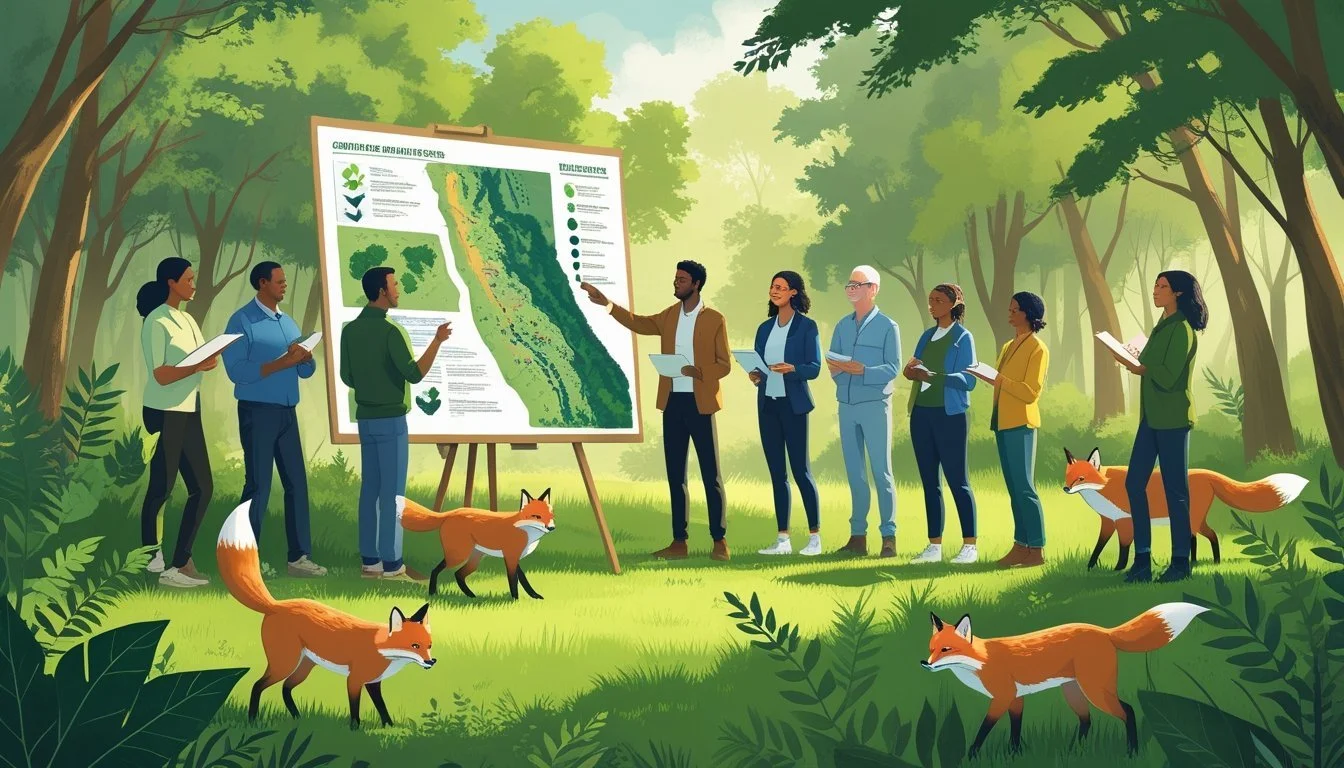
A local carnivore support group can strengthen conservation efforts by combining sustainable use strategies with ongoing community input and careful tracking of outcomes. Practical tools, shared knowledge, and direct involvement allow groups to maintain healthy carnivore populations while supporting long-term ecological and social goals.
Community Engagement
Active participation from local residents, ranchers, and relevant stakeholders is essential. Groups should host regular meetings, offer educational workshops, and provide training on proven coexistence techniques, such as using guard animals, improving livestock enclosures, and supporting non-lethal deterrent methods.
Involving community members in decision-making builds trust and adapts solutions to local needs. Appointing Community Guardians, as practiced in regions like Botswana and Zimbabwe, gives people ownership and accountability for carnivore protection in their area. These roles focus on reducing conflict and fostering cooperation by connecting community members with wildlife experts.
Recognition and support for sustainable livelihoods encourage people to see carnivore preservation as mutually beneficial. Providing incentives or compensation for losses, combined with transparent communication, helps sustain participation and commitment.
Monitoring Local Impact
Systematic monitoring is key to evaluating the success of sustainable use practices. Setting up data collection protocols—such as tracking livestock losses, predator movement, and population changes—builds a clear picture of the group's effectiveness. Using checklists or standardized forms for incident reporting ensures consistency.
Technology, like trail cameras and GPS collars, provides additional insights into carnivore behaviors and habitat use. Periodic surveys and feedback from local residents identify emerging issues and guide adaptive management.
Compiling the findings in regular reports keeps all members informed and allows for timely adjustments. Sharing this information with wider conservation networks or local authorities boosts transparency and fosters wider support for the group’s approach.
Ensuring Long-Term Growth and Success

Maintaining a stable carnivore support group requires continuous access to resources, effective management, and a structured approach for evaluating progress. Taking practical steps to secure necessary funding and regularly reviewing results can help the group remain sustainable and effective.
Securing Funding and Resources
Reliable funding is essential to cover costs such as venue rentals, event materials, educational resources, and outreach activities. Local businesses and community organizations can be approached for sponsorships or in-kind donations. Members may also contribute dues or participate in fundraising events.
Applying for small community grants or partnering with established wildlife groups increases credibility and access to larger funding pools. It is important to keep financial records transparent and share budget updates with members to build trust.
A group may use the following sources for funding:
Source Examples Sponsorships Local butchers, markets Member contributions Annual dues, event fees Grants Local council, conservation funds Fundraising events BBQs, workshops
Utilizing online platforms, such as crowdfunding or donation websites, allows broader engagement and financial support from outside the immediate community.
Measuring Outcomes
Tracking progress allows the group to identify strengths and areas needing improvement. Key metrics may include membership growth, event attendance, engagement in discussions, and the success of community outreach.
Setting clear, measurable goals—such as increasing meetings per year or raising a target donation amount—enables the group to keep efforts focused. Regular surveys or feedback forms help gather member input on what works or needs adjustment.
Documenting milestones, like successful meetings or completed projects, provides a record of achievements. These records support future funding applications and demonstrate the group's value to both current and potential members. Frequent, data-driven evaluations promote accountability and ongoing development.

