
Starting a Meat-Only Food Truck
Is There a Market for Carnivore Cuisine?

There is a dedicated market for meat-only food trucks, driven by customers seeking specialty menus centered around high-quality meat dishes. Many consumers actively look for food trucks that offer focused concepts, especially those in areas where meat-based diets like barbecue, smoked meats, or grilled specialties are popular. This niche approach allows operators to stand out among the competition and attract loyal followers who appreciate curated, protein-rich offerings.
Industry growth and flexibility also play a role in the appeal of starting a meat-based food truck. The lower startup costs compared to traditional restaurants make this path more accessible for culinary entrepreneurs who want to test their ideas with less financial risk. However, understanding location preferences, local regulations, and customer demand is crucial for sustained success in this competitive sector.
Understanding the Meat-Only Food Truck Concept

A meat-only food truck focuses exclusively on dishes where various meats are the main attraction. This type of business offers targeted menus, unique recipes, and an appeal to diners who prioritize protein-centric meals, rivaling other fast food and homemade food business ideas with a specialized approach.
What Is a Meat-Only Food Truck?
A meat-only food truck is a mobile food business that serves dishes centered exclusively on meat products. Instead of offering vegetarian, vegan, or seafood items, the menu is designed to showcase beef, pork, chicken, lamb, and other animal proteins as the primary ingredients.
These trucks may focus on specialty meats, regional barbecue styles, or specific cooking methods such as smoking, grilling, or roasting. Customers are drawn in by the promise of rich flavors and hearty portions, distinguishing these trucks from those that cater to broader audiences.
Operating as a niche fast food concept, a meat-focused truck marries convenience with a commitment to quality meat preparation. Owners often emphasize sourcing, marinades, and technique, making it ideal for meat enthusiasts seeking quick and satisfying meals.
Popular Meat Dishes Offered
Meat-only food trucks often curate menus around bold, protein-rich offerings. Some common items include:
Pulled pork sliders
Chicken wings, tenders, or drumsticks
Sausage platters and hot dogs
Lamb gyros and kebabs
Steak tacos or burritos
Many vendors experiment with international sauces, dry rubs, or fusion toppings to differentiate their offerings. Street food classics like smoked ribs or bacon-wrapped sausages are popular because they are easy to prepare and serve quickly—key in busy, fast-moving service environments.
Meat dishes can be presented as both individual items and combination platters. Some trucks rotate their selections based on season or customer feedback to maximize sales and customer interest.
Key Differentiators From Other Mobile Food Businesses
What sets a meat-only food truck apart is its singular focus on meats, unlike many homemade food businesses or general food trucks that try to appeal to a wide audience. This specialization allows for greater attention to flavor profiles, cooking expertise, and ingredient quality.
The marketing and branding often revolve around themes of authenticity, hearty fare, and comfort food appeal. Trucks may advertise their use of locally sourced meats, unique seasoning blends, or signature slow cooking techniques.
A meat-only concept can serve fast food customers looking for quick, filling options or foodies seeking gourmet meat experiences. This clear identity often leads to a loyal following among meat lovers and helps carve out a distinct space in the competitive food truck market.
Market Research and Demand Analysis

Assessing whether a meat-only food truck can succeed requires objective, detailed analysis of customer desires, local market conditions, and the transportation of quality meat products. Data-driven understanding helps guide the menu, sales approach, and business model for optimal results.
Evaluating Customer Preferences
Recent industry growth reflects a consumer shift toward convenient yet unique dining options, often with a focus on ingredient quality and transparency. Many customers look for specialized offerings, including specific meats such as brisket, pulled pork, kebabs, or gourmet burgers.
Meat lovers and customers seeking protein-rich diets may value a food truck that emphasizes high meat quality and consistent sourcing. Local meats, grass-fed options, and visible preparation methods can boost credibility and sales.
Direct interaction enables trucks to quickly adapt to feedback about flavor, portion size, and menu variety. It’s crucial to gauge preferences using digital surveys or social media polls before launch. This helps determine demand for various meats and informs the overall meat shop business plan.
Analyzing Local Competition
A thorough review of nearby food trucks, casual eateries, and specialty meat markets reveals niche opportunities and saturation points. For example, a city with numerous barbecue trucks but few steak or sausage-focused options could favor a differentiated menu.
Mapping local competitors also clarifies their average pricing, meat quality, and customer interaction tactics. Consider store locations, hours, and sales strategies found in successful grocery store or meat market businesses.
Compiling a comparison table of competitors—highlighting protein variety, price range, and service speed—can uncover gaps in the current market. Regularly visiting and analyzing local events provides deeper insight into what draws meat-focused customers.
Identifying Target Demographics
The main audience includes customers aged 25–50, especially those who eat out frequently, seek high-protein meals, or follow diets such as keto or paleo. Urban professionals may value quick, high-quality lunches while families might seek hearty dinner options or festival fare.
Understanding neighborhood trends and foot traffic allows a food truck operator to choose prime locations near office districts, sports venues, or busy shopping areas. Local events, farmers markets, and night markets present opportunities to target both repeat customers and curious newcomers.
Using customer data from nearby meat shops or grocery stores—when available—helps identify preferences for produce pairing, meat cuts, and spending habits. Building a flexible menu that adjusts to feedback will help maintain steady sales across multiple demographic groups.
Industry Trends and Consumer Insights
The food truck industry in the United States is seeing steady growth, with market size estimates between $4.42 billion and $4.52 billion for 2025. Consumer preferences, especially regarding high-protein diets and meat-based options, are influencing the direction of new food truck ventures.
Growth of Meat-Focused Food Trucks
Meat-only food trucks are emerging as a niche within the broader food truck market. These operators often focus on smoked meats, brisket, ribs, and specialty sausages, capitalizing on demand for hearty, protein-rich meals.
Recent market analysis shows that brisket and BBQ meats remain popular choices, especially in regions with established barbecue traditions. Mobile meat concepts attract customers who value specialty cuts and freshly cooked, flavorful meats. For entrepreneurs, this segment offers differentiation in a competitive environment, where unique meat options can build loyal followings among local customers and festival crowds.
Market data suggests that as the food truck industry grows at a compound annual growth rate (CAGR) near 6.5%, there is room for niche specializations like meat-centric menus. Operators are succeeding by focusing on high-quality, signature meats and clear branding.
Impact of Dietary Trends Like Keto
Dietary trends such as the keto diet have boosted interest in meat-focused food trucks. Keto dieters prioritize foods that are low in carbohydrates and high in fat and protein, such as grilled meats, brisket, and sausages.
Food truck menus that offer keto diet food find traction among health-conscious consumers and those seeking to avoid grains and sugars. Offering items like smoked brisket bowls, pulled pork without buns, or beef skewers appeals directly to this demographic.
This shift supports operators in tailoring menus for specific dietary needs, increasing the relevance of a meat-only truck. Food trucks that provide clear information on protein and carb content attract keto and low-carb customers and can generate repeat business from this community.
Menu Development and Product Sourcing
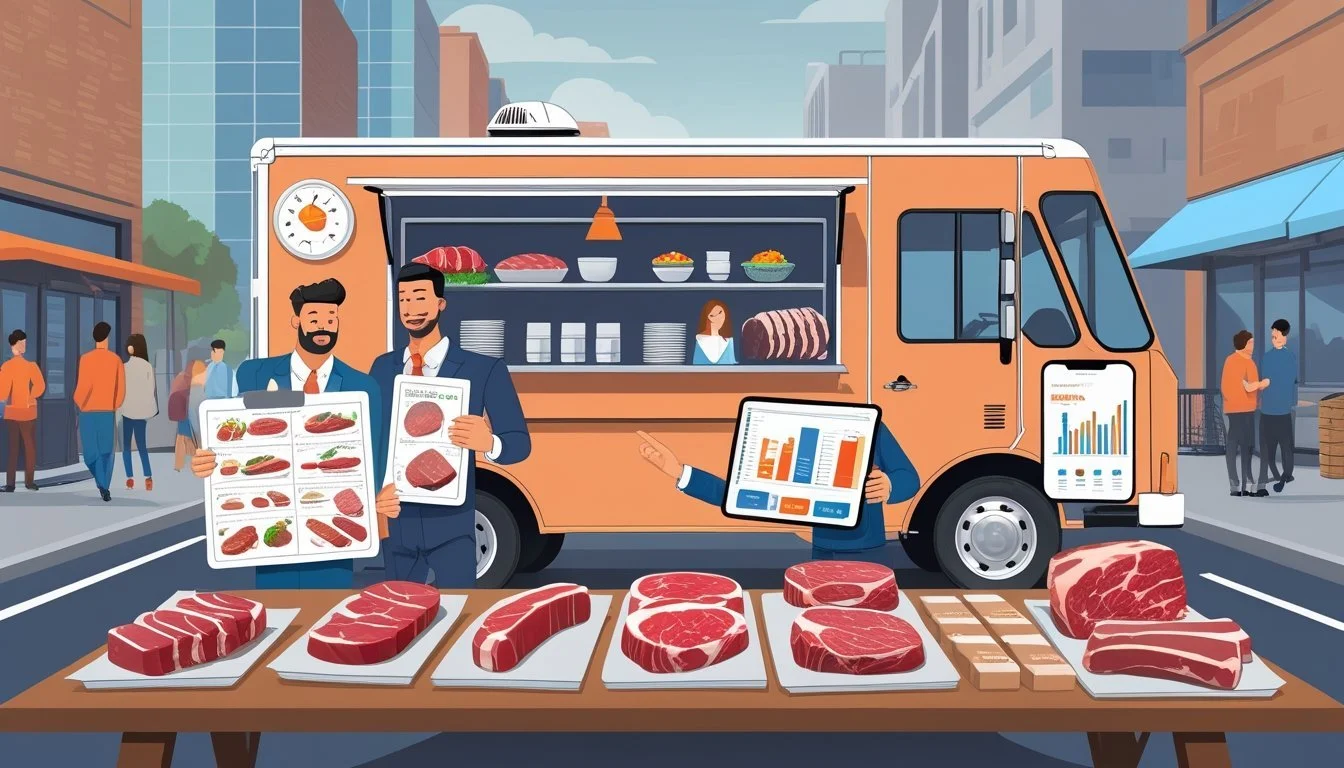
A successful meat-only food truck relies on careful menu planning and a dependable supply of high-quality proteins. Selecting the right meats and suppliers influences everything from flavor and consistency to overall customer experience.
Choosing Quality Meat and Cuts
Selecting superior meat is the foundation of a meat-centric menu. Factors like marbling, fat content, and freshness directly affect taste and texture. For beef, commonly used cuts include brisket, short rib, and ribeye, favored for their flavor and versatility in different cooking methods.
Pork dishes often rotate around shoulder, belly, and ribs. These cuts are popular for pulled pork, bacon, and barbecue ribs. Chicken preferences typically center on thighs and breasts, with some trucks opting for wings or drumsticks as well.
Meat-only menus also benefit from variety. Consider offering house-made sausage or specialty burgers to differentiate the lineup. Limiting the number of menu items streamlines prep and service, enhancing consistency and quality control.
Sourcing Pork, Beef, and Chicken
Establishing relationships with reputable suppliers is essential. Local butcher shops, restaurant wholesalers, and specialty meat purveyors are all viable options. Consistency in supply, product quality, and price should drive the decision, not just cost alone.
It is important to verify that suppliers can consistently provide the desired cuts, especially during peak times. Many food trucks prefer local sources for fresher deliveries and the ability to market locally raised meats. It may also be beneficial to source directly from small farms or regional distributors for sustainability and traceability.
Food safety standards, such as HACCP certification and temperature-controlled deliveries, should be prioritized. Keep a detailed inventory system for tracking usage and minimizing waste, as limited storage is a constant challenge aboard trucks.
Supplying Specialty Meats
Some trucks choose to expand their menus with less common meats like lamb, duck, or even seafood. These proteins can help attract niche customers but also require careful sourcing and menu integration.
Specialty meats often come from dedicated purveyors or ethnic markets. Availability may fluctuate seasonally, so menu flexibility is important. For sausage or house-cured products, consider working with artisanal producers or local charcuteries to maintain high standards.
Specialty seafood, such as shrimp or smoked fish, can add diversity but demands strict cold chain handling to ensure freshness. Regular supplier evaluations and menu rotation help food trucks stay adaptive to supply changes and customer trends.
Business Planning and Financial Considerations
Launching a meat-only food truck requires a clear business structure and a precise understanding of costs, revenue models, and pricing. Financial planning guides decisions on everything from inventory purchases to sales targets and daily operations.
Creating a Meat Shop Business Plan
A dedicated meat shop business plan lays the groundwork for operations. This plan should specify the target market, menu offerings, and sources of meat products.
Include a description of the business structure—whether it is a sole proprietorship, LLC, or corporation. The business plan needs to cover logistics, including sourcing, storage, preparation, and food safety.
A thorough market analysis identifies demand for meat-only offerings in the proposed location. The plan should list equipment needs such as refrigeration units, grill types, and POS systems. Document all projected expenses, including permits, insurance, and initial marketing outlays.
Financial Projections and Sales Strategy
Financial projections must be based on realistic sales estimates and known costs. Begin with fixed and variable expenses, such as truck payments, meat inventory, staff wages, fuel, and marketing.
Project sales volume to estimate potential revenue. For a meat-only food truck, calculate break-even points by dividing total average monthly expenses by average price per sale.
Develop a sales strategy focused on peak meal times, event catering, and consistent customer engagement. Use local data, seasonal trends, and competitor analysis to forecast higher-traffic days and adjust operations accordingly.
Setting Price Points
Setting accurate price points involves calculating food cost percentages for each menu item. Factor in cost of meats, spices, condiments, packaging, and labor per serving.
Aim for a food cost percentage between 25% and 35% to maintain profitability. Research competitors' prices while considering the higher cost of premium meats.
Use a table to compare ingredient costs and suggested menu prices:
Menu Item Ingredient Cost Price Charged Food Cost % Brisket Sandwich $3.00 $10.00 30% Pulled Pork Wrap $2.50 $8.00 31%
Adjust prices regularly based on supplier costs and customer feedback. Monitor sales data to ensure each menu item is contributing positively to overall margins.
Legal Requirements and Compliance
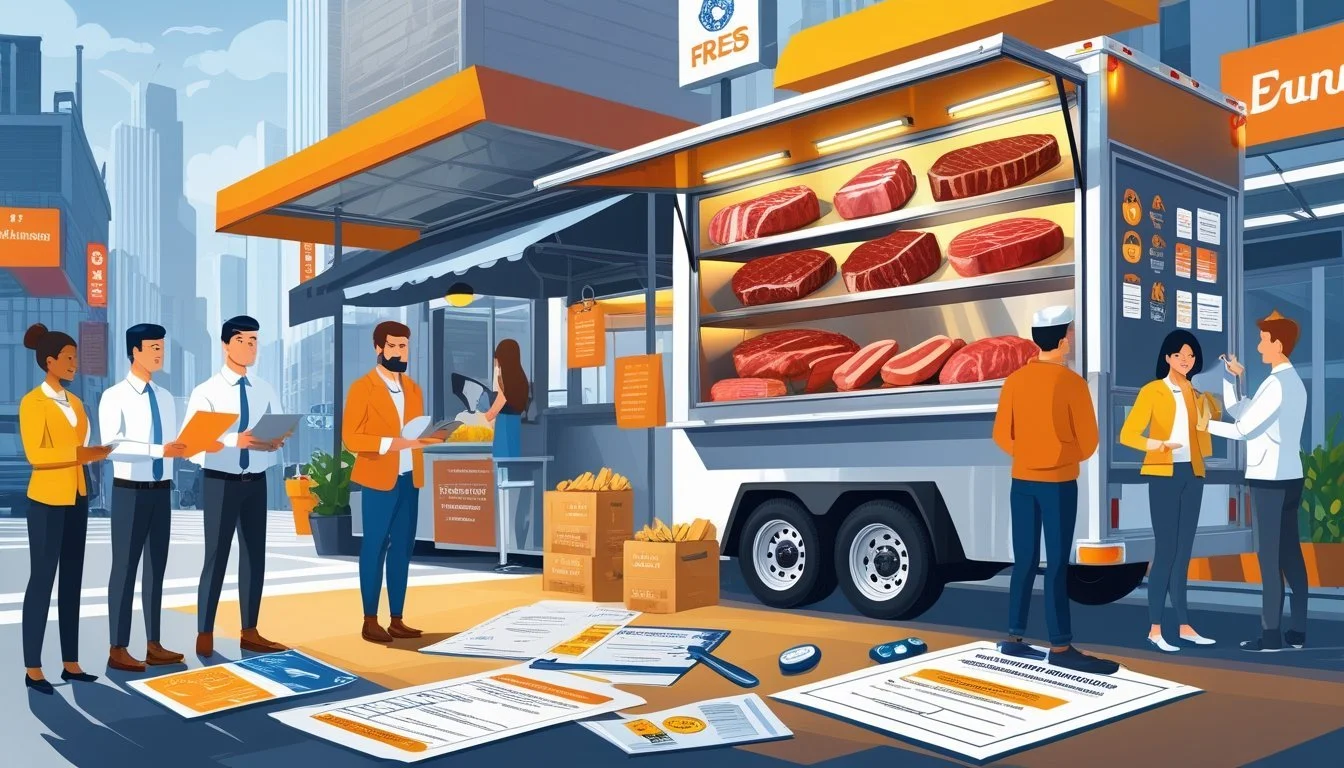
Operating a meat-only food truck involves specific legal considerations, especially regarding business registration, meat product handling, and tax responsibilities. Understanding these requirements is necessary to avoid legal issues and ensure food safety compliance.
Securing Business Licenses and Permits
Food truck owners must obtain several licenses before beginning operations. This typically includes a business license from the local city or county and a mobile vendor permit that authorizes the sale of food from a vehicle.
For handling and selling meat products, additional permits are often required. Many states require a special permit or inspection from the local health department, as well as a meat seller's license if the business sells unprocessed or unpackaged meats.
The table below summarizes common requirements:
License/Permit Purpose Issued By Business License Legal authority to operate City/County Mobile Vendor Permit Permission for mobile sales Local Government Meat Sales Permit Regulation of meat sales State/Health Dept.
Owners should confirm requirements with their state's department of health or agriculture before starting.
Meeting Health Codes for Meat Handling
Strict health regulations apply to the storage, preparation, and sale of meat products. Food trucks must have refrigeration units that maintain meats at or below 40°F (4°C). Cross-contamination must be prevented by separating raw meats from cooked foods and using dedicated utensils.
Regular inspections by the health department are common. Employees need food handler’s certifications, and sanitation protocols must be documented and followed closely.
Additional compliance may include:
Daily cleaning logs for equipment and surfaces.
Temperature logbooks for refrigerators and storage.
Clearly labeled handwashing stations.
Failure to meet these standards can result in fines or closure until violations are corrected.
Managing Sales Tax Obligations
Sales tax must be collected on each transaction, with rates varying by state and local jurisdiction. This requires registering for a sales tax permit, often handled through the state’s Department of Revenue.
For mobile operations, some states require tax collection in each location where sales occur. Careful recordkeeping is crucial to accurately report gross receipts and sales tax collected.
Owners should maintain:
Detailed sales records.
Accurate cash register or POS reports.
Regular filings of sales tax returns.
Consulting with an accountant or tax professional is advisable to stay current with changing requirements and avoid penalties.
Building Partnerships and Supplier Relationships
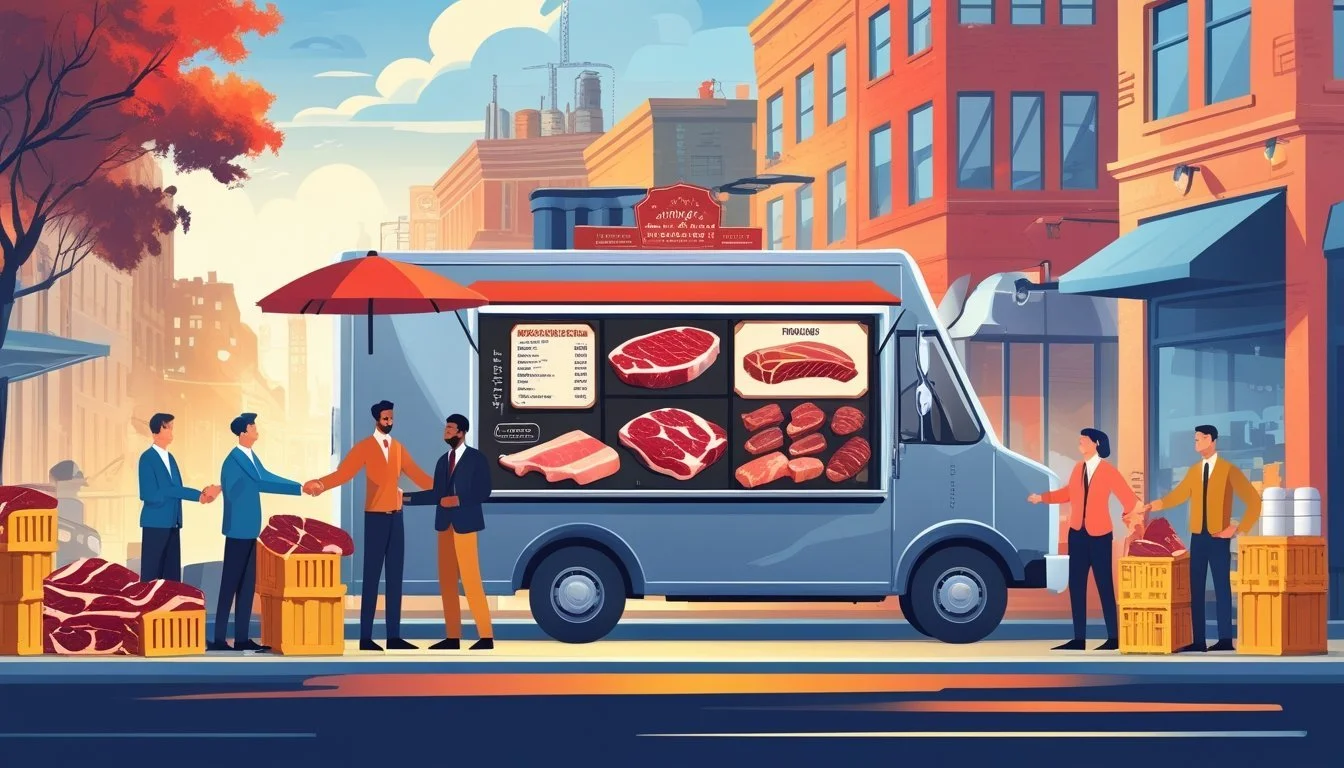
Sourcing quality meat and maintaining consistent inventory are critical for a meat-only food truck. Establishing trusted partnerships ensures reliable supply, enhances product freshness, and can help manage costs.
Partnering With Local Butcher Shops
Local butcher shops offer a direct route to high-quality, specialized cuts and fresh meat. By forming partnerships, a food truck owner can negotiate custom orders, benefit from bulk pricing, and ensure transparency in sourcing practices.
These relationships allow the truck to respond quickly to changes in demand or menu tweaks. Many butcher shops have established supply chains, so partnering may reduce delivery times and lower overall procurement risks.
Some shops may also help with processing or preparation, saving time on site. Building good rapport can lead to occasional discounts, priority service, or early access to special or seasonal products.
Benefit Details Customization Special cuts, specific aging Bulk Pricing Lower costs with volume orders Consistent Quality Ensured by long-term relationships
Collaborating With Farms and Producers
Direct relationships with local farms and meat producers support product traceability and can highlight the food truck’s commitment to quality. Working with farms may provide access to grass-fed, organic, or specialty meats not available through larger distributors.
Such collaborations might include supply agreements or co-branded specials. Some farms offer seasonal produce that can complement meat offerings or allow the truck to promote farm-to-table sourcing.
Regular communication with producers creates opportunities for menu innovations. It can also help the food truck market its menu as fresh, local, and responsibly sourced, which can attract a specific customer base interested in food origin and sustainability.
Customer Experience and Branding
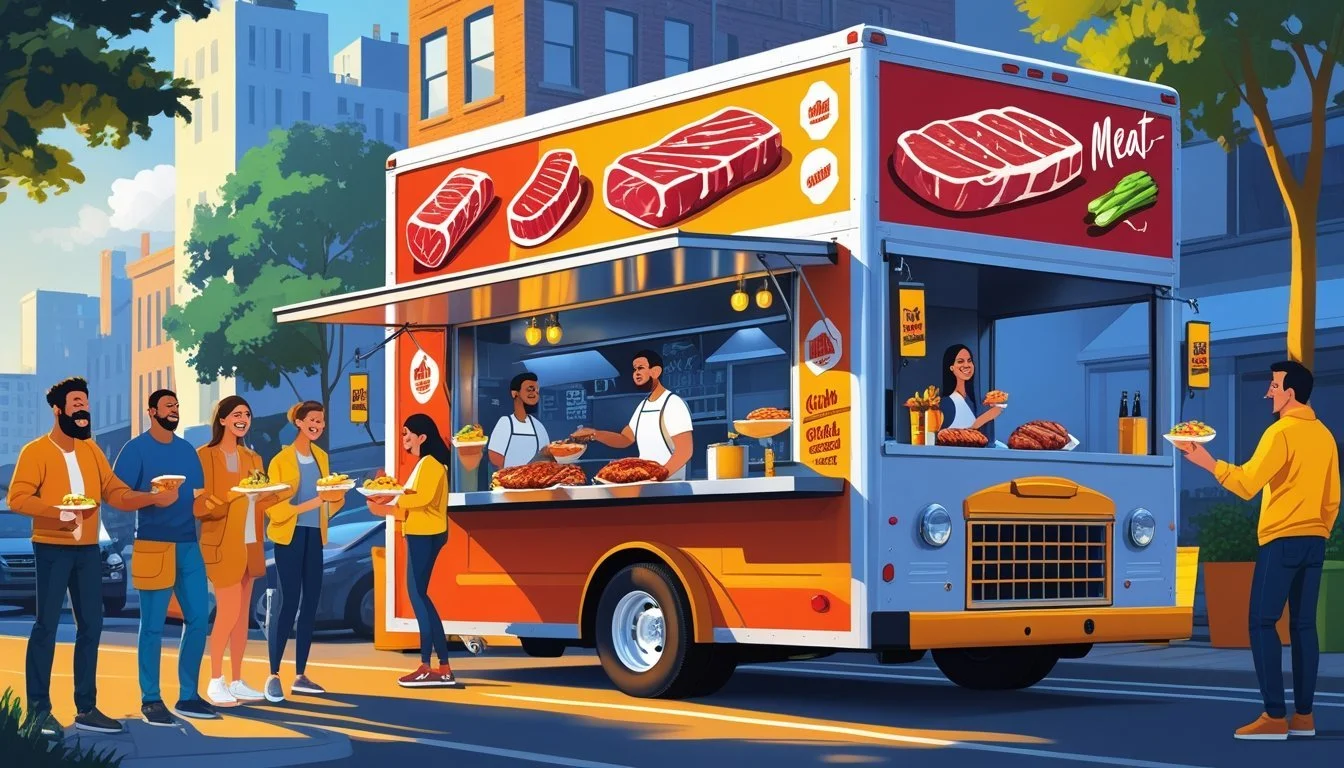
A successful meat-only food truck depends on more than just quality products—it must also excel at customer engagement and build a strong, memorable identity. Clear brand elements and thoughtful service contribute directly to customer satisfaction and loyalty.
Enhancing Customer Service
Customer interaction at a meat food truck should be fast, attentive, and personable. Staff must greet guests promptly, answer questions about different meat options, and suggest menu pairings based on customer preferences. Friendly recommendations can encourage first-timers to try specialty cuts or unique sauces.
Efficient ordering systems—such as mobile payment and clear signage—help reduce wait times and confusion. Displaying allergens and source information builds trust. Providing small samples, especially of signature meats, encourages new purchases.
Offering a clean space, providing hand wipes, and ensuring utensils are available enhance the eating experience. Listening to feedback in person or via social media shows responsiveness and a commitment to quality.
Building a Meat-Only Brand Identity
A meat-only food truck needs a distinct brand that communicates its unique focus. Branding elements can include a memorable name, bold graphics of different meats, and clear messaging on the truck’s exterior. Using consistent colors and logos reinforces recognition.
Menu design should emphasize the range and quality of meats available. This could include a visual menu, brief descriptions, and highlighting local or premium cuts. Merchandise—like branded aprons or sauce bottles—can extend the brand.
Active social media presence featuring preparation videos, customer testimonials, and behind-the-scenes looks builds community engagement. Aligning the brand with values such as sustainability, transparency, or ethical sourcing appeals to specific customer segments and sets the truck apart in the market.
Expanding Beyond Meat: Complementary Offerings
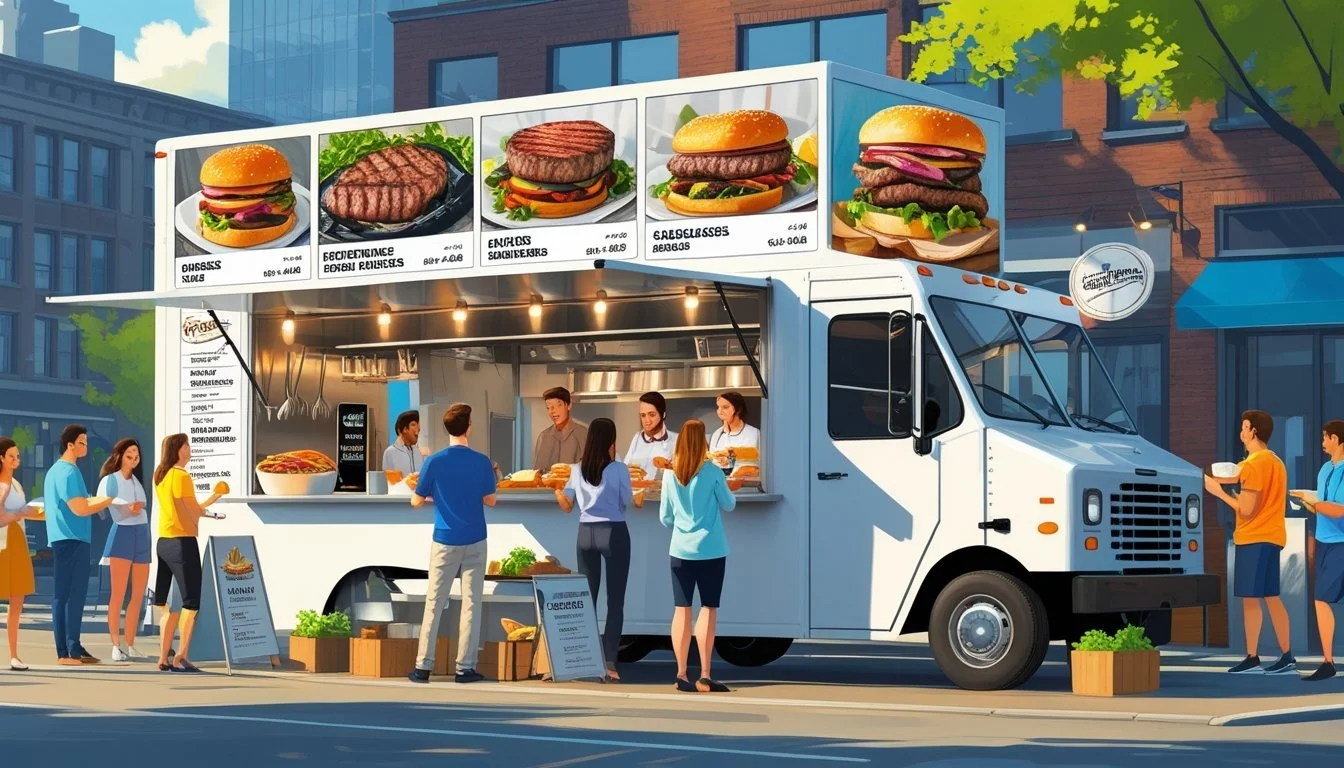
A meat-only food truck can attract a core audience, but revenue and appeal often increase when adding targeted sides and thoughtfully designed options for those with dietary restrictions. Diversifying offerings without losing the main identity allows for higher sales and customer satisfaction.
Integrating Sides and Beverages
Introducing a set of sides and beverages is a practical way to boost both average ticket size and repeat business. Customers appreciate having options that round out the meal and add value without overshadowing the meat focus. For example, fruit packets and avocado-based salads cater to health-conscious patrons while balancing heavier proteins.
Offering fresh bakery goods, such as simple rolls or flatbreads, supports meat dishes and provides extra comfort to the menu. Incorporating premade pasta bowls with meat-based sauces creates an easy upsell and appeals to diners seeking a more complete meal. Beverage selections, including craft sodas or infused lemonades, further encourage add-on purchases. Displaying choices in a clear, organized table at the counter helps streamline selection.
Sides Beverages Fruit packets Iced teas Avocado meals Craft sodas Premade pasta bowls Lemonades Bakery rolls Water
Catering to Special Diets and Tastes
A food truck focused on meat should still recognize the presence of vegetarians, flexitarians, and those with food allergies. Providing egg-based breakfast sandwiches, for instance, reaches customers seeking protein alternatives in the morning hours.
Offering personalized pizza with various meat and vegetarian toppings gives patrons more control over their meal’s content. If possible, provide gluten-free crusts and lactose-free cheese. Tacos, served with an array of house-made sauces including options for different heat levels and dietary needs, satisfy a broader range of palates. A small dessert menu—perhaps featuring ice cream or baked goods—appeals to families and groups.
DIY food kits, sold to-go, allow customers to recreate favorite meat offerings at home, broadening income streams and customer engagement. Flexible menu design, paired with clear labeling for allergens and dietary preferences, builds trust and encourages diverse repeat visits.
Scaling and Long-Term Growth Strategies
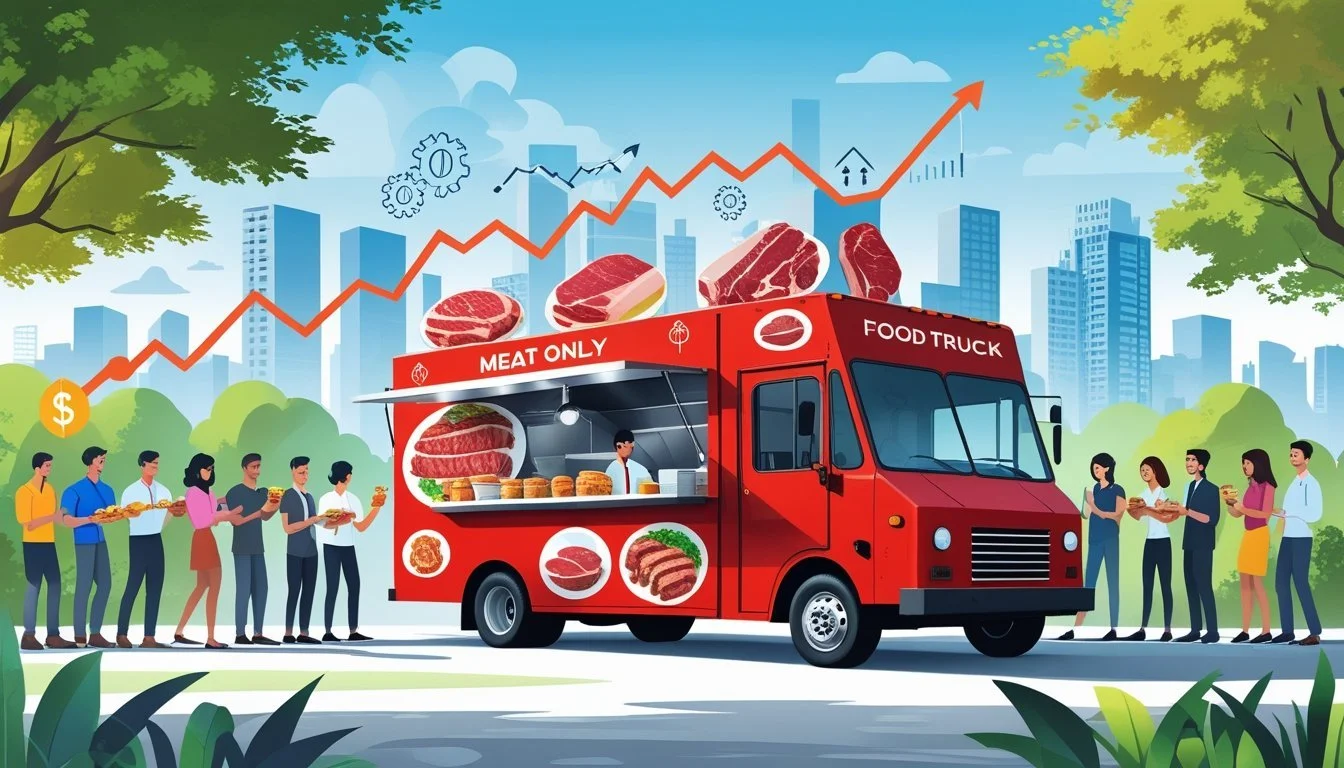
Expanding a meat-only food truck requires evaluating proven methods for sustainable growth and navigating the complexities of new markets. Operators benefit from structured systems, targeted location selection, and knowledge of local regulations.
Franchising and Multi-Unit Expansion
Franchising allows a food truck business to grow rapidly without heavy outlay on every new location. By licensing the brand, recipes, and systems to motivated operators, owners can increase coverage and build recognition.
To succeed, clear franchise guidelines and support resources are necessary. This often includes standardized menus, supply chain management, and marketing materials. Franchisees should receive regular training on food safety, truck operations, and local health standards.
Costs and agreements should be transparent. Table 1 outlines basic elements for effective franchising:
Element Importance Brand Standards Consistency across units Training Uniform product/customer care Supply Chain Reliable sourcing Marketing Support Local and national campaigns Legal Agreements Protect both parties
Testing franchising in several cities before wide expansion can help minimize risk.
Entering New Markets Like the Philippines
Expanding into the Philippines involves adapting to local taste preferences and food regulations. The country’s fast-growing cities and vibrant street food culture offer potential, especially in business districts, malls, and food parks.
Operators should study demand for meat-focused menus versus alternatives like sushi, which is increasingly popular. Competitor analysis, menu adaptation, and understanding regional food safety codes are key first steps.
Building partnerships with local suppliers and investing in targeted marketing campaigns can make a crucial difference. For example, highlighting locally sourced meats or halal offerings may appeal to Filipino consumers. Approvals from municipal and health authorities should be secured before launch.

