
Can a Carnivore Diet Improve Fertility?
Exploring Potential Benefits and Risks
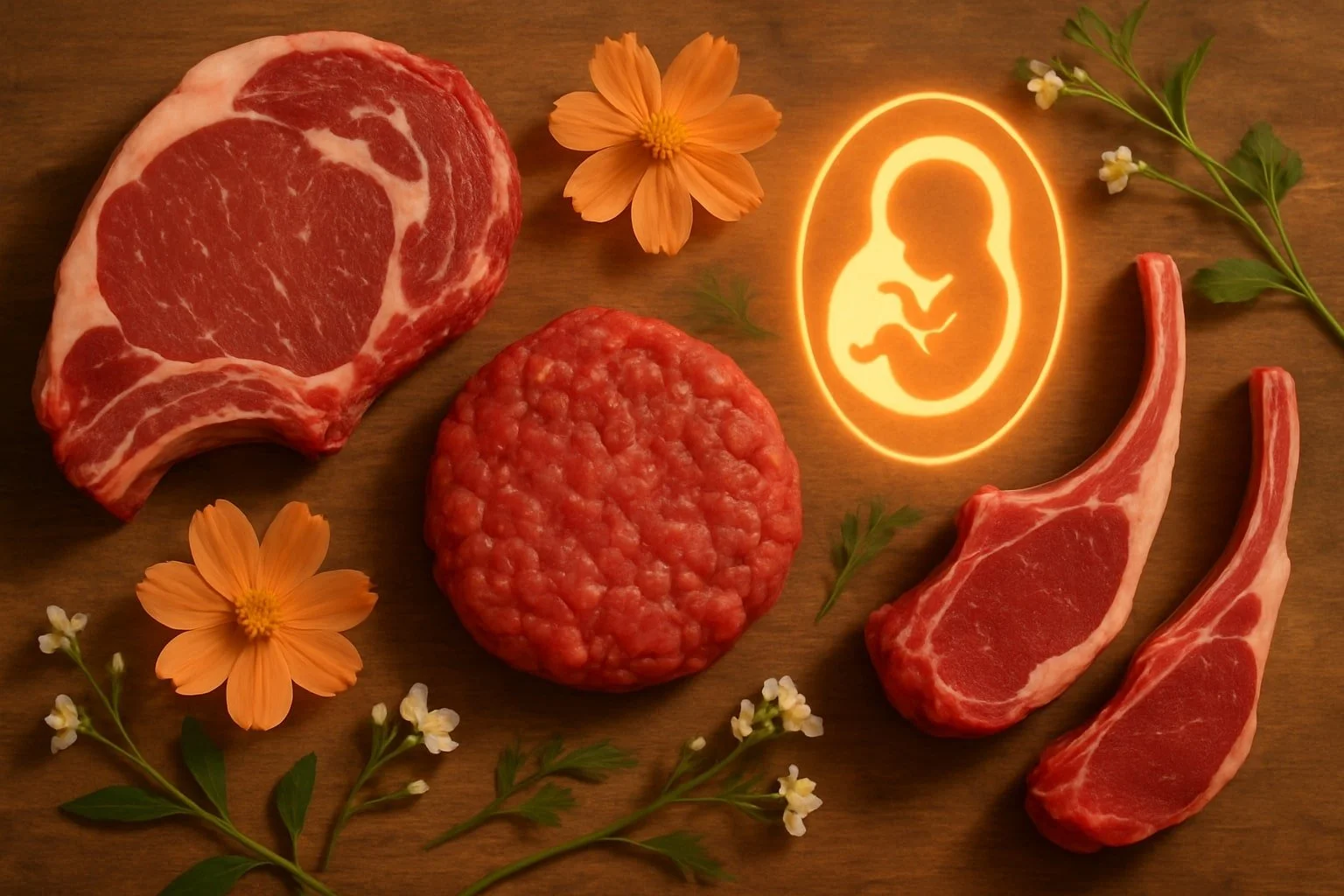
Current research and expert opinion suggest that a carnivore diet may offer some benefits for fertility by providing key nutrients such as iron, zinc, vitamin B12, and omega-3 fatty acids, all known to support reproductive health. Since eggs and sperm develop over 70–90 days, dietary changes during this period could influence fertility outcomes for both men and women.
Supporters argue that removing plant foods reduces potential dietary toxins and can simplify nutrition, making it easier to get adequate protein and fat from animal sources. However, very restrictive diets can also pose risks, including possible hormonal imbalances and cycle irregularities in some women.
Anyone interested in whether a carnivore approach might improve fertility should be aware of both potential benefits and drawbacks before making significant dietary changes.
Understanding the Carnivore Diet
The carnivore diet is based on the exclusive consumption of animal-derived foods. Its unique approach centers on dietary restrictions, specific nutrient profiles, and the exclusion of all plant-based foods.
Core Principles of the Carnivore Diet
The carnivore diet eliminates all plant-based foods, including vegetables, fruits, grains, legumes, nuts, and seeds. Instead, it relies entirely on animal products such as meat, fish, eggs, and certain dairy items, with many followers limiting even dairy to minimize carbohydrate intake.
Advocates of the carnivore diet claim it is one of the most restrictive elimination diets, focusing on high levels of protein and fat while entirely removing dietary fiber and phytonutrients found in plants. The goal is to simplify the diet, avoiding potential allergens and anti-nutrients present in some plant foods.
There are no required portion sizes or meal frequency guidelines. The approach encourages eating to satiety, prioritizing whole cuts of meat, organ meats, and animal fats for caloric and nutritional needs.
Nutritional Profile and Key Components
The diet provides substantial amounts of protein, cholesterol, saturated fat, iron, zinc, and vitamin B12, all sourced from animals. Micronutrients such as calcium may be present if dairy is included, but there is no dietary fiber, vitamin C from plants, or plant polyphenols.
Below is a simplified nutrient comparison for a standard carnivore diet:
Nutrient Provided by Carnivore Diet Potentially Missing Protein Abundant — Iron, Zinc, B12 High — Fiber None Significant Vitamin C Trace from animal sources Generally low Polyphenols None Significant
Some proponents suggest that the absence of plant-based anti-nutrients (like lectins or oxalates) may benefit certain individuals with sensitivities. However, the lack of plant-derived nutrients remains a key area of scrutiny.
How the Carnivore Diet Compares to Other Diets
Unlike most diets, the carnivore diet fully eliminates plant-based foods, making it more restrictive than popular approaches such as keto, paleo, Mediterranean, or vegetarian diets. For reference:
Keto: Restricts carbs but includes low-carb vegetables and some nuts.
Paleo: Excludes grains and dairy, but allows fruits and vegetables.
Mediterranean: Emphasizes plant-based foods, olive oil, fish, and moderate dairy.
Vegetarian: Excludes meat but includes a wide variety of plant foods.
The carnivore diet stands out for its simplicity but also its severity in restriction. This degree of limitation can influence nutrient intake, potential health effects, and lifestyle factors differently compared to less restrictive diets.
Fertility and Diet: The Scientific Relationship
Diet plays a measurable role in reproductive health, with numerous studies linking nutrient intake to hormonal regulation and fertility outcomes. Certain foods and specific nutrients are associated with improved or reduced fertility in both men and women.
Nutritional Factors That Influence Fertility
Several nutrients are essential for reproductive function. Deficiencies in folate, iron, zinc, and omega-3 fatty acids have been linked with lower fertility rates in women and men.
A balanced intake of calories is also important. Both undernutrition and overweight can affect menstrual regularity, ovulation, and semen quality. For instance:
Folate supports early embryo development.
Iron helps prevent ovulatory infertility.
Zinc and selenium are vital for sperm health.
Avoiding trans fats and excessive refined sugar helps maintain better reproductive function.
Role of Macronutrients and Micronutrients
Proteins, fats, and carbohydrates all affect reproductive health:
Protein: High-quality animal and plant protein sources support hormone synthesis and egg quality.
Fats: Unsaturated fats, especially omega-3s, improve hormone production, whereas trans fats may harm fertility.
Carbohydrates: Diets high in refined carbs and added sugars can increase the risk of ovulatory disorders and can reduce sperm quality.
Micronutrient adequacy is critical. Vitamin D, B vitamins, antioxidants such as vitamins C and E, and trace elements like iodine all play roles in supporting ovulation, sperm count, and overall reproductive cell health.
Impact of Dietary Patterns on Hormonal Balance
Dietary patterns directly influence hormonal regulation. Diets rich in whole foods, vegetables, healthy fats, and lean protein have shown positive effects on menstrual regularity and androgen levels.
High intake of processed foods and sugar may disrupt insulin sensitivity, contributing to conditions like polycystic ovary syndrome (PCOS). Plant-based diets or Mediterranean-style diets are linked to improved fertility outcomes due to their balance of macro- and micronutrients.
Excluding entire food groups, such as in strict carnivore or vegan diets, can alter the body’s hormonal balance and may affect fertility depending on nutrient adequacy and dietary planning.
Potential Benefits of the Carnivore Diet for Fertility
A carnivore diet, which primarily consists of animal-based foods and excludes most plant-derived products, has distinct effects on reproductive health. Research and anecdotal reports suggest that it may influence hormone levels, inflammation, and weight—three key areas tightly associated with fertility.
Improved Hormone Regulation
Proper hormonal balance is essential for both male and female fertility. The carnivore diet is high in complete proteins and saturated fats, which play significant roles in hormone synthesis, especially sex hormones such as estrogen, progesterone, and testosterone.
Eliminating foods that may disrupt hormone levels, such as refined carbohydrates and highly processed plant oils, may reduce the risk of conditions like polycystic ovary syndrome (PCOS) and irregular menstrual cycles. Some evidence also suggests that reduced intake of phytoestrogens and other plant hormones found in many plant-based foods can help avoid potential hormonal disruption.
Individuals following a carnivore diet often report improved menstrual regularity and fewer hormonal fluctuations. However, due to the restrictive nature of the diet, ongoing monitoring is recommended to ensure all necessary nutrients for hormone production are sufficiently supplied.
Reduction of Inflammatory Markers
Chronic inflammation has been linked to infertility, affecting ovulation, sperm quality, and overall reproductive function. The carnivore diet often results in the removal of common allergens, anti-nutrients, and inflammatory plant compounds such as lectins and oxalates, which some individuals may be sensitive to.
Animal-based diets provide high levels of nutrients like zinc, iron, and omega-3 fatty acids, which are known to support cellular repair and reduce inflammatory responses. By minimizing exposure to foods that can drive inflammation, some people may experience improvement in symptoms such as pelvic pain, endometriosis, or autoimmune-related fertility challenges.
Blood markers such as C-reactive protein (CRP) are often monitored as an indirect measure of inflammation. Some evidence reports decreases in these markers with strict animal-based eating patterns, potentially supporting reproductive outcomes.
Weight Management and Fertility Outcomes
Body weight is a major determinant of fertility, with both underweight and obesity lowering the likelihood of conception. The carnivore diet is naturally low in carbohydrates and tends to promote satiety, which can help reduce overall calorie intake and support consistent weight loss in those who need it.
Evidence indicates that high-protein, low-carbohydrate diets can improve insulin sensitivity. This is particularly relevant for individuals facing obesity-related infertility or conditions like PCOS, where insulin resistance is common. Improvements in body composition and metabolic health can restore regular ovulatory cycles and boost sperm quality.
Key nutrients found in animal foods, such as vitamin B12, choline, and heme iron, also support energy production and reproductive tissue health. For many, appropriate weight management via dietary intervention can make a critical difference in reproductive success.
Risks and Considerations for Fertility
Following a carnivore diet may impact fertility in several ways, especially regarding nutrient intake and long-term health. Individuals considering this approach should examine potential drawbacks as well as strategies to mitigate possible risks.
Potential Nutrient Deficiencies
A strict carnivore diet excludes nearly all plant-based foods, which can lead to deficiencies in certain vitamins and minerals. Key nutrients at risk include folate, vitamin C, and magnesium—each important for hormonal balance and reproductive health. For example, folate is essential for fetal development and is commonly found in leafy greens, which are not included on this diet.
Although some nutrients like zinc, iron, and B12 are abundant in animal products, the lack of variety may result in shortfalls over time. Carnivore adherents may also have lower fiber intake, which can affect gut health and hormone regulation. Deficiencies could potentially make it harder to conceive or maintain a healthy pregnancy.
Supplementation or careful selection of animal sources (such as including organ meats) may help fill some nutritional gaps. However, individuals should regularly monitor nutrient levels with the help of a healthcare professional.
Long-Term Health Implications
High intake of saturated fats and cholesterol, common on a carnivore diet, may have long-term health consequences. Some research points to a higher risk of cardiovascular disease with prolonged consumption of red and processed meats. Chronic inflammation and altered lipid profiles can indirectly impact fertility by disrupting hormonal health.
There may also be concerns about kidney function due to increased protein intake. Over time, exclusive reliance on animal foods could increase the risk of conditions such as kidney stones or gout, which may indirectly affect reproductive well-being. Studies on the long-term effects of the carnivore diet remain limited.
Any fertility plan involving significant dietary restrictions should be discussed with a healthcare provider. Medical supervision is important to promptly address emerging health issues that could compromise fertility.
Balancing the Diet for Optimal Reproductive Health
To support fertility while following a carnivore diet, balance and variety within animal-based foods are crucial. This can include:
Organ meats (e.g., liver, kidney) for vitamin A, folate, and minerals
Shellfish for zinc, selenium, and iodine
Eggs and dairy products if tolerated, providing vitamin D and choline
Individuals may consider periodic nutrient testing and the inclusion of select supplements based on deficiencies identified. Managing protein, fat, and micronutrient intake can help protect reproductive health. Maintaining open communication with a knowledgeable healthcare provider allows for ongoing adjustments to the diet as health needs and goals shift.
Carnivore Diet for Male Fertility
Some people claim the carnivore diet benefits male fertility by changing hormone levels and removing certain dietary elements. Scientific evidence for many of these claims remains limited, but certain nutrients in animal products are known to play roles in reproductive health.
Effects on Testosterone and Sperm Quality
Research does not show that high meat intake alone increases testosterone. While the carnivore diet eliminates processed foods and excess sugars—factors that can negatively affect hormone health—it is not proven that a meat-based diet offers unique advantages for male hormone levels. Instead, weight loss associated with dietary changes may be the main contributor to improved testosterone in overweight individuals.
Sperm health depends on adequate protein, zinc, vitamin B12, and other nutrients, many of which are found in red meats. However, concerns arise due to the low antioxidant content of the carnivore diet, as antioxidants help protect sperm from oxidative stress. Lack of dietary fiber and plant antioxidants may limit any fertility benefits if the diet is not well-balanced.
Nutrient Needs Unique to Male Reproductive Health
Key nutrients for male fertility include zinc, selenium, vitamin D, and omega-3 fatty acids. Animal foods, especially red meat, organ meats, and fatty fish, are rich in these nutrients. The carnivore diet can supply adequate levels of zinc and vitamin B12, which are vital for sperm production and hormone function.
However, a strict carnivore diet may lack plant-derived antioxidants and certain micronutrients, such as vitamin C and folate, which play supportive roles in cellular health. Men following this diet should consider the possible need for supplementation or selectively including nutrient-rich animal-based foods, like liver and eggs, to avoid deficiencies that could impact reproductive function.
Carnivore Diet for Female Fertility
A carnivore diet may affect women's fertility through its impact on hormone regulation, ovulation, and the supply of essential nutrients for reproductive health. Understanding these connections can help women make informed dietary choices when considering fertility.
Influence on Ovulation and Menstrual Health
The carnivore diet, which excludes plant foods, is extremely low in carbohydrates. For some women, especially those with underlying metabolic issues like polycystic ovary syndrome (PCOS), the reduction in carbs may lead to better insulin sensitivity and more regular ovulation. Improved insulin function can stabilize menstrual cycles in certain cases.
However, a very low-carbohydrate intake can sometimes disrupt menstrual cycles or lead to amenorrhea (missed periods), particularly in women with low body fat or high physical stress. Research has shown that drastic carbohydrate reduction can affect the hypothalamic-pituitary-ovarian axis, which regulates reproduction.
It's important for women to monitor their cycle regularity and discuss any changes with a healthcare provider. Individual responses may vary, so medical guidance is recommended if periods become irregular or infrequent.
Nutritional Factors for Conception and Pregnancy
Meat-based diets provide rich sources of protein, iron, zinc, and vitamin B12, all critical for conception and maintaining pregnancy. These nutrients support egg health, proper implantation, and fetal development. Some women may benefit from higher intake of these nutrients, especially if previously deficient.
However, the absence of plant foods may mean lower intake of folate, magnesium, and antioxidants. Folate is essential for early fetal neural tube development, and insufficient amounts can increase the risk of birth defects. Women on a strict carnivore diet should consider monitoring these levels and possibly supplementing where necessary.
Below is a quick overview:
Key Nutrient Source in Carnivore Diet Fertility Role Iron Red meat, organ meats Prevents anemia Zinc Beef, pork, shellfish Egg/sperm health Vitamin B12 All animal foods Neural/egg development Folate Liver (main source) Neural tube formation
Dietary choices should support both nutrient sufficiency and overall reproductive health. Regular testing and consultation can optimize outcomes for women considering this dietary approach.
Expert Perspectives and Current Research
Research on the carnivore diet's effects on fertility is limited and often shows mixed outcomes. Clinical observations and expert analysis provide key insights, highlighting both nutritional benefits and potential risks of an all-animal-based diet.
Clinical Studies on Diet and Fertility
Current medical literature does not support a direct link between the carnivore diet and improved fertility. Most fertility-focused studies emphasize the positive impact of diverse diets that balance animal and plant sources.
One notable study found that replacing just 5% of carbohydrate intake with vegetable protein significantly reduced ovulation disorders. Conversely, there is little clinical evidence showing that high intakes of animal-based foods alone, as seen in carnivore diets, offer fertility advantages.
Some clinicians warn that the absence of plant-based nutrients may lead to deficiencies in fiber, antioxidants, and some vitamins, which play roles in reproductive health. Potential adverse effects on fertility can arise if important micronutrients are missing from the diet over time.
Expert Opinions from Nutritionists and Fertility Specialists
Fertility experts and registered dietitians often voice caution regarding strict carnivore eating patterns. Dr. Robert Kiltz, who advocates for animal-based diets, highlights possible benefits like reduced plant toxins and sufficient intake of certain fertility-friendly nutrients, including iron and zinc.
However, other professionals emphasize the risks. Dr. Turocy, for example, suggests that the carnivore diet could be detrimental for those seeking a healthy pregnancy, particularly due to the exclusion of foods that provide essential vitamins and minerals crucial for reproductive success.
Most nutritionists recommend a balanced approach. They stress the importance of variety, urging inclusion of nutrient-rich plant foods for comprehensive support of hormonal and reproductive health.
Practical Considerations for Adopting a Carnivore Diet
Transitioning to a carnivore diet requires careful planning to ensure proper nutrient intake and minimize side effects. Those pursuing fertility goals should pay special attention to hormone health and menstrual regularity while making dietary changes.
Guidelines for Safely Transitioning
A gradual shift is recommended to help the body adapt. Sudden elimination of carbohydrates may lead to fatigue, headaches, or digestive changes. Starting by removing processed foods and reducing plant-based items in stages can ease symptoms.
Key nutrients, such as iron, B vitamins, omega-3 fatty acids, and folate, should be emphasized. Organ meats (especially liver) are rich sources of these nutrients, supporting hormone production and reproductive health. Incorporating a variety of animal protein cuts—muscle meats, fish, eggs, and dairy (if tolerated)—helps avoid nutritional gaps.
Hydration and electrolyte balance also require adjustment. The diet is naturally low in potassium and magnesium from plants, so foods like shellfish and bone broth can help replace these minerals. Monitoring salt intake may help manage initial side effects such as dizziness or leg cramps.
Monitoring Fertility Health While on the Diet
Regular tracking of menstrual cycles and ovulation patterns is essential for women on a carnivore diet, as dietary changes can impact hormone levels. Periodic blood tests to check for deficiencies in vitamin D, iron, and folate are recommended for both men and women.
Paying attention to changes in cycle length, ovulation, and symptoms such as missed periods or unusual bleeding is critical. If significant disruptions occur, consulting a healthcare provider is important.
Men should watch for changes in libido, energy levels, and sleep quality, as these can indicate shifts in hormone status. Using convenient tracking tools, such as fertility apps and basal body temperature monitoring, can help identify subtle changes and support proactive adjustments to the diet or supplementation.
Summary and Conclusions
Current evidence on the carnivore diet and fertility remains limited. Some individuals following this diet report positive changes, but scientific studies have not confirmed consistent links between the carnivore diet and improved fertility.
The diet emphasizes animal-based foods while strictly limiting or excluding all plant foods. This approach provides increased protein, iron, and vitamin B12, but eliminates fiber and may reduce intake of certain vitamins like C and folate.
Potential Advantages:
Higher intake of bioavailable nutrients such as iron, zinc, and B12
Removal of some plant compounds that may cause inflammation in sensitive people
Possible Risks:
Nutrient deficiencies (e.g., vitamin C, folate, fiber)
Hormonal changes due to restrictive eating patterns
Lack of long-term research
Some strategies on this diet may help support reproductive health, such as eating organ meats (for folate and vitamin A) and fatty fish (for omega-3s).
Fertility is influenced by many factors beyond diet, including genetics, lifestyle, and overall health. Individuals considering this eating approach should track nutrient intake and consult with a healthcare provider before making significant dietary changes.

