
Reversing Insulin Resistance with Carnivore
How Animal-Based Diets Improve Metabolic Health
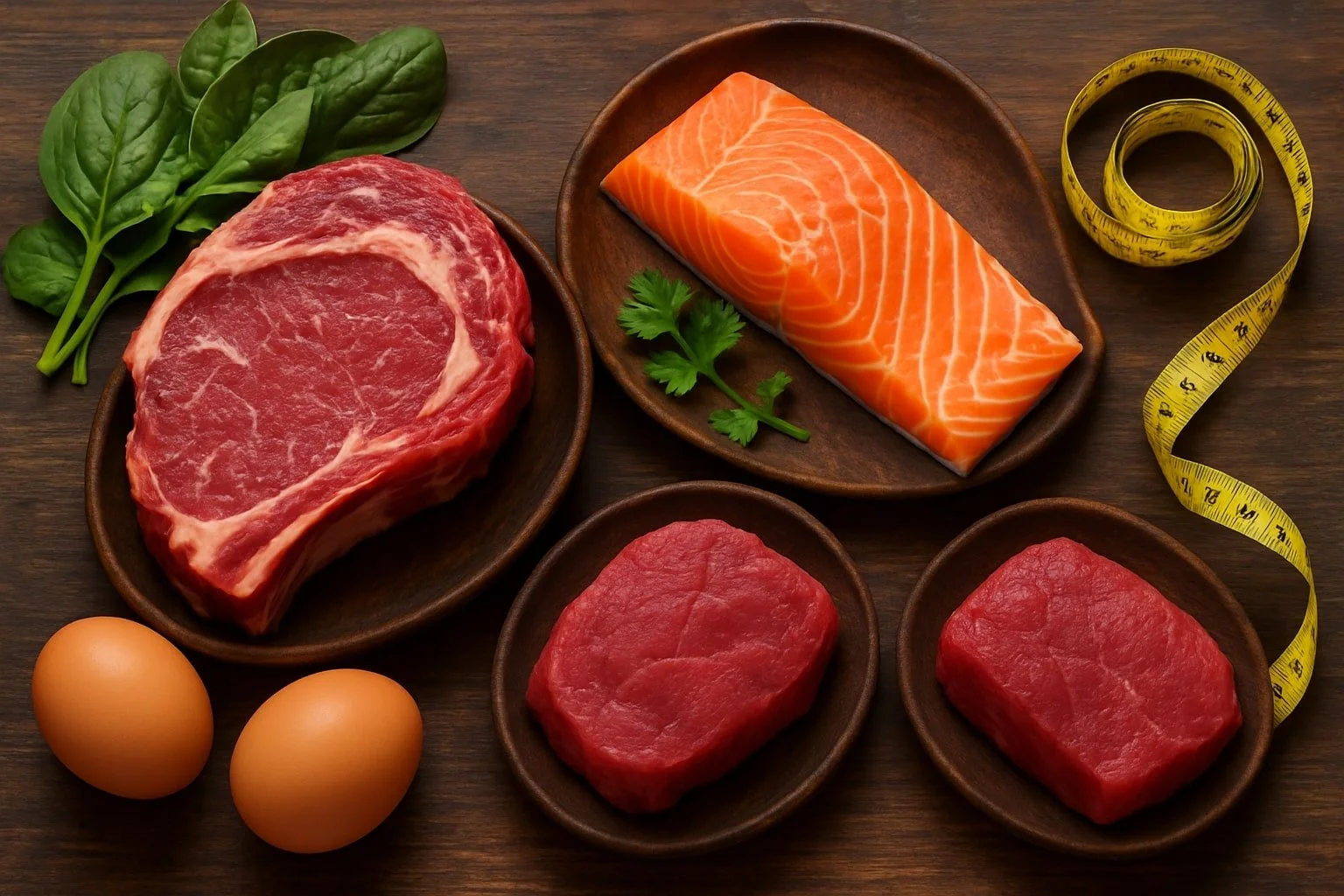
Insulin resistance has become increasingly common, making it harder for many people to manage weight and blood sugar levels. While there are several dietary approaches to address this problem, the carnivore diet offers a clear and direct method to help reverse insulin resistance by eliminating carbohydrates and focusing on nutrient-rich animal foods. This approach targets the root causes of insulin resistance through consistent, simple dietary choices.
The carnivore diet is centered around eating only animal products, which are naturally low in carbohydrates and high in protein and healthy fats. By removing sources of sugar and starch, the body’s insulin response can stabilize, giving the metabolism a chance to recover. Many individuals report better energy, improved blood markers, and more stable blood sugar after making the switch.
Understanding Insulin Resistance
Insulin resistance develops when cells respond poorly to insulin, causing the body to work harder to regulate blood sugar. This process affects blood glucose levels, metabolism, and increases the risk of several chronic diseases.
What Is Insulin Resistance
Insulin resistance occurs when the body's cells—especially in muscle, fat, and the liver—do not respond adequately to insulin. Insulin is a hormone produced by the pancreas that allows glucose to enter cells, where it is used for energy.
When insulin sensitivity decreases, the pancreas compensates by producing more insulin, leading to hyperinsulinemia. Over time, blood glucose levels can rise, leading to pre-diabetes or eventually type 2 diabetes if not managed.
Persistent insulin resistance alters normal blood sugar regulation. This state, in which the body needs more insulin to manage the same amount of glucose, is a key feature in several metabolic disorders.
Causes and Contributing Factors
Many factors contribute to insulin resistance, including obesity, sedentary lifestyle, genetics, and dietary habits. Consuming high amounts of refined carbohydrates and sugar can spike blood sugar, demanding more insulin production.
Chronic overconsumption of calories, especially from processed foods, increases fat accumulation in the liver and muscle, worsening the problem. Non-alcoholic fatty liver disease is often associated with insulin resistance, as excess liver fat impairs normal insulin signaling.
Other factors such as chronic inflammation and hormonal imbalances can exacerbate this process. Age, family history, and certain medications may also play a role in decreased insulin sensitivity.
Impacts of Insulin Resistance on Health
Insulin resistance raises the risk for a range of serious health issues. Elevated insulin and blood sugar levels increase the likelihood of developing type 2 diabetes, metabolic syndrome, and cardiovascular disease.
People with insulin resistance may experience fatty liver disease and higher chances of chronic diseases due to ongoing metabolic dysfunction. High blood sugar can damage blood vessels and organs over time.
Signs of insulin resistance, such as weight gain around the abdomen and persistent high blood glucose levels, often appear years before chronic disease diagnosis. Early detection and improved insulin sensitivity are essential for preventing long-term health complications.
Carnivore Diet Fundamentals
The carnivore diet is centered on animal-based foods and emphasizes nutrient-dense sources of protein and fat. This way of eating excludes nearly all plant-based items, focusing instead on foods from animals to help support nutrition and metabolic stability.
What Is the Carnivore Diet
The carnivore diet restricts intake to primarily animal products. This approach excludes fruits, vegetables, grains, legumes, and added sugars. Instead, all meals come from sources such as red meat, poultry, seafood, eggs, and certain dairy products.
Followers of the carnivore diet typically consume foods like steak, ground beef, chicken thighs, fish, eggs, and animal fats like butter or tallow. The diet is usually very low in carbohydrate content, which helps with stabilizing blood sugar levels and reducing dietary-induced insulin spikes.
For some, strict versions allow only beef, salt, and water. More flexible approaches may include a variety of meats, fish, eggs, and full-fat dairy like cheese or heavy cream. No plant foods, seed oils, or processed foods are part of a true carnivore diet.
Animal-Based Foods and Protein Sources
Most of the calories in a carnivore diet come from animal-based protein and fat. Protein sources include red meat, poultry, fish, seafood, eggs, and organ meats. Each source provides essential amino acids necessary for muscle maintenance and metabolic health.
A typical day’s meals might look like:
Breakfast: Eggs and steak
Lunch: Grilled chicken thighs and pork belly
Dinner: Salmon fillet and beef liver
Organ meats such as liver and kidney are highly encouraged due to their superior nutrient density. Eggs are valued for their protein and micronutrients, while fatty meat cuts like ribeye provide adequate saturated fat for energy.
Including a mix of different animal-based foods helps cover a wider spectrum of nutrients and can reduce the potential risk of developing deficiencies over time.
Key Nutrients in the Carnivore Diet
A well-formulated carnivore diet supplies key nutrients often lacking in other restrictive eating patterns. Essential nutrients include complete protein, iron, zinc, vitamin B12, and bioavailable heme iron from red meat and organ meats.
Eggs provide choline and selenium, while fatty fish and seafood offer omega-3 fatty acids. Organ meats like liver deliver high levels of vitamin A, folate, and copper.
A comparison of major nutrients from common animal products:
Food Key Nutrients Beef Protein, B12, Zinc, Heme Iron Salmon Protein, Omega-3s, Vitamin D Eggs Protein, Choline, Vitamin D Liver Vitamin A, Folate, Copper, Iron
Because the diet excludes carbohydrates, blood sugar impact is minimal. Most micronutrients required for human health are provided by carefully selected animal foods, reducing the risk of significant nutrient deficiencies when a variety of sources are included regularly.
Role of Carbohydrates in Insulin Resistance
Carbohydrate intake directly affects blood sugar and insulin levels, influencing the development of insulin resistance. Reducing carbohydrate consumption, especially from high-glycemic sources, is central to dietary strategies like the carnivore diet.
Carbohydrate Intake and Blood Sugar
Carbohydrates—particularly sugars and refined grains—rapidly increase blood glucose after meals. Foods with a high glycemic index cause sharper spikes in blood sugar, resulting in higher insulin secretion by the pancreas. Over time, repeated exposure to high insulin can reduce the body’s ability to respond to it, a state known as insulin resistance.
High-carb or high-carbohydrate diets tend to exacerbate this effect, especially when consumption includes large amounts of fructose or foods with low fiber content. In contrast, diets that prioritize lower carbohydrate intake can help maintain stable blood sugar and reduce stress on insulin response systems.
Studies have shown that minimizing carbohydrate intake, specifically sugars and starches, can lower both fasting glucose and insulin levels in people at risk for metabolic disorders. This approach is commonly explored as part of managing metabolic syndrome and related conditions.
How Carnivore Diet Reduces Carbohydrate Consumption
The carnivore diet is an all-animal-product eating pattern that excludes plant-based foods and thus nearly eliminates dietary carbohydrate intake. Typical carnivore meal plans contain close to zero grams of carbohydrates, removing sugars, starches, and fiber entirely.
By restricting carbohydrate consumption, people following this diet experience minimal fluctuations in blood sugar and insulin levels. This environment may help reduce insulin demand and potentially allow cells to regain insulin sensitivity over time.
Key differences from other diets include the lack of both simple sugars (such as fructose) and complex carbohydrates. As there is no carbohydrate source from grains, legumes, fruits, or vegetables, the diet avoids glycemic variability caused by high-carb or high-glycemic index foods. Instead, protein and fat serve as the primary sources of energy.
How Carnivore Diet May Reverse Insulin Resistance
A carnivore diet emphasizes animal-based foods while eliminating carbohydrates and plant foods. This dietary change can influence insulin resistance through several mechanisms, including effects on blood glucose, body fat, and appetite control.
Mechanisms for Improving Insulin Sensitivity
Insulin sensitivity can improve when carbohydrate intake is minimized. The carnivore diet consists almost entirely of protein and fat, which exert a much lower impact on blood glucose compared to carbohydrates. When glucose spikes are avoided, the demand for insulin production decreases.
Consistently lower insulin needs may allow the body's cells to regain responsiveness to insulin over time. This improvement supports more stable glucose homeostasis and can break the cycle that leads to insulin resistance. Reduced dietary triggers, such as processed carbs and sugars, lessen chronic stress on the insulin system.
Impact on Blood Sugar Regulation
A carnivore diet contains negligible carbohydrates, which causes blood sugar levels to remain steady throughout the day. Stable blood glucose is a major benefit, particularly for those struggling with insulin resistance.
Consistent avoidance of large glucose fluctuations lessens the body's need to produce excess insulin. Over time, this may contribute to better blood sugar control and lower overall fasting insulin. Many individuals on this diet report improved glycemic markers without frequent hypoglycemic episodes seen in some high-carb diets.
Comparison Table: Blood Sugar Impact
Diet Type Carb Content Blood Sugar Spikes Insulin Demand Standard Western High Frequent Elevated Carnivore Very Low Rare Reduced
Effect on Weight Loss and Fat Reduction
Obesity and excess body fat are key contributors to insulin resistance. The carnivore diet, due to its lack of processed foods and sugars, can promote weight loss and reduce overall body fat in many cases.
Weight loss is associated with improved insulin sensitivity, as lower body fat can decrease baseline insulin levels. People often experience a decrease in central adiposity, especially visceral fat, which is closely linked with metabolic dysfunction and chronic diseases. By reducing fat stores, particularly around the abdomen, individuals may see significant improvements in insulin sensitivity.
Satiety and Reduced Cravings
Protein and fat in the carnivore diet are highly satiating, leading to reduced hunger and fewer food cravings between meals. Higher satiety can help individuals adhere to dietary changes and reduce calorie intake without intentional restriction.
This mechanism of increased satiety supports weight management, since less frequent snacking and lower intake of hyperpalatable foods aid in maintaining a calorie deficit. Craving reduction, especially for sweets and processed foods, can further stabilize blood glucose levels by minimizing unplanned carbohydrate consumption.
Comparing Carnivore Diet to Other Dietary Patterns
Glucose levels, nutrient availability, and the type of fat consumed differ greatly between dietary patterns. These differences can influence insulin sensitivity, body composition, and the practicality of long-term dietary changes.
Carnivore Versus High-Carb Diets
A carnivore diet focuses almost exclusively on animal products, which are naturally low in carbohydrates. In contrast, high-carb diets, including many modern dietary patterns, rely heavily on grains, fruits, and starchy vegetables. This leads to higher daily glucose intake.
Insulin response is strongly linked to carbohydrate consumption. People following high-carb diets may experience more frequent and higher spikes in blood sugar and insulin, particularly if many processed foods are included.
Key contrasts:
Carnivore: Virtually no carbohydrates; low insulin demand.
High-Carb: Moderate to high carbohydrates; increased insulin secretion.
Blood sugar: Tends to be steadier on carnivore due to minimal glucose input.
Nutrient Density and Sustainability
The carnivore diet often has high concentrations of protein and fats, especially certain micronutrients found in organ meats (iron, B12, zinc). This can be an advantage for meeting essential nutrient needs without added sugars or starches.
Sustainability involves both physical health and the ability to maintain dietary changes. While animal-based foods can deliver dense nutrition per calorie, the variety of nutrients is limited compared to diets including both animal and plant sources.
Pros and cons:
Factor Carnivore Mixed/Plant-Inclusive Diets Protein quality High Variable Fiber content None Moderate to high Vitamin C/Beta-carotene Limited Abundant Long-term adherence Can be challenging More flexible
Impact of Processed Foods and Vegetable Oils
Many high-carb and mixed diets contain significant amounts of processed foods, including snacks, sweetened beverages, and refined grains. These foods are often high in added sugars and vegetable oils, such as soybean, corn, and canola oils.
Research suggests that excessive intake of these oils, especially when oxidized during high-heat cooking, may promote inflammation and worsen insulin resistance. The carnivore diet generally excludes both processed foods and vegetable oils, reducing exposure to these potentially harmful components.
Individuals choosing more whole or unprocessed foods, regardless of dietary pattern, report better blood sugar control and improved markers of metabolic health. The exclusion of processed foods alone, as with carnivore diets, can have a notable impact on outcomes related to insulin sensitivity.
Potential Health Benefits of Carnivore for Insulin Resistance
A carnivore diet is often discussed for its impact on blood sugar regulation, inflammation, and conditions related to insulin resistance. Interest is growing in how this approach may affect chronic illnesses and improve daily functioning in those at risk.
Reduced Inflammation and Chronic Disease Risk
Insulin resistance is frequently linked to chronic inflammation, which underlies many serious health conditions, including cardiovascular disease and fatty liver disease. The carnivore diet, by excluding processed carbohydrates and sugars, may help lower inflammation markers in some individuals.
Elimination of common allergens—such as gluten and certain plant lectins—could reduce immune responses that worsen inflammation. Some people on the diet report fewer joint pains and digestive symptoms, suggesting less inflammatory activity.
Inflammation reduction might lower the risk of chronic diseases such as stroke and certain cancers. However, current evidence is mostly anecdotal or from small studies, and more research is needed for conclusive claims.
Improved Mental Clarity and Energy Levels
People transitioning to carnivore often describe enhanced mental clarity and steadier energy throughout the day. This clarity may be due to stable blood glucose levels and the absence of energy swings associated with high-carbohydrate diets.
For those struggling with fatigue linked to insulin resistance, the lack of blood sugar spikes and drops can translate to more consistent daily energy. This may be helpful for individuals experiencing brain fog or concentration issues often reported by insulin-resistant patients.
Although large clinical trials are lacking, several case reports suggest that some people may experience improved alertness and focus after cutting out carbohydrates and plant-based foods.
Benefits for Specific Conditions
Women with polycystic ovary syndrome (PCOS) sometimes benefit from low-carbohydrate diets like carnivore due to improved insulin sensitivity and better hormonal balance. Lower inflammation may also lessen symptoms of PCOS and reduce associated risks like fatty liver disease.
Emerging discussion points toward possible neurological benefits, especially regarding neurodegenerative diseases such as Alzheimer's and dementia. While definitive research has yet to confirm these effects, the diet’s anti-inflammatory characteristics and stable blood glucose may offer some protective factors.
For those with nonalcoholic fatty liver disease, improved insulin resistance and less dietary sugar may decrease liver fat accumulation. If the diet is well-formulated, it can also meet key nutrient requirements for most individuals.
Considerations and Risks of a Carnivore Diet
A strict carnivore diet can influence nutritional status and metabolic health in both positive and negative ways. Some essential nutrients may be lacking, and there are debates about whether this style of eating is realistic or safe over many years.
Nutrient Deficiencies and Health Monitoring
Restricting plant foods removes sources of certain vitamins, minerals, and fiber. Common nutrients of concern include vitamin C, magnesium, potassium, folate, and some phytonutrients only found in plants.
Deficiency symptoms may be subtle at first, such as fatigue or muscle cramps, but can worsen over time. The diet is often low or lacking in dietary fiber, which affects gut health and bowel habits.
Regular health monitoring is critical. It's advisable to periodically check blood tests for electrolyte balance, vitamin and mineral levels, and lipid profiles. People following a carnivore diet should consult a healthcare professional to discuss supplementation or dietary adjustments as needed.
Long-Term Sustainability and Safety
Long-term adherence to a carnivore diet presents social, practical, and metabolic challenges. Eating exclusively animal products can be expensive, socially isolating, and may lead to food boredom, increasing the risk of noncompliance.
The clinical evidence on the safety of a carnivore diet beyond short-term use is limited. Potential risks include elevated LDL cholesterol, unknown impacts on kidney function, and possible negative effects on bone health due to lack of variety.
Most nutrition organizations and healthcare professionals recommend caution. Individual responses vary, so it's important for anyone considering the carnivore diet to base decisions on regular medical evaluations and personal health outcomes.
Implementing Carnivore for Insulin Resistance
Adopting a carnivore diet as a strategy for addressing insulin resistance involves gradual transition, careful self-monitoring, and a holistic approach that includes physical activity and, for some, fasting. Individual needs can vary, but consistency in these areas is critical for seeing meaningful results.
Transitioning From Other Diets
Moving from a diet high in carbohydrates or processed foods to an all-animal foods diet can be challenging. To ease the shift, it’s recommended to gradually reduce intake of processed sugars, grains, and starchy vegetables over one to two weeks. This minimizes symptoms like fatigue or irritability sometimes called the “keto flu.”
A typical transition plan might look like:
Week Reduce or Eliminate Focus On 1 Sugary snacks, soft drinks Eggs, lean meats, fish 2 Grains, legumes, high-carb fruits Red meats, organ meats
Hydration and mineral intake are important throughout. Those with existing medical conditions should discuss changes with a healthcare provider to avoid complications related to insulin, blood glucose, or medications.
Personalizing Nutrition and Tracking Progress
Each person’s response to a carnivore diet will differ. Tracking fasting insulin, blood glucose levels, body weight, and energy levels helps identify what works best. Using a food diary or tracking app can assist in monitoring macronutrient intake and symptoms.
Some will do better with higher-fat meats, while others may prefer a balance of lean meats and organ meats. It’s important to observe for early signals of nutrient deficiencies, such as low energy or muscle cramps, and adjust accordingly.
Regular monitoring helps identify the need for supplementation. Tracking tools can include:
Blood glucose meters
Periodic laboratory tests (fasting insulin, lipid profile, HbA1c)
Regular measurement of waist circumference and body weight
Incorporating Fasting and Physical Activity
Incorporating intermittent fasting with a carnivore diet can further lower fasting insulin and promote metabolic flexibility. Common fasting patterns are 16:8 (16 hours fasting, 8-hour eating window) or alternate day fasting. Fasting must be personalized; some may not tolerate longer fasts.
Physical activity is essential for enhancing insulin sensitivity. A mix of resistance training (such as weightlifting) and aerobic activities (like walking or cycling) counters the risks of a sedentary lifestyle. Regular movement aids muscle glucose uptake and helps regulate blood sugar.
Combining the carnivore diet with structured exercise and occasional fasting supports metabolic health. It reduces negative impacts associated with a poor diet or inactivity for those managing insulin resistance.
Practical Tips and Common Challenges

Switching to a carnivore diet to reverse insulin resistance comes with dietary changes, the need to navigate social situations, and tracking health measures. Managing cravings, adjusting to new eating patterns, and monitoring progress are all crucial elements.
Managing Social and Lifestyle Factors
Adopting a carnivore diet may challenge social routines, such as eating out or attending family gatherings. Many social events revolve around foods high in carbohydrates, so having a clear plan can make these situations easier.
Bringing your own meal or checking menus in advance allows for informed dietary choices. Communicating dietary needs to friends and family helps reduce awkwardness and increases support.
Tips for navigating social situations:
Prepare protein-rich snacks for events
Choose restaurants with meat-focused options
Politely decline foods that don't align with your goals
Consistency in the diet is easier when the household supports the plan. Some find meal planning and batch cooking help them stay on track during busy weeks or travel.
Addressing Cravings and Adaptation
Cravings for carbohydrates are common during the first phase of the carnivore diet. This period, known as adaptation, typically lasts several weeks. Choosing fatty cuts of meat and eating to satiety can help reduce cravings.
Hydration is important, as some report increased water loss early on. Incorporating bone broth and electrolytes may address symptoms like headaches or fatigue.
It can be helpful to:
Identify and avoid triggers for cravings, such as stress or lack of sleep
Focus on nutrient-dense animal foods to minimize hunger
Allow time for the body to adjust to new fuel sources
Documenting meals and mood may help identify patterns and address challenges as they arise.
Monitoring Health Outcomes
Tracking health markers provides feedback on the diet’s effectiveness. Blood glucose, insulin levels, weight, and waist circumference are common metrics monitored.
Some use home testing devices for blood sugar, while others consult with healthcare professionals for regular blood work. Keeping records helps identify trends and informs dietary adjustments.
Key measurements to monitor:
Marker Purpose Frequency Fasting glucose Assess blood sugar response Weekly or biweekly Body weight Track changes in body composition Weekly Waist circumference Monitor fat loss Monthly
Regularly evaluating these outcomes ensures the diet continues to provide intended health benefits and allows for quick resolution of any negative effects.

