
Can You Be a Spiritual Person on a Carnivore Diet?
Exploring the Connection Between Diet and Spirituality
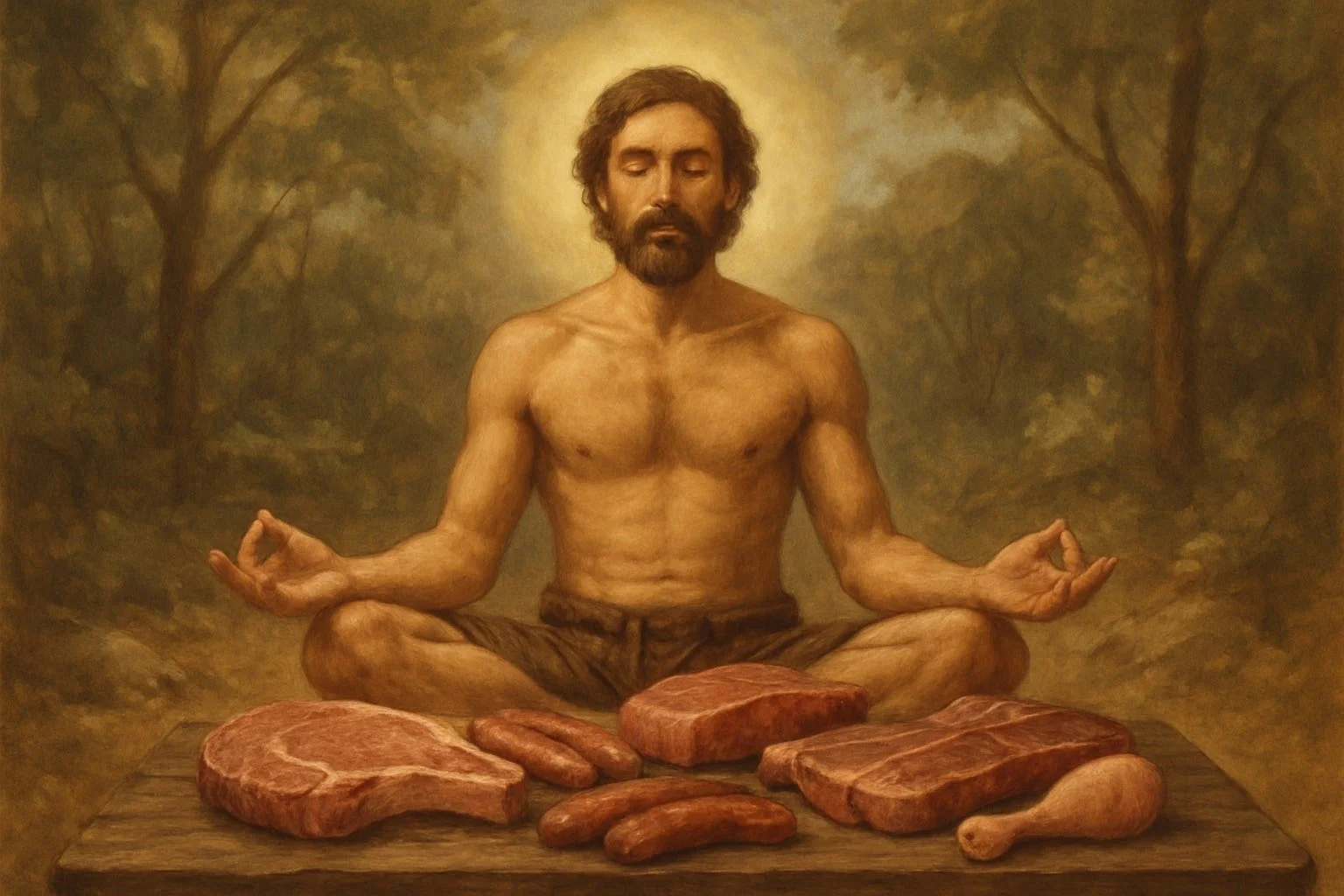
It is entirely possible to be a spiritual person while following a carnivore diet. The relationship between spirituality and diet is personal and can be influenced by individual beliefs, intentions, and lifestyle choices. For some, the carnivore diet even becomes a spiritual practice through mindful eating, gratitude, and a deeper awareness of food sources.
People from diverse backgrounds have found ways to align animal-based nutrition with their spiritual paths, whether through Christianity, mindfulness practices, or personal journeys of gratitude and well-being. By focusing on intentional eating and self-awareness, many discover new dimensions of clarity and connection that enhance both their health and spiritual lives.
This article explores how spirituality and the carnivore diet can coexist, addressing concerns and sharing real-life examples from those who have embraced both. Readers will find insight into how dietary choices can support—not undermine—their spiritual growth and sense of purpose.
Understanding the Carnivore Diet
The carnivore diet centers on animal products and prioritizes meat, especially beef, for nutrition. This dietary approach removes plant-based foods and emphasizes whole foods from animal sources.
Core Principles of a Carnivore Lifestyle
The carnivore diet recommends eating only animal-based foods. Individuals following this diet typically avoid all plant-based foods, grains, and sugars. The focus is on simple, unprocessed options.
There is a strong emphasis on nutrient density, with proponents believing that meat provides most essential nutrients. Beef, lamb, pork, poultry, and seafood are common choices. Some may include animal-derived products like eggs and some dairy, depending on personal tolerance.
Supporters highlight the elimination of common dietary irritants found in grains and vegetables. The carnivore approach removes fiber, lectins, and plant compounds, which some report makes digestion easier.
Typical Foods and Nutritional Profile
Foods allowed on the carnivore diet are specific and limited. The list includes:
Beef: Steaks, roasts, ground beef
Pork: Chops, ribs, bacon
Poultry: Chicken, turkey, duck
Seafood: Salmon, tuna, shrimp
Eggs
Animal fats: Tallow, lard, butter
Dairy is sometimes included but usually limited to full-fat, unprocessed items. The aim is to eat nutrient-rich, whole foods with as few additives as possible.
Nutritionally, this diet is high in protein and fat, with almost no carbohydrates. Vitamins B12, iron, and zinc are abundant, while vitamin C and fiber are lacking due to exclusion of plant-based foods.
Comparing Carnivore, Keto, and Plant-Based Diets
The carnivore and keto diets both reduce carbohydrate intake, but the carnivore diet excludes all plant-based foods, whereas keto allows certain vegetables, nuts, and seeds.
Feature Carnivore Keto Plant-Based Main Foods Animal products Animal & plants Plants Carbohydrates Extremely low Low Moderate-High Protein Source Animal-based Mixed Mostly plant Plant Foods None Limited Main focus
Plant-based diets focus on grains, legumes, vegetables, and fruits. In contrast, the carnivore focus is on eliminating all sources except for animal products. Each approach results in a very different nutritional profile and set of dietary choices.
Defining Spirituality Beyond Food
Spirituality involves one's mindset, daily practices, and personal values rather than specific diet choices. Grounded approaches to spiritual growth can coexist with various eating patterns, including the carnivore diet.
Spiritual Growth and Personal Transformation
Spiritual growth centers on self-awareness, compassion, resilience, and a commitment to ethical living. These qualities are not dictated by a specific food group or diet.
Personal transformation often involves self-reflection and questioning assumptions. For some, eliminating certain foods is a conscious experiment rather than a moral or spiritual statement. Many spiritual traditions support the idea that profound change is rooted in intention and action.
A person can seek fulfillment through practices like journaling, counseling, or acts of kindness regardless of dietary choices. The emphasis remains on how individuals relate to themselves, others, and the world.
Mindfulness and Mindful Eating
Mindfulness is the practice of paying close and non-judgmental attention to one’s thoughts, feelings, and experiences. It fosters presence and awareness, which are key elements of many spiritual traditions.
Mindful eating is not limited to plant-based or restrictive diets. Anyone can develop a conscious relationship to food by slowing down, noticing hunger cues, and appreciating each meal. For example:
Eating slowly and chewing thoroughly
Recognizing physical versus emotional hunger
Expressing gratitude before meals
These behaviors encourage a deeper spiritual experience with food, emphasizing presence over ingredients.
Meditation and Mental Clarity
Meditation is used to promote mental clarity and emotional balance. Whether one eats only animal products or not, engaging in regular meditation can lead to improved focus and self-understanding.
A carnivore diet may affect energy levels, but there is no evidence that it blocks access to meaningful meditative states. Mental clarity is shaped by factors like sleep, stress management, and commitment to inner work more than it is by protein or fat intake.
Dedicated time spent in meditation or quiet reflection supports ongoing spiritual and personal growth, irrespective of what is on the plate.
Potential Health Benefits and Personal Impact
Many people report unique shifts in mental, emotional, and physical well-being when following a carnivore diet. According to recent studies and personal accounts, certain health markers and psychological factors may see notable changes.
Mental Clarity and Emotional Balance
Adherents of the carnivore diet often describe increased mental clarity and improved focus. The elimination of sugar and processed carbohydrates can reduce brain fog and support consistent energy levels throughout the day. This can make it easier for individuals to be present, concentrate on work or meditation, and avoid distractions.
Stable blood sugar from an all-animal product diet may minimize mood fluctuations caused by glycemic swings. Clarity of mind is frequently highlighted, which some interpret as contributing to a deeper inner calm or mindfulness. People who prioritize personal or spiritual growth may find this effect to be particularly valuable.
Anxiety, Depression, and Mood
Several anecdotal reports, along with survey data, suggest that some people experience reductions in anxiety and improvements in mood after adopting a carnivore diet. Psychological health may be influenced by the removal of foods that cause inflammation or adverse gut reactions, both of which are linked to mental well-being.
A study noted that 95% of surveyed respondents felt high levels of satisfaction and positive changes in overall well-being on a carnivore regimen. While more research is necessary, individuals sometimes mention decreased depressive symptoms and greater motivation, possibly tied to steady nutrition and simplified eating routines.
Strength and Weight Loss
The focus on protein and fat intake in a carnivore diet typically supports muscle maintenance and can aid in strength building. Many people report increased energy levels and improvements in athletic performance. For some, this can enhance self-efficacy and contribute positively to spiritual practices that require physical stamina, such as yoga or outdoor activities.
Weight loss is another commonly reported outcome, often due to reduced caloric intake and greater satiety compared to high-carbohydrate diets. Lower inflammation and better body composition can also boost confidence and physical comfort, further impacting spiritual and emotional health.
Health Aspect Reported Benefit Mental Clarity Improved focus, less brain fog Mood & Motivation Reduced anxiety, stable emotions Strength Better muscle maintenance, energy Weight Loss Satiety, decreased inflammation
Spiritual Perspectives on Eating Meat
Spiritual beliefs about eating meat vary across different faiths and historical periods. Perspectives are often shaped by religious texts, interpretations of sacred narratives, and ideas about harmony with creation.
Religious and Historical Views on Diet
Many religious traditions address dietary practices, including the use of meat in daily life. In Hinduism and Buddhism, vegetarianism is often encouraged as part of the principle of ahimsa (non-violence). For these traditions, abstaining from meat is seen as a step toward compassion and spiritual development.
In contrast, Christianity and Judaism have historically included meat in their diets. The Hebrew Bible describes various rituals and festivals involving animal sacrifices and feasts. In the New Testament, Jesus participates in meals where fish and lamb are served, indicating a nuanced view rather than a categorical prohibition.
Historical context:
Judaism: Permits eating certain meats, with restrictions on "clean" and "unclean" animals (Leviticus 11).
Christianity: Does not prohibit meat but has customs such as fasting and abstaining from meat during Lent.
Dietary practices are often cultural as well as spiritual, influenced by local environments and historical circumstances.
The Garden of Eden and Genesis 1:29
Genesis 1:29 is frequently cited in spiritual discussions about diet:
"And God said, Behold, I have given you every herb bearing seed, which is upon the face of all the earth, and every tree…to you it shall be for meat." This passage from the Bible presents an initial vision of human diet in Eden that is entirely plant-based.
The Eden narrative suggests Adam and Eve originally consumed only plants. After the fall, later passages describe God permitting animal consumption, as in Genesis 9:3: "Every moving thing that lives shall be food for you," following the flood. This shift marks a significant transition in the biblical diet and has led to ongoing theological reflection.
Key points from these texts are displayed below:
Era/Story Allowed Foods Spiritual Significance Garden of Eden Plants, fruits Symbol of innocence, harmony with creation Post-Flood (Genesis 9) Plants, animals Adaptation to new conditions, divine sanction
Interpretations of Genesis 1:29 and related passages often depend on doctrinal tradition and personal beliefs about spiritual alignment with dietary choices.
Clean and Unclean Meats: Biblical Teachings
Biblical teachings about eating meat highlight key distinctions between types of animal products and their place in the diet of spiritual individuals. These distinctions originate in early scriptural narratives and are reinforced through later laws and guidance.
Noah and Dietary Shifts
After the flood, Noah and his family received new instructions regarding food. Genesis 9:3 records God telling Noah, “Every moving thing that lives shall be food for you.” This marked the first time humans were permitted to eat animal flesh in addition to plants.
However, there are limits. The command also came with the restriction not to eat meat with its blood still in it (Genesis 9:4). This established a basic framework for eating meat, reflecting both practical health concerns and spiritual considerations.
Noah’s distinction between “clean” and “unclean” animals predates Moses. Genesis 7:2 states that Noah took seven pairs of each clean animal and one pair of each unclean animal into the ark. This difference set the stage for later dietary laws, suggesting that not all animal products were viewed the same way even in early times.
Clean Meat Versus Unclean Meats
The Bible identifies specific animals as “clean” or “unclean.” In Leviticus 11 and Deuteronomy 14, clean meats such as cattle, sheep, and certain fish are listed as acceptable for consumption, while unclean meats—including pork, shellfish, and certain birds—are forbidden.
These distinctions focus on the spiritual and physical well-being of those following these instructions. The guidelines list unclean meats that should be avoided, such as pork, shellfish, camel, and rabbit.
Table: Examples of Biblical Classifications
Allowed (Clean) Forbidden (Unclean) Cattle, sheep, goats Pork, camel, rabbit Deer, certain fish Shellfish, eagles Chicken, pigeon, dove Vultures, owls
Some Christian teachings hold that these laws were specific to the people of Israel. Others believe the underlying spiritual principles still apply to modern eating, especially for those pursuing a diet high in animal products like the carnivore diet.
Modern Debates: Carnivore Diet, Vegetarianism, and Veganism
Dietary choices like the carnivore diet, vegetarianism, and veganism are often discussed not just in terms of health, but also in relation to ethics and spirituality. Each approach reflects specific beliefs about nutrition, animal welfare, and the impact of food on the mind and spirit.
Arguments for Animal Products
Supporters of the carnivore diet argue that animal products provide complete proteins, essential fatty acids, and nutrients such as B12, iron, and zinc in highly bioavailable forms. They note that some micronutrients found in animal foods are either absent or less accessible in plant-based foods.
Physical well-being is sometimes connected to spiritual well-being in these arguments. Proponents claim that nourishing the body with animal foods promotes mental clarity and steady energy, which can support spiritual practices.
Some also highlight the historical and cultural roles of animal-based diets in various spiritual traditions. For example, certain Indigenous and ancient communities have included animal foods as a sacred part of ritual and daily life. They emphasize respect for the animal and gratitude as central aspects of their dietary choices.
Key reasons cited for animal products:
Nutrient density
Historical precedent
Support for physical and mental energy
Vegetarian and Vegan Spiritual Pathways
Vegetarian and vegan dietary choices are often grounded in the spiritual ideals of nonviolence (ahimsa), compassion, and minimizing harm. Many individuals choose these diets to align their actions with ethical beliefs about animal welfare and environmental responsibility.
Some religious and spiritual traditions, such as Hinduism, Jainism, and certain forms of Buddhism, encourage plant-based foods to foster a sense of peace and interconnectedness. These pathways suggest that abstaining from animal products can contribute to a clearer conscience, a more compassionate worldview, and deeper spiritual focus.
Advocates point to studies linking plant-based diets to feelings of empathy and reduced aggression. They often emphasize rituals of gratitude for food and mindful eating, viewing the act of choosing vegan or vegetarian foods as a spiritual discipline.
Common spiritual motivations for plant-based diets:
Nonviolence and compassion
Environmental stewardship
Mindful, ethical living
Integrating Spiritual Practices with a Carnivore Diet
Spirituality and diet can intersect in practical ways, even when one's nutrition focuses solely on animal products. Mindful routines, intentional rituals, and meditative approaches help foster a deeper connection to food and support personal transformation.
Developing Mindful Eating Habits
Mindful eating involves paying close attention to the experience of eating, from the texture of the food to each bite’s flavor and aroma. Practicing mindfulness during meals on a carnivore diet allows individuals to slow down and develop gratitude for their food sources.
A spiritual experience can arise from truly being present during a meal. Techniques include:
Saying a short blessing or gratitude statement before eating.
Taking three deep breaths before the first bite.
Focusing on chewing and savoring the taste of each item.
This approach helps reduce distracted eating and increases awareness of hunger and satiety signals. Mindful eating encourages respect for the animals that provide nourishment, and can reinforce daily meditation or prayer routines. For some, this process leads to personal transformation by connecting the act of nourishment to inner growth.
Rituals and Everyday Practices
Establishing rituals around meals or daily routines helps integrate spiritual practices with dietary choices. Simple actions, such as preparing food with intention or dedicating a moment to silent reflection before eating, can deepen spiritual awareness.
Incorporating meditation before or after meals can help ground the mind and enhance appreciation for the food. Some keep a gratitude journal for noting thoughts about their diet and health journey. Others choose to eat at regular times each day, using consistency as a form of spiritual discipline.
Examples of everyday practices:
Practice Purpose Pre-meal meditation Focuses mind, encourages gratitude Silence during first few bites Increases mindful presence Expressing thanks for each meal Cultivates spiritual reflection
Rituals support a sense of purpose throughout the day and make spiritual experiences accessible regardless of one’s dietary preferences. This intentionality can create a sense of unity between body, mind, and spirit, even within the context of a carnivore diet.
Challenges and Criticisms

Adopting a carnivore diet while pursuing spiritual growth raises questions about nutrition, societal expectations, and the relationship between physical choices and spiritual well-being. Practical concerns about nutrients and the influence of community values often shape both acceptance and skepticism.
Social Perceptions and Misconceptions
Many people associate spirituality with plant-based or vegetarian diets, linking them to nonviolence and compassion. This cultural connection often leads to assumptions that meat-based diets are incompatible with spiritual values, regardless of an individual’s personal philosophy.
Social gatherings can include stigma, ranging from direct criticism to subtle disapproval, making it challenging for someone on a carnivore diet to feel accepted in groups that equate spirituality with specific eating habits. Common misconceptions may include beliefs that a meat-heavy diet lacks mindfulness or that it reflects materialistic tendencies, rather than personal spiritual discipline.
Key social challenges include:
Navigating expectations in spiritual or holistic communities
Combating prejudice that equates dietary choice with moral or spiritual worth
Finding support systems aligned with both nutritional practice and spiritual identity
Nutritional Controversies and Concerns
The carnivore diet emphasizes whole foods of animal origin, excluding most plant-based foods. Critics argue that this restriction can lead to deficiencies in certain nutrients, such as vitamin C, fiber, and some phytonutrients commonly found in fruits and vegetables.
Health professionals often voice concerns about potential long-term effects, including increased risks of heart disease and inadequate intake of dietary fiber. Proponents, however, point to the high bioavailability of nutrients such as B vitamins, heme iron, and omega-3 fatty acids in animal products.
Table: Selected Nutrients in Carnivore Diet
Nutrient Source (Carnivore) Common Concern Vitamin B12 Beef, liver, eggs Usually adequate Vitamin C Organ meats (limited) Potentially low Fiber Not present Deficiency risk Iron (heme) Beef, organ meat Generally sufficient
Balance Between Physical and Spiritual Wellness
Integrating a carnivore diet with spiritual pursuits prompts reflection on the harmony between physical nutrition and spiritual values. Some adhere to animal-based diets for medical reasons or personal convictions, finding spiritual meaning in bodily health and self-discipline.
Others confront tension between dietary choices and spiritual teachings that favor abstinence from animal products. For some, focusing on nutrient-rich whole foods and mindful eating enhances their spiritual experience by fostering greater awareness of bodily states.
Individuals may reassess their motives and principles, weighing nutritional benefits against spiritual practices. Ongoing reflection and education help some find a sustainable approach that acknowledges both physical needs and deeper values.
Conclusion: Reconciling Spirituality and Dietary Choices

Spiritual growth and dietary choices are personal journeys. Each individual finds meaning based on their unique values, beliefs, and experiences.
There is no single definition of spirituality that fits everyone. Some connect spiritual fulfillment with compassion-based diets, while others prioritize simplicity or personal well-being in their food choices.
A carnivore diet may offer benefits for certain individuals, such as reducing decision fatigue and simplifying daily routines. This simplicity can make room for greater self-awareness or mindfulness for some people.
Respecting different perspectives is essential. Some spiritual traditions encourage abstaining from animal products; others leave dietary decisions up to individual interpretation.
Key Considerations:
Intentionality: Aligning actions with values fosters spiritual and personal growth.
Compassion: Understanding and empathy towards oneself and others support fulfillment.
Mindfulness: Conscious choices in diet can deepen daily awareness, regardless of the food group.
Diet is one part of a larger picture. Spirituality can develop through many forms—meditation, service, reflection, or dietary discipline—depending on what resonates with someone’s sense of purpose.
Personal growth is shaped by honest self-inquiry and the pursuit of harmony between beliefs and daily practices. Recognizing that fulfillment is deeply individual allows space for different dietary choices, including the carnivore diet, to coexist with authentic spiritual paths.

