
The Carnivore Counterargument to Vegan Moralism
Examining Ethical Perspectives on Diet
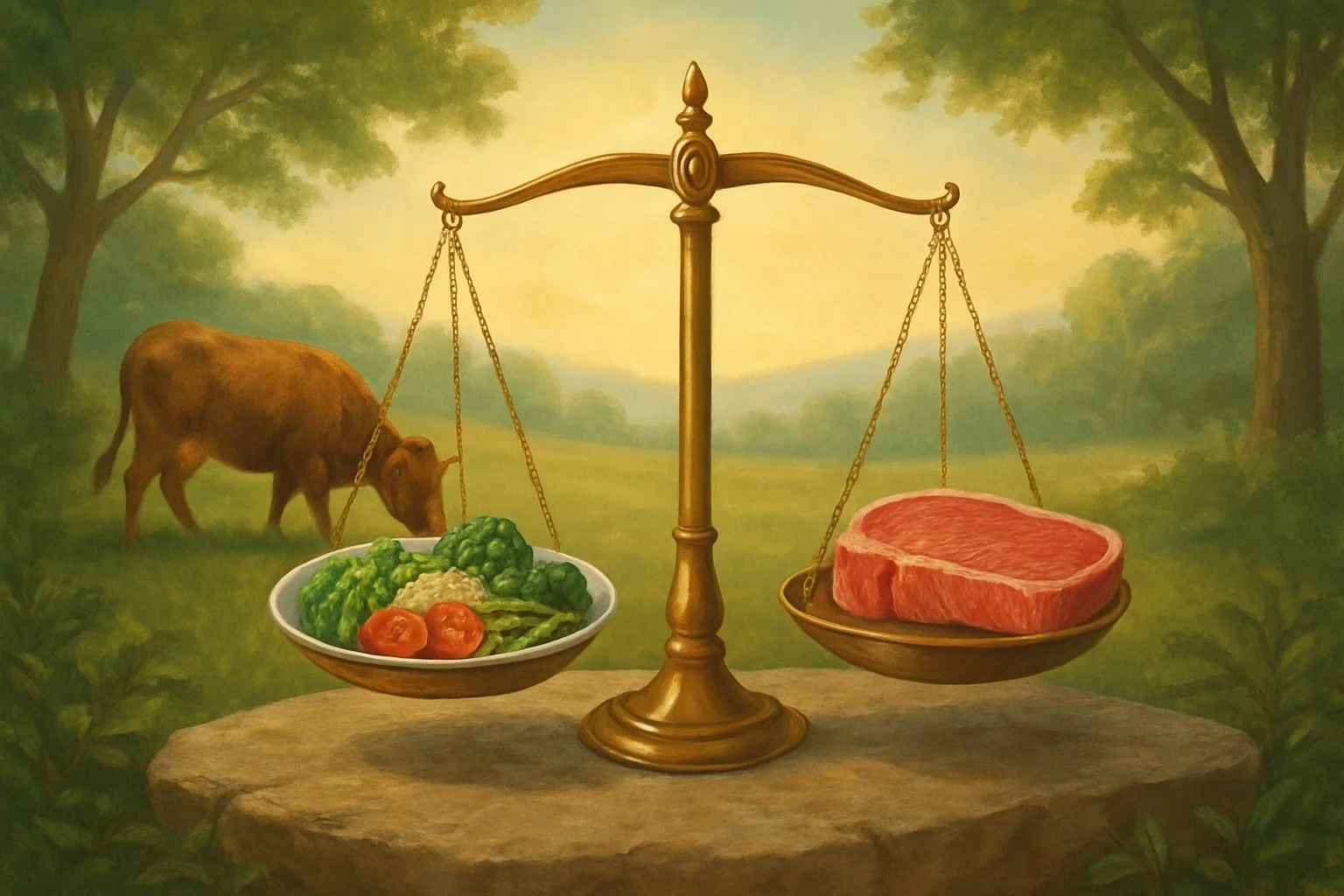
Debates between advocates of veganism and supporters of the carnivore diet have become a prominent feature of modern discussions about health, ethics, and food culture. Prominent vegan arguments often rest on the idea that avoiding animal products is a clear moral imperative, focusing on animal welfare, environmental concerns, and personal health. However, the carnivore community brings forth a range of counterarguments that challenge both the ethical and practical assumptions of vegan moralism.
The carnivore counterargument to vegan moralism centers on the view that animal-based diets can align with ethical, health, and ecological principles just as much as plant-based diets, questioning the universality of vegan claims. Supporters of the carnivore diet frequently argue that humanity’s omnivorous origins, the role of regenerative animal agriculture, and nutritional bioavailability are often overlooked in strict vegan moral frameworks.
This ongoing discussion is not just a matter of personal taste or health preferences; it also reflects deeper beliefs about how humans fit into the natural world and what responsibilities people hold toward other living beings. The exchange of these ideas continues to shape both public opinion and individual choices about what it means to eat ethically today.
Foundations of the Carnivore Counterargument
Carnivore arguments against vegan moral frameworks focus on contrasting ethical, biological, and historical standpoints. Examining these differences reveals the underlying logic that shapes each position, as well as the complexity of choices regarding animal consumption.
Understanding Vegan Moralism
Vegan moralism centers on the premise that animal rights deserve equal or significant consideration in human choices. This outlook often treats the use and consumption of animals as morally wrong, arguing that sentient creatures should not be subjected to harm for food.
Animal rights advocates commonly cite factory farming practices to illustrate suffering caused by meat consumption. Many vegans also point to the capacity for pain and sentience as reasons for regarding animal life as inviolable.
Moral language within vegan circles often emphasizes personal responsibility and systemic change. Terms like speciesism—discrimination based on species membership—underline the ethical case for avoiding animal-derived products.
Moral Frameworks and Dietary Choices
Moral frameworks—such as utilitarianism, deontology, and virtue ethics—shape the debate about what is ethical to eat. Vegans tend to argue from positions that prioritize minimizing harm or maximizing wellbeing for all sentient beings.
Carnivore proponents counter that individual dietary choice should respect a plurality of values, which may include nutritional adequacy, tradition, or human health. They may mention that moral judgments about food depend on cultural, biological, and situational factors.
Table: Key Contrasts in Moral Reasoning
Framework Veganism Focus Carnivore Focus Utilitarianism Minimize animal suffering Weigh both human and animal outcomes Tradition/Historicism Question past norms Value ancestral practices Personal Autonomy Advocate collective standards Emphasize dietary freedom
Origins of the Carnivore Perspective
The carnivore viewpoint has roots in human evolution and anthropology. Anatomical evidence and archaeological findings show that Homo sapiens and their ancestors have practiced omnivory for thousands of years.
Historical diets often included significant animal-based foods, supporting physical development and survival. Many adherents of carnivore diets highlight this ancestral precedent as part of a natural and adaptive human lifestyle.
Personal choice also plays a central role. Carnivore advocates frequently argue that human dietary needs are diverse and that ethical claims should accommodate individual biology and context, not enforce a universal rule. Some point to the absence of long-term carnivore populations but emphasize short-term health outcomes and subjective wellbeing when justifying their stance.
Critiquing Vegan Morality Claims
Carnivore advocates take issue with the moral certainty often portrayed by veganism. Critical questions arise about whether vegan morality can be universally applied and whether it fairly considers individual situations, intent, or the diverse practical needs of humans.
Questioning the Ethical Absolutism of Veganism
Some vegans assert that not harming animals is a moral absolute. Critics argue this stance is overly rigid, overlooking complexities in human society and biology. Not all cultures or individuals can access plant-based diets, and some have dietary needs that make animal products important for health.
Ethical absolutism treats all animal use as equally wrong, but critics see moral gradations. For example, traditional hunting differs from industrial animal agriculture in intention, impact, and necessity. Absolutist logic can ignore meaningful differences between these contexts.
Further, critics point out that plant agriculture itself causes animal deaths through habitat destruction and harvest. The principle of “do no harm” becomes less clear-cut when examining real-world food systems.
The Role of Intent and Context
Intent plays a central role in many ethical theories, but vegan arguments sometimes prioritize outcomes over motivation. Critics maintain that the distinction between intentional harm and unavoidable consequences should not be dismissed.
A person relying on animal products due to regional, health, or financial limitations cannot be easily equated with someone who eats animals out of preference alone. These differences in context question whether moral judgment should be uniform.
Key Factors Influencing Intent and Context:
Geographic location (such as Arctic regions)
Socioeconomic status
Health conditions and allergies
Cultural traditions
Ethical consideration of diet cannot ignore these personal and social realities.
Ethics Versus Practicality
While veganism is often based on ethical imperatives, practicality plays a significant role in dietary choices. Some critics argue that moral arguments must grapple with issues like food accessibility, cost, and nutritional adequacy.
For many humans, personal choice about diet is constrained by location, economic means, or medical limitations. Vegan options may not be available or realistic everywhere. Strict vegan moralism can appear insensitive to these barriers.
The line between ethical ideals and feasible action is not always clear. Recognizing these limitations may encourage a more compassionate and flexible approach to food ethics that respects both human and nonhuman interests.
Nutritional Arguments Against Vegan Exclusivity
Vegan diets often claim to offer a complete and ethical approach to nutrition, but exclusive avoidance of animal products may overlook key aspects of human biology and nutritional health. Animal-derived foods provide nutrients and bioactive compounds not easily replaced by plants, and strict plant-based diets can lead to avoidable deficiencies.
Human Evolution and Omnivorous Diets
Human evolution shows consistent patterns of omnivory. Archaeological and anthropological findings reveal that prehistoric diets included both plant and animal sources, often with a significant reliance on animal products such as meat, organs, and dairy when available.
Early humans adapted biochemical pathways for digesting animal protein and fat, while tools and hunting strategies reflect the importance of animal foods to nutrition and survival. Studies of modern hunter-gatherer populations indicate that animal products often supplied essential calories and nutrients like vitamin B12 and heme iron.
The structure of human teeth and length of the digestive tract also suggest adaptation to a varied omnivorous diet rather than exclusive plant consumption. This evolutionary context points to a physiological basis for including animal foods to support growth, immune function, and reproductive health.
Health Benefits of Animal Products
Animal products, including beef, fish, eggs, and dairy, are dense in nutrients required for optimal human health. For example, beef provides highly bioavailable heme iron and zinc, which are better absorbed than their plant-derived counterparts.
Dairy products supply concentrated sources of calcium, vitamin K2, and complete proteins. Eggs deliver choline and vitamin B12, which are vital for neurological health and cellular metabolism.
Further, animal-sourced foods offer all essential amino acids in optimal ratios, reducing the risk of protein deficiency in vulnerable groups such as children and the elderly. Some studies associate moderate consumption of unprocessed animal products with lower risk of some nutrient deficiencies and improved markers of muscle mass and bone density.
Nutrient Considerations in Plant-Based Diets
Exclusively plant-based diets have potential for nutritional shortfalls without careful planning or supplementation. Key nutrients of concern include:
Nutrient Animal Sources Plant-Based Challenges Vitamin B12 Red meat, dairy, eggs Largely absent in plants Iron Beef, liver Lower absorption (non-heme) Omega-3 fatty acids Oily fish, eggs Mostly ALA, conversion limits Calcium Dairy Absorption varies by source
Deficiencies or suboptimal intakes of vitamin B12, iron, and omega-3 fatty acids have been reported in individuals on strict vegan diets. Some fortified foods and supplements can address these gaps, but they may not fully replicate the bioavailability and complexity of nutrients found in animal products. Social and practical barriers can further complicate consistent, balanced nutrition on exclusively plant-based diets.
Addressing Animal Welfare Concerns
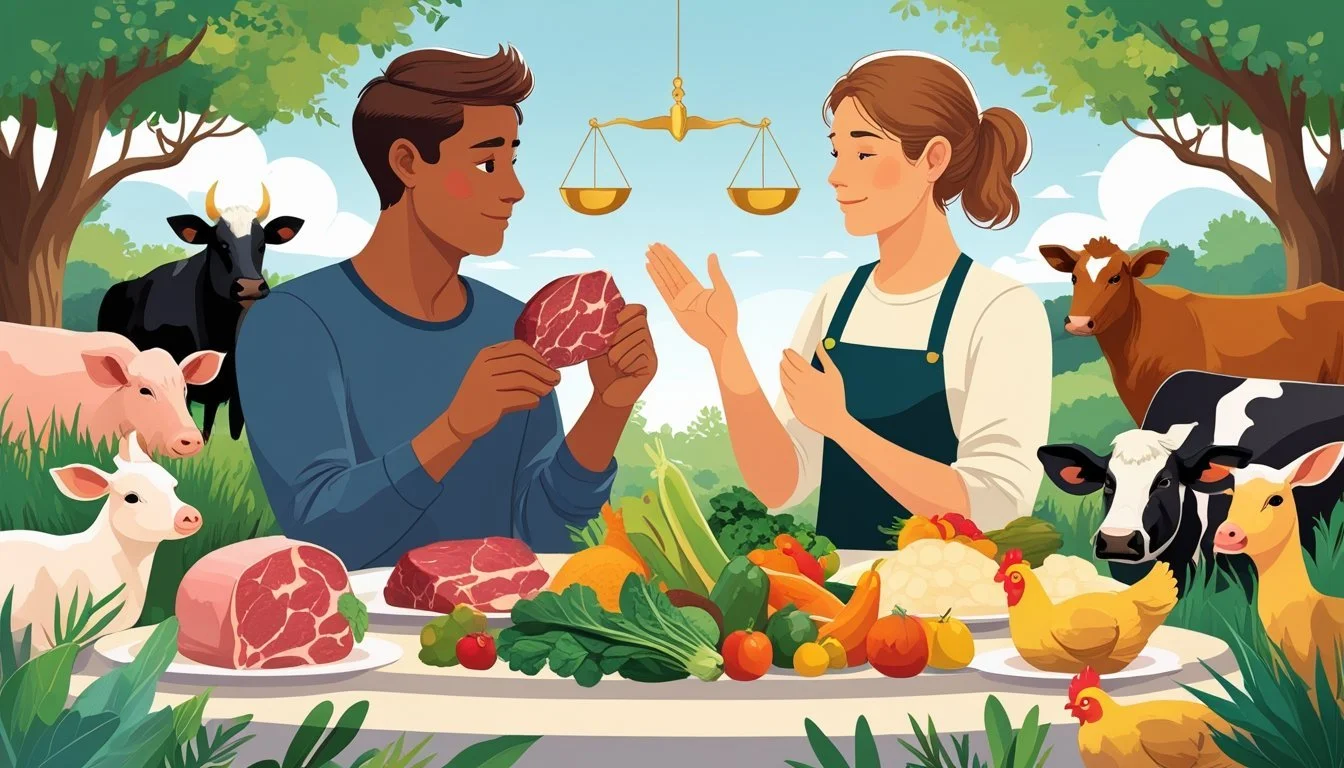
Animal welfare is a central issue in debates between advocates of animal agriculture and proponents of veganism. Specific controversies include treatment standards, slaughter practices, and the prevalence of intensive farming systems.
Evaluating Practices in Animal Agriculture
Animal agriculture in many regions is regulated by laws intended to prevent cruelty and promote basic welfare standards. Regulations often address access to clean water, adequate shelter, and dietary needs for sentient beings such as cattle, chickens, and pigs.
However, critics argue that industry standards do not always meet the ethical expectations of animal rights advocates. Some producers have adopted higher-welfare practices, including enriched living environments and no-antibiotics policies.
The treatment of animals also varies widely between small-scale farms and large operations. Table 1 highlights some common practices:
Farm Type Housing Diet Anti-cruelty Oversight Conventional Confined pens Mixed feeds Varies by region Organic Pasture access Plant-based/grain Third-party inspections Small/local Free range Forage/grain mix Local/state guidelines
Humane Slaughter and Animal Suffering
The concept of humane slaughter focuses on minimizing pain and distress during the killing process. Methods include stunning cattle or poultry before slaughter to render them insensible.
Despite legal requirements, failures in humane slaughter practices are documented. This results in varying degrees of animal suffering, which is a critical concern for animal rights organizations.
The beef industry, in particular, is scrutinized for both the conditions leading up to slaughter and compliance with welfare guidelines. Some advocates argue that true humane slaughter is unattainable due to the inherent interests of sentient beings.
Debating the Realities of Factory Farming
Factory farming is characterized by high stocking densities and industrial-scale operations. Critics highlight issues such as limited mobility, routine antibiotic use, and physical procedures (like tail docking or debeaking) which can cause animal suffering.
Proponents of animal agriculture argue that factory farming enables efficient food production and lower costs. They also point to regulatory improvements and emerging technologies designed to reduce animal cruelty.
Public awareness of factory farming has led to increased demand for transparency, certification labels, and alternative sources of meat, including plant-based beef substitutes or products from pasture-raised systems. The realities of factory farming remain at the center of the animal welfare debate.
Environmental Considerations in the Debate
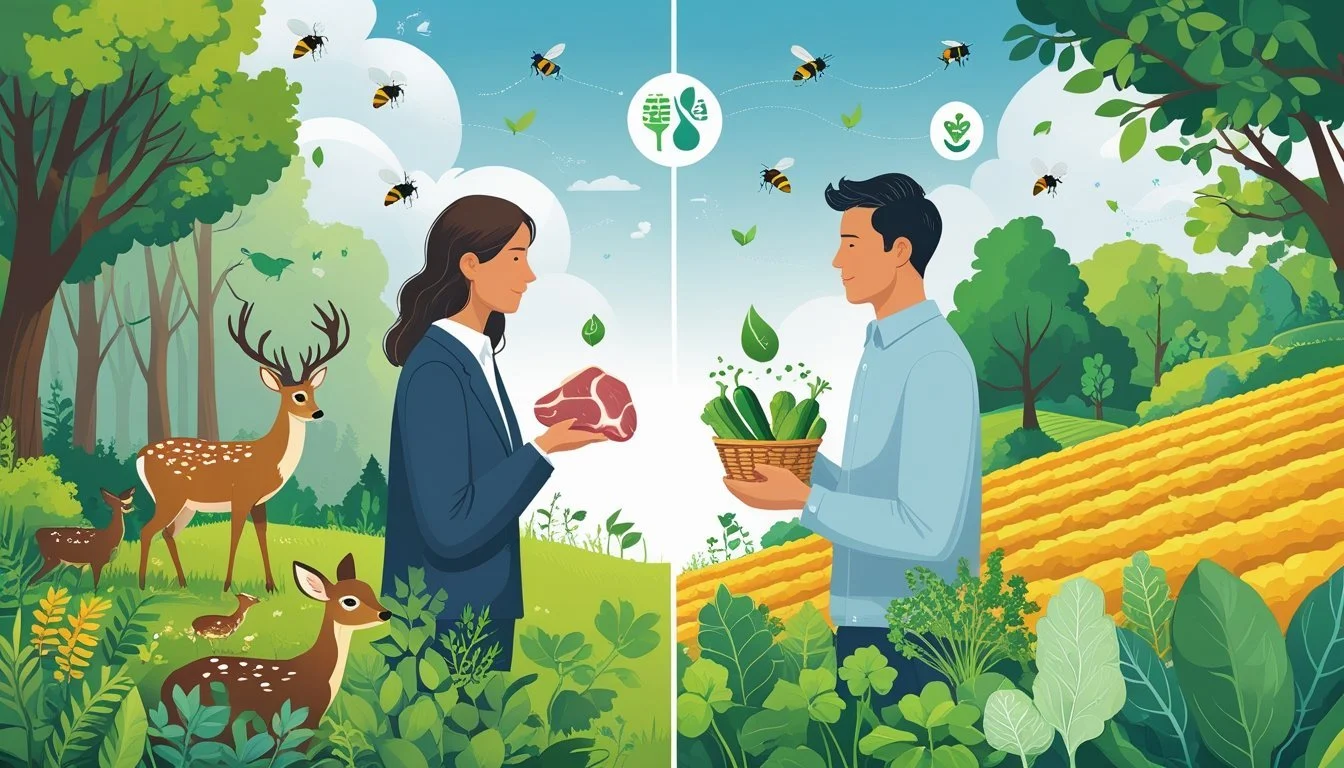
Discussions around diet and the environment often center on resource use and ecological impacts. The way land is managed and the causes of deforestation shape the environmental profiles of both animal and plant-based diets.
Land Use and Ecosystem Management
Land used for animal agriculture, especially for beef production, is considerably higher than plant-based alternatives. Grazing systems occupy large tracts of grasslands and savannas, much of which could serve as carbon sinks or wildlife habitats if spared from intensive use.
A common argument from supporters of carnivore diets is that well-managed grazing can help maintain certain ecosystems. Grazing livestock can, in some cases, foster grassland biodiversity and prevent shrub encroachment.
However, estimates show that raising beef requires significantly more land than producing plant foods. The table below highlights land use differences:
Product Land Required per kg (m²) Beef ~164 Dairy ~21 Pulses (Beans) ~7 Vegetables ~3
Changing dietary patterns away from beef and other animal products can free up land for rewilding, reforestation, or regenerative practices.
Deforestation and Its Drivers
Deforestation is closely tied to the expansion of farmland for animal agriculture, especially beef. In regions like the Amazon, a significant share of forest clearing is driven by pasture creation and, to a lesser extent, fodder crop production.
The lack of forest cover reduces biodiversity and releases substantial amounts of stored carbon. Animal products, particularly beef, thus have a disproportionately high impact on forest loss compared to most plant-based foods.
While some carnivore advocates contend that not all regions cleared for grazing could be used for crops, the scale of deforestation linked to beef production remains a significant environmental concern. Reducing demand for beef can help lower the pressure on forest ecosystems and contribute to efforts to curb climate change.
Survival, Culture, and Human History
Meat and animal products have played a major role in human societies for millennia. Historical and environmental factors have shaped these dietary patterns, making the picture complex and varied.
Meat Consumption Across Cultures
Anthropological data show that meat holds deep cultural importance in many societies. In ancient Rome, Greece, and Egypt, ritual and feast days often included animal sacrifice or communal meat eating. Inuits in the Arctic, for example, rely on marine mammals and fish because plant foods are scarce, illustrating direct environmental influence.
Some cultures developed traditions based on available resources. Table: Examples of Cultural Dietary Patterns
Culture Staple Animal Products Reason Maasai (Kenya) Beef, milk, blood Pastoral economy Mongolians Mutton, dairy Nomadic, cold Arctic Inuit Seal, fish, whale Arctic climate Indian Hindus Dairy, rarely meat (except some regions) Religious doctrine
Not all societies are built around heavy meat consumption. In some places, dairy provided an important source of protein and nutrients, supporting pastoral communities where crops would not thrive. Rituals, taboos, and religion have also shaped what is considered acceptable to eat.
Survival in Varied Environments
Humans have inhabited nearly every environment on Earth, often adapting their diets out of necessity. In cold or arid regions, survival often depended on hunting or herding animals for meat, milk, and fat, which provided essential calories.
During long winters or in deserts, plant food availability was limited or seasonal. Animal products became critical not only for calories, but also for nutrients like iron, B12, and omega-3 fatty acids, which are scarce in many local plants.
Communities without access to reliable plant crops developed technical skills such as fermentation or drying to store meat and dairy for lean times. The ability to utilize a wide range of animal products is evidence of dietary flexibility and adaptation in the face of survival challenges.
Personal Choice and Societal Dimensions
Moral debates about food often address individual rights and social expectations. The argument over veganism and carnivorism extends beyond diet to ethics, autonomy, and cultural norms.
Autonomy in Dietary Decisions
Personal choice in eating habits is shaped by culture, upbringing, health, and beliefs. Many argue that individuals have the right to decide what they consume without coercion or judgment from others. This perspective emphasizes respect for bodily autonomy, recognizing humans as distinct in their preferences and values.
A key point often raised is that dietary decisions are not solely moral. Factors such as allergies, health conditions, religious requirements, and economic access play significant roles. For some, veganism may not be practical or even possible. The insistence on a singular moral standard can overlook these personal and situational factors.
Table 1: Influences on Personal Dietary Choice
Factor Example Health Allergies, nutrient needs Culture/Religion Traditional foods, fasting, dietary laws Economy Food availability, cost of specialty items Ethics Animal rights, environmental impact
Philosophical Pluralism in Ethics
Moral frameworks regarding food are diverse. Some prioritize animal welfare, while others center environmental impact, human health, or cultural preservation. Ethical pluralism maintains that multiple, sometimes conflicting, ethical beliefs can coexist.
This pluralism recognizes that humans hold varied moral convictions. Theoretical approaches like utilitarianism, deontology, and virtue ethics each offer different guidance. Expecting consensus on food morality ignores philosophical differences and individual lived experiences.
Discussions about diet can risk moral absolutism, dismissing legitimate ethical views that support omnivorous or carnivorous diets. Acknowledging philosophical variety allows for civil engagement instead of moral condemnation, preserving space for dialogue and personal belief.

