
Indigenous Wisdom and the Meat-Based Diet
Traditional Practices and Modern Insights
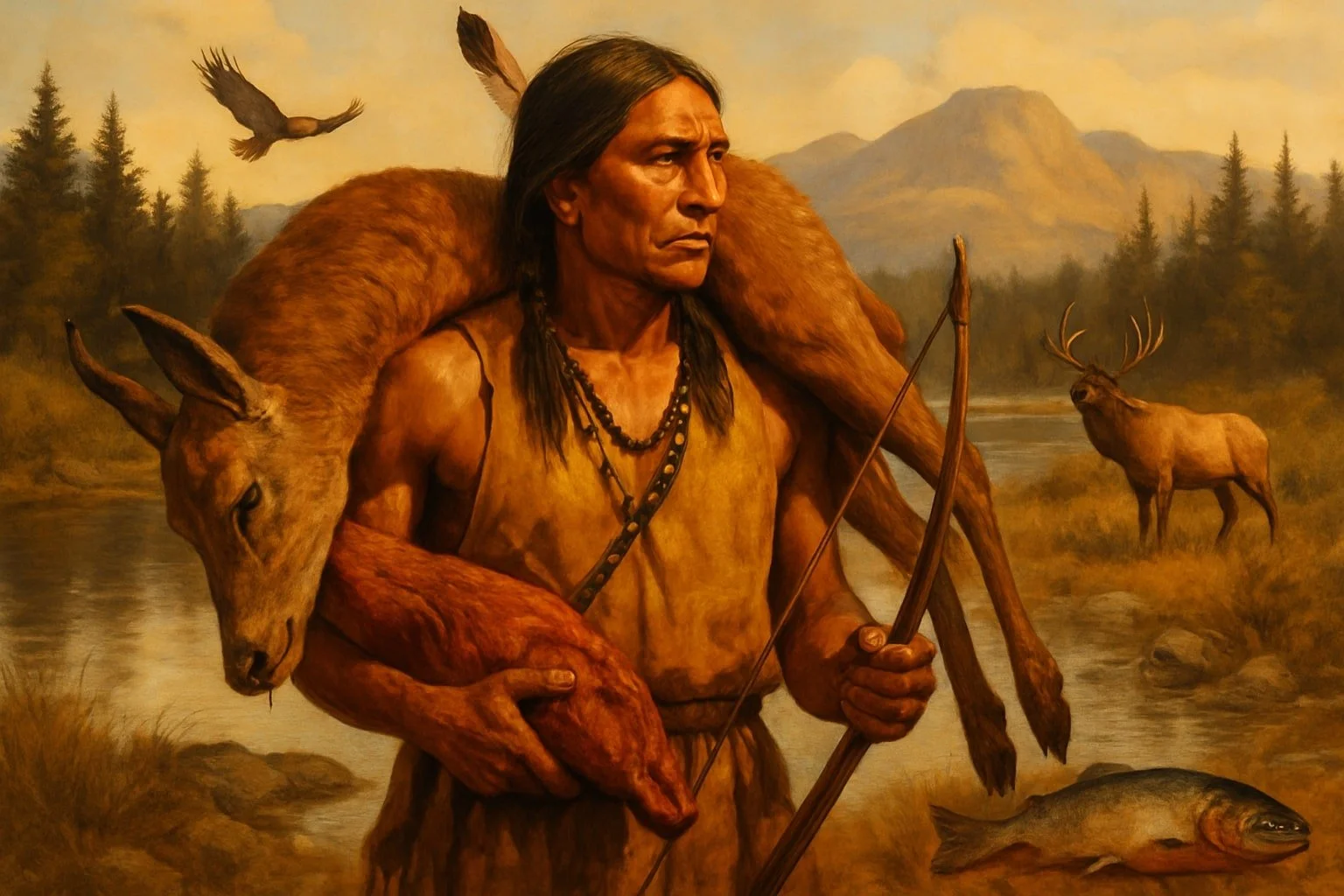
Indigenous cultures around the world have relied on meat-based diets for generations, guided by a deep understanding of their environments and the need for sustainable practices. Through careful observation of nature and respect for all living beings, Indigenous wisdom shapes dietary choices that support health, community, and ecological balance. This knowledge highlights how meat consumption, when approached responsibly, can be both culturally meaningful and sustainable.
Recent conversations about climate change and food systems often overlook the nuanced traditions of Indigenous peoples, who have long balanced animal harvest with preservation of resources. Their approach to eating meat isn't simply about diet, but is rooted in knowledge passed down over centuries, connecting food, land, and spirituality. These perspectives provide valuable lessons for anyone interested in thoughtful and sustainable food choices.
By examining Indigenous wisdom, one can see that the relationship to meat is more complex than modern debates suggest. Their practices offer insights that challenge common assumptions and encourage a broader understanding of what it means to eat in harmony with the land.
Foundations of Indigenous Wisdom and Meat-Based Diets
Indigenous knowledge embodies a long history of environmental adaptation and resource use. Traditional meat-based diets are deeply connected to land, culture, and sustainable living practices.
Historical Context of Ancestral Indigenous Diet
Indigenous peoples across North America, such as the Inuit, Plains tribes, and Cree, developed diets shaped by available resources and local ecology. These diets often centered around hunting, fishing, and gathering, with large mammals, fish, and birds serving as primary protein sources.
Seasonal movement patterns and community cooperation ensured efficient use of animal resources. Methods like drying, smoking, and fermenting helped preserve meat and reduce waste during scarce periods.
The ancestral indigenous diet also included wild plants, roots, and berries, but animal foods provided essential fats, proteins, and micronutrients that supported survival in diverse climates. Knowledge of animal behavior, migration, and ethical harvesting was passed through oral tradition and lived experience.
Indigenous Food Systems
Indigenous food systems rely on interconnected relationships between land, animals, and people. Sustainability is maintained through ethical hunting practices, respect for wildlife populations, and regulated harvests based on necessity rather than surplus.
Key features of these systems include communal hunts and shared distribution of meat, which foster social unity and food security. Traditional food systems also prioritize habitat conservation, as seen in controlled burns or rotational hunting to maintain ecosystem balance.
Native Americans, such as the Anishinaabeg and Métis, continue to view these systems as crucial for cultural survival. Modern challenges include land loss and government regulations, but many Indigenous groups actively protect and revitalize their traditional foodways.
Cultural Significance of Meat Consumption
Meat holds symbolic and practical importance for Indigenous peoples. Beyond nutrition, it plays a vital role in ceremonies, communal gatherings, and spiritual practices.
Animals hunted or fished are honored through rituals that express gratitude and respect. Specific practices, such as offering tobacco or sharing the first catch, reflect a reciprocal relationship with nature and reinforce cultural identity.
Elders teach the younger generation about the ethical use of animal resources. By integrating story, song, and ceremony, the act of consuming meat is closely tied to heritage, stewardship, and intergenerational knowledge.
Traditional and Contemporary Indigenous Foods
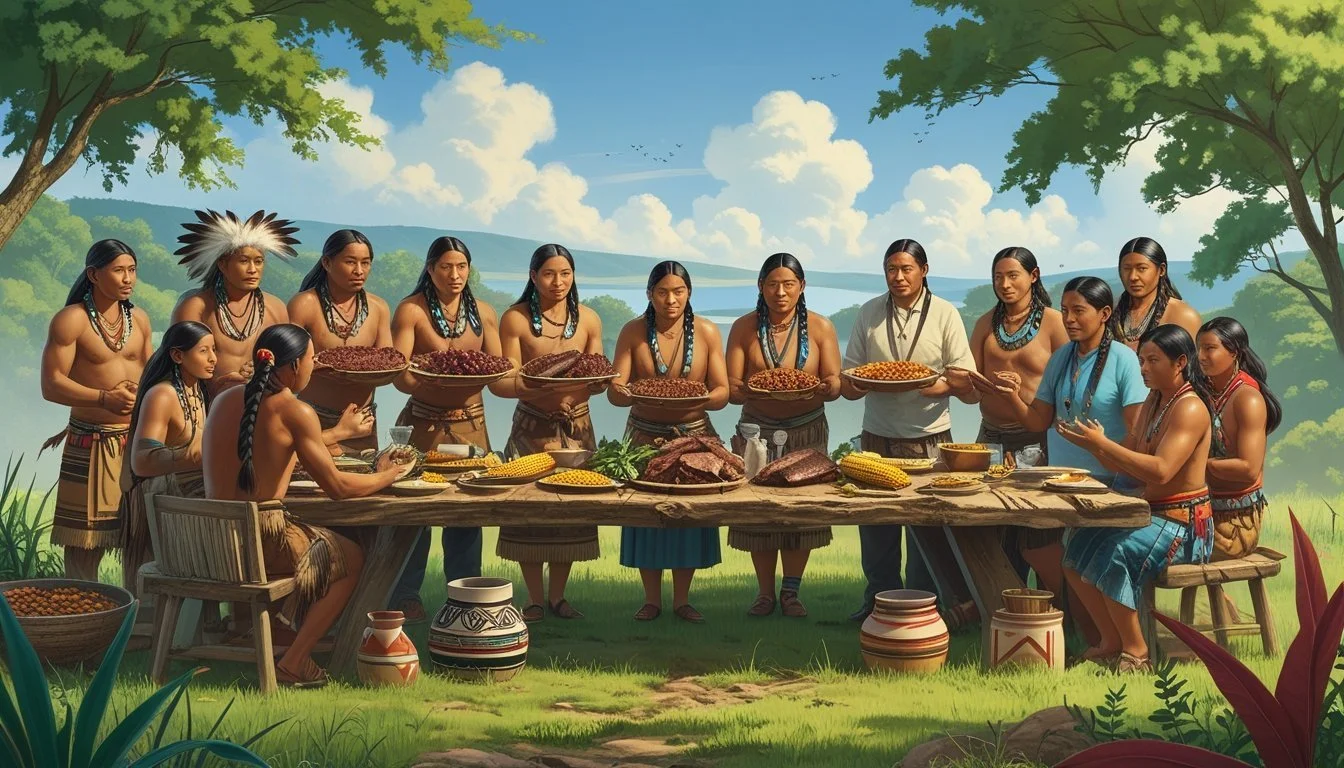
Indigenous culinary traditions emphasize the importance of sustainably sourced, nutrient-dense whole foods such as buffalo, wild game, and fish. These foods are not only central to day-to-day sustenance but are also deeply woven into community culture and identity.
Buffalo and Its Central Role
The buffalo has long held immense significance in many Indigenous communities, especially among Plains nations. It is valued not only for its meat but also for the use of nearly every part of the animal, from hides to bones. The meat itself is lean, high in protein, and rich in essential micronutrients.
Buffalo hunts required communal effort and reinforced social bonds. Traditional diets incorporated buffalo as a staple protein, supporting health with low-fat meat and contributing to cultural ceremonies. To this day, buffalo remains a symbol of resilience and abundance.
Wild-Caught Fish and Game
Wild-caught fish—such as salmon, trout, and whitefish—form a vital part of Indigenous diets across North America. These fish are often harvested using sustainable practices passed down through generations. Game animals like deer, elk, and rabbit offer lean, natural protein and are sourced from healthy ecosystems.
These practices ensure the continuation of local food systems that are less reliant on industrial agriculture. Indigenous communities maintain special methods of smoke-drying and curing fish and meat to preserve nutrition and flavor. These traditions highlight the value of respecting natural cycles and resources.
Grass-Fed Beef and Pasture-Based Systems
Some Indigenous groups now incorporate grass-fed beef and other pasture-raised meats into their diets, blending tradition with contemporary needs. This shift often prioritizes sustainable ranching practices modeled after historic bison grazing patterns. Grass-fed meats offer similar nutritional profiles to traditional game, being higher in beneficial fatty acids and lower in saturated fat.
Pasture-based systems favor animal welfare and ecological balance. They support the health of the soil, water, and wider food web. This approach aligns with Indigenous values of stewardship and holistic land management, maintaining a close connection to original dietary patterns.
Preparation of Traditional Foods
Indigenous food preparation highlights both practicality and care, using methods designed to maximize nutrients and prevent waste. Techniques such as roasting over open fires, pit cooking, smoking, and drying are common for meats and fish. These methods help preserve foods for extended periods.
Traditional meals often combine meat with local plant foods, such as wild berries, roots, and corn, creating well-rounded, nutrient-rich dishes. Preservation methods, like drying and salting, allow for year-round access to important food sources. Preparing food is a communal activity, reinforcing cultural knowledge and shared responsibility.
Nutritional Value and Health Implications
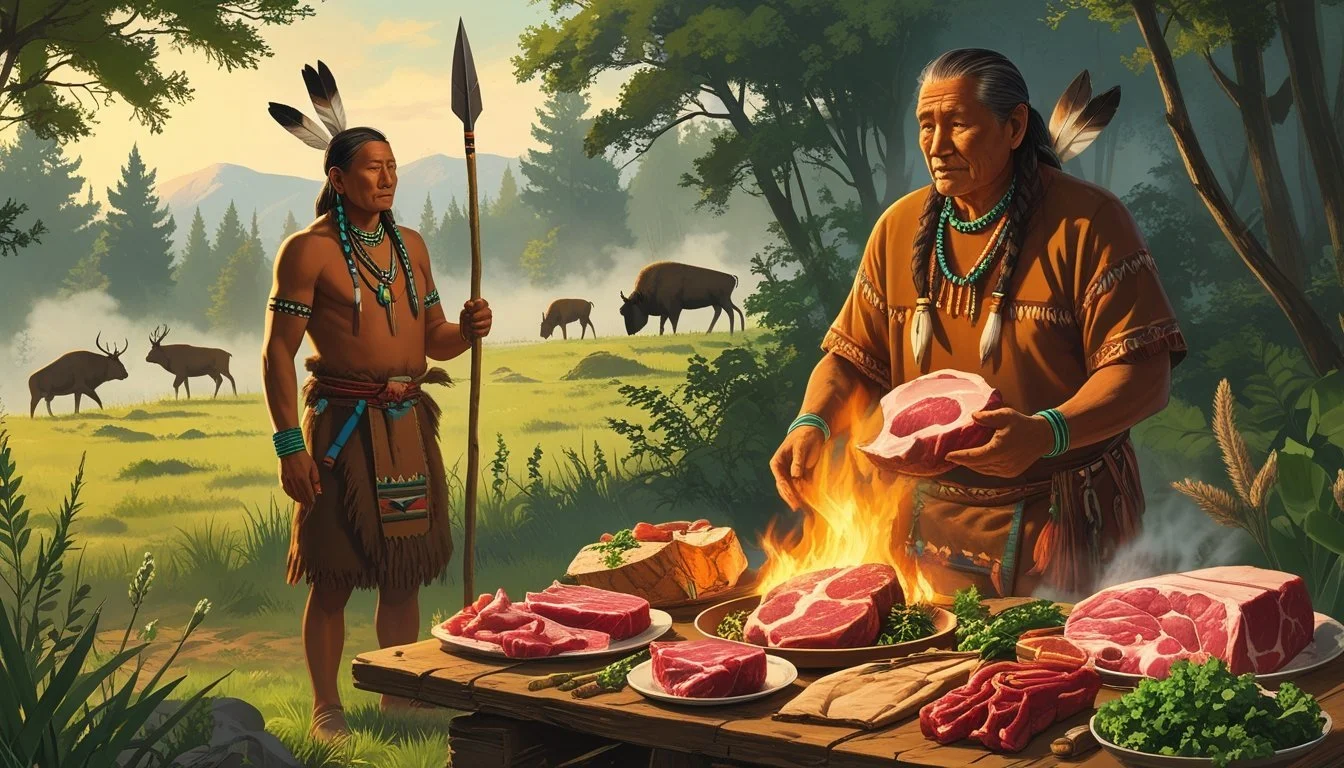
A meat-based diet, rooted in Indigenous traditions, supplies concentrated sources of essential nutrients that support physical health. Such diets have influences on both longevity and disease prevention as reflected in the historical well-being of many Indigenous populations.
Essential Nutrients in Meat-Based Diets
Meat provides complete proteins containing all essential amino acids needed for body repair and growth. It is also a major source of bioavailable iron, zinc, and vitamin B12, which are less prevalent in plant-based foods.
Iron from meat (heme iron) is more efficiently absorbed than non-heme iron from plants. This reduces the risk of iron deficiency anemia, especially in populations with high physical demands.
Traditional Indigenous diets often included organ meats, which offer high concentrations of vitamins A and D. Fatty fish and wild game deliver healthy omega-3 fatty acids critical for maintaining brain and heart health.
Key nutrients supplied by meat:
Nutrient Function Food Sources Iron Oxygen transport Red meat, organ meats Zinc Immune function Beef, game meats B12 Nerve function, DNA synthesis All animal meats Omega-3 Heart, brain health Fish, wild game Vitamin A Vision, immunity Liver
Health Benefits for Longevity
Historically, many Indigenous groups eating traditional meat-heavy diets experienced overall good health and robust longevity. Such diets were nutrient-dense but balanced by high physical activity and seasonal food variety.
Meat-based diets provide amino acids and micronutrients that help maintain muscle mass, bone density, and metabolic health with age. The steady supply of high-quality protein is especially important for older adults to prevent frailty.
When consumed as part of a holistic food system, including wild or pasture-raised meats, such diets show low prevalence of malnutrition and can support healthy aging. However, overall lifestyle and activity were also contributing factors in observed longevity.
Prevention of Chronic Disease
Growing evidence shows that meat-based diets, especially those emphasizing wild or minimally processed meats, do not automatically increase risk for chronic diseases such as diabetes and heart disease when part of a traditional food system.
Wild fish and game meats, central in many Indigenous diets, are lower in saturated fats and higher in omega-3s than commercially raised meats. This nutrient profile helps manage inflammation, blood lipids, and other markers linked to cardiovascular risk.
Rates of diabetes, obesity, and related conditions rose among some Indigenous populations primarily after shifts to heavily processed modern foods and loss of traditional practices. A return to ancestral dietary patterns, including a focus on natural meat sources, has shown positive impacts on metabolic health in some studies.
Food Sovereignty and Access in Indigenous Communities
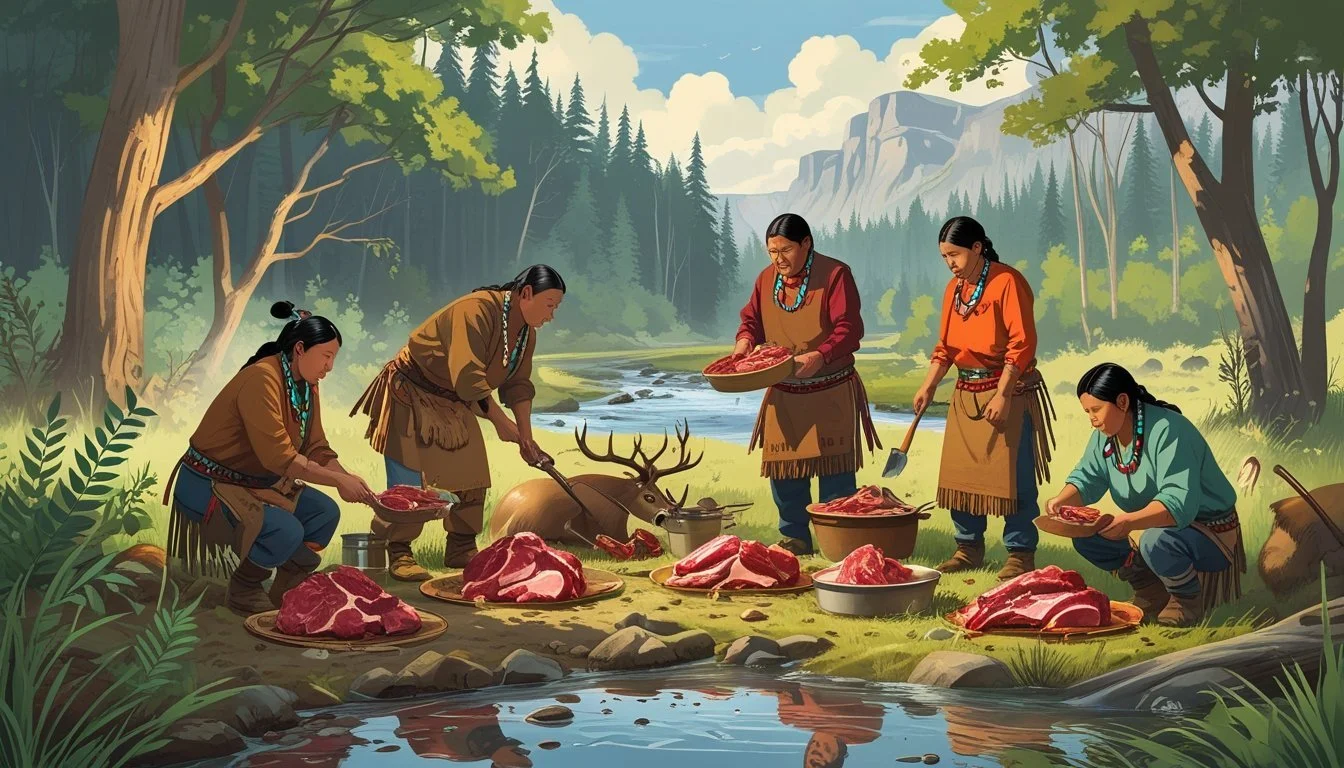
Indigenous peoples’ ability to maintain traditional meat-based diets depends on their control over local food systems and reliable access to ancestral lands and resources. Food sovereignty shapes cultural, health, and environmental outcomes for many Indigenous communities today.
Indigenous Food Sovereignty
Indigenous food sovereignty emphasizes the right of Indigenous peoples to control their own food systems, grounded in traditional knowledge and cultural practices. This concept is rooted in local governance over lands, waters, and species relevant to local diets, including hunting and fishing.
The following key principles define Indigenous food sovereignty:
Sacred relationship with food and nature
Self-determination in food practices
Protection of traditional knowledge
Community participation in decisions
Indigenous food sovereignty supports the continuation of hunting, fishing, and other subsistence activities, ensuring that meat-based diets remain a sustainable part of food culture and identity.
Challenges of Food Access and Food Insecurity
Food access within Indigenous communities is frequently limited by geographical isolation, lack of infrastructure, and environmental change. These challenges increase rates of food insecurity and limit access to traditional, nutrient-rich foods such as game meats and fish.
Many Indigenous people must rely on imported, processed foods due to reduced access to traditional foods. This can impact dietary health, especially when healthy alternatives are unavailable or unaffordable.
Key issues affecting food access:
Distance from markets and traditional territories
High cost of store-bought foods
Erosion of knowledge and skills related to harvesting and preparing traditional foods
Impacts of Colonization on Traditional Diets
Colonization dramatically altered Indigenous food systems by restricting access to land, imposing new legal frameworks, and encouraging dependence on government-provided foods. Loss of land severely limited hunting, fishing, and gathering activities, directly impacting the availability of customary meat sources.
Colonial policies such as residential schools and forced relocations disrupted the transmission of food knowledge between generations. Many communities experienced a shift from diverse, nutrient-rich diets to processed, calorie-dense foods, contributing to modern health challenges.
Historical trauma and a legacy of resource dispossession continue to shape dietary patterns and food security among Indigenous peoples in many regions.
Sustainable Methods and Environmental Impact

Indigenous approaches to meat-based diets offer insights on balancing food animal production with environmental stewardship. These methods often emphasize ecological harmony, minimize ecological disruption, and support community well-being.
Holistically Managed Livestock
Holistically managed livestock systems are rooted in traditional practices that see animals as part of the ecosystem rather than mere resources. Indigenous communities frequently rotate herds, mimic natural grazing patterns, and maintain smaller herd sizes.
These methods help preserve soil health by preventing overgrazing and boosting organic matter. Local water cycles often improve as plant cover is maintained, reducing erosion and increasing resilience to drought.
Such practices can also encourage biodiversity, as grazed lands support a mix of species. Unlike industrial scale animal agriculture, holistic management reduces reliance on fossil fuels and synthetic inputs. This leads to lower environmental impacts per animal and healthier landscapes.
Pasture-Based and Sustainable Practices
Pasture-based systems, long used by Indigenous peoples, provide a foundation for sustainable food animal production. In these environments, livestock graze on perennial grasses rather than confined feedlots, minimizing soil degradation.
Key Features of Pasture-Based Systems:
Low input use (fertilizers, pesticides)
Continuous ground cover
Rotational grazing
Integration with local plant species
Such systems typically use less water and energy compared to conventional operations. They help maintain ecosystem functions and are more adaptable to local environmental conditions.
Indigenous pasture management often involves traditional ecological knowledge, which guides animal movement and preserves both the land and the animals. This approach supports food sovereignty and sustains local communities.
Climate Change and Greenhouse Gas Emissions
Animal agriculture is a notable source of greenhouse gas emissions, especially methane and nitrous oxide. Industrial livestock systems amplify these emissions due to large herd sizes, feed production, and confined operations.
Indigenous and sustainable approaches can lower emissions by maintaining smaller herds and favoring pasture-based diets. Methane output is generally reduced when animals graze on diverse native grasses rather than processed feeds.
Holistically managed and pasture-based systems improve carbon sequestration in soils and vegetation. This process removes carbon dioxide from the atmosphere and mitigates some impacts of animal agriculture on global climate change.
Attention to landscape-scale health, rather than production maximization, further reduces overall environmental burden and aligns closely with ecological sustainability principles.
Modern Interpretations: Carnivore and Meat-Based Diets
Modern meat-based diets, such as the carnivore diet, are often inspired by the eating patterns of Indigenous peoples yet differ significantly in context, composition, and health outcomes. These diets have sparked debate among nutritionists and researchers regarding their effects on chronic conditions such as heart disease, diabetes, and gut health.
Differences From Indigenous Diet Patterns
Modern meat-based diets typically emphasize exclusive or near-exclusive consumption of animal products with minimal to no plant-derived foods. By contrast, many traditional Indigenous diets, though rich in animal sources, also included a variety of seasonal plant foods, tubers, berries, and even wild grains.
Traditional meat-eating practices often relied on full-animal utilization, incorporating organ meats, bones, and connective tissue. These parts provide different nutrients than muscle meat alone.
Additionally, Indigenous dietary habits were tied to food harvesting cycles, physical activity, and community practices, which contrasts with today's convenience-driven food systems. This distinction is crucial because the physiological and cultural frameworks are not the same.
Nutritional Controversies and Chronic Conditions
The carnivore diet's impact on chronic conditions remains controversial. Short-term studies and anecdotal reports suggest possible improvements in symptoms of autoimmune conditions and metabolic markers for some individuals. However, data also indicate potential risks such as increased cholesterol levels, as highlighted in recent studies that show median serum cholesterol values exceeding 250 mg/dL in modern carnivore eaters.
Critics argue that nutrient deficiencies may arise, particularly in vitamins C, E, and certain phytonutrients found in plants. The absence of dietary fiber in strict meat-based diets also raises concerns about gut health and microbiome diversity.
Researchers further caution against generalizing findings from Indigenous populations—who may have developed specific adaptations—to modern individuals following carnivore or meat-heavy regimens.
Revival of Meat-Based Eating Practices
Interest in meat-based and carnivore diets has grown due to social media advocacy, anecdotal reports, and a desire to revisit ancestral eating patterns. Proponents highlight perceived benefits such as improved satiety, focus, and reduced food sensitivities.
Cultural movements also emphasize respect for traditional methods: nose-to-tail eating, sourcing from regenerative or sustainable systems, and acknowledgment of the environmental and ethical complexities of meat production.
Some health practitioners recommend reintroducing elements from traditional diets, such as organ meats and minimally processed foods, rather than exclusively adopting a strict carnivore template. This balanced approach aims to harness potential benefits while mitigating modern health risks associated with dietary extremes.
Future Directions and Preservation of Indigenous Dietary Wisdom
Preserving Indigenous food systems is critical for cultural survival, health, and biodiversity. Emphasizing Indigenous leadership and knowledge helps address both dietary challenges and environmental changes.
Protecting Indigenous Food Traditions
Indigenous culinary traditions contain dietary practices developed over thousands of years. Safeguarding these practices prevents the loss of vital nutrition and unique food preparation knowledge. The pressures of modern food systems, including processed foods and the erosion of local lands, pose threats to traditional meat-based diets and related wisdom.
Table: Challenges to Indigenous Food Traditions
Challenge Example Land loss Reduction in traditional hunting areas Commercial food replacement Introduction of processed meats Cultural assimilation Loss of language around food practices
Community education and documentation, such as oral histories or recipe preservation, support the transmission of indigenous wisdom to future generations.
Role of Indigenous Leadership in Food Systems
Indigenous leaders play a central role in maintaining food sovereignty and autonomy. They guide communities to adapt practices amid environmental or political pressures. Leadership structures often include elders who carry specialized knowledge about animal sourcing, ethical harvesting, and meat preservation.
Involving youth in food-related decision-making is another priority. Mentorship from elders to young people ensures the continuity of traditional skills and values. Community-driven initiatives often focus on restoring native species, conducting nutrition workshops, and advocating for policy changes to protect traditional hunting rights.
Integrating Indigenous Approaches Into Modern Nutrition
Modern nutrition science increasingly recognizes the value of Indigenous dietary wisdom. Traditional meat-based diets, when balanced with local plants and prepared using cultural methods, often provide vital micro- and macronutrients. Integrating these insights can inform public health strategies, leading to improved nutrition in both Indigenous and non-Indigenous communities.
Collaboration between nutrition professionals and Indigenous knowledge holders can result in evidence-based dietary guidelines that respect cultural context. Efforts to assess the nutrient value of traditional foods and understand their health impacts contribute to broader nutrition science.
Maintaining respect for intellectual property and ensuring Indigenous control over their knowledge is essential during these collaborations. This approach helps ensure that Indigenous wisdom is represented accurately and benefits the communities who originated it.

