
Carnivore and the Rise of Personalized Nutrition
How Tailored Diets Are Shaping Health Trends
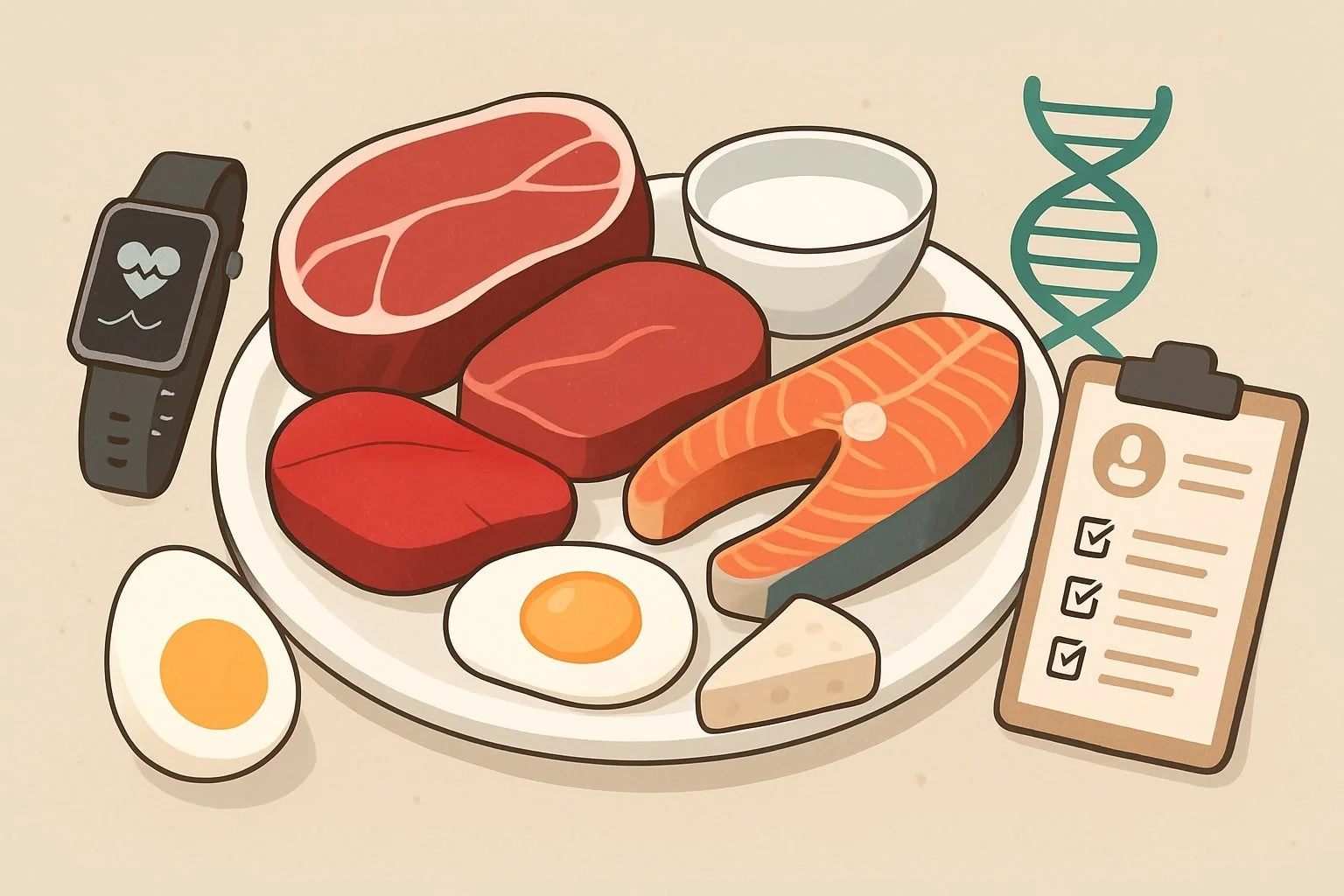
The carnivore diet’s recent popularity reflects a broader shift toward personalized nutrition, with individuals seeking diets that match their unique health profiles and preferences. As more people look for solutions tailored to their own metabolic responses, restrictive eating patterns like the carnivore diet have attracted attention despite limited scientific support.
This interest has been driven by anecdotal health claims, social media communities, and a growing range of carnivore-oriented products. Technology, such as diet-tracking apps and online forums, continues to make it easier for people to connect over shared dietary approaches.
While established nutrition science still questions the health benefits and safety of all-meat diets, the trend highlights how personalized nutrition is reshaping discussions about what it means to eat for individual well-being.
Understanding the Carnivore Diet
The carnivore diet centers on consuming only animal-based foods, excluding plants, grains, and most other food groups. Interest in this approach has grown due to the desire for tailored nutrition and simplicity in meal planning.
Core Principles
The main idea of the carnivore diet is exclusivity: eat only foods from animal sources. No fruits, vegetables, grains, or legumes are included. Adherents focus on beef, lamb, pork, poultry, fish, eggs, and some animal fats like butter.
This strict approach results in an extremely low—or zero—carbohydrate intake. Many believe that removing plant foods may reduce digestive symptoms, support weight management, and simplify dietary choices.
The carnivore diet is much more restrictive than paleo, ketogenic, or traditional low-carb diets. Unlike those approaches, even trace amounts of carbohydrates from plant foods are avoided. Some proponents allow small amounts of spices or minimal dairy, but classic carnivore regimens keep the menu limited to meat, seafood, eggs, and animal fats.
Animal-Based Diets vs. Plant-Based Diets
Animal-based diets like carnivore sharply contrast with vegan or vegetarian diets, which exclude meat, fish, and often all animal products. While vegan diets prioritize plant foods for ethical, environmental, or health reasons, the carnivore diet emphasizes proteins and fats from animal sources, excluding all plant matter.
Nutrient intake patterns vary greatly between these approaches. Carnivore diets provide abundant heme iron, vitamin B12, and fatty acids like omega-3s from seafood, but can be low in vitamin C and fiber. In contrast, plant-based diets often contain more antioxidants, complex carbohydrates, and phytonutrients, but may require careful planning to avoid deficiencies in B12 and some minerals.
Discussions about the health impacts of each approach continue among researchers. The carnivore diet is considered more experimental and less widely studied than plant-based diets, which have more evidence regarding long-term health outcomes.
Common Foods Included
Typical foods eaten on a carnivore diet include:
Food Group Examples Red Meat Beef, lamb, pork Poultry Chicken, turkey, duck Seafood Fish, shellfish Eggs Chicken eggs, duck eggs Animal Fats Butter, beef tallow
Beef is often the staple due to its availability and nutrient density. Fish and seafood provide essential omega-3 fatty acids. Eggs are valued for their convenience and nutrition.
Most versions exclude plant foods, even fruits, but some allow limited dairy or organ meats for variety and micronutrient support. Butter and other animal fats are often used for cooking or to increase dietary fat intake. Unlike other restrictive or exclusionary diets, fruit, grains, and all plant products are typically off the menu.
Rise of Personalized Nutrition
Personalized nutrition offers tailored recommendations based on unique genetic, biological, and lifestyle factors. As research advances and social media amplifies discussion, more people are seeking individualized options rather than standard dietary advice.
Defining Personalized Nutrition
Personalized nutrition refers to dietary guidance that takes into account a person’s specific genetic profile, health markers, preferences, and lifestyle. This approach uses data from biomarkers, DNA analysis, and sometimes microbiome studies to fine-tune recommendations.
Unlike broad dietary guidelines, personalized nutrition seeks to address individual needs and differences. For example, it can help identify which foods may trigger sensitivities or which nutrient deficiencies need correcting.
The field draws on recent science in nutrigenomics and nutritional biochemistry. Companies now offer at-home testing kits and detailed reports, making the science behind personalization more accessible than before.
The Shift Toward Individualized Eating
The concept of "one size fits all" diets is losing popularity as more evidence shows people respond to food in varied ways. Studies have found significant differences in how individuals process nutrients, absorb vitamins, and experience blood sugar changes.
Increasing rates of diet-related illnesses, along with the influence of social platforms like TikTok, fuel interest in custom plans. Users share stories about low-carb diets like carnivore or plant-based approaches, highlighting different outcomes.
Professionals and researchers emphasize the value of individualized eating in addressing conditions like obesity or metabolic disorders. Individualization allows nutrition strategies to be more closely linked to health goals and personal preferences.
The Role of Technology and Social Media
Technology is central to the rise of personalized nutrition. AI and data analytics can synthesize genetic information, health metrics, and real-time biomarker data to create precise dietary plans.
Wearables, apps, and home testing tools make it easy for users to track progress and adjust their diets. Some platforms even send notifications or reminders about meal choices based on current metrics.
Social media accelerates the trend. On TikTok and similar platforms, nutrition trends spread quickly and individuals showcase personal journeys, which influence consumer interest and awareness. Research posted or discussed online can also spark curiosity and drive demand for personalized solutions.
The Science Behind Carnivore and Personalization
Scientific research on the carnivore diet highlights differences in how individuals respond metabolically, emphasizes the nutrient density of animal-based foods, and compares these findings with plant-based and tailored diets. Understanding these distinctions helps clarify the need for personalization in dietary strategies.
Metabolic Response Variability
Metabolic responses to the carnivore diet are highly individualized. Studies, such as those published in Frontiers in Nutrition (Bondonno et al., 2021), report that some participants experience improved blood sugar levels, cholesterol profiles, and significant weight loss over a six-month period.
However, not all individuals experience the same benefits. Factors like genetics, underlying health conditions, and previous dietary habits can impact outcomes. Recent research stresses that personalization—adjusting protein and fat ratios or including organ meats—can help address these differences.
Some people report initial side effects, including constipation and changes in digestion. Professional guidance and gradual adaptation may help mitigate these issues while maximizing potential metabolic improvements.
Essential Nutrients in Animal Foods
Animal-based diets are rich in vital nutrients such as vitamin B12, heme iron, zinc, omega-3 fatty acids, and bioavailable protein. Unlike diets that exclude animal products (like vegan diets), the carnivore approach provides nutrients often more readily absorbed by the body.
Organ meats, seafood, and eggs further enhance the nutrient profile. For example, liver offers high levels of vitamin A and folate, while shellfish supply iodine and selenium. Including a variety of animal foods can minimize nutritional gaps and support long-term health.
The table highlights some key nutrients commonly found in animal-based diets:
Food Type Key Nutrients Muscle meats Protein, B12, iron, zinc Organ meats Vitamin A, folate Seafood Omega-3s, iodine, selenium Eggs Choline, vitamin D
Comparisons With Other Diets
When evaluated against plant-based or highly personalized genetic-driven diets, the carnivore diet stands out for its relatively simple food choices but requires careful attention to potential nutrient imbalances. Vegan diets, for instance, often need supplementation for nutrients like B12 or iron that are found abundantly in animal foods.
Personalized nutrition uses an individual’s genetic, biochemical, and lifestyle data to tailor dietary recommendations. This can optimize both plant-based and animal-based diets by targeting specific nutrient needs.
While the carnivore diet is not inherently tailored, research increasingly points to the value of adjusting the approach based on the individual’s health status and feedback from regular monitoring, aligning with the broader movement toward personalization in nutrition.
Health Impacts of Going Carnivore
Eating an all-meat diet has direct effects on digestion, blood pressure, and metabolic conditions like diabetes. Some people report improvements in specific symptoms, while others may face new health challenges.
Gut Health Considerations
A strict carnivore diet eliminates nearly all plant fiber, which can significantly impact gut function. The absence of fiber increases the risk of constipation for some individuals, as fiber is known to promote softer stools and regular bowel movements. A lack of diverse food sources may also reduce microbiome diversity, potentially affecting long-term digestive and immune function.
Some individuals report improved skin conditions, such as eczema, which may be linked to removing potential triggers found in certain plants or grains. However, research is limited on whether these benefits are widespread. Common digestive issues reported include both constipation and occasional diarrhea, especially during the initial adaptation phase.
It is important to note that reduced fiber intake may alter gut microbiota in unpredictable ways. These changes could have implications for colorectal health and inflammation, though robust evidence in humans remains limited.
Blood Pressure and Hypertension
The carnivore diet generally excludes processed foods and added sugars, both of which are associated with higher blood pressure. Some people see a reduction in blood pressure after adopting a carnivore diet, likely due to decreased sodium and carbohydrate intake, alongside potential weight loss.
However, high meat consumption can increase saturated fat and cholesterol intake, which may affect cardiovascular health markers in certain individuals. According to medical perspectives, about 30% of individuals on high-meat diets may see an increase in LDL cholesterol, a factor linked to cardiovascular risks, including hypertension.
Those with pre-existing hypertension should monitor their blood pressure regularly. It is advisable to consult healthcare providers, as individual responses to increased meat intake—and reduced plant nutrients—can vary.
Managing Blood Sugar and Diabetes
The carnivore diet is low in carbohydrates, which can lead to reductions in blood glucose and insulin needs, particularly for those with diabetes or prediabetes. This carbohydrate restriction allows some individuals to achieve tighter blood sugar control, sometimes reducing their need for diabetes medications.
People with obesity or metabolic syndrome may notice weight loss when starting a carnivore diet because of reduced caloric intake and the satiating effects of protein and fat. Monitoring remains crucial, as such dietary changes can alter energy levels and the requirements for prescribed medications.
Potential nutrient deficiencies from avoiding plant-based foods are a concern. Important nutrients tied to blood sugar regulation, including certain vitamins and minerals, may be insufficient without careful dietary planning or supplementation.
Carnivore Diet and Disease Risk
Research shows that the carnivore diet, which restricts intake to animal-based foods, can have profound effects on health outcomes. Risks and benefits can vary depending on the individual’s health status, genetics, and the specifics of their food choices.
Heart Disease and Red Meat
High consumption of red meat—a mainstay of the carnivore diet—has been linked to increased cardiovascular risk in some population studies. This connection is often attributed to saturated fat and cholesterol content, which may affect low-density lipoprotein (LDL) cholesterol levels. Elevated LDL cholesterol is a well-recognized risk factor for heart disease.
However, not all studies agree, and ongoing research is examining whether certain individuals are more sensitive to dietary cholesterol and saturated fat than others. Some advocates of carnivore diets suggest that eliminating processed carbohydrates could offset risks, though no large, long-term trials have confirmed this claim.
Simple reference table:
Risk Factor Carnivore Diet Impact LDL Cholesterol May raise in some individuals Inflammation May decrease or increase Blood Pressure May improve or worsen
Ultimately, individuals with a family history of heart disease, or those with existing risk factors, should consult a healthcare professional before adopting high red meat diets.
Weight Management and Obesity
Strictly animal-based diets may lead to initial weight loss, largely due to reduced caloric intake and elimination of processed foods. Protein is satiating, which can help reduce overall calorie consumption.
In some cases, metabolic markers such as blood sugar and triglycerides improve, especially if the diet replaces high-sugar, high-refined carbohydrate foods. However, data on long-term weight maintenance with the carnivore diet remains limited.
There is a risk of regaining weight if the diet is not sustainable or if individuals revert to previous eating habits. Nutrient imbalances, if the diet is not carefully structured, could affect metabolism and body composition over time.
Autoimmune and Skin Conditions
Some individuals with autoimmune diseases or chronic skin conditions such as eczema report improvement after starting the carnivore diet. The exclusion of plant foods, especially known allergens or irritants, might account for reduced inflammation in certain cases.
Clinical evidence supporting these claims is limited, with most data coming from anecdotal reports and small case studies. For some, symptoms like joint pain, rashes, or digestive discomfort may abate; for others, no benefit is observed.
It remains important to monitor for potential nutrient deficiencies, particularly vitamin C, fiber, and folate, which can impact immunity and skin health over time. Regular medical supervision is recommended for those making significant dietary changes for autoimmune or dermatologic conditions.
Mental Health and the Carnivore Approach
There is growing discussion about how the carnivore diet may affect mental health, with users and researchers exploring both its potential benefits and current evidence. Nutritional changes linked to the diet, including increased intake of animal-based foods and eggs, could play a role in neurological health for some individuals.
Potential Benefits
The carnivore diet emphasizes foods like meat, fish, and eggs, which are rich in bioavailable nutrients such as vitamin B12, iron, zinc, and choline. These micronutrients are essential for neurotransmitter production and cognitive function.
Eliminating plant-based foods and processed carbohydrates may reduce dietary triggers for inflammation, which is sometimes linked with mental health conditions like depression and anxiety. High intake of dietary cholesterol, found in eggs and meats, has also been associated with stable mood in some observational studies.
Some people report significant improvements in their mood, focus, and energy after transitioning to a carnivore diet. These reports are anecdotal and may be influenced by the elimination of problematic foods or underlying intolerances.
Research Insights
Current research on the mental health effects of the carnivore diet is limited, but observational data and small case series are beginning to appear. For instance, a case series has noted improved outcomes in individuals with conditions such as anorexia nervosa when following a strict animal-based approach.
Researchers have highlighted the importance of nutrient-rich foods, including eggs, for brain health. A table from recent reviews shows beneficial compounds such as omega-3s, phospholipids, and amino acids as especially concentrated in animal products.
Nutrient Primary Sources Role in Mental Health Vitamin B12 Meat, eggs, fish Neurotransmitter synthesis Choline Eggs, liver Memory and brain development Omega-3s Fatty fish, eggs Mood stabilization
Large-scale clinical trials are lacking. Most evidence is preliminary, so outcomes can vary widely between individuals.
Challenges and Controversies in Personalized Carnivore Nutrition
Personalized carnivore nutrition brings new complexities to the intersections of science, ethics, law, and culture. The diet’s popularity and health claims prompt questions about sustainability, digital influence, and evolving regulations.
Ethical and Environmental Debates
Ethical issues center on animal welfare and the implications of large-scale animal agriculture. Critics point to increased greenhouse gas emissions, land degradation, and water use associated with a meat-heavy diet. Production methods like feedlots and factory farming face particular scrutiny due to animal rights concerns.
Environmental groups highlight research linking widespread adoption of meat-only nutrition to climate change. Deforestation and biodiversity loss are cited as consequences of expanding livestock operations. Some advocates argue that regenerative animal farming could reduce harm, but current evidence is limited.
These debates are further intensified by shifting public values toward sustainability and the transparency of food supply chains. Personal choices around diet are increasingly evaluated not only for health, but also for their broader societal impact.
Policy and Regulation
Policy frameworks for personalized carnivore diets are underdeveloped. Most existing regulations address food safety, labeling, and basic nutritional guidelines rather than specific, personalized approaches. As individuals use genetic testing and health data to shape diets, questions emerge around data privacy, especially regarding the use of tracking cookies on nutrition websites.
Regulators are discussing updates to dietary guidelines in response to new research, but consensus is lacking. Lawmakers must balance public health risks, food industry interests, and individual freedoms. Research on long-term outcomes of carnivore diets can inform future policy but currently remains inconclusive.
Efforts to ensure transparency, accuracy in nutrition claims, and protection of user data are ongoing. Entities promoting personalized diets face increasing scrutiny over how they collect and use consumer information.
Popularity on Social Media
Social media platforms, notably TikTok, have accelerated the spread of personalized carnivore nutrition trends. Influencers share testimonials and meal plans, often without scientific backing or acknowledgment of risks. Viral content can quickly shape public perception, sometimes encouraging rapid adoption of restrictive diets.
The echo chamber effect on these platforms can amplify misinformation. Hashtags related to the carnivore diet attract millions of views, framing the approach as a solution for various health issues despite insufficient peer-reviewed evidence. Engaging visuals and simple narratives improve shareability but rarely address dietary complexities.
Brands and coaches use cookies and tracking to better target interested users, further personalizing marketing. The ongoing interplay between user data, recommendation algorithms, and nutrition messaging shapes both individual choices and wider cultural trends.
Practical Aspects of Adopting a Personalized Carnivore Diet
Personalizing a carnivore diet requires more than just eating animal-based products. Attention to daily meal choices, methods of transitioning, and potential challenges helps individuals optimize the benefits and minimize confusion.
Meal Planning and Food Choices
Meal planning for a personalized carnivore diet centers on foods like beef, eggs, fish, butter, and seafood. These options provide a range of nutrients such as protein, fat, and essential vitamins and minerals.
A sample day might include ribeye steak for breakfast, eggs and salmon for lunch, and shrimp sautéed in butter for dinner. Some add fatty meats to ensure adequate calorie and micronutrient intake, especially if they have higher energy demands.
Organ meats, such as liver or kidney, are sometimes incorporated to increase vitamin and mineral diversity. Processed foods, including carnivore snacks or cookies marketed as “carnivore-friendly,” are generally avoided to reduce additives or preservatives. Using a variety of cuts and animal sources can help mitigate monotony and nutritional gaps.
Transition Strategies
Individuals new to the carnivore diet can experience discomfort during the first week, such as headache or fatigue. Gradual adaptation is an option; some start by removing non-animal foods over several days, while others switch immediately to a strict animal-only approach.
Hydration is important, as the body shifts from utilizing carbohydrate sources to protein and fat. Salting food helps retain electrolytes, which may alleviate symptoms like muscle cramps.
Different body types and health backgrounds might require tailored approaches. For example, athletes may increase fatty fish, whereas others may need to adjust portion sizes for satiety. Consulting a nutrition professional can help fine-tune the transition phase and minimize adverse effects.
Common Pitfalls to Avoid
Many encounter difficulties by not consuming enough fat, choosing only lean meats, or lacking dietary variety. Such practices can cause low energy, constipation, or micronutrient imbalances.
List of frequent mistakes:
Overreliance on beef alone, excluding eggs or seafood
Ignoring organ meats, resulting in nutrient deficiencies
Failing to adjust salt intake
Including non-carnivore foods like cookies, which undermine the dietary intent
Being mindful of these pitfalls can improve adherence and overall health outcomes. Sticking to whole, minimally processed animal foods is preferred for consistency and nutritional adequacy.
Conclusion
The carnivore diet represents a growing trend within the broader movement toward personalized nutrition. Individuals are increasingly seeking eating patterns tailored to their specific health goals, preferences, and responses.
Diet strategies like carnivore appeal to those prioritizing simplicity and familiarity with animal foods. Supporters often cite increased satiety and potential benefits for certain chronic conditions. At the same time, the diet restricts or avoids all plant foods.
Key aspects of the carnivore diet include:
Allowed foods: meat, poultry, eggs, seafood, some dairy, water
Restricted foods: fruits, vegetables, grains, legumes, seeds, nuts
As with any dietary approach, potential benefits and risks can vary widely between individuals. Some find relief from symptoms or achieve weight loss, while others may encounter nutrient gaps or other health challenges.
Personalized nutrition may continue to shape dietary choices, with more people using data and technology to fine-tune their eating habits. The carnivore diet is one example of how individuals explore different nutritional paths in pursuit of their health objectives.

