
Carnivore Diet Health Concerns: Doctor Reviews Ferritin Level Risks
The carnivore diet, which consists primarily of animal products, has gained popularity in recent years but also brings with it certain health considerations worth examining. Among these is the potential issue of elevated ferritin levels, a storage form of iron that may increase when consuming large amounts of red meat. This topic deserves attention as the relationship between diet, iron storage, and health outcomes continues to be studied by nutrition experts and medical professionals.
Physicians like Dr. Eric Westman and Dr. Ken Berry bring different perspectives to this conversation, with some suggesting caution about high ferritin levels while others note that laboratory reference ranges may not apply equally to those following low-carb or carnivore diets. Health coach Lily Kaine, who follows a carnivore approach herself, has observed ferritin level variations in both her personal experience and when working with clients, highlighting the importance of individualized assessment rather than one-size-fits-all conclusions.
Key Takeaways
Elevated ferritin levels are a common concern for those following meat-heavy diets that require monitoring but may not necessarily indicate immediate health problems.
Medical perspectives on iron storage vary, with some experts suggesting normal ferritin ranges may differ for those not consuming carbohydrates.
Individual variations in ferritin levels occur naturally, and periodic testing over time provides better insight than single measurements.
Health Considerations for Carnivore Diets

The potential rise in ferritin levels stands as a notable concern for individuals following a carnivore diet. Ferritin serves as the body's primary iron storage protein, and consuming large quantities of red meat may lead to elevated levels in some people.
High ferritin can potentially affect different bodily systems. Some practitioners worry that excessive iron storage might contribute to oxidative stress, similar to how rust damages metal surfaces. This oxidative process could theoretically impact arterial health and organ function.
The relationship between elevated ferritin and health outcomes remains complex. While some voices in the medical community express concern about potential connections to insulin resistance, cardiovascular issues, and liver problems, others suggest these elevations may simply represent a different baseline for low-carb eaters.
For individuals with genetically-driven iron overload conditions like hemochromatosis, monitoring becomes especially important. However, anecdotal reports suggest some hemochromatosis patients may not experience worsening symptoms on carnivore diets, though formal research in this area remains limited.
Medical professionals recommend several practical approaches for those with high ferritin. These include consulting with healthcare providers, considering additional iron-related testing, screening for genetic predispositions to iron overload, and scheduling regular follow-up tests every three months to monitor changes.
Ferritin levels can fluctuate during metabolic adaptation phases. Many practitioners note that as metabolism adjusts to a new dietary pattern, temporary variations in blood markers often occur before stabilizing.
Dr. Eric Westman's Approach to Nutritional Misinformation
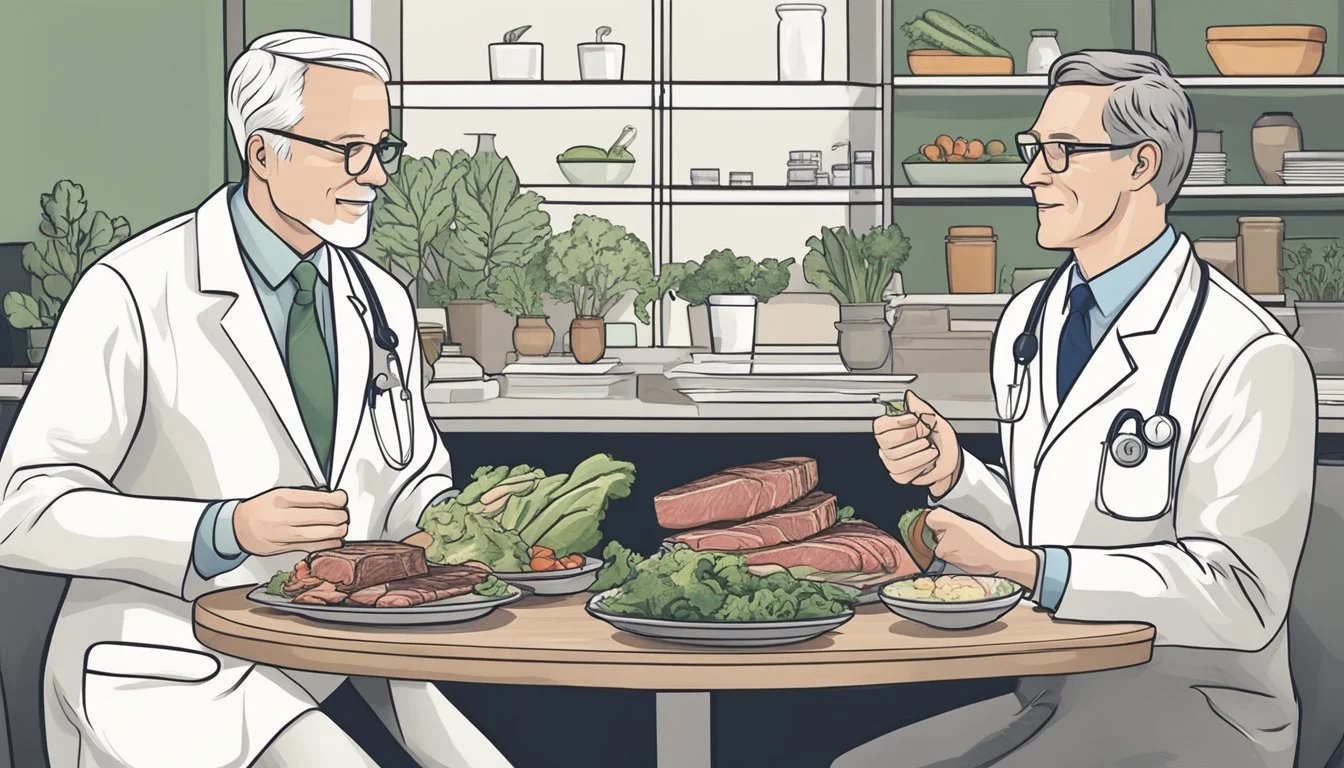
Dr. Eric Westman addresses several misconceptions surrounding the carnivore diet, particularly regarding elevated ferritin levels in bloodwork. He emphasizes the importance of contextualizing lab results rather than reacting with alarm to values that fall outside standard reference ranges.
When examining elevated ferritin levels in carnivore dieters, Dr. Westman points out that lab reference ranges are typically established for people consuming carbohydrates. These ranges may not apply appropriately to those following low-carb or carnivore diets. He explains that different metabolic states produce different baseline values.
Dr. Westman discusses hemochromatosis (iron overload condition) and "bronze diabetes" as extreme cases that shouldn't cause undue worry for most carnivore dieters. He notes that while excessive iron can indeed damage organs and the pancreas in those with genetic predispositions, these cases are relatively rare.
Some interesting observations Dr. Westman highlights:
Preliminary reports suggest that individuals with hemochromatosis don't necessarily experience worsening symptoms on carnivore diets
Ferritin alone isn't a reliable indicator of iron overload disease
Lab values outside "normal" ranges don't automatically indicate a problem
Dr. Westman suggests a measured approach to interpreting elevated ferritin:
Discuss results with your doctor
Consider additional iron-related testing
Test for genetic hemochromatosis if indicated
Recheck ferritin levels every three months
He compares ferritin concerns to past alarms about elevated cholesterol on low-carb diets, noting that these values are now being reconsidered in light of overall metabolic health markers.
Insights from Lily Kaine and Ken Berry on Carnivore Diet
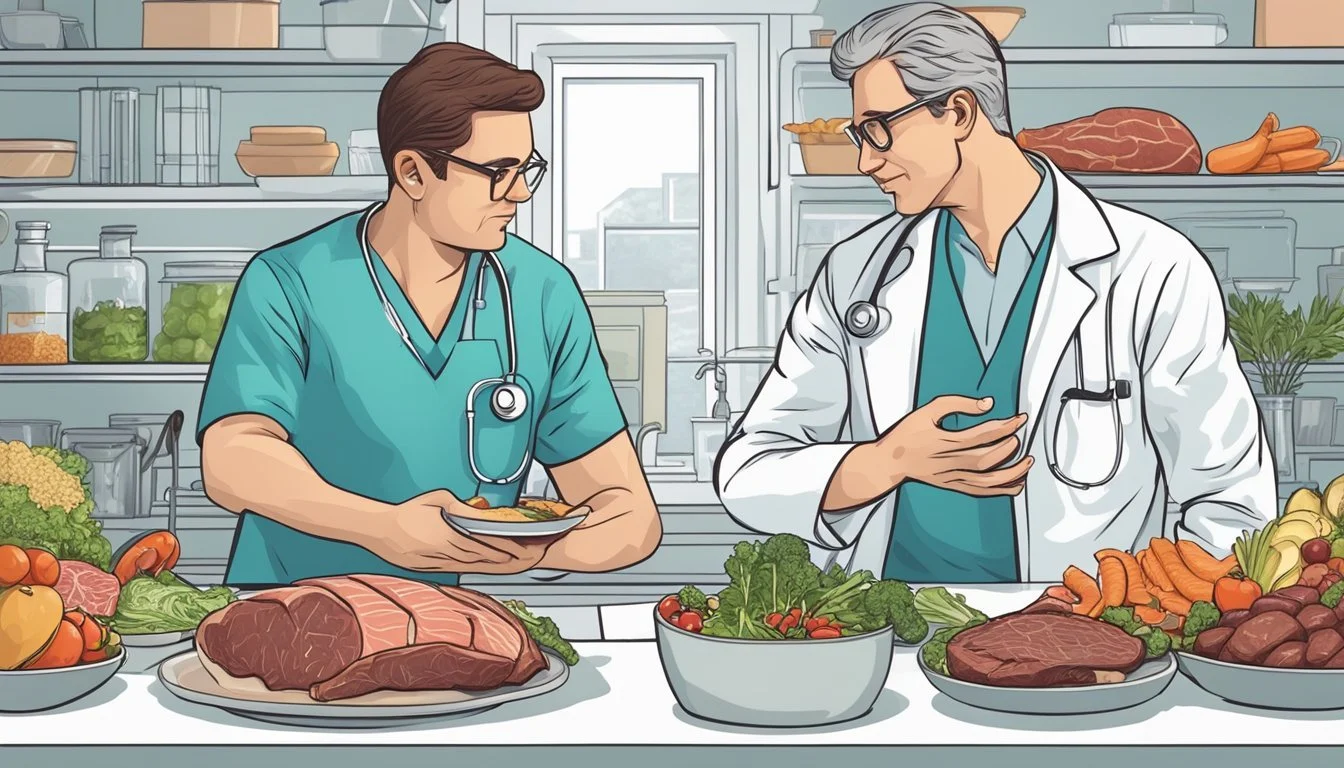
Lily Kaine, a certified nutrition health coach following a meat-heavy diet for four years, recently discussed three major concerns about the carnivore diet with Dr. Ken Berry. One significant concern they explored was elevated ferritin levels in people consuming substantial amounts of red meat.
Ferritin represents the body's iron storage form. Kaine expressed concerns that excessive iron might function similarly to rust, potentially damaging arteries, cells, and organs. She suggested that even with zero sugar consumption, excessive iron could impact the pancreas and insulin production.
Dr. Berry offered a more measured perspective on ferritin readings. He noted that:
Individual ferritin levels naturally vary between people
Metabolic healing can cause temporary ferritin fluctuations
A single elevated reading doesn't necessarily indicate a problem
For those with high ferritin, Berry recommends:
Consulting with a doctor
Considering additional iron-related testing
Screening for genetic hemochromatosis
Rechecking ferritin every three months
Many carnivore diet followers experience temporary lab value fluctuations as their metabolism adjusts. Dr. Eric Westman, who reviewed this discussion, pointed out that lab reference ranges are typically established for carbohydrate-consuming populations, not necessarily for those following specialized diets like carnivore.
Hemochromatosis, or iron overload, represents an extreme condition where iron accumulates in tissues. In severe cases, this can lead to "bronze diabetes" when iron infiltrates the pancreas. However, some anecdotal reports suggest that carnivore diets don't necessarily worsen hemochromatosis symptoms.
The discussion highlights the importance of understanding lab results in proper context and avoiding dogmatic approaches that might create disordered eating patterns.
Elevated Ferritin Levels and Carnivore Diet

Ferritin levels often become a point of concern for individuals following a carnivore diet. As a storage form of iron in the body, ferritin can increase when consuming significant amounts of red meat, which is naturally high in iron.
Many carnivore diet practitioners report ferritin levels above standard reference ranges on blood tests. This has led to questions about potential health implications. Some doctors have expressed concern that elevated ferritin might increase oxidative stress, potentially contributing to cardiovascular issues or insulin resistance.
However, clinical experience suggests a more nuanced perspective. Several important considerations about ferritin levels on carnivore diets include:
Individual variation exists in normal ferritin levels
Metabolic healing may cause temporary ferritin fluctuations
Standard reference ranges are based on carbohydrate-consuming populations
Elevated levels may not carry the same significance in low-carb contexts
Medical professionals experienced with low-carb diets typically recommend:
Discussing elevated ferritin with your doctor
Considering additional iron-related testing
Screening for hereditary hemochromatosis
Rechecking levels every three months
There's an important distinction between moderately elevated ferritin in otherwise healthy carnivore dieters versus hemochromatosis (iron overload disease). Hemochromatosis is a genetic condition that can lead to excessive iron accumulation in organs, potentially causing "bronze diabetes" when iron infiltrates the pancreas.
Interestingly, some anecdotal reports suggest individuals with hemochromatosis don't necessarily experience worsening of their condition on carnivore diets, though formal research in this area remains limited.
The interpretation of lab values in low-carb contexts continues to evolve. Just as cholesterol levels and ketone measurements differ in low-carb populations, ferritin levels may require different interpretations for carnivore dieters.
Medical Perspectives on Ferritin and Iron Levels
Effects of Excess Iron on Health
Elevated iron levels in the body can pose significant health concerns. Iron accumulation may cause oxidative stress, similar to how rust affects metal surfaces. This oxidation process potentially damages tissues and organs throughout the body. Excessive iron can infiltrate vital organs like the pancreas and liver, leading to functional impairment.
Medical observations suggest that iron overload might contribute to insulin resistance in some individuals. There are also concerns about potential connections between high iron levels and cardiovascular inflammation. The body naturally contains iron, but maintaining appropriate levels appears important for optimal health.
Some healthcare practitioners recommend monitoring iron levels regularly, especially for those consuming iron-rich diets. Blood tests every three months can help track changes and establish personal baselines.
Understanding Hemochromatosis
Hemochromatosis represents a specific condition of iron overload, often with genetic origins. This disorder causes the body to absorb excessive amounts of dietary iron, which accumulates in organs and tissues over time. In severe cases, it may manifest as "bronze diabetes," where the skin develops a characteristic tanned appearance while pancreatic function deteriorates.
The condition can significantly affect the pancreas, potentially impairing insulin production. This pancreatic infiltration sometimes leads to diabetes development, even in the absence of traditional risk factors. Notably, genetic testing now allows individuals to determine if they carry hemochromatosis-related genes.
Interestingly, some anecdotal reports suggest dietary composition might influence how hemochromatosis manifests. Medical understanding of this condition continues to evolve, particularly regarding how different dietary patterns might affect symptom expression.
Ferritin as a Measure of Iron Status
Ferritin serves as the primary storage form of iron in the body and provides valuable insights into iron status. Blood tests commonly measure ferritin levels to assess potential iron excess or deficiency. Normal reference ranges typically place the upper limit around 400 ng/mL, though optimal levels—especially for men—may be below 100 ng/mL.
Several factors can influence ferritin readings:
Factor Potential Effect Dietary iron intake Can raise levels, especially from red meat Metabolic changes May cause temporary fluctuations Genetic predisposition Significantly impacts storage patterns Inflammation Can artificially elevate readings
It's worth noting that ferritin levels alone may not perfectly indicate iron overload conditions. Additional testing often provides more comprehensive information. Healthcare providers typically recommend further investigation when ferritin exceeds reference ranges, potentially including genetic testing for hemochromatosis and broader iron panels.
Dr. Westman's Invitation to Diabetes Lab Workshop
Dr. Eric Westman extends a personal invitation to join his free Diabetes Lab Workshop. This essential workshop will guide participants through understanding their lab results effectively. Attendees will learn valuable skills to take control of their health and potentially reverse type 2 diabetes and pre-diabetes permanently.
The workshop focuses on practical knowledge that empowers individuals to interpret their own medical data. Dr. Westman's approach combines clinical expertise with actionable strategies for those concerned about their metabolic health.
To participate in this valuable educational opportunity, interested individuals can find the registration link in the video description. The workshop represents Dr. Westman's commitment to making specialized medical knowledge accessible to those who need it most.
Lily Kaine's Carnivore Journey and Client Health Observations
As a certified nutrition health coach, Lily Kaine has followed a predominantly animal-based diet for four years. Her experience working with clients and analyzing blood work has led her to identify several important patterns worth consideration.
One recurring observation in carnivore diet practitioners relates to ferritin levels. Ferritin, the body's iron storage protein, sometimes elevates above standard reference ranges in people consuming high amounts of red meat. Lily compares excess iron to rust on a bicycle, potentially making the body's systems function less efficiently.
Lily carefully notes that elevated ferritin might contribute to several health concerns:
Possible arterial damage
Cellular oxidative stress
Potential organ impairment
Pancreatic function changes
During her interview with Dr. Ken Berry, she expressed concern about these ferritin variations. Dr. Berry offered reassurance, suggesting that ferritin fluctuations often normalize as metabolism adjusts to a meat-based diet. He recommended periodic testing for those with consistently high levels.
Lily's own ferritin measured slightly above normal range, while her husband's levels registered significantly higher. She remains cautious about over-interpreting these findings, emphasizing the need for individualized assessment.
Working with clients has taught Lily to avoid dogmatic approaches to nutrition. She acknowledges the potential for creating disordered eating patterns when dietary rules become too rigid. Instead, she advocates for careful monitoring and personal health assessment.
For those concerned about ferritin levels, Lily suggests:
Regular blood work monitoring
Consulting with healthcare providers
Considering genetic testing for hemochromatosis
Avoiding panic-based dietary changes
Lily continues to eat red meat daily while maintaining awareness of these observations from her practice and personal experience.
Managing High Ferritin and Iron in Carnivore Diet
Elevated ferritin levels represent a common concern for those following a carnivore diet. Ferritin serves as the body's storage form of iron, and consuming large amounts of red meat naturally increases iron intake. This can lead to higher ferritin measurements in blood tests, which may cause unnecessary worry.
The relationship between ferritin and health is more nuanced than many realize. Some compare excess iron to rust on a bicycle—potentially causing oxidative stress and affecting organ function. However, this comparison oversimplifies a complex physiological process.
For most carnivore dieters, elevated ferritin doesn't indicate a serious problem. Individual baselines vary significantly, and what appears "high" on a standard reference range may be normal for someone on a meat-based diet. Blood tests are typically calibrated for people eating standard mixed diets, not for those following specialized nutritional approaches.
Important distinctions to understand:
True hemochromatosis (iron overload disorder) is genetic and relatively rare
Carnivore diet alone rarely causes problematic iron levels
Temporary ferritin fluctuations are common during metabolic adaptation
For those with genetic hemochromatosis, iron can accumulate in organs like the pancreas, potentially affecting insulin production. This condition, sometimes called "bronze diabetes," requires medical management. Interestingly, some anecdotal reports suggest carnivore diets don't necessarily worsen this condition, though more research is needed.
Recommended approach for high ferritin:
Discuss results with your healthcare provider
Consider additional iron panel testing
Get tested for hemochromatosis if levels are significantly elevated
Recheck ferritin every three months to monitor trends
Most people will find their ferritin levels stabilize as their metabolism adjusts to the carnivore approach. Drastic interventions like phlebotomy (blood letting) may be suggested by some, but evidence supporting this practice for otherwise healthy individuals remains limited.
Remember that context matters when interpreting lab values. The ranges considered "normal" for someone eating a standard diet containing carbohydrates may not apply perfectly to those following a carnivore approach.
Ken Berry's Clinical Experience with Ferritin Variance
Dr. Ken Berry has observed significant variations in ferritin levels among patients following carnivore and low-carb diets through his clinical practice. Ferritin, the storage form of iron in the body, often shows elevated readings in individuals consuming high amounts of red meat.
Dr. Berry emphasizes that ferritin fluctuations are common during metabolic healing phases. He notes that these temporary elevations typically normalize over time as the body adapts to a new dietary pattern.
When patients present with high ferritin levels, Dr. Berry recommends a measured approach rather than immediate alarm. His standard protocol includes:
Consulting with a physician about the elevated readings
Obtaining additional iron-related testing
Screening for genetic hemochromatosis
Rechecking ferritin levels quarterly
According to Dr. Berry's clinical observations, most patients see their ferritin levels stabilize within a few months without intervention. He stresses that individual variation is normal, with some people naturally maintaining slightly higher baseline ferritin levels than others.
Dr. Berry distinguishes between pathological iron overload conditions like hemochromatosis and the temporary ferritin elevations seen during dietary transitions. This nuanced understanding helps prevent unnecessary concern among patients following meat-centric diets.
While monitoring iron markers remains important, Dr. Berry's experience suggests that isolated ferritin elevations rarely indicate serious problems in otherwise healthy individuals following carnivore diets. The context of other health markers and overall well-being provides essential perspective when interpreting these laboratory findings.

