

The carnivore diet has gained significant attention in recent years, with many healthcare professionals advocating for its potential benefits. Dr. Ken Berry, a family physician and author of "Lies My Doctor Told Me," alongside Dr. Anthony Chafee, a neurosurgery resident with a background in professional rugby, bring their medical expertise and personal experiences to the conversation. Both doctors have extensively researched nutrition and observed remarkable health improvements after adopting meat-centric diets.
Their discussion examines how reducing plant consumption and increasing animal products can potentially improve athletic performance, mental clarity, and overall health. Dr. Chafee's journey began 22 years ago during his cancer biology studies, where he learned about plant defense chemicals. Dr. Berry's path started with his struggle against obesity and pre-diabetes, finding relief as he gradually eliminated processed carbohydrates. They approach the topic with openness, welcoming questions from those with different dietary perspectives while sharing insights from anthropological research about traditional food preparation methods.
Key Takeaways
Medical professionals with firsthand experience describe significant health improvements after adopting carnivore diets.
Traditional cultures developed specific cooking methods for plant foods to reduce their potentially harmful effects.
Both doctors welcome dialogue with people following different dietary approaches to share evidence-based nutrition information.
Guest Introduction
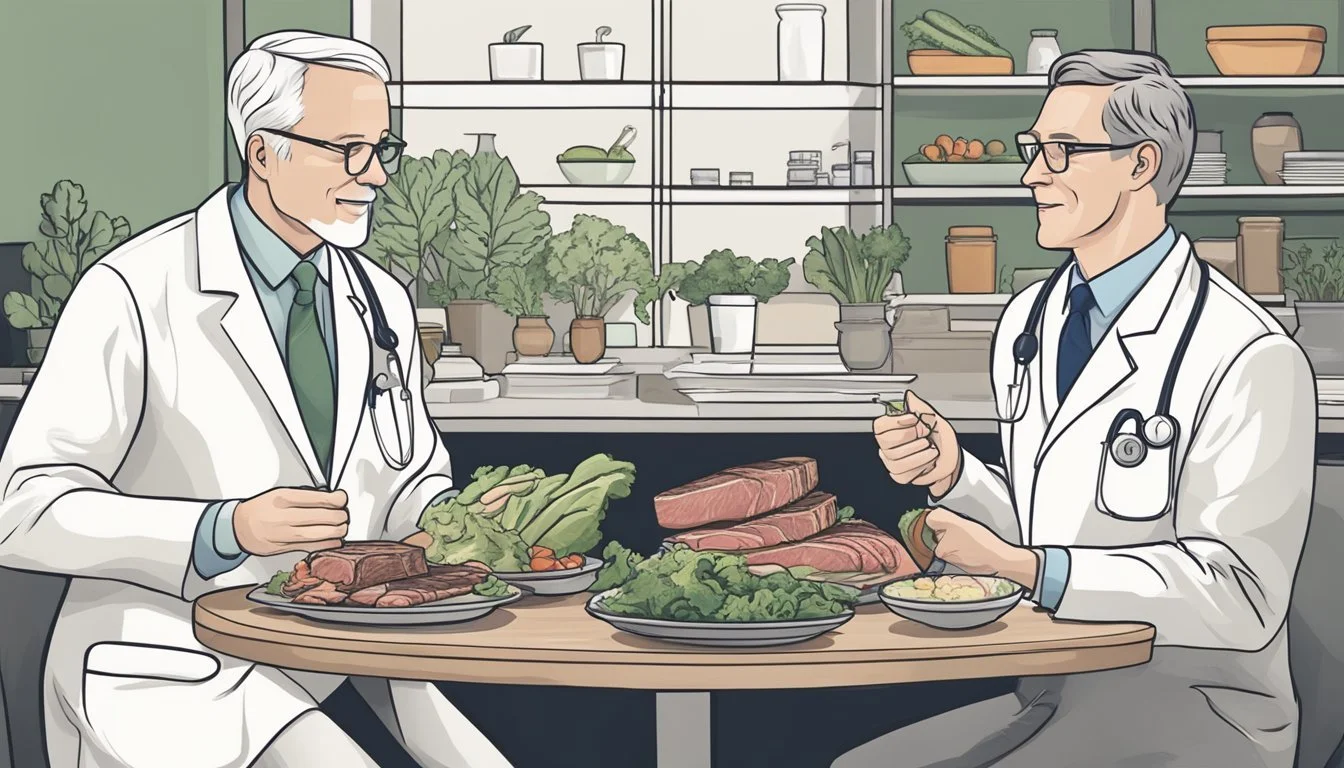
Dr. Anthony Chafee joins Dr. Ken Berry for an in-depth discussion about the carnivore diet, sharing insights from his medical background and personal experience. As a neurosurgery resident practicing in Perth, Australia, Dr. Chafee brings a unique perspective combining professional medical knowledge with his own health journey.
Medical and Professional Background
Dr. Anthony Chafee is an American physician currently completing his neurosurgery residency in Perth, Australia. His interest in nutrition and biology began early, stemming from his time as a professional rugby player. This athletic background sparked his curiosity about optimal fueling strategies for performance. Dr. Chafee's formal education at the University of Washington included studies in cancer biology and botany, where he first encountered scientific information about plant defense mechanisms. His dual interests in medicine and nutrition have allowed him to develop a comprehensive view of how dietary choices impact health outcomes.
Journey to Carnivore Eating
Dr. Chafee's exploration of meat-based eating began approximately 22 years ago during his university studies. While taking cancer biology courses, he learned about the numerous defense chemicals plants produce to deter consumption. This revelation prompted him to eliminate plants from his diet, essentially adopting what would now be called a carnivore approach. The results were remarkable - his athletic performance improved dramatically, mental clarity sharpened, and overall wellbeing increased substantially. Although he initially drifted away from this eating pattern, recent years have brought him back to carnivore eating after researching human evolutionary biology. The scientific evidence suggesting humans are biologically adapted to meat consumption has reinforced his commitment to this dietary approach.
Dr. Chafee believes both carnivore advocates and vegans share a fundamental goal: seeking optimal health through intentional food choices. He notes that making substantial dietary changes requires serious commitment and thoughtfulness about nutrition, regardless of which path someone chooses.
Meat-Based Dietary Approach Discussion
Advantages of Animal Food Consumption
Animal products offer significant nutritional benefits that plant foods often cannot match. Meat contains complete proteins with all essential amino acids in bioavailable forms. The nutrient density of animal foods is remarkable, providing crucial vitamins like B12, which isn't naturally found in plant foods.
Red meat serves as an excellent source of heme iron, which the body absorbs more efficiently than non-heme iron from plants. The fatty acid profile of animal products, particularly from grass-fed sources, contains beneficial omega-3 fatty acids and conjugated linoleic acid that support brain health and reduce inflammation.
Many individuals report improved energy levels, mental clarity, and athletic performance when increasing their consumption of animal products. For those with certain health conditions, a meat-focused diet may help reduce inflammatory markers and improve overall well-being.
Concerns About Plant Food Intake
Plants naturally contain various defensive compounds designed to discourage consumption. These bioactive substances include lectins, oxalates, phytates, and goitrogens that can potentially interfere with nutrient absorption and cellular function in humans.
Consider these commonly consumed plants and their defensive compounds:
Plant Food Potential Concerning Compounds Brussels sprouts Glucosinolates, goitrogens Legumes Lectins, phytates, protease inhibitors Spinach Oxalates Grains Gluten, phytates, lectins
Some individuals may experience digestive distress, inflammation, or nutrient deficiencies when consuming large quantities of raw plant materials. Those with compromised gut health or autoimmune conditions might be particularly sensitive to these plant defense chemicals.
Evolutionary Dietary Patterns
Archaeological evidence suggests humans evolved as primarily meat-eaters, with plant foods serving as supplementary nutrition during times of scarcity. Analysis of isotopes from ancient human remains indicates our ancestors often obtained most of their calories from animal sources.
The human digestive system shows adaptations consistent with carnivorous tendencies:
Relatively short colon compared to herbivores
Production of hydrochloric acid suited for protein digestion
Limited ability to ferment fibrous plant material
Dependence on preformed nutrients found primarily in animal foods
This evolutionary history may explain why many people report improvements in various health markers when shifting toward animal-based nutrition. The transition away from ancestral dietary patterns coincided with the agricultural revolution, which brought new health challenges.
Food Preparation Techniques
Traditional cultures exhibited remarkable wisdom regarding food preparation methods that maximize nutrition while minimizing potential harm. When consuming plant foods, these societies typically employed extensive preparation techniques.
Cooking plant foods thoroughly breaks down cell walls and denatures many defensive compounds. This practice was nearly universal among traditional societies, who seemed to understand the importance of proper preparation through generational wisdom rather than formal scientific knowledge.
Fermentation represents another crucial traditional preparation method. Through bacterial pre-digestion, fermentation:
Reduces anti-nutrient content
Increases bioavailability of minerals
Creates beneficial probiotic bacteria
Breaks down complex plant compounds
In contrast, many animal foods were traditionally consumed raw or minimally cooked in numerous cultures. This pattern suggests humans may be better adapted to digest animal products in their natural state compared to plant materials.
Interacting with Vegan Community Members

Guidelines for Vegan Participation in Discussions
Vegan participants should be welcomed in conversations about nutrition and carnivore diets. They deserve respect and open dialogue rather than dismissal. Moderators should allow vegans to ask questions and engage in discussions as long as they maintain civility. The only appropriate time to remove someone from a conversation is when they become deliberately disruptive rather than inquisitive. Many vegans make their dietary choices based on information they genuinely believe, and they deserve the opportunity to explore alternative perspectives.
Vegans often face potential health challenges due to their dietary restrictions, which may lead to nutritional deficiencies over time. Rather than viewing them as opponents, they should be seen as individuals who could benefit from educational exchanges. Their commitment to carefully considering food choices demonstrates thoughtfulness that can serve as a foundation for productive dialogue.
Educational Content for Plant-Free Diet Inquiries
When addressing questions from vegans about carnivore or animal-based diets, focus on providing scientific information rather than judgment. Many former vegans report significant improvements in cognitive function, energy levels, and overall wellbeing when introducing animal products back into their diets. These personal experiences often include dramatic positive responses to consuming fish, eggs, or other animal proteins after periods of restriction.
The historical context of human dietary patterns offers valuable perspective. Traditional societies that consumed plant foods typically employed extensive preparation methods:
Extended cooking times - Often cooking plant foods until very soft
Fermentation processes - Breaking down plant compounds before consumption
Multi-day preparation methods - Especially for beans and similar foods
These traditional practices weren't arbitrary but developed through generations of observation about how to minimize negative effects from plant compounds. The careful preparation of plant foods across cultures suggests an innate understanding of potential digestibility and toxicity issues that modern nutrition science has only recently begun to document fully.
Human evolutionary biology provides additional context about our digestive adaptations that can help vegans understand alternative viewpoints on optimal human nutrition without dismissing their concerns.
Health Transformation Journey
Dr. Berry's Personal Health Evolution
Dr. Ken Berry underwent a significant health transformation before becoming the advocate for nutritional approaches he is today. During his earlier years, he struggled with morbid obesity, pre-diabetes, severe heartburn, and numerous skin problems. These health challenges led him to gradually modify his diet, beginning with the elimination of processed carbohydrates and added sugars. He also removed vegetable seed oils from his daily consumption.
As he continued this dietary evolution, meat and eggs naturally took a more prominent role in his nutrition plan. This shift occurred organically as he eliminated problematic foods and needed to replace them with nourishing alternatives. His health improvements reinforced these choices.
Dietary Modifications and Resulting Benefits
The transition to a meat-centric diet produced remarkable health improvements for both Dr. Berry and his colleague Dr. Anthony Chaffee. Dr. Chaffee's journey began 22 years ago while studying cancer biology at the University of Washington, where he learned about plant defense chemicals. This knowledge prompted him to reduce plant foods in his diet.
Dr. Chaffee noticed several immediate benefits after shifting to a more animal-based diet:
Enhanced athletic performance as a professional rugby player
Improved mental clarity and cognitive function
Overall increased energy and wellbeing
Though he temporarily moved away from this approach, Dr. Chaffee eventually returned to a carnivore diet after studying human evolutionary biology and nutritional science. His research suggested humans may be biologically adapted to thrive on animal-based nutrition. Both doctors now share their experiences with others who are exploring nutritional approaches to improve their health.
Anthropological Perspectives on Human Dietary Practices
Ancient Cooking Techniques
Humans across diverse cultures have developed sophisticated cooking methods through generations of trial and error. Archaeological evidence reveals that traditional societies who relied heavily on plant foods typically employed extensive cooking or fermentation processes. These practices weren't arbitrary cultural preferences but necessary techniques to neutralize harmful compounds in plant foods. Many indigenous communities would simmer beans and fibrous vegetables for extended periods, sometimes days, until they reached a soft, mushy consistency. This extensive cooking wasn't due to ignorance but rather represented accumulated wisdom about food safety and digestibility.
Evolutionary Dietary Adaptations
Human physiology shows specific adaptations that reflect our evolutionary dietary history. The human digestive system processes animal proteins and fats with remarkable efficiency, while lacking many of the specialized mechanisms found in herbivores for breaking down plant materials. Research in cancer biology has identified over 100 potentially problematic compounds in common vegetables like Brussels sprouts, indicating plants naturally develop these chemicals as defense mechanisms against predation. This explains why most cultures worldwide consume meat with minimal processing (even raw in many traditions), while plant foods undergo extensive preparation. The dramatic health improvements many individuals experience when transitioning to animal-based diets—including enhanced athletic performance, mental clarity, and resolution of various health conditions—may reflect a return to a more evolutionarily aligned nutritional pattern.

