
The Liver King phenomenon has captured the attention of social media platforms over the past year, promoting what he calls an "ancestral lifestyle." Brian Johnson, the man behind this persona, advocates for consuming raw organ meats as the key to optimal health and happiness. His content features extreme practices like eating uncooked animal organs, taking ice baths, and following nine ancestral tenets that supposedly connect modern humans to their primitive roots.
While some of his lifestyle recommendations align with standard wellness advice—such as prioritizing sleep, regular movement, and social connections—his dietary approach diverges dramatically from conventional health guidelines. The nutritional profile of organ meats does contain impressive amounts of vital nutrients; liver provides significantly more iron than standard cuts of beef, along with abundant vitamins A and B12. However, questions remain about both the safety of raw consumption and the authenticity of Johnson's claims, especially following his recent admission to using steroids despite previously attributing his physique solely to his lifestyle practices.
Key Takeaways
The Liver King promotes raw organ meat consumption as part of a broader "ancestral" lifestyle approach to health and masculinity.
Organ meats like liver contain concentrated nutrients including iron and B vitamins, though consuming them raw raises serious safety concerns.
Despite initially claiming his physique was achieved naturally, Brian Johnson recently admitted to using steroids while promoting his lifestyle brand.
The Rise of The Liver King

Brian Johnson, better known as The Liver King, burst onto social media platforms in 2021, quickly amassing millions of followers with his unconventional approach to health and fitness. His message centered on what he termed "ancestral living" - a lifestyle he claimed would combat modern male depression and weakness. His distinctive appearance, featuring an impressively muscular physique and a primal aesthetic, made him instantly recognizable.
The Liver King's philosophy revolves around nine "ancestral tenets" that include familiar wellness advice such as prioritizing sleep, movement, social connections, and sun exposure. Many of these principles align with mainstream health recommendations. However, his most controversial and attention-grabbing practice was his diet, which featured raw organ meats - particularly liver.
His social media content featured graphic displays of consuming uncooked animal organs, from liver to bone marrow. These shocking videos, combined with extreme practices like extended ice baths and unusual sun exposure methods, generated significant attention from major podcasters and fitness influencers. His dramatic presentation style and outlandish practices made him ideal fodder for online content creators.
Despite promoting the nutritional benefits of organ meats, which do contain high concentrations of nutrients like iron and B vitamins, The Liver King's raw consumption approach contradicted food safety guidelines. Liver contains 17.9 milligrams of iron per 100 grams compared to regular beef's 2.6 milligrams, making it exceptionally nutrient-dense.
In late 2022, controversy erupted when evidence emerged that Johnson had been using steroids while claiming his physique was completely natural. This revelation undermined his credibility, especially since his "ancestral" lifestyle supposedly eliminated the need for modern supplements. Following this exposure, he issued an apology video that many viewed as insufficient and deflective.
The Liver King phenomenon illustrates how extreme health claims and visually shocking content can rapidly generate fame in today's social media landscape. His rise from obscurity to influencer status took less than a year, demonstrating the virality potential of unconventional health approaches, regardless of their scientific merit.
Ancestral Lifestyle Tenets
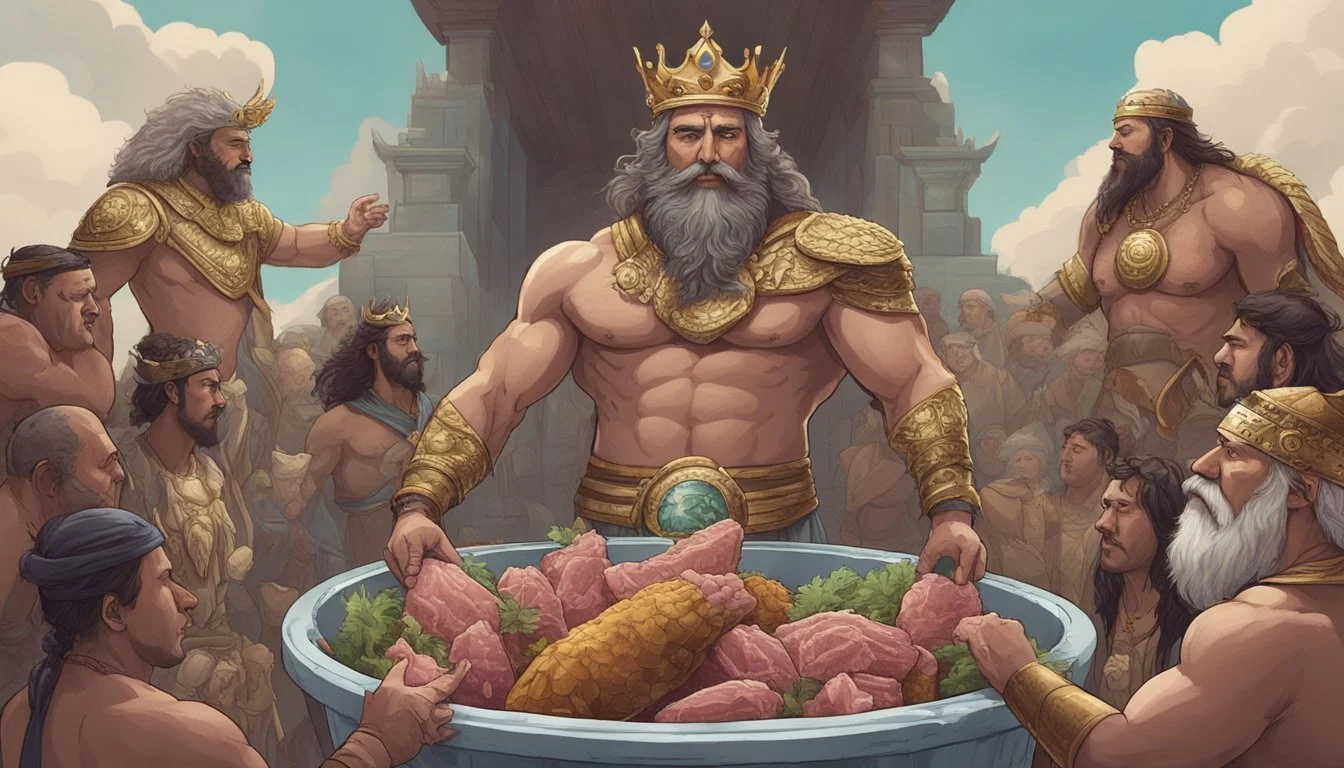
The modern approach to ancestral living encompasses several key principles designed to align human behavior with evolutionary patterns. These tenets focus on reconnecting with natural processes that modern lifestyles often neglect.
Sleep forms the foundation of ancestral health practices. Quality rest, including disconnecting from devices at least 30 minutes before bedtime and avoiding late meals, supports optimal recovery and hormone regulation.
Movement represents another critical component, emphasizing regular physical activity, particularly outdoors. Walking daily and engaging in functional movements mirror how our predecessors naturally maintained physical conditioning.
Connection with others stands as a vital aspect of ancestral living. Building strong social bonds and community relationships addresses the deeply human need for belonging and support systems.
Sun exposure provides essential vitamin D and helps regulate circadian rhythms. Regular, moderate sun exposure represents a practice largely absent in many indoor-focused modern lifestyles.
Some practices that might seem unconventional include:
Barefoot walking to connect with the earth
Cold exposure through ice baths or cold plunges
Limiting processed foods and emphasizing nutrient-dense options
Organ meat consumption represents one of the more controversial aspects of some ancestral approaches. Organ meats like liver contain concentrated nutrients:
Organ Key Nutrients Iron Content (per 100g) Liver Vitamin A, B12, Iron 17.9 mg Heart B-complex vitamins 6.4 mg Regular beef Protein, zinc 2.6 mg
Liver particularly stands out for its exceptional nutrient density. This organ contains nearly seven times the iron of regular beef cuts, potentially beneficial for addressing widespread iron deficiencies that affect approximately 23% of the global population.
While nutrient density makes organ meats nutritionally valuable, food safety concerns exist around raw consumption. Traditional cultures typically employed various preservation and cooking methods rather than consuming completely raw animal products.
The Nine Ancestral Principles

Core Lifestyle Guidelines
The ancestral approach to health includes several fundamental principles that focus on basic wellness habits. Getting adequate sleep remains one of the most important tenets, with specific recommendations like avoiding electronic devices at least 30 minutes before bedtime and not eating close to sleep time. These sleep guidelines align with widely accepted health practices across numerous wellness programs.
Physical movement represents another essential guideline, emphasizing regular activity like daily outdoor walks. The principles also stress the importance of human connection through spending quality time with loved ones and supportive individuals. Exposure to natural sunlight completes these basic health recommendations that form the foundation of the ancestral lifestyle approach.
Advanced Health Practices
Beyond the standard wellness recommendations, the ancestral living framework includes less conventional practices. Walking barefoot outdoors to establish a physical connection with the earth represents one such practice. Cold exposure therapy, such as immersion in ice baths or cold water plunges, is promoted to potentially improve circulation and resilience.
The most distinctive element of this lifestyle approach involves dietary choices, specifically the consumption of organ meats. Liver and other organs contain significantly higher concentrations of essential nutrients compared to standard meat cuts. For example, beef liver provides approximately 17.9 milligrams of iron per 100 grams, vastly exceeding the 2.6 milligrams found in typical beef. Similarly, beef heart contains 6.4 milligrams of iron per 100 grams and substantial amounts of B-complex vitamins beneficial for cardiovascular health.
Despite these nutritional advantages, the recommendation to consume these organs raw contradicts food safety guidelines and health standards. This specific dietary advice represents a significant departure from mainstream nutritional practices, unlike the more conventional lifestyle elements of the program.
The Raw Organ Meat Diet
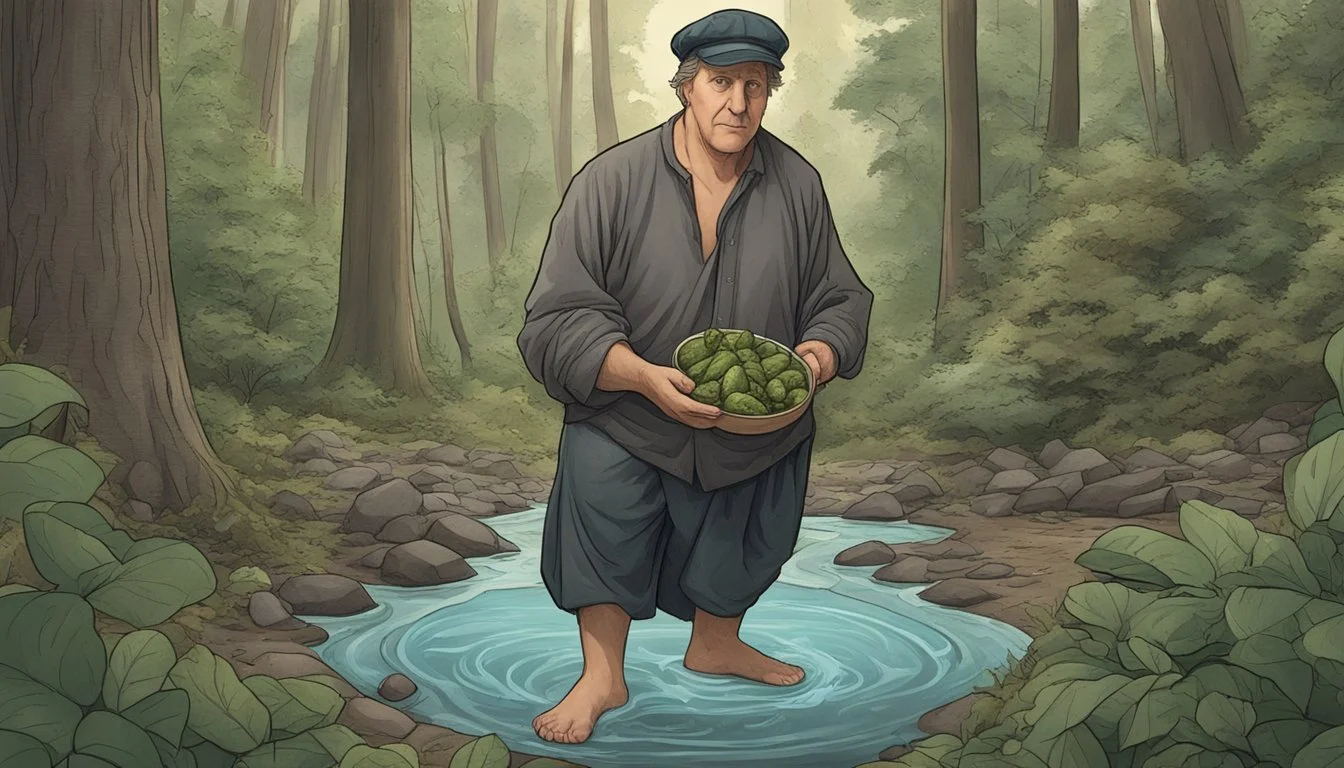
Consuming raw organ meats has gained popularity through social media influencers promoting "ancestral" eating habits. This approach focuses primarily on eating uncooked animal organs, particularly liver, which advocates claim can enhance physical health and psychological well-being.
Nutritionally, organ meats do contain impressive concentrations of essential nutrients. Liver contains about 17.9 milligrams of iron per 100 grams, significantly higher than the 2.6 milligrams found in typical beef cuts. This makes it exceptionally valuable considering that iron deficiency affects approximately 23% of people globally and nearly 40% of children under five.
Liver is also rich in vitamin A and B-complex vitamins, particularly B12. Similarly, beef heart provides 6.4 milligrams of iron per 100 grams and contains beneficial B vitamins (B2, B6, B12) that support cardiovascular function.
However, consuming these organs raw presents significant health risks. Raw meat consumption violates basic food safety guidelines established to protect consumers from foodborne illnesses. The supposed benefits of this eating pattern must be weighed against potential dangers from bacterial contamination and parasites.
Many promoters of raw organ consumption pair this dietary recommendation with more conventional wellness advice such as:
Getting adequate sleep
Limiting screen time before bed
Regular physical activity
Spending time outdoors
Building strong social connections
While these supplementary recommendations align with broadly accepted health practices, the central claim about raw organ consumption remains questionable from a food safety perspective.
Health and Nutritional Facts
Organ meats contain remarkable nutritional density compared to conventional cuts of meat. Liver stands out as particularly nutrient-rich, containing approximately 17.9 milligrams of iron per 100 grams, compared to just 2.6 milligrams in regular beef. This exceptional iron content makes liver a valuable food source, especially considering that 23% of people worldwide suffer from iron deficiency, with this percentage rising to 40% among children under five.
Liver provides more than just iron. It delivers substantial amounts of vitamin A and various B vitamins, particularly B12. Beef heart similarly offers impressive nutrition, containing 6.4 milligrams of iron per 100 grams—more than double the amount found in standard beef cuts. Heart meat also provides significant quantities of B-complex vitamins (B2, B6, B12), which support cardiovascular health.
Despite these nutritional benefits, consuming raw organ meats presents serious health risks. Food safety guidelines consistently warn against this practice due to potential dangerous pathogens. While organ meats can certainly contribute valuable nutrients to one's diet, cooking them thoroughly is essential for safety.
The popularity of certain lifestyle approaches that promote raw organ consumption has grown through social media, but many of the beneficial lifestyle components they advocate are simply common sense practices:
Getting adequate sleep
Regular movement and exercise
Spending time with loved ones
Outdoor exposure to sunlight
These basic health principles are widely recognized across various wellness programs and don't require extreme dietary measures to implement successfully.
Nutritional Value of Organ Meats
Liver Nutritional Properties
Organ meats, particularly liver, contain exceptional nutritional value often overlooked in modern diets. Liver stands out as one of the most nutrient-dense foods available, containing significantly higher concentrations of essential vitamins and minerals than regular muscle meat.
Iron content in liver is remarkably high, with beef liver containing approximately 17.9 milligrams of iron per 100 grams. This is nearly seven times the amount found in standard beef cuts, which typically provide about 2.6 milligrams per 100 grams. This makes liver an excellent food source for addressing iron deficiency, a condition affecting roughly 23% of the global population and about 40% of children under five years old.
Beyond iron, liver serves as a powerhouse of other essential nutrients. It contains abundant vitamin A and various B vitamins, particularly B12, which supports nervous system function and blood cell formation.
Nutrient Amount in 100g Beef Liver Iron 17.9 mg Vitamin A High concentration B Vitamins Rich in B12 and others
Heart Nutritional Content
Beef heart offers another excellent option for nutritional enhancement through organ meat consumption. While not as iron-rich as liver, heart meat still provides approximately 6.4 milligrams of iron per 100 grams—more than double the iron content of regular beef cuts.
Heart tissue is particularly valuable for its B-complex vitamin content. It contains significant amounts of vitamins B2, B6, and B12, which play important roles in energy production, immune function, and cardiovascular health.
The nutritional profile of heart meat makes it especially beneficial for supporting heart health, though this represents just one aspect of its overall nutritional value. Heart meat also provides a good source of protein with a different amino acid profile than standard muscle meats.
Heart meat tends to be leaner than many traditional cuts of beef while offering a more diverse nutrient profile, making it a potentially valuable addition to varied dietary approaches.
Safety Concerns and Misconceptions
Consuming raw organ meats presents significant health risks that cannot be overlooked. Despite the nutritional benefits of organ meats, eating them uncooked introduces potential dangers that outweigh any perceived advantages.
Raw animal products can harbor harmful bacteria, parasites, and pathogens that cooking would otherwise eliminate. These include E. coli, Salmonella, and various parasitic organisms that can cause severe illness. The food safety guidelines universally recommend cooking meat to appropriate temperatures for good reason.
The claims that our ancestors primarily consumed raw meats as part of their regular diet lack solid historical evidence. While organ meats were indeed consumed historically, they were typically prepared and cooked using methods available at the time.
Key Health Risks of Raw Organ Consumption:
Bacterial contamination (E. coli, Salmonella)
Parasitic infections
Foodborne illness
Toxin exposure
The nutritional profile of cooked organ meats remains impressive. Cooking liver, heart, and other organs doesn't significantly diminish their nutritional value while making them safe to consume. Iron, B vitamins, and other nutrients remain bioavailable in properly cooked organ meats.
Promotional content around raw organ consumption often overlooks these safety concerns or dismisses them without scientific backing. The romanticization of "ancestral" eating patterns frequently ignores modern understanding of microbiology and food safety.
It's worth noting that many cultures that traditionally valued organ meats developed specific preparation techniques to make them safe. These techniques included cooking, fermenting, curing, or other preservation methods that addressed safety concerns.
The disconnect between promoting extreme dietary practices while simultaneously using modern supplements (like protein powders) highlights inconsistencies in the "ancestral" eating philosophy. Truly ancestral diets didn't include manufactured supplements or concentrated nutrients.
For those interested in incorporating organ meats into their diet, cooking them thoroughly is the safest approach. Properly cooked liver, heart, and other organ meats provide excellent nutrition without unnecessary health risks.
Contradictions and Misleading Claims
The Liver King's rise to internet fame has been accompanied by several misleading statements and contradictions that deserve closer examination. His ancestral lifestyle promotion contains significant inconsistencies when comparing his public claims with his actual practices.
One major contradiction emerged when Brian Johnson (The Liver King) admitted to using steroids after claiming for over a year that his physique was completely natural. This admission fundamentally undermines his core message that his impressive physique comes solely from following "ancestral" practices and consuming raw organs.
The timing of this revelation is particularly troubling. Johnson waited until after building a substantial following based on claims of natural results before acknowledging his steroid use. His apology video presentation—delivered from a throne-like setting—further contradicted the humble, authentic persona he had cultivated.
Many of Johnson's "ancestral tenets" present common wellness advice as revolutionary insights. Recommendations like:
Getting adequate sleep
Turning off devices before bed
Walking outdoors
Spending time with loved ones
These principles are widely accepted health practices repackaged under the ancestral living banner. This approach allows him to include sensible, effective advice alongside more questionable practices.
The comparison between ancestral and modern diets also contains misleading historical framing. Organ meats like liver were often consumed historically not because of superior health benefits but due to economic necessity. Many families couldn't afford premium cuts of meat, making organ consumption a practical rather than optimal choice.
Despite claiming to follow strict ancestral eating patterns, Johnson has been documented consuming decidedly modern foods like protein powder and maple syrup. These items would not have been available to our distant ancestors, creating another contradiction in his lifestyle framework.
In presenting his practices to audiences, Johnson often exaggerates the exclusivity of his approach, suggesting his system is the "only path" to happiness and well-being for men. This absolute positioning ignores the well-documented diversity of healthy dietary patterns across cultures and individuals.
Content Controversies
Questionable Nutritional Advice
The Liver King's rise to internet fame centers around his promotion of consuming raw organ meats as the pathway to optimal health and masculinity. He claims this "ancestral" approach can cure modern male depression and anxiety. His content features him consuming uncooked liver, bone marrow, and other internal organs directly from animals. While organ meats do contain significant nutrients—liver provides 17.9mg of iron per 100g compared to regular beef's 2.6mg—the recommendation to eat these foods raw contradicts established food safety guidelines. These practices aren't endorsed by nutrition experts and may pose serious health risks, including exposure to parasites and foodborne pathogens.
Performance Enhancement Revelations
After maintaining for over a year that his physique was achieved naturally through his "ancestral living" principles, Brian Johnson (The Liver King) eventually admitted to using steroids. This admission came only after mounting scrutiny from the fitness community. His apology video, delivered from an ornate throne, quickly pivoted away from the actual deception to unrelated topics—following a familiar pattern seen with other influencers facing similar controversies. This revelation severely undermines his brand's credibility, as his impressive physique was previously attributed solely to his unusual diet and lifestyle practices.
Social Media Authenticity Issues
The Liver King phenomenon exemplifies the authenticity challenges in today's influencer culture. Johnson gained massive popularity across Instagram, TikTok, and YouTube by promoting what he called "nine ancestral tenets"—principles ostensibly designed to emulate primitive human lifestyles. Many of these tenets, like prioritizing sleep, outdoor exercise, and social connections, represent standard wellness advice repackaged with primitive branding. His extreme behaviors—ice baths, barefoot walking, sun exposure in unusual places—created viral content that attracted attention from major podcasters like Joe Rogan and Logan Paul. This calculated approach to content creation raises questions about whether his primary motivation was health education or simply generating views through shocking displays.

