
Comparing Carnivore Sleep to Plant-Based Sleep
Key Differences in Rest and Recovery

Sleep quality is influenced by many factors, including diet. Research and reports show that those eating a carnivore diet, which is high in animal-based foods and excludes plant-based foods, often experience different sleep patterns compared to people who follow plant-based diets. The specific nutrients, macronutrient balance, and absence or presence of carbohydrates in these diets can play a key role in how well people sleep at night.
While plant-based diets typically provide higher carbohydrate intake and a variety of micronutrients from fruits, grains, and vegetables, the carnivore approach focuses on protein and fat with zero carbohydrates. These differences can lead to distinct effects on sleep, such as variances in sleep onset, duration, and restfulness.
Understanding how each approach affects sleep can help individuals make informed choices about their dietary habits and nighttime wellbeing. Readers interested in the link between what they eat and how they sleep may find meaningful insights by comparing these two popular eating patterns.
Understanding Sleep and Diet
Sleep is shaped by both biological factors and lifestyle choices, including what people eat. Different dietary patterns, such as carnivore and plant-based diets, may impact sleep quality and duration in distinct ways.
Fundamentals of Sleep
Sleep is a recurring biological process divided into different stages, including REM and non-REM sleep. Each stage plays an essential role in physical recovery, memory consolidation, and hormone regulation. Poor sleep quality can affect alertness, metabolism, and mood.
External factors like stress, environment, and diet can disrupt sleep patterns. Adequate sleep duration for most adults is typically between 7 and 9 hours per night. Consistent sleep routines and healthy behaviors contribute to optimal sleep quality.
Role of Nutrition in Sleep
Nutrition has a direct and measurable effect on sleep quality and duration. Specific nutrients, such as fiber, omega-3 fatty acids, and vitamin D, have been linked to better sleep outcomes. Diets high in processed foods, sugar, or saturated fats may reduce sleep efficiency and increase the risk of insomnia.
Carbohydrate intake affects the production of serotonin and melatonin, hormones involved in regulating sleep cycles. Both deficiencies and excesses of certain nutrients can disrupt normal sleep patterns. Dietary choices can either promote or hinder restorative sleep.
Defining Carnivore and Plant-Based Diets
A carnivore diet consists almost entirely of animal-based foods like meat, fish, and eggs, while excluding plant-based options. This approach results in a high protein and fat intake, with minimal carbohydrates. Some followers believe this dietary intake may affect sleep through protein and tryptophan consumption, though current research is limited.
A plant-based diet emphasizes fruits, vegetables, whole grains, legumes, and nuts, with little or no animal products. This diet is typically higher in fiber, vitamins, and phytonutrients, and lower in saturated fat. Studies suggest plant-based diets may reduce the risk of poor sleep and insomnia compared to diets higher in animal products.
Diet Type Primary Foods Macro Focus Notable Nutrients Carnivore Meat, fish, eggs High protein, high fat Protein, iron, B12 Plant-Based Vegetables, fruits, grains High fiber, low fat Fiber, vitamin C, folate
Carnivore Diet and Sleep
Sleep quality on the carnivore diet is influenced by a variety of specific dietary factors. Animal products, protein intake, and hormonal regulation each play distinct but interconnected roles in how this diet may affect sleep patterns.
How Animal Products Impact Sleep
The carnivore diet centers on consuming only animal-based foods such as meat, eggs, fish, and dairy. These foods are rich sources of key nutrients like iron, vitamin B12, and zinc, which are essential for neurological function and may contribute to healthy sleep cycles.
Certain animal foods, such as fatty fish, also provide omega-3 fatty acids, which are involved in regulating neurotransmitters related to sleep. Notably, bone broth contains glycine, an amino acid shown to promote relaxation and support more restful sleep when consumed before bedtime.
Since the diet excludes plant-based foods, potential deficiencies in nutrients like magnesium or fiber could arise, indirectly impacting sleep for some individuals. However, for many, the high nutrient density and absence of processed foods in this diet can support well-being and stable sleep patterns.
Protein Intake and Sleep Quality
The carnivore diet is characterized by significantly higher protein intake compared to most plant-based diets. Protein-rich foods deliver plenty of amino acids—especially tryptophan—which is important for the body’s production of serotonin and melatonin, both linked to sleep quality.
High-protein diets can help regulate blood sugar levels, reducing the chance of nighttime awakenings due to glucose swings. Some evidence suggests that consuming a moderate-to-high-protein meal 2–3 hours before bed may support deeper, uninterrupted sleep.
However, excessive protein close to bedtime could sometimes impair sleep onset due to the digestive demands. Finding the right timing and portion sizes for protein intake is essential for optimizing sleep on the carnivore diet.
Hormonal Influences and Carnivore Diet
Hormonal balance is a critical factor influencing sleep. The carnivore diet, through its emphasis on animal fats and proteins, provides the building blocks for hormones, including those that regulate circadian rhythms such as melatonin and cortisol.
Adequate intake of amino acids, like tryptophan, is required for the synthesis of melatonin, the hormone responsible for signaling sleep to the body. Animal foods are robust sources of these amino acids, making them important in the context of melatonin production.
The elimination of sugar and most processed foods may also help stabilize insulin and cortisol, further supporting consistent sleep patterns. Those with existing hormonal imbalances may find that changes in sleep quality correspond with their body's adaptation to this dietary shift.
Sleep Benefits and Challenges on a Carnivore Diet
Sleep quality on a carnivore diet is shaped by changes in protein intake, inflammation, and the body’s adaptation to a new way of eating. Many people report different sleep experiences, including positive changes and some temporary disruptions after switching to a meat-only diet.
Potential for Improved Sleep
Some individuals on a carnivore diet report better sleep and fewer disturbances. Increased intake of protein and amino acids, such as tryptophan, may support sleep by promoting serotonin and melatonin production, two key regulators of sleep cycles.
Studies suggest that carnivorous animals generally sleep longer than herbivorous ones, but this pattern might not apply the same way to humans. Still, higher-energy protein meals could contribute to satiety and stable blood sugar levels overnight, potentially reducing nighttime awakenings.
Here is a summary of potential benefits:
Enhanced production of sleep-related hormones
Reduced nighttime hunger
Possible improvement in sleep duration and quality for some
Reduced Inflammation and Sleep
Advocates of the carnivore diet often credit reduced inflammation as a reason for improved sleep. High levels of chronic inflammation have been linked to sleep disturbances, insomnia, and reduced sleep quality.
Eliminating carbohydrates and plant-based foods may lower certain inflammatory markers in some people. Reduced inflammation can ease joint pain or other discomforts that interrupt sleep, contributing to longer, deeper rest.
However, current evidence is mostly anecdotal, with little direct research on how the carnivore diet impacts inflammation and sleep specifically in humans. Anyone with ongoing sleep problems should consider other factors alongside diet.
Sleep Disruptions and Adaptation Phase
During the initial adaptation phase, sleep disturbances are commonly reported by new carnivore diet followers. These can include insomnia, frequent awakenings, or restless sleep, especially in the first days or weeks after changing eating habits.
Potential causes include:
Shifts in blood sugar regulation
Hormonal adjustments
Changes in the gut microbiome
These issues usually resolve over time as the body adjusts. Tracking symptoms and allowing a sufficient adaptation period may help minimize temporary sleep disruptions. For persistent insomnia, consulting with a healthcare provider is recommended to rule out underlying concerns.
Plant-Based Diet and Sleep Patterns
Research suggests that a plant-based diet can influence sleep through its impact on nutrient intake, hormone production, and neurotransmitter balance. Diet quality and the types of foods consumed may play a role in sleep patterns and overall restfulness.
Plant Foods and Sleep Health
Many plant foods—such as nuts, seeds, whole grains, and legumes—provide magnesium, fiber, and antioxidants. These nutrients are linked with better sleep duration and quality. A diet high in fruits and vegetables may lower inflammation, which is associated with disrupted sleep patterns.
Regular consumption of beans, oats, and bananas supports increased serotonin production, a chemical important for relaxation and sleep initiation. Consistent meal patterns and a balanced diet based on a wide range of plant foods can help stabilize blood sugar, reducing nighttime awakenings and restless sleep.
Some studies also note that people following a plant-based diet often report fewer symptoms of insomnia compared to those on more restrictive or high-animal-protein diets. This effect may be due to a combination of nutrient intake and gut health improvements.
Role of Vitamins and Minerals
A plant-based diet, when well-planned, provides essential vitamins and minerals needed for sleep regulation, including magnesium, potassium, and certain B vitamins. Magnesium found in leafy greens and seeds has been shown to support deep, restorative sleep by reducing muscle tension and aiding relaxation.
Vitamin B6 and folate—present in legumes, whole grains, and leafy vegetables—are critical for the synthesis of serotonin and melatonin. These compounds control sleep-wake cycles. However, plant-based diets can sometimes lack vitamin B12 and iron unless fortified foods or supplements are included.
Nutritional deficiencies, particularly in vitamin B12, can negatively affect sleep by disrupting nerve function and neurotransmitter production. Careful planning or supplementation is important for those fully excluding animal products.
Impact on Hormones and Neurotransmitters
Plant-based diets often provide more tryptophan, an amino acid found in soy, seeds, and nuts. Tryptophan is used to make serotonin and melatonin, impacting sleep timing and quality. Stable blood sugar from whole plant foods also prevents spikes in stress hormones like cortisol, which can disturb rest.
Consumption of healthy fats, such as omega-3 fatty acids from flaxseed and walnuts, further supports brain chemistry related to sleep. These fats help regulate dopamine and other neurotransmitters involved in alertness and relaxation.
The combined effect of increased antioxidants, a steady supply of essential nutrients, and reduced saturated fat intake may promote a hormonal environment more favorable for restful and sustained sleep. Regular review of nutrient status helps maintain hormonal balance and healthy sleep patterns on a plant-based diet.
Key Differences in Sleep Outcomes
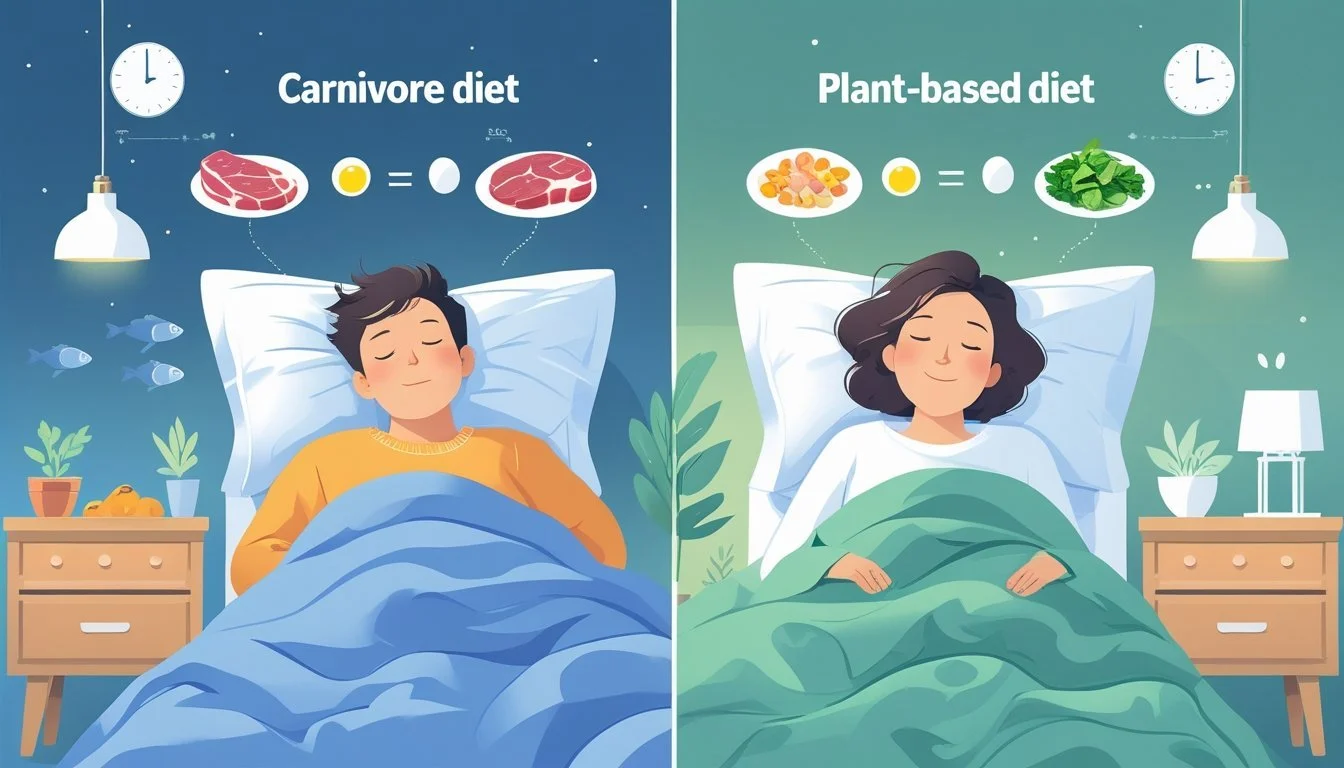
Research and anecdotal experiences indicate that sleep results can differ between a carnivore diet and a plant-based diet. Diet composition appears to influence sleep quality, duration, and the ability to maintain consistent energy during waking hours.
Sleep Quality Comparison
Studies suggest that individuals consuming more plant-based foods may experience modest improvements in sleep duration and possibly in sleep quality, though some findings are preliminary. For example, one multivariate study found a statistically significant relationship between plant-based protein intake and longer sleep duration (p=0.01), with a trend toward better sleep quality.
On carnivore diets, some individuals report issues such as fragmented sleep or insomnia, especially during the adjustment phase. The abrupt reduction in carbohydrate intake can affect serotonin production, which plays a role in regulating sleep. Sleep efficiency and total sleep time may fluctuate as the body adapts to a high-protein, low-carb intake.
A comparison table:
Aspect Plant-Based Diet Carnivore Diet Sleep Duration May increase modestly May decrease or become irregular Sleep Efficiency Often stable Can be disrupted, especially early Sleep Quality Possible improvement Reports of insomnia, variability
Daytime Energy Levels
Daytime energy appears to be influenced by the quality and regularity of sleep, which can differ between these diets. Those on a plant-based diet sometimes report more sustained daytime energy, possibly linked to better sleep duration and sleep efficiency.
In contrast, carnivore diet adherents sometimes face daytime sleepiness or energy dips, particularly during the initial phase of dietary change. This transition can temporarily disturb circadian rhythms and lower sleep efficiency, which in turn impacts alertness and energy during the day.
However, once their bodies adapt, some individuals report stable or even increased energy despite changes in sleep patterns. Factors such as micronutrient intake, meal timing, and adaptation can further modulate these outcomes. Each person’s experience can vary based on age, health status, and adherence to their chosen diet.
Influencing Factors Beyond Diet

Sleep quality is shaped by more than diet alone. Meal timing, hydration practices, and daily lifestyle choices all play roles in how restorative sleep can be and how easily people fall and stay asleep.
Meal Timing and Sleep Schedule
Meal timing significantly affects sleep onset and quality. Eating large meals or foods high in fat or protein close to bedtime may delay sleep and increase digestive discomfort. Both carnivore and plant-based diets may disrupt sleep if the last meal is too late in the evening.
Maintaining a consistent sleep schedule helps regulate circadian rhythms. Individuals who eat dinner at a regular time and avoid late-night snacking often experience fewer disturbances. Pairing a regular sleep schedule with appropriate meal timing supports melatonin production and natural sleep-wake cycles.
A simple meal and sleep timing checklist:
Factor Best Practice Dinner time 2-3 hours before bed Avoid large meals late Yes Consistent meal timing Yes Regular sleep schedule Yes
Hydration and Sleep
Hydration plays a key role in sleep quality. Both dehydration and excessive fluid intake near bedtime can disrupt sleep. Dehydration may lead to leg cramps or dry nasal passages, making it harder to rest, while drinking too much water late can increase overnight awakenings to urinate.
The ideal approach is to maintain steady hydration through the day and reduce fluid intake at least one hour before bedtime. Individuals should monitor for signs of dehydration, such as dry mouth or fatigue, which can negatively affect sleep.
Plant-based diets often provide more water-rich foods, potentially aiding hydration. However, everyone benefits from a focused approach to fluid management throughout the day for optimal sleep quality.
Lifestyle Habits and Environmental Factors
Lifestyle habits such as caffeine or alcohol consumption directly influence sleep patterns. Caffeine, especially in the afternoon or evening, can delay sleep onset, while alcohol may reduce sleep quality even if it causes drowsiness. Limiting these substances supports better rest regardless of diet.
A sleep-conducive environment supports good sleep hygiene. Key elements include a comfortable mattress, minimal screen time before bed, and a dark, quiet room. Establishing a bedtime routine with relaxation techniques—like reading, stretching, or meditation—can help signal to the brain that it's time for sleep.
Regular physical activity also promotes deeper, more restorative sleep, as long as intense exercise doesn't occur immediately before bedtime. Consistency in these habits is often more predictive of sleep quality than diet type alone.
Potential Risks and Considerations

Choosing a carnivore or plant-based diet can introduce distinct health challenges. These dietary approaches can affect nutrient intake and sleep health in measurable ways.
Nutritional Deficiencies and Supplementation
A carnivore diet excludes plant foods, removing nearly all sources of fiber, vitamin C, and folate. This can result in constipation, scurvy (from vitamin C deficiency), and other micronutrient gaps. Those on strict carnivore diets often need supplementation to avoid deficiencies in vitamins and minerals such as magnesium, vitamin E, and certain B vitamins.
Plant-based diets, while rich in fiber and antioxidants, can lack vitamin B12, iron, and omega-3 fatty acids. Deficiencies in these nutrients can contribute to fatigue and impaired cognitive function. Healthcare providers often recommend regular blood tests for individuals on restrictive diets and may suggest supplements like B12 tablets, iron, or fish oil to address these gaps.
Electrolyte imbalances can also arise, particularly with very low-carb carnivore diets. Individuals may develop symptoms such as muscle cramps or headaches if they do not monitor sodium, potassium, and magnesium intake.
Nutrient Carnivore Diet Risk Plant-Based Diet Risk Possible Supplement Vitamin C Deficient Adequate Vitamin C tablets Fiber Absent Abundant Fiber supplements Vitamin B12 Adequate Deficient B12 tablets Omega-3 fatty acids Variable Deficient Fish oil, algae oil
Sleep Disorders and Chronic Health Risks
Poor nutrient balance can contribute to sleep disruptions in both diet patterns. Plant-based diets may lower the risk of insomnia, as highlighted in some research, likely due to higher fiber and antioxidant intake. By contrast, the low fiber content of the carnivore diet can affect digestion, which in turn can negatively impact sleep quality.
The carnivore diet’s high intake of saturated fat and protein may increase the risk for chronic diseases, such as cardiovascular disease and certain cancers, especially without regular medical monitoring. There are also concerns about higher rates of obesity and sleep apnea in individuals consuming excessive calories from animal sources. Sleep apnea is more prevalent in those with higher body weight and can disrupt sleep cycles.
Healthcare providers emphasize close monitoring for anyone adopting restrictive diets. Early intervention can prevent or mitigate sleep disorders and long-term health complications. Regular check-ups, sleep evaluations, and open communication with professionals are advised.
Optimizing Sleep Across Diets
Both carnivore and plant-based diets can influence sleep health, cognitive function, and mood. Optimizing sleep requires careful attention to dietary habits and lifestyle adjustments that support restful nights.
Developing a Sleep-Friendly Diet
Diet choices affect not just sleep quality but also memory, stress response, and emotional well-being. On a carnivore diet, prioritizing nutrient-dense foods like organ meats and eggs helps meet essential nutritional needs such as iron, B vitamins, and zinc, each linked to brain function and sleep regulation.
Plant-based diets should emphasize foods high in magnesium, potassium, and tryptophan, like nuts, seeds, lentils, and leafy greens, to support neurotransmitter production and muscle relaxation. Strategic meal timing—aiming to finish eating two to three hours before bed—can aid digestion and prevent disrupted sleep regardless of dietary pattern.
Those tracking sleep with devices may notice patterns related to protein or fiber intake, so gradual adjustments and personal experimentation are recommended. Adequate hydration, but not excessive fluid intake before bed, can help prevent overnight awakenings.
Lifestyle Modifications for Better Sleep
Beyond diet, consistent sleep and wake times help regulate the body’s circadian rhythm and can be tracked with a sleep tracker for best results. Stress management is crucial—techniques such as journaling, meditation, or breathing exercises can reduce nighttime anxiety and contribute to improved sleep.
Limiting exposure to screens in the hour before bed helps reduce blue light, supporting melatonin production and restful sleep. Moderate physical activity during the day, whether on a carnivore or plant-based diet, has been shown to enhance mood, cognitive function, and increase total sleep time.
A cool, dark, and quiet sleeping environment further supports sleep health. High-protein or high-fiber dinners should be balanced to avoid late-night discomfort, considering individual tolerance and digestion.
Summary of Key Takeaways
Both carnivore and plant-based diets can affect sleep quality, but they do so through different mechanisms. Animal-based diets may influence sleep by stabilizing blood sugar, altering nutrient availability, and changing hormone levels.
Plant-based diets, on the other hand, often provide more fiber, isoflavones, and tryptophan, which may contribute to better sleep patterns for some individuals. However, results can vary depending on a person's sensitivity and overall health.
Key comparisons include:
Diet Notable Sleep Influences Potential Drawbacks Carnivore May stabilize blood sugar; can affect neurochemistry Major dietary change may disrupt hormonal balance; sleep disturbances possible during transition Plant-Based Higher isoflavones and tryptophan; may promote relaxation and REM sleep High fiber may cause digestive changes; individual differences matter
For those experiencing sleep issues with the carnivore diet, a gradual transition instead of a sudden change could reduce negative effects. Plant-based diets may benefit cardiovascular health and sleep, but more research is needed for direct causal links.
Individual responses differ. Factors like previous diet, health status, and how quickly a new diet is adopted may influence sleep outcomes. Adapting and monitoring both diet and sleep can help identify the best approach for each person.

