
90 Days of Eating Only Ribeye: A Case Study on Diet, Health, and Results

Eating only ribeye steak for 90 days is an extreme dietary experiment that can have both notable benefits and significant risks. People are often drawn to the simplicity and potential health impacts of such a restrictive approach, but curiosity surrounds what really happens to the body and mind over the course of three months on just one type of food.
While some report better energy levels and weight loss on all-beef diets, medical research warns of increased risks like higher cholesterol, digestive changes, and a greater chance of certain cancers over time due to the lack of dietary variety. This case study dives into the daily realities, physical effects, and overall experience of consuming only ribeye for 90 days, offering valuable insight for anyone considering a similar path.
Overview Of The Case Study

A 90-day trial was conducted eating only ribeye steak, a popular choice among meat-focused diets. This section details the reasoning for choosing ribeye, outlines the study's primary goals, and describes how the experiment was structured.
Why Ribeye Was Chosen
Ribeye steak was selected for its high fat content, abundant protein, and reputation as a nutrient-rich cut of beef. The combination of saturated and unsaturated fats in ribeye provides both flavor and energy, making it suitable for a carnivore diet approach.
Among commonly available beef cuts, ribeye contains substantial levels of B vitamins, zinc, iron, and other micronutrients essential for basic metabolic functions. The cut is also widely accessible, allowing for consistency in meal preparation and caloric intake throughout the study period.
Choosing ribeye allowed researchers to focus on a single, unprocessed food source. This decision reduced variables related to food quality, ingredient sourcing, and preparation style that could complicate results in a more diverse meat diet.
Objectives And Expectations
The study aimed to track how exclusive consumption of ribeye steak over 90 days would affect weight, body composition, blood lipid levels, and subjective markers like mood, satiety, and energy. Investigators also monitored changes in inflammation markers and glucose regulation associated with a high-protein, high-fat carnivore diet.
Specific hypotheses included maintenance or increase in lean muscle mass, shifts in cholesterol profiles, and stable or lowered fasting glucose. Researchers expected participants to experience high satiety and consistent energy because ribeye provides a dense caloric content and complete amino acid profile.
Self-reported symptoms, digestion patterns, and any adverse effects were also recorded daily by participants. This provided a detailed account of how well individuals tolerated a ribeye-only regimen compared to standard omnivorous or plant-inclusive eating patterns.
Duration And Methodology
The study spanned a strict 90-day period. Participants committed to eating only ribeye steak for every meal, prepared with minimal seasoning and without side dishes, sauces, or condiments. Water and black coffee were allowed as beverages, but no other foods or drinks were included.
Health markers were assessed at baseline, 30, 60, and 90 days. These included blood tests (lipids, glucose, inflammation markers), body weight, and body composition via DEXA scans. A standardized daily log captured intake of ribeye (weight in grams), meal timing, symptoms, and mood ratings.
To ensure reliability, all ribeye steaks were sourced from the same supplier, and cooking was performed at home using either grilling or pan-searing. The methodology emphasized verification of adherence and consistent measurement protocols to minimize confounding factors during the experimental phase.
Daily Eating Routine
This daily approach to eating centers on ribeye steaks. Eating routines are shaped by meal frequency, timing, and how each meal is prepared or varied throughout the day.
Meal Frequency And Timing
Many individuals following a ribeye-only diet eat two to three times daily. Spacing meals evenly—such as breakfast around 8 a.m., lunch at midday, and dinner between 5 and 7 p.m.—helps maintain energy and routine.
Some prefer intermittent fasting, eating only during a limited window each day. Others may have just one large steak at a single meal, although most report better satisfaction with multiple meals. Hydration is important, with water, salt, and sometimes black coffee included between meals.
Some anecdotal reports suggest people adapt meal frequency based on hunger instead of strict schedules. The focus is on consistency and simplicity.
Breakfast With Ribeye
Breakfast centers on a fresh ribeye steak, cooked to personal preference. Some sear steaks quickly on a hot skillet; others opt for a slow grill method.
This meal often includes salt and, occasionally, pepper as the only seasoning. Cooking fats like butter or beef tallow are sometimes used for flavor and satiety. The meal is usually high in protein and fat, offering steady morning energy.
A typical breakfast serving is 8–16 ounces of ribeye. This can be adjusted for individual calorie needs. Preparation takes around 10–15 minutes, and the meal is usually eaten without sides.
Lunch And Dinner Variations
Lunch and dinner also feature ribeye, but some variation is achieved through cooking methods or subtle flavor adjustments. Grilling, pan-searing, or broiling changes the texture and flavor slightly.
Some may divide a larger steak between the two meals or cook a fresh one each time. Occasionally, finishing steak with a different cut of beef fat or letting it rest longer can alter the meal.
Below is a sample distribution for a typical day:
Meal Time Portion Size Cooking Method Breakfast 8:00 am 12 oz Pan-seared Lunch 1:00 pm 10 oz Grilled Dinner 6:00 pm 12 oz Broiled
Leftovers are rarely used, as fresh preparation is favored for taste and texture. Meals are unaccompanied by sides or sauces, emphasizing the simplicity of the routine.
Nutritional Breakdown
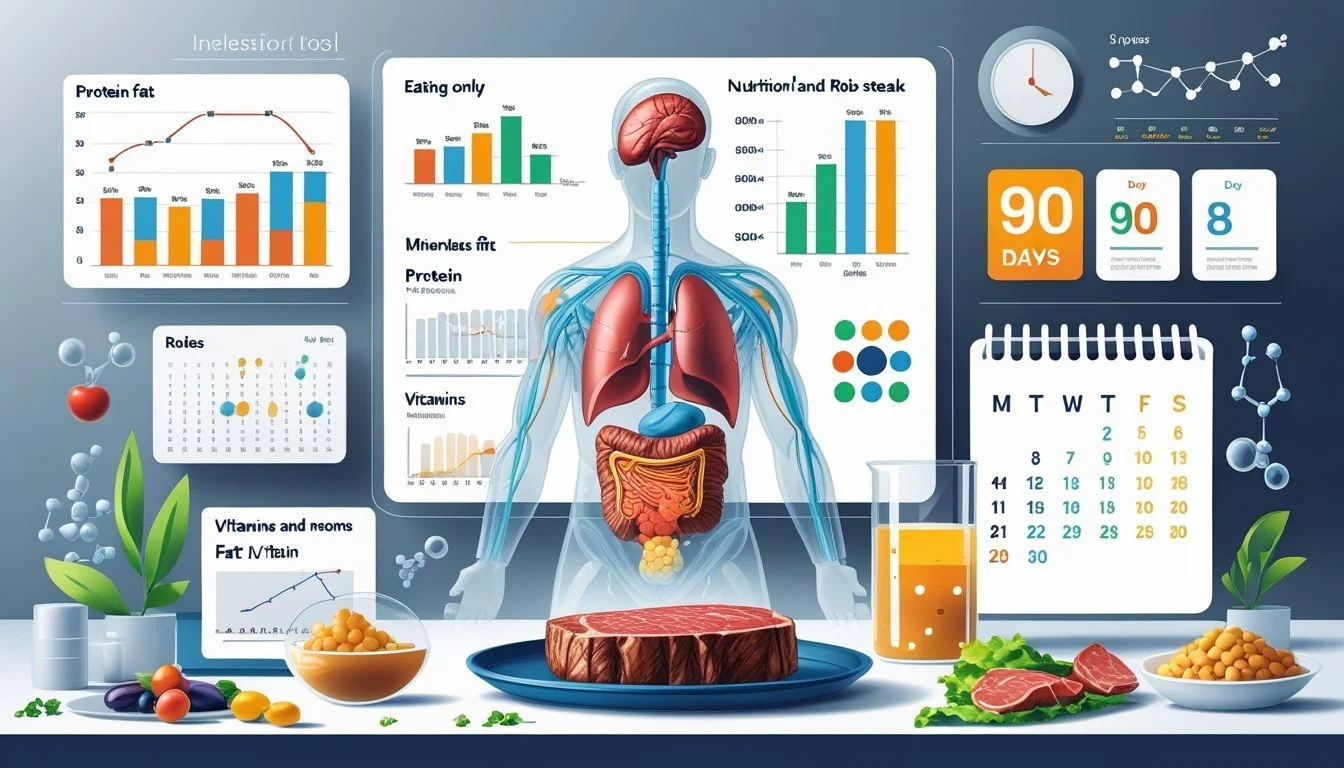
A ribeye-only diet means getting all energy and nutrition from a single food source: beef ribeye. The main components to consider are macronutrient balance, daily calorie intake, and the implications of consuming no carbohydrates.
Macronutrient Composition
Ribeye steak is notable for its high fat and protein content, which makes it ideal for ketogenic and zero-carb diets. On average, a 100-gram serving contains around 20-23g of protein and 18-22g of fat. The exact ratios vary depending on the cut’s fat trimming.
There is essentially zero carbohydrate in plain ribeye, making it a true low-carb food. This provides the body with sustained energy from fat while promoting a state of ketosis. Key vitamins include B12 and niacin, with minimal levels of fat-soluble vitamins such as A, D, and E.
Ribeye supplies essential minerals like zinc, selenium, and iron. However, it lacks significant levels of some micronutrients, such as biotin (B7) and chromium.
Calories And Serving Sizes
A standard 100-gram (3.5 oz) piece of ribeye delivers approximately 250-290 kcal, with differences depending on the specific fat content. A typical meal size often ranges from 200 to 300 grams (7–10 oz), meaning a daily intake can easy approach 1,500–2,500 kcal or more for those consuming only ribeye.
The table below summarizes key metrics per 100g:
Nutrient Amount (approx.) Calories 250–290 kcal Protein 20–23g Fat 18–22g Carbohydrate 0g
Eating ribeye exclusively requires careful attention to serving size to meet individual caloric needs. Fat content, grade, and preparation method all impact the final values.
Zero Carb Approach
A ribeye-only regimen is fundamentally a zero carb diet. That absence of carbohydrates shifts metabolism toward fat oxidation and ketosis. This approach is high in saturated and monounsaturated fat, moderate in protein, and completely free of sugars or fiber.
Some individuals choose increased fat content for higher energy needs, especially if pursuing a strict carnivore or ketogenic plan. Others may opt for leaner cuts, which require higher overall intake to meet calorie needs.
No significant glucose comes from ribeye, so the body must create necessary sugar via gluconeogenesis from protein. Fiber is absent, which can alter digestive patterns for some people.
Health Effects Observed
Over a 90-day period eating only ribeye steak, notable changes occurred in weight, blood markers, and mental well-being. These effects were tracked using measurements, lab tests, and routine self-reports.
Weight Loss And Body Composition
Participants typically reported measurable weight loss within the first few weeks, particularly if they began the case study with excess body fat or obesity. Daily caloric intake was often lower than before, as consuming only ribeye can naturally lead to reduced food volume and fewer snacks.
Despite high fat content, many noted reduced waist circumference and some increase in visible muscle definition, likely due to higher protein intake and satiety. Hydration levels required close attention, as lack of dietary carbs could increase water and electrolyte loss.
Body composition changes were tracked using scale measurements and waist-to-hip ratios. The data suggested ribeye-focused diets may aid weight loss, provided total calorie consumption does not exceed energy needs.
Cholesterol And Bloodwork Changes
Cholesterol levels often changed during the diet, with most participants observing increases in total cholesterol and LDL cholesterol. Some, however, reported improvements in HDL cholesterol, which is typically considered “good” cholesterol in standard blood panels.
Triglyceride levels, an important cardiometabolic marker, tended to decrease in many individuals—sometimes dropping below baseline levels. Inflammation markers such as C-reactive protein (CRP) showed variable results, with no consistent trend across all participants.
Basic bloodwork, including liver and kidney function tests, stayed within reference ranges for most people. But given the saturated fat content of ribeye, long-term implications for heart health remain uncertain based on current evidence.
Mental Health And Mood
Self-reports collected during the study indicated changes in mood and mental clarity. Several participants experienced a reduction in depressive symptoms, especially those who had previously reported low mood or mild depression.
Some attributed this improvement to increased levels of vitamin B12, which ribeye provides in significant amounts. B12 deficiency has been linked in studies to cognitive decline and low mood, and increased intake may offer mental health benefits.
Reported mental clarity and energy varied, with some describing enhanced focus and euphoria, particularly during the first weeks. However, a small subset noted feelings of monotony with such a restrictive diet, potentially impacting motivation and enjoyment of meals.
Digestive Impacts
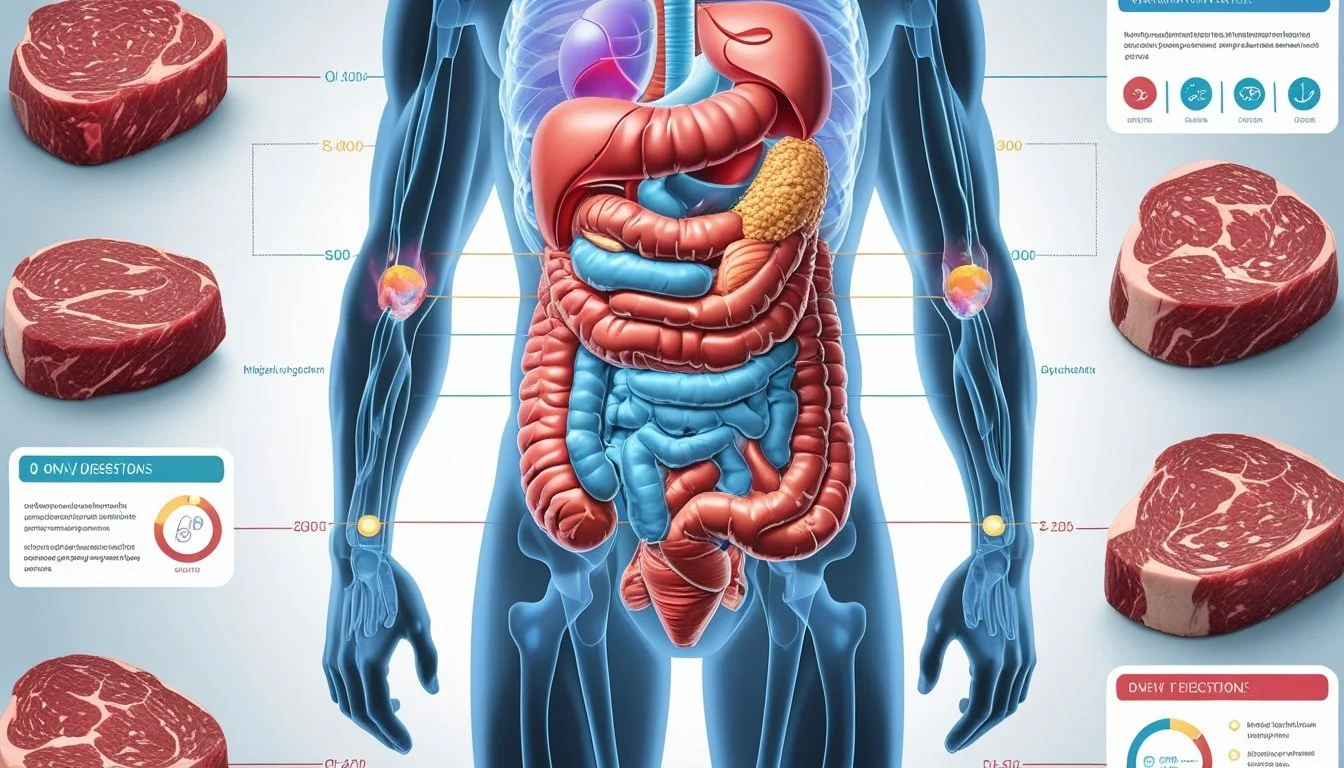
During the 90 days of eating only ribeye, digestive changes frequently become noticeable. Individuals often experience altered bowel patterns, and the complete exclusion of dietary fiber has specific effects on gut health.
Bowel Movements And IBS
Switching to a ribeye-only diet typically leads to fewer and firmer bowel movements. Many report having one small stool every few days instead of daily large ones. This is linked to the low residue produced by an all-meat diet.
Those with irritable bowel syndrome (IBS) sometimes see a reduction in symptoms like bloating and abdominal pain. For some, eliminating plant-based foods reduces triggers for gas and discomfort. However, others may initially experience constipation or difficulty adjusting, especially in the first weeks.
Reports vary, and stool consistency can range from very firm to sometimes loose, depending on salt, hydration, and fat intake. It's important for anyone with existing digestive conditions to monitor their symptoms closely and consult with a healthcare professional if needed.
Effects Of Excluding Fiber
Removing fiber from the diet eliminates a primary food source for gut bacteria. As a result, gut microbiome diversity may decrease, potentially impacting long-term gut health. Stool bulk is reduced, and some individuals experience constipation, at least initially.
While some studies suggest dietary fiber can prevent constipation and promote regularity, others on carnivore diets do not always report negative effects from its absence. For some, the absence of fiber can mean less bloating or discomfort, particularly in those sensitive to fermentable fibers or FODMAPs.
Comparison Table: Potential Effects of Fiber Exclusion
Aspect With Fiber No Fiber (Ribeye-Only) Stool Bulk Larger Smaller Frequency Daily/Often Fewer, sometimes irregular Bloating in IBS Possible Often reduced
Long-term effects of a zero-fiber diet remain under-researched. Regular medical monitoring is advised to ensure gastrointestinal health.
Cost And Sourcing Of Ribeye
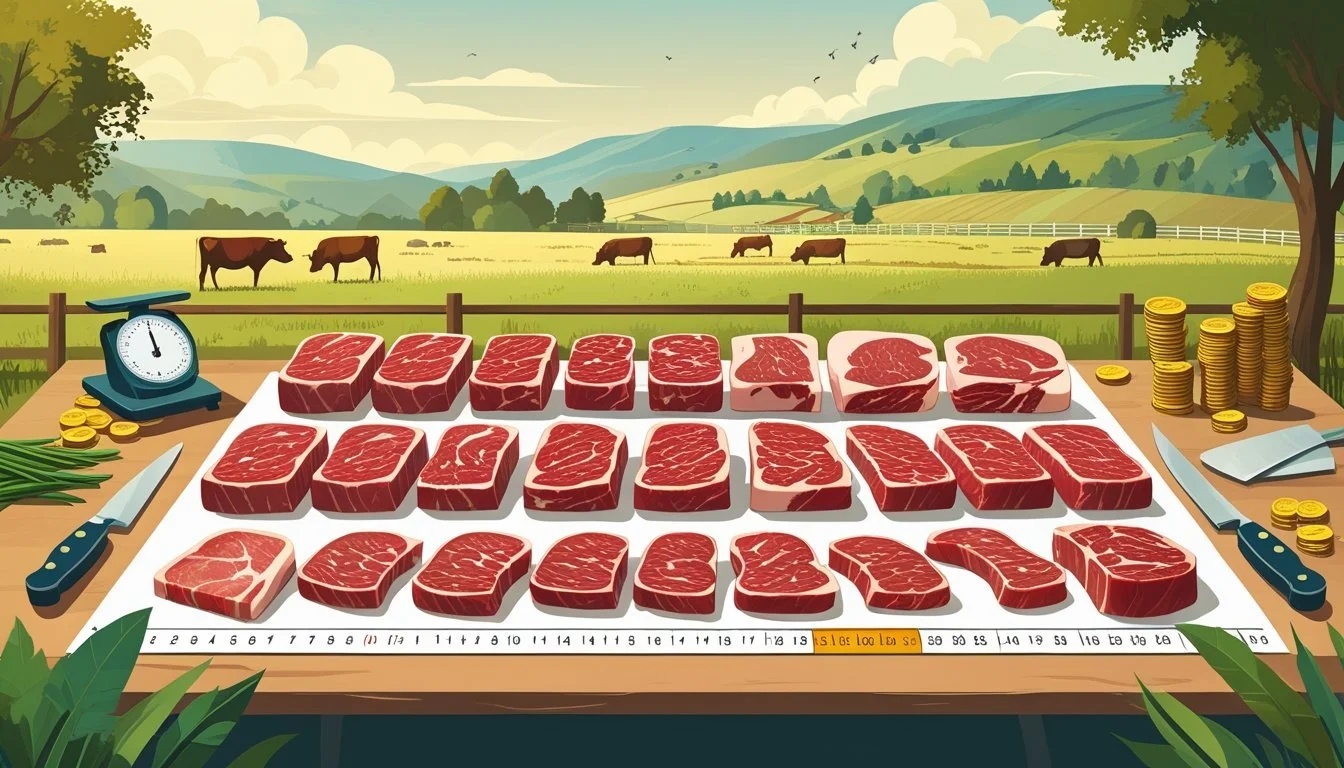
Ribeye steak is recognized for its high price, nutritional value, and widespread demand. Selecting, sourcing, and budgeting for ribeye compared to other types of red meat is necessary when pursuing a ribeye-exclusive diet.
Comparing Ribeye To Other Cuts
Ribeye consistently ranks as one of the more expensive cuts of steak. Prices for store-bought USDA Prime ribeye often hover around $16 per pound, and restaurant servings can be higher, based on thickness and quality. In contrast, sirloin and chuck are frequently below $10 per pound, while ground beef tends to fall in the $4 to $6 per pound range.
The higher cost of ribeye stems from its rich marbling, tenderness, and the fact that it’s sourced from a limited section of the cow—just 8–10% of the animal. This scarcity, combined with robust demand, drives up the price relative to other red meat options.
When calculating the total cost of 90 days of eating only ribeye, this price difference becomes substantial. At two pounds per day, a 90-day supply could exceed $2,800, not accounting for potential discounts from bulk purchasing or wholesale sources.
Grocery Shopping Strategies
Shoppers can lower expenses on ribeye by applying several strategies.
Buying in bulk—from warehouse stores or wholesale butchers—may offer significant per-pound savings. Purchasing whole ribeye roasts and slicing them at home also reduces costs compared to pre-cut steaks.
Timing purchases during weekly sales or promotions helps. Selecting "choice" grade instead of "prime" further decreases cost. Bone-in ribeye is sometimes less expensive than boneless and delivers similar nutritional benefits.
Some grocery chains and online meat suppliers offer loyalty programs or discounts. Comparing prices among local butchers, supermarkets, and online stores can lead to better deals. If eating ribeye daily, long-term freezer storage is essential; investing in a vacuum sealer and chest freezer preserves freshness and allows for bulk buying.
Preparation And Cooking Methods

Proper preparation and cooking techniques affect the flavor, texture, and nutrient profile of ribeye steak. Choices around high-temperature grilling or pan-searing with butter can influence taste, juiciness, and even the levels of certain meat mutagens.
Grilling Techniques
Grilling ribeye steak over high heat creates a distinctive crust and smoky flavor. For best results, the grill should be preheated to at least 450°F (over 230°C) and the steak should be patted dry before cooking.
A thicker cut of ribeye benefits from a two-zone method: searing over direct heat for 2-3 minutes per side, then moving to indirect heat to reach the desired internal temperature. Rare: 120–125°F, Medium Rare: 130–135°F, Medium: 140–145°F. Use a digital thermometer for accuracy.
Resting the steak for at least 5 minutes after grilling helps redistribute juices. Excessive charring or cooking to well-done may increase the formation of certain compounds like heterocyclic amines, which research links to potential health risks.
Pan-Searing And Other Approaches
Pan-searing uses a heavy skillet, often cast iron, preheated until nearly smoking. A high smoke-point fat such as clarified butter or ghee is preferred, as regular butter may burn. The ribeye should be placed in the pan without moving it for a deep brown crust.
Basting with butter and aromatics (like garlic or thyme) in the final minutes enhances flavor and moisture. After searing both sides (about 2-3 minutes per side), the steak can be finished in a 400°F oven until the desired doneness. For smaller kitchens or consistent results, sous vide followed by a brief sear can ensure tenderness while retaining juices and nutrients.
Alternative methods, such as oven broiling or reverse searing, can also deliver a balanced crust and interior. Pan drippings can be used to make a simple sauce or served as is.
Community And Social Aspects

Undertaking a diet of only ribeye for 90 days is as much a social experiment as a nutritional one. The experience touches on the dynamics of support, criticism, and the sense of community found among those practicing carnivory.
World Carnivore Tribe Experience
The World Carnivore Tribe, a prominent online community, offers a digital gathering space for those participating in all-meat diets, including ribeye-only challenges. Members share daily meal photos, troubleshooting tips, and updates about their health and adaptation process. Participation often leads to exchanges on cooking techniques, sourcing quality beef, and navigating social situations.
Many report increased motivation due to interaction with others who have completed or are currently engaged in similar carnivory ventures. Group polls and anecdotal posts serve as informal support systems. The community's shared experiences can reduce feelings of isolation or uncertainty during the 90-day period.
Platforms like Facebook and Reddit feature World Carnivore Tribe groups, where entry is usually free, though some offshoots may promote books or supplements via ads. The environment tends to be supportive, though it is not immune to debate over diet variations or best practices.
Support And Criticism From Others
Engaging in a ribeye-only diet for 90 days often provokes strong reactions from friends, family, and coworkers. Supporters may express curiosity or admiration, sometimes offering recipes or joining for meals, while skeptics question the health implications or sustainability.
Social events can become challenging, as communal eating is a significant cultural practice. Declining invitations or bringing one’s own food to restaurants may lead to discomfort or repetitive explanations. Some report being subject to jokes or persistent questioning about their choices.
Criticism is typically rooted in concerns about nutritional adequacy, variety, or environmental issues. Conversely, some people, especially in carnivore-focused circles, provide practical support, such as sharing trusted meat suppliers or suggesting social strategies. Whether online or in person, responses are often influenced by existing views on dietary norms.
Comparisons To Other Diets

A ribeye-only diet is more restrictive than most animal-based or low-carb approaches. It stands apart in both food choices and nutritional focus compared to common diets like Paleo or ketogenic regimens.
Differences From Paleo And Ketogenic Diets
The Paleo diet centers on whole foods, including a diverse range of animal products, vegetables, fruits, and nuts. It excludes grains, legumes, and most dairy but does not limit participants strictly to a single type of meat.
In contrast, the ketogenic diet is built around low carbohydrates and high fat, often encouraging consumption of various animal products—such as steak, eggs, cheese, and heavy cream—to maintain ketosis. Keto dieters monitor macronutrient ratios, using both meats and fats from multiple sources.
A ribeye-only approach reduces these choices by focusing exclusively on ribeye steak. There are no vegetables, no other cuts of meat, and typically no dairy, eggs, or plant-based foods. Table 1 summarizes these differences.
Diet Proteins Fat sources Carbs Plant Foods Dairy (Cheese, Cream) Eggs Ribeye-Only Ribeye only Ribeye fat None None No No Ketogenic Varied Meat, eggs, dairy Very low Limited Yes Yes Paleo Varied Meat, some nuts Moderate (from plants) Yes Rarely Sometimes
Excluding Animal Product Variety
Both Paleo and keto diets depend on a mix of animal products to deliver a fuller range of nutrients, flavors, and dietary fats. Eggs and dairy—like cheese and heavy cream—commonly appear in ketogenic meal plans, offering additional protein and fat options.
Someone eating only ribeye foregoes these sources. They consume no eggs, cheese, or cream, missing out on micronutrients and fatty acids present in these foods. There are also no organ meats or fish, which can provide different vitamins and minerals.
This strict inclusion of only ribeye changes the diet’s amino acid profile, vitamin intake, and fat composition compared to more varied animal-based plans. It may simplify shopping and meal prep, but it also limits dietary diversity and potentially long-term nutrient sufficiency.
Notable Influences And Thought Leaders
Over the past several years, the carnivore diet has gained visibility, largely due to outspoken advocates who promote eating only animal products. Key voices have shaped the public’s perception and helped set the foundation for case studies, such as a 90-day all-ribeye experiment.
shawn baker’s Perspective
Dr. Shawn Baker is among the most prominent figures in the carnivore movement. A former orthopedic surgeon, Baker is widely known for his advocacy of a diet consisting exclusively of meat, often highlighting his personal results with daily consumption of steak, including ribeye.
Baker’s approach emphasizes simplicity—no plant foods, no carbohydrates, and minimal supplementation. He frequently shares data and anecdotal reports from individuals following the diet, focusing on improvements in energy, mental clarity, and joint health.
He has appeared on major podcasts and authored The Carnivore Diet, offering resources and guiding principles for newcomers. Baker also engages with the community through social media, offering direct feedback and highlighting both potential benefits and concerns, like nutrient intake and adaptation periods.
Key Takeaways And Lessons Learned
Satiety and Simplicity:
Eating only ribeye for 90 days provided consistent satiety. Meals were simplified, eliminating the need to plan or track calories and macros.
Physical Effects:
Energy levels remained stable for most of the period. Some experienced mild digestive changes early on, such as less frequent bowel movements or firmer stools.
Observed Trends:
Area Observation Weight Some people lost body fat Muscle No noticeable loss in strength Blood Markers Mixed effects on cholesterol Cravings Decreased over time
Variety and Enjoyment:
Palate fatigue and meal monotony became apparent after several weeks. The lack of variety may impact long-term adherence for many individuals.
Potential Health Impacts:
Nutritional blood tests indicated no acute deficiencies within 90 days, though ongoing monitoring is important. Saturated fat intake increased but did not lead to significant health problems for the duration.
Social and Lifestyle Considerations:
Dining out or eating socially became harder, and meal experiences were less varied. This approach simplified decision-making but limited social opportunities connected to food.
Final Note:
Strict, ribeye-only diets are highly individual. Reactions can differ based on starting health, activity, genetics, and other factors.

