
Skin Health Metrics Before and After Carnivore
Tracking Changes in Complexion and Wellbeing
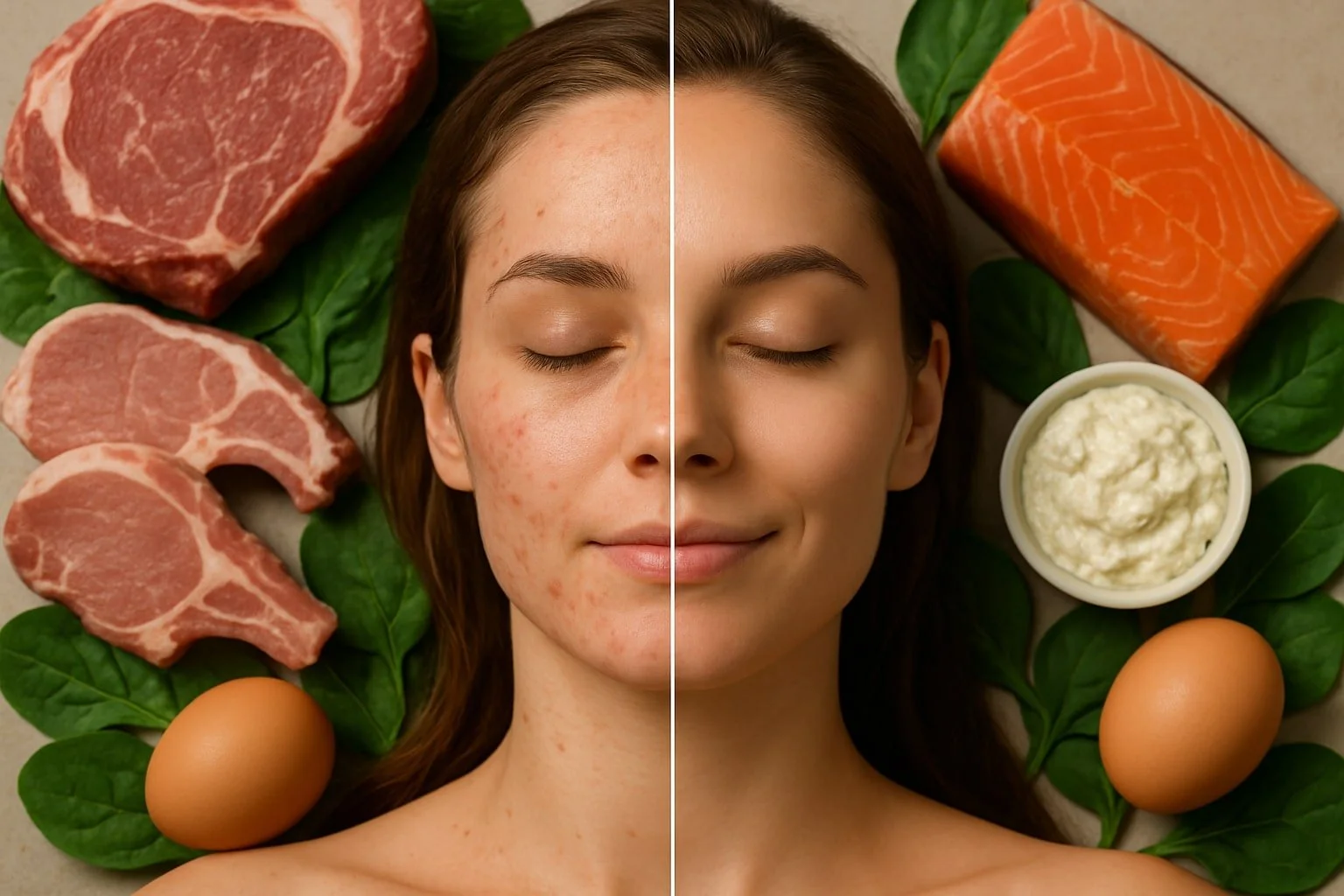
Many people looking to address persistent skin issues are turning to the carnivore diet, a strict eating plan focused on animal foods, to observe changes in their complexion and overall skin health. Measured before-and-after results often highlight reductions in inflammation, clearer skin, and improvements in specific conditions like acne, eczema, or psoriasis after adopting carnivore eating habits.
Reports from individuals and health experts indicate that changes in blood sugar levels, gut health, and inflammatory markers may contribute to these skin improvements. By evaluating skin health metrics before and after making such a dietary shift, readers can gain a clearer understanding of what outcomes are realistic and what underlying mechanisms might be at work.
Understanding Skin Health Metrics

Skin health can be observed through measurable markers, dietary influences, and the progression of chronic conditions. These factors work together to show tangible changes in skin clarity and overall condition.
Key Biomarkers for Skin Health
Skin health metrics rely on both visual and biochemical markers. Clinicians often assess hydration, elasticity, sebum production, and pigmentation. Lab tests may measure inflammatory markers such as C-reactive protein (CRP) or vitamin levels like A, D, and E.
Table: Common Skin Health Biomarkers
Biomarker Description Hydration Assessed by transepidermal water loss measurement Sebum Levels Evaluated to understand oiliness and acne risk Inflammatory Markers (CRP) Indicate underlying skin inflammation Pigmentation Checked visually or with devices for spots/discoloration Collagen Density Sometimes measured using imaging or biopsy
Monitoring these markers provides data beyond subjective appearance.
Connection Between Diet and Skin Clarity
Diet affects skin clarity through nutrient intake and the avoidance of irritants. Diets rich in processed foods and sugars have been linked to increased acne and inflammation. On the other hand, changes to a meat-focused or exclusionary diet (such as the carnivore diet) remove common allergens and plant-based irritants.
Protein, zinc, certain amino acids, and fatty acids in animal-based diets may support skin barrier function and reduce some forms of inflammation. The absence of specific plant compounds or carbohydrates can also affect hormonal and microbial balance, which in turn alters oil production and breakouts.
Not all individuals respond the same way, and responses may vary depending on baseline health or genetics.
Common Chronic Skin Conditions
Chronic conditions like acne, eczema, and psoriasis are impacted by metabolic health, immune status, and dietary patterns. These disorders often correspond with changes in skin hydration, inflammation, and barrier function.
Acne is characterized by excess sebum, clogged pores, and inflammation. Eczema involves dryness and barrier dysfunction, often worsening with certain dietary triggers or allergens. Psoriasis presents with patches of thickened, red skin, frequently driven by immune system activity.
Tracking these conditions before and after dietary interventions provides insight into diet-related improvements or flare-ups in skin health.
What Is the Carnivore Diet?
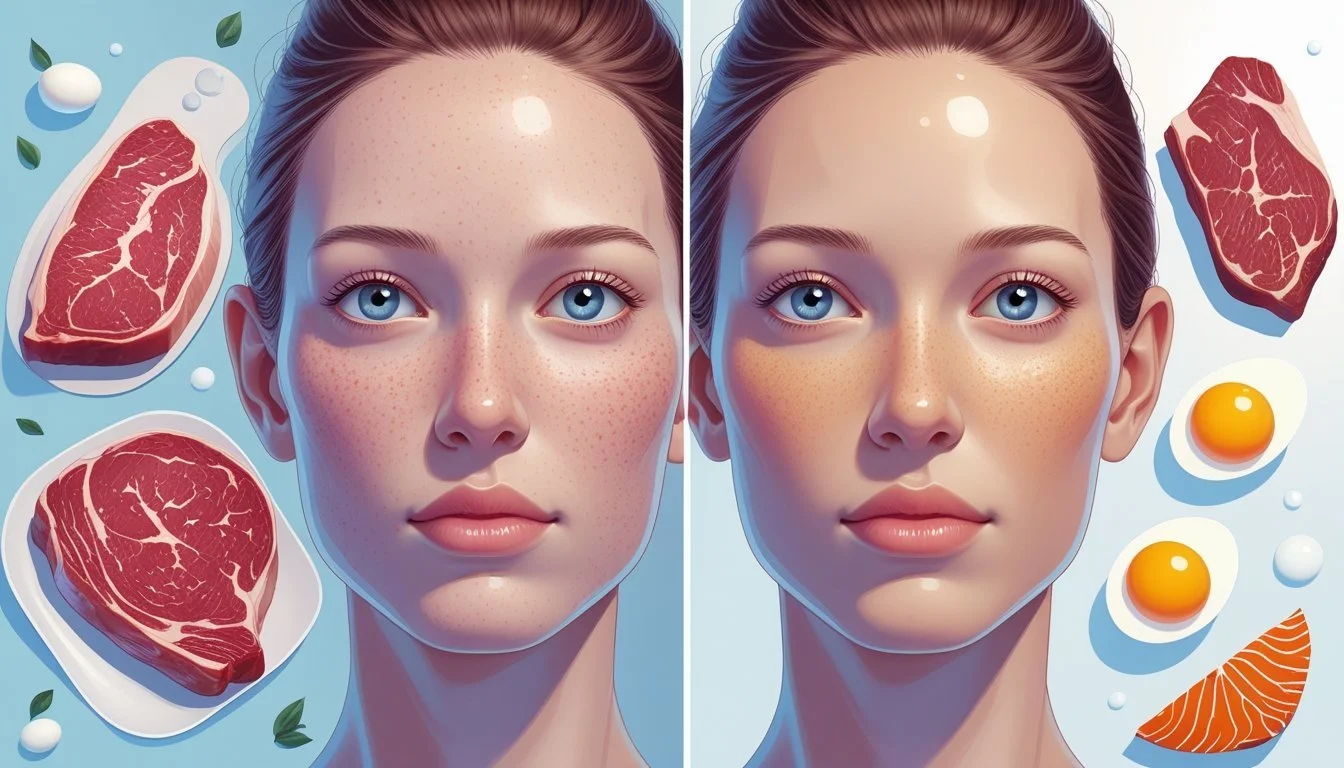
The carnivore diet is an all-animal foods eating plan centered on meat, fish, eggs, and certain animal-based products. It is often viewed as a form of elimination diet and distinguishes itself from low-carb approaches by being nearly devoid of plant-based foods.
Core Principles and Nutritional Benefits
The primary focus of the carnivore diet is consuming only foods sourced from animals. That typically includes beef, poultry, pork, seafood, organs, and sometimes dairy or eggs, depending on individual tolerance.
Key nutrients in this approach:
High-quality protein for tissue repair
Vitamins B12, D, and A
Minerals like iron and zinc
Omega-3 fatty acids (if seafood is consumed)
By excluding carbohydrates, especially from grains, fruits, and vegetables, many people experience stable blood sugar levels and reduced insulin spikes. Several individuals also report less bloating and fewer food cravings.
Since the diet eliminates most common allergens and anti-nutrients, adherents often use it to troubleshoot digestive or inflammatory issues. Its simplicity makes tracking macros easier for some, though the restrictive nature requires careful consideration for nutrient adequacy.
Carnivore vs. Low-Carb and Elimination Diets
Unlike a typical low-carb diet, which still allows certain vegetables, nuts, and seeds, the carnivore diet removes all plant foods. This elimination is more absolute, aiming to reduce dietary variables to a minimum.
In comparison, an elimination diet systematically removes foods known to cause sensitivities or symptoms, then slowly reintroduces them. The carnivore diet, while similar in intent, skips the reintroduction phase and maintains strict restrictions.
Diet Type Foods Allowed Purpose Carnivore Animal meats, eggs, some dairy Simplification, inflammation Low-Carb Meat, veggies, limited fruit Blood sugar control, fat loss Elimination Varies, removes suspected foods Identify trigger foods
By focusing solely on animal-based nutrition, the carnivore diet offers a more radical approach than most low-carb or elimination strategies. This distinct composition can affect health markers in unique ways, particularly those related to inflammation and skin health.
Baseline Skin Health Metrics Before Carnivore
Many people starting a carnivore diet often report a range of skin concerns present before any dietary changes. Skin conditions can be influenced by dietary habits, underlying metabolic health, and levels of processed food intake.
Typical Symptoms and Skin Issues
Before switching to a carnivore diet, individuals often experience common skin problems such as:
Cystic acne, frequently localized on the jawline, neck, and forehead
Flare-ups of psoriasis and eczema, leading to redness, itchiness, and dry patches
Uneven skin texture, enlarged pores, and hyperpigmentation
Those with polycystic ovary syndrome (PCOS) may notice more persistent acne tied to hormonal and metabolic factors. Skin is often inflamed and slow to heal, with recurring breakouts and visible irritation.
People may rely on over-the-counter topical treatments, but deeper root causes tied to inflammation and diet often remain unaddressed. This can result in temporary improvements but ongoing symptoms.
Role of Processed Foods and Insulin Resistance
A significant portion of the baseline population consumes diets high in processed foods, refined sugars, and seed oils. These dietary patterns are strongly linked to spikes in insulin resistance and systemic inflammation.
Elevated insulin levels can increase oil production and androgen activity, which exacerbates conditions like cystic acne—especially in individuals with underlying PCOS. Chronic inflammation from processed foods also worsens autoimmune skin conditions such as eczema and psoriasis.
Long-term consumption of processed carbohydrates and sugars often correlates with dullness, worsened pigmentation, and a higher prevalence of inflammatory skin issues. Many experience improvement in skin appearance when moving away from ultra-processed diets, highlighting the role of food choices in managing skin health.
Dietary Changes With Carnivore
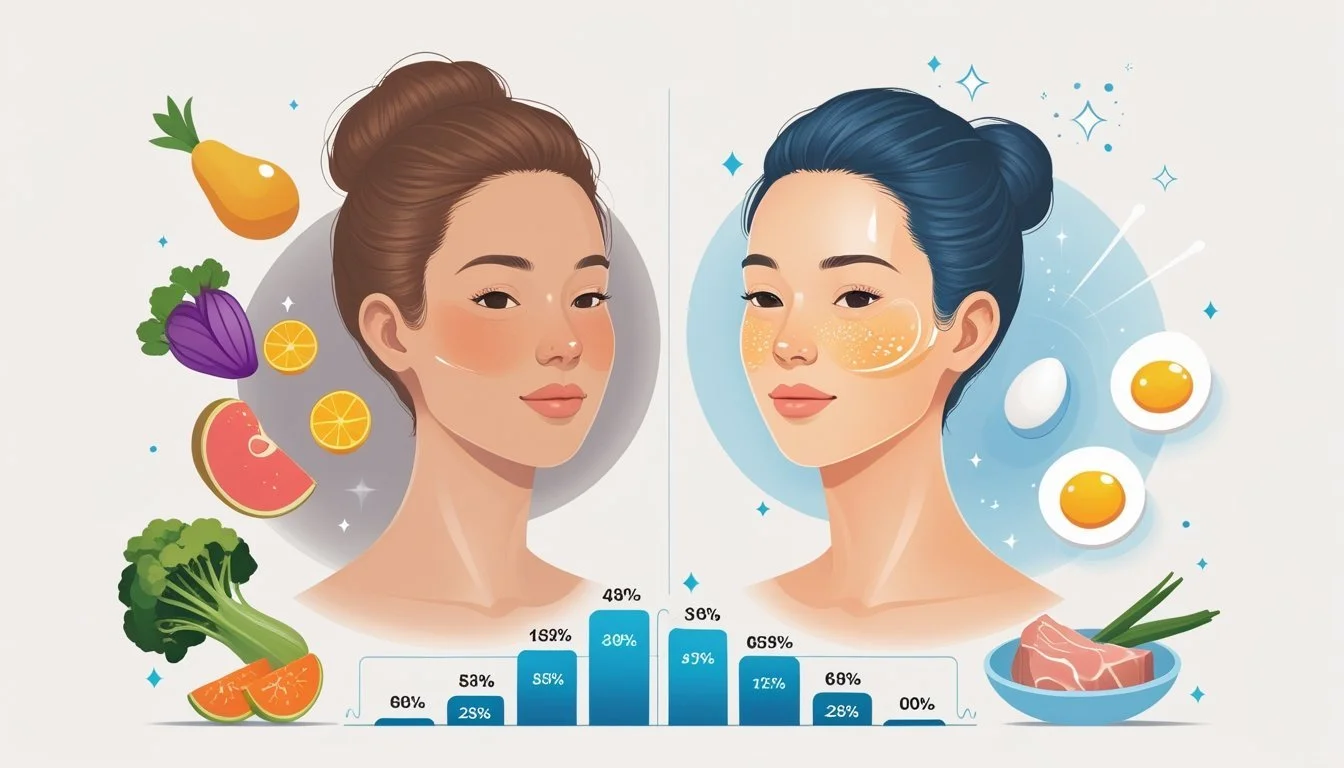
A carnivore diet involves strict removal of most plant-based foods and relies heavily on animal-derived nutrition. The dietary approach emphasizes meat, animal fats, and, for some, organ meats, with hydration taking on additional importance due to changes in electrolyte intake.
Diet Composition and Excluded Foods
The carnivore diet is primarily composed of red meats, such as beef and lamb, along with other animal proteins like poultry, pork, and fish. Eggs, some dairy, and animal fats are also included, depending on the individual's tolerance.
Foods completely excluded include all fruits, vegetables, grains, legumes, nuts, and seeds. This removal eliminates dietary fiber and plant-based carbohydrates. Because of this, people on the carnivore diet consume little to no sugar or starch, which can affect blood glucose and inflammation markers.
Those following the diet often report changes in skin health, attributing improvements to the reduction of plant foods believed to cause irritation or inflammation.
Importance of Organ Meats and Hydration
Organ meats—such as liver, kidney, and heart—are highly concentrated sources of vitamins and minerals, including vitamin A, B vitamins, iron, and zinc. Regular inclusion of organ meats helps prevent micronutrient deficiencies that may occur from a limited diet.
Hydration is vital, as the absence of plant foods can lower intake of certain electrolytes like potassium and magnesium. Individuals are advised to monitor water and salt intake carefully. Many increase their consumption of mineral-rich water and add salt to food to maintain electrolyte balance and avoid symptoms like headaches or muscle cramps.
Failing to consider hydration needs on a carnivore diet can lead to fatigue and other health issues, making organized fluid and salt intake a core part of dietary management.
Comparing Skin Health Metrics After Carnivore
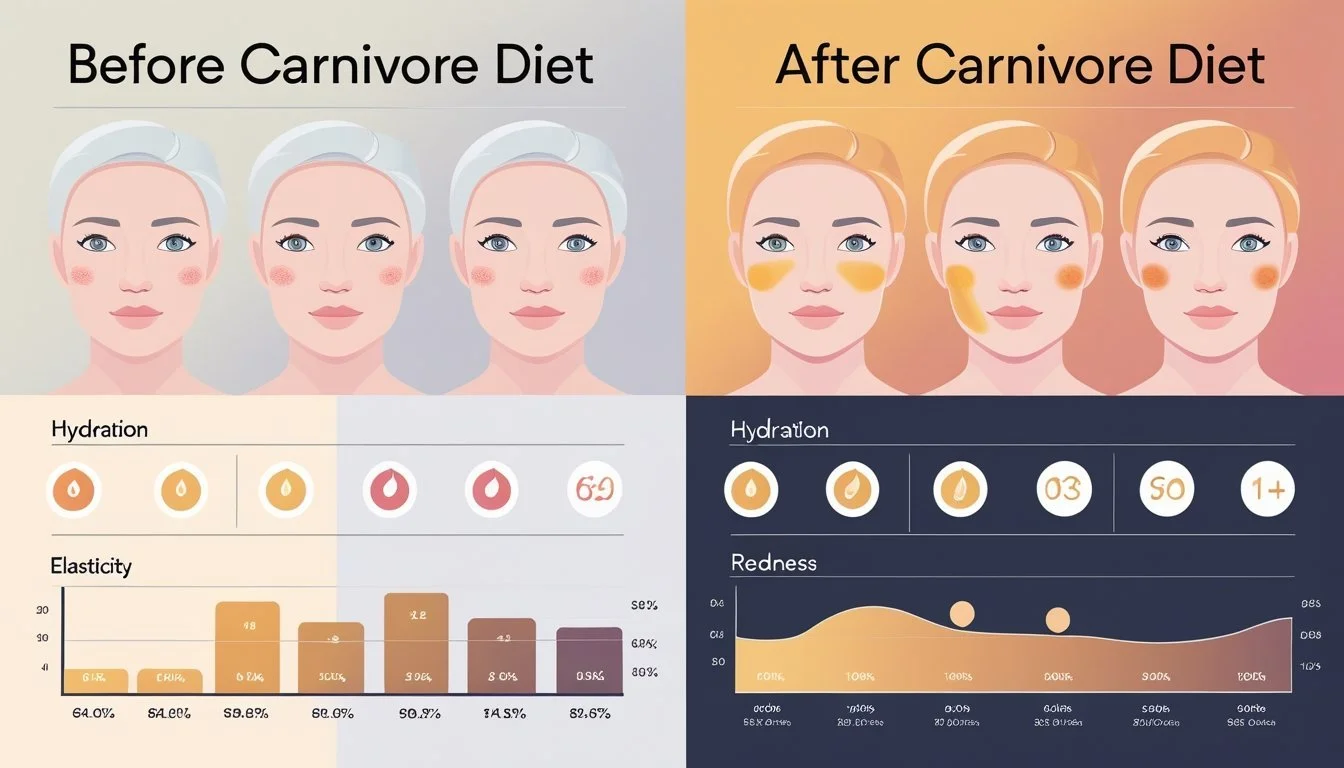
Adopting a carnivore diet has been associated with noticeable changes in various skin health metrics. Individuals often report shifts in the prevalence and severity of common skin conditions as well as measurable improvements in hydration and clarity.
Improvements in Acne, Eczema, and Psoriasis
Many individuals following a carnivore diet report a reduction in acne lesions within the first few weeks. They often note fewer breakouts, reduced inflammation, and less cystic acne. Some people with eczema describe less itching and redness, with visible improvement in affected areas.
People managing psoriasis sometimes see patches become lighter or less scaly over time, though changes can vary based on disease severity and duration. According to case studies and personal testimonials, benefits are most apparent in those who struggled with persistent skin issues before changing their diet.
Anecdotal evidence suggests that the removal of plant-based triggers and reduced carbohydrate intake may play a role. However, responses are individual and some may not experience the same degree of improvement.
Changes in Skin Hydration and Clarity
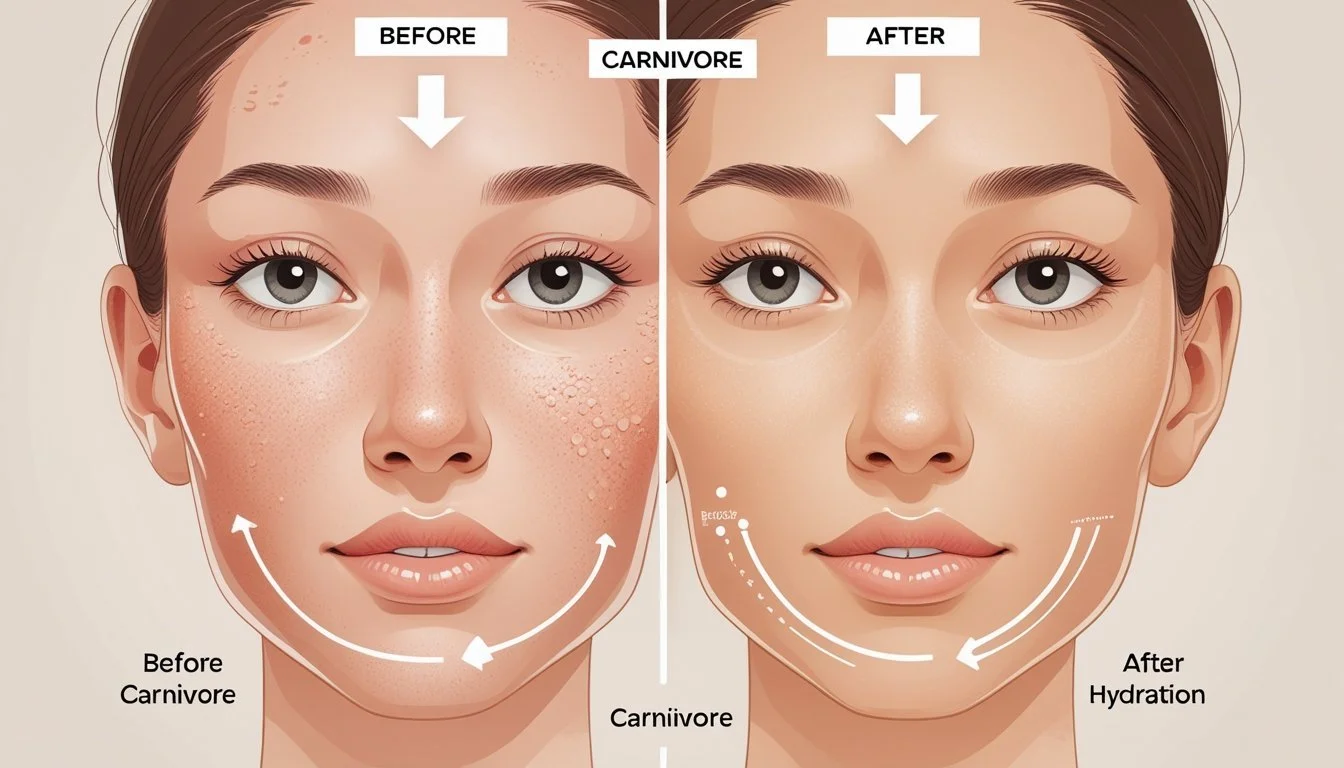
After transitioning to a carnivore diet, several report changes in skin hydration. Skin sometimes feels less oily, and dryness can decrease for some. Others observe their skin texture becoming smoother and more balanced.
Improvements in skin clarity are frequently mentioned. Blemishes and redness may lessen, and people describe a more even skin tone. Some attribute these changes to stable blood sugar levels and a reduction in inflammatory foods.
A basic comparison can be seen in the following table:
Metric Before Carnivore After Carnivore Skin hydration Variable/oily More balanced/smoother Clarity Dull, blemished Clear, even tone
Direct measurement of moisture content or oil production is rare, but subjective accounts point to a trend toward more consistent and healthier skin.
Other Health Benefits Observed
Individuals following a carnivore diet have reported positive changes beyond skin health. Notable improvements include changes in body weight and increased mental sharpness.
Improvements in Weight Management
Many people report experiencing weight loss and improved weight management after switching to a carnivore diet. This is often attributed to a reduction in overall calorie intake, increased protein consumption, and elimination of processed foods and sugars.
A commonly reported effect includes feeling fuller for longer periods, which can reduce the urge to snack and support calorie control. Some individuals also mention stabilization of blood sugar levels, which may help decrease cravings and prevent energy crashes.
Self-reported outcomes often highlight decreases in body fat, especially when combined with increased satiety and reduced carbohydrate intake. While responses vary among individuals, these trends suggest a connection between the carnivore diet and more stable weight outcomes.
Enhanced Mental Clarity
A number of participants mention improved focus and mental clarity as a benefit of adopting a carnivore diet. Such changes are sometimes observed within the first few weeks of dietary change.
Reports indicate reduced “brain fog” and better concentration throughout the day. This effect may be related to steady blood glucose levels and the absence of highly processed foods.
Some individuals describe feeling more alert, with fewer mood fluctuations and increased productivity. Listeners should note that while these experiences are frequently self-reported, they appear consistently in anecdotal feedback from those maintaining a carnivore lifestyle.
Factors Influencing Individual Results
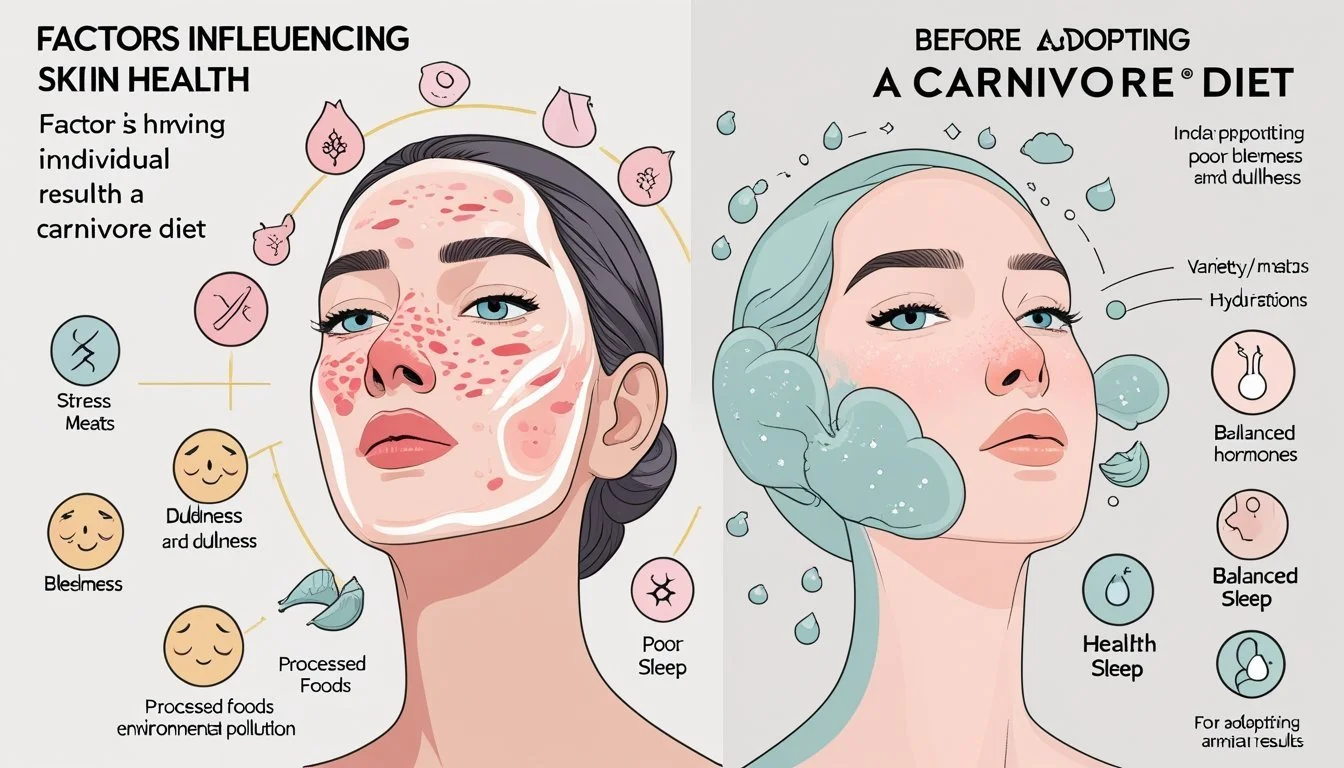
Skin response to the carnivore diet can vary based on unique biological and nutritional factors. The rate of improvement and the specific skin changes are shaped by how a person's metabolism functions and by the nutrients they receive from the diet.
Personal Metabolic Differences
Each person's metabolism reacts differently due to genetics, hormone levels, and underlying health issues. Those with insulin resistance or certain inflammatory conditions may notice changes in their skin sooner when transitioning to a carnivore diet, as blood sugar stability can reduce acne-related inflammation.
Lifestyle factors, such as sleep quality, stress, and physical activity, further influence skin health outcomes. A person engaging in regular exercise and maintaining a balanced sleep schedule may experience better skin hydration and faster healing.
Age plays a significant role as well. Younger individuals may regenerate skin cells more rapidly, while older adults might see slower but still noticeable improvements.
Impact of Nutrient Density
Nutrient density—the amount of essential vitamins and minerals per calorie—directly affects skin clarity and structure. Animal-based foods, especially organ meats, are rich in nutrients like vitamin A, zinc, and omega-3 fatty acids, all of which contribute to collagen synthesis, reduced inflammation, and enhanced repair.
The absence of processed foods and seed oils eliminates several common dietary triggers for skin issues. A higher intake of bioavailable nutrients supports the skin barrier and may improve moisture, elasticity, and reduce redness or irritation.
Below is a comparison of nutrient density in common carnivore diet staples:
Food Key Nutrients Beef liver Vitamin A, B12, Copper Salmon Omega-3s, D, Selenium Eggs Biotin, Choline, D
Consistent consumption of these foods may yield gradual, visible skin health improvements.
Conclusion
Individuals following a carnivore diet have reported changes in several skin health metrics, including reduced inflammation, less water retention, and in some cases, improvement in conditions like acne or skin tags.
Reported benefits are often seen within the first month. Some people note clearer skin and faster recovery from minor skin injuries.
Objectively, the main changes can be grouped as follows:
Metric Before Carnivore After Carnivore Inflammation Often moderate or high Frequently reduced Water Retention Sometimes present Typically less Acne Frequent or periodic Sometimes improved Skin Recovery Time Standard Sometimes faster
Self-reported satisfaction is high among adults who tried the diet, according to survey-based studies.
It's important to note that results vary. Some experience few changes, while others see noticeable skin benefits. Large, controlled studies are limited, and more research is needed for definitive conclusions.
Individuals considering dietary changes for skin health should consult with healthcare professionals for guidance based on their specific needs and conditions.

