
A Month of Raw Carnivore: Key Health Changes and Real Results
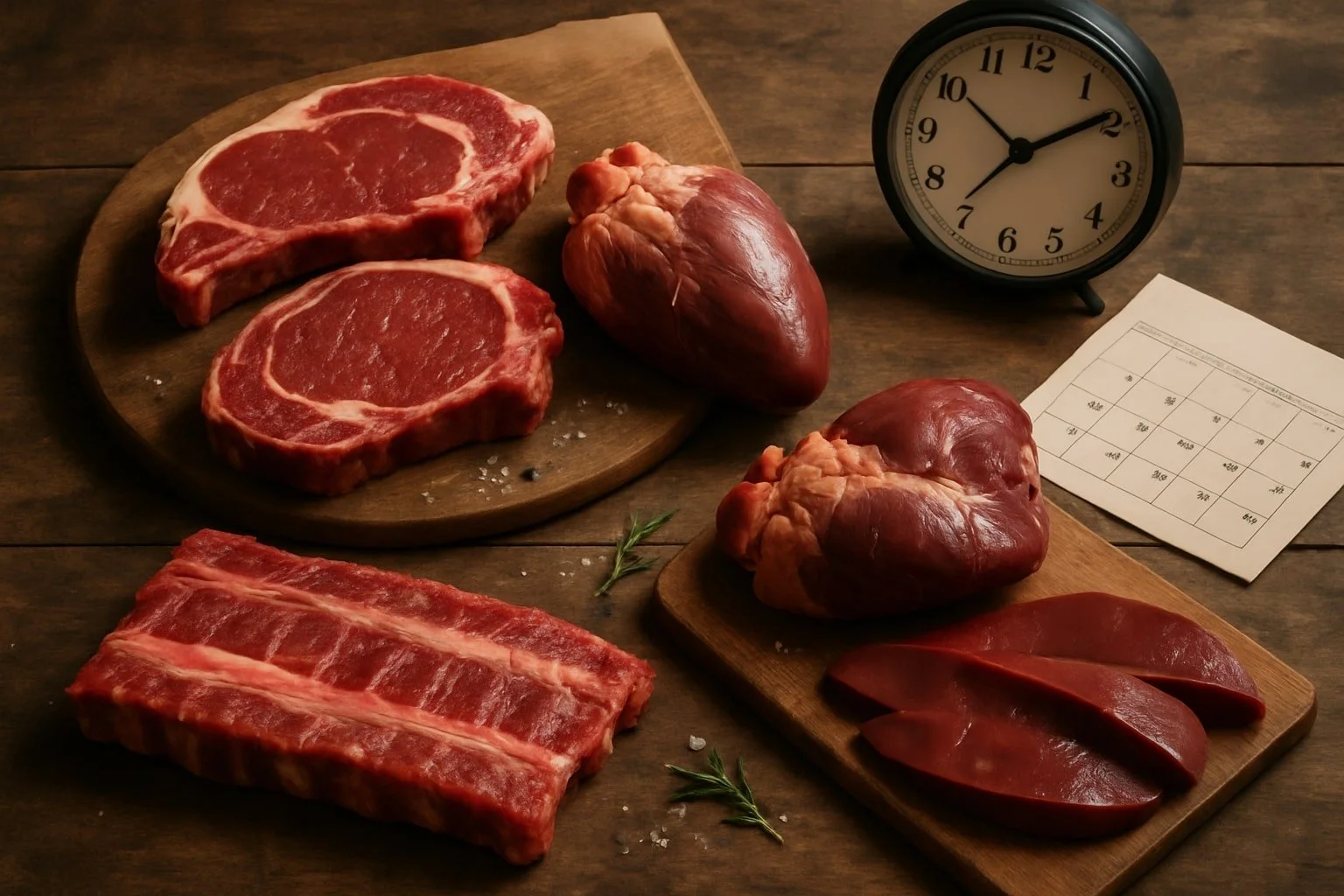
A month of eating raw carnivore led to noticeable changes in energy, digestion, and body composition. People trying this approach often report initial fatigue, but as their bodies adapt, shifts in performance, weight, and satiety can occur. The commitment to only animal products—especially raw meats, organs, and dairy—can reveal how the body responds when all plant foods are excluded.
Readers curious about the effects of this restrictive, controversial way of eating will find real experiences and practical observations. Whether motivated by health experiments, curiosity, or the search for more energy, the results over thirty days offer straightforward insights into the potential benefits and challenges faced during a raw carnivore month.
What Is the Raw Carnivore Diet?
The raw carnivore diet centers around only eating animal-based foods in their uncooked form. Emphasis is placed on simplicity, nutrient density, and the elimination of all plant foods.
Principles of the Carnivore Lifestyle
Followers of the carnivore lifestyle eat only foods derived from animals. This includes muscle meat, organ meats, eggs, fish, and sometimes dairy. The primary goal is to remove all plant-based foods, which advocates believe can help with digestion and inflammation.
Meals are centered on whole animal products without seasonings like herbs or spices. Many practitioners choose to limit or avoid processed meats, focusing on fresh, unaltered foods. Hydration usually consists of water, and some people include salt for taste and electrolyte balance.
For some, stricter versions—such as the "Lion Diet"—involve eating only beef, salt, and water. This form eliminates even more variables and is popular for those testing specific health goals. The approach is highly individual, but always animal-based and plant-free.
Raw Versus Cooked Animal Products
Unlike the standard carnivore diet that includes cooked animal foods, the raw carnivore version involves eating meat, organs, fish, and eggs in their uncooked state. Supporters claim raw foods retain more natural enzymes and nutrients that might be reduced or altered by heat.
Raw carnivore adherents often say they notice different digestive and energy effects compared to eating the same foods cooked. They typically consume foods like sashimi-grade fish, steak tartare, raw liver, and raw egg yolks. Safety and food quality are high priorities since raw animal products carry a higher risk of foodborne illness.
Preparation is minimal, with refrigeration and sourcing from reputable suppliers considered essential. Many prefer grass-fed or pasture-raised meats due to concerns over antibiotics and animal welfare. Ensuring freshness and proper handling is a major part of the routine.
Common Ingredients: Meat, Eggs, Fish, and Organ Meats
A raw carnivore diet relies almost entirely on a select list of animal foods:
Animal Food Common Examples Notes Meat Beef, lamb, bison, elk Often selected from ruminant animals Organ meats Liver, heart, kidney, spleen Eaten for vitamins and minerals Fish Salmon, tuna, mackerel Preferably sashimi grade; eaten raw Eggs Chicken, duck Often consumed raw or lightly whisked
Each of these foods offers complete proteins, essential fats, and micronutrients. Organ meats are especially valued for their high concentrations of vitamin A, B vitamins, and minerals like iron and zinc.
Some followers include other animal-derived items like bone marrow or raw dairy, but many exclude these due to either intolerance or to keep the diet as simple as possible. The focus remains strictly on animal-sourced, unprocessed whole foods.
Getting Started: First Steps and Preparation
Selecting high-quality foods and maintaining strict food safety help set the foundation for a successful month on a raw carnivore diet. Attention to meat sources, handling, and meal structure is essential for nutritional adequacy and reducing health risks.
Choosing Quality Animal Products
Quality makes a significant difference when consuming animal foods raw. Grass-fed beef is recommended as it contains higher omega-3 levels and typically comes from animals raised without added hormones or antibiotics. Organ meats, like liver and heart, are dense sources of vitamins and minerals that are sometimes hard to obtain from muscle meat alone.
Cheese and butter from grass-fed cows often provides more beneficial fatty acids, though some choose to avoid dairy altogether. Chicken should be pasture-raised if possible, as conventional poultry may carry a higher risk of contamination. Many find that including a variety of cuts—such as ribeye, tenderloin, and fat-rich brisket—helps them meet energy needs and balance nutrients.
Whenever possible, they should seek out unprocessed, fresh products and avoid anything that is cured, preserved, or enhanced with additives. Processed foods and even grain-fed meats often contain fillers, sugars, or hidden ingredients.
Meal Planning and Safe Food Handling
Meal planning starts with creating a list of preferred meats, fats, and any tolerated animal-based products. Raw eggs, cheese, and lard can offer variety, but each carries unique storage rules. It is vital to purchase from reputable butchers or suppliers with a history of safe handling and transparency.
A typical shopping list might look like this:
Food Type Examples Red meats Grass-fed beef, lamb Fats Butter, lard Organ meats Liver, heart, kidney Dairy (optional) Cheese, cream Poultry Pasture-raised chicken
All foods must be kept refrigerated and consumed well before expiration. Surfaces, utensils, and hands should be cleaned thoroughly before and after preparing raw items. Meal portions are best prepared daily to minimize risk.
Freezing meat for at least two weeks before eating raw can decrease parasite risk, especially for wild or non-commercial meats. They should completely eliminate processed foods, sauces, or commercial marinades during this period to stay consistent with a true raw carnivore approach.
Health Benefits After a Month on Raw Carnivore

Many people report noticeable effects after following a raw carnivore diet for a month. This includes distinct changes in weight, energy, and inflammation levels.
Weight Loss and Body Composition Changes
Switching to a raw carnivore diet often leads to rapid initial weight loss. Much of this is water weight, primarily due to reduced carbohydrate intake, which lowers the amount of water stored in the body. Some individuals also experience fat loss over the course of the first month.
The simplicity of the diet—focused on meat, fish, and animal products—reduces opportunities for overeating processed foods. With fewer carbohydrates and increased protein intake, some notice muscle preservation or even gains if combined with resistance training. This combination can shift body composition towards a leaner physique.
Initial changes are usually most prominent in the first few weeks. Many observe reduced bloating, a decrease in overall body fat, and improvements in visible muscle definition.
Boosted Energy and Metabolic Rate
A significant number of people notice stable energy levels during the first month. By relying almost exclusively on fat and protein for fuel, blood sugar fluctuations tend to decrease. This can prevent the energy crashes often associated with higher-carbohydrate diets.
Some users mention feeling more mentally alert and physically energized. There are anecdotes of improved focus in daily tasks and workouts. Increased protein and fat intake may also marginally boost metabolic rate because of the thermic effect of digestion.
For some, the shift away from processed foods leads to less mid-afternoon fatigue. The body adapts to burning fat as a primary energy source, and this metabolic transition sometimes results in a more consistent daily energy output.
Reduced Inflammation and Joint Pain
A raw carnivore diet appears to reduce inflammation for certain people. Some report decreased chronic pain and noticeable improvements in joint discomfort within just a few weeks. Foods commonly avoided on this diet—such as processed grains, seed oils, and sugars—can contribute to inflammation in sensitive individuals.
Anecdotal evidence from online communities and testimonials highlights reduced swelling in fingers, knees, and other frequently affected areas. For those with previous joint or chronic pain, daily discomfort may become less pronounced. Some people also experience greater mobility and comfort during exercise and daily movement.
Not everyone will respond the same way, but the elimination of common inflammatory foods and focusing on nutrient-dense animal products are key factors frequently cited for these improvements.
Physical and Mental Changes Observed

A month of eating raw carnivore led to several noticeable changes. Participants reported significant effects on digestive comfort, cognitive performance, and metabolic stability.
Improved Digestion and Reduced Bloating
The raw carnivore diet frequently results in less bloating and smoother digestion. Without fibers, plant anti-nutrients, and common irritants, individuals often experience less abdominal discomfort. Some reported their stomach felt flatter and more settled after meals, as meals did not linger in the gut or cause gas.
Loose stools and urgency that some experienced on mixed diets often gave way to more predictable bathroom patterns. Reduced intake of carbohydrates and sugars seemed to restrict fermentation in the gut, so there was less constipation and fewer episodes of diarrhea.
Below is a list of changes commonly reported regarding digestion:
Decreased stomach gurgling and discomfort
Less visible bloating
More regular stool frequency
Less flatulence and urgency
Mental Clarity and Focus
Many reported gains in both mental clarity and ability to focus. Individuals who had previously struggled with "brain fog" found they felt more alert during the day. Some described the absence of post-meal lethargy, making it easier to stay productive for longer periods.
This sense of heightened attention often came within the first two weeks. People noticed a reduction in distractions and intrusive thoughts. Mood swings lessened, and they could complete tasks more efficiently with fewer interruptions.
Self-reported benefits included:
Symptom Before Change After Raw Carnivore Brain fog Sharpened clarity Lethargy Consistent energy Mood swings More emotional stability
Blood Sugar Stabilization
Switching to a raw carnivore diet can have a significant impact on blood glucose. With carbohydrate intake close to zero, participants experienced fewer and less severe blood sugar spikes. Those with type 2 diabetes or wider instabilities often saw more stable daily glucose readings.
Individuals without diabetes also noticed less fluctuation in energy, as their blood sugar remained steady. Snack cravings and hunger pangs diminished. Some checked their glucose with home monitors and recorded a drop in fasting glucose levels, reflecting fewer surges after meals.
Key observations included:
Lower fasting blood glucose
More even energy throughout the day
Reduced episodes of shakiness or irritability between meals
Impact on Sleep and Recovery
Many people report noticeable changes in their sleep patterns and recovery after switching to a raw carnivore diet. Adjustments can impact both nightly rest and the ability to recover from exercise.
Sleep Quality and Rest Patterns
Several individuals who transitioned to a raw carnivore regimen observed improvements in sleep quality. They often describe deeper, more restorative rest, waking up feeling more refreshed. This aligns with anecdotal reports where participants mention falling asleep faster and experiencing fewer nighttime interruptions.
Some have found that eliminating plant foods decreases digestive discomfort at night, which can support more continuous sleep cycles. Not all adjust immediately; a short initial period of sleep disturbance can occur, especially if carbohydrate intake drops sharply. Over time, sleep efficiency metrics—tracked through wearable devices—may improve, with longer periods of deep sleep and reduced periods of wakefulness.
Potential explanations include more stable blood sugar levels and less inflammation, which may lower nighttime awakenings. However, individual experiences can vary depending on prior sleep problems, overall health, and other lifestyle factors.
Muscle Gain and Recovery
For those engaging in strength training or regular exercise, recovery after workouts is central to progress. A raw carnivore diet typically supplies high-quality protein and amino acids, which are fundamental for muscle repair and growth. People following this diet often report quicker post-exercise recovery and less soreness after intense training.
Higher intake of essential nutrients such as zinc, iron, and creatine from animal sources may contribute to faster muscle tissue repair. Some also notice increases in daily energy and stamina, making it easier to stick to a consistent exercise schedule.
However, the absence of carbohydrates can be challenging for those requiring rapid glycogen replenishment after strenuous activity. Endurance athletes, in particular, may find muscle recovery slower unless additional strategies are used, such as adjusting training volume or timing protein intake.
Potential Challenges and Side Effects
During a month on a raw carnivore diet, some individuals notice uncomfortable symptoms as the body adjusts. Key effects include flu-like fatigue and shifts in digestion, with possible impacts on energy levels and chronic conditions.
Keto Flu and Adaptation Period
Many people experience the "keto flu" when first transitioning to a raw carnivore diet. Symptoms can include headaches, irritability, fatigue, and dizziness. These side effects typically appear in the first week as the body shifts from burning carbohydrates to using fat for energy.
Some find sleep quality is disrupted in the early days. For those with arthritis or other chronic conditions, the shift may temporarily increase joint or muscle discomfort. Symptoms usually resolve within two to three weeks as the body adapts.
Common symptoms of keto flu can include:
Symptom Frequency Headaches Very Common Irritability Common Fatigue Very Common Dizziness Occasional Brain fog Occasional
Staying hydrated and maintaining electrolyte balance—especially sodium and potassium—may help lessen these effects.
Changes in Bowel Movements
Changes in bowel movements often occur within days of starting a raw carnivore diet. Elimination of dietary fiber can lead to constipation for some, while others might experience diarrhea as the digestive system adjusts.
Stool frequency often decreases, and bowel movements become smaller and less frequent since plant fiber is absent. Some report transient digestive issues such as bloating or abdominal discomfort, particularly in the early weeks.
Tracking these changes is important, as ongoing digestive symptoms like severe constipation or loose stools can indicate a problem. Individuals with a history of digestive issues should be aware that adaptation may take longer, and symptoms like cramps or irregularity may persist during the adjustment period.
Nutritional Considerations and Common Concerns
A month on a raw carnivore diet brings specific nutritional challenges and questions about health effects. Attention to essential vitamins, cholesterol, and the gut environment is critical when consuming only raw animal-based foods.
Essential Vitamins and Nutrients on Raw Carnivore
Many people wonder if a raw carnivore diet provides all essential nutrients. Animal meats are rich in protein, iron, vitamin B12, and zinc. However, there is concern about intake of vitamin C, fiber, and certain electrolytes.
Vitamin C is present in small quantities in fresh organ meats, especially liver. On a raw diet, the risk of deficiency is lower than with cooked meats; vitamin C can be destroyed by heat. However, intake may still fall below general dietary recommendations.
Deficiencies in magnesium and potassium are possible if organ meat and seafood are not included. People should consider variety, eating both muscle and organ cuts, to maintain adequate levels of all micronutrients.
Cholesterol and Long-Term Health Impacts
A diet based around raw animal products is high in cholesterol and saturated fat. Blood cholesterol levels may rise, especially LDL cholesterol, though there can be wide individual variability.
Clinical studies on long-term cardiovascular outcomes of such diets are limited. Some individuals report increases in total cholesterol after adopting carnivore, but changes in HDL and triglycerides vary. Not everyone experiences negative changes.
No strong evidence shows that dietary cholesterol leads directly to heart disease for everyone. Regular blood work is recommended to monitor cholesterol, lipids, and liver markers during long-term adherence.
Impact on Gut Health and Probiotics
Raw carnivore diets eliminate nearly all dietary fiber, which affects the gut microbiome. Most probiotics and prebiotics come from plant foods, so changes in gut bacteria are likely.
Some individuals notice a reduction in bloating or digestive discomfort. However, the absence of fiber may decrease populations of certain beneficial bacteria that thrive on plant fibers.
The safety of consuming raw meat depends on sourcing and handling, as contamination with harmful bacteria is possible. Cooking reduces this risk, but adherents believe raw meats contain natural enzymes and bacteria that may aid digestion. There is little formal research comparing the impact of raw versus cooked carnivore on gut health.
Lifestyle Factors and Popular Advocates
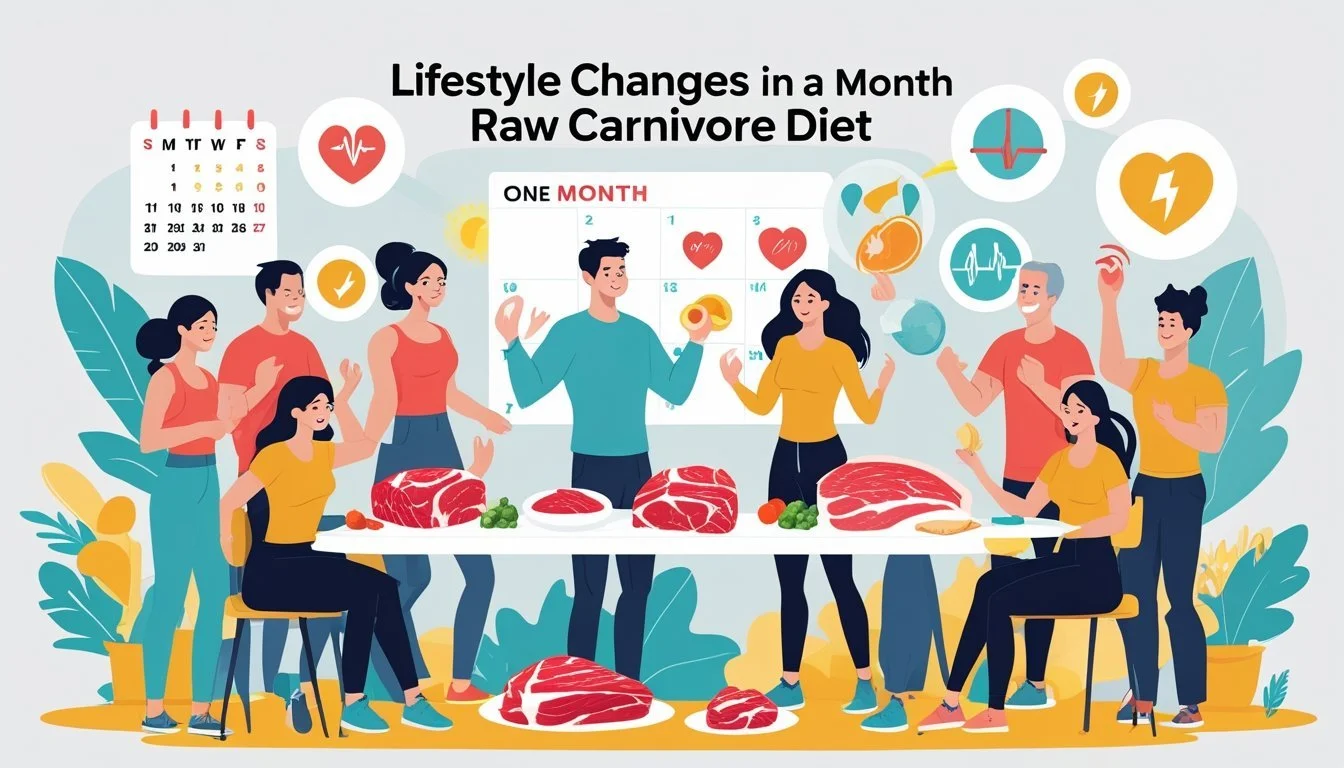
Many who try a raw carnivore diet also incorporate other routine changes and draw inspiration from well-known public figures. Resources and anecdotal stories from platforms like YouTube introduce practical strategies for adapting to this strict eating style and address challenges around health and daily living.
Integrating Intermittent Fasting
Intermittent fasting is often paired with the raw carnivore approach. Many find that fasting windows, such as 16:8 or 20:4, help streamline food preparation and reduce digestive stress.
People report that eating once or twice a day, within a shortened window, may improve energy levels and promote metabolic flexibility. Fasting can offer structure, especially when appetite naturally drops on meat-only diets.
Potential Benefits:
Simplified meal routines
Reduced snacking and cravings
Consistency with ketosis and fat adaptation
Some choose to fast intuitively, eating only when hungry, while others use timers or apps for accountability. Adjusting fasting to personal preference can enhance adherence and boost perceived results in energy and digestive comfort.
Influence of Shawn Baker, Joe Rogan, and Mikhaila Peterson
Shawn Baker, an orthopedic doctor, has been one of the most vocal advocates of the carnivore diet. His social media posts, books, and podcast appearances consistently highlight benefits ranging from improved strength to relief from chronic health conditions.
Joe Rogan has experimented with carnivore eating, documenting his experiences and health changes in public forums and on "The Joe Rogan Experience." He often discusses topics like digestive shifts, mental clarity, and short-term physical performance.
Mikhaila Peterson credits the diet with significant personal health improvements, specifically regarding autoimmune symptoms and mood. She shares detailed logs and Q&A sessions about her strict regimen, influencing many skeptics to try similar protocols.
These three figures provide different perspectives, but all are known for discussing personal data, practical barriers, and transparent reporting of both results and challenges.
Social Media and YouTube Experiences
YouTube is a major platform for sharing raw carnivore experiences. Users post before-and-after stories, grocery hauls, blood test results, and day-in-the-life videos. Structured playlists and documentaries help answer common questions and expose new users to both the benefits and pitfalls of the diet.
Livestreams and comment threads create spaces for real-time feedback. Viewers often ask for troubleshooting around cravings, nutrient intake, and safe raw meat handling.
Notable Trends:
High engagement with personal health journeys
Practical demonstrations (cutting, preparing, and storing raw meat)
Communities sharing symptoms, progress, and setbacks
Some channels focus narrowly on science and lab results, while others provide a glimpse into daily routines, making YouTube a vital resource for anyone considering or adjusting to a month of raw carnivore.

