
DEXA Scan on Carnivore: Surprising Body Composition Results and Insights
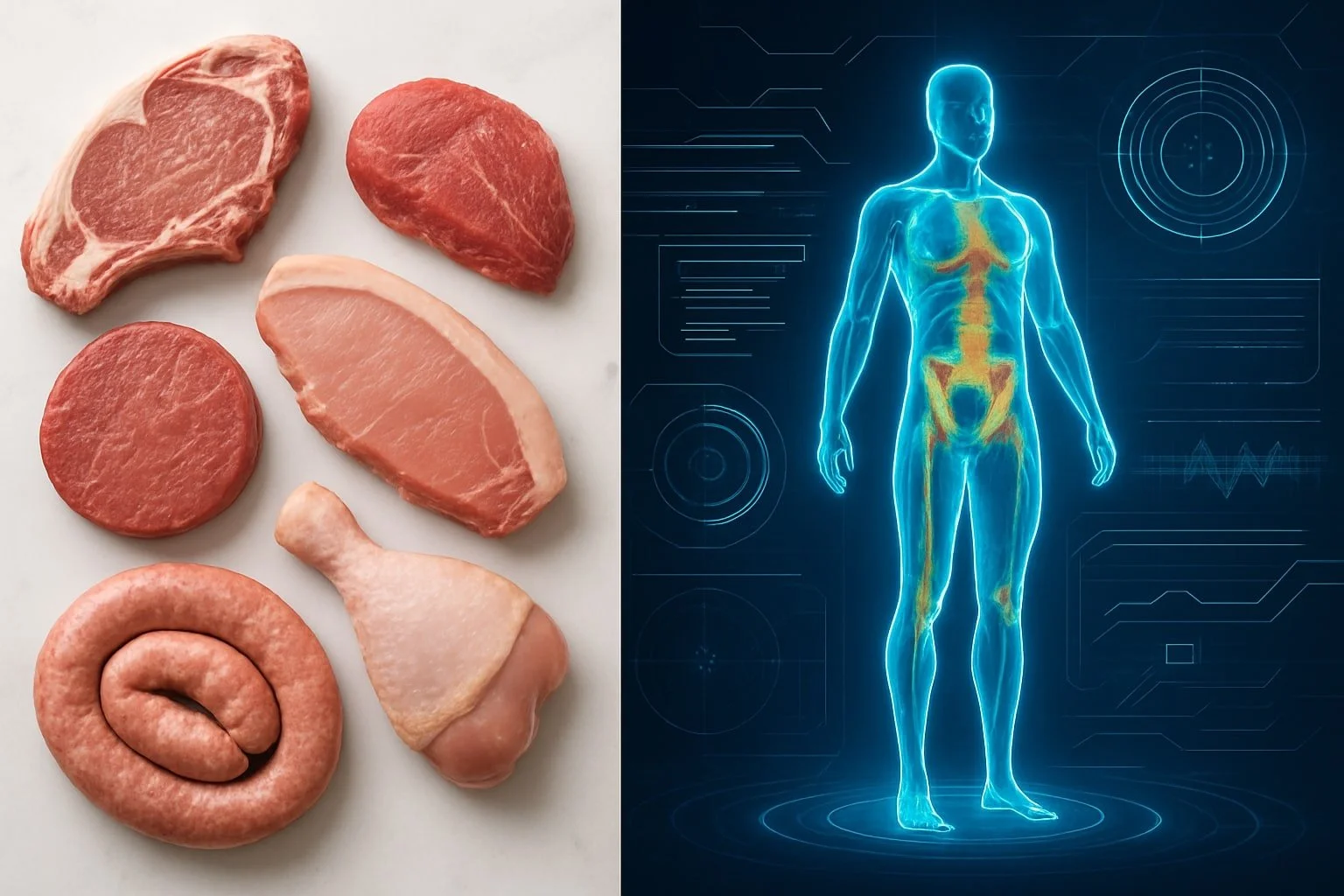
A DEXA scan provides clear, measurable data on changes in body fat and muscle while following the carnivore diet. Many are drawn to the carnivore approach for its simplicity and potential to alter body composition quickly, but few know exactly how effective it is without accurate testing.
Using a DEXA scan, individuals have been able to objectively track fat loss and muscle retention during their time on the carnivore diet. These results often challenge assumptions about eating only animal products, providing real-world evidence that can help guide personal health decisions.
Readers looking to cut through hype and guesswork can use these insights to make more informed choices. The data from DEXA scans offers valuable perspective for anyone curious about how the carnivore diet truly impacts the body.
Understanding DEXA Scans and Body Composition
A DEXA scan offers precise information about body composition, revealing details about fat, muscle, and bone with a level of accuracy that is unmatched by common assessment tools. This technology allows clearer tracking of lean muscle mass and fat distribution, offering valuable insights for individuals following diets such as carnivore.
What Is a DEXA Scan?
A DEXA scan, or Dual-Energy X-ray Absorptiometry, is a specialized imaging technique that evaluates body composition. The DEXA machine uses low-dose X-rays to scan the body, providing data on fat, muscle, and bone levels.
This scan is medical-grade and often used both in health care and fitness settings. Unlike typical scales or hand-held analyzers, the DEXA scan assesses tissue compartments separately. The appointment is brief, usually lasting about 10-20 minutes, and is noninvasive and painless.
How DEXA Measures Fat, Muscle, and Bone
DEXA scans deliver a detailed breakdown of the body’s components: fat mass, lean muscle mass, and bone mineral content. Using two different X-ray beams, the machine identifies the density and location of various tissues.
Results from a DEXA scan typically include numerical values such as total body fat percentage, fat mass index (FMI), and the android/gynoid fat ratio. These numbers help individuals understand where fat is distributed and how much lean mass they have. DEXA also indicates bone density, which is useful for assessing bone health alongside body composition.
Dual-Energy X-ray Absorptiometry vs. Other Methods
DEXA is frequently compared to other body composition assessment methods, such as Bioelectrical Impedance Analysis (BIA) and body mass index (BMI) calculations. Unlike BIA, which estimates body composition using electrical currents and can be affected by hydration, DEXA directly measures tissue using X-rays for greater accuracy.
While BMI is widely used, it only reflects total body weight relative to height and does not distinguish between fat and muscle. DEXA scans provide regional analysis (arms, legs, trunk) and help detect subtle changes in muscle or fat that other methods might miss. This level of detail makes DEXA the preferred tool for precise tracking, especially for individuals making significant dietary or fitness changes.
Carnivore Diet Explained
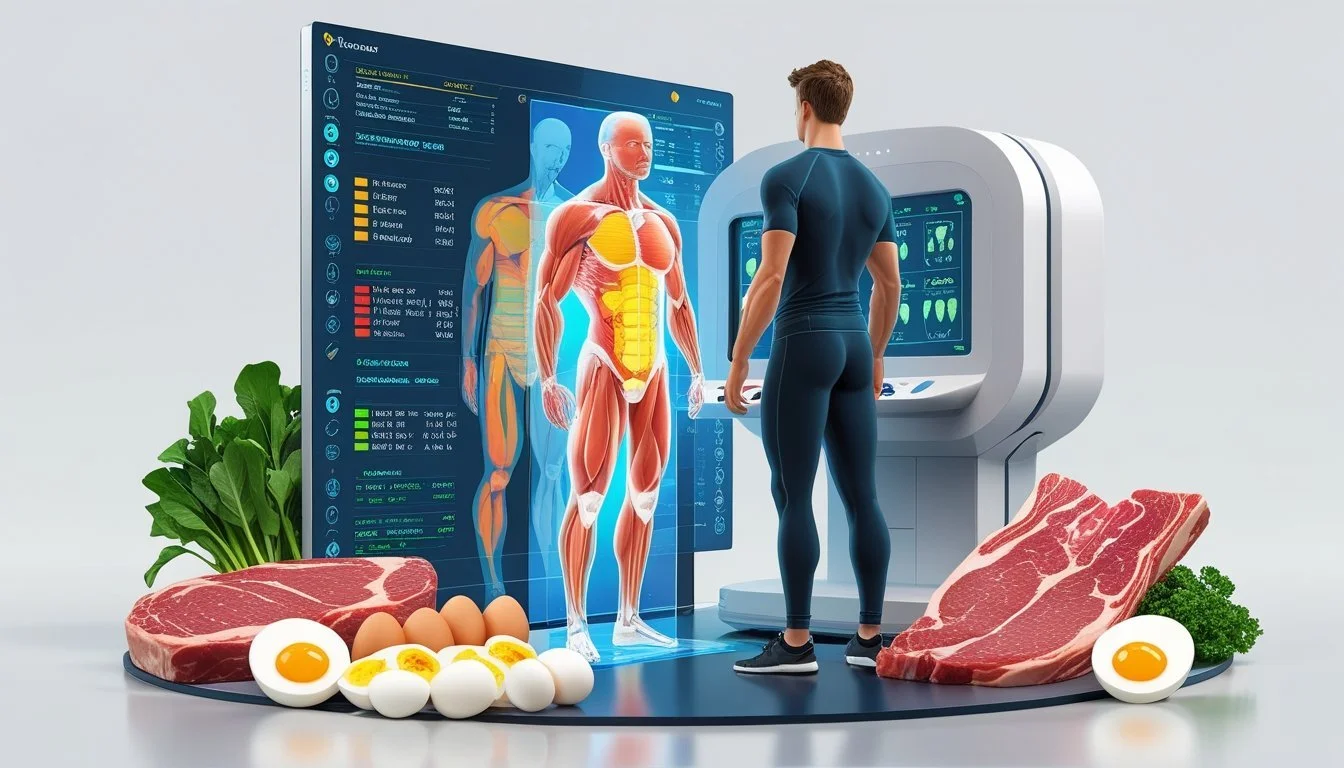
The carnivore diet consists almost entirely of animal-based foods, with a focus on meat, eggs, and some dairy. This dietary approach centers on high protein and fat intake, while excluding plant foods and carbohydrates.
Key Principles of Carnivore Eating
The primary rule of the carnivore diet is the exclusion of all plant-derived foods. Participants eat only foods that come from animals, such as meat, fish, eggs, and certain dairy products.
There is no set calorie limit or macronutrient ratio, but meals are usually comprised solely of animal products. Most people eat until full, rather than following a structured meal plan.
Followers often report reducing processed foods and additives, which are replaced by whole, minimally-processed animal foods. This diet eliminates fruits, vegetables, grains, legumes, nuts, and added sugars entirely.
Nutrient Intake: Protein, Fat, and More
The carnivore diet is high in protein and fat, with negligible carbohydrates. Protein usually comes from beef, poultry, fish, and eggs, making up a significant proportion of daily calories. Fat from animal sources is also prominent, particularly from fatty cuts of red meat and organ meats.
Below is a typical macronutrient breakdown for carnivore-style eating:
Macronutrient Approximate Percentage Primary Sources Protein 25-35% Meat, fish, eggs Fat 65-75% Fatty cuts, dairy Carbohydrates <1% Trace in eggs/dairy
Nutrients like vitamin B12, zinc, iron, and omega-3 fatty acids are typically abundant. Some micronutrients, like vitamin C and fiber, are very limited or absent, so careful selection of animal foods (such as organ meats) helps mitigate deficiencies.
Common Animal-Based Foods Consumed
Beef is often the foundation, including steaks, ground beef, and organ meats such as liver and kidney. Poultry like chicken and turkey are also eaten, though usually less frequently than red meat.
Fish and seafood (salmon, sardines, shrimp, and shellfish) offer healthy fats and micronutrients like iodine and selenium. Eggs provide complete protein and choline.
Some participants add dairy such as cheese and butter, focusing on full-fat options with minimal additives. Salt and spices may be used moderately, but foods are generally prepared simply—grilled, baked, or pan-fried without breading or sauces.
How Carnivore Influences Body Composition
A carnivore diet leads to specific changes in fat mass, muscle mass, and bone health, which are measurable using DEXA scans. The diet's composition, focused on animal products and very low in carbohydrates, creates unique effects on both external body appearance and internal markers such as visceral fat and bone density.
Shifts in Fat and Muscle Mass
A strict carnivore diet often results in a reduction of body fat mass, particularly due to its high protein and low carbohydrate approach. Protein plays a significant role in preserving lean muscle mass during weight loss.
Individuals following this diet tend to experience increased muscle retention compared to calorie-restricted, low-protein diets. They also often report decreased water retention, giving DEXA scans a clearer view of actual muscle-to-fat ratios.
The most notable changes seen on DEXA scans include a decrease in overall fat mass and the maintenance or slight increase in lean muscle mass. These shifts can be attributed to consistent protein intake and a calorie deficit commonly achieved with carnivore eating patterns.
Metric Common Trend on Carnivore Diet Fat Mass Decreases Lean Muscle Mass Maintained or Slightly Increases Total Body Water May temporarily decrease
Impact on Fat Distribution and VAT
A DEXA scan provides precise insight into fat distribution, including subcutaneous and visceral fat. The carnivore diet often promotes the loss of visceral adipose tissue (VAT), the fat stored around internal organs, which is considered a risk factor for metabolic diseases.
Loss of VAT is significant because visceral fat is closely linked to inflammation and insulin resistance. High-protein and low-carbohydrate dietary patterns, such as those found in carnivore eating, can result in a more pronounced reduction in VAT than in subcutaneous fat.
DEXA scans frequently show improvements in both visible fat and deeper abdominal fat stores. This redistribution reduces waist measurements and can positively affect key health markers like blood glucose and triglycerides.
Effects on Bone Density
DEXA scans also assess bone mineral density (BMD), a critical component of overall body composition. Some concerns exist about diets low in plant foods and nutrients like vitamin K2 or magnesium potentially affecting bone health over time.
However, the carnivore diet includes animal sources rich in calcium and vitamin D, such as dairy, eggs, and fish. For short to moderate durations, no significant bone density loss has typically been observed in individuals consuming adequate protein and minerals.
Regular DEXA scans can track BMD trends. For many, bone density remains stable, provided the diet is varied within allowed animal foods and micronutrient intake is sufficient. Long-term effects still require further study, especially in populations restricting dairy or other nutrient-dense sources.
DEXA Scan Results: Surprises from Carnivore Dieters
DEXA scans have provided measurable data on the body composition changes from following a carnivore diet. Users have reported a range of outcomes, some expected, others unexpected, especially compared with keto and other popular diets.
Unexpected Changes Observed
Several individuals following a carnivore diet have noted unexpected results in their DEXA scan reports. For example, some people experienced fat loss but also noticed a drop in lean muscle mass, even if strength and energy subjectively improved.
There are documented cases where weight loss on carnivore did not always translate to healthier fat distribution. In some reports, like one from a zero-carb follower, visceral fat increased slightly despite total fat and weight dropping—something not predicted by ketosis-based diets.
Not all users lose muscle; many preserve or even slightly increase lean body mass. The results seem to depend on protein intake, exercise habits, and starting body composition. Those with aggressive calorie deficits sometimes reported higher muscle loss.
Change Frequency Reported Notes Fat Loss Common Substantial in first 1-2 months Lean Mass Loss Sometimes May depend on calories and activity Increase in Visceral Fat Occasionally Not always expected by dieters Stable Bone Density Often Bone health rarely negatively affected
Comparing Carnivore to Keto and Other Diets
Compared to keto, the pure carnivore approach can yield faster initial weight loss, largely due to greater carb restriction and water loss. Keto and carnivore both usually result in a drop in body fat, but the difference often lies in muscle preservation.
Keto diets, which allow for some plant-based carbohydrates, tend to help maintain glycogen stores to a greater degree than carnivore. This can help protect against initial lean tissue loss, as measured on DEXA scans.
Carnivore's higher protein intake can support muscle maintenance, but a lack of dietary variety could affect how different tissues respond over several months. Some users on carnivore report seeing more significant reductions in subcutaneous fat versus visceral fat than on keto.
Other diets, such as standard low-calorie or high-carb diets, typically show slower fat loss on DEXA and sometimes greater muscle depletion. The uniqueness of carnivore and keto is their effect on ketosis, which seems correlated with fat rather than muscle loss.
Interpreting Your DEXA Scan on Carnivore
A DEXA scan provides specific data about lean tissue, fat distribution, and bone density, offering a comprehensive health assessment for those following a carnivore diet. It helps users make informed decisions by showing exactly how body composition changes, not just by the scale, but through accurate measurement.
Evaluating Lean Mass and Fat Mass
DEXA scans break down body composition into lean mass and fat mass, giving clear numbers for muscle and fat in each region of the body. For those on a carnivore diet, monitoring lean mass can show whether increased protein intake is helping maintain or build muscle tissue.
A reduction in body fat, especially when combined with muscle preservation, is a positive indicator of metabolic health. The scan will also reveal percentage changes in fat, making it easier to assess progress toward reducing risk factors for diabetes and heart attack.
A comparison table with baseline and follow-up numbers helps visualize changes:
Metric Baseline After Carnivore Lean Mass 65 kg 67 kg Total Fat % 27% 22%
These results provide clarity and reveal where body composition is genuinely improving.
Analyzing Bone Health and Osteoporosis Risk
Bone density data from DEXA scans is essential for detecting early signs of osteoporosis, especially for individuals prioritizing long-term health or concerned about aging. Scores such as the T-score and Z-score compare bone mineral content to healthy populations, giving concrete feedback about bone status.
A T-score between -1 and -2.5 suggests osteopenia, while below -2.5 indicates osteoporosis. A higher score on the carnivore diet may suggest adequate bone support, while a drop may require a reassessment of nutrition or supplementation.
Strong bone health is associated with reduced fracture risk and better longevity. Regular tracking allows for proactive action rather than waiting for symptoms.
Visceral Fat Indicators and Health Implications
Visceral fat surrounds internal organs and is a crucial marker for health. DEXA scans can specifically quantify visceral fat, which is linked to higher risk of metabolic diseases, including diabetes, heart attack, and some cancers.
A lower visceral fat value is desirable and may reflect the potential benefits of reduced carbohydrate intake on the carnivore diet. Levels above established thresholds require attention due to associated cardiovascular and metabolic risks.
Clear documentation of visceral fat changes helps users understand the impact of dietary choices on their health and informs discussions with healthcare providers about longevity and disease prevention.
Optimizing Carnivore for Ideal Body Composition
Diet composition, exercise routines, and supportive foods all impact how effectively the carnivore diet shapes body fat and muscle. Careful planning of protein and fat intake, meal routines, and nutrient supplementation is essential for achieving measurable improvements on a DEXA scan.
Protein-to-Fat Ratios
Choosing the right protein-to-fat ratio is critical on carnivore. A higher protein intake can help preserve or build lean muscle, while moderate fat provides needed energy.
Many find success with a ratio close to 1:1 (grams of protein to grams of fat), but some may do better with a slight tilt towards protein or fat, depending on training and goals.
A useful approach is to track daily macros for a few weeks and adjust based on changes in energy, satiety, and body composition measurements.
Eating exclusively lean meats can sometimes result in low energy or sluggishness, while excess fat may stall weight loss. Finding this individual balance can optimize fat loss without sacrificing muscle.
Incorporating Exercise and Meal Prep
Exercise amplifies the results of a carnivore diet. Resistance training—such as weightlifting or bodyweight exercises—plays a significant role in supporting muscle retention or growth. Incorporating regular walking, mobility work, or short cardio sessions can improve fat loss.
Meal prepping is also practical on carnivore. Pre-cooking and portioning meats such as steak, ground beef, eggs, and fish reduces decision fatigue and ensures each meal hits target macros.
Having ready-to-eat carnivore snacks like hard-boiled eggs, beef jerky, and canned fish makes adherence easier, especially with a busy schedule.
Organizing meals in advance allows for more consistent nutrient intake and better control over protein and fat ratios. This approach helps avoid last-minute choices that can disrupt progress.
Electrolytes, Bone Broth, and Supportive Foods
Staying hydrated and maintaining electrolyte balance is necessary when consuming only animal foods. Levels of sodium, potassium, and magnesium can drop, especially early in the diet.
Some common symptoms of imbalance include fatigue, cramps, and headaches.
Adding bone broth to meals supplies collagen, minerals, and extra hydration. Supplementing with magnesium—through tablets or mineral-rich waters—supports muscle function and overall well-being.
Those following strict carnivore may also use unsweetened electrolyte powders or small amounts of pink salt to maintain balance.
Eating organ meats like liver or heart on occasion supplies additional micronutrients.
A thoughtful approach to supportive foods can help sustain energy, enhance recovery, and optimize both fat loss and muscle retention.
Limitations and Considerations of DEXA on Carnivore
DEXA scans can offer precise data about body composition, but certain aspects may impact the results for people on a carnivore diet. Interpreting these scans requires an understanding of confounding factors and differences between dietary groups.
Potential Confounding Factors
DEXA (Dual-energy X-ray Absorptiometry) is sensitive to short-term changes in hydration and glycogen stores. A strict carnivore diet often leads to lower carbohydrate intake, affecting glycogen reserves in muscle and liver. Because each gram of glycogen binds with water, reduced glycogen stores may show up as lower lean mass on a DEXA scan, even when actual muscle tissue is unchanged.
Dietary sodium and water intake can also shift total body water, altering apparent lean mass between scans. Weight fluctuations from bowel contents, particularly with diet changes, may cause small but meaningful variations in results. Individuals should standardize conditions before each scan:
Maintain similar hydration.
Schedule scans at similar times of day.
Replicate dietary intake for the 24 hours before testing.
Comparability Across Different Populations
Comparing DEXA results from those on carnivore diets to individuals eating mixed or plant-based diets is complex. Differences in glycogen, hydration, and body water content can lead to disparities in measured lean mass and body fat.
Population-specific variations in age, sex, ethnicity, and physical activity also influence DEXA outcomes. Reference tables used by clinics are often based on general populations not tailored to unique eating patterns like carnivore. If comparing across groups, consider aligning protocols and recognizing that some changes in lean mass may reflect changes in water or glycogen, not necessarily true muscle gain or loss. Table-based norms may also over- or underestimate expected ranges for this group.

